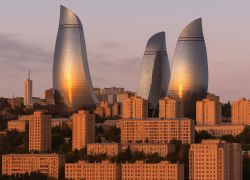
The Flame Towers in Baku, Azerbaijan, are an iconic trio of skyscrapers that have become the symbol of the modern city. Located in the heart of Baku’s skyline, these stunning towers are a tribute to Azerbaijan’s rich cultural heritage and its vision of a bright, futuristic future. Representing flames, they stand tall and proud, capturing the essence of fire, an important symbol in Azerbaijani culture. How to Reach Flame Towers The Flame Towers are located in the center of Baku, making them easily accessible from most parts of the city. Visitors can take a taxi, use public transportation, or even walk to the towers depending on where they are staying. The nearest metro station is the 28 May Station, which is about 1 km away from the towers. Alternatively, buses and taxis are frequent and affordable options in Baku. Weather in Baku Baku experiences a dry subtropical climate, with hot summers and mild winters. Summer temperatures can soar above 40°C (104°F), while winter temperatures hover around 5°C (41°F). The best time to visit the Flame Towers is during the spring (April to June) and fall (September to November), when the weather is mild and pleasant, making outdoor activities and sightseeing more enjoyable. Timing of Flame Towers The Flame Towers are visible 24/7, as they are illuminated with LED lights at night, creating a spectacular visual display. While you can admire the towers from the outside at any time, visiting the towers themselves (for a more immersive experience) is best done during the day or early evening when the viewing platforms are open to the public. The surrounding area, including the park and shopping areas, are also open throughout the day. Why Flame Towers Are Famous The Flame Towers have become synonymous with Baku’s modern architectural landscape. They are famous for their flame-like design, which is a reflection of the historical significance of fire in Azerbaijan. The towers’ shimmering exteriors are made of glass and are illuminated at night, creating a fiery spectacle visible from all over Baku. The buildings also serve as a symbol of the country’s progress and development, showcasing a blend of tradition and modernity. The towers are a must-see landmark for any visitor to Baku. Entry and Visit Details While the Flame Towers themselves do not operate as a traditional tourist attraction with entry tickets, visitors can explore the area around the towers, including the nearby Flame Towers Park and the Flame Towers' observation decks. The towers’ external lights and architecture can be viewed from various vantage points in Baku, especially from the Caspian Sea waterfront or the Baku Boulevard. Entry to the Flame Towers’ public areas, such as the observation deck, is free, but some premium services, such as restaurants and lounges, may require reservations and charges. History and Architecture of Flame Towers The Flame Towers were designed by the Heerim Architects, a South Korean firm, and completed in 2012. Standing at 190 meters (623 feet), they are the tallest buildings in Azerbaijan. The trio of towers, which rise like flames reaching toward the sky, represent the country’s connection to fire, which has been a significant part of Azerbaijan’s history and culture for centuries. The fire worshippers of ancient Azerbaijan revered fire as sacred, and the flames have since become a symbol of strength, energy, and purity. The architecture is a stunning combination of glass and steel, designed to reflect the modernity of Baku. Each of the three towers is slightly different in height, and together they form a captivating composition that appears to change its shape when viewed from different angles. At night, the towers come alive with a spectacular light show, with each surface of the buildings displaying vibrant colors and intricate patterns, mimicking the shape and motion of flames. Things to Do at Flame Towers Aside from marveling at the architecture, there are plenty of things to do around the Flame Towers: Visit the Observation Deck: Located in one of the towers, the observation deck offers a panoramic view of Baku, the Caspian Sea, and the surrounding landscapes. It's an excellent spot for photos, especially at sunset. Explore Flame Towers Park: Surrounding the towers is a beautifully landscaped park where you can take a stroll, relax, and enjoy the outdoor atmosphere. Dining: The towers house luxury restaurants and cafes with spectacular views of Baku’s skyline, offering both Azerbaijani and international cuisine. Night Viewing: The towers are at their most spectacular at night when the lights illuminate their fiery design. You can visit the waterfront or nearby hilltops to get a stunning view of the illuminated towers. Interesting Facts About Flame Towers The Flame Towers are considered a modern symbol of Azerbaijan and represent the cultural heritage of fire worship. At night, the LED lighting system on the Flame Towers displays a variety of patterns, including the image of a flame, making it one of the most recognizable landmarks in Baku. The Flame Towers were designed to be energy-efficient and eco-friendly, with cutting-edge green building technologies incorporated into the construction process. In 2014, the Flame Towers received the Azerbaijan Architecture Award for their innovative design. Tips for Visiting Flame Towers Best Time to Visit: The best time to visit the Flame Towers is in the late afternoon to catch the sunset, followed by the evening light show. Wear Comfortable Shoes: Since you’ll be walking around the park and exploring the area, make sure to wear comfortable footwear. Photography: For the best photographs, try visiting early in the morning or around sunset when the lighting is most dramatic. Check for Special Events: The Flame Towers often host special events, so be sure to check if there are any cultural performances or light shows during your visit.
Explore More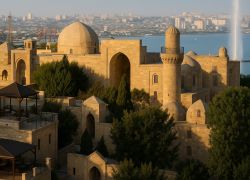
Icherisheher, also known as the "Old City" of Baku, is the historical heart of Azerbaijan’s capital. It is a UNESCO World Heritage Site, representing the country’s cultural and architectural heritage. Icherisheher is home to ancient landmarks, narrow streets, traditional architecture, and bustling marketplaces, making it a must-visit destination for history lovers and tourists interested in Azerbaijani culture. Visitors can step back in time as they explore the rich history and unique atmosphere of this fascinating area. How to Reach Icherisheher Icherisheher is located in the center of Baku, making it easily accessible for visitors. The nearest metro station is the Icherisheher Metro Station, which is just a short walk away from the Old City. Taxis and buses also frequently serve this area, providing convenient transport options. For those staying in central Baku, walking to Icherisheher is highly recommended as it allows you to enjoy the vibrant atmosphere and landmarks along the way. Weather in Baku Baku experiences a dry subtropical climate, with hot summers and mild winters. The best time to visit Icherisheher is during the spring (April to June) and fall (September to November), when the weather is moderate and pleasant. Summer temperatures can soar above 30°C (86°F), making the narrow streets of Icherisheher quite warm, so it’s recommended to visit in the cooler months for a more comfortable experience. Timing of Icherisheher Icherisheher is an open-air museum, meaning it is accessible at all hours. However, to explore the historic sites, shops, and museums, the recommended visiting hours are from 9:00 AM to 6:00 PM. The area is especially charming in the evening when the streets are lit with traditional lanterns, and the cafes and restaurants come to life. If you wish to see Icherisheher in all its glory, an evening stroll is a must, with the backdrop of Baku’s skyline and the Caspian Sea. Why Icherisheher is Famous Icherisheher is famous for its well-preserved historical sites, offering a glimpse into Baku’s ancient past. The Old City is a maze of winding streets, ancient buildings, and fortifications, which reflect the influence of various civilizations that passed through this region. Key attractions such as the Maiden Tower, Shirvanshahs’ Palace, and Juma Mosque are all located within Icherisheher. The area has also maintained its traditional architecture, including caravanserais, old houses, and cobbled streets, which create a timeless ambiance that draws tourists from all over the world. Entry and Visit Details There is no entry fee to wander around Icherisheher as it is a public area. However, some of the major historical sites within the Old City, such as the Maiden Tower and Shirvanshahs’ Palace, charge an entry fee. The Maiden Tower, for example, offers a panoramic view of the city from the top, while the Shirvanshahs’ Palace allows visitors to explore the residence and royal chambers of the Shirvan Dynasty. Entry fees to these attractions are affordable, and tickets can be purchased on-site. It is recommended to hire a local guide for an in-depth understanding of the history and significance of the sites in Icherisheher. History and Architecture of Icherisheher Icherisheher has a rich and layered history that dates back to at least the 12th century. The Old City was once a thriving center of trade, culture, and politics, and it still retains many of its original features. The city walls, which date back to the 12th century, encircle Icherisheher, protecting it from invaders throughout history. The Maiden Tower, one of the oldest and most iconic landmarks, is believed to have been built in the 12th century, while the Shirvanshahs’ Palace was the royal residence of the Shirvan Dynasty during the 15th century. Icherisheher is also home to traditional caravanserais (inns), mosques, and baths that were used during the Silk Road era. The architecture of Icherisheher is a beautiful blend of Islamic, Persian, and Caucasian influences. Many of the buildings in the Old City feature intricate tile work, ornate arches, and decorative elements. The narrow, winding streets and alleys add to the charm of the area, offering visitors the opportunity to explore hidden gems tucked away from the main roads. The preservation of these buildings and their cultural significance makes Icherisheher an invaluable part of Baku’s heritage. Things to Do in Icherisheher There are plenty of things to do in and around Icherisheher: Explore Historical Sites: Visit the Maiden Tower and Shirvanshahs’ Palace, both of which offer a deep dive into the history of Baku. Visit the Juma Mosque: This 15th-century mosque is one of the oldest and most beautiful in the city, featuring stunning architecture and peaceful surroundings. Stroll Along the Ancient Streets: Take a walk through the labyrinth of cobbled streets and alleyways, which are lined with charming shops, cafes, and artisan workshops. Try Traditional Azerbaijani Cuisine: Icherisheher is home to a number of restaurants and tea houses where you can sample authentic Azerbaijani dishes, such as kebabs, pilaf, and baklava. Visit the Baku City Museum: Located within the Old City, this museum offers insight into the history of Baku and Azerbaijan, with exhibitions on the city’s development, architecture, and culture. Interesting Facts About Icherisheher Icherisheher is home to over 2,000 years of history, with evidence of ancient settlements, including the remains of Zoroastrian fire temples. The Maiden Tower is one of the most photographed landmarks in Azerbaijan and is believed to have mysterious purposes—some legends claim it was a watchtower, while others suggest it was used as a temple. The Old City was strategically located on the Caspian Sea, making it a vital port for merchants traveling along the Silk Road. The Shirvanshahs’ Palace contains the tomb of the Shirvan Shahs, with beautiful courtyards, mosques, and an ancient bathhouse that showcase the splendor of the royal family. Tips for Visiting Icherisheher Wear Comfortable Shoes: Icherisheher’s streets are cobblestone and can be uneven, so it’s advisable to wear comfortable, flat shoes while exploring. Take a Guided Tour: To fully appreciate the history and significance of Icherisheher, consider hiring a local guide who can provide in-depth knowledge about the landmarks and culture. Stay Hydrated: It can get quite warm, especially during the summer, so make sure to carry water with you as you explore. Check for Special Events: Icherisheher often hosts cultural festivals, art exhibitions, and performances. Check for any events during your visit for an enhanced experience. Respect Local Customs: Be mindful of the local customs and traditions when visiting religious sites and interacting with locals in the Old City.
Explore More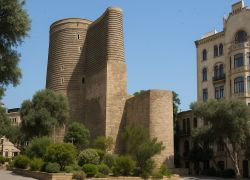
The Maiden Tower (also known as "Giz Galasi") is one of Baku's most iconic and mysterious landmarks. Standing proudly at the edge of the Old City (Icherisheher), this ancient cylindrical structure has been a symbol of Baku for centuries. Known for its impressive architecture and intriguing history, the Maiden Tower has captured the imagination of visitors from all over the world. It is a UNESCO World Heritage Site and one of the oldest structures in Baku, offering a window into the city’s rich past. How to Reach Maiden Tower Maiden Tower is located in the heart of Baku’s Icherisheher (Old City), making it easily accessible by foot from various points in Baku. If you're coming by metro, the nearest station is the Icherisheher Metro Station, which is about a 5-minute walk from the tower. Taxis and buses are also available, but walking is the best way to soak in the beauty of the Old City. The surrounding streets are full of narrow alleys, ancient shops, and cafes, making it a pleasant walk to the tower. Weather in Baku Baku experiences a semi-arid climate, with hot summers and mild winters. Summer temperatures can exceed 35°C (95°F), while winter temperatures hover around 5°C (41°F). The best time to visit Maiden Tower is during the spring (April to June) and fall (September to November) when the weather is more moderate and comfortable. Summer can be quite hot, so visitors are advised to dress light and stay hydrated. The views from the tower are breathtaking at any time of the year, but the spring and fall provide the most pleasant weather for exploring the city. Timing of Maiden Tower The Maiden Tower is open to visitors every day from 9:00 AM to 6:00 PM. However, it is important to check for any special events or seasonal changes in hours before planning your visit. The tower remains closed on certain public holidays and during maintenance work, so it’s best to confirm timings in advance. Visitors should plan to arrive earlier in the day to avoid long queues, especially during peak tourist seasons. At night, the Maiden Tower is illuminated beautifully, adding to the charm of the Old City, though it is not open to visitors after hours. Why Maiden Tower is Famous The Maiden Tower is famous not only for its architectural grandeur but also for its mysterious history. While its exact origin is uncertain, it is believed to have been built between the 12th and 14th centuries. Its name, “Maiden Tower,” is linked to various legends, some of which involve tragic love stories and ancient rituals. The tower is an emblem of Baku’s architectural heritage, and its design has been admired for centuries. One of the main reasons for its fame is its unique cylindrical structure, which rises to a height of about 29 meters (95 feet), making it a striking feature of the Baku skyline. Entry and Visit Details The Maiden Tower is open to visitors, and an entry fee is required. The ticket prices are modest and affordable, making it accessible for most tourists. Tickets can be purchased at the entrance, where staff provide useful information about the tower’s history and significance. Visitors can also purchase an audio guide for a more in-depth tour, offering detailed insights into the tower’s history, architecture, and legends. The climb to the top involves ascending a series of narrow, steep stairs, but the view from the top is well worth the effort. It’s a great spot for panoramic photographs of the city, the Caspian Sea, and the surrounding landscapes. History and Architecture of Maiden Tower The Maiden Tower’s origin remains shrouded in mystery. Some historians suggest that it was built during the Shirvanshah period (12th century) as a defensive structure. Others speculate that it served as a Zoroastrian temple or a fire-worshipping site due to its circular shape and the many symbolic representations of fire in Azerbaijani culture. The tower’s architectural design is a remarkable feat of engineering, with its cylindrical structure tapering slightly as it rises, making it one of the most distinct towers in the region. Despite its age, the Maiden Tower has withstood the test of time and has been carefully preserved. Its thick walls, built from limestone and sandstone, once housed a series of rooms and fortifications, but today, it is primarily a tourist attraction. The interior includes exhibits related to the tower’s history and archaeological findings, showcasing the city’s rich heritage. Visitors can explore the tower’s upper levels and enjoy sweeping views of Baku and the Caspian Sea from the top. Things to Do at Maiden Tower There are several things to do at Maiden Tower that make it a fascinating stop in Baku: Explore the History: Inside the Maiden Tower, visitors can learn about its history through informative displays, artifacts, and an optional audio guide. It provides a deeper understanding of Baku’s past and the tower’s significance. Climb to the Top: The most popular activity is climbing the narrow staircase to the top of the tower. Once at the top, you can enjoy panoramic views of Baku, the Caspian Sea, and the surrounding Old City. Photography: The Maiden Tower offers excellent photo opportunities, both from the top and from various angles around the Old City. The tower’s unique design and its location near the Caspian Sea provide stunning backdrops for photography. Enjoy the Views: The views from the top of the Maiden Tower are spectacular, especially at sunrise or sunset. It’s one of the best spots in Baku for capturing the beauty of the city skyline and the Caspian Sea. Learn About the Legends: The Maiden Tower is steeped in legends, and part of the fun of visiting is hearing the various myths surrounding its name and purpose. A guided tour will offer fascinating insights into these stories. Interesting Facts About Maiden Tower The Maiden Tower is one of the most recognized symbols of Azerbaijan and appears on the country’s national emblem. There are several theories about the name “Maiden Tower,” with some suggesting that it comes from a local legend involving a young woman who threw herself from the tower to avoid an unwanted marriage. The tower was used for defensive purposes in the past and also served as a watchtower, offering strategic views of Baku’s surroundings. Despite its historical significance, the Maiden Tower has undergone several renovations over the centuries to preserve its structure and cultural value. Tips for Visiting Maiden Tower Get There Early: To avoid the crowds, it’s best to visit early in the morning or later in the afternoon, especially during peak tourist seasons. Bring Water: The climb to the top can be tiring, so it’s a good idea to bring water with you, particularly during the warmer months. Wear Comfortable Shoes: The stairway inside the tower is narrow and steep, so comfortable footwear is a must. Plan for Photos: Don’t forget to bring your camera! The Maiden Tower offers some of the best views in Baku, and the photo opportunities are endless. Consider a Guided Tour: If you want to learn more about the history and legends of the Maiden Tower, consider hiring a local guide or using an audio guide available at the entrance.
Explore More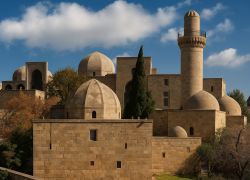
The Shirvanshahs' Palace is one of the most important historical and architectural monuments in Azerbaijan. Located within the ancient walls of Icherisheher (Old City) in Baku, this palace complex reflects the power and elegance of the Shirvan dynasty, which ruled the region for centuries. Recognized as a UNESCO World Heritage Site, the palace is a symbol of medieval Azerbaijani culture, art, and architecture. Visitors to Shirvanshahs' Palace can explore royal chambers, courtyards, mausoleums, and mosques while learning about the fascinating history of Baku. How to Reach Shirvanshahs' Palace Shirvanshahs' Palace is situated inside Icherisheher, the historic center of Baku. The easiest way to reach the palace is by using the Icherisheher Metro Station, which is just a short walk away. From the metro exit, visitors can walk through the old city streets, enjoying the traditional architecture along the way. Taxis are also widely available in Baku and can drop visitors near the Old City entrance. Walking is highly recommended if you are staying in central Baku, as many major attractions are located close to each other. Weather in Baku Baku has a semi-arid climate with hot summers and mild winters. During summer (June to August), temperatures can rise above 35°C, making midday visits uncomfortable. Winters are relatively mild, with temperatures usually staying above 5°C. The best time to visit Shirvanshahs' Palace is during spring (April to June) and autumn (September to November), when the weather is pleasant and ideal for walking around the palace complex and Old City. These seasons offer comfortable temperatures and clear skies for photography. Timing of Shirvanshahs' Palace Shirvanshahs' Palace is generally open to visitors daily from 10:00 AM to 6:00 PM. Timings may vary slightly during public holidays or special events, so it is advisable to check in advance. Visitors are encouraged to arrive early in the day to avoid crowds, especially during peak tourist seasons. Exploring the palace at a relaxed pace usually takes about 1.5 to 2 hours, allowing enough time to visit all sections and enjoy the views from the courtyards. Why Shirvanshahs' Palace Is Famous The palace is famous for being the former residence of the Shirvan Shahs, one of the most influential ruling dynasties in Azerbaijan’s history. It stands as a fine example of medieval Islamic architecture and craftsmanship. The palace complex is known for its harmonious design, intricate stone carvings, and historical importance. As one of the best-preserved royal complexes in the Caucasus region, Shirvanshahs' Palace attracts history enthusiasts, architecture lovers, and cultural travelers from around the world. Entry and Visit Details Visitors need to purchase an entry ticket to explore Shirvanshahs' Palace. The ticket price is reasonable and includes access to the main palace building, the Divankhana (council hall), the royal mausoleum, mosque, and bathhouse ruins. Audio guides are available for visitors who want a deeper understanding of the palace’s history and significance. Guided tours are also offered and are highly recommended for those interested in learning detailed historical facts and architectural insights. History of Shirvanshahs' Palace The construction of Shirvanshahs' Palace began in the early 15th century during the reign of Shah Khalilullah I. At that time, Baku became the capital of the Shirvan state, and the palace was built as the royal residence. Over the centuries, the complex expanded with the addition of new buildings, including mausoleums, mosques, and ceremonial halls. The palace suffered damage during foreign invasions but was later restored and preserved as a historical monument. In the 20th century, extensive restoration work was carried out to protect the palace and its structures. Today, it serves as a museum that showcases artifacts, inscriptions, and exhibits related to the Shirvan dynasty and medieval Azerbaijani culture. Architecture of Shirvanshahs' Palace The architecture of Shirvanshahs' Palace reflects the elegance of medieval Azerbaijani design. Built mainly from limestone, the complex blends harmoniously with the rocky terrain of Icherisheher. The palace features clean lines, balanced proportions, and detailed stone carvings. The Divankhana, a domed pavilion believed to be used for official meetings, is one of the most impressive structures within the complex. The royal mausoleum showcases intricate geometric patterns and inscriptions, while the palace mosque reflects traditional Islamic architectural elements. The entire complex is designed around courtyards, creating a peaceful and majestic atmosphere that highlights the sophistication of the Shirvan era. Things to Do at Shirvanshahs' Palace There are many activities and experiences to enjoy while visiting Shirvanshahs' Palace: Explore the Palace Rooms: Walk through royal chambers and halls to understand how the Shirvan rulers lived. Visit the Divankhana: Admire the beautifully designed council hall and its impressive dome. Learn at the Museum: View historical artifacts, manuscripts, and displays that tell the story of the Shirvan dynasty. Enjoy Photography: Capture stunning images of stone carvings, arches, and panoramic views of the Old City. Relax in the Courtyards: Spend time in the peaceful courtyards and appreciate the palace’s calm atmosphere. Interesting Facts About Shirvanshahs' Palace The palace complex includes more than 50 structures, though not all are fully preserved today. It was officially recognized as a UNESCO World Heritage Site in 2000. The Divankhana’s exact purpose remains a mystery, with theories suggesting it was a court, tomb, or ceremonial hall. The palace is considered one of the finest examples of Shirvan-Absheron architectural style. Tips for Visiting Shirvanshahs' Palace Wear Comfortable Shoes: The palace grounds have uneven stone surfaces and stairs. Visit Early: Arriving in the morning helps avoid crowds and heat. Use a Guide: A guided tour or audio guide enhances your understanding of the palace. Respect the Site: Avoid touching fragile structures and follow museum rules. Combine with Nearby Attractions: Plan your visit with nearby sites like Maiden Tower and Old City streets.
Explore More
The Baku Maiden Tower, locally known as Giz Galasi, is one of the most iconic and mysterious monuments in Azerbaijan. Located in the heart of Baku’s Old City, Icherisheher, this ancient tower stands as a powerful symbol of the city’s history and cultural identity. Recognized as a UNESCO World Heritage Site, the Maiden Tower attracts thousands of visitors every year who come to admire its unique structure, learn about its legends, and enjoy stunning views of the Caspian Sea and modern Baku. The tower’s massive stone walls, cylindrical shape, and commanding presence make it a standout landmark. Despite extensive research, the true purpose and origin of the Maiden Tower remain a subject of debate among historians, adding to its charm and mystery. Whether you are a history enthusiast, an architecture lover, or a casual traveler, the Baku Maiden Tower is a must-visit attraction. How to Reach Baku Maiden Tower The Baku Maiden Tower is located inside Icherisheher (Old City), one of the most accessible and central areas of Baku. The easiest way to reach the tower is by taking the Baku Metro to Icherisheher Station. From the station, it is a short and pleasant walk through narrow historic streets to the tower. Taxis are widely available throughout the city and can drop you near the Old City entrance. Buses also operate frequently in central Baku. For visitors staying near Baku Boulevard or Fountain Square, walking is an excellent option, as it allows you to enjoy the atmosphere and nearby attractions along the way. Weather in Baku Baku has a semi-arid climate influenced by the Caspian Sea. Summers (June to August) are hot and dry, with temperatures often exceeding 35°C. Winters (December to February) are mild, with temperatures ranging between 3°C and 8°C. Strong winds are common throughout the year, earning Baku the nickname “City of Winds.” The best time to visit the Baku Maiden Tower is during spring (April to June) and autumn (September to November). During these seasons, the weather is comfortable for walking and sightseeing, and the views from the top of the tower are especially clear and enjoyable. Timing of Baku Maiden Tower The Baku Maiden Tower is generally open to visitors daily from 9:00 AM to 6:00 PM. During peak tourist seasons and summer months, timings may be extended slightly. It is advisable to check the current opening hours before planning your visit, especially during public holidays. Visiting earlier in the day is recommended to avoid crowds and enjoy a quieter experience. The tower is beautifully illuminated at night, making it a popular spot for evening photography, although interior access is limited to daytime hours. Why Baku Maiden Tower Is Famous The Baku Maiden Tower is famous for its unique architecture, ancient origins, and the many legends associated with it. It is one of the oldest surviving structures in Baku and serves as a powerful symbol of the city. The tower’s name is linked to various myths, including stories of tragic love, royal daughters, and ancient rituals. Its inclusion in the UNESCO World Heritage list has further increased its global recognition. The tower is also featured in Azerbaijani art, literature, currency, and tourism branding, making it an enduring national symbol. Entry and Visit Details of Baku Maiden Tower Visitors must purchase an entry ticket to access the interior of the Baku Maiden Tower. Ticket prices are affordable and can be bought at the entrance. The ticket includes access to multiple levels inside the tower, where visitors can explore exhibitions, historical displays, and informational panels. An audio guide is available for those who want a deeper understanding of the tower’s history, architecture, and legends. The climb to the top involves narrow and steep stairs, but resting platforms are available along the way. The panoramic view from the top is one of the highlights of the visit. History of Baku Maiden Tower The exact history of the Baku Maiden Tower is still uncertain, with scholars offering different theories about its origin. Some believe it was built in the 12th century during the Shirvanshah period, while others suggest parts of the structure date back to pre-Islamic times. Over the centuries, the tower has served various purposes, including a watchtower, lighthouse, and defensive structure. Its strategic location near the Caspian Sea allowed it to play an important role in protecting the city. Restoration efforts in the 20th century helped preserve the tower and transform it into a museum. Architecture of Baku Maiden Tower The architecture of the Baku Maiden Tower is unlike any other structure in the region. Built primarily from limestone, the tower has a cylindrical body with a distinctive protruding buttress on one side. It stands approximately 29 meters tall, with walls that are up to 5 meters thick at the base. The interior consists of several levels connected by spiral staircases. Each level once served a specific function, and today they host exhibitions and viewing platforms. The tower’s design reflects advanced engineering skills for its time and continues to impress architects and historians alike. Things to Do at Baku Maiden Tower There are several engaging activities to enjoy during your visit: Explore the Interior: Learn about the tower’s history through displays and exhibits. Climb to the Top: Enjoy panoramic views of the Old City, Baku Boulevard, and the Caspian Sea. Photography: Capture stunning images of the tower from different angles. Discover Legends: Listen to fascinating myths and stories associated with the tower. Walk Around Icherisheher: Combine your visit with nearby attractions like Shirvanshahs’ Palace. Interesting Facts About Baku Maiden Tower The Maiden Tower is featured on Azerbaijani currency and official emblems. Its exact original purpose remains unknown. The tower has survived earthquakes, invasions, and centuries of natural wear. It is one of the most photographed landmarks in Azerbaijan. Tips for Visiting Baku Maiden Tower Wear Comfortable Shoes: The stairs inside are steep and narrow. Visit Early: Morning hours are less crowded. Carry Water: Especially important during summer visits. Use an Audio Guide: It enhances your understanding of the site. Respect the Monument: Follow rules to help preserve this historic structure.
Explore More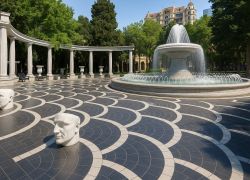
Fountain Square is one of the most vibrant and popular public spaces in Baku, Azerbaijan. Located in the heart of the city, this lively square is a major social and cultural hub where locals and tourists gather to relax, shop, dine, and enjoy the energetic atmosphere. Known for its beautiful fountains, pedestrian-friendly layout, and surrounding historic buildings, Fountain Square perfectly reflects the modern lifestyle of Baku blended with its traditional charm. The square is surrounded by cafes, restaurants, hotels, boutiques, and historic landmarks, making it an ideal starting point for exploring the city. Whether visited during the day or in the evening, Fountain Square offers a lively experience filled with street performances, music, and a welcoming urban vibe. How to Reach Fountain Square Fountain Square is centrally located and easily accessible from all parts of Baku. The nearest metro stations are Sahil and 28 May, both of which are within walking distance. From Sahil Metro Station, it takes about 5 minutes on foot to reach the square. Taxis are widely available throughout the city and can drop visitors very close to the square. Many bus routes also stop nearby. If you are staying in central Baku or near Baku Boulevard, walking is highly recommended, as the surrounding streets are lively and full of attractions. Weather in Baku Baku has a semi-arid climate with hot summers and mild winters. During summer months (June to August), temperatures can rise above 35°C, while winters (December to February) remain relatively mild, usually between 3°C and 8°C. The city is known for its frequent winds, which can make the weather feel cooler, especially in the evenings. The best time to visit Fountain Square is during spring (April to June) and autumn (September to November). During these seasons, the weather is pleasant, making it comfortable to sit outdoors, walk around, and enjoy the fountains and cafes. Timing of Fountain Square Fountain Square is an open public area and can be visited at any time of the day. The square is especially lively from late afternoon until late night, when cafes and restaurants are busy and the fountains are illuminated. Most shops and restaurants around the square open from morning until late evening. Visiting during the evening hours is highly recommended to experience the vibrant nightlife, street music, and illuminated fountains. Why Fountain Square Is Famous Fountain Square is famous for being the main gathering place in Baku. It is known for its series of decorative fountains, which give the square its name. Over the years, it has become a popular venue for celebrations, public events, and cultural activities. The square is also famous for its central location and proximity to major attractions such as Icherisheher (Old City), Nizami Street, and Baku Boulevard. Its lively atmosphere, combined with easy access to shopping and dining, makes Fountain Square one of the most visited places in the city. Entry and Visit Details of Fountain Square Entry to Fountain Square is completely free. Visitors can walk, sit, relax, and enjoy the area without any restrictions. There are benches and open spaces where people can rest and enjoy the surroundings. While the square itself does not require tickets, expenses may apply if you choose to dine at nearby restaurants, shop at boutiques, or attend special events. The area is well-maintained, safe, and suitable for families, couples, and solo travelers. History of Fountain Square Fountain Square has a long history that dates back to the 19th century. Originally, it was known as Parapet and served as a central marketplace and meeting area for residents. Over time, the square underwent several renovations and was transformed into a modern pedestrian zone. In the early 21st century, major redevelopment projects enhanced the square with new fountains, lighting, and landscaping. These improvements turned Fountain Square into a symbol of Baku’s modernization while preserving its historical importance as a central gathering point. Architecture and Design of Fountain Square The architecture surrounding Fountain Square reflects a mix of European, Soviet-era, and modern Azerbaijani styles. Many buildings feature elegant facades, balconies, and decorative elements that add to the square’s charm. The square itself is designed with wide pedestrian paths, artistic fountains, and seating areas. The fountains are the main highlight, offering refreshing visuals and creating a relaxing ambiance. At night, colorful lights illuminate the fountains and buildings, enhancing the overall atmosphere. Things to Do at Fountain Square There are many enjoyable activities to experience at Fountain Square: Relax by the Fountains: Sit and enjoy the soothing sound of water. Enjoy Cafes and Restaurants: Try Azerbaijani and international cuisine at nearby eateries. Shopping: Explore nearby streets filled with shops and boutiques. Street Performances: Watch musicians, artists, and entertainers. Photography: Capture beautiful city scenes, especially in the evening. People Watching: Observe daily life and social interactions in Baku. Interesting Facts About Fountain Square Fountain Square was originally called Parapet during the 19th century. It is one of the most popular meeting points for locals in Baku. The square frequently hosts public celebrations and festivals. It connects directly to Nizami Street, Baku’s main shopping avenue. Tips for Visiting Fountain Square Visit in the Evening: The square is most lively after sunset. Wear Comfortable Shoes: You may walk a lot around nearby areas. Carry a Light Jacket: Evenings can be windy. Be Aware of Crowds: Weekends and holidays can be busy. Combine with Nearby Attractions: Plan visits to Old City and Baku Boulevard.
Explore More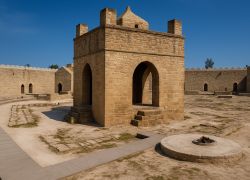
The Ateshgah Fire Temple is one of the most unique and spiritually significant historical monuments in Azerbaijan. Located on the Absheron Peninsula near Baku, this ancient temple is dedicated to fire worship and reflects Azerbaijan’s long-standing connection with natural flames. Often referred to as the “Fire Temple of Baku,” Ateshgah is a powerful symbol of religious tolerance, ancient beliefs, and cultural heritage. Today, it stands as an open-air museum and a major tourist attraction, drawing visitors interested in history, spirituality, and architecture. The word “Ateshgah” comes from Persian, meaning “House of Fire.” The temple was built around natural gas flames that once burned continuously from the ground, inspiring fire worshippers for centuries. Although the natural flames are no longer active, the site still preserves its sacred atmosphere and historical importance. How to Reach Ateshgah Fire Temple Ateshgah Fire Temple is located in the village of Surakhani, approximately 30 kilometers from central Baku. Visitors can reach the temple by taxi, which is the most convenient option and takes about 40–50 minutes depending on traffic. Taxis are affordable and easily available throughout the city. Public transportation is also an option. Visitors can take the Baku Metro to Koroğlu Station and then use local buses or a short taxi ride to reach the temple. Guided tours from Baku are another popular choice, as they often include transportation and historical explanations. Weather Around Ateshgah Fire Temple Baku and its surrounding areas have a semi-arid climate. Summers (June to August) are hot and dry, with temperatures often exceeding 35°C. Winters (December to February) are mild, with temperatures ranging between 3°C and 8°C. Winds are common throughout the year, especially on the Absheron Peninsula. The best time to visit Ateshgah Fire Temple is during spring (April to June) and autumn (September to November). During these months, the weather is pleasant and suitable for exploring the temple complex comfortably. Timing of Ateshgah Fire Temple Ateshgah Fire Temple is generally open to visitors daily from 10:00 AM to 6:00 PM. Timings may vary slightly during public holidays or special events, so it is advisable to confirm before visiting. Visitors are encouraged to arrive earlier in the day to explore the complex at a relaxed pace and avoid crowds, especially during peak tourist seasons. A typical visit takes about 1 to 1.5 hours. Why Ateshgah Fire Temple Is Famous Ateshgah Fire Temple is famous for its historical association with fire worship, particularly Zoroastrianism and Hinduism. For centuries, pilgrims from Persia and India traveled to this site to worship the eternal flames emerging from the ground. The temple is also renowned for its unique architectural style and cultural significance. It represents Azerbaijan’s ancient identity as the “Land of Fire” and highlights the region’s natural gas heritage. Today, Ateshgah is recognized as one of the most important religious and historical landmarks in the country. Entry and Visit Details of Ateshgah Fire Temple Visitors are required to purchase an entry ticket to access the Ateshgah Fire Temple complex. Ticket prices are reasonable and include access to the entire site, including the central altar, monks’ cells, and exhibition areas. The temple functions as a museum, with informational displays explaining the history of fire worship, religious practices, and the temple’s significance. Guided tours and audio guides are available and highly recommended for a deeper understanding of the site. History of Ateshgah Fire Temple The history of Ateshgah Fire Temple dates back to ancient times, although the current structure was mainly built between the 17th and 18th centuries. The site was historically used by Zoroastrians, who worshipped fire as a symbol of purity and divine power. Later, Hindu merchants and pilgrims from India also used the temple, as evidenced by Sanskrit and Gurmukhi inscriptions found on the walls. The temple served as a spiritual center until the late 19th century, when natural gas reserves began to decline due to industrial extraction. In the 20th century, the site was preserved and transformed into a museum. Architecture of Ateshgah Fire Temple The architecture of Ateshgah Fire Temple is both simple and symbolic. The complex is shaped like a pentagon, surrounded by stone walls. Inside, there is a central courtyard with a fire altar in the middle, where the sacred flame once burned naturally. Surrounding the courtyard are small stone rooms that were used by monks and pilgrims for meditation and living quarters. The design reflects traditional Persian and Indian architectural influences, emphasizing symmetry and spiritual functionality rather than decorative luxury. Things to Do at Ateshgah Fire Temple Visitors can enjoy several meaningful and educational activities at the temple: Explore the Temple Complex: Walk through the courtyard, altar, and monks’ cells. Learn About Fire Worship: Read museum displays explaining Zoroastrian and Hindu traditions. Photography: Capture unique images of the historic stone architecture. Guided Tours: Gain deeper insights into the temple’s religious and cultural history. Reflect and Relax: Experience the peaceful atmosphere of this sacred site. Interesting Facts About Ateshgah Fire Temple The temple once had a naturally burning flame fueled by underground gas. Inscriptions in Persian, Sanskrit, and Gurmukhi can be seen on the walls. Ateshgah means “House of Fire” in Persian. The site reflects both Zoroastrian and Hindu religious traditions. It is one of the most important symbols of Azerbaijan as the “Land of Fire.” Tips for Visiting Ateshgah Fire Temple Wear Comfortable Shoes: The ground is stone-paved and uneven in places. Visit in Mild Weather: Spring and autumn are the most comfortable seasons. Use a Guide: Guided tours provide valuable historical and cultural context. Respect the Site: Maintain silence and follow museum rules. Combine Nearby Attractions: Visit Yanar Dag (Burning Mountain) on the same trip.
Explore More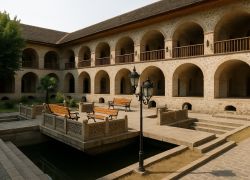
Sheki Khan's Palace is one of the most beautiful and historically important monuments in Azerbaijan. Located in the charming city of Shaki, at the foothills of the Greater Caucasus Mountains, this palace is a masterpiece of 18th-century architecture. It once served as the summer residence of the Sheki Khans and today stands as a symbol of Azerbaijan’s rich cultural heritage and artistic excellence. The palace is world-famous for its colorful stained-glass windows, detailed wall paintings, and harmonious design. Recognized as part of the UNESCO World Heritage Site “Historic Centre of Sheki with the Khan’s Palace,” it attracts visitors from around the world who want to experience history, art, and architecture in one stunning location. How to Reach Sheki Khan's Palace Sheki Khan's Palace is located in Shaki city, approximately 300 kilometers northwest of Baku. The most comfortable way to reach Shaki is by car or taxi, which takes around 4.5 to 5 hours through scenic mountain roads. Visitors can also travel by bus from Baku International Bus Terminal to Shaki. Buses are affordable and run regularly, with a travel time of about 5 to 6 hours. Another option is to join a guided tour from Baku, which usually includes transportation, accommodation, and sightseeing. Once in Shaki, the palace is located within walking distance from the historic center, or visitors can take a short taxi ride to reach the palace complex. Weather in Shaki Shaki enjoys a mild mountain climate compared to Baku. Summers (June to August) are warm and pleasant, with temperatures ranging between 25°C and 30°C. Winters (December to February) are cold, and temperatures can drop below freezing, with occasional snowfall. The best time to visit Sheki Khan's Palace is during spring (April to June) and autumn (September to October). During these seasons, the weather is comfortable, and the surrounding landscapes are especially beautiful. Timing of Sheki Khan's Palace Sheki Khan's Palace is generally open to visitors daily from 10:00 AM to 6:00 PM. Opening hours may change slightly during winter months or public holidays. Visitors are advised to arrive earlier in the day to avoid crowds and fully enjoy the palace interiors. A typical visit takes about 45 minutes to 1 hour. Why Sheki Khan's Palace Is Famous Sheki Khan's Palace is famous for its unique architectural style and exquisite craftsmanship. The palace is especially known for its shebeke windows—intricate stained-glass designs made without nails or glue. These colorful windows create stunning light patterns inside the palace. The palace is also renowned for its beautifully painted walls, which depict hunting scenes, floral motifs, and geometric patterns. Its historical significance, combined with artistic brilliance, makes it one of Azerbaijan’s most treasured landmarks. Entry and Visit Details of Sheki Khan's Palace Visitors must purchase an entry ticket to enter Sheki Khan's Palace. Ticket prices are reasonable and may vary slightly for local and international tourists. Photography inside the palace may require an additional fee. Guided tours are available and highly recommended, as they provide valuable insights into the palace’s history, architecture, and symbolism. Visitors are required to follow rules such as not touching the walls or windows to preserve the delicate artwork. History of Sheki Khan's Palace Sheki Khan's Palace was built in 1797 by Muhammad Hasan Khan, the ruler of the Sheki Khanate. At the time, Sheki was an important political and cultural center in the region, located along major trade routes, including the Silk Road. The palace served as the summer residence for the khans and was used for official receptions and ceremonies. Despite political changes and natural disasters over the centuries, the palace has survived remarkably well and remains largely preserved in its original form. Architecture of Sheki Khan's Palace The architecture of Sheki Khan's Palace is a fine example of traditional Azerbaijani palace design. The building is two stories high and constructed primarily from stone and wood. Its exterior is relatively simple, while the interior is richly decorated. Inside, visitors can admire elaborate frescoes, ornamental ceilings, and detailed wall paintings. The palace has six rooms, four corridors, and two mirrored balconies. The use of natural light, symmetry, and vibrant colors reflects a deep understanding of aesthetics and craftsmanship. Things to Do at Sheki Khan's Palace Visitors can enjoy several activities while exploring the palace: Admire Shebeke Windows: Observe the intricate stained-glass craftsmanship. Explore Palace Rooms: Discover historical halls and reception areas. Photography: Capture the palace exterior and surrounding gardens. Guided Tours: Learn about the palace’s history and artistic details. Explore Historic Sheki: Visit nearby caravanserais and old streets. Interesting Facts About Sheki Khan's Palace The palace was built without using nails in its stained-glass windows. It has survived multiple earthquakes over centuries. The paintings include symbolic animals like peacocks and lions. The palace is part of a UNESCO World Heritage Site. Natural light plays a key role in the palace’s interior design. Tips for Visiting Sheki Khan's Palace Visit Early: Morning hours are less crowded. Respect the Rules: Do not touch walls or windows. Hire a Guide: Guides enhance the experience with historical context. Check Photography Rules: Some areas may restrict photos. Explore Nearby Attractions: Combine your visit with Sheki Caravanserai.
Explore More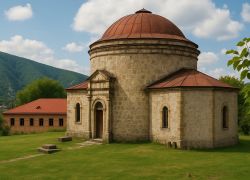
Gelersen-Görersen Fortress is one of the most dramatic and historically rich landmarks in the Shaki region of Azerbaijan. Perched high on a rocky hill surrounded by deep valleys and lush greenery, this ancient fortress offers a perfect blend of history, legend, and natural beauty. Its unusual name, which translates to “Come and See,” adds to its mystery and charm, making it a fascinating destination for history lovers and adventure seekers alike. Located a short distance from the city of Shaki, the fortress stands as a silent witness to centuries of battles, resistance, and regional power struggles. Today, its ruins attract visitors who want to explore Azerbaijan’s medieval past while enjoying panoramic views of the surrounding landscapes. How to Reach Gelersen-Görersen Fortress Gelersen-Görersen Fortress is situated about 10 kilometers from Shaki city center. The most convenient way to reach the fortress is by taxi or private car. The drive takes approximately 20–25 minutes and passes through scenic countryside roads. For adventurous travelers, it is also possible to hike part of the way, although the terrain can be steep and uneven. Guided tours from Shaki are available and are highly recommended, as local guides can help navigate the route and explain the historical importance of the site. Public transport options are limited, so visitors are advised to rely on taxis or tour services when planning their visit. Weather Around Gelersen-Görersen Fortress The weather around Gelersen-Görersen Fortress is influenced by Shaki’s mild mountain climate. Summers (June to August) are warm but comfortable, with temperatures ranging between 24°C and 30°C. Winters (December to February) can be cold, with temperatures sometimes dropping below freezing, especially at higher elevations. Spring (April to June) and autumn (September to October) are the best times to visit the fortress. During these seasons, the weather is pleasant, and the surrounding hills and valleys are especially beautiful, making exploration more enjoyable. Timing of Gelersen-Görersen Fortress Gelersen-Görersen Fortress is an open historical site and does not have fixed opening or closing hours. Visitors can generally explore the area during daylight hours, from early morning until sunset. It is strongly recommended to visit during the daytime for safety reasons, as the paths and ruins can be difficult to navigate in low light. A visit typically takes about 1 to 2 hours, depending on how much time you spend exploring and enjoying the views. Why Gelersen-Görersen Fortress Is Famous Gelersen-Görersen Fortress is famous for its strategic location, dramatic ruins, and historical legends. According to popular folklore, the fortress earned its name during a siege when a local ruler defiantly challenged invading forces by saying, “Come and see,” confident in the fortress’s natural defenses. The fortress is also well-known for its role in defending the region during medieval times. Its elevated position made it nearly impossible for enemies to attack, and it served as a stronghold against foreign invasions. Entry and Visit Details of Gelersen-Görersen Fortress There is currently no official entry fee to visit Gelersen-Görersen Fortress, as it is an open archaeological site. Visitors are free to explore the ruins at their own pace. However, hiring a local guide is highly recommended. Guides provide valuable historical insights and ensure a safer and more informative visit. Since the site is largely unprotected, visitors should take extra care while walking around the ruins. History of Gelersen-Görersen Fortress The history of Gelersen-Görersen Fortress dates back to the medieval period, although some historians believe the site may have been used even earlier. It played a crucial role in regional defense, particularly during conflicts involving local khanates and invading armies. The fortress is closely associated with the resistance against Arab invaders in the Middle Ages. Over time, as political power shifted and military technology advanced, the fortress gradually lost its strategic importance and was eventually abandoned. Despite centuries of exposure to natural elements, the ruins remain an important symbol of Shaki’s resilience and historical significance. Architecture of Gelersen-Görersen Fortress The architecture of Gelersen-Görersen Fortress reflects its military purpose rather than decorative design. Built primarily from local stone, the fortress walls were thick and strong, designed to withstand long sieges. The layout follows the natural shape of the rocky hill, making use of steep cliffs and narrow access points to enhance defense. Although much of the structure is now in ruins, remnants of walls, towers, and defensive barriers can still be seen. The fortress’s location provides a commanding view of the surrounding valleys, highlighting the strategic brilliance of its builders. Things to Do at Gelersen-Görersen Fortress Visitors can enjoy several activities while exploring the fortress: Explore the Ruins: Walk through ancient walls and imagine medieval life. Photography: Capture stunning panoramic views and dramatic landscapes. Learn Local Legends: Hear fascinating stories from local guides. Hiking: Enjoy short hikes around the fortress and nearby hills. Nature Observation: Experience the peaceful environment and natural beauty. Interesting Facts About Gelersen-Görersen Fortress The name means “Come and See,” linked to a legendary defiant statement. The fortress was considered nearly impossible to capture. It played a key role in defending the Shaki region. The site offers some of the best panoramic views near Shaki. It remains one of Azerbaijan’s lesser-known historical gems. Tips for Visiting Gelersen-Görersen Fortress Wear Sturdy Shoes: The terrain is rocky and uneven. Visit in Daylight: For safety and better visibility. Bring Water: There are no facilities on-site. Hire a Guide: Local guides enrich the experience. Respect the Site: Avoid damaging or removing stones.
Explore More
Sheki History Museum is one of the most important cultural and educational attractions in the historic city of Shaki, Azerbaijan. The museum offers visitors a deep insight into the rich history, culture, and traditions of the Sheki region, which has played a vital role in Azerbaijan’s development for centuries. From ancient archaeological discoveries to exhibits from the medieval period and modern era, the museum presents a comprehensive story of Shaki’s past. Located in the heart of the city, the Sheki History Museum is an ideal place for travelers who want to understand the historical background of Shaki before exploring other landmarks such as Sheki Khan’s Palace and the old caravanserais. The museum combines informative displays with a peaceful atmosphere, making it suitable for visitors of all ages. How to Reach Sheki History Museum Sheki History Museum is centrally located in Shaki city, making it easy to reach from most parts of the town. Visitors staying in the city center can walk to the museum within 10 to 15 minutes. For those arriving from outside Shaki, the city is approximately 300 kilometers from Baku. Travelers can reach Shaki by bus, car, or taxi from Baku, with a travel time of about 5 to 6 hours. Once in Shaki, local taxis are affordable and convenient for reaching the museum. Guided city tours often include a visit to the Sheki History Museum, which is a good option for first-time visitors. Weather in Shaki Shaki has a mild mountain climate influenced by its location near the Greater Caucasus Mountains. Summers (June to August) are warm and comfortable, with temperatures ranging between 25°C and 30°C. Winters (December to February) can be cold, with temperatures sometimes dropping below 0°C. Spring (April to June) and autumn (September to October) are the best seasons to visit Sheki History Museum. During these months, the weather is pleasant, allowing visitors to enjoy both indoor museum visits and outdoor sightseeing. Timing of Sheki History Museum Sheki History Museum is generally open to visitors from 10:00 AM to 6:00 PM, except on certain public holidays. Opening hours may vary slightly during winter months. Visitors are advised to arrive earlier in the day to explore the exhibits at a relaxed pace. A typical visit to the museum takes around 1 to 2 hours, depending on interest. Why Sheki History Museum Is Famous Sheki History Museum is famous for its extensive collection of artifacts that represent thousands of years of history. The museum showcases archaeological findings, traditional clothing, ancient tools, manuscripts, coins, weapons, and household items that highlight the lifestyle and culture of the Sheki region. The museum is also well-known for its role in preserving and promoting local heritage. It helps visitors understand the importance of Shaki as a key city on the ancient Silk Road and its influence on trade, craftsmanship, and cultural exchange. Entry and Visit Details of Sheki History Museum Visitors are required to purchase an entry ticket to visit Sheki History Museum. Ticket prices are generally affordable, with separate rates for local and international visitors. Discounts may be available for students and children. Photography inside the museum may be allowed in certain sections, sometimes for an additional fee. Guided tours are available and recommended for those who want detailed explanations of the exhibits and historical context. History of Sheki History Museum Sheki History Museum was established to collect, preserve, and display historical materials related to the city and surrounding regions. Over the years, the museum has expanded its collection through archaeological research and donations. The exhibits cover a wide timeline, starting from prehistoric settlements to the era of the Sheki Khanate and the modern period. The museum plays an important role in academic research and cultural education, making it a valuable institution for both locals and tourists. Architecture of Sheki History Museum The building that houses Sheki History Museum reflects traditional Azerbaijani architectural style. Constructed with stone and brick, the structure blends well with the historic character of Shaki city. The interior is designed to accommodate different exhibition halls, each dedicated to a specific historical period or theme. The layout is simple and functional, allowing visitors to move easily through the museum while focusing on the displays. Things to Do at Sheki History Museum Visitors can enjoy several activities at the museum: Explore Historical Exhibits: Learn about ancient and medieval Shaki. View Archaeological Finds: See tools, pottery, and artifacts. Learn About Silk Road History: Understand Shaki’s role in trade. Join Guided Tours: Gain deeper historical insights. Educational Visits: Ideal for students and history enthusiasts. Interesting Facts About Sheki History Museum The museum houses thousands of historical artifacts. Some exhibits date back several thousand years. It highlights Shaki’s importance on the Silk Road. Traditional crafts and clothing are major attractions. The museum plays a key role in preserving local heritage. Tips for Visiting Sheki History Museum Allocate Enough Time: Spend at least 1–2 hours exploring. Hire a Guide: Guides provide valuable historical context. Check Photography Rules: Follow museum guidelines. Combine Nearby Attractions: Visit Sheki Khan’s Palace afterward. Visit in Pleasant Weather: Spring and autumn are ideal.
Explore More