"Explore the birthplace of modern printing history."
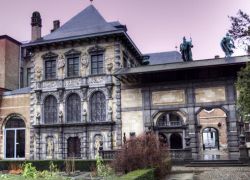
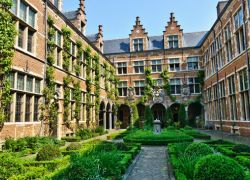
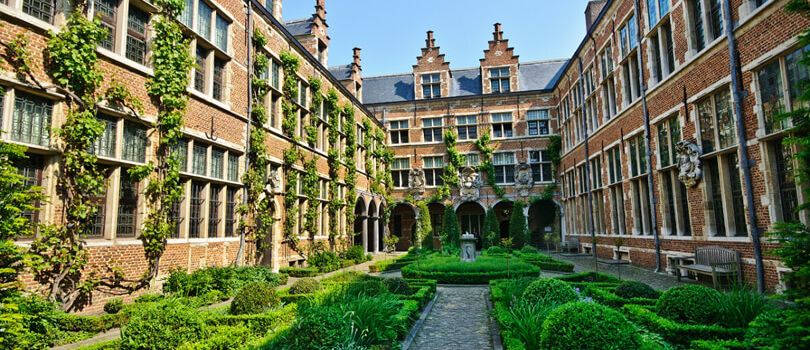
The **Museum Plantin-Moretus** in Antwerp is one of the most important historical museums dedicated to the history of printing. Located in the former residence and workshop of the famous 16th-century printers **Christoffel Plantin** and his successors, the museum provides an exceptional look at the development of the printing press and its impact on the spread of knowledge. The museum is housed in a beautiful building that has been recognized as a UNESCO World Heritage site and remains one of the most well-preserved printing houses in Europe. It showcases the legacy of the **Plantin-Moretus Press**, which was a pioneer in the printing industry and played a significant role in the diffusion of literature and scientific knowledge during the Renaissance.
How to Reach Museum Plantin-Moretus
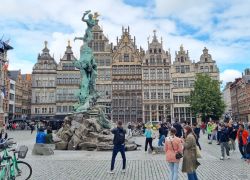
The Museum Plantin-Moretus is located in the center of Antwerp, just a short walk from the city’s central attractions. If you're arriving by train, **Antwerp Central Station** is the main railway station, and the museum is about a 20-minute walk or a short tram ride away. The museum is easily accessible by public transportation, including tram lines **3, 5, 9**, and **15**. If you're walking around the city, it's only a 10-minute walk from the **Grote Markt** (the Grand Place). The museum is surrounded by beautiful streets with shops, cafes, and historic landmarks, so it’s easy to make it part of a broader sightseeing itinerary.
Weather in Antwerp
Antwerp experiences a temperate maritime climate, with mild winters and cool summers. The average winter temperature is between 0°C and 5°C (32°F to 41°F), and summer temperatures range from 15°C to 25°C (59°F to 77°F). The weather is typically rainy, especially in the fall and winter months. For those visiting the Museum Plantin-Moretus, the best time to go is between spring and early autumn (April to September), when the weather is warmer and ideal for exploring both indoor museums and the charming streets of Antwerp.
Why Museum Plantin-Moretus is Famous
The Museum Plantin-Moretus is famous for being one of the oldest printing presses in the world that is still intact. The building itself is a treasure trove of history, with printing presses, wooden type, and manuscripts that date back to the 16th century. It was here that **Christoffel Plantin**, one of the most influential printers of the Renaissance, worked with his team of craftsmen and scholars to produce high-quality books, including scientific works and religious texts. The museum offers visitors a rare opportunity to step inside a working 16th-century printing press and see how books were made during the period when printing revolutionized the world of communication and knowledge. It’s a must-see for those interested in the history of the printed word and the development of the publishing industry.
Things to Do at Museum Plantin-Moretus
When visiting the Museum Plantin-Moretus, there are several things you can do to immerse yourself in the history of printing. The first is to explore the **historic printing presses** located throughout the museum. Visitors can observe these fascinating machines, which were used to produce some of the most important works of the Renaissance period. The museum’s collection of **wooden and metal type** used for printing is also on display, offering insight into the technical innovations that changed the way people read and wrote.
Another key feature of the museum is its collection of **manuscripts** and **books**, many of which were printed by the Plantin-Moretus Press itself. These books include rare works from the Renaissance, religious texts, scientific treatises, and classical literature. Visitors can view these books up close and appreciate the craftsmanship that went into their creation. The museum also displays the **library of the Plantin family**, which includes some of the most significant texts in European history.
For those who are curious about the **history of the press** and the role of printing in society, the museum provides interactive exhibits and detailed explanations. There are multimedia guides available to help explain the history of the press, its importance in the spread of knowledge, and the way it transformed the world during the Renaissance and beyond. The museum also offers **workshops** where visitors can try their hand at printing using traditional methods, making it an educational and hands-on experience.
Facts and Tips About Museum Plantin-Moretus
Church of Our Lady, Bruges
The **Church of Our Lady** (Onze-Lieve-Vrouwekerk) in Bruges is one of the most famous and important landmarks in Belgium. The church is known for its stunning **Gothic architecture** and houses **Michelangelo's Madonna and Child**, one of the most iconic sculptures of the Renaissance. The church was completed between the 13th and 15th centuries, and its towering spire is one of the tallest brick structures in the world, standing at 122 meters (400 feet). The church is not only a significant religious site but also an artistic treasure trove, attracting visitors from around the world.
How to Reach Church of Our Lady from Antwerp
To reach the Church of Our Lady in Bruges from Antwerp, you can take a direct train from **Antwerp Central Station** to **Bruges Station**, which takes about an hour. Once in Bruges, the church is just a 10-minute walk from the train station. Bruges is a small, walkable city, and the church is located near other key attractions like the **Belfort Tower** and **Market Square**.
Weather in Bruges
Bruges has a similar climate to Antwerp, with cool winters and mild summers. Average winter temperatures range from 0°C to 5°C (32°F to 41°F), and summer temperatures range between 15°C and 25°C (59°F-77°F). The best time to visit Bruges is during the spring or summer when the weather is more favorable for outdoor activities and sightseeing.
Why Church of Our Lady is Famous
The Church of Our Lady is famous for its **Michelangelo Madonna and Child sculpture**, which is one of the few works by the artist located outside of Italy. The church also has a stunning interior with remarkable stained-glass windows and altars. The church’s towering spire, which is one of the tallest brick towers in the world, is another iconic feature that draws visitors from around the globe.
Entry and Visit Details About Church of Our Lady
The Church of Our Lady is open year-round, and the entrance fee is approximately €6. Admission is free during Mass, but visitors are asked to be respectful of the ongoing services. The church is a popular tourist destination, and guided tours are available for those interested in learning more about its history and significance.
History and Architecture of Church of Our Lady
The Church of Our Lady was built over several centuries and features stunning Gothic architecture. The church’s spire, which stands at 122 meters (400 feet), is one of the tallest brick towers in the world. Inside, visitors can admire beautiful stained-glass windows and several important works of art, including the Madonna and Child sculpture by Michelangelo. The church’s interior also includes paintings by Hans Memling, making it a must-visit for art lovers.
Things to Do at Church of Our Lady
Visitors should make sure to see the **Madonna and Child** by Michelangelo, which is the highlight of the church. You can also explore the beautiful stained-glass windows and the crypt, where notable historical figures from Bruges' past are buried. The peaceful atmosphere inside the church makes it an ideal place for reflection.