"Immerse in the art of a Baroque master."
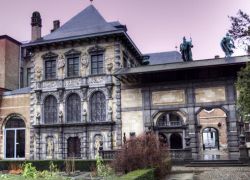
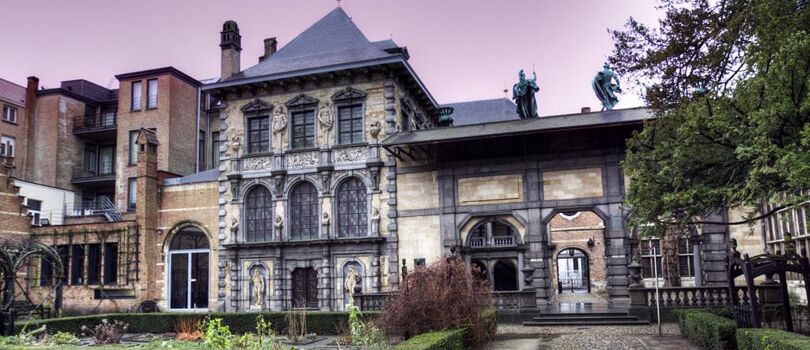
The **Rubenshuis** (Rubens House) in Antwerp is one of the most important museums dedicated to the life and work of **Peter Paul Rubens**, the renowned Flemish Baroque painter. The museum is located in the former home and studio of Rubens, where he lived and worked from 1610 until his death in 1640. Today, Rubenshuis showcases a collection of Rubens' masterpieces, his personal art collection, and a fascinating glimpse into the life of one of the greatest artists of the 17th century. Visiting the Rubenshuis offers a unique opportunity to explore the artistic legacy of Rubens and his influence on the Baroque movement.
How to Reach Rubenshuis, Antwerp
Rubenshuis is centrally located in Antwerp, making it easy to reach from any part of the city. If you are arriving by train, **Antwerp Central Station** is the main railway station, and the Rubenshuis is just a 15-minute walk from there. If you're coming from other parts of Antwerp, the museum is well-connected by public transportation, including buses and trams. The **Meir** shopping street and **Grote Markt** are both nearby, so it’s easy to combine a visit to the Rubenshuis with other major attractions in the city. For those who prefer to drive, there are several parking options available around the museum, although parking can be limited during peak times.
Weather in Antwerp
Antwerp has a temperate maritime climate, with mild winters and cool summers. In winter, temperatures usually range between 0°C and 5°C (32°F to 41°F), while in the summer months, temperatures typically hover between 15°C and 25°C (59°F-77°F). The weather can be unpredictable, with frequent rain, so it's always a good idea to carry an umbrella. The best time to visit Antwerp, including Rubenshuis, is during the spring and summer months, from April to September, when the weather is ideal for outdoor activities and sightseeing.
Why Rubenshuis is Famous
Rubenshuis is famous not only for its connection to Peter Paul Rubens, one of the most influential painters of the Baroque period, but also for being a stunning example of a 17th-century home and artist's studio. The house itself is a masterpiece of Baroque architecture, and its elegant gardens offer a glimpse into the lifestyle of the artist. Inside the museum, visitors can explore a remarkable collection of Rubens' works, including iconic paintings like *The Descent from the Cross*, *The Elevation of the Cross*, and *The Adoration of the Magi*. Rubens' personal collection of artwork, including pieces by other Renaissance and Baroque artists, is also on display, giving visitors a broader context for understanding his influence and taste.
Things to Do at Rubenshuis
When visiting Rubenshuis, there are several things to see and do. Start by exploring Rubens' personal studio, where he worked on many of his famous paintings. The studio has been meticulously preserved and offers an insight into the artist's creative process. The museum also displays many of Rubens' masterpieces, including the aforementioned paintings, as well as a number of his sketches and preparatory works. In addition to Rubens' works, the museum showcases pieces from his art collection, which included works by artists like **Titian**, **Van Dyck**, and **Jordaens**.
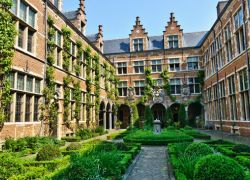
Don't miss the beautiful **garden**, which was designed by Rubens himself. The garden provides a peaceful setting for reflection and is a great place to relax after touring the museum. If you're interested in learning more about Rubens’ life and career, you can also make use of the **multimedia guides** available at the museum, which provide additional context and insights into the exhibits.
Facts and Tips About Rubenshuis
Church of Our Lady, Bruges
The **Church of Our Lady** (Onze-Lieve-Vrouwekerk) in Bruges is one of the most iconic and important religious landmarks in Belgium. Known for its stunning Gothic architecture and home to **Michelangelo's Madonna and Child**, the church is a must-visit for art lovers and history enthusiasts. The church was built between the 13th and 15th centuries, and its towering spire, which reaches 122 meters (400 feet), is one of the tallest brick structures in the world. Inside, the church features beautiful stained-glass windows, sculptures, and altars, including the famous Madonna and Child sculpture by Michelangelo, one of the few works by the artist located outside of Italy.
How to Reach Church of Our Lady from Antwerp
To visit the Church of Our Lady in Bruges from Antwerp, you can take a direct train from **Antwerp Central Station** to **Bruges Station**, which takes about one hour. Once you arrive at Bruges, it’s just a 10-minute walk to the church. Bruges is a small and walkable city, making it easy to explore the church and other attractions such as **Belfort Tower** and the **Market Square** during your visit.
Weather in Bruges
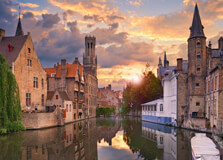
Bruges experiences a temperate maritime climate, similar to Antwerp, with cool winters and mild summers. Winter temperatures typically range from 0°C to 5°C (32°F to 41°F), while summer temperatures are usually between 15°C and 25°C (59°F-77°F). The best time to visit Bruges is during the spring or summer months, when the weather is most favorable for walking around the city and enjoying its beautiful canals.
Why Church of Our Lady is Famous
The Church of Our Lady is famous for several reasons, primarily its **Michelangelo sculpture Madonna and Child**, which is one of the few works by the artist located outside of Italy. The church is also known for its stunning Gothic architecture, with its towering spire being one of the tallest brick towers in the world. The church holds a significant place in Bruges' history and continues to be a prominent religious site, attracting visitors from all over the world.
Entry and Visit Details About Church of Our Lady
The Church of Our Lady is open to visitors year-round, with an entrance fee of approximately €6. Admission is free during Mass, but visitors are asked to be respectful during services. The church is home to beautiful stained-glass windows and altars, in addition to the iconic Madonna and Child sculpture by Michelangelo. It is also worth visiting the crypt, where several important historical figures from Bruges' past are buried.
History and Architecture of Church of Our Lady
Built between the 13th and 15th centuries, the Church of Our Lady is a prime example of Gothic architecture. Its soaring spire, standing at 122 meters (400 feet), is one of the tallest brick towers in the world. The church's interior is equally impressive, featuring stained-glass windows, altars, and sculptures, including the famous Madonna and Child sculpture by Michelangelo. The church is a must-see for anyone interested in art, history, and architecture.
Things to Do at Church of Our Lady
When visiting the Church of Our Lady, take the time to admire the Madonna and Child sculpture, explore the church’s beautiful stained-glass windows, and visit the crypt where several notable figures are buried. The church is also an excellent place for quiet reflection, offering a serene and peaceful atmosphere.
Facts and Tips About Church of Our Lady