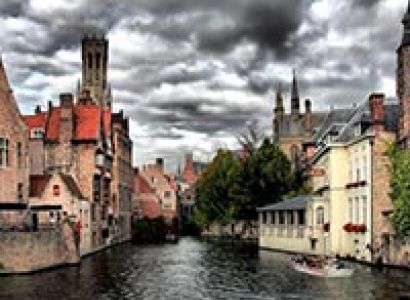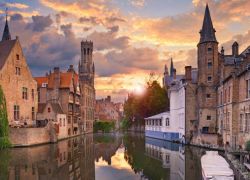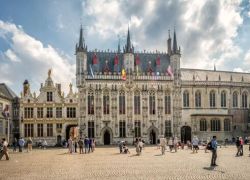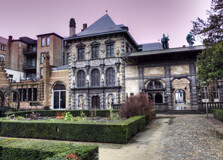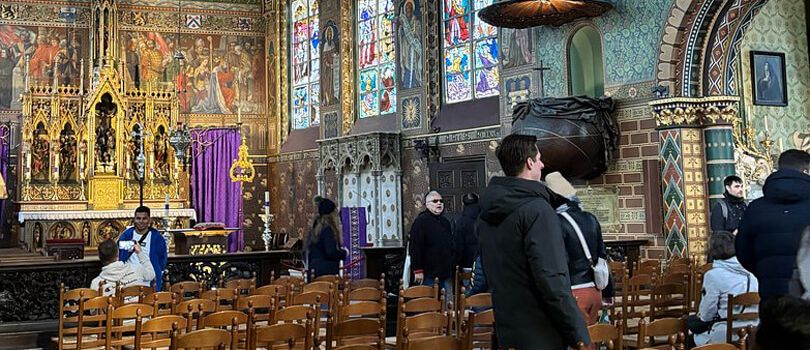
"Sacred site with stunning Gothic design."
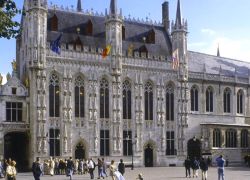
The Basilica of the Holy Blood (Basiliek van het Heilig Bloed) is one of the most famous and revered landmarks in Bruges, Belgium. Known for its rich religious history and architectural beauty, this basilica draws visitors from around the world, many of whom come to witness the Holy Blood relic that is housed within the church. The basilica, located in the heart of Bruges, is not only a place of religious significance but also an architectural gem that showcases a unique blend of Romanesque and Gothic styles. Whether you're drawn to the basilica for its spiritual importance or its historical allure, a visit here is a must for anyone exploring Bruges.
How to Reach the Basilica of the Holy Blood, Bruges
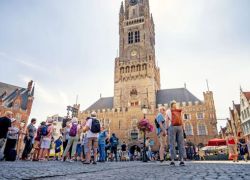
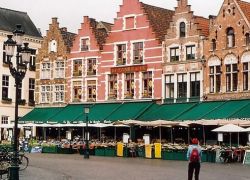
The Basilica of the Holy Blood is located in the central area of Bruges, on the Burg Square, making it very accessible from all parts of the city. If you are traveling by train, the Bruges Railway Station is approximately a 15-minute walk away from the basilica. Alternatively, you can take a bus or a taxi from the station to the square. Since Bruges is a pedestrian-friendly city, walking is often the best way to explore, and you can easily reach the basilica by foot from other popular landmarks such as the Markt Square or the Belfry Tower.
Weather in Bruges
Bruges experiences a temperate maritime climate, with mild summers and chilly winters. The best time to visit the Basilica of the Holy Blood is during the spring and summer months (April to September) when the weather is pleasant, and you can enjoy outdoor walking tours around the city. During this time, temperatures typically range between 10°C (50°F) and 20°C (68°F). While winters in Bruges (November to March) can be cold and rainy, the city takes on a serene, almost magical atmosphere, especially during the Christmas season. Regardless of the season, the basilica is open to visitors year-round, providing a great stop at any time of the year.
Why the Basilica of the Holy Blood is Famous
The Basilica of the Holy Blood is renowned for housing a vial that is believed to contain the Holy Blood of Jesus Christ, a relic that has attracted pilgrims for centuries. This relic is the church's most significant feature and the primary reason the basilica draws large numbers of visitors. According to tradition, the vial was brought to Bruges from the Holy Land during the Second Crusade in the 12th century by Thierry of Alsace, the Count of Flanders. The relic is displayed to the public during the annual Procession of the Holy Blood, a religious event that takes place every Ascension Day, when thousands of people gather to witness the relic's display and participate in the procession.
Entry and Visit Details for the Basilica of the Holy Blood
The Basilica of the Holy Blood is open to visitors daily, with an entry fee to access the basilica. While the church is free to enter during religious services, there is a small fee for those visiting as tourists. The basilica is open from 9:30 AM to 12:00 PM and from 2:00 PM to 5:00 PM, with varying hours on Sundays and public holidays. Visitors can also view the Holy Blood relic, but it is only displayed at certain times, usually during special services or events. If you're interested in learning more about the basilica's history and the significance of the relic, you can make use of the available audio guides, which are offered in several languages. The basilica offers a quiet, reverent atmosphere, making it a peaceful place to reflect and explore Bruges' spiritual heritage.
History and Architecture of the Basilica of the Holy Blood
The Basilica of the Holy Blood has a rich and fascinating history that dates back to the 12th century. The basilica was initially constructed as part of a larger complex, the former palace of the Counts of Flanders, and it served as a chapel for the local aristocracy. Over the years, it evolved into a pilgrimage site as the Holy Blood relic became a revered object of devotion. The church was originally built in the Romanesque style, and its architectural features still reflect this style, especially in the lower chapel, which is the oldest part of the basilica. In the 15th century, the church underwent significant renovations and expansions, resulting in the Gothic-style upper chapel that we see today.
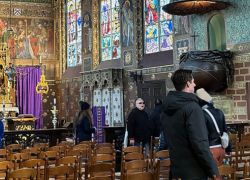
The basilica is divided into two main levels: the lower chapel and the upper chapel. The lower chapel, which retains its Romanesque charm, is a quiet and atmospheric space with a vaulted ceiling, stone arches, and intricate carvings. The upper chapel, built in the Gothic style, is more expansive and features stained-glass windows that depict scenes from the Bible. The architecture of the basilica is a testament to the city's architectural evolution, with a seamless blend of Romanesque, Gothic, and Renaissance styles.
Things to Do Around the Basilica of the Holy Blood
There are several activities and sites to explore around the Basilica of the Holy Blood, especially since it is located in the heart of Bruges. Some of the top things to do nearby include:
Facts and Tips About the Basilica of the Holy Blood
Conclusion
The Basilica of the Holy Blood is a must-visit destination in Bruges, offering visitors a glimpse into the city’s spiritual history and rich architectural heritage. Whether you're drawn to the relic of the Holy Blood, the stunning architecture, or the peaceful atmosphere of the basilica, it is a site that holds deep significance for both locals and visitors alike. Situated in one of the most picturesque squares in Bruges, it provides a perfect opportunity to explore both the religious and historical aspects of the city. With its unique blend of Romanesque and Gothic architecture, along with its important place in the city’s religious life, the Basilica of the Holy Blood remains one of Bruges’ most cherished landmarks.