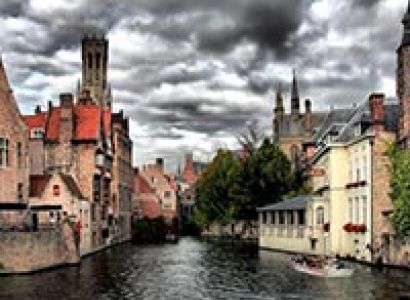
"Marvel at the medieval tower's stunning city views."
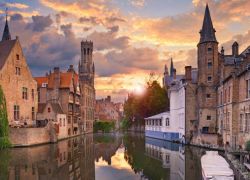
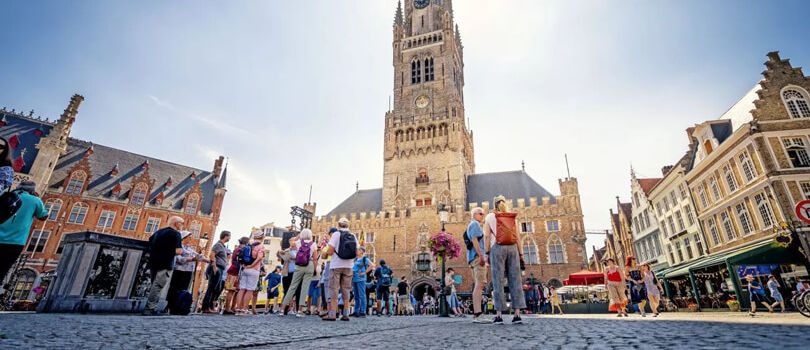
The Belfry of Bruges is one of the most iconic landmarks of Bruges and a powerful symbol of the city’s medieval prosperity. Rising proudly above Markt Square, this historic bell tower dominates the skyline and reflects Bruges’ rich past as an important commercial and cultural center in Europe. With its impressive height, ancient bells, and panoramic views, the Belfry of Bruges attracts thousands of visitors every year.
Declared a UNESCO World Heritage Site, the Belfry is not just an architectural masterpiece but also a witness to centuries of history. From guarding the city to storing important documents and treasures, the tower played a vital role in Bruges’ civic life.
How to Reach Belfry of Bruges
The Belfry of Bruges is located in the heart of Bruges at Markt Square, making it very easy to reach. Most visitors staying in the historic center can walk to the Belfry within a few minutes.
Bruges is well connected by train to major cities such as Brussels, Ghent, and Antwerp. From Bruges Railway Station, the Belfry is about 1.3 kilometers away, which takes around 15–20 minutes on foot. Local buses and taxis are also available for those who prefer not to walk.
Visitors traveling by car can park at nearby underground parking facilities such as Parking Markt or Parking Zilverpand.
Weather in Bruges
Bruges experiences a mild maritime climate throughout the year. Summers (June to August) are pleasant, with temperatures usually between 18°C and 25°C, making it a popular time for sightseeing.
Winters (December to February) are cold but manageable, with temperatures ranging from 0°C to 7°C. Spring and autumn are ideal seasons to visit the Belfry, as the weather is comfortable and the city is less crowded.
Timing of Belfry of Bruges
The Belfry of Bruges generally opens daily, usually from 9:00 AM to 6:00 PM. Timings may vary slightly depending on the season and public holidays.
It is recommended to visit early in the morning to avoid long queues, especially during peak tourist seasons. Climbing the tower and enjoying the views typically takes about 45 minutes to 1 hour.
Why Belfry of Bruges Is Famous
The Belfry of Bruges is famous for its historical importance, stunning medieval architecture, and breathtaking views over the city. Standing at approximately 83 meters tall, it offers one of the best viewpoints in Bruges.
The tower is also known for its impressive carillon of 47 bells, which still ring regularly and fill the city with beautiful music. As a UNESCO-listed monument, the Belfry represents the civic pride and independence of Bruges during medieval times.
Entry and Visit Details of Belfry of Bruges
Visitors need to purchase a ticket to climb the Belfry of Bruges. Ticket prices are reasonable, with discounts often available for children, students, and seniors.
To reach the top, visitors must climb 366 narrow and winding steps. There is no elevator, so a moderate level of fitness is required. Along the way, there are resting points where visitors can pause and learn about the tower’s history.
History of Belfry of Bruges
The construction of the Belfry of Bruges began in the 13th century. Originally, it served as a watchtower to protect the city and as a place to store important documents and the city treasury.
Over the centuries, the tower suffered from fires and structural damage but was restored multiple times. Each restoration added to its unique architectural character. The Belfry played a key role in announcing time, warning of danger, and marking important events in the city’s history.
Architecture of Belfry of Bruges
The Belfry of Bruges is a fine example of medieval Gothic architecture with Romanesque influences. Built mainly of brick, the tower features elegant arches, decorative stonework, and a distinctive octagonal upper section.
The crown of the tower is adorned with a spire, which enhances its majestic appearance. Inside, visitors can see the bell chamber and mechanisms that control the famous carillon, offering insight into medieval engineering.
Things to Do at Belfry of Bruges
Interesting Facts About Belfry of Bruges
Tips for Visiting Belfry of Bruges