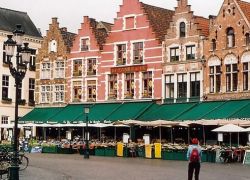
Markt Square is the historic heart of Bruges and one of the most beautiful medieval squares in Europe. Located in the center of the city, this iconic square has been the main gathering place of Bruges for centuries. With its cobblestone streets, colorful stepped-gable houses, and lively atmosphere, Markt Square perfectly represents the charm and heritage of Bruges. The square is surrounded by historic buildings, traditional cafes, restaurants, and souvenir shops. It is also home to the famous Belfry of Bruges, which dominates the skyline and attracts visitors from around the world. Whether you are visiting Bruges for history, photography, or local culture, Markt Square is an unmissable attraction. How to Reach Markt Square Markt Square is centrally located and easy to reach from anywhere in Bruges. Most visitors staying in the old town can reach the square on foot within a few minutes. Bruges is well connected by train to major Belgian cities like Brussels, Ghent, and Antwerp. From Bruges Railway Station, Markt Square is about 1.3 kilometers away, which takes roughly 15–20 minutes on foot. You can also take a local bus or taxi from the station. If you are traveling by car, several underground parking areas such as Parking Markt and Parking Zilverpand are located close to the square. Weather in Bruges Bruges has a mild maritime climate with moderate temperatures throughout the year. Summers, from June to August, are pleasant with temperatures ranging between 18°C and 25°C. Winters, from December to February, are chilly, with temperatures usually between 0°C and 7°C. Spring (April to May) and autumn (September to October) are the best times to visit Markt Square. During these seasons, the weather is comfortable, and the square is less crowded compared to peak summer months. Timing of Markt Square Markt Square is an open public space and can be visited at any time of the day. There are no fixed opening or closing hours. The square is especially lively during the daytime when shops and cafes are open. Early mornings are ideal for photography and peaceful walks, while evenings offer a magical atmosphere as the buildings are beautifully illuminated. Why Markt Square Is Famous Markt Square is famous for its historical importance and stunning medieval architecture. It has served as the main marketplace of Bruges since the 10th century and played a key role in the city’s economic and social life. The square is also known for the Belfry of Bruges, a UNESCO World Heritage Site. Throughout the year, Markt Square hosts festivals, markets, and cultural events, including the popular Christmas market, making it a lively attraction in every season. Entry and Visit Details of Markt Square There is no entry fee to visit Markt Square, as it is a public square open to everyone. Visitors can freely walk around, relax, and enjoy the surroundings. Attractions around the square, such as the Belfry tower, have separate ticket charges. Restaurants and cafes around the square offer a wide range of Belgian dishes, snacks, and drinks. History of Markt Square Markt Square has been the commercial center of Bruges for more than a thousand years. During the Middle Ages, Bruges was one of Europe’s richest cities and an important trading port connected to the North Sea. Merchants from different countries gathered in Markt Square to trade goods like wool, spices, and textiles. The square has also witnessed important historical events, public celebrations, and political gatherings, making it a key part of Bruges’ heritage. Architecture of Markt Square The architecture of Markt Square is a stunning example of traditional Flemish design. The square is surrounded by colorful guild houses with stepped gables, decorative windows, and detailed facades. The Belfry of Bruges, standing about 83 meters tall, is the most prominent structure. Built in the 13th century, it served as a watchtower and treasury. The mix of Gothic and medieval architectural styles gives Markt Square its timeless beauty. Things to Do at Markt Square Climb the Belfry: Enjoy panoramic views of Bruges from the top. Enjoy Local Food: Try Belgian waffles, fries, and chocolates. Horse-Drawn Carriage Ride: Explore Bruges in a traditional way. Photography: Capture the square’s historic beauty. Attend Events: Experience seasonal markets and festivals. Interesting Facts About Markt Square Markt Square has been a marketplace for over 1,000 years. The Belfry houses a famous carillon with 47 bells. The square is part of Bruges’ UNESCO-listed historic center. Horse-drawn carriages start their tours from the square. It becomes a festive Christmas market during winter. Tips for Visiting Markt Square Visit Early Morning: Best for photos and fewer crowds. Wear Comfortable Shoes: Cobblestone streets can be uneven. Stay for Evening: Night views are beautiful and romantic. Book Belfry Tickets Early: Lines can be long during peak season. Explore Nearby Areas: Visit Burg Square and the canals.
Explore More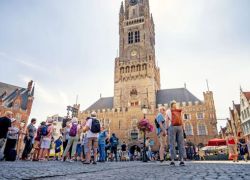
The Belfry of Bruges is one of the most iconic landmarks of Bruges and a powerful symbol of the city’s medieval prosperity. Rising proudly above Markt Square, this historic bell tower dominates the skyline and reflects Bruges’ rich past as an important commercial and cultural center in Europe. With its impressive height, ancient bells, and panoramic views, the Belfry of Bruges attracts thousands of visitors every year. Declared a UNESCO World Heritage Site, the Belfry is not just an architectural masterpiece but also a witness to centuries of history. From guarding the city to storing important documents and treasures, the tower played a vital role in Bruges’ civic life. How to Reach Belfry of Bruges The Belfry of Bruges is located in the heart of Bruges at Markt Square, making it very easy to reach. Most visitors staying in the historic center can walk to the Belfry within a few minutes. Bruges is well connected by train to major cities such as Brussels, Ghent, and Antwerp. From Bruges Railway Station, the Belfry is about 1.3 kilometers away, which takes around 15–20 minutes on foot. Local buses and taxis are also available for those who prefer not to walk. Visitors traveling by car can park at nearby underground parking facilities such as Parking Markt or Parking Zilverpand. Weather in Bruges Bruges experiences a mild maritime climate throughout the year. Summers (June to August) are pleasant, with temperatures usually between 18°C and 25°C, making it a popular time for sightseeing. Winters (December to February) are cold but manageable, with temperatures ranging from 0°C to 7°C. Spring and autumn are ideal seasons to visit the Belfry, as the weather is comfortable and the city is less crowded. Timing of Belfry of Bruges The Belfry of Bruges generally opens daily, usually from 9:00 AM to 6:00 PM. Timings may vary slightly depending on the season and public holidays. It is recommended to visit early in the morning to avoid long queues, especially during peak tourist seasons. Climbing the tower and enjoying the views typically takes about 45 minutes to 1 hour. Why Belfry of Bruges Is Famous The Belfry of Bruges is famous for its historical importance, stunning medieval architecture, and breathtaking views over the city. Standing at approximately 83 meters tall, it offers one of the best viewpoints in Bruges. The tower is also known for its impressive carillon of 47 bells, which still ring regularly and fill the city with beautiful music. As a UNESCO-listed monument, the Belfry represents the civic pride and independence of Bruges during medieval times. Entry and Visit Details of Belfry of Bruges Visitors need to purchase a ticket to climb the Belfry of Bruges. Ticket prices are reasonable, with discounts often available for children, students, and seniors. To reach the top, visitors must climb 366 narrow and winding steps. There is no elevator, so a moderate level of fitness is required. Along the way, there are resting points where visitors can pause and learn about the tower’s history. History of Belfry of Bruges The construction of the Belfry of Bruges began in the 13th century. Originally, it served as a watchtower to protect the city and as a place to store important documents and the city treasury. Over the centuries, the tower suffered from fires and structural damage but was restored multiple times. Each restoration added to its unique architectural character. The Belfry played a key role in announcing time, warning of danger, and marking important events in the city’s history. Architecture of Belfry of Bruges The Belfry of Bruges is a fine example of medieval Gothic architecture with Romanesque influences. Built mainly of brick, the tower features elegant arches, decorative stonework, and a distinctive octagonal upper section. The crown of the tower is adorned with a spire, which enhances its majestic appearance. Inside, visitors can see the bell chamber and mechanisms that control the famous carillon, offering insight into medieval engineering. Things to Do at Belfry of Bruges Climb the Tower: Enjoy stunning panoramic views of Bruges. Listen to the Bells: Experience the sound of the historic carillon. Learn History: Discover the tower’s role in medieval Bruges. Photography: Capture beautiful city views from the top. Explore Markt Square: Relax at nearby cafes after your visit. Interesting Facts About Belfry of Bruges The Belfry stands about 83 meters tall. It has 366 steps to the top. The carillon consists of 47 bells. The tower is part of a UNESCO World Heritage Site. It once housed the city treasury and archives. Tips for Visiting Belfry of Bruges Visit Early: Avoid crowds and long waiting times. Wear Comfortable Shoes: The stairs are steep and narrow. Check Weather: Clear days offer the best views. Take Breaks: Use resting areas while climbing. Combine Attractions: Visit Markt Square and nearby canals.
Explore More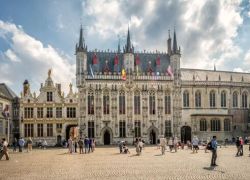
Burg Square, located in the heart of Bruges, Belgium, is one of the most famous and historically significant landmarks in the city. Known for its stunning medieval architecture and rich cultural heritage, it is a must-visit destination for anyone exploring Bruges. The square has served as a center of civic and religious life for centuries and is home to some of the city's most iconic buildings. How to Reach Burg Square, Bruges Burg Square is located in the city center of Bruges, making it easily accessible on foot from most parts of the city. If you’re arriving by train, the main train station of Bruges (Station Brugge) is about a 20-minute walk away. You can also take a local bus from the station to the city center. For those arriving by car, there are parking options available nearby, although public transport or walking is recommended for a more scenic experience. Weather in Bruges The weather in Bruges is typically temperate, with mild summers and cold winters. The best time to visit Burg Square is during the spring and summer months (April to October) when the weather is warmer and the outdoor cafes and restaurants are open. Winters can be chilly, and Bruges often experiences snow, giving the square a magical winter atmosphere, though it can be a bit quieter during this time. Why Burg Square is Famous Burg Square is famous for its historical significance and architectural beauty. The square has been the center of Bruges' civic life since medieval times and is surrounded by some of the city's most important buildings, such as the Basilica of the Holy Blood and the Town Hall of Bruges. The square has been the site of numerous important events throughout the centuries and continues to be a hub for visitors and locals alike. Its medieval charm, paired with the vibrant atmosphere of the square, makes it a must-see location in Bruges. Entry and Visit Details for Burg Square There is no entry fee to visit Burg Square itself, as it is an open public space. However, if you wish to enter the nearby buildings, such as the Basilica of the Holy Blood or the Stadhuis (Town Hall), there may be a small entrance fee. The square is open year-round, and you can visit at any time of day, though it's particularly beautiful during sunrise and sunset when the buildings are bathed in soft light. It is also a popular spot for events, so it’s worth checking for any local festivals or celebrations happening during your visit. History and Architecture of Burg Square The history of Burg Square dates back to the early Middle Ages, and it was originally the site of a Roman fort. Over the centuries, the square became the administrative and religious center of Bruges. Some of the most important buildings surrounding the square include: Stadhuis (Town Hall): Built in the 14th century, the Town Hall of Bruges is one of the oldest and most beautiful in Europe. The building’s ornate Gothic façade and impressive interior make it a key highlight of the square. Basilica of the Holy Blood: A beautiful Romanesque church that houses a relic of the Holy Blood, said to be a vial of Christ's blood. The basilica’s architecture is a stunning mix of Romanesque and Gothic styles, and its intricate details are a sight to behold. The Old Civil Registry: A stunning neo-Gothic building that once housed the civil registry office of Bruges. It now serves as a reminder of the city’s rich civic history. Overall, the architecture surrounding Burg Square blends medieval, Gothic, and Romanesque styles, creating an extraordinary visual feast for history and architecture lovers alike. Things to Do Around Burg Square While visiting Burg Square, there are plenty of things to see and do. Some of the highlights include: Visit the Basilica of the Holy Blood: Explore this historic church and view the Holy Blood relic. It’s a deeply spiritual place and a significant religious landmark in Bruges. Admire the Town Hall: Take a guided tour of the Town Hall and its beautiful council chamber, decorated with stunning murals depicting the history of Bruges. Enjoy a Coffee or Meal: The cafés and restaurants surrounding Burg Square are perfect for relaxing and enjoying Belgian specialties such as waffles, frites, or chocolate. Take a Boat Ride: Bruges is known for its canals, and you can take a boat tour to explore the city from a different perspective. The boat tours often start near the square. Explore Nearby Museums: Visit the nearby Groeningemuseum to view Flemish Masters’ paintings, or check out the Archeological Museum for a deeper understanding of Bruges' past. Facts and Tips about Burg Square Photographic Opportunities: Burg Square is one of the most photographed places in Bruges. Don't forget your camera, especially at sunset when the light enhances the square’s beauty. Events: Burg Square often hosts events such as concerts, markets, and festivals. Be sure to check the local schedule when planning your visit. Best Time to Visit: To avoid large crowds, visit early in the morning or late in the afternoon. The square can be busy during the afternoon and weekends, especially in the summer months. Wear Comfortable Shoes: Since Bruges is a city best explored on foot, make sure to wear comfortable shoes as you’ll be walking on cobblestone streets around the square. Conclusion Burg Square in Bruges is a beautiful and historically rich site that offers visitors a glimpse into the city’s past. Whether you're interested in its architecture, culture, or just soaking in the lively atmosphere, there's something for everyone at this iconic location. A visit to Burg Square is an essential part of any trip to Bruges, and its timeless beauty will undoubtedly leave a lasting impression.
Explore More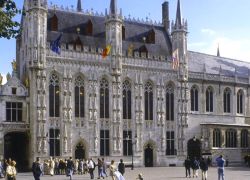
The Bruges City Hall (Stadhuis van Brugge) is one of the oldest and most iconic landmarks in the city, reflecting the rich history, culture, and architectural grandeur of Bruges. Located in the historic center of the city, the City Hall is an impressive example of Gothic architecture. It stands as a testament to Bruges’ medieval past and is one of the most visited attractions in the city. Whether you’re interested in history, architecture, or simply admiring the beauty of this historic building, the Bruges City Hall is an essential stop during your visit to the city. How to Reach Bruges City Hall Bruges City Hall is located in the central Burg Square, making it easily accessible by foot from almost anywhere in the city center. If you are arriving by train, the Bruges Railway Station is about a 20-minute walk from the City Hall. Alternatively, you can take a local bus or a taxi to get closer to the square. Bruges is a pedestrian-friendly city, so exploring on foot is the best way to soak in the city’s medieval charm. If you are driving, there are several parking lots near the city center, but public transportation is encouraged to avoid the hassle of finding parking in the narrow streets. Weather in Bruges Bruges experiences a temperate maritime climate, with mild summers and cold winters. The best time to visit the Bruges City Hall and the surrounding historical sites is from late spring to early autumn (May to September) when the weather is pleasant for outdoor activities and walking tours. Winters in Bruges can be cold and occasionally snowy, but this also gives the city a magical atmosphere, especially during the holiday season. Regardless of when you visit, the charm of the City Hall and the city itself remains year-round. Why Bruges City Hall is Famous Bruges City Hall is famous for its architectural beauty, historical significance, and cultural importance. As one of the oldest city halls in the world, it has played a crucial role in the political and administrative life of Bruges since it was first constructed in the 14th century. Its stunning Gothic architecture, especially the impressive façade and ornate interior, draws visitors from all over the world. Inside, you will find the renowned Council Chamber, adorned with intricate murals that depict important moments in Bruges' history. The City Hall is not only a symbol of Bruges’ historical governance but also a masterpiece of medieval European architecture. Entry and Visit Details for Bruges City Hall Bruges City Hall is open to the public for visits. There is a small entry fee for adults, and reduced rates are available for students, children, and seniors. The City Hall is open daily, though hours may vary, especially on public holidays or during special events. The visit to the City Hall includes a tour of the beautiful Council Chamber and the Hall of the City, where you can admire the stunning 19th-century murals that decorate the walls. If you want a deeper understanding of the building's history and architecture, an audio guide is available in multiple languages. Special guided tours are also offered for groups, providing a more detailed exploration of the City Hall’s cultural and historical significance. History and Architecture of Bruges City Hall Bruges City Hall was built between 1376 and 1421, making it one of the oldest city halls in Europe. Its architectural design reflects the changing styles of the time, with a mixture of Gothic and medieval elements. The City Hall is a fine example of the Brabantine Gothic style, with its tall, pointed arches and decorative details. The exterior of the City Hall features a beautiful white façade, complemented by red brick and stone details that add to its grandeur. The most iconic feature of the City Hall is its elaborate Council Chamber, which boasts an exquisite display of Flemish art. The murals that line the chamber’s walls were painted in the 19th century and illustrate the history of the city of Bruges, including its most important events. The room also features a beautiful vaulted ceiling, supported by intricately designed columns, which further emphasizes the building’s medieval splendor. Over the centuries, the Bruges City Hall has undergone several restorations and additions. Despite these changes, the building has retained its historical charm and continues to serve as the administrative heart of Bruges. The City Hall remains one of the best-preserved Gothic civic buildings in Europe. Things to Do Around Bruges City Hall Aside from visiting the City Hall itself, there are several things to see and do around the area. Some of the highlights include: Explore the Burg Square: The Bruges City Hall is located in Burg Square, a historic area surrounded by other notable landmarks, such as the Basilica of the Holy Blood. Spend time exploring the square and admiring the beautiful architecture. Visit the Basilica of the Holy Blood: Just a few steps away from the City Hall, this beautiful church is famous for housing a relic believed to contain the blood of Christ. It’s a must-see for anyone interested in the religious history of Bruges. Take a Boat Tour of the Canals: Bruges is often referred to as the Venice of the North due to its picturesque canals. Take a boat tour from one of the nearby docks to explore the city from a different perspective. Wander Through the Historic Center: The Bruges City Hall is located in the heart of Bruges, which is a UNESCO World Heritage Site. Spend time wandering through the medieval streets, discovering charming squares, quaint shops, and traditional cafés. Facts and Tips About Bruges City Hall Must-See Attraction: Bruges City Hall is one of the top attractions in Bruges. Don’t miss out on a visit to this historic building if you're exploring the city. Guided Tours: For a deeper understanding of the City Hall’s history and art, consider taking a guided tour. These tours offer fascinating insights into the city’s past and the role the City Hall has played in shaping Bruges. Best Time to Visit: The best time to visit Bruges City Hall is during the spring or summer months when the weather is pleasant and the city is vibrant with tourists. If you prefer fewer crowds, visiting in the early morning or late afternoon is recommended. Photography: Photography is allowed inside the City Hall, but be mindful of other visitors. The architecture and murals are incredibly photogenic, so be sure to take your camera. Combine Visits: Bruges City Hall is located in a central area, making it easy to visit other attractions like the Belfry Tower, Markt Square, and the Gruuthuse Museum within walking distance. Conclusion Bruges City Hall is a historical and architectural marvel that offers visitors a glimpse into the rich past of this medieval city. Whether you are an architecture enthusiast, a history buff, or simply someone who appreciates beautiful buildings, a visit to the Bruges City Hall is an unforgettable experience. The combination of its stunning Gothic design, historical significance, and central location makes it one of the top must-see attractions in Bruges. Don’t miss the opportunity to step back in time and explore one of the oldest and most beautiful civic buildings in Europe.
Explore More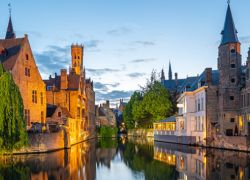
The Canals of Bruges are among the most iconic features of this charming Belgian city, earning Bruges the title of the "Venice of the North." This extensive canal system has been an essential part of the city’s history, playing a significant role in its economic growth and cultural development. The canals wind through the heart of the city, offering visitors a unique perspective of Bruges’ medieval architecture, picturesque bridges, and peaceful surroundings. Whether you're exploring by boat, walking along the banks, or simply enjoying the scenic views, the Canals of Bruges are a must-see destination for anyone visiting the city. How to Reach the Canals of Bruges The Canals of Bruges are located throughout the city center, and since Bruges is relatively small and pedestrian-friendly, you can easily reach them by walking. The main canal routes run close to popular attractions like the Markt Square and the Belfry Tower, making it simple to explore them on foot. If you're arriving by train, the Bruges Railway Station is about a 20-minute walk from the canals. Alternatively, you can take a local bus or a taxi. For those staying further outside the city center, biking is a great option, as Bruges offers bike rentals and bike lanes for easy navigation. Weather in Bruges Bruges experiences a temperate maritime climate, with mild summers and cold winters. The best time to visit the canals is during the warmer months of spring and summer (April to October), when the weather is perfect for boat rides and canal-side strolls. The city enjoys mild temperatures and plenty of sunshine, allowing visitors to fully appreciate the beauty of the canals. While the winter months (November to March) can be colder, the canals take on a magical charm in the misty atmosphere, making it an excellent time for quieter, more serene visits. However, be prepared for occasional rain, as Bruges can be quite wet throughout the year. Why the Canals of Bruges are Famous The Canals of Bruges are famous for their picturesque beauty and historical significance. Dating back to the medieval period, these canals were once the lifeblood of Bruges, facilitating trade and transportation in and out of the city. The canals allowed Bruges to prosper as a major trade center, particularly in the 12th and 13th centuries. Today, the canals are not only an important part of the city's heritage but also a popular tourist attraction. Visitors come from all over the world to admire the beautiful waterways, cross the charming bridges, and enjoy the view of historic buildings reflected in the canal waters. Entry and Visit Details for the Canals of Bruges There is no entry fee for visiting the canals of Bruges themselves, as they are public spaces. However, if you wish to experience the canals by boat, there are boat tours available for a fee. These tours typically last around 30 minutes and give you a unique perspective of the city as you glide through the canals, passing by medieval buildings, quaint bridges, and lush green banks. Boat tours are offered year-round, though they may be more frequent during the peak tourist season in the summer months. Alternatively, visitors can enjoy the canals on foot by walking along the scenic canal paths that run through Bruges’ historic districts. History and Architecture of the Canals of Bruges The canals of Bruges were first constructed in the early medieval period, with the city’s earliest canals dating back to the 9th century. These waterways were initially built to serve as trade routes, connecting Bruges with the North Sea via the Zwin River. Over time, the canal system grew, and by the 12th century, Bruges had developed into a major trading hub in Europe, partly due to the canals that allowed easy access for merchants and goods. The architectural beauty of the canals is also noteworthy. The buildings lining the canals are predominantly medieval, with charming brick facades, gabled rooftops, and elegant windows reflecting the city’s history. One of the most famous features of Bruges' canals is the series of picturesque bridges that span the waterways. These bridges, often made of stone, connect different parts of the city and offer stunning views of the canals and surrounding buildings. The combination of these architectural elements, along with the calm water, creates a serene and romantic atmosphere that has made the canals one of the most photographed places in Belgium. Things to Do Around the Canals of Bruges There are plenty of activities and things to do around the Canals of Bruges, whether you prefer to explore by boat or on foot. Some of the top activities include: Take a Canal Boat Tour: One of the best ways to experience the canals is by taking a boat tour. These tours provide a relaxing and scenic way to see the city from the water, and many of them offer insights into the history of the canals and the surrounding landmarks. Walk Along the Canal Paths: Bruges’ canals are bordered by beautiful walking paths, where visitors can enjoy a peaceful stroll along the water. You’ll pass by some of the city’s most beautiful buildings and bridges, with plenty of opportunities for photographs. Visit the Begijnhof: The Begijnhof (Beguine Convent) is a historic site located near the canals, featuring a peaceful courtyard surrounded by medieval houses. It's a perfect spot for those interested in history and quiet reflection. Explore the Historic Center: The canals are at the heart of Bruges’ UNESCO World Heritage-listed historic center, so make sure to explore nearby attractions like the Belfry Tower, the Markt Square, and the Church of Our Lady. Enjoy a Canal-side Café: There are many cafés and restaurants along the canals where you can sit back, relax, and enjoy a Belgian beer or some local specialties, all while soaking in the beautiful views. Facts and Tips About the Canals of Bruges Best Time to Visit: The best time to visit the canals is during spring and summer when the weather is mild, and the canals are full of activity. However, visiting in winter also offers a magical experience, with fewer crowds and a chance to see the canals in a misty, wintery setting. Canal Tours are Popular: Canal boat tours are one of the most popular activities in Bruges, so be sure to book your tour in advance during peak tourist season (especially in the summer). Bring Comfortable Shoes: While walking along the canals, you may find yourself exploring cobblestone streets and narrow paths, so comfortable shoes are essential for walking around Bruges. Photography Opportunities: The canals of Bruges are incredibly photogenic, so don’t forget to bring your camera or smartphone. Some of the best photo spots are near the bridges or along the canal banks where the water reflects the buildings. Respect the Quiet Atmosphere: Bruges is a peaceful city, and the canals are meant to be enjoyed at a slow pace. Take your time and enjoy the scenery, and be mindful of the quiet, relaxing environment. Conclusion The Canals of Bruges are a vital part of the city’s identity, offering visitors an unforgettable glimpse into the past while providing a serene and picturesque backdrop for exploring the city. Whether you're enjoying a boat tour, taking a stroll along the canal paths, or simply sitting at a canal-side café, there is no better way to experience the charm of Bruges. With its history, beauty, and unique atmosphere, the Canals of Bruges are truly one of the highlights of any visit to Belgium.
Explore More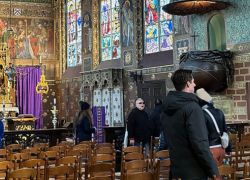
The Basilica of the Holy Blood (Basiliek van het Heilig Bloed) is one of the most famous and revered landmarks in Bruges, Belgium. Known for its rich religious history and architectural beauty, this basilica draws visitors from around the world, many of whom come to witness the Holy Blood relic that is housed within the church. The basilica, located in the heart of Bruges, is not only a place of religious significance but also an architectural gem that showcases a unique blend of Romanesque and Gothic styles. Whether you're drawn to the basilica for its spiritual importance or its historical allure, a visit here is a must for anyone exploring Bruges. How to Reach the Basilica of the Holy Blood, Bruges The Basilica of the Holy Blood is located in the central area of Bruges, on the Burg Square, making it very accessible from all parts of the city. If you are traveling by train, the Bruges Railway Station is approximately a 15-minute walk away from the basilica. Alternatively, you can take a bus or a taxi from the station to the square. Since Bruges is a pedestrian-friendly city, walking is often the best way to explore, and you can easily reach the basilica by foot from other popular landmarks such as the Markt Square or the Belfry Tower. Weather in Bruges Bruges experiences a temperate maritime climate, with mild summers and chilly winters. The best time to visit the Basilica of the Holy Blood is during the spring and summer months (April to September) when the weather is pleasant, and you can enjoy outdoor walking tours around the city. During this time, temperatures typically range between 10°C (50°F) and 20°C (68°F). While winters in Bruges (November to March) can be cold and rainy, the city takes on a serene, almost magical atmosphere, especially during the Christmas season. Regardless of the season, the basilica is open to visitors year-round, providing a great stop at any time of the year. Why the Basilica of the Holy Blood is Famous The Basilica of the Holy Blood is renowned for housing a vial that is believed to contain the Holy Blood of Jesus Christ, a relic that has attracted pilgrims for centuries. This relic is the church's most significant feature and the primary reason the basilica draws large numbers of visitors. According to tradition, the vial was brought to Bruges from the Holy Land during the Second Crusade in the 12th century by Thierry of Alsace, the Count of Flanders. The relic is displayed to the public during the annual Procession of the Holy Blood, a religious event that takes place every Ascension Day, when thousands of people gather to witness the relic's display and participate in the procession. Entry and Visit Details for the Basilica of the Holy Blood The Basilica of the Holy Blood is open to visitors daily, with an entry fee to access the basilica. While the church is free to enter during religious services, there is a small fee for those visiting as tourists. The basilica is open from 9:30 AM to 12:00 PM and from 2:00 PM to 5:00 PM, with varying hours on Sundays and public holidays. Visitors can also view the Holy Blood relic, but it is only displayed at certain times, usually during special services or events. If you're interested in learning more about the basilica's history and the significance of the relic, you can make use of the available audio guides, which are offered in several languages. The basilica offers a quiet, reverent atmosphere, making it a peaceful place to reflect and explore Bruges' spiritual heritage. History and Architecture of the Basilica of the Holy Blood The Basilica of the Holy Blood has a rich and fascinating history that dates back to the 12th century. The basilica was initially constructed as part of a larger complex, the former palace of the Counts of Flanders, and it served as a chapel for the local aristocracy. Over the years, it evolved into a pilgrimage site as the Holy Blood relic became a revered object of devotion. The church was originally built in the Romanesque style, and its architectural features still reflect this style, especially in the lower chapel, which is the oldest part of the basilica. In the 15th century, the church underwent significant renovations and expansions, resulting in the Gothic-style upper chapel that we see today. The basilica is divided into two main levels: the lower chapel and the upper chapel. The lower chapel, which retains its Romanesque charm, is a quiet and atmospheric space with a vaulted ceiling, stone arches, and intricate carvings. The upper chapel, built in the Gothic style, is more expansive and features stained-glass windows that depict scenes from the Bible. The architecture of the basilica is a testament to the city's architectural evolution, with a seamless blend of Romanesque, Gothic, and Renaissance styles. Things to Do Around the Basilica of the Holy Blood There are several activities and sites to explore around the Basilica of the Holy Blood, especially since it is located in the heart of Bruges. Some of the top things to do nearby include: Explore the Burg Square: The Basilica is situated in Burg Square, one of the most picturesque squares in Bruges. The square is surrounded by beautiful buildings, including the City Hall and the Old Court House. Take time to admire the historic architecture and enjoy the square's peaceful atmosphere. Visit the City Hall: The Bruges City Hall is just a short walk from the Basilica of the Holy Blood. This Gothic building dates back to the 14th century and is one of the oldest city halls in Europe. Inside, you can admire the stunning Council Chamber with its intricate murals. Take a Boat Ride on the Canals: Bruges is famous for its canals, and you can take a boat tour to see the city from a different perspective. The canals are just a few minutes' walk from the Basilica, and a boat ride is a fantastic way to explore Bruges’ historic center. Visit the Market Square (Markt): The Markt is one of Bruges' most famous squares, home to the Belfry Tower and several other historic buildings. It's a great place to stroll, shop for souvenirs, or sit in one of the cafés and enjoy a Belgian beer. Facts and Tips About the Basilica of the Holy Blood Best Time to Visit: The best time to visit the Basilica of the Holy Blood is during the early morning or late afternoon when the crowds are fewer. If you're interested in seeing the Holy Blood relic, plan your visit around Ascension Day, when the relic is publicly displayed during the Procession of the Holy Blood. Respect the Sacred Atmosphere: The Basilica of the Holy Blood is a place of religious significance. Visitors should maintain a respectful attitude while inside, especially during services or when the relic is displayed. Audio Guides: To make the most of your visit, consider using the audio guides available at the basilica. They provide valuable insights into the history of the church and the significance of the Holy Blood relic. Wear Comfortable Shoes: Bruges' cobblestone streets can be tricky to navigate, especially around the Basilica. Wear comfortable shoes to make walking around the city more enjoyable. Photography: Photography is allowed in most areas of the basilica, but be mindful of signs indicating restrictions. Always respect the quiet and sacred atmosphere if you're taking pictures during a religious service. Conclusion The Basilica of the Holy Blood is a must-visit destination in Bruges, offering visitors a glimpse into the city’s spiritual history and rich architectural heritage. Whether you're drawn to the relic of the Holy Blood, the stunning architecture, or the peaceful atmosphere of the basilica, it is a site that holds deep significance for both locals and visitors alike. Situated in one of the most picturesque squares in Bruges, it provides a perfect opportunity to explore both the religious and historical aspects of the city. With its unique blend of Romanesque and Gothic architecture, along with its important place in the city’s religious life, the Basilica of the Holy Blood remains one of Bruges’ most cherished landmarks.
Explore More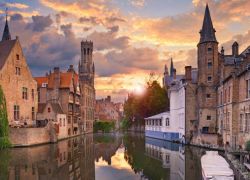
Choco-Story, located in the heart of Bruges, Belgium, is a delightful and immersive museum dedicated to the history and production of chocolate. This fascinating museum provides visitors with an in-depth look at the world of chocolate, from its ancient origins to its current place as one of the world’s favorite treats. Whether you are a chocolate enthusiast, a curious traveler, or a family looking for a fun and educational experience, Choco-Story offers something for everyone. The museum combines interactive displays, historical information, and the chance to watch live chocolate-making demonstrations, making it an engaging experience for people of all ages. How to Reach Choco-Story Chocolate Museum Choco-Story is centrally located in Bruges, making it easy to reach from most parts of the city. If you're traveling by train, the Bruges Railway Station is around a 15-minute walk from the museum. Alternatively, you can take a bus or taxi from the station for a quicker journey. The museum is located on Wijnzakstraat, just off the Markt Square, one of the most famous and vibrant squares in Bruges, making it a convenient stop while exploring the city. The walk to the museum from the Markt Square is just a few minutes, passing by charming streets and picturesque canals. Weather in Bruges Bruges experiences a temperate maritime climate, with mild summers and cool winters. The best time to visit Choco-Story is during the spring and summer months (April to September), when the weather is pleasant, and you can enjoy exploring the city on foot. During this period, temperatures generally range between 10°C (50°F) and 20°C (68°F), which is perfect for a leisurely stroll around Bruges. However, if you prefer fewer crowds, visiting in the autumn or winter months (October to March) is also a great option, as Bruges takes on a festive atmosphere, especially around Christmas. During winter, temperatures can drop below freezing, so be sure to bundle up when exploring the city. Why Choco-Story Chocolate Museum is Famous Choco-Story is famous for being one of the most interactive and educational chocolate museums in the world. The museum offers visitors the opportunity to learn about the fascinating journey of chocolate, from its origins as a bitter drink in ancient Mesoamerica to its transformation into the sweet treat we know today. The museum is also renowned for its live chocolate-making demonstrations, where expert chocolatiers show visitors how Belgian chocolates are crafted by hand. Visitors can also sample a variety of chocolates and discover the secrets behind high-quality chocolate production. The museum’s location in Bruges, one of the most beautiful and historic cities in Belgium, further adds to its appeal as a must-visit destination for chocolate lovers and tourists alike. Entry and Visit Details for Choco-Story Chocolate Museum The museum is open year-round, with specific hours depending on the season. During the peak tourist season (March to October), Choco-Story is typically open from 9:30 AM to 6:00 PM. During the off-season (November to February), the museum may have shorter hours, usually opening from 10:00 AM to 5:00 PM. It’s advisable to check the museum’s website for up-to-date opening hours before your visit. Admission to the museum requires an entry fee, which includes access to all exhibits and live chocolate-making demonstrations. The museum also offers a discount for children, making it an affordable family-friendly attraction. Additionally, visitors can purchase tickets online or at the museum’s entrance. History and Architecture of Choco-Story Chocolate Museum The Choco-Story Museum is housed in a beautifully restored 17th-century building, adding an element of historical charm to the modern experience. The building’s historic architecture, with its classic brick facades and wooden beams, provides the perfect backdrop for an immersive exploration of the history of chocolate. The museum itself is spread across several floors, each dedicated to different aspects of chocolate, including its ancient origins, its introduction to Europe, and the development of Belgian chocolate-making techniques. One of the key historical features of the museum is its collection of ancient chocolate artifacts, including tools used by early Mesoamerican civilizations to make chocolate beverages. The museum also covers the history of chocolate in Europe, focusing on the evolution of chocolate from a luxury item for the elite to a popular treat for all. The Belgian connection is strongly emphasized, with exhibits showcasing how Belgian chocolate became world-renowned for its quality and craftsmanship. The museum’s historical exhibits are complemented by modern, interactive displays that engage visitors of all ages. Things to Do Around Choco-Story Chocolate Museum While visiting Choco-Story, there are several activities and attractions nearby that you can explore: Explore the Markt Square: Just a few minutes away from the museum, the vibrant Markt Square is the heart of Bruges. It’s home to the iconic Belfry Tower, where you can climb to the top for panoramic views of the city. Visit the Belfry Tower: Standing tall in the Markt Square, the Belfry Tower is one of the most famous landmarks in Bruges. You can climb the 366 steps to the top for a spectacular view of the city’s medieval skyline. Take a Boat Tour of Bruges: Bruges is known for its scenic canals, and a boat tour is a great way to explore the city from a different perspective. Several boat tours depart from near the Markt Square and offer views of Bruges’ picturesque architecture and canals. Walk Along the Canal: The canals surrounding Choco-Story offer a peaceful setting for a stroll. Enjoy the tranquil water, charming bridges, and beautiful old buildings that line the canal. Visit the Basilica of the Holy Blood: Located just a short walk from the museum, this historic church is famous for housing a relic believed to be the blood of Christ. The basilica’s stunning architecture and rich history make it a must-see attraction in Bruges. Facts and Tips About Choco-Story Chocolate Museum Best Time to Visit: The best time to visit Choco-Story is during the off-peak months (November to February) when Bruges is less crowded, and you can enjoy a more relaxed experience. However, if you prefer the lively atmosphere of the summer months, visit during the spring or early autumn when the weather is pleasant. Bring an Appetite for Chocolate: You’ll have the opportunity to taste a variety of chocolates during your visit, so be sure to bring an appetite for sweets. Don’t miss the free samples offered during the live demonstrations. Interactive Experience: The museum offers a highly interactive experience, so be sure to engage with the exhibits. Try your hand at chocolate-making or participate in a tasting session for an even more immersive experience. Buy Souvenirs: After exploring the museum, stop by the gift shop to purchase some high-quality Belgian chocolate as a souvenir. You’ll find a wide variety of chocolates, from pralines to truffles, all made by local chocolatiers. Great for Families: Choco-Story is a family-friendly museum, with interactive exhibits that children will love. It’s a fun and educational experience for kids to learn about the history of chocolate and watch live chocolate-making demonstrations. Conclusion Choco-Story Chocolate Museum in Bruges is a must-visit destination for anyone who loves chocolate or wants to learn more about its fascinating history. With its engaging exhibits, live demonstrations, and rich history, the museum offers a unique and interactive experience that is both fun and educational. Whether you’re visiting as a family, with friends, or as a solo traveler, Choco-Story provides a delightful way to explore the world of chocolate while enjoying the charming city of Bruges. Don’t forget to indulge in some delicious Belgian chocolates before you leave, and take home a sweet souvenir from your trip.
Explore More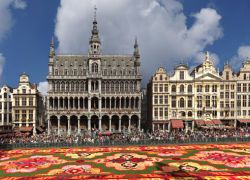
The Grand Place, also known as **Grote Markt**, is the central square of Brussels and is considered one of the most beautiful squares in Europe. Recognized as a UNESCO World Heritage site, it is the heart of Brussels and is surrounded by magnificent buildings, including the City Hall, the King's House, and the beautiful guildhalls. The square is famous for its stunning architecture, vibrant history, and as a hub of activity. Whether you’re visiting for its history, architecture, or the lively atmosphere, the Grand Place is undoubtedly one of the most iconic landmarks in Brussels. How to Reach Grand Place, Brussels The Grand Place is conveniently located in the heart of Brussels and is easily accessible by public transportation. The nearest metro station is **Bourse** (Metro Line 3 and 4), just a short walk from the square. You can also reach the Grand Place via **Brussels Central Station**, which is around 5-10 minutes on foot. The square is well connected to buses, trams, and taxis, making it easy to get there from almost anywhere in the city. If you're staying in the city center, many attractions are within walking distance, including the famous Manneken Pis statue, which is just a few minutes away from the Grand Place. Weather in Brussels Brussels experiences a temperate maritime climate, meaning it has mild winters and cool summers. The best time to visit the Grand Place is in spring (April to June) and autumn (September to October) when the weather is pleasant, with average temperatures ranging from 10°C (50°F) to 20°C (68°F). The summer months (June to August) are warmer, but they can also be crowded, especially during the Brussels Flower Carpet event or the Grand Place's annual events. Winter (November to March) can be cold, with temperatures often below 5°C (41°F), but it is also a wonderful time to visit if you enjoy festive Christmas markets and fewer crowds. Why Grand Place is Famous The Grand Place is famous for its architectural splendor, historic significance, and vibrant atmosphere. The square dates back to the 12th century and has always been the center of Brussels’ political, social, and commercial life. The buildings surrounding the square represent various architectural styles, including Gothic, Baroque, and Louis XIV. The **Brussels Town Hall**, with its tall spire, is one of the most iconic buildings in the square, and it is an excellent example of Gothic architecture. The **King's House (Maison du Roi)**, another prominent building, is now home to the **Brussels City Museum** and is an architectural marvel in its own right. The Grand Place also hosts several important cultural events throughout the year, including the **Brussels Flower Carpet** every two years, which decorates the square with thousands of begonias, and **Ommegang**, a medieval pageant that recreates historical events. Entry and Visit Details for Grand Place, Brussels The Grand Place is an open public square and is free to visit. There are no entry fees to explore the square itself, and it is open year-round, 24 hours a day. However, the surrounding buildings, such as the **Brussels City Museum** in the King's House, do have an entrance fee. The museum showcases Brussels’ history and the evolution of the Grand Place. The **Town Hall** also offers guided tours and is typically open from 9:00 AM to 5:00 PM, except on Mondays when it may be closed. If you want to explore the square and the surrounding area in greater detail, consider taking a guided walking tour, which is available in several languages and provides a deeper understanding of the history and architecture of the Grand Place and its surroundings. History and Architecture of Grand Place, Brussels The Grand Place has a fascinating history that stretches back to the Middle Ages. Originally, the square was a marketplace, but it became the center of political, economic, and cultural life in Brussels over the centuries. The square has witnessed many key historical events, including royal ceremonies, public executions, and celebrations. In 1695, much of the Grand Place was destroyed by French bombardment, but it was meticulously rebuilt by the citizens of Brussels, restoring its former glory. Today, it stands as a testament to the city’s resilience and dedication to preserving its heritage. The architectural styles surrounding the Grand Place reflect the wealth and power of the guilds and the nobility. The **Brussels Town Hall**, built in the late 15th century, is an exceptional example of Gothic architecture, with its soaring spire and ornate details. The **King's House**, a fine example of late Gothic and Renaissance architecture, was originally used as the home of the city’s rulers and now houses the Brussels City Museum. Surrounding the Town Hall are the guildhalls, which were once the headquarters of the city's different trade guilds. These guildhalls showcase Baroque and Louis XIV architectural styles and are adorned with golden decorations and intricate carvings, adding to the square's grandeur. Things to Do Around Grand Place, Brussels There are plenty of things to see and do around the Grand Place. Whether you’re looking to explore more historical landmarks or enjoy a delicious meal, the area has something for everyone. Here are some ideas: Visit the Brussels City Museum: Located in the King's House, this museum offers fascinating exhibits about the history of Brussels and the Grand Place. It features art, historical artifacts, and displays about the city's past, including its medieval and Renaissance periods. Admire the Architecture: The Grand Place is home to several stunning buildings, and you can spend time walking around the square and marveling at the architecture. Don’t forget to look up at the ornate facades of the guildhalls and the stunning **Town Hall** spire. Explore the Nearby Streets: The Grand Place is surrounded by charming narrow streets, full of boutiques, cafes, and shops selling traditional Belgian chocolates and lace. Wander through these streets for a taste of Brussels’ local life and shop for souvenirs. Take a Boat Tour: Brussels has beautiful canals, and a boat tour is a great way to explore the city from the water. You can take a boat ride along the Brussels Canal, which is just a short distance from the Grand Place. Indulge in Belgian Cuisine: The Grand Place area is packed with restaurants offering traditional Belgian dishes. Don’t miss trying **moules-frites** (mussels with fries), **waffles**, and, of course, **Belgian chocolate**. Many cafes have outdoor seating where you can enjoy the square's lively atmosphere. Facts and Tips About Grand Place, Brussels Best Time to Visit: The Grand Place is a must-see year-round, but the best time to visit is during spring and summer when the weather is pleasant. The square is also beautifully illuminated at night, making it a perfect place for a nighttime stroll. Look for the Gold: Many of the buildings around the square are adorned with golden accents. Pay close attention to the intricate details on the facades, as these golden touches add a touch of grandeur to the square. Take a Guided Tour: A guided tour will give you deeper insights into the history of the Grand Place and the significance of its buildings. You’ll learn about the square’s transformation over time, its importance in the city's history, and the stories behind the guildhalls. Photography: The Grand Place is one of the most photographed locations in Brussels. If you’re into photography, the square is perfect for capturing the beautiful architecture, especially during sunset or the Brussels Flower Carpet event (every two years in August). Watch the Events: The Grand Place hosts many events throughout the year, including festivals, concerts, and the Brussels Flower Carpet. Check the local event calendar for any special activities during your visit. Conclusion The Grand Place in Brussels is undoubtedly one of Europe’s most magnificent public squares, filled with history, culture, and architectural beauty. Whether you’re admiring the intricate facades of the guildhalls, exploring the Brussels City Museum, or simply enjoying the lively atmosphere of the square, the Grand Place is a must-visit destination for any traveler in Brussels. Its beauty, charm, and cultural significance make it the heart of the city, and a visit here will undoubtedly be a highlight of your time in Belgium. ``
Explore More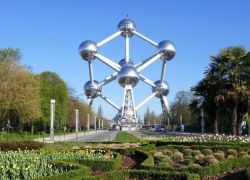
The **Atomium** is one of the most iconic landmarks in Brussels and is recognized worldwide for its unique, futuristic design. Originally constructed for the 1958 Brussels World Expo, the Atomium is a structure that represents an iron molecule magnified 165 billion times. Comprising nine steel spheres connected by tubes, it stands 102 meters tall and offers some of the best panoramic views of Brussels. Over the years, the Atomium has become a symbol of Belgium's innovation and creativity, and today it is both a museum and a popular tourist attraction. How to Reach Atomium, Brussels The Atomium is located in the **Heysel** district of Brussels, which is easily accessible by public transportation. If you are traveling by metro, take **Line 6** to **Heysel** station, which is located right next to the Atomium. From there, it's only a short walk to the entrance. Alternatively, you can reach the Atomium by bus, as several bus lines, including **Bus 84** and **Bus 88**, stop near the site. If you're arriving by train, **Brussels North Station** is a central hub, and from there you can take a metro or bus to the Atomium. For those traveling by car, there is a parking facility available at the base of the Atomium. Weather in Brussels Brussels experiences a temperate maritime climate with mild winters and cool summers. The best time to visit the Atomium is during the late spring and summer months (April to September) when the weather is relatively warm, and temperatures range from 10°C (50°F) to 20°C (68°F). During this period, you can enjoy outdoor activities around the Atomium and take in the breathtaking views from the top. However, the fall (October to November) and winter (December to February) months can be colder, with temperatures averaging between 0°C (32°F) and 10°C (50°F), but it is still a great time for visiting, especially when fewer tourists are around. Rain can be frequent, so always carry an umbrella when visiting Brussels. Why Atomium is Famous The **Atomium** is famous not only for its eye-catching design but also for its representation of post-World War II optimism and scientific advancement. When it was constructed for the 1958 **Brussels World Expo**, it was intended to symbolize the future and the potential of science and technology. The building itself is a striking structure with nine spheres arranged in a unique pattern, connected by tubes, that resembles an atom. The design is both artistic and scientific, and the Atomium remains one of the most recognizable buildings in the world. The building also houses permanent and temporary exhibitions that highlight the connection between science, technology, and the future, making it an important cultural landmark in Brussels. Entry and Visit Details for Atomium, Brussels The Atomium is open to the public every day of the week, including holidays, except for **New Year's Day** and **Christmas Day**. The usual visiting hours are from **10:00 AM to 6:00 PM**, but during certain peak periods, such as school vacations or the summer months, the hours may be extended. Tickets for the Atomium can be purchased on-site or online. Prices vary depending on the type of ticket you wish to purchase. For adults, entry is around **€16**, with discounts for children and seniors. There are also family packages available. The price includes access to the entire museum, including the spheres, the exhibition areas, and the panoramic views from the top sphere. It is recommended to buy tickets in advance during peak tourist seasons to avoid long lines. History and Architecture of Atomium The Atomium was designed by the architect **André Waterkeyn** and engineers **Jean Polak** and **André and Jean-Pierre Bournisien** for the **1958 Brussels World's Fair** (Expo 58). The structure was created to symbolize the atom and the scientific progress of the time. The nine interconnected spheres represent an atom’s iron molecule magnified 165 billion times. The building was constructed using steel and aluminum, materials that were popular in the mid-20th century due to their modern, futuristic feel. The original design of the Atomium was intended as a temporary structure, but due to its popularity, it was preserved and reopened to the public in 1963 as a museum. The Atomium underwent extensive renovations in 2004 to preserve its structural integrity and ensure its continued role as a cultural and architectural landmark. The renovation updated its facilities while maintaining its unique aesthetic. Today, visitors can explore the nine spheres, which are connected by tubes, each housing various exhibitions. The top sphere offers a panoramic view of Brussels and is a highlight of the visit. Things to Do Around Atomium, Brussels There are several interesting things to do around the Atomium that complement your visit. Here are some of the best options: Visit Mini-Europe: Located just a short walk from the Atomium, Mini-Europe is a miniature park showcasing replicas of famous landmarks from across Europe. It's a fun and family-friendly attraction that provides a unique perspective of European heritage in miniature form. Explore the Laeken Park: Nearby, you’ll find **Laeken Park**, a beautiful green space with gardens and trees. This park is home to the **Royal Castle of Laeken**, which is the residence of the Belgian royal family. Although the castle itself isn’t open to the public, the park offers a peaceful environment for a relaxing walk. Visit the Royal Castle of Laeken: Even though you can’t tour the inside of the Royal Castle, you can still enjoy the grounds and take a look at the exterior. The castle is located just a short distance from the Atomium. Explore the Brussels Expo: The **Brussels Expo** is another large exhibition center near the Atomium. It hosts various events, fairs, and exhibitions throughout the year. Check the event calendar to see if anything interests you during your visit. Take a Canal Tour: Brussels has a network of canals that can be explored by boat. Several boat tours depart from different parts of the city, offering scenic views of Brussels from the water. Facts and Tips About Atomium, Brussels Unique Design: The Atomium is often compared to a giant molecular model, but it’s also a piece of modern art. The spheres are connected by tubes that allow visitors to walk between them, providing an interactive experience. Don't forget to take lots of photos from different angles! Panoramic Views: Don’t miss the opportunity to visit the top sphere, which offers stunning panoramic views of Brussels and its surroundings. On clear days, you can see all the way to the **Brussels Atomium Park** and the **Royal Castle of Laeken**. Educational Exhibits: The Atomium isn’t just a visual marvel; it also houses several educational exhibits about science, technology, and Brussels’ history. These exhibits change periodically, so there’s always something new to discover. Family Friendly: The Atomium is an excellent choice for families. Kids will love exploring the spheres and learning about science through the interactive exhibits. The museum also has kid-friendly activities, making it a great stop for family vacations. Accessibility: The Atomium is accessible to people with disabilities. The building has ramps and elevators, making it easy for everyone to enjoy the experience. Conclusion The **Atomium** is a must-visit landmark in Brussels, offering both a visual and educational experience. Whether you're fascinated by modern architecture, enjoy panoramic views, or want to learn more about science and innovation, the Atomium has something to offer. With its unique design, fascinating history, and central location, it's one of the most popular attractions in Brussels. Plan your visit today and enjoy exploring this incredible monument that has become a symbol of Belgium’s creative spirit and vision for the future.
Explore More
Manneken Pis is one of the most iconic landmarks in Brussels, Belgium. This small bronze statue of a young boy urinating into a fountain is located at the junction of Rue de l'Étuve and Rue du Chêne, near the Grand Place. Despite its small size, Manneken Pis has become a symbol of the irreverent and rebellious spirit of the Belgian capital. How to Reach Manneken Pis Getting to Manneken Pis is quite easy as it is located in the heart of Brussels. If you're traveling by train, you can take the Brussels Central Station (Bruxelles-Central), which is only a 10-minute walk from the statue. Alternatively, you can take the Brussels Metro Line 1 or 5 and get off at the "De Brouckère" station, from where it’s a short walk. The statue is also within walking distance of many other famous landmarks like the Grand Place and the Brussels Town Hall. Weather in Brussels The weather in Brussels tends to be temperate and mild throughout the year, with cool winters and mild summers. During the winter, temperatures can drop to around 0°C (32°F), while summer temperatures generally hover between 15°C and 25°C (59°F-77°F). Rain is common, so it’s a good idea to carry an umbrella when visiting. The best time to visit Manneken Pis is from April to October when the weather is more favorable for outdoor exploration. Why Manneken Pis is Famous Manneken Pis is famous for being an emblem of the city's irreverent attitude. The statue was originally erected in 1619 and has become a symbol of the city’s humor, freedom, and independence. Over the centuries, it has been dressed in numerous costumes, often linked to special events, festivals, or even national holidays. The statue has also been stolen several times throughout history, but it was always recovered, adding to its legend and mystique. Things to Do at Manneken Pis While visiting Manneken Pis, you can take pictures with this iconic figure. The surrounding area is full of cafes, shops, and chocolate boutiques where you can experience local flavors. Many tourists also explore nearby attractions like the Grand Place, the Atomium, and the Royal Palace of Brussels. Occasionally, you might even find the statue dressed up in one of its many costumes, making it a fun and photo-worthy experience. Facts and Tips About Manneken Pis Manneken Pis was created by the sculptor Jérôme Duquesnoy the Elder in 1619. The statue is only 61 centimeters (24 inches) tall, making it much smaller than most people expect. The statue has over 1,000 different outfits in its wardrobe. The statue is often dressed up for special events and festivals, such as national holidays or important state visits. It is said that Manneken Pis symbolizes the city's resistance against foreign rule, as well as its libertarian spirit. Church of Our Lady, Bruges The Church of Our Lady (Onze-Lieve-Vrouwekerk) is one of the most important landmarks in Bruges, a city located approximately 100 kilometers (62 miles) north-west of Brussels. This stunning Gothic church is renowned for its towering spire, which is one of the tallest brick structures in the world, reaching a height of 122 meters (400 feet). How to Reach Church of Our Lady To reach the Church of Our Lady from Brussels, you can take a direct train from Brussels Central Station to Bruges, which takes around 1 hour. Once you arrive in Bruges, the church is just a 10-minute walk from the train station. You can easily navigate through the charming medieval streets of the city to reach this magnificent church. Weather in Bruges The weather in Bruges is similar to that of Brussels, with mild winters and cool summers. The best time to visit Bruges is between May and September, when the weather is typically pleasant for sightseeing and walking around the historic city center. Winters can be cold, with temperatures ranging from 0°C to 5°C (32°F to 41°F), so visitors should pack accordingly during the colder months. Why Church of Our Lady is Famous The Church of Our Lady is famous not only for its architectural grandeur but also for its impressive art collection. The church houses the famous statue of the Madonna and Child by Michelangelo, which was donated by a wealthy Bruges merchant. The church is also known for its stunning stained glass windows and its association with the rich history of Bruges as a medieval center of art and culture. Entry and Visit Details About Church of Our Lady The Church of Our Lady is open to visitors daily, and there is a small entrance fee for those wishing to explore its interiors. The church is free to enter for those who only wish to attend services. The fee for visiting the church is typically around €6, with discounts available for students and groups. It is also worth noting that the church is a functioning place of worship, so visitors should be respectful of any ongoing services or religious activities. History and Architecture of Church of Our Lady The Church of Our Lady was built between the 13th and 15th centuries, making it one of the oldest churches in Bruges. The church is a fine example of Gothic architecture, with its soaring arches, intricate carvings, and high vaulted ceilings. The church is also renowned for its brick construction, a hallmark of Bruges' medieval buildings. Its most striking feature is the 122-meter-high spire, which can be seen from almost any part of the city. Things to Do at Church of Our Lady While visiting the Church of Our Lady, be sure to admire the Michelangelo Madonna, a masterpiece of Renaissance sculpture. You can also explore the church's crypt, which contains the tombs of many prominent figures, including the Dukes of Burgundy. Additionally, visitors can enjoy the peaceful atmosphere of the church and take time to reflect on its rich history and artistic beauty. Facts and Tips About Church of Our Lady The Madonna and Child sculpture by Michelangelo was completed around 1504 and was originally commissioned by a wealthy Bruges merchant. The church’s spire is one of the tallest brick structures in the world. The church is a prominent site for Bruges' religious history and a key part of the city's medieval heritage. Visitors should be respectful of religious services taking place in the church and avoid visiting during these times if possible. When visiting the church, take time to explore the surrounding area, including the nearby Market Square and the canal-side walks that offer beautiful views of the city.
Explore More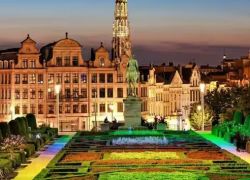
Mont des Arts is one of the most beautiful and historic areas in Brussels, offering stunning views of the city and housing several of the city's most prominent cultural landmarks. Located between the Grand Place and the Royal Palace, Mont des Arts is an elevated area that is home to a wide range of museums, art galleries, and gardens. The area is well-known for its magnificent architecture and offers both locals and tourists a chance to enjoy the cultural richness and beauty of Brussels. How to Reach Mont des Arts Getting to Mont des Arts is quite easy, as it is centrally located in Brussels. If you’re traveling by train, the nearest station is Brussels Central (Bruxelles-Central), which is just a 10-minute walk away. The area is also easily accessible by metro, with the "Mont des Arts" stop on the Brussels Metro Line 1 and 5. From there, it’s just a short walk up to the viewpoint and surrounding museums. Many popular attractions, such as the Royal Palace and the Belgian Comic Strip Center, are within walking distance of Mont des Arts, making it an ideal starting point for your exploration of the city. Weather in Brussels The weather in Brussels is temperate, with mild winters and relatively cool summers. Winter temperatures usually range between 0°C to 5°C (32°F to 41°F), while summer temperatures hover between 15°C and 25°C (59°F-77°F). Rain is frequent throughout the year, so it’s always advisable to carry an umbrella when visiting. For the best weather conditions, try visiting during spring or early autumn, when the temperatures are more pleasant for exploring outdoor sites like Mont des Arts. Why Mont des Arts is Famous Mont des Arts is famous for being the cultural heart of Brussels. The area is home to some of the city’s most important museums, including the Royal Museums of Fine Arts of Belgium, the Magritte Museum, and the Musical Instruments Museum. Its elevated position provides breathtaking panoramic views of the lower parts of Brussels, making it an excellent spot for photography. The gardens of Mont des Arts are also a highlight, with their carefully designed landscaping, fountains, and sculptures adding to the area’s charm. It is also a place where visitors can enjoy both cultural experiences and natural beauty, making it a must-see in Brussels. Things to Do at Mont des Arts When visiting Mont des Arts, there are plenty of activities to enjoy. You can explore the numerous museums and art galleries that line the area, including the Royal Museums of Fine Arts, which showcase both classical and modern works. The Magritte Museum, dedicated to the works of surrealist artist René Magritte, is another must-visit for art lovers. The area is also perfect for a leisurely walk through its beautifully landscaped gardens, where you can sit and enjoy the peaceful atmosphere. If you love photography, be sure to capture the panoramic views of Brussels from the elevated platform of Mont des Arts. Facts and Tips About Mont des Arts Mont des Arts was originally developed in the 19th century and was part of an ambitious urban planning project aimed at improving Brussels' cultural and architectural landscape. The area is located on a hill, offering some of the best views of Brussels, especially at sunset. The gardens are free to enter, making it a great place for tourists to relax without spending money. In addition to the museums, there are often outdoor events, including concerts and art exhibitions, making Mont des Arts a lively cultural hub. Take the time to visit the surrounding area, which includes attractions such as the Royal Palace and Parc de Bruxelles (Brussels Park). Church of Our Lady, Bruges The Church of Our Lady (Onze-Lieve-Vrouwekerk) in Bruges is one of the most important landmarks in the city. Located in the heart of Bruges, this Gothic church is famous for its towering spire, which reaches 122 meters (400 feet) in height, making it one of the tallest brick structures in the world. The church is also renowned for its art collection, including the famous Madonna and Child sculpture by Michelangelo. How to Reach Church of Our Lady from Brussels To visit the Church of Our Lady from Brussels, take a direct train from Brussels Central Station to Bruges. The journey typically takes around 1 hour. Once in Bruges, the church is just a 10-minute walk from the train station. The city’s medieval streets are charming and easy to navigate, and you’ll enjoy the beautiful sights as you make your way to the church. Weather in Bruges Bruges, like Brussels, experiences a temperate climate. Winters are cold with temperatures ranging between 0°C to 5°C (32°F to 41°F), while summers are mild, with temperatures averaging between 15°C and 25°C (59°F-77°F). The best time to visit Bruges is between May and September when the weather is generally pleasant for walking around the city and exploring the historical sites, including the Church of Our Lady. Why Church of Our Lady is Famous The Church of Our Lady is famous for its architectural grandeur and its remarkable collection of art. The church is most known for housing the Madonna and Child, a marble sculpture by Michelangelo, which was created around 1504. This masterpiece is one of the few works by Michelangelo that is located outside of Italy. The church is also significant for its towering spire, which can be seen from much of Bruges, and for its historical importance as a place of worship and burial for prominent figures from the city’s past. Entry and Visit Details About Church of Our Lady The Church of Our Lady is open to visitors daily, with an entrance fee of approximately €6. The church is also a functioning place of worship, so visitors are encouraged to be respectful of ongoing services. There are discounts available for students and groups, and visitors can also buy a combined ticket that grants access to the church as well as other nearby attractions in Bruges. If you’re planning to visit, it’s a good idea to check the opening hours in advance, as the church may close for religious events or special occasions. History and Architecture of Church of Our Lady The Church of Our Lady was built between the 13th and 15th centuries and is a prime example of Gothic architecture. The church is constructed of brick, a characteristic material of the medieval buildings in Bruges. The towering spire, one of the tallest brick towers in the world, is a prominent feature of the church. Inside, the church is filled with beautiful stained glass windows, intricate sculptures, and a remarkable collection of religious artwork. Its historical and architectural significance makes it one of the most visited sites in Bruges. Things to Do at Church of Our Lady During your visit to the Church of Our Lady, be sure to admire Michelangelo’s Madonna and Child, one of the most famous sculptures in the world. You can also explore the church’s crypt, which contains the tombs of prominent individuals from Bruges' medieval history. Additionally, take time to enjoy the church’s beautiful architecture and its peaceful atmosphere, which provides a perfect escape from the bustling city. Facts and Tips About Church of Our Lady The Madonna and Child by Michelangelo is one of only a few sculptures by the artist located outside of Italy. The church’s spire, standing at 122 meters, is one of the tallest brick towers in the world. The church houses several works of art, including paintings by the famous Flemish artists Hans Memling and others. Be mindful of religious services if visiting during mass hours, as the church remains a place of active worship. For the best experience, combine your visit to the Church of Our Lady with a walk along Bruges’ canals or a visit to the nearby Markt Square.
Explore More
The Magritte Museum in Brussels is one of the most prominent and unique art museums in Belgium. Dedicated to the works of René Magritte, one of the most famous surrealist artists of the 20th century, the museum houses a vast collection of his paintings, drawings, and sculptures. Located in the heart of Brussels, the museum offers a deep dive into the mind of the surrealist artist, allowing visitors to explore the dreamlike and often paradoxical imagery that defined Magritte's work. Whether you’re an art lover or simply curious about the surrealist movement, the Magritte Museum is a must-visit destination for anyone in Brussels. How to Reach the Magritte Museum The Magritte Museum is centrally located in Brussels, making it easily accessible by public transport. If you’re traveling by train, Brussels Central Station is the nearest major train station, and it’s only a 10-minute walk to the museum. The museum is also well-served by the Brussels Metro, with the "Parc" station (Line 1) being just a short walk away. If you're staying in the European Quarter or near the Grand Place, you can easily walk to the museum, as it’s located in the historic Royal Square area, which is home to several key cultural institutions, including the Royal Palace. Weather in Brussels Brussels experiences a temperate maritime climate, characterized by mild winters and relatively cool summers. Winter temperatures typically range from 0°C to 5°C (32°F to 41°F), and summer temperatures average between 15°C and 25°C (59°F-77°F). Rain is common throughout the year, so it’s a good idea to carry an umbrella or raincoat when visiting. The best times to visit Brussels and the Magritte Museum are during the spring and summer months (May to September), when the weather is more pleasant for walking around the city and enjoying outdoor attractions. Why Magritte Museum is Famous The Magritte Museum is famous for its unparalleled collection of works by René Magritte, a key figure in the surrealist movement. The museum features over 200 works of art by Magritte, including some of his most iconic pieces, such as *The Son of Man*, *The Treachery of Images*, and *The Lovers*. Magritte's work often explores the relationship between reality and illusion, questioning the nature of perception and the meaning behind ordinary objects. The museum not only showcases his paintings but also offers a detailed insight into his life, creative process, and the development of his distinctive artistic style. It’s a great place to delve deeper into the world of surrealism and understand how Magritte’s works continue to influence modern art. Things to Do at the Magritte Museum When visiting the Magritte Museum, there are several things to see and do. Begin by exploring the core exhibition, which is divided into different sections based on various periods of Magritte’s career. You'll find many of his best-known paintings, including surrealist works that challenge traditional concepts of space, form, and time. You can also discover some of his lesser-known works, including sketches and drawings that provide a deeper understanding of his creative process. For a more interactive experience, take advantage of the museum's multimedia guides, which offer additional context and information about the artist and his work. The museum also hosts temporary exhibitions that explore themes related to surrealism and contemporary art, allowing visitors to engage with the broader cultural context in which Magritte worked. Don’t forget to visit the museum shop, where you can find unique art books, prints, and other souvenirs to remember your visit. Facts and Tips About Magritte Museum The Magritte Museum is part of the Royal Museums of Fine Arts of Belgium, which also includes several other important art museums in Brussels. The museum’s collection includes more than 200 paintings, drawings, and sculptures by René Magritte, along with works by his contemporaries and other surrealist artists. Magritte’s most famous works, such as *The Son of Man* (the painting of the man with an apple in front of his face) and *The Treachery of Images* (featuring the phrase "Ceci n'est pas une pipe"), are displayed in the museum. The museum also offers educational programs and activities for families, students, and art enthusiasts of all ages. While entry to the museum is not free, it is relatively affordable, and there are discounts available for students and seniors. It’s best to visit early in the day or during weekdays to avoid large crowds, especially on weekends and holidays. Church of Our Lady, Bruges The Church of Our Lady (Onze-Lieve-Vrouwekerk) in Bruges is one of the most famous and important landmarks in the city. This stunning Gothic church is renowned for its towering spire, which reaches a height of 122 meters (400 feet), making it one of the tallest brick buildings in the world. The church is home to some incredible artworks, including Michelangelo's famous sculpture *Madonna and Child*. As well as being a religious site, the church has historical significance and serves as the burial place for several notable figures from Bruges' past. How to Reach Church of Our Lady from Brussels The Church of Our Lady in Bruges is easily accessible by train from Brussels. The journey takes about one hour from Brussels Central Station to Bruges, and once you arrive at Bruges station, it’s just a 10-minute walk to the church. Bruges is a beautiful city to explore on foot, with many picturesque canals and cobblestone streets, making it easy to navigate from the train station to the church. Weather in Bruges Like Brussels, Bruges experiences a temperate climate, with cool winters and mild summers. Winter temperatures can drop to around 0°C to 5°C (32°F to 41°F), while summers tend to be comfortable, with temperatures averaging 15°C to 25°C (59°F-77°F). The best time to visit Bruges is during the spring or summer months when the weather is pleasant for exploring the city’s historic sites and beautiful canals. Why Church of Our Lady is Famous The Church of Our Lady is famous primarily for housing Michelangelo's *Madonna and Child*, one of the few works by the Italian artist located outside of Italy. The church's spire, which is one of the tallest brick towers in the world, is another key feature that makes the church stand out. Inside, the church is filled with beautiful stained-glass windows, sculptures, and paintings, and it also holds great historical and cultural significance as a site of religious worship and a place of burial for prominent Bruges residents. Entry and Visit Details About Church of Our Lady The Church of Our Lady is open daily to visitors, with an entrance fee of approximately €6. Admission is free during religious services, but visitors are asked to be respectful during Mass. The church is also a popular spot for tourists, so it's a good idea to arrive early in the day to avoid crowds. Visitors can enjoy exploring the church’s interior, crypt, and art collection, and there are also audio guides available for those who want to learn more about the church's history and artwork. History and Architecture of Church of Our Lady The Church of Our Lady was built over several centuries, with construction beginning in the 13th century and completing in the 15th century. The church features stunning Gothic architecture, including soaring arches, intricate stonework, and an impressive tower. Its interior is equally breathtaking, with beautiful stained-glass windows, altars, and sculptures. The *Madonna and Child* by Michelangelo is one of the most iconic works of art in the church, and it draws visitors from around the world. The church's spire, which reaches 122 meters (400 feet), is the tallest brick tower in the world, making the church an architectural marvel. Things to Do at Church of Our Lady When visiting the Church of Our Lady, be sure to take time to admire Michelangelo's *Madonna and Child* and explore the crypt, which contains the tombs of several important Bruges residents. The church also hosts regular services, and visitors can attend Mass if they wish. The church’s stunning architecture and serene atmosphere make it a perfect place for reflection and photography. Facts and Tips About Church of Our Lady The Madonna and Child sculpture by Michelangelo is one of the few works by the artist located outside of Italy. The church’s spire is the tallest brick tower in the world, standing at 122 meters (400 feet). Visitors should be mindful of religious services when visiting, as the church is an active place of worship. The church is home to beautiful stained-glass windows and works of art, including paintings by Hans Memling.
Explore More9 Days Europe Tour Package
9 Days/ 8 Night
Paris - Cologne - Brussels - Amsterdam - Interlaken - Lucerne - Zurich
12 Night - 13 Days Wonders Of Europe Tour
13 Days/ 12 Night
Paris - Venice - Florence - Brussels - Amsterdam - Innsbruck - Rome - Lucerne - Vaduz
9 Days Glimpses Of Europe Tour
9 Days/ 8 Night
Paris - Cologne - Brussels - Amsterdam - Zurich
UK With Europe 15 Nights - 16 Days Tour
16 Days/ 15 Night
London - Paris - Milan - Venice - Cologne - Brussels - Amsterdam - Innsbruck - Rome - Padova - Arezzo - Frankfurt - Wattens
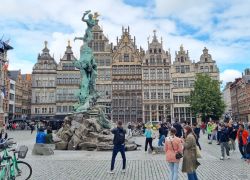
The **Grote Markt** (Grand Place) in Antwerp is the heart of the city and one of its most historic and picturesque squares. Surrounded by stunning medieval buildings, the square serves as a focal point for both locals and tourists, offering a perfect spot to experience the rich history and culture of the city. The Grote Markt has been the center of trade, politics, and social gatherings in Antwerp for centuries, and today, it remains a vibrant place filled with cafes, restaurants, and shops. How to Reach Grote Markt, Antwerp Grote Markt is located in the very center of Antwerp, making it easily accessible from any part of the city. If you are arriving by train, **Antwerp Central Station** is just a short tram ride or 20-minute walk away from the square. The **Meir** shopping street, another major attraction in Antwerp, is also nearby, so it's easy to combine a visit to the square with other highlights of the city. Public transportation, including buses and trams, connects the square with various districts of the city. For those driving, there are parking garages available in the vicinity, but it's always a good idea to check for availability before arriving, as the area can get crowded, especially during peak tourist seasons. Weather in Antwerp Antwerp has a temperate maritime climate, with mild winters and cool summers. Winter temperatures typically range from 0°C to 5°C (32°F to 41°F), and while snowfall is possible, it is not frequent. Summers in Antwerp are pleasant, with temperatures generally ranging from 15°C to 25°C (59°F-77°F), making it a great time to visit and explore the city outdoors. The best months to visit Grote Markt and Antwerp in general are from April to October, as the weather is ideal for sightseeing and enjoying the city's outdoor cafes and events. Why Grote Markt is Famous Grote Markt is famous for its stunning historic buildings, including the **Antwerp City Hall**, the **Brabo Fountain**, and the **Guild Houses** that line the square. These buildings showcase a mix of architectural styles, from medieval to Renaissance and Baroque, offering a visual feast for visitors. The square is also known for its central location in Antwerp, making it a hub of activity, with regular events, markets, and festivals held throughout the year. The square is named after the medieval market that was held there and has been an important center for commerce since the 16th century, when Antwerp was one of Europe's leading trading cities. Things to Do at Grote Markt There are plenty of things to do when visiting Grote Markt. First and foremost, take some time to admire the architecture. The **Antwerp City Hall**, built in the late 16th century, is an impressive example of Renaissance-style architecture and is a UNESCO World Heritage site. The **Guild Houses**, which line the square, are adorned with ornate facades and carvings, making them a great subject for photography. Another iconic feature of Grote Markt is the **Brabo Fountain**, which features a statue of Brabo, a legendary figure in Antwerp's history. According to the legend, Brabo threw the hand of the giant Antigoon into the river, which is how Antwerp got its name, derived from the Dutch words "hand werpen," meaning "to throw a hand." The fountain is a lovely spot to relax and enjoy the surroundings. Grote Markt is also a fantastic place to relax and enjoy a meal or a drink. Numerous outdoor cafes and restaurants surround the square, offering everything from Belgian waffles to gourmet cuisine. You can spend hours here, soaking in the atmosphere while savoring a delicious local dish or Belgian beer. Facts and Tips About Grote Markt, Antwerp The **Antwerp City Hall** was built between 1561 and 1565 and is a beautiful example of Renaissance architecture. The **Brabo Fountain** was erected in 1887 and commemorates the legendary hero Brabo, associated with the city's origins. The **Guild Houses** that surround the square were once the homes of Antwerp's trade guilds, each beautifully decorated with sculptures and gold leaf. During the summer months, the square hosts regular outdoor events, markets, and festivals, making it an exciting place to visit year-round. The square is often crowded, especially in the summer, so it’s best to visit early in the morning or later in the evening to avoid large crowds. For those interested in history, guided tours of the square are available, providing deeper insights into the history and legends of the area. Church of Our Lady, Bruges
Explore More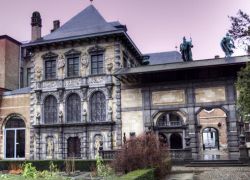
The **Rubenshuis** (Rubens House) in Antwerp is one of the most important museums dedicated to the life and work of **Peter Paul Rubens**, the renowned Flemish Baroque painter. The museum is located in the former home and studio of Rubens, where he lived and worked from 1610 until his death in 1640. Today, Rubenshuis showcases a collection of Rubens' masterpieces, his personal art collection, and a fascinating glimpse into the life of one of the greatest artists of the 17th century. Visiting the Rubenshuis offers a unique opportunity to explore the artistic legacy of Rubens and his influence on the Baroque movement. How to Reach Rubenshuis, Antwerp Rubenshuis is centrally located in Antwerp, making it easy to reach from any part of the city. If you are arriving by train, **Antwerp Central Station** is the main railway station, and the Rubenshuis is just a 15-minute walk from there. If you're coming from other parts of Antwerp, the museum is well-connected by public transportation, including buses and trams. The **Meir** shopping street and **Grote Markt** are both nearby, so it’s easy to combine a visit to the Rubenshuis with other major attractions in the city. For those who prefer to drive, there are several parking options available around the museum, although parking can be limited during peak times. Weather in Antwerp Antwerp has a temperate maritime climate, with mild winters and cool summers. In winter, temperatures usually range between 0°C and 5°C (32°F to 41°F), while in the summer months, temperatures typically hover between 15°C and 25°C (59°F-77°F). The weather can be unpredictable, with frequent rain, so it's always a good idea to carry an umbrella. The best time to visit Antwerp, including Rubenshuis, is during the spring and summer months, from April to September, when the weather is ideal for outdoor activities and sightseeing. Why Rubenshuis is Famous Rubenshuis is famous not only for its connection to Peter Paul Rubens, one of the most influential painters of the Baroque period, but also for being a stunning example of a 17th-century home and artist's studio. The house itself is a masterpiece of Baroque architecture, and its elegant gardens offer a glimpse into the lifestyle of the artist. Inside the museum, visitors can explore a remarkable collection of Rubens' works, including iconic paintings like *The Descent from the Cross*, *The Elevation of the Cross*, and *The Adoration of the Magi*. Rubens' personal collection of artwork, including pieces by other Renaissance and Baroque artists, is also on display, giving visitors a broader context for understanding his influence and taste. Things to Do at Rubenshuis When visiting Rubenshuis, there are several things to see and do. Start by exploring Rubens' personal studio, where he worked on many of his famous paintings. The studio has been meticulously preserved and offers an insight into the artist's creative process. The museum also displays many of Rubens' masterpieces, including the aforementioned paintings, as well as a number of his sketches and preparatory works. In addition to Rubens' works, the museum showcases pieces from his art collection, which included works by artists like **Titian**, **Van Dyck**, and **Jordaens**. Don't miss the beautiful **garden**, which was designed by Rubens himself. The garden provides a peaceful setting for reflection and is a great place to relax after touring the museum. If you're interested in learning more about Rubens’ life and career, you can also make use of the **multimedia guides** available at the museum, which provide additional context and insights into the exhibits. Facts and Tips About Rubenshuis The **Rubenshuis** was the home and studio of Peter Paul Rubens, where he lived from 1610 until his death in 1640. The museum's collection includes some of Rubens' most famous paintings, as well as works by other renowned artists from the same period. In addition to Rubens' artwork, the museum displays his personal collection, offering a glimpse into his tastes and interests. The museum's garden is an excellent spot to relax and enjoy the tranquil environment, much like Rubens did during his lifetime. Guided tours are available to help visitors gain a deeper understanding of Rubens' life, work, and legacy. The museum is located in the heart of Antwerp, making it easy to combine a visit to Rubenshuis with other nearby attractions like **Grote Markt** and **Antwerp Central Station**. Church of Our Lady, Bruges The **Church of Our Lady** (Onze-Lieve-Vrouwekerk) in Bruges is one of the most iconic and important religious landmarks in Belgium. Known for its stunning Gothic architecture and home to **Michelangelo's Madonna and Child**, the church is a must-visit for art lovers and history enthusiasts. The church was built between the 13th and 15th centuries, and its towering spire, which reaches 122 meters (400 feet), is one of the tallest brick structures in the world. Inside, the church features beautiful stained-glass windows, sculptures, and altars, including the famous Madonna and Child sculpture by Michelangelo, one of the few works by the artist located outside of Italy. How to Reach Church of Our Lady from Antwerp To visit the Church of Our Lady in Bruges from Antwerp, you can take a direct train from **Antwerp Central Station** to **Bruges Station**, which takes about one hour. Once you arrive at Bruges, it’s just a 10-minute walk to the church. Bruges is a small and walkable city, making it easy to explore the church and other attractions such as **Belfort Tower** and the **Market Square** during your visit. Weather in Bruges Bruges experiences a temperate maritime climate, similar to Antwerp, with cool winters and mild summers. Winter temperatures typically range from 0°C to 5°C (32°F to 41°F), while summer temperatures are usually between 15°C and 25°C (59°F-77°F). The best time to visit Bruges is during the spring or summer months, when the weather is most favorable for walking around the city and enjoying its beautiful canals. Why Church of Our Lady is Famous The Church of Our Lady is famous for several reasons, primarily its **Michelangelo sculpture Madonna and Child**, which is one of the few works by the artist located outside of Italy. The church is also known for its stunning Gothic architecture, with its towering spire being one of the tallest brick towers in the world. The church holds a significant place in Bruges' history and continues to be a prominent religious site, attracting visitors from all over the world. Entry and Visit Details About Church of Our Lady The Church of Our Lady is open to visitors year-round, with an entrance fee of approximately €6. Admission is free during Mass, but visitors are asked to be respectful during services. The church is home to beautiful stained-glass windows and altars, in addition to the iconic Madonna and Child sculpture by Michelangelo. It is also worth visiting the crypt, where several important historical figures from Bruges' past are buried. History and Architecture of Church of Our Lady Built between the 13th and 15th centuries, the Church of Our Lady is a prime example of Gothic architecture. Its soaring spire, standing at 122 meters (400 feet), is one of the tallest brick towers in the world. The church's interior is equally impressive, featuring stained-glass windows, altars, and sculptures, including the famous Madonna and Child sculpture by Michelangelo. The church is a must-see for anyone interested in art, history, and architecture. Things to Do at Church of Our Lady When visiting the Church of Our Lady, take the time to admire the Madonna and Child sculpture, explore the church’s beautiful stained-glass windows, and visit the crypt where several notable figures are buried. The church is also an excellent place for quiet reflection, offering a serene and peaceful atmosphere. Facts and Tips About Church of Our Lady The **Madonna and Child** sculpture by Michelangelo is one of the few works by the artist located outside of Italy. The church’s spire is the tallest brick tower in the world, standing at 122 meters (400 feet). Visitors should be mindful of religious services when visiting, as the church is an active place of worship. The church is home to beautiful stained-glass windows and works of art, including paintings by Hans Memling.
Explore More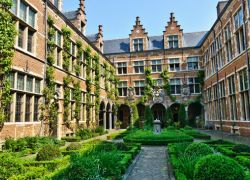
The **Museum Plantin-Moretus** in Antwerp is one of the most important historical museums dedicated to the history of printing. Located in the former residence and workshop of the famous 16th-century printers **Christoffel Plantin** and his successors, the museum provides an exceptional look at the development of the printing press and its impact on the spread of knowledge. The museum is housed in a beautiful building that has been recognized as a UNESCO World Heritage site and remains one of the most well-preserved printing houses in Europe. It showcases the legacy of the **Plantin-Moretus Press**, which was a pioneer in the printing industry and played a significant role in the diffusion of literature and scientific knowledge during the Renaissance. How to Reach Museum Plantin-Moretus The Museum Plantin-Moretus is located in the center of Antwerp, just a short walk from the city’s central attractions. If you're arriving by train, **Antwerp Central Station** is the main railway station, and the museum is about a 20-minute walk or a short tram ride away. The museum is easily accessible by public transportation, including tram lines **3, 5, 9**, and **15**. If you're walking around the city, it's only a 10-minute walk from the **Grote Markt** (the Grand Place). The museum is surrounded by beautiful streets with shops, cafes, and historic landmarks, so it’s easy to make it part of a broader sightseeing itinerary. Weather in Antwerp Antwerp experiences a temperate maritime climate, with mild winters and cool summers. The average winter temperature is between 0°C and 5°C (32°F to 41°F), and summer temperatures range from 15°C to 25°C (59°F to 77°F). The weather is typically rainy, especially in the fall and winter months. For those visiting the Museum Plantin-Moretus, the best time to go is between spring and early autumn (April to September), when the weather is warmer and ideal for exploring both indoor museums and the charming streets of Antwerp. Why Museum Plantin-Moretus is Famous The Museum Plantin-Moretus is famous for being one of the oldest printing presses in the world that is still intact. The building itself is a treasure trove of history, with printing presses, wooden type, and manuscripts that date back to the 16th century. It was here that **Christoffel Plantin**, one of the most influential printers of the Renaissance, worked with his team of craftsmen and scholars to produce high-quality books, including scientific works and religious texts. The museum offers visitors a rare opportunity to step inside a working 16th-century printing press and see how books were made during the period when printing revolutionized the world of communication and knowledge. It’s a must-see for those interested in the history of the printed word and the development of the publishing industry. Things to Do at Museum Plantin-Moretus When visiting the Museum Plantin-Moretus, there are several things you can do to immerse yourself in the history of printing. The first is to explore the **historic printing presses** located throughout the museum. Visitors can observe these fascinating machines, which were used to produce some of the most important works of the Renaissance period. The museum’s collection of **wooden and metal type** used for printing is also on display, offering insight into the technical innovations that changed the way people read and wrote. Another key feature of the museum is its collection of **manuscripts** and **books**, many of which were printed by the Plantin-Moretus Press itself. These books include rare works from the Renaissance, religious texts, scientific treatises, and classical literature. Visitors can view these books up close and appreciate the craftsmanship that went into their creation. The museum also displays the **library of the Plantin family**, which includes some of the most significant texts in European history. For those who are curious about the **history of the press** and the role of printing in society, the museum provides interactive exhibits and detailed explanations. There are multimedia guides available to help explain the history of the press, its importance in the spread of knowledge, and the way it transformed the world during the Renaissance and beyond. The museum also offers **workshops** where visitors can try their hand at printing using traditional methods, making it an educational and hands-on experience. Facts and Tips About Museum Plantin-Moretus The **Museum Plantin-Moretus** is housed in a 16th-century building that was once the home and workshop of Christoffel Plantin, one of the most renowned printers of the Renaissance. The museum's collection includes a number of **early printed books**, manuscripts, and rare texts, many of which were produced by the Plantin-Moretus Press. The **printing presses** on display at the museum are still functional and were used for centuries to produce books for scholars, the Church, and the general public. The museum is recognized as a **UNESCO World Heritage site** for its preservation of early printing techniques and its historical significance in the development of the printing industry. Visitors can also explore the **original library of the Plantin family**, which is filled with thousands of rare and important works from the Renaissance. There are **guided tours** available for a more in-depth experience of the museum’s history, or visitors can use multimedia guides to explore the exhibits at their own pace. The museum is located near **Grote Markt**, making it easy to visit other attractions in Antwerp, such as the **Cathedral of Our Lady** and **Rubenshuis**, as well as nearby shops and cafes. The museum is **child-friendly** and offers special educational programs for school groups and young visitors. Church of Our Lady, Bruges The **Church of Our Lady** (Onze-Lieve-Vrouwekerk) in Bruges is one of the most famous and important landmarks in Belgium. The church is known for its stunning **Gothic architecture** and houses **Michelangelo's Madonna and Child**, one of the most iconic sculptures of the Renaissance. The church was completed between the 13th and 15th centuries, and its towering spire is one of the tallest brick structures in the world, standing at 122 meters (400 feet). The church is not only a significant religious site but also an artistic treasure trove, attracting visitors from around the world. How to Reach Church of Our Lady from Antwerp To reach the Church of Our Lady in Bruges from Antwerp, you can take a direct train from **Antwerp Central Station** to **Bruges Station**, which takes about an hour. Once in Bruges, the church is just a 10-minute walk from the train station. Bruges is a small, walkable city, and the church is located near other key attractions like the **Belfort Tower** and **Market Square**. Weather in Bruges Bruges has a similar climate to Antwerp, with cool winters and mild summers. Average winter temperatures range from 0°C to 5°C (32°F to 41°F), and summer temperatures range between 15°C and 25°C (59°F-77°F). The best time to visit Bruges is during the spring or summer when the weather is more favorable for outdoor activities and sightseeing. Why Church of Our Lady is Famous The Church of Our Lady is famous for its **Michelangelo Madonna and Child sculpture**, which is one of the few works by the artist located outside of Italy. The church also has a stunning interior with remarkable stained-glass windows and altars. The church’s towering spire, which is one of the tallest brick towers in the world, is another iconic feature that draws visitors from around the globe. Entry and Visit Details About Church of Our Lady The Church of Our Lady is open year-round, and the entrance fee is approximately €6. Admission is free during Mass, but visitors are asked to be respectful of the ongoing services. The church is a popular tourist destination, and guided tours are available for those interested in learning more about its history and significance. History and Architecture of Church of Our Lady The Church of Our Lady was built over several centuries and features stunning Gothic architecture. The church’s spire, which stands at 122 meters (400 feet), is one of the tallest brick towers in the world. Inside, visitors can admire beautiful stained-glass windows and several important works of art, including the Madonna and Child sculpture by Michelangelo. The church’s interior also includes paintings by Hans Memling, making it a must-visit for art lovers. Things to Do at Church of Our Lady Visitors should make sure to see the **Madonna and Child** by Michelangelo, which is the highlight of the church. You can also explore the beautiful stained-glass windows and the crypt, where notable historical figures from Bruges' past are buried. The peaceful atmosphere inside the church makes it an ideal place for reflection.
Explore More
**Antwerp Zoo** is one of the oldest and most beautiful zoos in Europe, located in the heart of Antwerp, Belgium. Founded in 1843, this historic zoo is not just a place to see animals but also an architectural gem. Over the years, the zoo has been home to a wide range of animal species and has contributed significantly to wildlife conservation. The zoo is situated near **Antwerp Central Station**, making it easily accessible for tourists and locals alike. Its rich history, stunning architecture, and diverse animal exhibits make it a must-visit for anyone traveling to Antwerp. How to Reach Antwerp Zoo Getting to **Antwerp Zoo** is incredibly convenient as it is located next to **Antwerp Central Station**. Whether you’re traveling by train, bus, or tram, the zoo is just a short walk from the station. If you’re coming from **Antwerp Central Station**, you can easily follow the signs that direct you straight to the zoo's entrance. For those traveling from other parts of Antwerp, the zoo is well-connected by **public transportation**, including **tram lines 3, 5, 9,** and **15**. There are also **parking facilities** available nearby for visitors who prefer to drive. Weather in Antwerp Antwerp enjoys a temperate maritime climate, characterized by mild winters and cool summers. The winter temperatures range from 0°C to 5°C (32°F to 41°F), while summer temperatures usually hover between 15°C and 25°C (59°F to 77°F). The city sees moderate rainfall throughout the year, so it's a good idea to carry an umbrella, especially during the autumn and winter months. The best time to visit Antwerp Zoo is during the spring or summer, when the animals are more active and the weather is ideal for outdoor exploration. Why Antwerp Zoo is Famous **Antwerp Zoo** is famous for its rich history and its role as one of the oldest zoos in the world. Founded in the mid-19th century, it has been a pioneer in the conservation of species and the development of modern zoo standards. One of the most remarkable aspects of Antwerp Zoo is its stunning blend of historical architecture and modern animal enclosures. Visitors will find grand, 19th-century buildings that house a variety of species, along with cutting-edge, spacious habitats for more modern animal exhibits. The zoo also plays an essential role in international conservation efforts, housing endangered species and participating in global breeding programs. Things to Do at Antwerp Zoo At **Antwerp Zoo**, visitors can explore a variety of exhibits that showcase animals from all over the world. The zoo is home to more than 950 species, including mammals, birds, reptiles, and amphibians. Some of the most popular exhibits include: African Savannah: A spacious enclosure that houses zebras, giraffes, and other African species. Elephant House: Home to the zoo's Asian elephants, this exhibit allows visitors to learn about these majestic creatures and their conservation. Reptile House: A favorite among visitors, featuring a wide variety of reptiles, including snakes, lizards, and turtles. Amazonia: A tropical environment showcasing the diverse wildlife of the Amazon rainforest, including exotic birds and amphibians. Aquarium: Visitors can explore the depths of the oceans, viewing aquatic life such as fish, sharks, and jellyfish in beautifully designed tanks. In addition to the animal exhibits, the zoo also features beautiful **historic architecture**, with several 19th-century buildings that house animals. The **Winter Garden**, a Victorian-style glasshouse, is one of the most photographed spots in the zoo. Visitors can also enjoy the beautiful gardens and green spaces within the zoo, providing a peaceful atmosphere amidst the hustle and bustle of the city. Facts and Tips About Antwerp Zoo Founded in 1843, **Antwerp Zoo** is one of the oldest zoos in the world. The zoo houses more than 950 species of animals, including **endangered species** and animals from all over the world. It is **located right next to Antwerp Central Station**, making it very accessible for visitors arriving by public transport. The zoo is part of the **Antwerp's Royal Zoological Society**, which also manages other zoos and wildlife conservation projects. Visitors can enjoy the zoo’s **historic architecture**, including the iconic **Winter Garden** and the **Leopold’s Gate**. Don’t forget to bring an umbrella or raincoat, as Antwerp experiences moderate rainfall throughout the year. The zoo has several **restaurants and cafes** on-site, perfect for taking a break or having a meal during your visit. **Interactive activities** and **workshops** are often available for children, making it a great place for family outings. The zoo offers special **animal feeding sessions** and **keeper talks** throughout the day, so check the schedule upon arrival to make sure you don’t miss them! Entry and Visit Details About Antwerp Zoo **Antwerp Zoo** is open every day of the year, except for a few public holidays. The regular **opening hours** are from 10:00 AM to 5:00 PM, but these hours can vary, especially during the summer season or around special events. It’s best to check the zoo’s official website for the most up-to-date information on opening hours and any special events. The **admission fee** varies depending on the age and membership status of visitors. Generally, ticket prices are as follows: Adults: €25 Children (3-11 years old): €15 Children under 3 years: Free Discounts for groups and annual passes are also available. Church of Our Lady, Bruges The **Church of Our Lady** (Onze-Lieve-Vrouwekerk) is one of the most iconic landmarks in Bruges, renowned for its Gothic architecture and its famous artwork, **Michelangelo's Madonna and Child** sculpture. The church is located in the heart of Bruges and stands as a significant religious and historical monument. The church’s impressive spire, which stands at 122 meters (400 feet), is one of the tallest brick structures in the world. Inside, visitors will find beautiful stained-glass windows, altars, and sculptures, including the renowned Madonna and Child by Michelangelo. How to Reach Church of Our Lady from Antwerp To reach the **Church of Our Lady** from **Antwerp**, take a direct train from **Antwerp Central Station** to **Bruges Station**, which takes about one hour. From the station, it’s a 10-minute walk to the church. Bruges is a walkable city, so visitors can easily explore other attractions nearby, such as **Belfort Tower** and **Market Square**. Weather in Bruges Bruges has a similar maritime climate to Antwerp, with cool winters and mild summers. Winter temperatures typically range from 0°C to 5°C (32°F to 41°F), while summer temperatures average between 15°C and 25°C (59°F-77°F). The best time to visit is from spring to autumn, as the weather is more favorable for outdoor exploration. Why Church of Our Lady is Famous The **Church of Our Lady** is famous primarily because it houses **Michelangelo's Madonna and Child**, one of the few sculptures by the renowned artist located outside of Italy. The church also boasts stunning Gothic architecture, including its towering spire and exquisite stained-glass windows. It’s a must-see for visitors to Bruges, combining both religious significance and artistic importance.
Explore More
The Red Star Line Museum, located in Antwerp, Belgium, is a historical museum that offers a captivating insight into the lives of the millions of European emigrants who left for the New World during the 19th and 20th centuries. The museum is housed in the old buildings of the former Red Star Line shipping company, which operated passenger ships between Europe and America. Through its exhibits, the museum presents the emotional journey of those who sought a new life across the Atlantic, highlighting their dreams, hardships, and hopes for a better future. How to Reach Red Star Line Museum, Antwerp The Red Star Line Museum is centrally located in Antwerp, making it easy to reach from various parts of the city. The address of the museum is Red Star Line Museum, Montevideostraat 3, 2000 Antwerp, Belgium. Visitors can reach the museum by: Walking: If you're staying in the city center, the museum is just a 20-minute walk from the main square, Grote Markt. Public Transport: Take tram line 7 or 11 to the Reyndersstraat stop, or buses 17, 34, or 38 to the nearby Mas Museum stop. Taxi: Taxis are widely available throughout the city and can take you directly to the museum entrance. Parking: There is paid parking available nearby for those traveling by car. Church of Our Lady, Bruges The Church of Our Lady (Onze-Lieve-Vrouwekerk) is a renowned Gothic church located in the heart of Bruges, a charming medieval city in Belgium. The church is famous for its impressive architecture and is home to one of the most iconic sculptures by the famous Renaissance artist, Michelangelo—the Madonna and Child. Why Famous for Church of Our Lady, Bruges The Church of Our Lady is renowned not only for its beautiful architecture but also for its rich history and its connection to the world of art. Visitors are drawn to the church because of the breathtaking Madonna and Child sculpture by Michelangelo, which is the only one of his works to leave Italy during his lifetime. The church also houses several other artistic treasures, including tombs of the Belgian nobility and various works of religious art. How to Reach Church of Our Lady, Bruges The Church of Our Lady is located in the historic center of Bruges. If you're traveling to Bruges from Antwerp, here are some ways to reach it: By Train: From Antwerp Central Station, take a direct train to Bruges (around 1 hour). Once at Bruges Station, the church is about a 15-minute walk from the station. By Car: If you're driving, take the E40 highway and follow signs to Bruges. There is limited parking around the church, so it's advisable to park in a nearby public parking area and walk to the church. Weather in Antwerp and Bruges The weather in Antwerp and Bruges is temperate, with mild winters and moderate summers. However, both cities can experience a fair amount of rain throughout the year, so it's always a good idea to carry an umbrella or raincoat when visiting. Here's a quick overview: Summer (June-August): Temperatures range from 18°C to 25°C (64°F to 77°F), with occasional rain showers. Winter (December-February): Temperatures can drop to around 0°C (32°F), with some cold spells and snowfall. Opening Times and Entry Details for Church of Our Lady, Bruges The Church of Our Lady is open to the public year-round, and visitors can explore its beautiful interior and admire its art and architecture. The opening times typically are: Monday to Saturday: 9:30 AM to 5:00 PM Sunday: 1:00 PM to 5:00 PM Entry to the church is free, but there is a fee to see the Madonna and Child sculpture, which is displayed in a small chapel. The entry fee to the sculpture is usually around €6 for adults and €2 for children. Check for any special events or services that might affect opening hours. History and Architecture of the Church of Our Lady The Church of Our Lady was constructed between the 13th and 15th centuries, with its stunning brickwork and towering spire that reaches 115 meters, making it one of the tallest brick buildings in the world. The church is built in the Gothic style, featuring impressive stained-glass windows, intricate vaulting, and ornate chapels. The Madonna and Child sculpture by Michelangelo, made of marble, is a standout feature of the church and draws visitors from around the world. Things to Do in Antwerp Antwerp is a vibrant city that offers a wide range of activities and attractions for visitors. Here are some of the top things to do in Antwerp: Visit the Cathedral of Our Lady: Another iconic landmark in Antwerp, this Gothic cathedral features incredible artwork, including paintings by Peter Paul Rubens. Explore the Museum aan de Stroom (MAS): A modern museum that offers exhibitions on a variety of topics, including history, culture, and the city's maritime past. Discover the Diamond District: Antwerp is the diamond capital of the world, and you can visit the Diamond District to learn about the diamond trade and purchase exquisite jewelry. Walk through the Zoo: The Antwerp Zoo is one of the oldest in the world and is located near the central station. Facts and Tips About Red Star Line Museum, Antwerp The Red Star Line Museum is housed in two historic buildings—originally used as the headquarters and warehouses of the shipping company. The museum's exhibits are interactive, allowing visitors to experience what it was like for emigrants traveling across the Atlantic in search of a new life. Audio guides are available in multiple languages, providing deeper insights into the exhibits and personal stories of the emigrants. Visitors should plan at least 2 hours for a full experience of the museum, as the exhibits are rich in detail and historical context. Check the museum’s official website for information about temporary exhibitions, special events, and opening times. Conclusion The Red Star Line Museum in Antwerp and the Church of Our Lady in Bruges are two of the most remarkable attractions in Belgium, each offering unique insights into the country’s rich history and culture. Whether you are a history enthusiast, art lover, or just exploring Belgium’s beauty, both of these places provide unforgettable experiences. Make sure to plan your visit and enjoy the charm of Antwerp and Bruges!
Explore More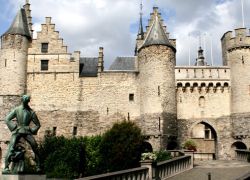
Het Steen Castle is the oldest preserved building in the city of Antwerp, Belgium. Located on the banks of the River Scheldt, this historic fortress is one of the most important landmarks in the city. The name “Het Steen” means “The Stone” in Dutch, and it refers to the original stone fortification that once stood here in medieval times. Over the centuries, Het Steen has served many purposes such as a defensive fort, a prison, a courthouse, and later a museum. Today, it is a popular tourist attraction and a cultural center that introduces visitors to the history of Antwerp. The castle’s riverside location made it very important for protecting the port of Antwerp from enemies in the Middle Ages. The thick stone walls, towers, and strong gates show how people built strong defenses to protect the city. Het Steen has been renovated and restored several times, and today it blends old medieval architecture with modern facilities for visitors. How to Reach Het Steen Castle, Antwerp Het Steen Castle is located in the historic center of Antwerp and is easy to reach by different modes of transport. By Train: Antwerp Central Station is the main railway station in the city. From the station, you can take a tram or bus to the city center. The castle is about 15–20 minutes by tram or around 30 minutes on foot from the station. By Tram/Bus: Several trams and buses run frequently to the historic center. The nearest stops are “Steenplein” and “Groenplaats.” From these stops, Het Steen Castle is just a short walk. By Car: If you are driving, you can follow signs to the city center. Parking is available in nearby public parking areas, but it is better to use public transport because the old town has narrow streets and limited parking. By Walking or Cycling: Antwerp is a walkable and cycle-friendly city. If you are staying in the old town, you can easily reach Het Steen Castle on foot or by bicycle while enjoying the beautiful streets and river views. Weather and Best Time to Visit Het Steen Castle, Antwerp Antwerp has a mild European climate with cool winters and pleasant summers. The best time to visit Het Steen Castle is from April to September when the weather is comfortable and suitable for walking around the city. Spring (April to June): The weather is pleasant with blooming flowers, making it a good time to explore the riverside area and nearby attractions. Summer (July to September): Summers are warm but not too hot. This is the peak tourist season, so the area around Het Steen Castle can be busy with visitors and street activities. Autumn (October to November): The weather becomes cooler, and the crowds reduce. This is a good time for relaxed sightseeing. Winter (December to February): Winters are cold and sometimes rainy. However, the castle looks beautiful in winter, especially during Christmas markets in the city. Timings of Het Steen Castle, Antwerp The opening timings of Het Steen Castle may vary depending on the season and special events. Generally, the visitor center and exhibitions inside the castle are open from morning to evening. Usual Timings: 10:00 AM to 6:00 PM (may vary on public holidays and special occasions). Closed Days: Some sections may be closed on certain holidays or during maintenance work. It is always a good idea to check the official Antwerp tourism website before planning your visit for the latest opening hours. Why Het Steen Castle Is Famous Het Steen Castle is famous because it is the oldest building in Antwerp and one of the few remaining medieval fortresses in the city. Its long history and strong connection to Antwerp’s past make it a symbol of the city’s heritage. The castle is also known for its unique riverside location, which offers beautiful views of the River Scheldt and the port area. In the past, the castle protected Antwerp from invaders and controlled river traffic. Today, it welcomes visitors with exhibitions, cultural events, and information about the city’s history. Another reason for its fame is the statue of Lange Wapper near the entrance. Lange Wapper is a legendary giant from Flemish folklore, and the statue is a popular spot for photos among tourists. Entry and Visit Details of Het Steen Castle, Antwerp Visitors can enter Het Steen Castle to explore exhibitions, information centers, and cultural spaces. Some parts of the castle are open to the public, while others may be used for events and official purposes. Entry Fee: Entry charges may apply for exhibitions or special areas inside the castle. General entry to certain parts may be free. Prices can change, so it is recommended to check before visiting. Facilities: The castle has visitor information desks, restrooms, and sometimes a small café or refreshment area. There are also guided tours available that explain the history of the castle and the city. Accessibility: The renovated sections of Het Steen Castle are made accessible for people with limited mobility, but some old parts with stairs may be difficult to access. History and Architecture of Het Steen Castle, Antwerp Het Steen Castle was originally built in the early Middle Ages, around the 13th century, on the remains of older fortifications. Over time, it was expanded and modified by different rulers and city authorities. The castle played an important role in defending Antwerp and controlling the river trade route. Architecturally, Het Steen is a fine example of medieval military design. The thick stone walls, small windows, and strong towers were meant to protect against attacks. The main gate features carvings and decorations that show the influence of later periods. Inside, visitors can see stone halls, old prison cells, and exhibition spaces that tell stories of Antwerp’s past. In modern times, Het Steen Castle has been carefully restored to preserve its historical character while adding modern facilities for visitors. This combination of old and new architecture makes the castle a unique place to explore. Things to Do at Het Steen Castle, Antwerp There are several interesting things to do when visiting Het Steen Castle: Explore the Exhibitions: Learn about the history of Antwerp, its port, and its cultural heritage through interactive displays. Enjoy River Views: Walk around the castle area and enjoy beautiful views of the River Scheldt and the surrounding old town. Photography: The castle’s exterior and riverside location make it a great place for photography, especially during sunset. Visit Nearby Attractions: Het Steen Castle is close to other famous attractions like the Grote Markt, Cathedral of Our Lady, and the historic old town streets. Guided Tours: Join a guided tour to understand the history and legends connected to the castle. Interesting Facts and Tips about Het Steen Castle, Antwerp Facts: - Het Steen means “The Stone” and refers to the stone construction of the original fortress. - The castle once served as a prison, and prisoners were kept in dark cells. - The statue of Lange Wapper near the entrance is linked to local folklore and stories told to children in old times. - Het Steen is considered one of the symbols of Antwerp’s long history as an important port city. Tips for Visitors: - Visit early in the morning to avoid crowds, especially during summer. - Combine your visit with a walk along the River Scheldt for a relaxing experience. - Wear comfortable walking shoes, as the old town streets are often paved with stones. - Carry a camera or smartphone for photos of the castle and river views. - Check for special exhibitions or cultural events held at the castle during your visit.
Explore More