"Surrealist masterpieces in a cultural hub."
The Magritte Museum in Brussels is one of the most prominent and unique art museums in Belgium. Dedicated to the works of René Magritte, one of the most famous surrealist artists of the 20th century, the museum houses a vast collection of his paintings, drawings, and sculptures. Located in the heart of Brussels, the museum offers a deep dive into the mind of the surrealist artist, allowing visitors to explore the dreamlike and often paradoxical imagery that defined Magritte's work. Whether you’re an art lover or simply curious about the surrealist movement, the Magritte Museum is a must-visit destination for anyone in Brussels.
How to Reach the Magritte Museum
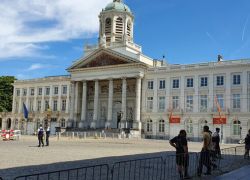
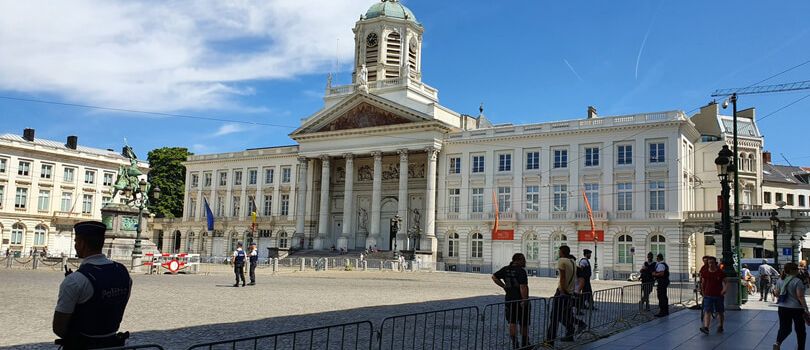
The Magritte Museum is centrally located in Brussels, making it easily accessible by public transport. If you’re traveling by train, Brussels Central Station is the nearest major train station, and it’s only a 10-minute walk to the museum. The museum is also well-served by the Brussels Metro, with the "Parc" station (Line 1) being just a short walk away. If you're staying in the European Quarter or near the Grand Place, you can easily walk to the museum, as it’s located in the historic Royal Square area, which is home to several key cultural institutions, including the Royal Palace.
Weather in Brussels
Brussels experiences a temperate maritime climate, characterized by mild winters and relatively cool summers. Winter temperatures typically range from 0°C to 5°C (32°F to 41°F), and summer temperatures average between 15°C and 25°C (59°F-77°F). Rain is common throughout the year, so it’s a good idea to carry an umbrella or raincoat when visiting. The best times to visit Brussels and the Magritte Museum are during the spring and summer months (May to September), when the weather is more pleasant for walking around the city and enjoying outdoor attractions.
Why Magritte Museum is Famous
The Magritte Museum is famous for its unparalleled collection of works by René Magritte, a key figure in the surrealist movement. The museum features over 200 works of art by Magritte, including some of his most iconic pieces, such as *The Son of Man*, *The Treachery of Images*, and *The Lovers*. Magritte's work often explores the relationship between reality and illusion, questioning the nature of perception and the meaning behind ordinary objects. The museum not only showcases his paintings but also offers a detailed insight into his life, creative process, and the development of his distinctive artistic style. It’s a great place to delve deeper into the world of surrealism and understand how Magritte’s works continue to influence modern art.
Things to Do at the Magritte Museum
When visiting the Magritte Museum, there are several things to see and do. Begin by exploring the core exhibition, which is divided into different sections based on various periods of Magritte’s career. You'll find many of his best-known paintings, including surrealist works that challenge traditional concepts of space, form, and time. You can also discover some of his lesser-known works, including sketches and drawings that provide a deeper understanding of his creative process.
For a more interactive experience, take advantage of the museum's multimedia guides, which offer additional context and information about the artist and his work. The museum also hosts temporary exhibitions that explore themes related to surrealism and contemporary art, allowing visitors to engage with the broader cultural context in which Magritte worked. Don’t forget to visit the museum shop, where you can find unique art books, prints, and other souvenirs to remember your visit.
Facts and Tips About Magritte Museum
Church of Our Lady, Bruges
The Church of Our Lady (Onze-Lieve-Vrouwekerk) in Bruges is one of the most famous and important landmarks in the city. This stunning Gothic church is renowned for its towering spire, which reaches a height of 122 meters (400 feet), making it one of the tallest brick buildings in the world. The church is home to some incredible artworks, including Michelangelo's famous sculpture *Madonna and Child*. As well as being a religious site, the church has historical significance and serves as the burial place for several notable figures from Bruges' past.
How to Reach Church of Our Lady from Brussels
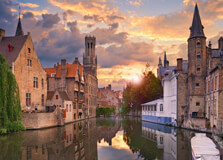
The Church of Our Lady in Bruges is easily accessible by train from Brussels. The journey takes about one hour from Brussels Central Station to Bruges, and once you arrive at Bruges station, it’s just a 10-minute walk to the church. Bruges is a beautiful city to explore on foot, with many picturesque canals and cobblestone streets, making it easy to navigate from the train station to the church.
Weather in Bruges
Like Brussels, Bruges experiences a temperate climate, with cool winters and mild summers. Winter temperatures can drop to around 0°C to 5°C (32°F to 41°F), while summers tend to be comfortable, with temperatures averaging 15°C to 25°C (59°F-77°F). The best time to visit Bruges is during the spring or summer months when the weather is pleasant for exploring the city’s historic sites and beautiful canals.
Why Church of Our Lady is Famous
The Church of Our Lady is famous primarily for housing Michelangelo's *Madonna and Child*, one of the few works by the Italian artist located outside of Italy. The church's spire, which is one of the tallest brick towers in the world, is another key feature that makes the church stand out. Inside, the church is filled with beautiful stained-glass windows, sculptures, and paintings, and it also holds great historical and cultural significance as a site of religious worship and a place of burial for prominent Bruges residents.
Entry and Visit Details About Church of Our Lady
The Church of Our Lady is open daily to visitors, with an entrance fee of approximately €6. Admission is free during religious services, but visitors are asked to be respectful during Mass. The church is also a popular spot for tourists, so it's a good idea to arrive early in the day to avoid crowds. Visitors can enjoy exploring the church’s interior, crypt, and art collection, and there are also audio guides available for those who want to learn more about the church's history and artwork.
History and Architecture of Church of Our Lady
The Church of Our Lady was built over several centuries, with construction beginning in the 13th century and completing in the 15th century. The church features stunning Gothic architecture, including soaring arches, intricate stonework, and an impressive tower. Its interior is equally breathtaking, with beautiful stained-glass windows, altars, and sculptures. The *Madonna and Child* by Michelangelo is one of the most iconic works of art in the church, and it draws visitors from around the world. The church's spire, which reaches 122 meters (400 feet), is the tallest brick tower in the world, making the church an architectural marvel.
Things to Do at Church of Our Lady
When visiting the Church of Our Lady, be sure to take time to admire Michelangelo's *Madonna and Child* and explore the crypt, which contains the tombs of several important Bruges residents. The church also hosts regular services, and visitors can attend Mass if they wish. The church’s stunning architecture and serene atmosphere make it a perfect place for reflection and photography.
Facts and Tips About Church of Our Lady