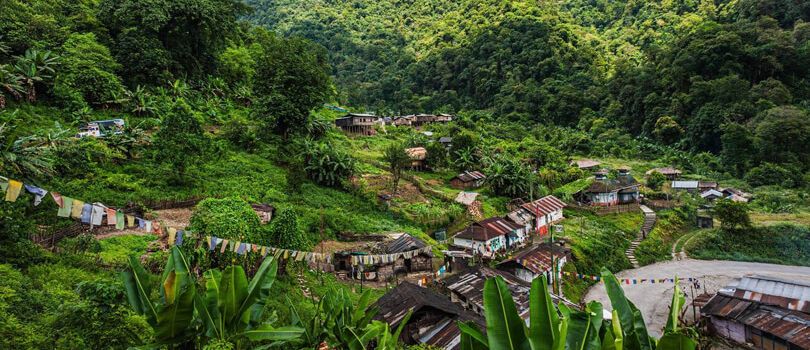
"Experience wildlife conservation in pristine nature."
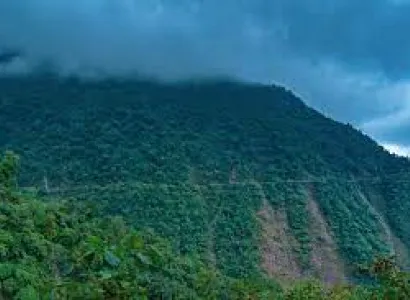
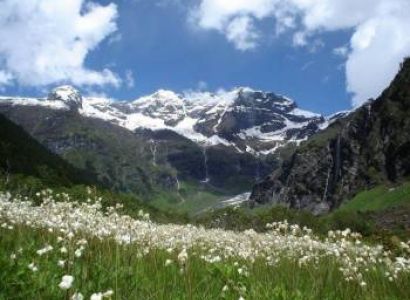
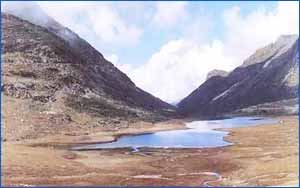
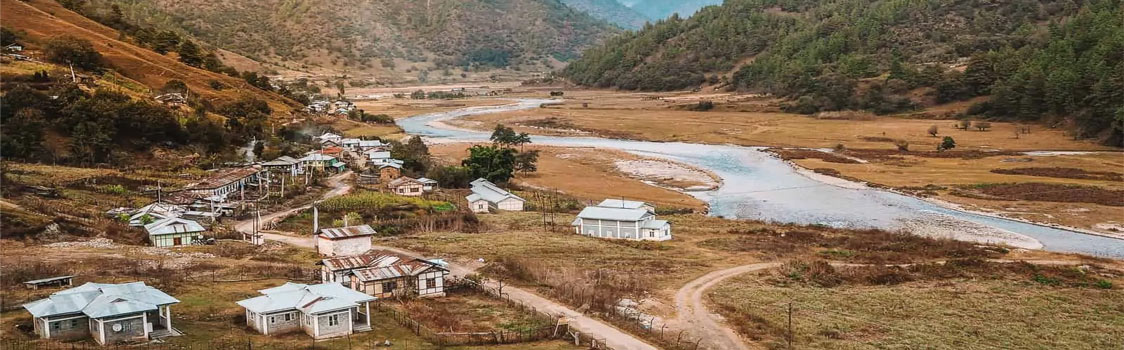
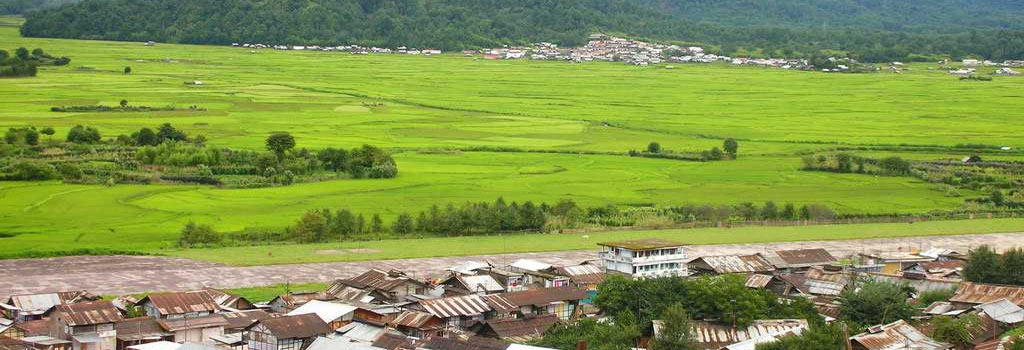
Pakhui Wildlife Sanctuary, also known as Pakke Wildlife Sanctuary, is one of Arunachal Pradesh’s most renowned protected areas, located near Bhalukpong in the West Kameng district. Spanning over 861 square kilometers, it forms part of the Eastern Himalayan biodiversity hotspot and is home to an extraordinary variety of flora and fauna. The sanctuary is known for its dense tropical and subtropical forests, bamboo groves, grasslands, and rivers, making it an ideal destination for wildlife enthusiasts, birdwatchers, and nature lovers.
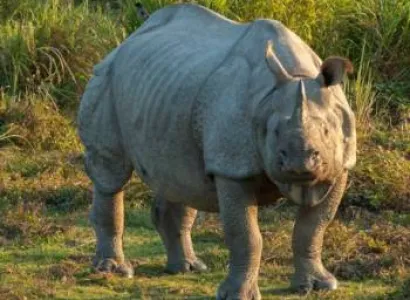
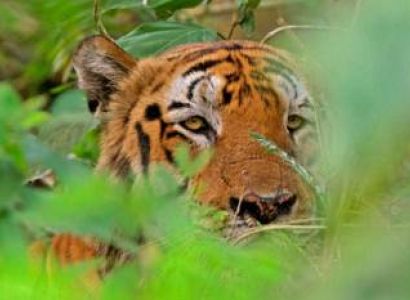
Pakhui Wildlife Sanctuary is recognized for its population of hornbills, elephants, tigers, leopards, and the rare pygmy hog. Its forests are also home to several primate species, including capped langurs, slow lorises, and hoolock gibbons. The sanctuary serves as a crucial corridor connecting other protected areas in Arunachal Pradesh and Assam, ensuring free movement for elephants and other large mammals. The serene environment, combined with rich biodiversity, makes Pakhui a hotspot for eco-tourism and research.
Reaching Pakhui Wildlife Sanctuary requires traveling via Bhalukpong, which serves as the gateway to the sanctuary.
By Air: The nearest airport is Tezpur Airport in Assam, about 50 km from Bhalukpong. From the airport, taxis or private vehicles can be hired to reach the sanctuary.
By Rail: The nearest railway station is Rangapara North, around 35 km from Bhalukpong. Taxis and buses connect the station to Bhalukpong and the sanctuary.
By Road: Bhalukpong is connected to Tezpur, Itanagar, and Guwahati via well-maintained roads. From Bhalukpong, local roads lead to the sanctuary entrance. Hiring a local guide is recommended to navigate the forest trails safely.
The sanctuary experiences a subtropical climate with distinct seasonal variations.
Summer (March to June): Summers are warm with temperatures ranging between 20°C and 30°C. This is ideal for wildlife spotting and trekking.
Monsoon (July to September): The sanctuary receives heavy rainfall, which makes forests lush but trails slippery. River levels rise during this period, which is excellent for photography but challenging for trekking.
Winter (October to February): Winters are cool and comfortable, with temperatures between 10°C and 20°C. This is the best season for birdwatching and safari tours.
The sanctuary is generally open to visitors during daylight hours, allowing ample time for safaris, trekking, and wildlife observation.
Recommended Visiting Hours: 6:00 AM to 5:00 PM
Pakhui Wildlife Sanctuary is famous for its rich biodiversity, scenic landscapes, and role in conservation. Key highlights include:
Visitors to Pakhui Wildlife Sanctuary must obtain permission from the Arunachal Pradesh Forest Department. Entry tickets are required for guided safaris and trekking. Camping is permitted in designated areas under supervision. It is advisable to hire authorized guides who provide safety, wildlife spotting expertise, and cultural insights.
Pakhui Wildlife Sanctuary was established to protect the unique flora and fauna of Arunachal Pradesh’s tropical forests. The region has historically been inhabited by tribes such as Nyishi and Aka, who have lived sustainably in the forest environment. The sanctuary’s forests, rivers, and grasslands have been minimally disturbed, preserving both wildlife and cultural heritage. Traditional villages on the periphery offer a glimpse into tribal life, handicrafts, and sustainable practices.
Wildlife Safari: Explore the forest and grasslands to spot elephants, tigers, leopards, wild boars, and other mammals.
Birdwatching: The sanctuary hosts over 350 bird species, including hornbills, eagles, kingfishers, and migratory birds.
Trekking: Several trails pass through the forest, allowing exploration of waterfalls, riverbanks, and scenic viewpoints.
Photography: Capture stunning landscapes, wildlife, and the vibrant flora of the sanctuary.
Camping: Stay overnight at designated campsites to experience the tranquility and sounds of the forest.
Nature Walks: Short guided walks allow visitors to learn about plant species, forest ecology, and conservation efforts.
Pakhui Wildlife Sanctuary serves as a corridor connecting Nameri National Park in Assam to the forests of Arunachal Pradesh, ensuring wildlife mobility.
The sanctuary is a conservation hotspot for the critically endangered hornbill species, which play a crucial role in seed dispersal and forest ecology.
It is home to diverse mammals, reptiles, amphibians, and plant species, many of which are endemic to the Eastern Himalayas.
Local tribes actively participate in conservation efforts, blending traditional knowledge with modern wildlife management.
Carry trekking shoes, rain gear, and warm clothing depending on the season.
Hire licensed guides for safaris, birdwatching, and forest treks to ensure safety and better wildlife experiences.
Carry binoculars, cameras, and field guides for photography and observation.
Respect forest rules, wildlife, and local communities to maintain the sanctuary’s pristine environment.
Plan your visit between October and April for the best weather, wildlife visibility, and trekking conditions.
Pakhui Wildlife Sanctuary near Bhalukpong, Arunachal Pradesh, is a treasure trove of biodiversity and natural beauty. With its lush forests, rare wildlife, rivers, and cultural surroundings, it offers an unparalleled experience for nature lovers, birdwatchers, and adventure seekers. The sanctuary is ideal for eco-tourism, photography, trekking, and wildlife observation, making it one of the must-visit destinations in Northeast India. By respecting local regulations and conservation guidelines, visitors can enjoy a safe, memorable, and eco-friendly experience in this pristine Himalayan sanctuary.