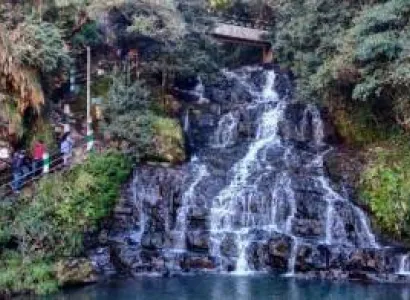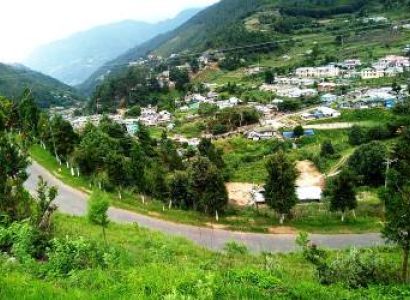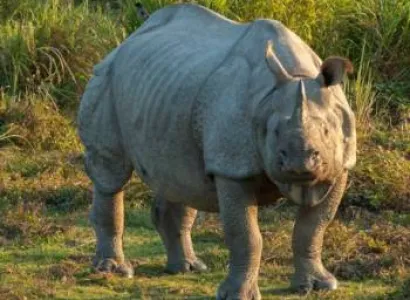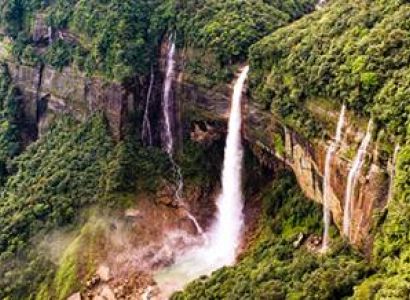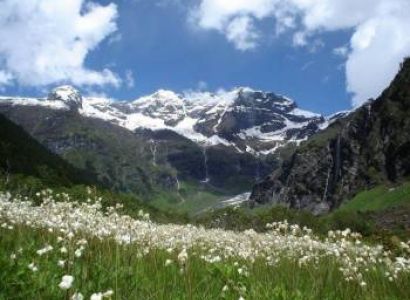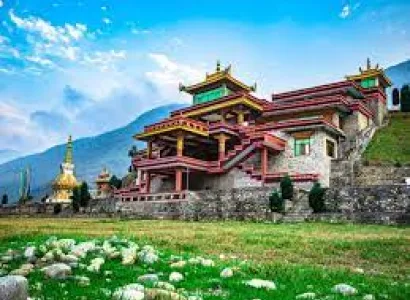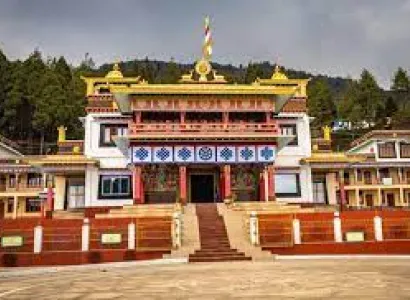
"Explore the diverse ecosystems of Assam's wilderness."
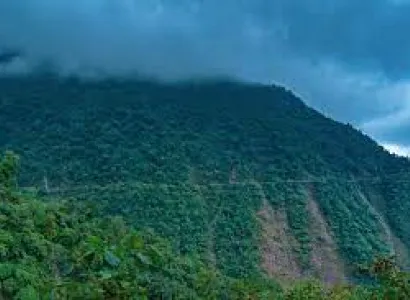
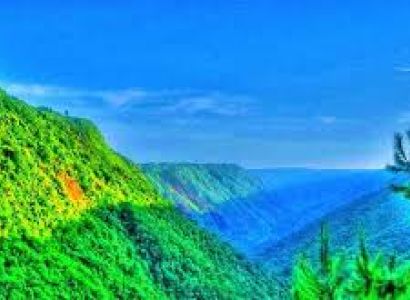
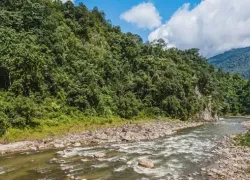
Nameri National Park, located near Bhalukpong in Arunachal Pradesh, is a pristine wildlife sanctuary that forms part of the Eastern Himalayan biodiversity hotspot. Spread over 200 square kilometers, it is characterized by dense tropical and subtropical forests, rolling hills, rivers, and streams. The park is renowned for its rich flora and fauna, including several endangered and endemic species. Nameri offers nature enthusiasts, trekkers, and wildlife photographers a unique opportunity to explore untouched forests and experience the serene beauty of Northeast India.
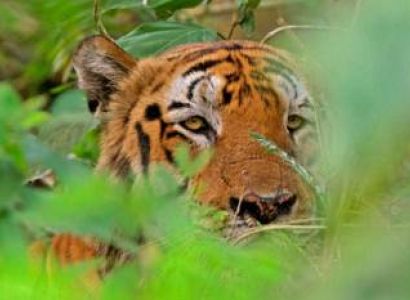
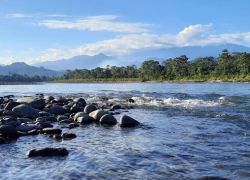
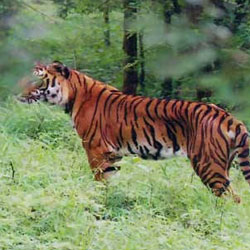
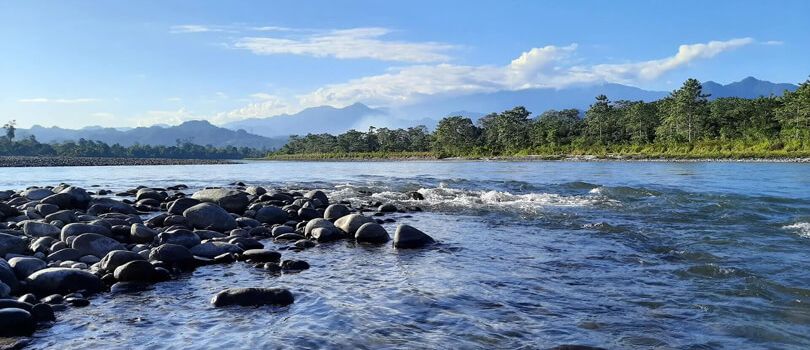
The park lies in the foothills of the Eastern Himalayas and is known for its rich biodiversity. Its primary attraction is the Kameng River, which flows through the park and provides a habitat for aquatic life, including trout. The surrounding forests host elephants, tigers, leopards, gaurs, and a variety of bird species, making it a hotspot for wildlife enthusiasts. Nameri’s location near the Assam-Arunachal border also makes it easily accessible while still maintaining its secluded charm.
How to Reach Nameri National Park
Reaching Nameri National Park is convenient for travelers coming from Assam and Arunachal Pradesh.
By Air: The nearest airport is Tezpur Airport in Assam, around 50 km from Bhalukpong. Tezpur is well-connected to major cities like Guwahati and Kolkata. From the airport, taxis or private vehicles can be hired to reach the park.
By Rail: The nearest railway station is Rangapara North in Assam, about 35 km from Bhalukpong. Regular taxis and buses operate between Rangapara and Bhalukpong, providing easy access to the park.
By Road: Bhalukpong is connected to Tezpur, Itanagar, and Guwahati via well-maintained roads. From Bhalukpong, local roads lead directly to the park. Visitors often hire local guides or travel agencies for day trips and trekking inside the park.
Weather in Nameri National Park
Nameri experiences a subtropical climate with distinct seasons.
Summer (March to June): Summers are warm and pleasant with temperatures ranging from 20°C to 30°C. It is the ideal season for trekking, wildlife safaris, and river activities.
Monsoon (July to September): Heavy rainfall occurs during the monsoon, making the forests lush green but trekking and road travel challenging. The Kameng River swells during this period, which is excellent for river rafting.
Winter (October to February): Winters are cool, with temperatures ranging from 10°C to 20°C. The weather is perfect for wildlife spotting and birdwatching during this season.
Timing to Visit Nameri National Park
The park is generally open to visitors throughout the day, but guided safaris, trekking, and river activities are best experienced during daylight hours.
Recommended Visiting Hours: 6:00 AM to 5:00 PM
Why Nameri National Park is Famous
Nameri National Park is famous for its pristine wilderness, rich biodiversity, and scenic landscapes. It is particularly known for:
Entry and Visit Details
Visitors to Nameri National Park need to obtain prior permission from the Assam Forest Department as it falls under protected areas regulations. Entry tickets are charged for wildlife safaris, trekking, and guided tours. Camping is allowed at designated spots with the help of local tour operators. It is recommended to hire licensed guides for safaris and treks to ensure safety and adherence to park regulations.
History and Surroundings
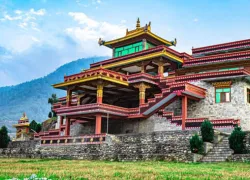
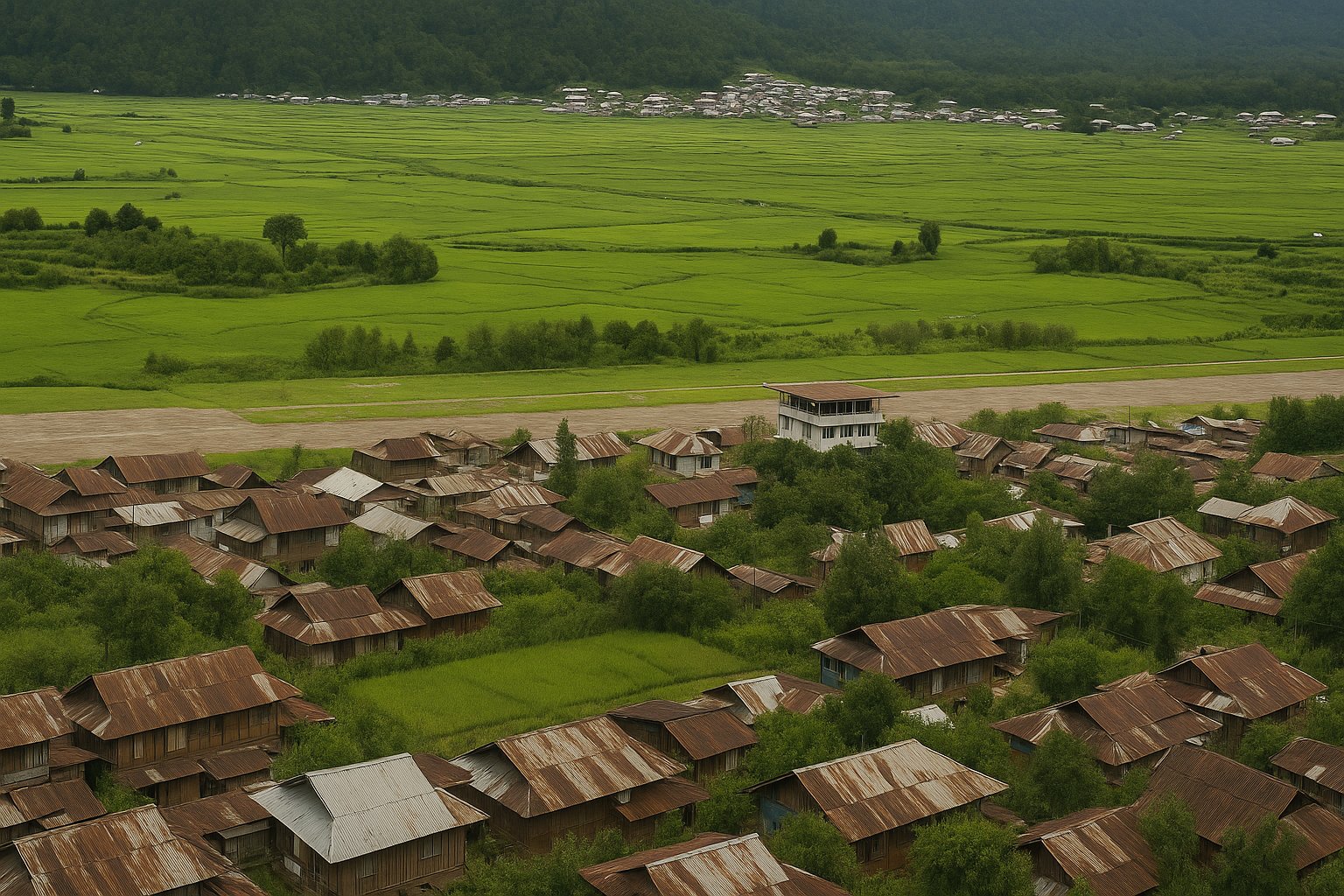
Nameri National Park was established in 1985 as a wildlife sanctuary and later declared a national park to protect its rich biodiversity. The area was traditionally used by local tribal communities for sustainable hunting and fishing. The park's forests and river valleys have remained largely undisturbed, preserving both flora and fauna. Traditional villages on the outskirts of the park provide cultural insights into the life of Assamese and Arunachali communities living close to nature.
Things to Do in Nameri National Park
Wildlife Safari: Explore the park’s rich fauna on jeep safaris or guided walks, spotting elephants, leopards, gaurs, and deer.
Birdwatching: With over 350 bird species, Nameri is ideal for ornithologists and birding enthusiasts.
River Activities: Enjoy kayaking or rafting in the Kameng River during safe weather conditions.
Trekking: Several trails pass through the forest, allowing visitors to explore the park's interior, waterfalls, and natural meadows.
Photography: Capture stunning landscapes, wildlife, and the park’s lush green forests.
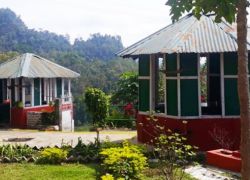
Camping: Stay overnight at authorized campsites to experience the tranquility of the forest.
Interesting Facts about Nameri National Park
Nameri forms a crucial corridor connecting Pakke Wildlife Sanctuary in Arunachal Pradesh to Assam's forests, facilitating wildlife movement.
The park is home to the endangered pygmy hog, one of the rarest mammals in the world.
The Kameng River not only provides a water source for wildlife but is also vital for eco-tourism and river-based adventure activities.
Nameri is part of the Eastern Himalayan biodiversity hotspot, which is recognized for high levels of endemism and species diversity.
Tips for Visiting Nameri National Park
Wear comfortable trekking shoes and carry rain gear during the monsoon season.
Hire licensed guides for safaris, trekking, and wildlife spotting.
Carry binoculars, cameras, and field guides for birdwatching and wildlife photography.
Respect park rules, wildlife, and local communities to ensure sustainable tourism.
Visit between October and April for the best weather, wildlife sightings, and trekking experiences.
Conclusion
Nameri National Park near Bhalukpong, Arunachal Pradesh, is a must-visit destination for nature lovers, wildlife enthusiasts, and adventure seekers. Its pristine forests, rich wildlife, and scenic river valleys make it one of the most captivating national parks in Northeast India. Whether it is trekking, birdwatching, river activities, or simply enjoying the serene environment, Nameri offers a complete experience of Arunachal Pradesh's natural beauty and biodiversity. Proper planning, guided tours, and respect for nature ensure a memorable and eco-friendly visit to this stunning Himalayan park.