"Symbol of peace and unity in Chandigarh"
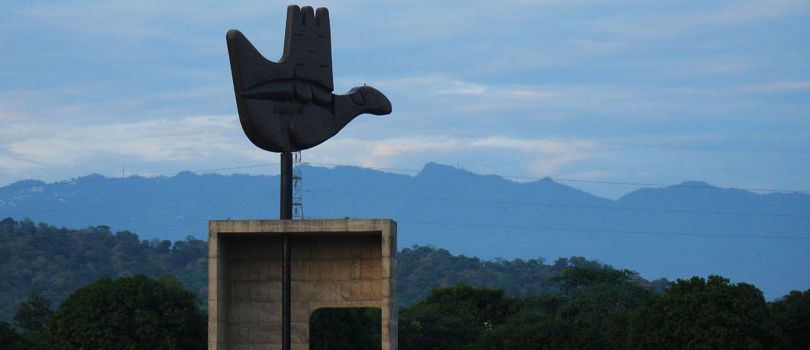
The Open Hand Emblem is one of the most iconic landmarks in Chandigarh, symbolizing the city's philosophy of peace, unity, and the embrace of diversity. Designed by the renowned architect Pierre Jeanneret, it stands tall as a part of the city's modernist architecture, contributing to the city's identity as a well-planned and progressive urban center. Located in the heart of Chandigarh, the emblem has become an enduring symbol of the city's spirit, welcoming visitors with its open arms, ready to embrace the world. In this article, we will explore how to reach the Open Hand Emblem, its significance, history, architecture, and much more.
How to Reach Open Hand Emblem, Chandigarh City
The Open Hand Emblem is centrally located in Sector 1 of Chandigarh, near the Capitol Complex, a short distance from the city center. It is a must-visit landmark for anyone exploring the city, and reaching it is quite easy:
Weather at Open Hand Emblem, Chandigarh City
Chandigarh’s weather plays an important role in determining the best time to visit the Open Hand Emblem. The city experiences three major seasons: summer, monsoon, and winter. Here's a brief overview:
Timings of Open Hand Emblem, Chandigarh City
The Open Hand Emblem is an outdoor monument, and visitors can visit it at any time during the day. However, if you want to avoid the crowds and enjoy a peaceful experience, the following timings are recommended:
There is no entry fee for visiting the Open Hand Emblem, making it an accessible landmark for all visitors. It's best to visit early in the morning or late in the evening for a calm and pleasant experience, especially during the peak summer months when the midday heat can be overwhelming.
Why is the Open Hand Emblem Famous?
The Open Hand Emblem is one of the most famous symbols associated with the city of Chandigarh and its unique architectural identity. Designed by Pierre Jeanneret, a close collaborator of Le Corbusier, the emblem is a symbol of the city’s ethos of openness, peace, and unity. The hand itself is a symbolic gesture of receiving and giving, representing the idea of embracing the world and welcoming diversity.
What makes the Open Hand Emblem even more significant is its connection to the planning and philosophy behind Chandigarh’s design. The emblem reflects Le Corbusier’s vision for the city as a symbol of progress and modernity. It is a central feature of the Capitol Complex, which houses important government buildings like the High Court and the Secretariat. Today, the emblem stands as a proud testament to Chandigarh's spirit of harmony and forward-thinking design.
Entry and Visit Details about Open Hand Emblem, Chandigarh City
The Open Hand Emblem is part of the Capitol Complex, which is a UNESCO World Heritage Site. Since the emblem is an outdoor installation, there is no entry fee to visit it. However, the Capitol Complex as a whole is open to the public only during certain hours, so it's a good idea to check the timings of the entire complex before planning your visit.
While the Open Hand Emblem itself does not require any special tickets or reservations, it is located near other important government buildings, so visitors are advised to be respectful of the area’s purpose. The emblem can be explored on foot, and there are no specific guided tours available, but it’s easy to navigate the surrounding area on your own.
History and Architecture of Open Hand Emblem, Chandigarh City
The Open Hand Emblem was created by Pierre Jeanneret, who was tasked with helping Le Corbusier in the design and planning of Chandigarh. The emblem was installed in the Capitol Complex in 1950 as a symbol of the city's architecture and ideals. The hand design itself is a modernist interpretation of the gesture of openness and receptivity.
The emblem stands at a height of 26 feet (8 meters) and is made of stainless steel. Its open design is symbolic, allowing visitors to view it from all angles. The design concept was deeply rooted in Le Corbusier’s vision of creating a city that is not only functional but also deeply connected to humanistic and philosophical principles. The Open Hand Emblem serves as a reminder of Chandigarh’s unique identity as a city of peace, cooperation, and inclusiveness.
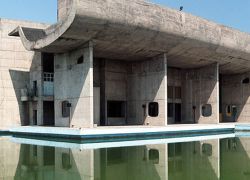
The architecture of the Capitol Complex, where the emblem is located, is a masterpiece of modernist design. The buildings in the complex are characterized by their bold geometric shapes, clean lines, and the use of raw concrete, creating an austere yet aesthetically pleasing environment. The Open Hand Emblem, positioned prominently at the heart of the complex, fits perfectly into this architectural narrative, further enhancing the significance of the space.
Things to Do at Open Hand Emblem, Chandigarh City
While the Open Hand Emblem itself is the main attraction, there are several things you can do while visiting the Capitol Complex:
Interesting Facts and Tips About Open Hand Emblem, Chandigarh City
In conclusion, the Open Hand Emblem is more than just a monument in Chandigarh; it is a symbol of the city



























Chandigarh

Chandigarh
Chandigarh

Chandigarh

Chandigarh

Chandigarh
Chandigarh
Chandigarh
Chandigarh