"Admire architectural grandeur in the heart of governance."
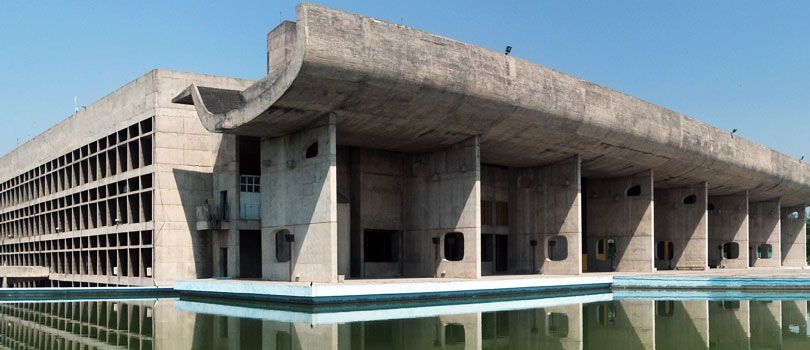
The Secretariat Building in Chandigarh is one of the most important landmarks in the city. Serving as the official administrative headquarters for both the states of Punjab and Haryana, the Secretariat is not only a significant government building but also an architectural marvel. Designed by the renowned architect Pierre Jeanneret, in collaboration with Le Corbusier, the Secretariat Building stands as a testament to modernist architecture and the vision for the new city of Chandigarh. In this article, we will explore how to reach the Secretariat Building, its weather, timings, history, architecture, things to do, and other relevant details.
How to Reach Secretariat Building, Chandigarh City
The Secretariat Building is located in Sector 1, in the heart of Chandigarh, and is easily accessible from all major parts of the city. Whether you're traveling by car, public transport, or even walking, getting to the Secretariat is straightforward.
Weather at Secretariat Building, Chandigarh City
Chandigarh experiences a variety of weather conditions throughout the year, and the best time to visit the Secretariat Building can depend on the season. Here’s a breakdown of the weather conditions:
Timings of Secretariat Building, Chandigarh City
The Secretariat Building is an administrative office and is primarily open during working hours. However, visitors are not allowed inside the building as it houses government offices. Here are the general timings:
While the Secretariat Building's interior is restricted for general visitors, the exterior and surrounding areas of the Capitol Complex are open for public viewing. Visitors can admire the building's architecture from the outside during the day.
Why is Secretariat Building Famous?
The Secretariat Building in Chandigarh is famous for being one of the most prominent examples of modernist architecture. The building is part of the larger Capitol Complex, which was designed by the renowned architect Le Corbusier. It is an essential part of the architectural landscape of Chandigarh, reflecting the city’s identity as a symbol of modern India.
What makes the Secretariat Building unique is its functionality combined with aesthetic appeal. It was built to be a workspace for government officials while maintaining an open and transparent design. The structure also demonstrates Le Corbusier’s vision of creating a building that blends with the environment, using concrete as the main material. The Secretariat is also famous for its open terrace, which offers sweeping views of the surrounding area.
Entry and Visit Details about Secretariat Building, Chandigarh City
While the Secretariat Building serves as an administrative building and does not typically allow for public entry, visitors can still explore the surrounding Capitol Complex. Here’s a breakdown of what you can expect when visiting the Secretariat Building area:
History and Architecture of Secretariat Building
The Secretariat Building is part of the iconic Capitol Complex of Chandigarh, designed by Le Corbusier in the 1950s. After India’s independence, the city of Chandigarh was chosen to be the capital of Punjab and Haryana, and Le Corbusier was given the responsibility of designing the city’s layout and important government buildings. The Capitol Complex, which houses the Secretariat, was designed to reflect the ideals of a democratic and modern India.
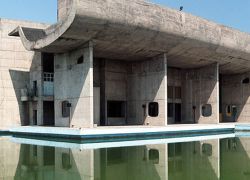
The architecture of the Secretariat Building follows Le Corbusier’s vision of functional, minimalistic, and modernist design. The building is constructed using reinforced concrete and has a distinctive Brutalist style. It features a large terrace that offers panoramic views of the surrounding Capitol Complex. The building’s façade is characterized by rows of horizontal windows and exposed concrete walls. The simple, clean lines of the building make it an outstanding example of modernist architecture.
Le Corbusier’s design for the Secretariat Building was intended to create a space that was both practical and visually striking. The building houses the offices of the state government officials and remains a center for governance. It was constructed with the objective of ensuring that the administrative building not only functioned well but also stood as a symbol of the nation’s future and progress.
Things to Do at Secretariat Building, Chandigarh City
Although the Secretariat Building itself does not offer many activities for tourists due to its nature as a government office, there are still several things to do in and around the Capitol Complex:
Interesting Facts and Tips About Secretariat Building, Chandigarh City























Chandigarh

Chandigarh

Chandigarh

Chandigarh
Chandigarh
Chandigarh
Chandigarh
Chandigarh
Chandigarh