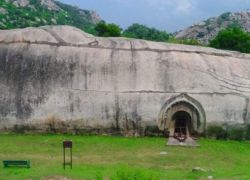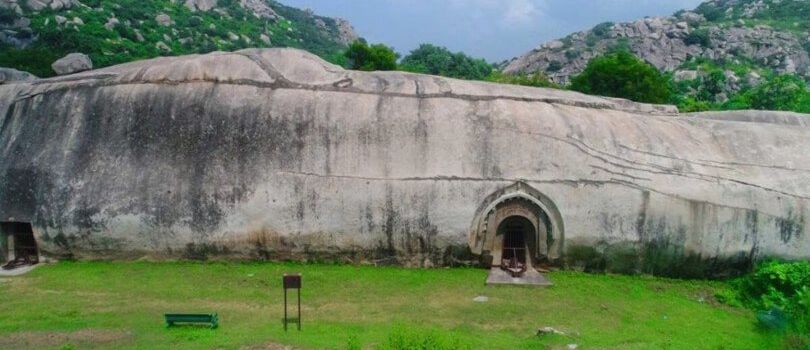
"Explore ancient rock-cut caves in India’s heritage."
The Barabar Caves, located near Gaya in Bihar, are among the most significant archaeological sites in India. These caves are not just an important tourist attraction, but they also have deep historical, religious, and cultural significance. The Barabar Caves are the oldest rock-cut caves in India, dating back to the Mauryan period (circa 3rd century BCE). The caves are primarily associated with the Jain religion, although there are some Buddhist influences as well. The caves are famous for their ancient inscriptions, intricate carvings, and the fact that they were carved into solid granite rocks, making them a marvel of ancient engineering.
How to Reach Barabar Caves, Gaya
The Barabar Caves are located about 24 kilometers north of Gaya, in the hills of the Barabar range. The site is accessible by various means of transport:
Weather in Gaya
The weather in Gaya is typical of the northern Indian plains, with hot summers, a monsoon season, and a pleasant winter. Here’s a breakdown:
Timing of Barabar Caves
The Barabar Caves are open to visitors throughout the week. The general visiting hours are from 9:00 AM to 5:00 PM. However, it’s best to visit early in the morning or late in the afternoon to avoid the midday heat and to enjoy a quieter, more peaceful experience. Entry to the caves is free, although donations for maintenance are appreciated.
Why Barabar Caves are Famous
The Barabar Caves are famous for being the oldest surviving rock-cut caves in India, dating back to the Mauryan Empire around the 3rd century BCE. They are also known for their significant religious associations with Jainism, as they were initially built by King Ashoka for Jain monks. The caves are famous for their incredible acoustics, as the interiors are carved with highly polished surfaces that amplify sound. This unique feature adds an element of mystery to the caves, drawing visitors interested in both history and acoustics.
The caves are also noted for their inscriptions, especially the ones by Emperor Ashoka, which are some of the earliest examples of written records in India. These inscriptions provide valuable insights into the reign of Ashoka and his conversion to Buddhism. The combination of historical, architectural, and religious significance makes the Barabar Caves a must-visit site for history enthusiasts, pilgrims, and tourists alike.
Entry and Visit Details About Barabar Caves
Visitors can freely enter the Barabar Caves, although it’s advisable to go with a guide to get a better understanding of the historical significance of the site. There is no entry fee for the caves, but you may be asked to contribute a small donation for their upkeep. There are no specific dress codes, but it’s recommended to wear comfortable shoes, as you’ll need to walk around and climb a few steps to reach some of the caves.
The best way to explore the Barabar Caves is to take a guided tour, which provides an in-depth understanding of the history, carvings, and inscriptions found on the cave walls. Don’t forget to carry water, as there are no shops within the cave complex.
History and Architecture of Barabar Caves
The Barabar Caves were carved out of granite rocks during the reign of Emperor Ashoka in the 3rd century BCE. The caves were originally built for Jain monks and are a testimony to Ashoka’s deep connection with the Jain community before he embraced Buddhism. Over time, the caves also became associated with Buddhism, as they served as places for meditation and spiritual retreat.
The architecture of the Barabar Caves is simple yet impressive. The caves are cut directly into solid granite, which is a challenging material to work with. The caves are mostly small, with the largest one being the Lomas Rishi Cave. This cave features a dome-like entrance, which resembles the architectural style of Buddhist stupas. The interiors of the caves are carved in great detail, with some caves having inscriptions that provide historical context about the site.
The most famous cave in the Barabar complex is the Lomas Rishi Cave, which is known for its elaborate entrance design that mimics the shape of a Buddhist stupa. Another prominent cave is the Sudama Cave, which has a smooth, polished interior that amplifies sound, making it an acoustically unique space.
Things to Do at Barabar Caves, Gaya
When visiting the Barabar Caves, there are several activities you can enjoy:
Facts and Tips About Barabar Caves, Gaya
Conclusion
The Barabar Caves are a unique and important historical site in Gaya, offering a glimpse into India’s ancient religious and architectural heritage. Whether you’re a history lover, a pilgrim, or someone who appreciates ancient art, the Barabar Caves offer a fascinating journey back in time. Their historical significance, impressive acoustics, and ancient inscriptions make them a must-visit destination for anyone traveling to Gaya.






































Gaya
Gaya
Gaya
Gaya
Gaya