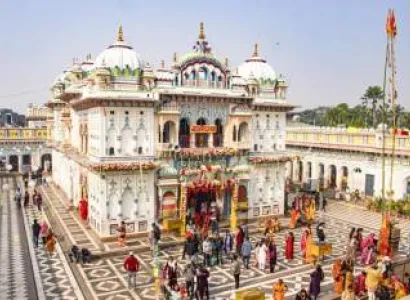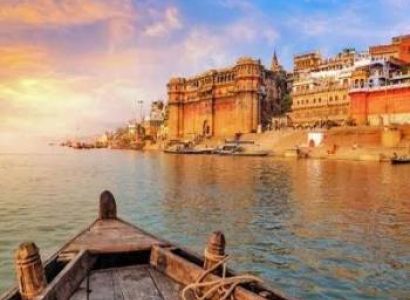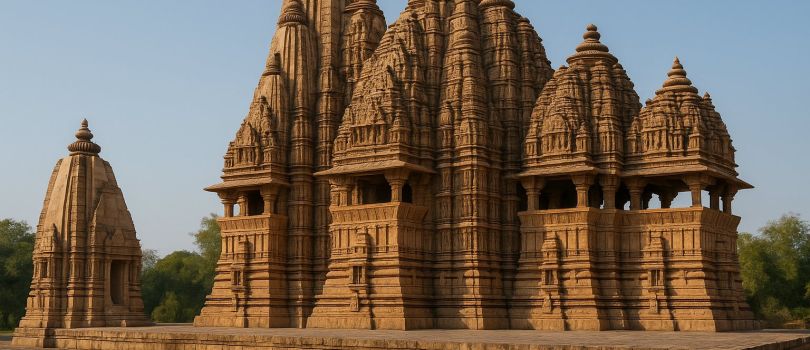
"Visit a revered site of ancient pilgrimage."
The Vishnupad Temple, located in Gaya, Bihar, is one of the holiest and most revered temples in India. Dedicated to Lord Vishnu, this ancient temple attracts thousands of pilgrims and tourists alike each year. The temple is famous for its stunning architecture and historical significance. Its name "Vishnupad" translates to "the footprint of Lord Vishnu," as the temple is believed to house an imprint of the Lord’s feet in the sanctum sanctorum. The temple holds great religious importance in Hindu mythology and is a key site for performing the rituals of *Pind Daan*, an important ceremony for ancestors' salvation.
How to Reach Vishnupad Temple, Gaya
Reaching Vishnupad Temple is easy due to Gaya's excellent connectivity via various modes of transport. Here’s how you can get there:
Weather in Gaya
The weather in Gaya varies based on the season. Here’s what to expect:
Timings of Vishnupad Temple
The Vishnupad Temple is open throughout the week for devotees and tourists. The temple’s usual visiting hours are from 5:00 AM to 12:00 PM and then again from 4:00 PM to 8:00 PM. During peak religious seasons, such as during the month of *Shravan* and on auspicious days like *Vaikuntha Ekadashi*, the temple can be busier, and special ceremonies are held. Visitors are advised to arrive early to avoid long queues.
Why Vishnupad Temple is Famous
The Vishnupad Temple is famous for its connection with Lord Vishnu and the legend of his footprints. According to Hindu mythology, it is believed that Lord Vishnu visited Gaya and placed his feet on a stone slab, which is now enshrined in the temple. Devotees believe that offering prayers at this sacred site helps in attaining salvation and peace for their ancestors.
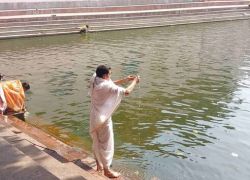
The temple is also known for its religious significance as it is one of the primary places for performing *Pind Daan*, a ritual that is done for the salvation of ancestors. Many pilgrims visit this temple to perform the ritual for their deceased loved ones. The temple’s tranquil and serene atmosphere further adds to its charm, making it a key pilgrimage site in India.
Entry and Visit Details About Vishnupad Temple
The temple has a nominal entry fee for visitors. However, the fee for performing *Pind Daan* rituals is much higher, and it can vary based on the services availed. Pilgrims come to perform these rituals in large numbers, and during certain peak seasons, it may take a while to perform the ceremonies due to the high demand.
The temple remains open to visitors throughout the day, but it is always recommended to check for any special rituals or festivals being held during your visit, as it may affect your timings or the availability of certain services.
History and Architecture of Vishnupad Temple
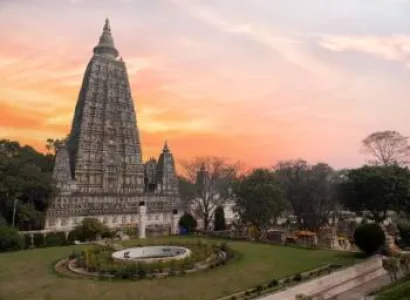
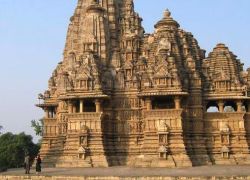
The Vishnupad Temple has a rich history that dates back to ancient times. The temple is believed to have been built by Queen Ahilya Bai Holkar of Indore in the 18th century, although the footprint of Lord Vishnu is said to have been present since ancient times. The temple is built in a pagoda-style architecture with a tall spire, which is a typical feature of many Hindu temples in Bihar and other parts of India.
The central sanctum houses the footprint of Lord Vishnu, which is enshrined in a small raised platform. The footprint is said to be carved in a stone slab, and pilgrims touch it with reverence. The temple also has intricate carvings and detailed artwork on its pillars, showcasing the artistic excellence of its creators.
The structure of the temple is designed to facilitate large gatherings of devotees, especially for the performance of religious ceremonies. The temple is located near the banks of the Falgu River, adding to the spiritual and serene ambiance of the place.
Things to Do at Vishnupad Temple, Gaya
There are several activities you can enjoy while visiting the Vishnupad Temple:
Facts and Tips About Vishnupad Temple, Gaya
Conclusion
The Vishnupad Temple in Gaya is not only an important pilgrimage site for Hindus but also a beautiful historical monument with deep religious significance. Whether you are visiting for the religious rituals, the architecture, or the serene atmosphere, this temple offers an unforgettable experience. The temple’s rich history, tranquil surroundings, and connection to Lord Vishnu make it a must-visit destination for anyone traveling to Gaya.