
The Gulmarg Golf Course is one of the most unique and highest golf courses in the world, located in Gulmarg, Jammu & Kashmir. Surrounded by snow-covered mountains, pine forests, and lush green meadows, this breathtaking golf course offers an unforgettable experience for both golfers and nature lovers. Situated at an altitude of around 2,650 meters above sea level, it is considered one of the most scenic golfing destinations on Earth. Apart from golf, the area is famous for its natural beauty, skiing activities in winter, and stunning landscapes throughout the year. Whether you are a sports enthusiast or a traveler seeking peace in nature, Gulmarg Golf Course offers a perfect blend of adventure and relaxation. Why Gulmarg Golf Course is Famous? Gulmarg Golf Course is famous for being one of the highest green golf courses in the world. Its unique location in the Himalayas makes it a rare and picturesque golfing destination. It is also known for its vast natural meadows, which turn into a snow paradise in winter and a lush green golf field in summer. The scenic backdrop of mountains and pine forests adds to its global popularity. Another reason for its fame is its combination of sports and tourism, attracting golfers, adventure seekers, and international travelers alike. History of Gulmarg Golf Course The Gulmarg Golf Course was originally established by the British in 1890 as a 6-hole course. It was later redesigned and expanded into an 18-hole championship golf course. During the British colonial era, Gulmarg was developed as a summer retreat, and golf became a popular sport among officers stationed in India. Over time, the course was upgraded to meet international standards. Today, it is maintained by the Jammu & Kashmir Tourism Department and is open to both professional golfers and tourists. Architecture and Landscape The Gulmarg Golf Course is designed in a natural alpine meadow style rather than a heavily engineered layout. The course spreads across rolling green hills surrounded by snow-capped Himalayan peaks. The landscape includes natural slopes, pine trees, wildflowers, and open fields, making it one of the most scenic golf courses in the world. In winter, the entire golf course transforms into a snow-covered landscape, blending seamlessly with Gulmarg’s famous skiing slopes. How to Reach Gulmarg Golf Course Gulmarg Golf Course is located in the heart of Gulmarg town and is easily accessible from Srinagar and nearby areas. By Air: The nearest airport is Srinagar International Airport, located about 50 km away. Taxis and private cabs are available from the airport to Gulmarg. By Road: Gulmarg is well connected to Srinagar via road, with a distance of approximately 50–55 km. The drive takes around 2 hours through scenic mountain routes. By Cable Car: Visitors can also use the famous Gulmarg Gondola to reach nearby viewpoints and explore the region. Weather at Gulmarg Golf Course Gulmarg experiences a cold alpine climate throughout the year. Best Time to Visit: May to September is ideal for golfing when the course is lush green and accessible. Summer (May to September): Pleasant weather with temperatures ranging between 13°C to 25°C. Winter (November to March): Heavy snowfall transforms the area into a skiing paradise. Monsoon: Light rainfall enhances greenery but may affect outdoor activities. Timings and Entry Details Opening Hours: Generally open from 9:00 AM to 6:00 PM during the golfing season. Entry Fee: A nominal entry fee is charged for tourists, while separate fees apply for golfing activities and equipment rental. Visitors are advised to check seasonal availability as the course remains closed during heavy snowfall months. Things to Do at Gulmarg Golf Course The Gulmarg Golf Course offers a variety of activities beyond golf. Golfing: Enjoy playing at one of the highest golf courses in the world. Photography: Capture breathtaking views of mountains, meadows, and landscapes. Nature Walks: Walk through green fields and enjoy fresh Himalayan air. Snow Activities: In winter, enjoy skiing and snowboarding in nearby areas. Sightseeing: Explore nearby attractions like Apharwat Peak and Gulmarg Gondola. Facts About Gulmarg Golf Course • One of the highest golf courses in the world. • Originally built by the British in 1890. • Spread across natural Himalayan meadows. • Transforms into a ski area in winter. • Managed by Jammu & Kashmir Tourism Department. Tips for Visitors Visit during summer months for best golfing experience. Wear warm clothes even in summer due to cool mountain weather. Carry sunglasses and sunscreen for protection against UV rays. Book accommodation in advance during peak tourist season. Respect local guidelines and avoid damaging the natural environment. Carry cash as network connectivity may be limited in some areas. Conclusion The Gulmarg Golf Course in Gulmarg, Jammu & Kashmir is a world-class golfing destination set amidst the breathtaking Himalayas. With its lush green landscapes, snowy winters, and rich colonial history, it offers a unique blend of sport, nature, and adventure. Whether you are a golfer or a traveler, Gulmarg Golf Course promises an unforgettable experience in one of India’s most beautiful regions.
Explore More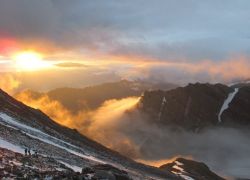
Stok Kangri is one of the most famous trekking peaks in the Indian Himalayas, located near Leh in Ladakh, Jammu & Kashmir. Rising to an altitude of around 6,153 meters (20,187 feet), it has long been considered a challenging yet rewarding adventure destination for mountaineers and trekking enthusiasts. Located in the Stok Range of the Himalayas, this majestic peak offers breathtaking views of the Zanskar Range, Indus Valley, and surrounding snow-covered landscapes. Although climbing permits have been restricted in recent years, it remains a legendary trekking landmark. Stok Kangri, Leh Ladakh, Jammu & Kashmir is famous for its high-altitude trekking challenge, stunning Himalayan views, and adventure tourism significance. History of Stok Kangri Stok Kangri has been known to local Ladakhi communities for centuries as a sacred mountain peak in the region. The area around Stok Village has historically been home to Ladakhi royals, including the Stok Palace lineage. In modern times, Stok Kangri became popular among international trekkers seeking high-altitude climbing experiences without technical mountaineering requirements. Due to environmental concerns and safety issues, trekking and climbing permissions have been regulated to preserve the fragile Himalayan ecosystem. Geography and Formation Stok Kangri is part of the Stok Range in the Trans-Himalayas. The mountain is composed of granite and metamorphic rocks shaped over millions of years through tectonic activity. The peak is surrounded by glaciers, rocky terrain, and alpine valleys. The region experiences extreme climatic conditions, with heavy snowfall in winter and dry, thin air throughout the year. The altitude makes it one of the most physically demanding trekking destinations in India. Why Stok Kangri is Famous Stok Kangri is famous for being one of the highest trekking peaks in India that was accessible to non-technical climbers. It is also known for its panoramic views of the Himalayas, including the Zanskar and Karakoram ranges. The peak attracts adventure seekers from across the world for high-altitude trekking and mountaineering training. How to Reach Stok Kangri Stok Kangri is located near Leh in Ladakh and is accessible via road and air routes to Leh. By Air: The nearest airport is Kushok Bakula Rimpochee Airport in Leh, approximately 15–20 km from Stok village. Flights are available from major Indian cities like Delhi. By Road: Leh is connected via Manali–Leh Highway and Srinagar–Leh Highway (seasonal routes). From Leh, Stok village can be reached by taxi. By Trek: The base route for Stok Kangri starts from Stok village, which is accessible by road from Leh. Weather at Stok Kangri Stok Kangri experiences extreme alpine weather conditions throughout the year. Summer (June to September): The only trekking season, with temperatures ranging from 5°C to 15°C in lower regions and below freezing at higher altitudes. Winter (October to May): Extremely harsh conditions with heavy snowfall and temperatures dropping below -20°C, making it inaccessible. Weather can change rapidly, with strong winds, snowstorms, and low oxygen levels at higher elevations. Timing and Entry Details There is no fixed visiting time for Stok Kangri as it is a mountain peak, but trekking routes are typically open during the summer months. Due to environmental protection rules, climbing permissions have been restricted in recent years, and visitors must check with local authorities or tour operators. Special trekking permits and guides are required for any approved expeditions. Things to Do at Stok Kangri Experience high-altitude trekking through challenging Himalayan terrain. Enjoy panoramic views of Ladakh’s mountain ranges, glaciers, and valleys. Visit Stok Village and explore traditional Ladakhi culture and Stok Palace. Capture stunning photography of sunrise and sunset over the Himalayas. Interesting Facts About Stok Kangri Stok Kangri stands at approximately 6,153 meters, making it one of the highest trekking peaks in India. It was once a popular non-technical summit for adventure tourists before restrictions were imposed. The peak offers visibility of both the Zanskar Range and the Karakoram Range on clear days. The region is part of a fragile high-altitude ecosystem requiring strict environmental protection. Travel Tips for Visitors Acclimatization is extremely important due to high altitude conditions in Leh and surrounding areas. Carry proper trekking gear including insulated clothing, boots, and oxygen support if required. Always trek with certified guides and follow local safety regulations. Avoid rushing ascent to prevent altitude sickness and related health risks. Conclusion Stok Kangri in Leh Ladakh is a legendary Himalayan peak known for its beauty, challenge, and adventure value. It represents one of the most iconic trekking experiences in India. Although access is now restricted, it remains a symbol of high-altitude mountaineering and continues to inspire trekkers and adventure lovers worldwide.
Explore More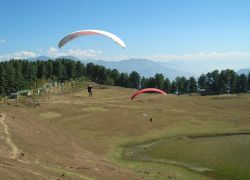
Sanasar, located near Patnitop, is a hidden gem nestled in the picturesque landscapes of Jammu and Kashmir. This tranquil tourist attraction is renowned for its natural beauty, biodiversity, and serene environment, making it a perfect destination for nature lovers and adventure seekers alike. History of Sanasar Sanasar has a rich historical background, once serving as royal hunting grounds for the erstwhile Maharajas of Jammu and Kashmir. Over the years, concerted conservation efforts have transformed this region into a haven for wildlife and natural habitats. Its exceptional ecological significance has garnered UNESCO recognition, further highlighting its importance in preserving biodiversity. Architecture and Natural Beauty of Sanasar The natural beauty of Sanasar is awe-inspiring, with lush forests, meandering wetlands, and vibrant grasslands creating a haven for numerous bird species. The Keoladeo Temple, a historical marvel within the park, adds to the architectural charm of the region, blending spirituality with nature's bounty. Why is Sanasar Famous? Sanasar is celebrated for its diverse avian population, attracting birdwatchers, photographers, and nature enthusiasts from around the globe. The region's serene ambiance, coupled with its rich biodiversity, makes it a paradise for wildlife lovers seeking a retreat in the heart of nature. How to Reach Sanasar Travelling to Sanasar is convenient, with options available via air, rail, and road. The nearest airport is in Jammu, while the closest railway station is in Udhampur. Visitors can easily access Sanasar by road, with well-connected routes leading to this nature lover's paradise. Weather and Best Time to Visit Sanasar Sanasar experiences pleasant weather conditions throughout the year, with distinct summer, monsoon, and winter seasons. The best time to visit is during the spring and autumn months when the weather is mild, and nature is at its vibrant best. Timings of Sanasar Sanasar welcomes visitors throughout the year, with timings varying slightly based on the season. It is advisable to plan your visit during the early hours to witness the beauty of the sunrise and the active wildlife in the region. Entry Fee and Visit Details Entry to Sanasar is hassle-free, with nominal fees for visitors. Guide services are available for those seeking a deeper understanding of the region's flora and fauna. Safari options, bicycle rentals, and visitor facilities are also accessible for a comfortable and immersive experience. Things to Do at Sanasar Engage in a myriad of activities at Sanasar, including birdwatching, photography, cycling through scenic trails, leisurely walks amidst nature, and enriching educational experiences. The region offers a plethora of opportunities to connect with the environment and its inhabitants. Interesting Facts About Sanasar Sanasar is a haven for migratory birds, boasting a significant population of species that flock to the region during specific seasons. Conservation efforts have led to remarkable achievements in preserving biodiversity, underlining the ecological importance of this pristine destination. Travel Tips for Visiting Sanasar When visiting Sanasar, it is advisable to dress in layers to accommodate changing weather conditions. Carrying a camera and binoculars is essential for capturing the beauty of the avian residents. Choose your visiting season wisely to maximize your wildlife sightings and practice responsible tourism to help preserve the natural splendor of Sanasar. Conclusion In conclusion, Sanasar, near Patnitop, stands as a testament to the harmonious blend of nature, history, and conservation efforts. Its serene ambiance, rich biodiversity, and array of activities make it a must-visit destination for those seeking a rejuvenating retreat amidst the wonders of the natural world.
Explore More
Madhatop, located near the picturesque city of Patnitop, is a hidden gem nestled in the heart of nature. This serene hotspot offers a perfect retreat for nature lovers, birdwatchers, and wildlife enthusiasts. With its lush landscapes, diverse biodiversity, and tranquil surroundings, Madhatop is a must-visit destination for those seeking a peaceful escape from the hustle and bustle of city life. History of Madhatop Madhatop has a rich historical background, once serving as royal hunting grounds for the Maharajas of the region. Over the years, concerted conservation efforts have transformed this area into a sanctuary for numerous bird species, leading to its UNESCO recognition for its ecological significance and preservation of avian habitats. Architecture and Natural Beauty of Madhatop The natural beauty of Madhatop is unparalleled, with vast wetlands, dense forests, and sprawling grasslands creating a harmonious ecosystem. The park is home to a myriad of bird species, making it a paradise for birdwatchers. Nestled within this natural haven is the historic Keoladeo Temple, adding a touch of cultural charm to the landscape. Why is Madhatop Famous? Madhatop has gained popularity among birdwatchers, photographers, and nature enthusiasts due to its diverse avian population and stunning landscapes. The park offers a unique opportunity to observe migratory birds in their natural habitat, making it a hotspot for wildlife lovers from around the world. How to Reach Madhatop Traveling to Madhatop is convenient, with various options available. Visitors can reach the destination by air, rail, or road, with nearby airports and railway stations providing easy access to the park. The scenic journey to Madhatop is as enchanting as the destination itself. Weather and Best Time to Visit Madhatop Madhatop experiences pleasant weather throughout the year, with distinct seasons offering unique experiences. While summer is ideal for birdwatching, the monsoon season brings lush greenery to the park. Winter months offer a tranquil ambiance, making it the best time to visit Madhatop. Timings of Madhatop Madhatop welcomes visitors throughout the year, with varying timings based on seasonal changes. It is advisable to plan your visit ahead to make the most of your time at the park. The park's timings ensure that visitors can enjoy the beauty of Madhatop at different times of the day. Entry Fee and Visit Details Entry to Madhatop is subject to nominal fees, with additional services such as guide assistance, safari options, and bicycle rentals available for visitors. The park offers well-equipped visitor facilities to ensure a comfortable and memorable experience for all guests. Things to Do at Madhatop Madhatop offers a plethora of activities for visitors to indulge in, including birdwatching, photography, cycling, walking trails, and nature observation. The park's serene ambiance and diverse wildlife make it an ideal destination for educational experiences and nature enthusiasts. Interesting Facts About Madhatop Madhatop is home to a wide range of migratory birds, contributing to the park's unique biodiversity. The conservation efforts at Madhatop have been recognized globally for their success in preserving avian habitats and promoting ecological sustainability, making it a model sanctuary for wildlife conservation. Travel Tips for Visiting Madhatop When visiting Madhatop, it is essential to pack appropriate clothing, photography equipment, and birdwatching essentials. Understanding the best visiting seasons and practicing responsible tourism are crucial for maintaining the park's ecological balance and preserving its natural beauty for future generations. Conclusion In conclusion, Madhatop in Patnitop is a tranquil haven for nature lovers and wildlife enthusiasts, offering a unique blend of natural beauty, biodiversity, and cultural heritage. A visit to Madhatop promises a rejuvenating experience amidst pristine landscapes and diverse bird species, making it a destination worth exploring and cherishing.
Explore More
Welcome to the breathtaking Thajiwas Glacier located near the city of Baltal, a true paradise for nature lovers and adventure seekers alike. This magnificent glacier offers a unique experience with its serene surroundings, rich biodiversity, and stunning landscapes that will leave you in awe. History of Thajiwas Glacier The history of Thajiwas Glacier dates back to ancient times when it served as a significant natural landmark in the region. Once a royal hunting ground, this glacier has now been preserved as a conservation area to protect its natural beauty and ecological importance. Its exceptional value has been recognized by UNESCO, further highlighting its significance. Architecture and Natural Beauty of Thajiwas Glacier Thajiwas Glacier boasts a diverse natural environment comprising wetlands, lush forests, expansive grasslands, and unique bird habitats. The historical Keoladeo Temple nestled within the glacier adds a touch of cultural heritage to the already mesmerizing surroundings, making it a must-visit destination for all. Why is Thajiwas Glacier Famous? Thajiwas Glacier has gained popularity among birdwatchers, photographers, nature enthusiasts, and wildlife lovers due to its remarkable biodiversity and scenic beauty. The opportunity to witness a wide variety of flora and fauna in their natural habitat makes it a hotspot for nature lovers. How to Reach Thajiwas Glacier Reaching Thajiwas Glacier is convenient with various travel options available. Visitors can access the glacier by air, rail, or road, with nearby airports and railway stations providing easy connectivity to this natural marvel. Weather and Best Time to Visit Thajiwas Glacier The weather at Thajiwas Glacier varies across seasons, offering different experiences throughout the year. While summer provides pleasant temperatures for exploration, the monsoon brings lush greenery, and winter blankets the glacier in snow, creating a magical winter wonderland. The best time to visit depends on personal preferences, with each season offering a unique charm. Timings of Thajiwas Glacier Thajiwas Glacier welcomes visitors at specific timings, ensuring a safe and enjoyable experience for all. Seasonal variations may affect accessibility, so it is advisable to plan your visit accordingly to make the most of your trip. Entry Fee and Visit Details Entry procedures to Thajiwas Glacier are straightforward, with guide services available for those seeking in-depth knowledge about the area. Safari options, bicycle rentals, and visitor facilities cater to the diverse needs of tourists, enhancing their overall experience at this natural gem. Things to Do at Thajiwas Glacier Engage in a variety of activities at Thajiwas Glacier, including birdwatching, photography, cycling, walking trails, nature observation, and educational experiences. Immerse yourself in the beauty of nature and explore the wonders of this pristine environment. Interesting Facts About Thajiwas Glacier Thajiwas Glacier is home to a wide array of migratory birds, showcasing the rich biodiversity of the region. Conservation efforts have led to significant achievements in preserving the ecological balance of the area, making it a vital habitat for various species. Travel Tips for Visiting Thajiwas Glacier For a memorable visit to Thajiwas Glacier, ensure you are equipped with appropriate clothing, photography gear, and birdwatching equipment. Familiarize yourself with the different visiting seasons and follow responsible tourism practices to contribute to the preservation of this natural wonder. Conclusion In conclusion, Thajiwas Glacier in Baltal stands as a testament to the beauty and wonders of nature, offering a captivating experience for all who visit. Immerse yourself in the tranquility of this glacier, explore its diverse landscapes, and witness the magic of the natural world unfold before your eyes.
Explore More
Welcome to Uri, a mesmerizing tourist attraction located in Baramulla, known for its natural beauty and biodiversity. This article will take you on a journey through the history, significance, architecture, and tourist appeal of Uri. History of Uri Uri has a rich historical background, once serving as royal hunting grounds. Over the years, significant conservation efforts have been made to preserve its natural heritage, leading to UNESCO recognition as a vital ecosystem. Architecture and Natural Beauty of Uri Uri boasts stunning wetlands, forests, and grasslands that provide habitats for various bird species. The historical Keoladeo Temple within the park adds a cultural touch to the already picturesque landscapes. Why is Uri Famous? Uri is renowned for its appeal to birdwatchers, photographers, nature enthusiasts, and wildlife lovers. The diverse avian population and scenic beauty make it a must-visit destination for those seeking a close encounter with nature. How to Reach Uri Traveling to Uri is convenient, with options available by air, rail, and road. Nearby airports and railway stations provide easy access to this natural paradise. Weather and Best Time to Visit Uri Uri experiences varying weather conditions throughout the seasons. Understanding the climate during summer, monsoon, and winter will help you plan your visit effectively. The best months to explore Uri are... Timings of Uri Visitor timings at Uri may vary seasonally, so it's essential to check before planning your trip. Having this information will ensure you make the most of your visit to this beautiful hotspot. Entry Fee and Visit Details When visiting Uri, be sure to acquaint yourself with the entry procedures, guide services, safari options, and visitor facilities available. Renting bicycles can be a fun way to explore the park. Things to Do at Uri Popular activities at Uri include birdwatching, photography, cycling, walking trails, and nature observation. Immerse yourself in the serene environment and gain educational experiences along the way. Interesting Facts About Uri Uri is home to a myriad of migratory birds, showcasing the region's biodiversity. The conservation achievements and ecological importance of the area make it a standout destination for eco-conscious travelers. Travel Tips for Visiting Uri When visiting Uri, pack suitable clothing, bring photography equipment, and prepare for birdwatching excursions. Understanding the best visiting seasons and practicing responsible tourism will enhance your overall experience. Conclusion In conclusion, Uri in Baramulla stands out as a destination that seamlessly blends history, natural beauty, and wildlife conservation. Exploring this hotspot offers visitors a unique and enriching experience that leaves a lasting impression.
Explore More
Welcome to the breathtaking Quaid-e-Azam Stadium nestled in the charming city of Baramulla. This iconic tourist attraction is a paradise for nature lovers, bird enthusiasts, and wildlife photographers. The stadium is not just a sporting venue but a hub of natural beauty and ecological significance that beckons visitors from far and wide. History of Quaid-e-Azam Stadium The history of Quaid-e-Azam Stadium dates back to its origins as former royal hunting grounds. Over the years, concerted conservation efforts have transformed it into a sanctuary for diverse flora and fauna. The stadium's historical significance and conservation initiatives have garnered recognition from UNESCO, adding to its allure. Architecture and Natural Beauty of Quaid-e-Azam Stadium Surrounded by lush wetlands, dense forests, and vast grasslands, Quaid-e-Azam Stadium provides a picturesque backdrop for its visitors. The park is a haven for various bird species, offering rich bird habitats and stunning landscapes. The historical Keoladeo Temple within the park adds to its architectural charm. Why is Quaid-e-Azam Stadium Famous? Quaid-e-Azam Stadium is renowned for its diverse avian population, making it a hotspot for birdwatchers and photographers. Nature enthusiasts flock to this destination to witness the unique wildlife and immerse themselves in the serene environment, making it a must-visit for wildlife lovers. How to Reach Quaid-e-Azam Stadium Traveling to Quaid-e-Azam Stadium is convenient with multiple options available. Visitors can reach the stadium by air, rail, or road, with nearby airports and railway stations providing easy access to this natural gem. Weather and Best Time to Visit Quaid-e-Azam Stadium The stadium experiences varying weather conditions throughout the year, with distinct summers, monsoons, and winters. The best time to visit is during the months when the weather is pleasant, allowing visitors to explore the park comfortably. Timings of Quaid-e-Azam Stadium Quaid-e-Azam Stadium welcomes visitors during specified timings, ensuring a delightful experience for all. Seasonal variations may impact the stadium's accessibility, so it is advisable to plan your visit accordingly. Entry Fee and Visit Details Entry to Quaid-e-Azam Stadium involves following specific procedures, with guide services and safari options available for a comprehensive experience. Visitors can also opt for bicycle rentals and avail of various facilities within the stadium premises. Things to Do at Quaid-e-Azam Stadium Engage in a myriad of activities at Quaid-e-Azam Stadium, including birdwatching, photography, cycling, and walking trails. The park offers ample opportunities for nature observation and educational experiences, catering to visitors of all interests. Interesting Facts About Quaid-e-Azam Stadium Quaid-e-Azam Stadium is home to a vast array of migratory birds, highlighting its biodiversity and conservation significance. The stadium's achievements in preserving ecological balance and protecting wildlife make it a standout destination for eco-conscious travelers. Travel Tips for Visiting Quaid-e-Azam Stadium When planning your visit to Quaid-e-Azam Stadium, remember to dress appropriately, carry essential photography equipment, and adhere to responsible tourism practices. Familiarize yourself with the visiting seasons to make the most of your trip to this enchanting location. Conclusion In conclusion, Quaid-e-Azam Stadium in Baramulla stands as a testament to the harmonious blend of nature and conservation efforts. With its historical roots, architectural charm, and diverse wildlife, the stadium offers a memorable experience for visitors seeking tranquility and natural beauty in the heart of the city.
Explore More
Salal Dam, located in Reasi, is a picturesque tourist attraction known for its natural beauty and diverse wildlife. The dam offers a serene environment with lush green surroundings, making it a popular destination for nature lovers and outdoor enthusiasts. History of Salal Dam The history of Salal Dam dates back to its construction for hydroelectric power generation. This engineering marvel has transformed the landscape of Reasi and has become an essential part of the region's infrastructure. The area around the dam was once known for its royal hunting grounds, and efforts have been made to preserve the natural habitat and biodiversity of the region. Salal Dam's significance has also been recognized by UNESCO for its contribution to sustainable energy production. Architecture and Natural Beauty of Salal Dam The architecture of Salal Dam blends seamlessly with the natural beauty of the surroundings. The dam is surrounded by wetlands, forests, and grasslands that provide a habitat for a variety of bird species. Birdwatchers flock to Salal Dam to observe the diverse avian population, while the historical Keoladeo Temple adds a touch of spirituality to the scenic landscape. Why is Salal Dam Famous? Salal Dam is famous for being a haven for birdwatchers, photographers, nature enthusiasts, and wildlife lovers. The dam's unique ecosystem supports a wide range of bird species, making it a paradise for birdwatching enthusiasts. The tranquil environment and stunning landscapes also attract visitors seeking a peaceful retreat in the lap of nature. How to Reach Salal Dam Traveling to Salal Dam is convenient, with various options available. Visitors can reach the dam by air, rail, or road, with nearby airports and railway stations providing easy access. The well-connected road network makes it accessible by private vehicles and public transport, ensuring a hassle-free journey for tourists. Weather and Best Time to Visit Salal Dam The weather at Salal Dam varies throughout the year, with distinct seasons offering unique experiences. Summer brings warm temperatures, while the monsoon season paints the surroundings in lush green hues. Winter is ideal for pleasant weather, making it the best time to visit Salal Dam. The months between [Month] and [Month] are recommended for a comfortable and enjoyable trip. Timings of Salal Dam Salal Dam welcomes visitors during specific timings, allowing them to explore the beauty of the surroundings at their convenience. The timings may vary seasonally, so it is advisable to check the schedule before planning your visit. Proper planning ensures a smooth and fulfilling experience at Salal Dam. Entry Fee and Visit Details Entry to Salal Dam is subject to specific procedures to ensure a pleasant and safe visit for all. Guide services are available for those seeking expert insights into the region's flora and fauna. Safari options, bicycle rentals, and visitor facilities are also provided to enhance the overall experience at Salal Dam. Things to Do at Salal Dam There are numerous activities to enjoy at Salal Dam, catering to the interests of different visitors. Birdwatching enthusiasts can spot a variety of avian species, while photographers can capture the stunning landscapes and wildlife. Cycling, walking trails, nature observation, and educational experiences are also popular among tourists, offering a well-rounded visit to Salal Dam. Interesting Facts About Salal Dam Salal Dam is home to fascinating facts that highlight its ecological importance and conservation efforts. The region's biodiversity, migratory birds, and conservation achievements contribute to the area's significance in preserving natural habitats. These interesting facts add depth to the visitor experience and promote awareness about the importance of environmental conservation. Travel Tips for Visiting Salal Dam When planning a visit to Salal Dam, it is essential to consider practical aspects that enhance your experience. Packing appropriate clothing, carrying photography equipment, and being prepared for birdwatching expeditions are key considerations. Understanding the best visiting seasons and practicing responsible tourism ensure a memorable and respectful journey to Salal Dam. Conclusion In conclusion, Salal Dam in Reasi offers a unique blend of natural beauty, wildlife diversity, and tranquility for visitors to explore. The historical significance, architectural charm, and ecological importance of Salal Dam make it a must-visit destination for those seeking a peaceful retreat amidst nature. A trip to Salal Dam promises an enriching experience for birdwatchers, photographers, and nature enthusiasts, ensuring a memorable stay in the heart of Reasi.
Explore More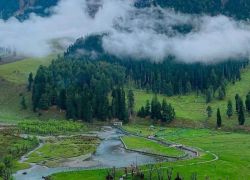
Doodhpathri is a picturesque meadow located in the Budgam district of Jammu and Kashmir, India. Situated at an altitude of 8,957 feet (2,730 meters), it's known for its lush green landscapes and pristine natural beauty. The name "Doodhpathri" translates to "Valley of Milk," referring to the white foam created by the Shaliganga River flowing through its grasslands. This relatively unexplored destination offers breathtaking views of snow-capped mountains, pine forests, and flower-filled meadows. Popular activities in Doodhpathri include trekking, camping, and enjoying the serene atmosphere away from bustling tourist spots.
Explore More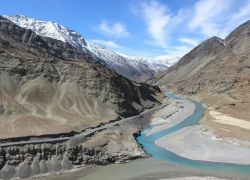
Magnetic Hill, located in Sham Valley, is a mesmerizing tourist attraction that offers a unique experience to visitors. The hill is famous for its gravity-defying phenomenon, where vehicles appear to move uphill on their own. This natural wonder has captivated travelers from around the world, making it a must-visit destination for those exploring the beauty of Sham Valley. History of Magnetic Hill The history of Magnetic Hill dates back to ancient times when it was believed to hold mystical powers. Once a former royal hunting ground, the area has undergone significant conservation efforts to preserve its natural beauty. The hill's recognition by UNESCO has further highlighted its historical and cultural significance. Architecture and Natural Beauty of Magnetic Hill Magnetic Hill is surrounded by lush wetlands, dense forests, and sprawling grasslands that provide a habitat for a diverse range of bird species. The picturesque landscapes offer a perfect backdrop for the historical Keoladeo Temple located within the park, adding to the charm of the place. Why is Magnetic Hill Famous? Magnetic Hill is renowned for its magnetic properties that attract birdwatchers, photographers, nature enthusiasts, and wildlife lovers. The hill's serene environment and unique phenomenon make it a hotspot for those seeking a close encounter with nature. How to Reach Magnetic Hill Traveling to Magnetic Hill is convenient with options available by air, rail, and road. The nearest airports and railway stations provide easy access to the attraction, allowing visitors to embark on a memorable journey to Sham Valley. Weather and Best Time to Visit Magnetic Hill The weather at Magnetic Hill varies across summer, monsoon, and winter seasons, offering different experiences to visitors. The best time to visit is during specific months when the climate is favorable for exploration and sightseeing. Timings of Magnetic Hill Magnetic Hill welcomes visitors at designated timings, ensuring a pleasant and organized experience for all. Seasonal variations may impact the operational hours, so it is advisable to plan your visit accordingly. Entry Fee and Visit Details Entry to Magnetic Hill involves simple procedures, with guide services, safari options, and bicycle rentals available for visitors. The facilities cater to the needs of tourists, enhancing their overall visit experience. Things to Do at Magnetic Hill Visitors to Magnetic Hill can engage in a variety of activities such as birdwatching, photography, cycling, and exploring the walking trails. The site offers ample opportunities for nature observation and educational experiences, making it a delightful destination for all. Interesting Facts About Magnetic Hill Magnetic Hill is home to a remarkable array of migratory birds and boasts a rich biodiversity that underscores its conservation achievements. The ecological importance of the hill serves as a testament to its role in preserving natural heritage. Travel Tips for Visiting Magnetic Hill For a fulfilling visit to Magnetic Hill, it is recommended to pack appropriate clothing, carry essential photography and birdwatching equipment, and be mindful of the best visiting seasons. Practicing responsible tourism ensures the preservation of this natural wonder for future generations. Conclusion In conclusion, Magnetic Hill in Sham Valley stands as a beacon of natural beauty and wonder, attracting travelers with its magnetic allure. The site's historical significance, diverse landscapes, and captivating experiences make it a destination worth exploring for an unforgettable journey amidst nature.
Explore More
Welcome to the majestic Harmukh Mountain located near the enchanting city of Bandipora. This natural wonder is a paradise for nature lovers, offering breathtaking landscapes, rich biodiversity, and a serene environment that captivates the hearts of all who visit. History of Harmukh Mountain The history of Harmukh Mountain is deeply rooted in the region's cultural heritage. This iconic peak has been a significant landmark for centuries, with historical references dating back to ancient times. It holds great spiritual importance for the local communities and has been a symbol of reverence and awe. Architecture and Natural Beauty of Harmukh Mountain The natural beauty surrounding Harmukh Mountain is unparalleled. The lush greenery, crystal-clear lakes, and snow-capped peaks create a mesmerizing backdrop for visitors. The area is home to diverse ecosystems, including wetlands, forests, and grasslands, making it a haven for a variety of flora and fauna. Why is Harmukh Mountain Famous? Harmukh Mountain is renowned for its captivating beauty and diverse wildlife. It is a popular destination for birdwatchers, photographers, and nature enthusiasts who flock to witness the stunning landscapes and unique biodiversity that this natural wonder offers. The mountain's tranquil surroundings and pristine environment make it a must-visit for wildlife lovers. How to Reach Harmukh Mountain Reaching Harmukh Mountain is relatively easy, with convenient travel options available. Visitors can access the area by air, rail, or road, with nearby airports and railway stations providing convenient transportation links. The journey to this natural paradise is as delightful as the destination itself. Weather and Best Time to Visit Harmukh Mountain The weather at Harmukh Mountain varies with the seasons, offering different experiences throughout the year. Summer brings pleasant temperatures, while the monsoon season transforms the landscape into a lush green paradise. Winter blankets the area in snow, creating a magical winter wonderland. The best time to visit depends on personal preferences, but each season has its unique charm. Timings of Harmukh Mountain Harmukh Mountain welcomes visitors during specific timings, ensuring a safe and enjoyable experience for all. Seasonal variations may affect accessibility, so it is advisable to plan your visit accordingly. The timings are designed to provide visitors with ample time to explore and appreciate the beauty of this natural gem. Entry Fee and Visit Details Entry to Harmukh Mountain is subject to certain procedures to ensure the preservation of the delicate ecosystem. Guide services are available for those seeking expert knowledge, while safari options and bicycle rentals offer unique ways to explore the area. Visitor facilities are designed to enhance the overall experience and make your visit memorable. Things to Do at Harmukh Mountain There are plenty of activities to enjoy at Harmukh Mountain, catering to diverse interests. From birdwatching and photography to cycling and walking trails, there is something for everyone to indulge in. Nature observation and educational experiences provide insight into the rich biodiversity and ecological significance of the region. Interesting Facts About Harmukh Mountain Harmukh Mountain is teeming with fascinating facts that highlight its importance in the natural world. From the migratory birds that grace its skies to the conservation efforts that protect its fragile ecosystem, there is much to learn and appreciate about this pristine environment. The mountain stands as a symbol of harmony between man and nature. Travel Tips for Visiting Harmukh Mountain When planning your visit to Harmukh Mountain, consider practical tips to enhance your experience. Dress appropriately for the weather, carry essential photography and birdwatching equipment, and visit during the recommended seasons for the best sightings. Responsible tourism practices ensure the preservation of this natural treasure for future generations to enjoy. Conclusion In conclusion, Harmukh Mountain in Bandipora is a hidden gem waiting to be discovered. Its historical significance, natural beauty, and diverse wildlife make it a top destination for travelers seeking a unique and enriching experience. Whether you are a nature lover, photographer, or simply seeking tranquility in the lap of nature, Harmukh Mountain offers a memorable retreat that will leave you in awe of its timeless charm.
Explore More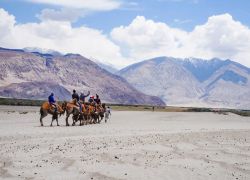
Located in Nubra, the mesmerizing Hunder Sand Dunes offer a unique and enchanting experience for travelers seeking a blend of adventure and natural beauty. These sand dunes, set against the backdrop of the mighty Himalayas, are a hidden gem waiting to be explored in the heart of Ladakh. History of Hunder Sand Dunes The history of Hunder Sand Dunes dates back to ancient times when it served as a former royal hunting ground for the kings of Ladakh. Over the years, this pristine landscape has been conserved for its ecological significance and unique biodiversity, leading to its UNESCO recognition as a vital conservation area. Architecture and Natural Beauty of Hunder Sand Dunes Spread across vast expanses, the Hunder Sand Dunes are not just about the sands but also encompass wetlands, rare forests, and diverse bird habitats. The historical Keoladeo Temple nestled within the dunes adds a touch of spirituality to the natural charm of this region. Why is Hunder Sand Dunes Famous? The Hunder Sand Dunes have gained fame as a haven for birdwatchers, photographers, nature enthusiasts, and wildlife lovers. The rich biodiversity, including migratory birds and unique flora, attracts visitors from around the globe seeking to witness nature's wonders up close. How to Reach Hunder Sand Dunes Traveling to Hunder Sand Dunes is an adventure in itself. Visitors can reach this destination by air through Leh Kushok Bakula Rimpochee Airport, by rail via Jammu Tawi Railway Station, or by road through a scenic journey passing through picturesque landscapes. Weather and Best Time to Visit Hunder Sand Dunes The weather at Hunder Sand Dunes varies greatly with each season. While summers offer pleasant temperatures for exploration, monsoons bring out the lush greenery, and winters transform the dunes into a magical snowy landscape. The best time to visit is during the summer months for comfortable travel. Timings of Hunder Sand Dunes Hunder Sand Dunes welcome visitors throughout the year, with timings varying slightly based on the season. It is advisable to plan your visit during daytime hours to make the most of the natural beauty and activities offered at this remarkable destination. Entry Fee and Visit Details Upon arriving at Hunder Sand Dunes, visitors are greeted with the option to explore the area independently or with the assistance of knowledgeable guides. Safari options, bicycle rentals, and visitor facilities are available to ensure a comfortable and memorable visit for all. Things to Do at Hunder Sand Dunes Engaging in popular activities such as birdwatching, photography, cycling through the dunes, walking trails amidst nature's serenity, and observing the diverse wildlife are some of the many ways to immerse yourself in the enchanting experience offered by Hunder Sand Dunes. Interesting Facts About Hunder Sand Dunes Home to a myriad of migratory birds and boasting a rich biodiversity, Hunder Sand Dunes stand as a testament to successful conservation efforts and the ecological importance of preserving such natural wonders. Visitors can witness firsthand the harmonious coexistence of various species in this fragile ecosystem. Travel Tips for Visiting Hunder Sand Dunes When preparing for a visit to Hunder Sand Dunes, it is essential to pack appropriate clothing for the weather conditions, carry essential photography and birdwatching equipment, plan your trip during the recommended seasons, and uphold responsible tourism practices to ensure the preservation of this pristine environment for future generations. Conclusion In conclusion, a journey to Hunder Sand Dunes in Nubra promises an unforgettable experience filled with natural wonders, unique biodiversity, and a deep connection to the serenity of the Himalayan landscape. Embrace the tranquility, explore the richness of wildlife, and create lasting memories in this picturesque destination that truly embodies the essence of unspoiled beauty.
Explore MoreSrinagar N - Gulmarg N - Srinagar N - Pahalgam 2N - Srinagar N Tour
7 Days/ 6 Night
Srinagar - Gulmarg - Pahalgam
Leh Ladakh Adventure Tour
7 Days/ 6 Night
Leh
LADAKH 5 NIGHTS / 6 DAYS
6 Days/ 5 Night
Leh
Srinagar 1N - Gulmarg 1N - Sonmarg 2N - Srinagar 1N Tour
6 Days/ 5 Night
Srinagar - Sonamarg - Gulmarg
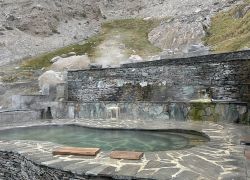
Welcome to the serene oasis of Panamik Hot Springs nestled in the picturesque city of Nubra. This hidden gem in the Ladakh region of India offers a unique experience blending natural beauty with therapeutic hot springs, making it a must-visit destination for travelers seeking relaxation and rejuvenation amidst stunning landscapes. History of Panamik Hot Springs The history of Panamik Hot Springs dates back centuries, known for its natural healing properties and traditional significance among locals. Once a royal retreat and a favored stop for traders on the ancient Silk Route, these hot springs have a rich historical legacy. The conservation efforts to preserve this natural wonder have garnered attention, leading to its recognition as a site of cultural and ecological importance. Architecture and Natural Beauty of Panamik Hot Springs Surrounded by snow-capped peaks and verdant valleys, Panamik Hot Springs offer a tranquil retreat amidst the natural splendor of Nubra. The wetlands, forests, and bird habitats add to the charm of this location, with the historic Keoladeo Temple providing a cultural touch to the landscape. Why is Panamik Hot Springs Famous? Panamik Hot Springs have gained popularity among birdwatchers, photographers, and nature enthusiasts due to their unique blend of natural beauty and therapeutic hot springs. The diverse wildlife and serene ambiance make it a haven for wildlife lovers seeking a peaceful escape in nature. How to Reach Panamik Hot Springs Traveling to Panamik Hot Springs is an adventure in itself. The nearest airport is in Leh, connected by flights from major cities. From Leh, a scenic road journey through picturesque landscapes takes you to Nubra. Alternatively, travelers can opt for the exhilarating experience of the Nubra Valley via the Khardung La Pass, one of the highest motorable roads in the world. Weather and Best Time to Visit Panamik Hot Springs The weather at Panamik Hot Springs varies throughout the year, with summers being pleasant, monsoons bringing occasional showers, and winters offering a snowy wonderland. The best time to visit is during the summer months from May to September when the weather is favorable for exploring the hot springs and surrounding attractions. Timings of Panamik Hot Springs Panamik Hot Springs welcome visitors during specific timings, allowing guests to enjoy the therapeutic benefits of the hot springs in a tranquil setting. The timings may vary seasonally, so it is advisable to check before planning your visit to make the most of your experience. Entry Fee and Visit Details Visitors to Panamik Hot Springs can indulge in the soothing hot springs by following the entry procedures. Guide services are available for those interested in learning more about the area, while safari options and bicycle rentals offer unique ways to explore the surroundings. Visitor facilities ensure a comfortable stay amidst nature's bounty. Things to Do at Panamik Hot Springs At Panamik Hot Springs, there is no shortage of activities to engage in. From birdwatching and photography to cycling and nature walks, visitors can immerse themselves in the beauty of the surroundings. The walking trails offer a chance to connect with nature, while educational experiences provide insights into the local ecosystem. Interesting Facts About Panamik Hot Springs Panamik Hot Springs are not just a natural wonder but also a hub of biodiversity. The region's migratory birds, conservation efforts, and ecological significance make it a fascinating destination for eco-conscious travelers. The conservation achievements in preserving this unique ecosystem add to its allure. Travel Tips for Visiting Panamik Hot Springs When visiting Panamik Hot Springs, it is advisable to dress in layers to accommodate the changing weather conditions. Carrying photography equipment and binoculars can enhance your birdwatching experience, while visiting during the recommended seasons ensures a memorable trip. Responsible tourism practices help in preserving the beauty of this natural paradise. Conclusion In conclusion, Panamik Hot Springs in Nubra offer a harmonious blend of natural beauty, cultural heritage, and therapeutic relaxation. Whether you are a nature enthusiast, wildlife lover, or simply seeking a peaceful retreat, this destination promises an unforgettable experience amidst the tranquil landscapes of Ladakh. Explore the wonders of Panamik Hot Springs and immerse yourself in the serenity of this hidden oasis in the heart of the Himalayas.
Explore More