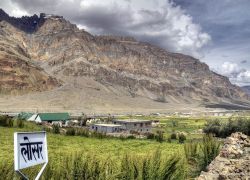
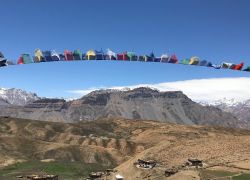
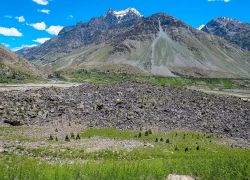
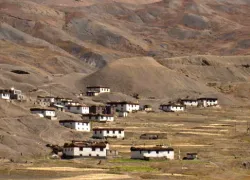
"A pristine river flowing through stunning landscapes"
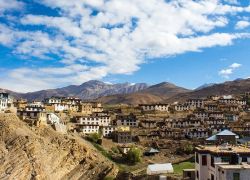
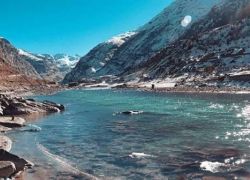
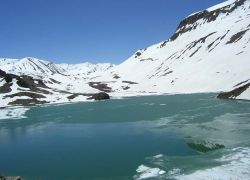
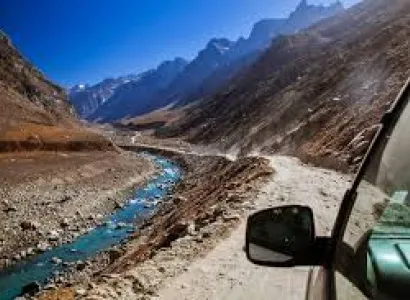
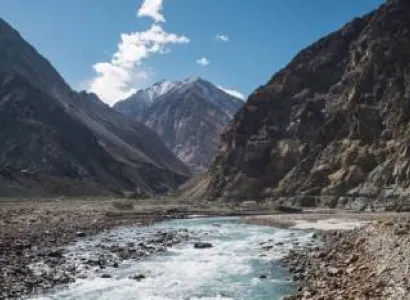
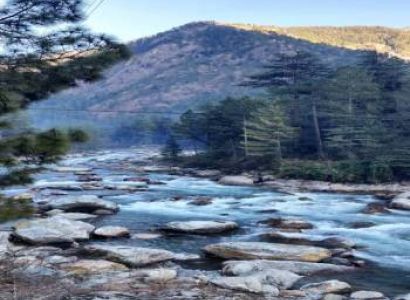
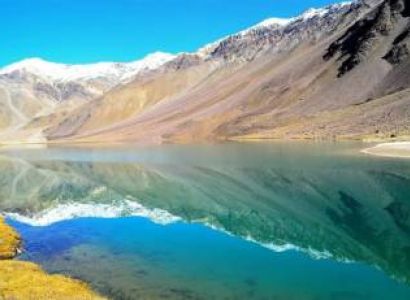
Darcha, a picturesque town in India, is home to the stunning Bhaga River, a natural wonder that attracts tourists from all over the world. The Bhaga River is renowned for its pristine beauty, rich biodiversity, and unique ecosystem, making it a must-visit destination for nature lovers and adventure enthusiasts.
History of Bhaga River
The Bhaga River holds historical significance as it has been a vital water source for the local communities for centuries. Once a crucial lifeline for the region, the river has also played a role in the cultural and economic development of the area. Today, efforts are being made to conserve and protect the Bhaga River, with various initiatives in place to ensure its sustainability and preservation.
Architecture and Natural Beauty of Bhaga River
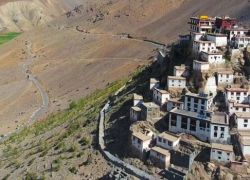
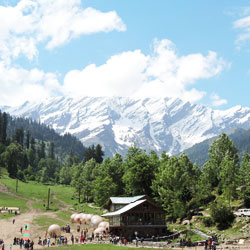
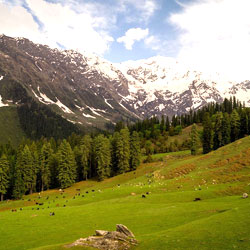
The Bhaga River is surrounded by lush wetlands, dense forests, and vast grasslands, creating a diverse and vibrant natural environment. Home to a variety of bird species and other wildlife, the river offers a unique opportunity for visitors to immerse themselves in nature. The historical Keoladeo Temple, located along the banks of the river, adds a touch of architectural beauty to the picturesque landscape.
Why is Bhaga River Famous?
The Bhaga River is famous for its incredible biodiversity, making it a paradise for birdwatchers, photographers, and wildlife enthusiasts. Visitors flock to the river to witness the diverse range of bird species that call this area home, as well as to experience the tranquility and beauty of the surrounding natural habitat.
How to Reach Bhaga River
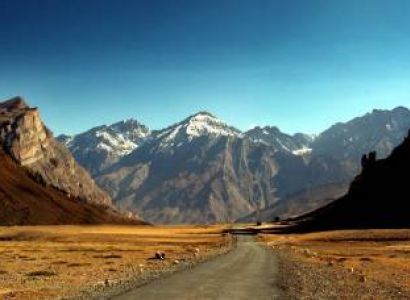
Travelling to Bhaga River is convenient, with options available by air, rail, and road. The nearest airports are located in the surrounding cities, providing easy access to the region. For those opting for a train journey, several railway stations are within a reachable distance. By road, well-maintained highways offer a scenic route to Darcha, where the Bhaga River flows.
Weather and Best Time to Visit Bhaga River
The weather at Bhaga River varies throughout the year, with distinct summer, monsoon, and winter seasons. The best time to visit is during the moderate temperatures of spring and autumn when the natural beauty of the river is at its peak, offering visitors a pleasant and enjoyable experience.
Timings of Bhaga River
The Bhaga River welcomes visitors throughout the year, with timings varying based on seasonal conditions. It is advisable to check ahead for any specific timings or restrictions that may be in place during your visit. Planning your trip accordingly will ensure a smooth and memorable experience at this natural hotspot.
Entry Fee and Visit Details
Entry to the Bhaga River may be subject to certain procedures and fees, depending on the designated entry points. Guide services are available for visitors who wish to explore the area in more detail, while safari options and bicycle rentals offer unique ways to experience the river and its surroundings. Visitor facilities are also provided to ensure a comfortable and enjoyable visit.
Things to Do at Bhaga River
There are plenty of activities to engage in at Bhaga River, including birdwatching, photography, cycling, and walking trails. Nature enthusiasts can enjoy observing the diverse wildlife and plant species that thrive in this ecosystem, while educational experiences provide valuable insights into the importance of conservation and environmental protection.
Interesting Facts About Bhaga River
Bhaga River is home to a wide range of migratory birds, adding to its ecological importance and biodiversity. Conservation efforts have been successful in preserving the natural habitat and ensuring the sustainability of the river ecosystem. These achievements make Bhaga River a significant landmark in the region and a testament to the importance of environmental conservation.
Travel Tips for Visiting Bhaga River
When visiting Bhaga River, it is recommended to dress appropriately for the weather and terrain, carry essential photography equipment for capturing the natural beauty, and be mindful of the best seasons for birdwatching and wildlife observation. Practicing responsible tourism by respecting the environment and local communities is essential for preserving the integrity of this natural hotspot.
Conclusion
In conclusion, Bhaga River in Darcha is a hidden gem waiting to be explored. With its rich history, stunning natural beauty, and diverse wildlife, this destination offers a unique and unforgettable experience for all visitors. Whether you are a nature lover, a photographer, or simply seeking tranquility in the lap of nature, Bhaga River promises an enriching and immersive journey that will leave you in awe of its beauty and significance.












Lahaul & Spiti
Lahaul & Spiti
Lahaul & Spiti
Lahaul & Spiti
Lahaul & Spiti
Lahaul & Spiti
Lahaul & Spiti
Lahaul & Spiti
Lahaul & Spiti
Lahaul & Spiti