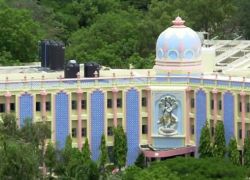
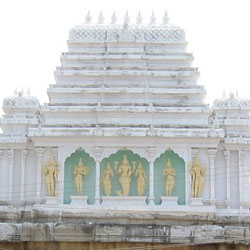
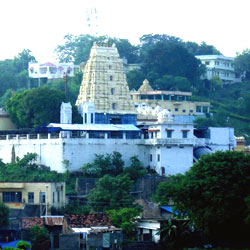
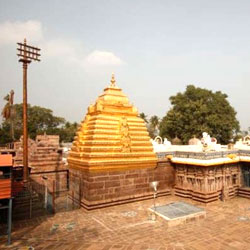
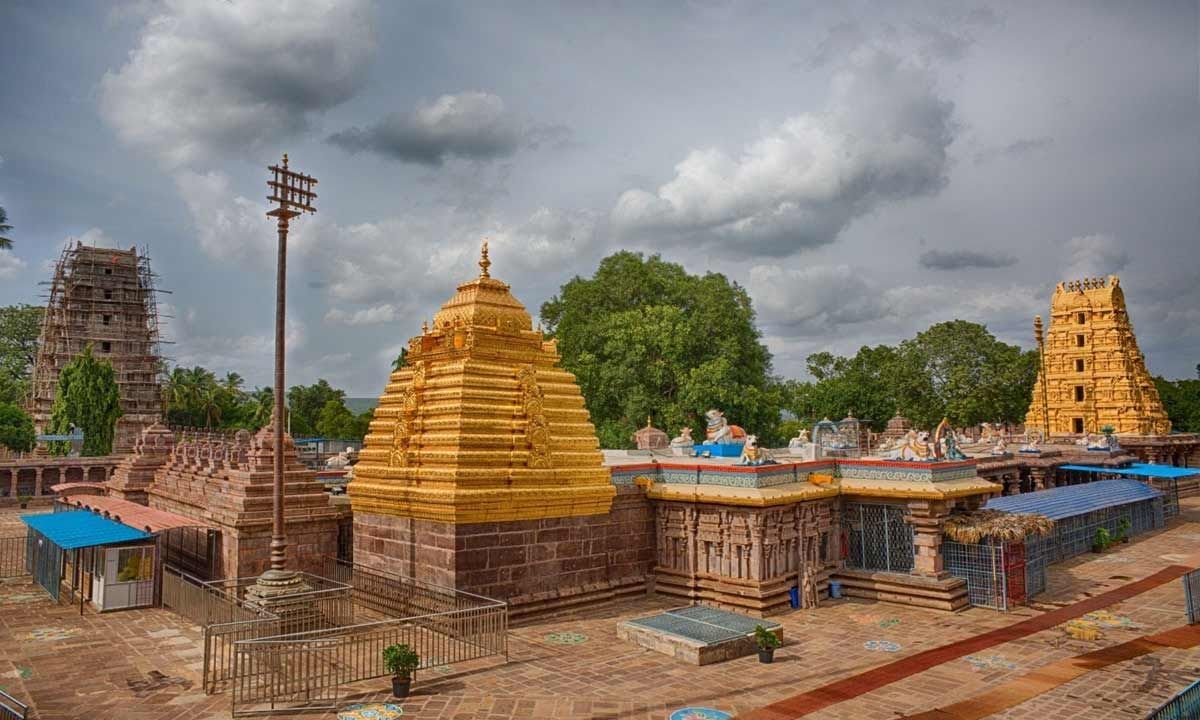
"Explore the stunning architecture of ancient temples."
The Gopuram in Puttaparthi, Andhra Pradesh, is an important architectural and spiritual landmark associated with the sacred town of Prasanthi Nilayam. A gopuram is a traditional South Indian temple gateway tower, and the Gopuram at Puttaparthi stands as a symbolic entrance that welcomes devotees and visitors into a space of spirituality, discipline, and devotion. It reflects the deep-rooted temple culture of South India and adds to the spiritual charm of Puttaparthi, which is known worldwide as the birthplace of Bhagawan Sri Sathya Sai Baba. Visitors often pause at the Gopuram to admire its design and to mentally prepare themselves for the peaceful atmosphere that lies beyond.
Why Gopuram, Puttaparthi, Andhra Pradesh Is Famous
The Gopuram in Puttaparthi is famous for its religious and cultural significance rather than sheer size or grandeur. It serves as a spiritual gateway and symbolizes the transition from the material world to a sacred space. Devotees believe that passing through the Gopuram is an act of humility and reverence. The structure is closely associated with the Prasanthi Nilayam Ashram area and is admired for representing traditional temple architecture combined with spiritual discipline. Its presence enhances the devotional environment of Puttaparthi and is often photographed by visitors as a symbol of their spiritual journey.
History of Gopuram, Puttaparthi
The history of the Gopuram in Puttaparthi is closely linked with the development of the town as a major spiritual center. As Puttaparthi grew in importance due to the presence of Sri Sathya Sai Baba and Prasanthi Nilayam, traditional temple elements such as the Gopuram were established to maintain cultural continuity. The Gopuram was designed to reflect ancient South Indian temple traditions while fitting into the serene and disciplined environment of the ashram town. Over time, it became a recognizable landmark and a silent witness to the millions of devotees who have passed through it.
Architecture of Gopuram, Puttaparthi
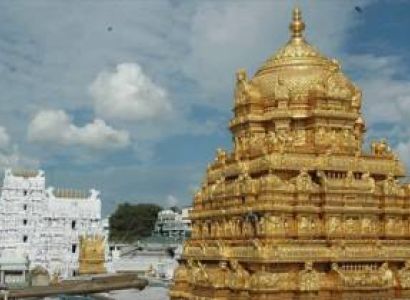
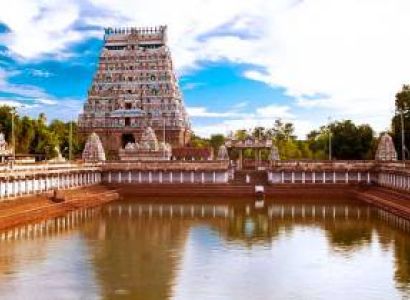
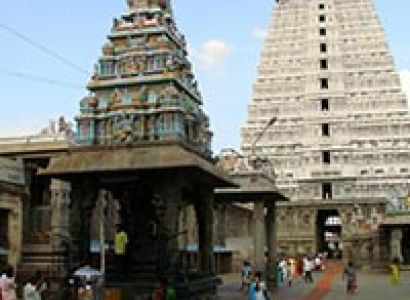
The architecture of the Gopuram in Puttaparthi follows classic South Indian temple design principles. It features a tall, pyramid-like structure with multiple tiers that gradually reduce in size as they rise upward. Decorative elements such as traditional motifs, sculpted patterns, and symbolic designs add to its beauty, though the overall style remains simple and dignified. The Gopuram is designed not to overwhelm visitors but to inspire reverence and calmness. Its colors and proportions blend harmoniously with the surrounding spiritual environment, reflecting balance and discipline.
Entry and Visit Details about Gopuram, Puttaparthi, Andhra Pradesh
There is no separate entry fee to visit the Gopuram in Puttaparthi, as it is part of the larger spiritual complex. Visitors are free to walk through and admire the structure while entering nearby spiritual areas. As it is a sacred gateway, visitors are expected to maintain discipline, silence, and respectful behavior. Footwear may need to be removed depending on the specific area beyond the Gopuram. Photography is generally allowed from outside, but visitors should follow local guidelines and instructions from volunteers or security staff.
Timings of Gopuram, Puttaparthi
The Gopuram itself does not have fixed opening or closing times, as it functions as an entrance structure. However, access through the Gopuram depends on the timings of the surrounding spiritual and ashram areas. These timings usually start early in the morning and extend into the evening. During festivals or special events, access hours may change. Visitors are advised to check local notices or inquire at information centers for updated timings.
Weather in Puttaparthi, Andhra Pradesh
Puttaparthi experiences a generally warm climate throughout the year. Summers, from March to June, can be quite hot, especially during midday hours. The monsoon season, from July to September, brings moderate rainfall and slightly cooler temperatures. Winter, from October to February, is the most pleasant season, with mild weather suitable for walking and sightseeing. Winter is considered the best time to comfortably visit the Gopuram and other attractions in Puttaparthi.
How to Reach Gopuram, Puttaparthi
The Gopuram is located within the main spiritual area of Puttaparthi and is easily accessible. The nearest airport is Sri Sathya Sai Airport, which offers limited domestic connectivity. Prasanthi Nilayam Railway Station is the closest railway station, while Dharmavaram Junction serves as a major rail hub nearby. Regular buses and taxis operate from cities such as Bengaluru, Anantapur, and Hyderabad. Within Puttaparthi, local transport like auto-rickshaws or walking can easily take visitors to the Gopuram.
Things to Do at Gopuram, Puttaparthi
Visitors can admire the traditional architecture and take time to understand the symbolic meaning of the Gopuram. Many devotees pause briefly to offer a silent prayer before passing through. Photography of the structure from appropriate areas is a popular activity. The Gopuram also serves as a starting point for exploring nearby spiritual attractions such as Prasanthi Nilayam, museums, and temples. Observing the calm discipline of devotees around the Gopuram adds to the overall spiritual experience.
Interesting Facts about Gopuram, Puttaparthi
An interesting fact about the Gopuram in Puttaparthi is that it emphasizes simplicity and spiritual purpose rather than elaborate decoration. It stands as a symbol of humility and respect, reminding visitors to leave behind worldly distractions. The Gopuram has witnessed generations of devotees from different countries, cultures, and religions. It represents the idea that s










Puttaparthi
Puttaparthi
Puttaparthi
Puttaparthi
Puttaparthi
Puttaparthi
Puttaparthi