"Uncover the mysteries of ancient temple ruins."
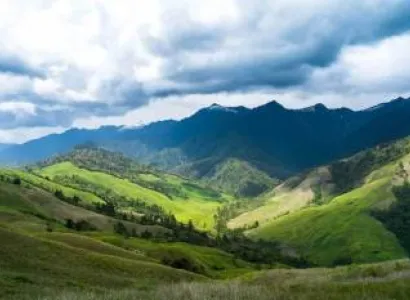
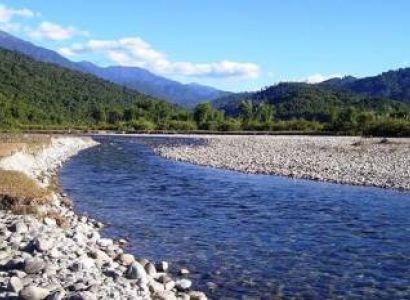
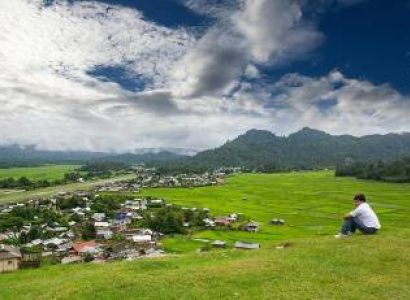
Malinithan is an important historical and archaeological site located in the Siang region of Arunachal Pradesh, near the Assam–Arunachal border. It is one of the most significant ancient heritage sites in the state, known for its beautifully carved stone ruins, religious importance, and connection to Hindu mythology. Surrounded by green hills, forests, and quiet villages, Malinithan offers visitors a rare combination of history, spirituality, and natural beauty.
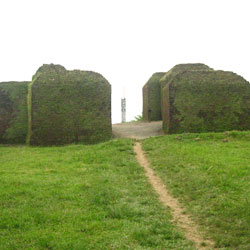
The site is believed to be associated with Goddess Malini, a form of Goddess Durga, and holds a special place in local folklore as well as Hindu legends. Although much of the original structure is now in ruins, the remaining stone sculptures, pillars, and foundations clearly indicate the grandeur of the temple complex that once stood here. Today, Malinithan is protected as an archaeological site and attracts history lovers, pilgrims, and travelers exploring the cultural roots of Arunachal Pradesh.
How to Reach Malinithan
Malinithan is located near Likabali town in the Lower Siang area, making it easily accessible from both Assam and Arunachal Pradesh.
By Air: The nearest airport is Dibrugarh Airport in Assam, approximately 150 km away. Dibrugarh is well connected with major Indian cities such as Guwahati, Kolkata, and Delhi. From the airport, taxis can be hired to reach Likabali and then Malinithan.
By Train: The nearest major railway station is Dibrugarh Railway Station. From the station, visitors can travel by road to Likabali using taxis or shared vehicles.
By Road: Malinithan is about 6 km from Likabali and is well connected by road. Likabali itself is connected to Pasighat, Itanagar, and Assam towns by regular bus and taxi services. The final stretch to Malinithan is scenic and easy to navigate.
Indian tourists must carry a valid Inner Line Permit (ILP) to enter Arunachal Pradesh. Foreign tourists require a Protected Area Permit (PAP).
Weather at Malinithan
Malinithan experiences a pleasant climate for most of the year, influenced by its low altitude and surrounding greenery.
Summer (March to June): Summers are warm, with temperatures ranging between 22°C and 35°C. Mornings and evenings are comfortable, making sightseeing enjoyable.
Monsoon (July to September): Monsoon brings heavy rainfall, which enhances the greenery but may make travel slightly difficult due to slippery paths.
Winter (October to February): Winters are mild and pleasant, with temperatures ranging from 12°C to 25°C. This is considered the best time to visit Malinithan.
Timing to Visit Malinithan
Malinithan is open to visitors during daylight hours.
Visiting Hours: 8:00 AM to 5:00 PM
It is best to visit during the morning or early afternoon to explore the ruins comfortably and enjoy the peaceful surroundings.
Why Malinithan is Famous
Malinithan is famous for its ancient temple ruins and mythological significance. According to legend, this was the place where Lord Krishna halted while taking Rukmini from her parental home. It is believed that Goddess Malini welcomed them by showering flowers, and the place was named after her.
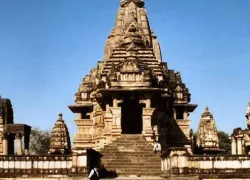
The site is also well known for its finely carved stone sculptures depicting deities, animals, and floral patterns. These carvings showcase the artistic excellence of ancient craftsmen and indicate strong influences of early Hindu temple architecture.
Malinithan stands out as one of the few archaeological sites in Arunachal Pradesh that clearly reflects the region’s ancient cultural connections with the plains of India.
Entry and Visit Details
There is no entry fee to visit Malinithan. The site is maintained by the Archaeological Survey of India and local authorities.
Visitors are free to explore the area, but climbing on the ruins or damaging the structures is strictly prohibited. Photography is generally allowed for personal use.
History and Architecture
Historically, Malinithan is believed to date back to the 10th–14th century. Archaeological studies suggest that the temple complex was built during a period when Hinduism had a strong presence in the region.
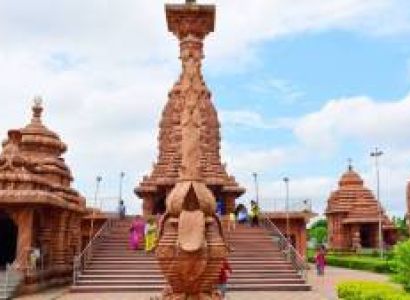
The ruins include stone pillars, carved panels, images of deities, and decorative motifs. Sculptures of Lord Indra riding Airavata, lions, elephants, and floral designs can still be seen scattered across the site.
The architecture reflects a blend of early North Indian temple styles, adapted to local materials and craftsmanship. Though time and nature have damaged much of the structure, the remaining ruins still convey the site’s historical importance and artistic value.
Things to Do at Malinithan
Explore the Ruins: Walk through the ancient temple remains and admire the stone carvings.
Photography: Capture images of sculptures, pillars, and the scenic surroundings.
Learn History: Understand the mythological and archaeological significance of the site.
Nature Walks: Enjoy peaceful walks around the site amidst greenery.
Spiritual Reflection: Spend quiet moments reflecting at this sacred and historical place.
Interesting Facts about Malinithan
Malinithan is associated with the legend of Lord Krishna and Rukmini.
The site is named after Goddess Malini.
It is one of the most important archaeological sites in Arunachal Pradesh.
The sculptures show strong Hindu artistic influence.
Malinithan is protected by the Archaeological Survey of India.
Tips for Visiting Malinithan
Visit during winter or early summer for comfortable weather.
Wear comfortable footwear, as walking is required.
Do not touch or climb the ancient structures.
Carry drinking water and basic essentials.
Respect the religious and historical importance of the site.
Keep the area clean and avoid littering.
Conclusion
Malinithan in the Siang region of Arunachal Pradesh is a remarkable destination that highlights the state’s ancient history, mythological connections, and artistic heritage. With its serene atmosphere, beautiful stone carvings, and cultural significance, Malinithan offers a meaningful and enriching experience for travelers interested in history, spirituality, and offbeat destinations. It stands as a silent reminder of Arunachal Pradesh’s deep-rooted cultural past.