"Discover the serene beauty of untouched nature."
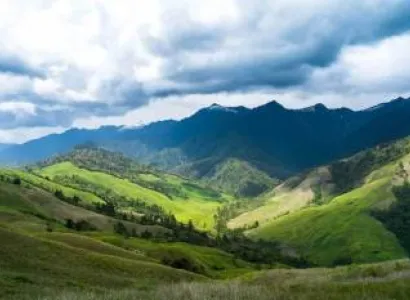
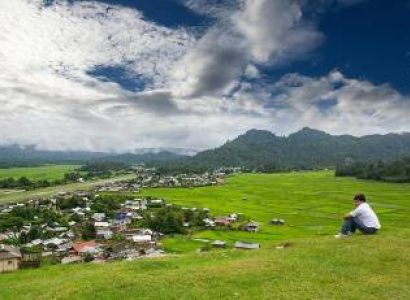
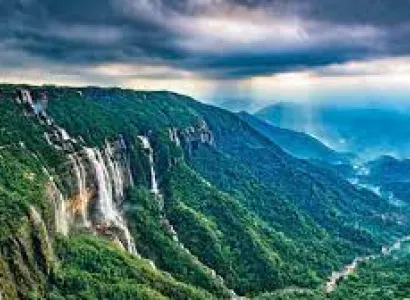
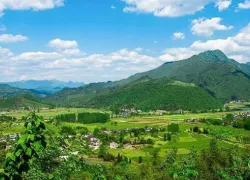
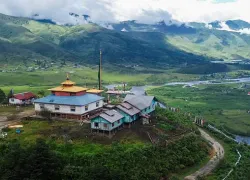
Mechuka is a beautiful and remote valley town located in the Siang region of Arunachal Pradesh, close to the India–China border. Often described as one of the hidden gems of Northeast India, Mechuka is known for its wide green valleys, snow-capped mountains, crystal-clear rivers, wooden houses, and peaceful Buddhist culture. Officially known as Menchukha, which means “place with medicinal water,” this scenic destination offers a perfect mix of natural beauty, history, and tribal traditions.
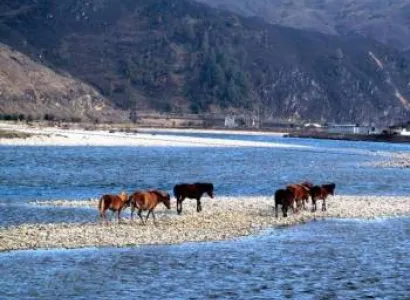
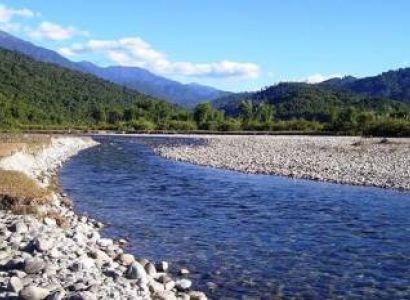
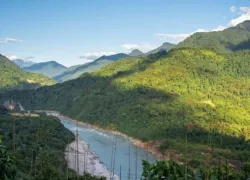
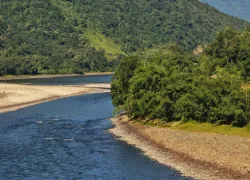
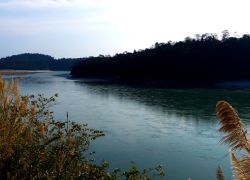
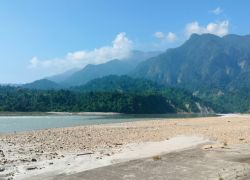
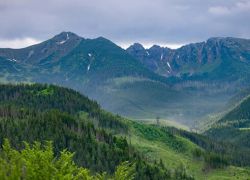
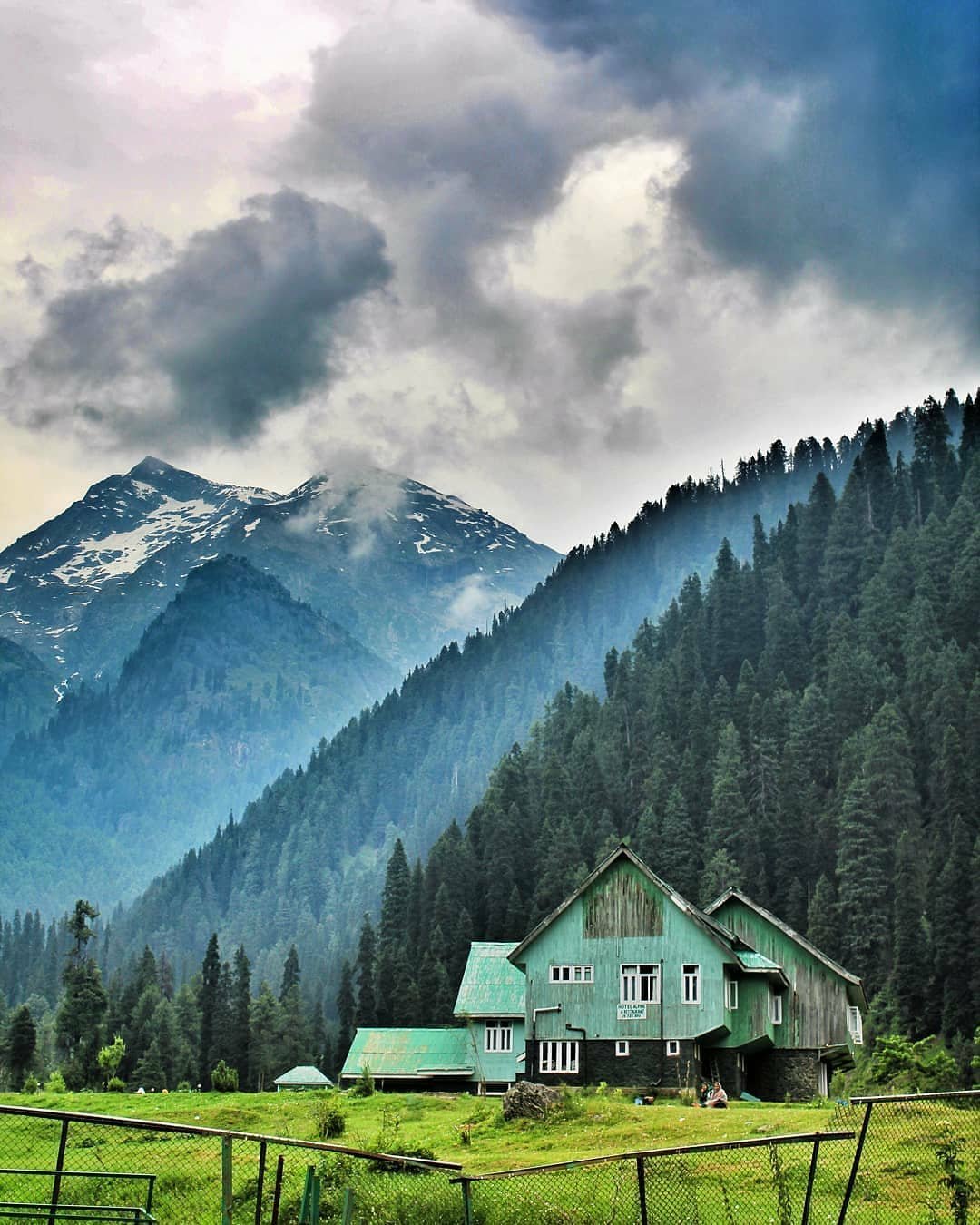
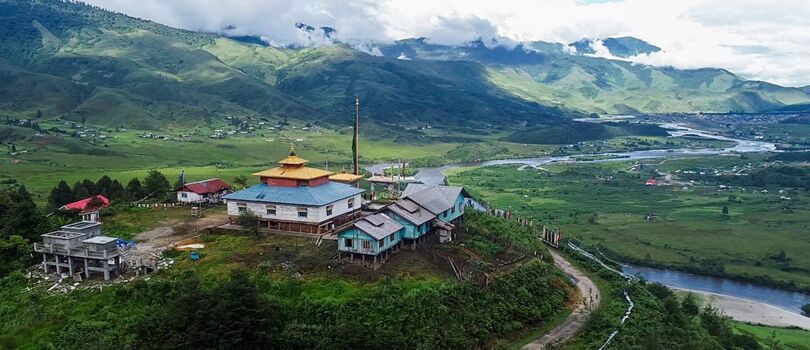
Situated at an altitude of around 6,000 feet above sea level, Mechuka is surrounded by pine forests, rolling meadows, and the flowing Siyom River. The area is inhabited mainly by the Memba tribe, who follow Tibetan Buddhism and have preserved their traditional lifestyle for generations. Due to its untouched charm and calm atmosphere, Mechuka is slowly emerging as a favorite destination for travelers seeking offbeat and less crowded places.
How to Reach Mechuka
Reaching Mechuka requires some effort, but the journey itself is extremely scenic and rewarding.
By Air: The nearest airport is Dibrugarh Airport in Assam, located about 450 km from Mechuka. Dibrugarh is well connected to major Indian cities like Guwahati, Kolkata, and Delhi. From the airport, travelers need to continue their journey by road.
By Train: The nearest major railway station is Dibrugarh Railway Station in Assam. From there, taxis and shared vehicles are available to reach Pasighat or Along (Aalo), which serve as transit points to Mechuka.
By Road: Mechuka can be reached by road from Aalo (Along), which is about 180 km away. The road journey passes through dense forests, rivers, and mountain villages. Although the road conditions can be challenging in some stretches, the views make the long drive worthwhile.
An Inner Line Permit (ILP) is mandatory for Indian tourists to enter Arunachal Pradesh. Foreign nationals require a Protected Area Permit (PAP).
Weather in Mechuka
Mechuka experiences a pleasant mountain climate throughout most of the year.
Summer (March to June): Summers are cool and comfortable, with temperatures ranging between 10°C and 25°C. This is an ideal time for sightseeing, trekking, and exploring the valley.
Monsoon (July to September): The region receives moderate to heavy rainfall during monsoon. The landscape becomes lush and green, but landslides and roadblocks may occur, making travel difficult.
Winter (October to February): Winters are cold, with temperatures dropping close to 0°C. Snowfall can be seen in nearby higher areas, adding to the charm of the valley. This season is perfect for travelers who enjoy cold weather and quiet surroundings.
Best Time and Timing to Visit Mechuka
Mechuka is accessible throughout the year, but the best time to visit is from October to April.
Ideal Visiting Hours: 6:00 AM to 7:00 PM
Daytime is best for sightseeing and outdoor activities, while evenings offer peaceful moments with stunning sunset views over the valley.
Why Mechuka is Famous
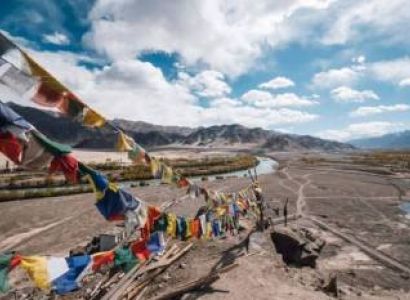
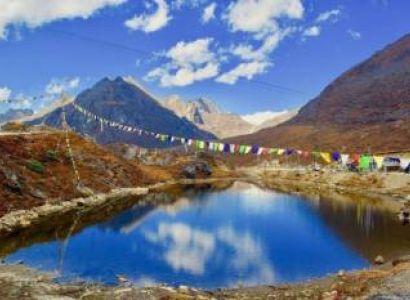
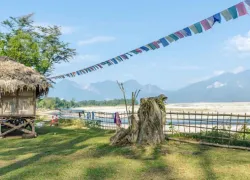
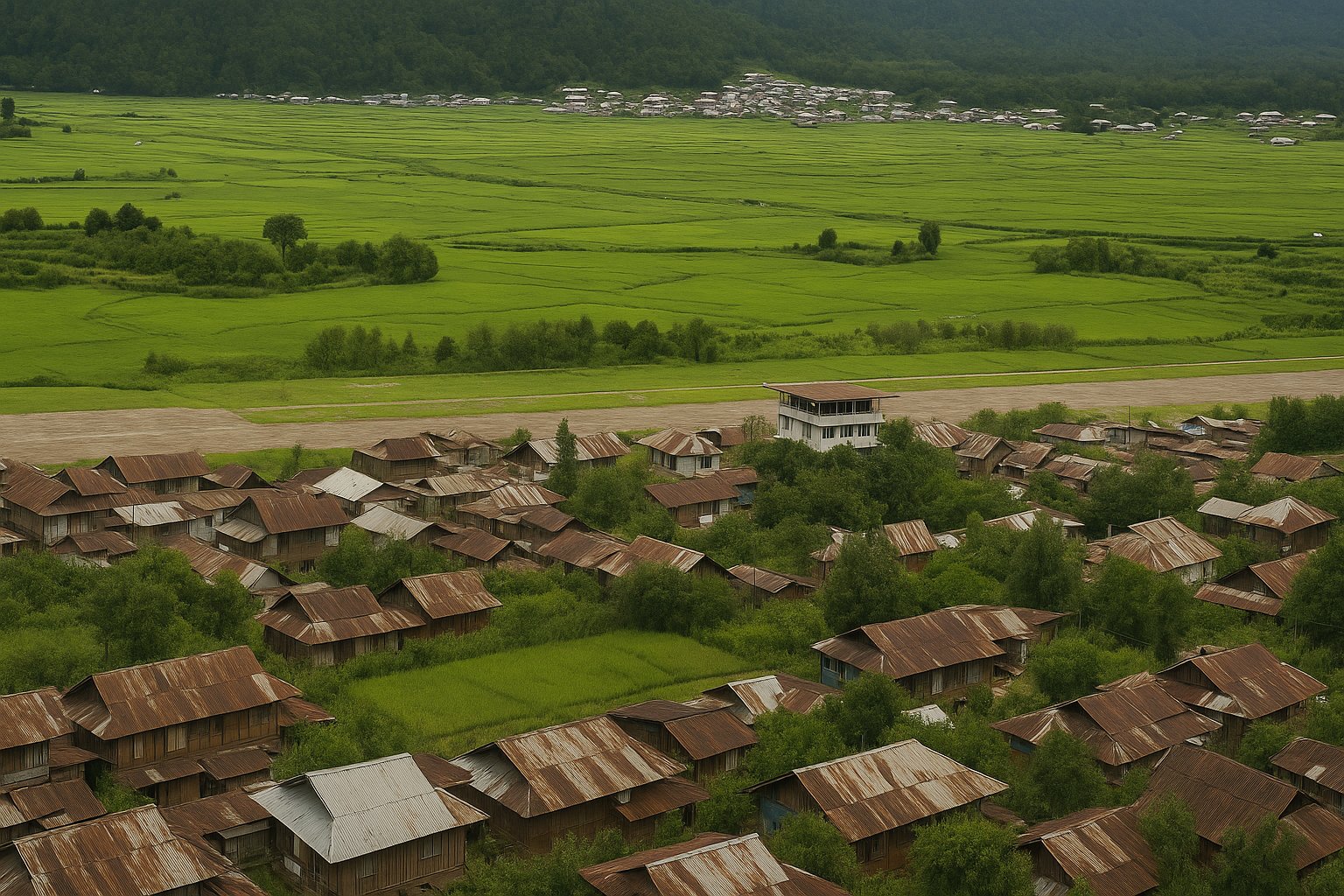
Mechuka is famous for its untouched natural beauty and unique cultural identity. The wide open valley, dotted with wooden houses and prayer flags, gives the place a strong Tibetan influence.
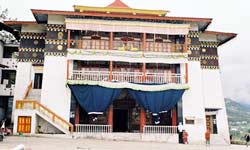
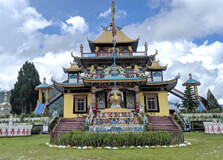
The town is also known for the ancient Samten Yongcha Monastery, believed to be over 400 years old. This monastery is an important spiritual center for the local Buddhist community.
Mechuka gained wider attention after the Indian Air Force advanced landing ground was developed here, improving connectivity while still maintaining the region’s peaceful character.
Entry and Visit Details
There is no entry fee to visit Mechuka town. However, travelers must carry valid permits.
Entry Requirements:
• Inner Line Permit (ILP) for Indian tourists
• Protected Area Permit (PAP) for foreign tourists
Local guides are not mandatory but are highly recommended for exploring nearby villages and trekking routes.
History and Architecture
Historically, Mechuka was an important cultural and trade center along ancient Himalayan routes connecting Tibet and India. The region has seen influences from Tibetan Buddhism for centuries, which is clearly reflected in its religious practices and architecture.
The architecture of Mechuka is simple yet charming. Traditional houses are built using wood and bamboo, designed to withstand cold weather. The Samten Yongcha Monastery stands as a fine example of Tibetan-style architecture, featuring prayer wheels, colorful murals, and a peaceful meditation hall.
Things to Do in Mechuka
Visit Samten Yongcha Monastery: Experience peace and spiritual calm at this historic Buddhist monastery.
Explore Mechuka Valley: Walk through open meadows and enjoy panoramic mountain views.
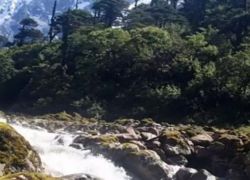
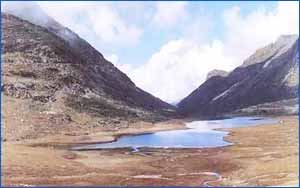
River Siyom: Spend time near the river, enjoy photography, and relax by its clear waters.
Trekking: Go on short treks to nearby villages and hilltops.
Village Walks: Interact with local Memba tribes and learn about their lifestyle and traditions.
Camping: Camp under the stars for an unforgettable nature experience.
Interesting Facts about Mechuka
Mechuka is also spelled as Menchukha.
The name means “place with medicinal water.”
The town lies close to the India–China border.
Mechuka has its own Indian Air Force landing ground.
The region follows Tibetan Buddhism.
Tips for Visiting Mechuka
Carry warm clothes, even in summer.
Keep extra travel days due to unpredictable weather.
Carry cash, as ATMs are limited.
Respect local customs and religious sites.
Avoid plastic use and keep the environment clean.
Mobile network connectivity may be limited.
Conclusion
Mechuka in the Siang region of Arunachal Pradesh is a perfect destination for travelers looking to escape crowded tourist spots and experience pure natural beauty and rich culture. With its peaceful valleys, ancient monasteries, friendly locals, and breathtaking landscapes, Mechuka offers a memorable and soulful travel experience that stays with visitors long after they leave.