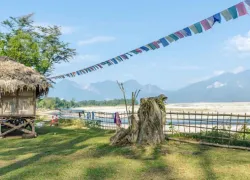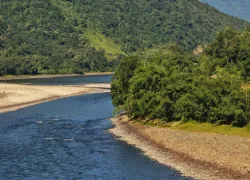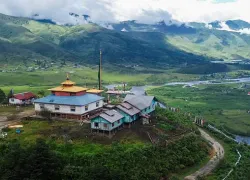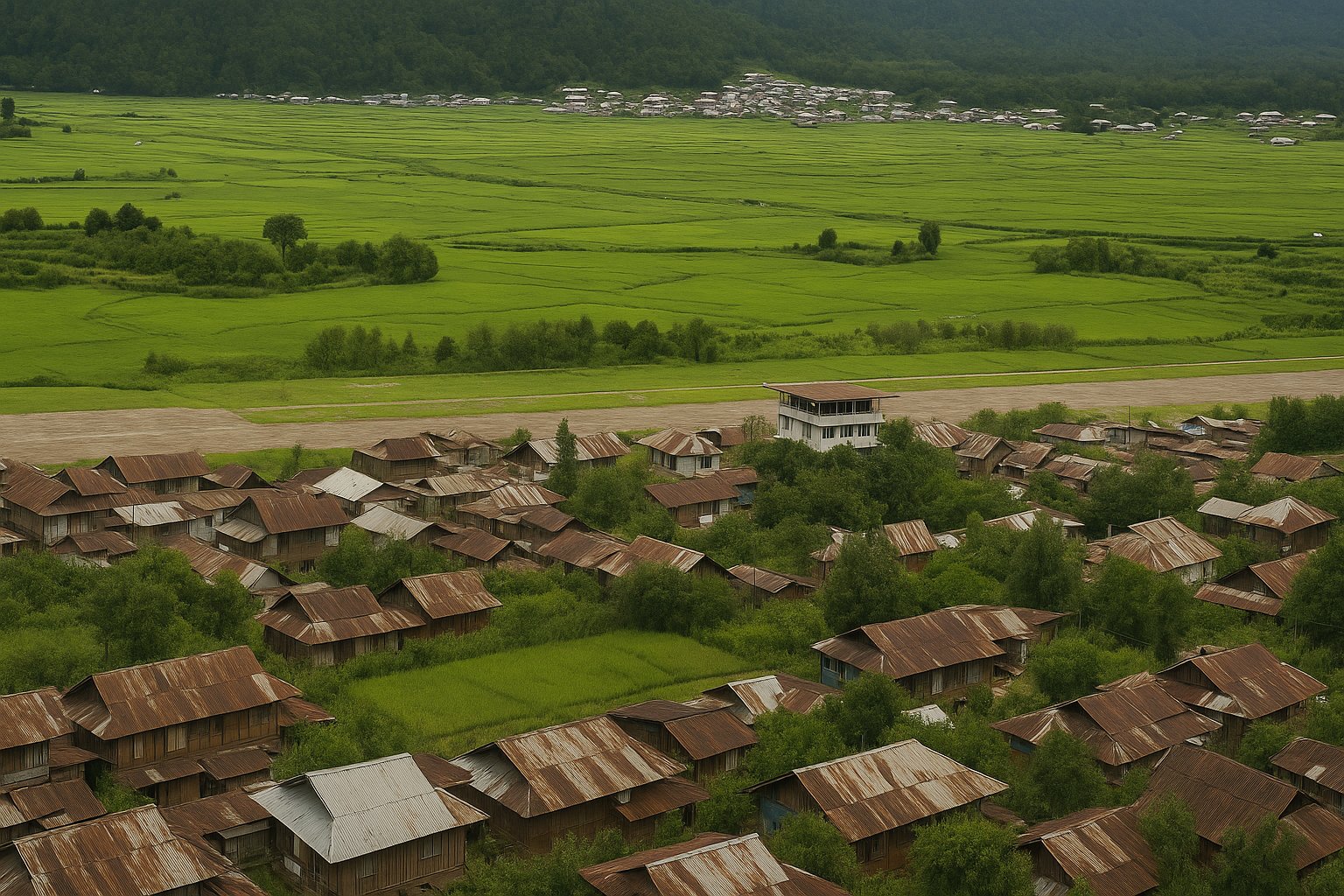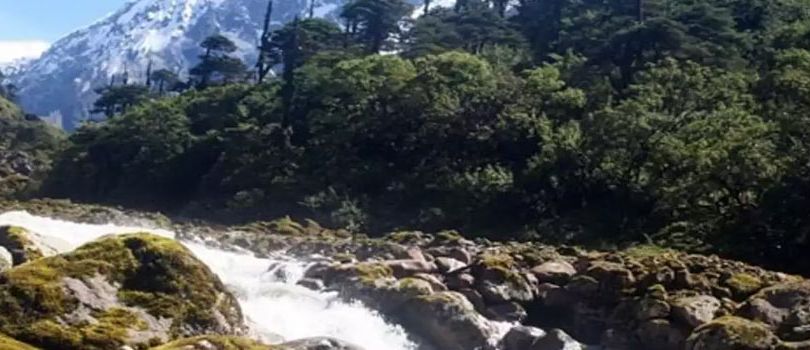
"Experience breathtaking biodiversity and serene landscapes."
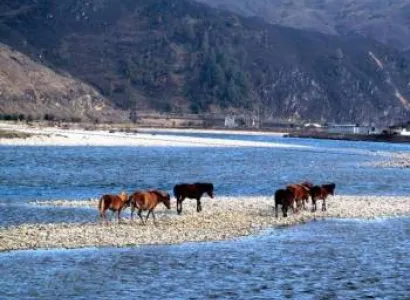
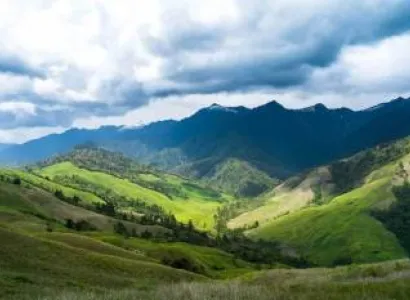
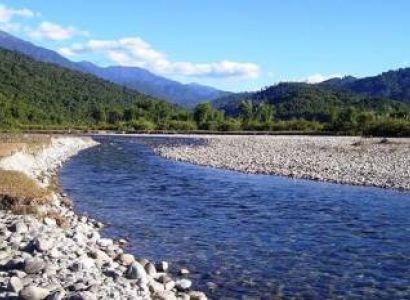
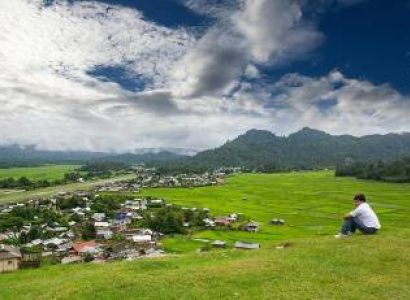
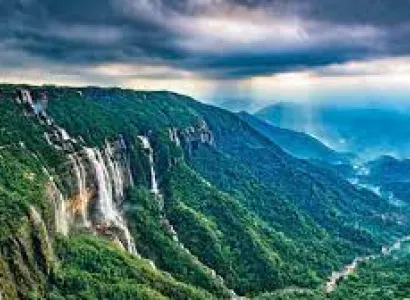
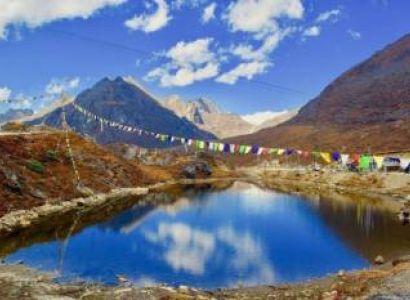
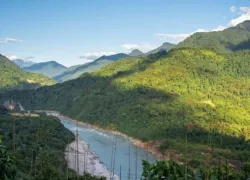
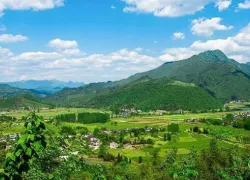
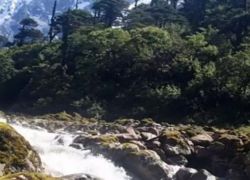
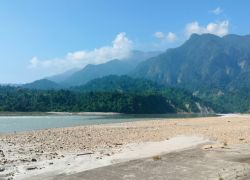
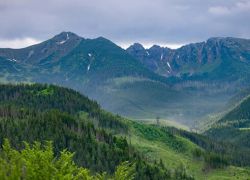
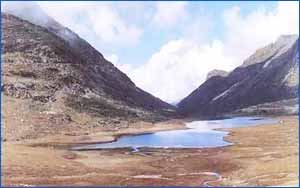
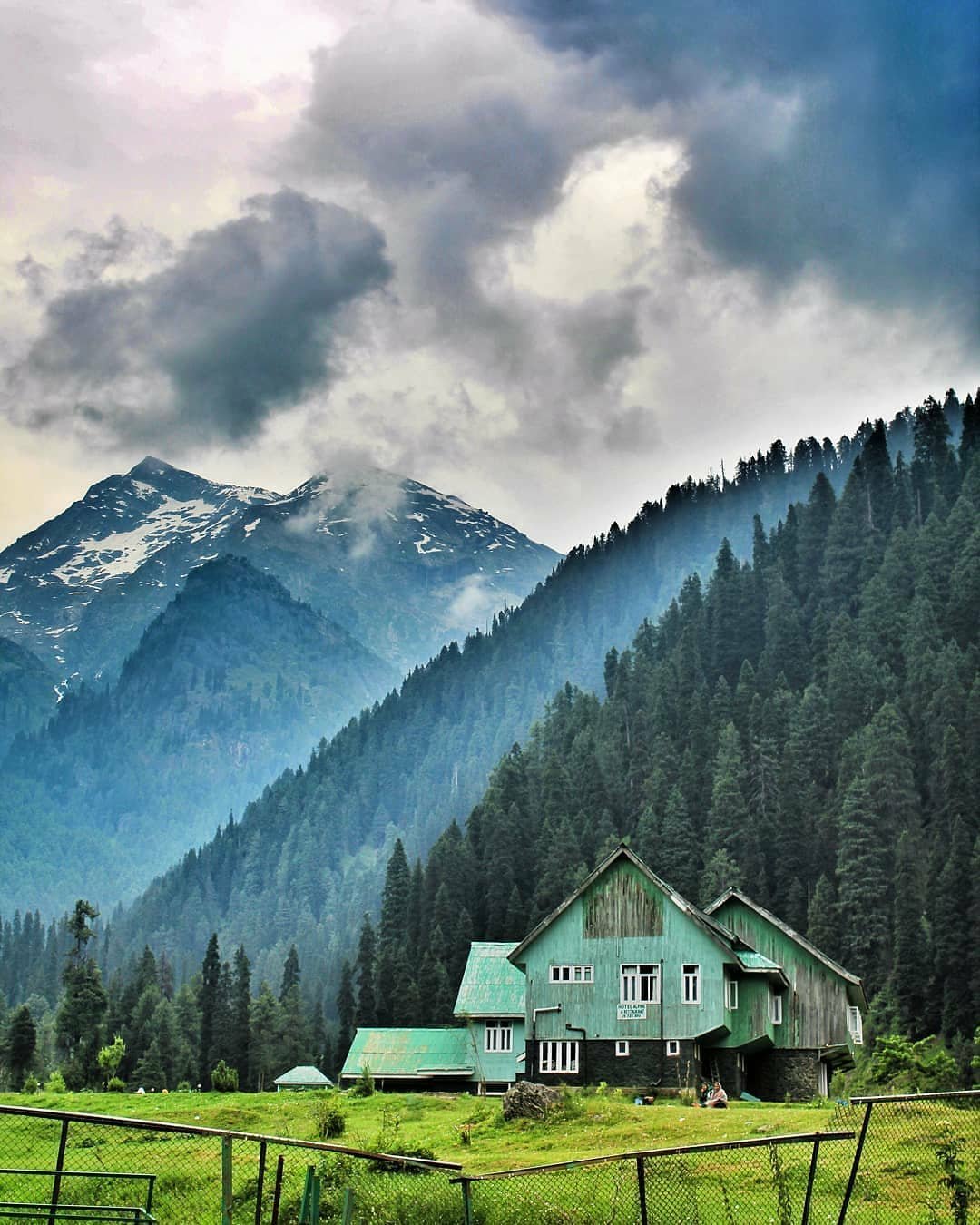
Mouling National Park is one of the largest and most pristine protected areas in Arunachal Pradesh, located in the Upper Siang district of the Siang region. Spread across vast stretches of dense forests, rugged mountains, deep valleys, and river systems, the park is a true representation of the untouched natural beauty of the Eastern Himalayas. Known for its rich biodiversity, rare wildlife species, and scenic landscapes, Mouling National Park is a paradise for nature lovers, wildlife enthusiasts, and adventure seekers.
The park derives its name from “Mouling,” which refers to the nearby Mouling Peak, a prominent mountain in the region. Due to its remote location and limited human interference, Mouling National Park remains one of the least disturbed ecosystems in India, offering visitors an authentic wilderness experience.
How to Reach Mouling National Park
Reaching Mouling National Park requires careful planning, as it is located in a remote part of Arunachal Pradesh.
By Air: The nearest airport is Dibrugarh Airport in Assam, located approximately 200–220 km away. It is well connected to major cities like Guwahati, Kolkata, and Delhi. From Dibrugarh, visitors can hire taxis to reach Pasighat or Yingkiong.
By Train: The nearest major railway station is Dibrugarh Railway Station in Assam. From the station, road transport is required to reach the Siang region.
By Road: Mouling National Park is accessible via road from Pasighat and Yingkiong, the district headquarters of Upper Siang. The journey involves traveling through scenic mountain roads, forests, and river valleys. From Yingkiong, trekking routes lead deeper into the park.
Weather at Mouling National Park
The weather at Mouling National Park varies according to altitude and season.
Summer (March to June): Summers are mild and pleasant, with temperatures ranging between 15°C and 25°C. This is a suitable time for trekking and exploring the park.
Monsoon (July to September): The region receives heavy rainfall, causing rivers to swell and making trekking difficult. Landslides are common, and visits during this season are generally not recommended.
Winter (October to February): Winters are cold, with temperatures dropping to near freezing in higher altitudes. This is the best time to visit for clear views, wildlife spotting, and comfortable trekking conditions.
Timing of Mouling National Park
Mouling National Park is generally open during daylight hours.
Visiting Hours: 6:00 AM to 4:00 PM
Timings may vary based on weather conditions and forest department regulations. Entry is allowed only with prior permission.
Why Mouling National Park is Famous
Mouling National Park is famous for its exceptional biodiversity and untouched wilderness. It is home to a wide variety of flora and fauna, many of which are rare and endangered.
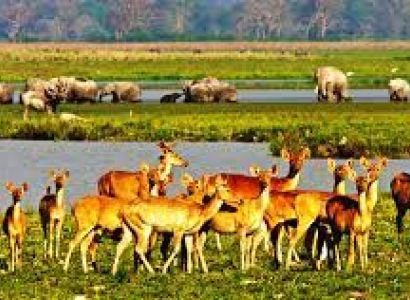
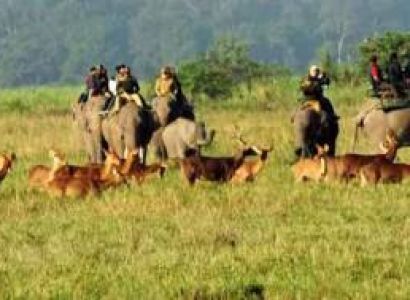
The park shelters animals such as tigers, leopards, clouded leopards, red pandas, takins, goral, serow, barking deer, and numerous primate species. It is also rich in birdlife, making it an important destination for birdwatchers.
The park’s rugged terrain, alpine forests, bamboo groves, and river systems make it one of the most ecologically diverse regions in Northeast India.
Entry and Visit Details
Visitors must obtain permission from the Arunachal Pradesh Forest Department before entering Mouling National Park. Entry fees are minimal and may vary for Indian and foreign tourists.
Indian tourists require an Inner Line Permit (ILP), while foreign tourists must have a Protected Area Permit (PAP). Guided visits and local escorts are highly recommended due to the park’s remote nature.
History and Architecture
Mouling National Park was established in 1986 with the aim of conserving the rich wildlife and forest ecosystems of the Upper Siang region. The park plays a crucial role in protecting the Eastern Himalayan biodiversity hotspot.
There are no man-made architectural structures within the park. The “architecture” of Mouling lies entirely in its natural formations—towering mountains, dense forests, river valleys, and natural trails shaped over millions of years.
Things to Do at Mouling National Park
Wildlife Watching: Observe rare and endangered species in their natural habitat.
Trekking: Explore challenging trekking routes through forests, hills, and valleys.
Birdwatching: Spot a wide range of resident and migratory bird species.
Nature Photography: Capture stunning landscapes, wildlife, and forest scenery.
Camping: Experience the wilderness through guided camping within designated areas.
Eco-Tourism: Learn about conservation efforts and traditional ecological knowledge from local communities.
Interesting Facts about Mouling National Park
Mouling National Park is one of the largest national parks in Arunachal Pradesh.
The park lies within the Eastern Himalayan biodiversity hotspot.
It supports both tropical and alpine vegetation.
Human settlement inside the park is extremely limited, preserving its natural state.
Tips for Visiting Mouling National Park
Visit between October and April for the best weather and accessibility.
Carry proper trekking gear, warm clothing, and rain protection.
Hire experienced local guides for safe exploration.
Carry enough food, water, and medical supplies.
Respect wildlife and maintain silence during treks.
Follow forest department rules strictly and avoid littering.
Conclusion
Mouling National Park in the Siang region of Arunachal Pradesh is a true wilderness destination offering unmatched natural beauty and biodiversity. Its remote location, rich wildlife, and untouched landscapes make it ideal for adventurous travelers and nature enthusiasts. A visit to Mouling National Park is not just a journey into the forests, but an exploration of one of India’s most pristine and ecologically important natural treasures.