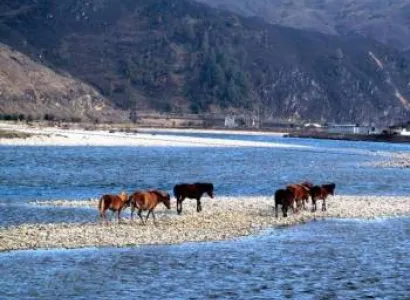
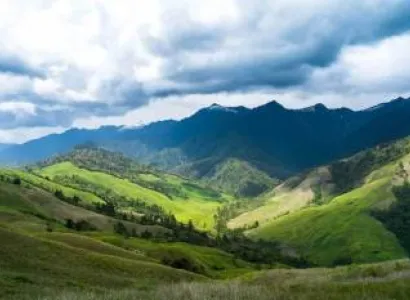
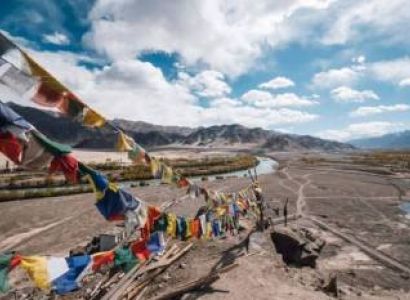
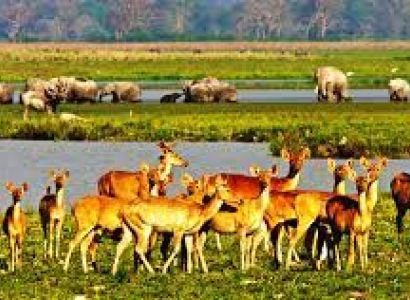
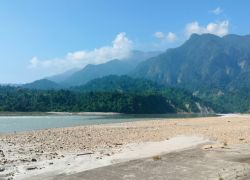
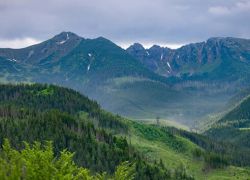
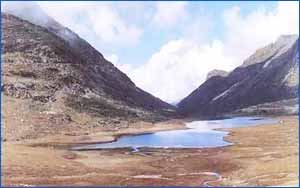
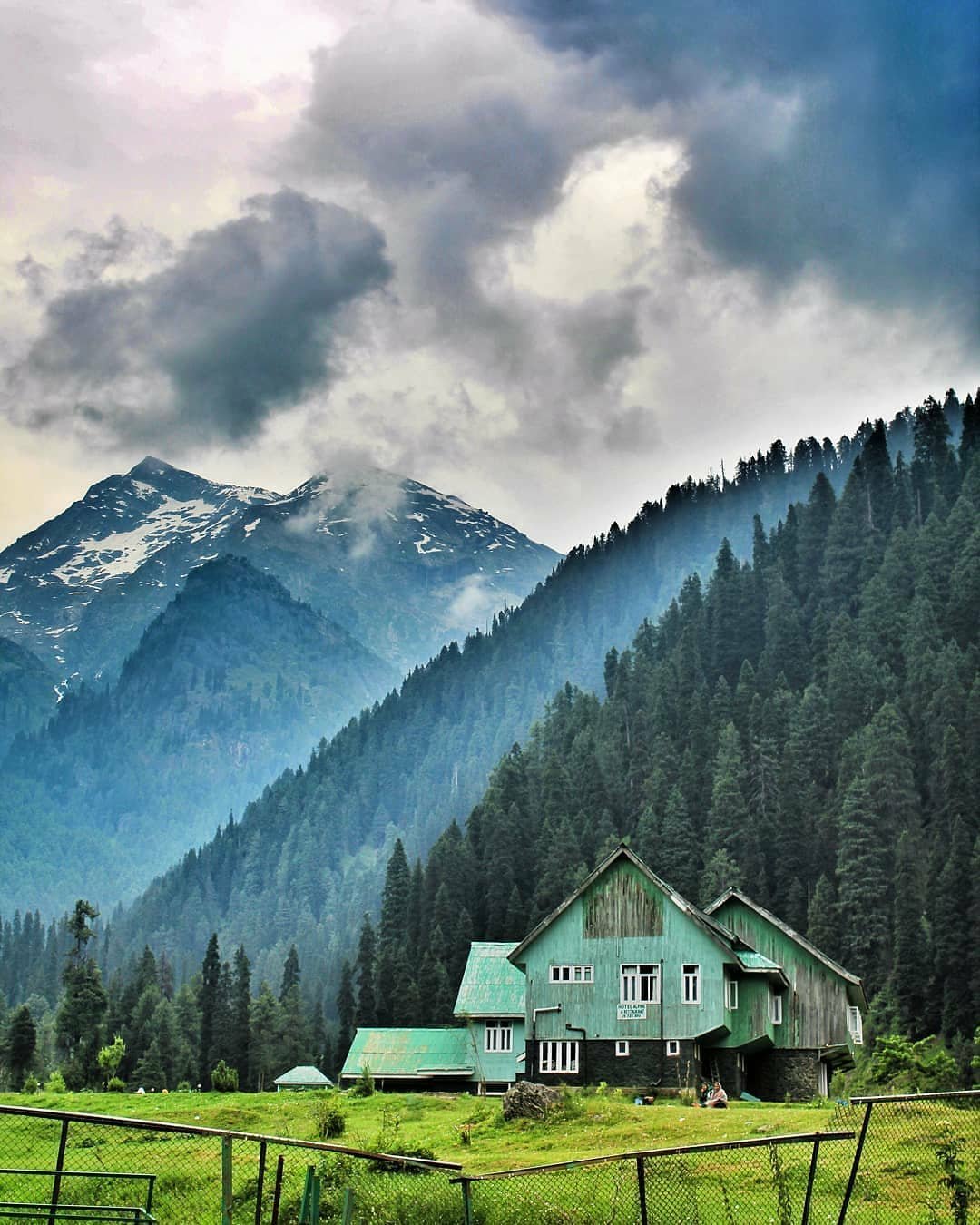
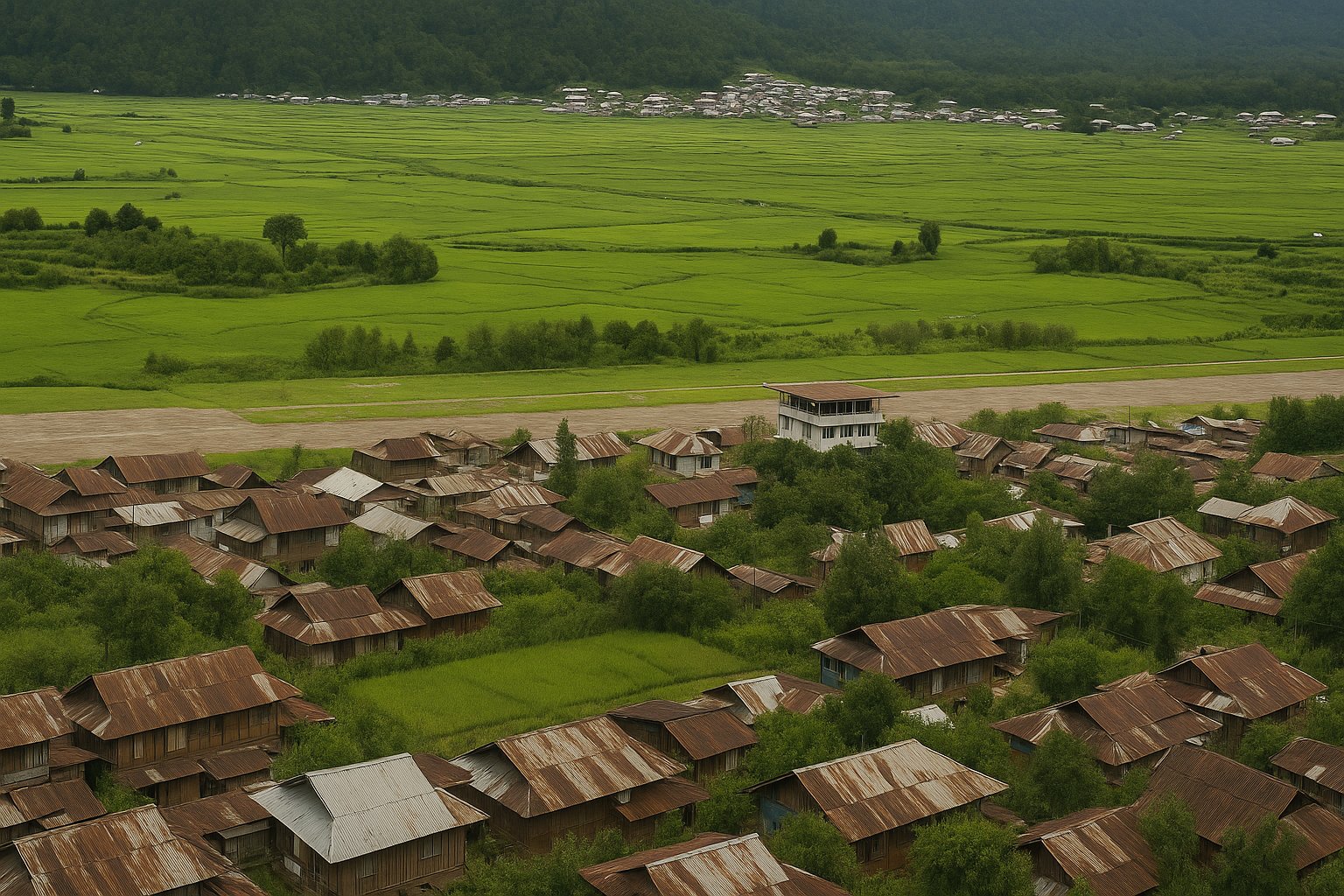
"Experience breathtaking landscapes in untouched Himalayan beauty."
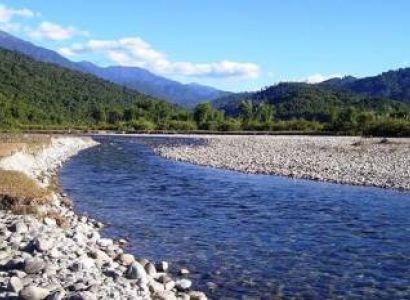
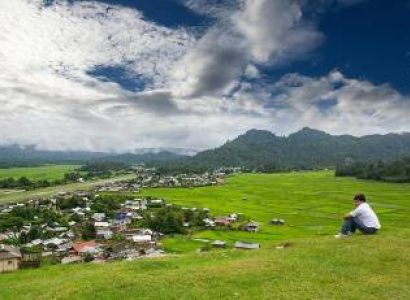
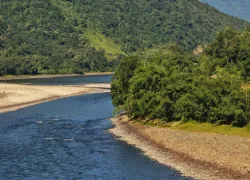
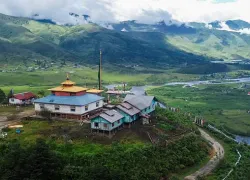
Tuting is a remote and picturesque town located in the Upper Siang region of Arunachal Pradesh, close to the India–China border. Surrounded by towering mountains, dense forests, and the mighty Siang River, Tuting is known for its raw natural beauty, strategic importance, and rich tribal culture. It is one of the least explored destinations in Arunachal Pradesh, making it ideal for travelers seeking untouched landscapes and authentic experiences.
Situated at an altitude of around 1,200 meters above sea level, Tuting lies near the point where the Siang River enters India from Tibet, where it is known as the Yarlung Tsangpo. The town is mainly inhabited by the Adi tribe, who have lived in harmony with nature for centuries. Due to its remote location and peaceful environment, Tuting offers a rare glimpse into traditional Himalayan life away from modern urban influences.
How to Reach Tuting
Reaching Tuting requires careful planning, as it is located in a remote border area with limited connectivity.
By Air: The nearest airport is Dibrugarh Airport in Assam, located about 300 km from Tuting. The airport is well connected with major cities like Guwahati, Kolkata, and Delhi. From Dibrugarh, travelers must continue their journey by road via Pasighat and Yingkiong.
By Train: The nearest major railway station is Dibrugarh Railway Station. From the station, taxis or shared vehicles are available to reach Pasighat or Yingkiong, followed by a long road journey to Tuting.
By Road: Tuting can be reached by road from Yingkiong, which is the main base town for Upper Siang. The road journey is scenic but challenging, passing through forests, mountains, and river valleys. Road conditions may vary depending on weather.
Indian tourists must carry a valid Inner Line Permit (ILP) to enter Arunachal Pradesh. Due to Tuting’s proximity to the international border, additional permissions from local authorities may be required. Foreign tourists generally need special permission and are advised to check regulations in advance.
Weather in Tuting
Tuting experiences a cool and pleasant mountain climate for most of the year.
Summer (March to June): Summers are mild and comfortable, with temperatures ranging between 15°C and 25°C. This is a good time for sightseeing and outdoor exploration.
Monsoon (July to September): The region receives heavy rainfall during monsoon. Roads may become slippery, and landslides can occur, making travel difficult.
Winter (October to February): Winters are cold, with temperatures ranging from 5°C to 15°C. Nights can be chilly, and higher surrounding areas may experience snowfall.
Best Time and Timing to Visit Tuting
The best time to visit Tuting is from October to April, when the weather is pleasant and road conditions are relatively stable.
Recommended Visiting Hours: 6:00 AM to 5:00 PM
Daytime is ideal for sightseeing, village visits, and enjoying river views, as evenings become cold and quiet.
Why Tuting is Famous
Tuting is famous for its strategic location near the Indo-China border and its proximity to the origin point of the Siang River in India. The town holds great geographical and strategic importance.
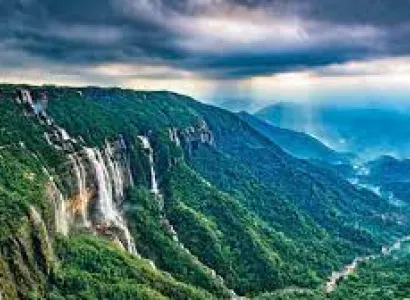
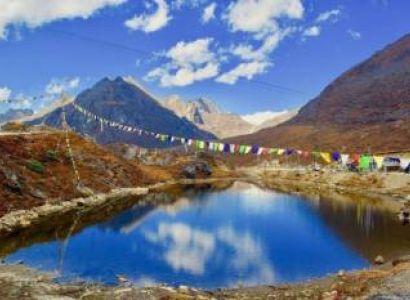
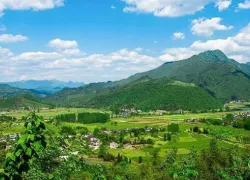
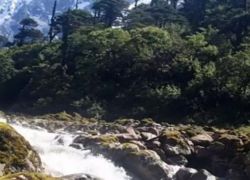
It is also known for its stunning natural landscapes, including mountain ranges, river views, forests, and untouched wilderness. Tuting serves as a gateway to some of the most remote and pristine areas of Upper Siang.
Additionally, Tuting is admired for its strong tribal culture, traditional lifestyle, and peaceful environment, making it a unique destination for cultural and nature tourism.
Entry and Visit Details
There is no entry fee to visit Tuting town. However, due to its sensitive border location, visitors must carry valid permits and identification documents at all times.
For travel beyond Tuting into interior or border areas, additional permissions from local administration or security agencies may be required. Hiring a local guide is highly recommended.
History and Architecture
Historically, Tuting has been an important settlement of the Adi tribe. The area has long served as a cultural and geographical link between Tibet and the Indian subcontinent.
Due to its strategic importance, Tuting has also played a role in modern border management and infrastructure development in Arunachal Pradesh.
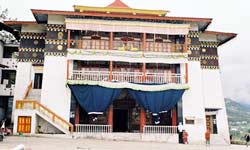
Architecturally, Tuting reflects traditional tribal construction styles. Houses are made using wood, bamboo, and locally available materials, designed to withstand heavy rainfall and cold weather. There are no ancient monuments, but the traditional homes and community structures reflect the region’s cultural identity.
Things to Do in Tuting
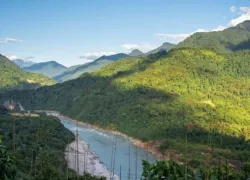
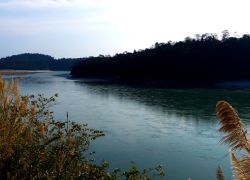
Siang River Views: Enjoy breathtaking views of the Siang River flowing through deep valleys.
Village Exploration: Visit nearby Adi villages to understand tribal customs and daily life.
Nature Walks: Explore forest trails and mountain paths around Tuting.
Photography: Capture dramatic landscapes, rivers, and tribal culture.
Cultural Interaction: Interact with locals and learn about traditional festivals and rituals.
Relaxation: Experience complete peace and isolation in a natural setting.
Interesting Facts about Tuting
Tuting lies close to the Indo-China border.
The Siang River enters India near Tuting.
The town is part of Upper Siang district.
Tuting is one of the most remote towns in Arunachal Pradesh.
The region is dominated by the Adi tribe.
Tips for Visiting Tuting
Arrange permits well in advance.
Carry warm clothing, even in summer.
Keep enough cash, as banking facilities are limited.
Hire a local guide for safety and cultural insight.
Avoid traveling during peak monsoon season.
Respect local customs and security guidelines.
Conclusion
Tuting in the Siang region of Arunachal Pradesh is a destination for true explorers and nature lovers. With its dramatic landscapes, cultural richness, strategic importance, and untouched beauty, Tuting offers an unforgettable experience far from mainstream tourism. It stands as a symbol of Arunachal Pradesh’s raw wilderness and deep-rooted tribal heritage, making it a remarkable place for those seeking adventure, solitude, and authenticity.