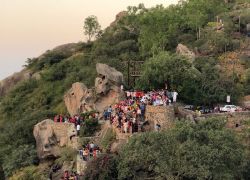
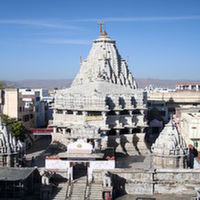
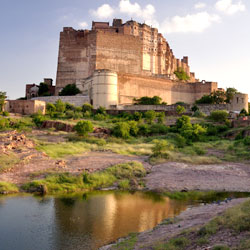
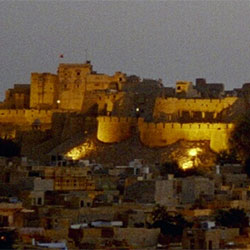
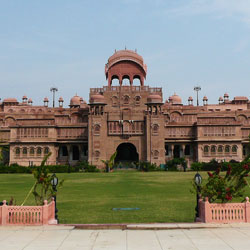
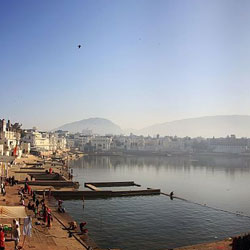
"A revered shrine nestled in Gujarat's hills."
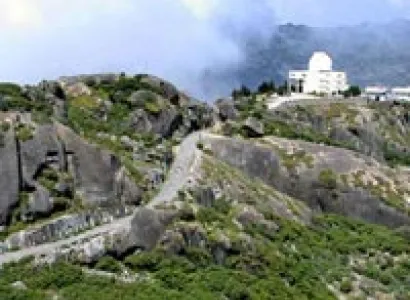
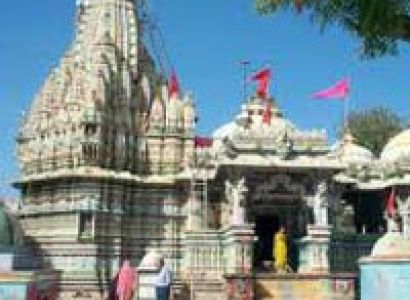
Ambaji Temple, located in Sirohi, is a renowned tourist attraction that holds both historical significance and natural beauty. The temple attracts visitors from far and wide due to its cultural importance, tranquil surroundings, and diverse biodiversity, making it a must-visit destination for travelers seeking a blend of spirituality and nature.
History of Ambaji Temple
The history of Ambaji Temple dates back centuries, with its origins steeped in ancient folklore and religious beliefs. The temple's establishment traces back to the royal hunting grounds of the region, eventually transformed into a sacred site of worship. Over the years, conservation efforts have been made to preserve the temple's architectural splendor and surrounding natural landscapes. The UNESCO recognition further highlights the cultural and historical significance of Ambaji Temple.
Architecture and Natural Beauty of Ambaji Temple
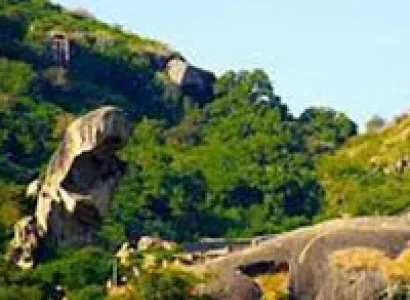
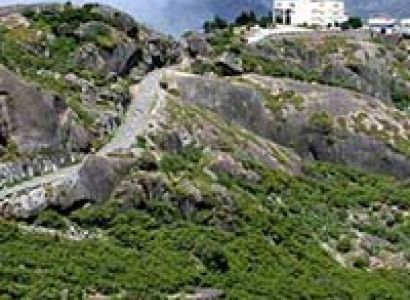
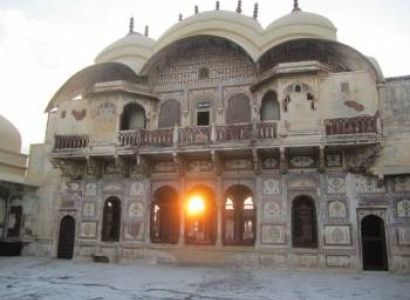
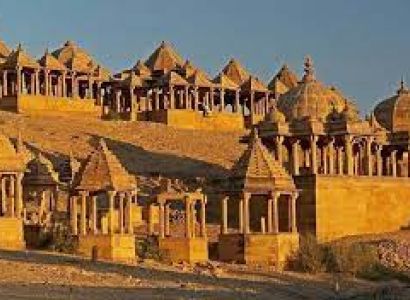
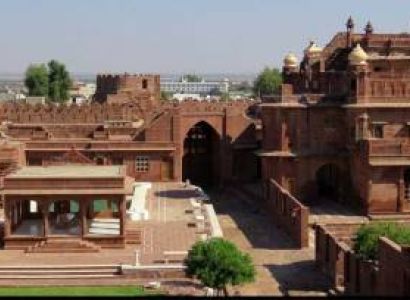
Ambaji Temple is not only a symbol of architectural brilliance but also a sanctuary of natural beauty. The temple is surrounded by lush wetlands, dense forests, and vibrant grasslands that provide a habitat for numerous bird species. The picturesque landscapes and the historical Keoladeo Temple within the park add to the charm of this sacred site.
Why is Ambaji Temple Famous?
Ambaji Temple has gained fame for being a paradise for birdwatchers, photographers, nature enthusiasts, and wildlife lovers. The diverse avian population, serene environment, and rich biodiversity make it a hotspot for those seeking to connect with nature and witness the beauty of the region.
How to Reach Ambaji Temple
Traveling to Ambaji Temple is convenient, with options available by air, rail, and road. The nearest airports and railway stations ensure easy access to this sacred destination, allowing visitors to embark on a memorable journey to Sirohi.
Weather and Best Time to Visit Ambaji Temple
Ambaji Temple experiences varying weather conditions throughout the year, with distinct seasons of summer, monsoon, and winter. The best time to visit is during the mild months when the weather is pleasant, and the natural surroundings are at their most vibrant.
Timings of Ambaji Temple
The temple welcomes visitors during specific timings, with variations based on the season. Planning a visit to Ambaji Temple requires consideration of the operational hours and other essential details to ensure a seamless experience.
Entry Fee and Visit Details
Visitors can explore Ambaji Temple by following the entry procedures and availing guide services for a more enriching experience. Safari options, bicycle rentals, and visitor facilities are available to enhance the visit and make it both educational and enjoyable.
Things to Do at Ambaji Temple
Popular activities at Ambaji Temple include birdwatching, photography, cycling, walking trails, and nature observation. Visitors can immerse themselves in the serene surroundings, engage in educational experiences, and witness the diverse flora and fauna that thrive in this natural haven.
Interesting Facts About Ambaji Temple
Ambaji Temple is home to a myriad of migratory birds, showcasing the region's rich biodiversity and conservation efforts. The temple's ecological importance and conservation achievements contribute to its status as a significant natural heritage site worth exploring.
Travel Tips for Visiting Ambaji Temple
When visiting Ambaji Temple, it is advisable to dress appropriately, carry photography equipment, and be prepared for birdwatching excursions. Understanding the best visiting seasons and practicing responsible tourism are essential for a fulfilling and respectful experience at this sacred destination.
Conclusion
In conclusion, Ambaji Temple in Sirohi stands as a cultural gem and a haven for nature enthusiasts, offering a unique blend of spirituality and biodiversity. The temple's historical significance, natural beauty, and diverse activities make it a top choice for travelers seeking a harmonious retreat amidst the wonders of nature.











Sirohi
Sirohi
Sirohi
Sirohi
Sirohi
Sirohi
Sirohi
Sirohi
Sirohi
Sirohi