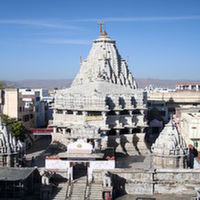
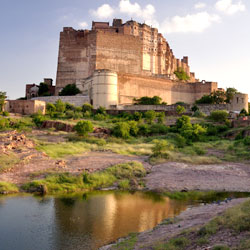
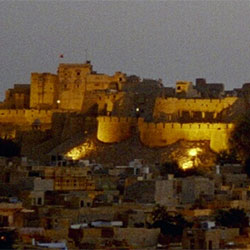
"Marvel at exquisite marble architecture and artistry."
Welcome to the majestic Dilwara Temples located in Sirohi - a true gem of architectural and spiritual significance. The Dilwara Temples are renowned for their intricate marble carvings and historical importance, attracting visitors from far and wide to witness their beauty and grandeur.
History of Dilwara Temples
The history of Dilwara Temples dates back to ancient times, with their construction dating back to the 11th and 13th centuries. These temples served as a place of worship for followers of Jainism and are a testament to the rich cultural heritage of the region. The former royal hunting grounds surrounding the temples add to their historical charm, and the conservation efforts in place have led to their UNESCO recognition as a significant cultural site.
Architecture and Natural Beauty of Dilwara Temples
Surrounded by lush greenery and serene landscapes, the Dilwara Temples offer a tranquil setting for visitors to explore. The intricate architecture and stunning marble carvings of the temples showcase the exquisite craftsmanship of the artisans of that era. The presence of the historical Keoladeo Temple within the vicinity adds to the cultural and spiritual aura of the place.
Why is Dilwara Temples Famous?
The Dilwara Temples are famous for their architectural brilliance and spiritual importance. They also serve as a haven for birdwatchers, photographers, nature enthusiasts, and wildlife lovers due to the diverse flora and fauna present in the natural surroundings of the temples.
How to Reach Dilwara Temples
Traveling to Dilwara Temples is convenient, with options available by air, rail, and road. The nearest airports are located in Udaipur and Ahmedabad, while the Abu Road railway station provides easy access for those traveling by train. The temples are well-connected by road, making it accessible for visitors coming from nearby cities.
Weather and Best Time to Visit Dilwara Temples
The weather at Dilwara Temples varies throughout the year, with summers being warm, monsoons bringing rainfall, and winters being cool and pleasant. The best time to visit is during the winter months from October to March when the weather is ideal for exploring the temples and enjoying the natural beauty of the surroundings.
Timings of Dilwara Temples
The temples are open to visitors from [Timings]. It is advisable to check for any seasonal variations in timings before planning your visit to ensure a memorable experience.
Entry Fee and Visit Details
Visitors can enter the Dilwara Temples by paying a nominal entry fee. Guide services are available for those who wish to learn more about the history and significance of the temples. Additionally, safari options, bicycle rentals, and other visitor facilities are provided to enhance the overall experience.
Things to Do at Dilwara Temples
There are plenty of activities to indulge in at Dilwara Temples, including birdwatching, photography, cycling, walking trails, and nature observation. Visitors can immerse themselves in the serene surroundings and engage in educational experiences to learn more about the cultural and natural heritage of the region.
Interesting Facts About Dilwara Temples
Dilwara Temples are home to a variety of migratory birds and boast rich biodiversity, making them a hotspot for conservation efforts. The temples stand as a symbol of architectural brilliance and historical significance, drawing attention to the ecological importance of preserving such cultural landmarks.
Travel Tips for Visiting Dilwara Temples
When visiting Dilwara Temples, it is advisable to dress modestly and carry comfortable footwear for exploring the temple premises. Photography enthusiasts should bring their camera gear to capture the intricate details of the marble carvings. It is recommended to visit during the winter months for a pleasant experience and to practice responsible tourism by respecting the surroundings and local traditions.
Conclusion
In conclusion, the Dilwara Temples in Sirohi stand as a testament to the rich heritage and cultural significance of the region. From their historical importance to the architectural marvels they display, the temples offer a unique blend of spirituality and natural beauty for visitors to explore and appreciate.



























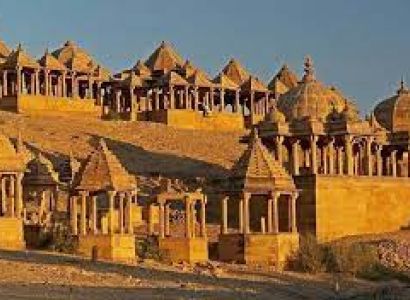

Sirohi
Sirohi
Sirohi
Sirohi
Sirohi
Sirohi
Sirohi
Sirohi
Sirohi
Sirohi