"Discover the serene beauty of vibrant wetlands."
Kolleru Lake is a large and scenic freshwater lake located between the cities of Tanuku and Eluru in Andhra Pradesh, India. Known for its vast expanse, rich biodiversity, and natural beauty, Kolleru Lake is one of the largest freshwater lakes in India. The lake is recognized as an important habitat for migratory birds, making it a popular spot for nature enthusiasts and birdwatchers. It serves as a crucial water resource for irrigation in the region and is a vital part of the local ecosystem.
The tranquil surroundings and lush green landscapes make Kolleru Lake an ideal destination for people seeking peace and natural beauty. Whether you are a nature lover, photographer, or someone looking for a serene getaway, Kolleru Lake provides a perfect escape into nature.
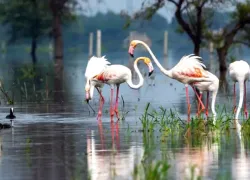
Kolleru Lake is famous for its size, beauty, and ecological significance. It is one of the largest freshwater lakes in India, covering an area of around 245 square kilometers. The lake is home to a variety of bird species, including several migratory birds that visit during the winter season. Kolleru Lake is a key attraction for bird watchers, who flock here to observe these birds, including pelicans, herons, storks, and ducks.
Apart from its birdlife, the lake is also known for its role in the local economy. It serves as a vital irrigation source for surrounding agricultural lands, especially in the dry seasons. The natural beauty of the lake, combined with its ecological importance, makes Kolleru Lake a popular destination for tourists and nature lovers alike.
Kolleru Lake has a rich historical and cultural significance in the region. It has been an important water body for centuries, supporting both the local agriculture and ecology. The lake’s history can be traced back to ancient times, and it has played a key role in water conservation and irrigation for the people living around it. It was historically connected with the Godavari and Krishna rivers, which fed the lake and contributed to its vast size and significance.
In the past, Kolleru Lake was often referred to as a "rain-fed lake" due to its dependence on seasonal rainfall and the inflow from nearby rivers. Over the years, however, urbanization and agricultural expansion have affected the lake's natural habitat. Despite this, efforts have been made in recent years to conserve and protect the lake’s ecology and ensure its continued vitality as an important water resource.
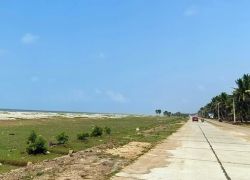
Kolleru Lake is primarily a natural lake with a vast water expanse, surrounded by lush greenery and fields. The lake is not artificially constructed but is a result of the merging of two rivers, which together feed into the lake during the monsoon season. The lake's expansive size, combined with the surrounding wetlands and marshes, contributes to its ecological richness.
The lake is an important habitat for migratory birds, particularly during the winter months. It has a wide network of small islands and wetlands that provide a perfect resting place for the birds. The surrounding landscape is dotted with agricultural fields, which are irrigated by the waters of the lake.
Kolleru Lake is open to visitors year-round, and entry is generally free. However, there may be charges for boating or other specific activities conducted around the lake. Visitors can access the lake from nearby towns like Tanuku and Eluru, which are well-connected by road.
It is recommended to visit the lake during the winter months (November to February) when migratory birds are present. The lake is also accessible during the monsoon season, though access to certain areas might be limited due to high water levels. To get the most out of your visit, it’s best to hire a local guide who can show you the best birdwatching spots and provide insights into the lake’s history and ecology.
Kolleru Lake can be visited at any time of the day, though the most popular times are in the early morning and late evening. The best time for birdwatching is during the early hours when the birds are most active. Visitors typically spend 2 to 3 hours exploring the area, though those interested in photography or more in-depth exploration may want to dedicate more time.
During the peak tourist season (winter), the lake may see increased foot traffic, so visiting early in the morning is advisable to avoid crowds and get a peaceful experience. The weather is generally pleasant throughout the day, but early mornings and late afternoons offer the best conditions for outdoor activities.
Kolleru Lake enjoys a tropical climate with hot summers, mild winters, and moderate rainfall during the monsoon season. Summers (from March to June) can be hot, with temperatures exceeding 40°C, making the midday sun uncomfortable for outdoor activities. The monsoon season (from July to September) brings heavy rains, raising the water levels of the lake, which is crucial for maintaining its water flow.
The best time to visit Kolleru Lake is during the winter months (from November to February), when the weather is cooler and migratory birds arrive in large numbers. The early mornings and evenings are particularly beautiful, offering a peaceful atmosphere and the chance to observe the lake’s diverse birdlife.
Kolleru Lake is located near Tanuku, and it is accessible by road from nearby cities such as Eluru and Rajahmundry. The nearest railway station to Kolleru Lake is the Tanuku Railway Station, which is well connected to major cities in Andhra Pradesh, including Vijayawada, Rajahmundry, and Visakhapatnam. From the railway station, visitors can hire an auto-rickshaw or taxi to reach the lake.
For visitors traveling by air, Rajahmundry Airport is the nearest airport, located about 45 kilometers from Kolleru Lake. From the airport, visitors can take a taxi or bus to reach the lake. The lake is also accessible by road from nearby towns and cities, making it a convenient destination for travelers.
Kolleru Lake offers several activities for nature lovers and visitors seeking a peaceful escape into nature. Some of the most popular activities include:
- Kolleru Lake is one of the largest freshwater lakes in India and plays a crucial role in maintaining the ecological balance of the region.
- The lake is an important stopover for migratory birds along the East Asian-Australasian flyway, which is why it attracts birdwatchers from all over the world.
- Kolleru Lake is also a designated wildlife sanctuary, and efforts are being made to protect the lake’s unique ecosystem and wildlife.
- Wear comfortable clothing and sturdy footwear, especially if you plan on walking around the lake or participating in birdwatching activities.
- Carry binoculars and a camera if you’re interested in birdwatching or photography.
- Visit early in the morning or late in the evening to avoid the midday heat and get the best view of the birds and natural surroundings.
- Be respectful of the environment by avoiding littering and following local guidelines for wildlife conservation.