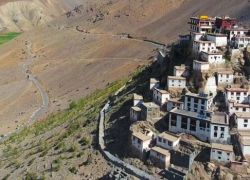
Monasteries are a great place for you to be if you are looking for serenity and peace of mind. And when the monastery is located in the beautiful region of Spiti, the beauty of the monastery doubles. And that’s what you get when you visit the Key Monastery, Spiti. This famous Buddhist monastery is located in Lahaul and Spiti and is at an altitude of around 4160 meters above the sea level. This monastery is as old as a thousand years and you can certainly experience the serenity of the place when you reach there. Traveler Tips There are some tips that travelers need to follow when they are visiting the Key Monastery in Spiti. You should be prepared to drive through the bad terrains and the bumps that would follow. The district is not very developed and does not have more than 2 ATMs. You can even get accommodation within the monastery if you notify the monks sometime before visiting there. They are really friendly people and their hospitality would surprise you. History The history of the Key Monastery dates back to the 11th century. It is believed that this monastery was constructed by Dromton. The monastery has experienced attacks by the Mongols even before the fifth Dalai Lama visited there. The Dogra army also attacked and devastated the monastery in 1841. Further, it got damaged when an earthquake hit the region in 1975. Over the years, the monastery has had a number of renovations which has made it the structure it is today. Architecture The primary structure of the Key Monastery has been rebuilt time and again due to the destruction caused to it structures by natural as well as man-made causes. Today, it looks nothing more than a box-like structure and gives the complete look of a war fortress rather than a monastery. The monastic architecture of this monastery is something that attracts tourists from near and far. There are a number of temples that are constructed one on top of the other. The entire complex has many murals and paintings that are a piece of art. There are three floors and many narrow passages leading to different rooms. Many rooms and cells are there to house the monks coming here. Tangyur is one such room in the monastery that gets special attention. Festival The Gustar Festival is one of the most popular festivals taking place at the Key Monastery. These people of the area indulge in Cham Dance and love to celebrate the spirit of victory of good over evil. It is celebrated around the month of July according to the lunar calendar. You can learn about it beforehand to know when the festival is being celebrated. The people dress up as demons and deities to enact the show of the good over evil. Many prayers are chanted by the people during the performance. Best Time to Visit Key Monastery is located in the high terrains of Spiti valley. It is not possible to visit the Spiti valley during the winter months as the roads get covered in snow. However, you can certainly visit during the summer months when the roads are open. The months between June and October are the best to visit here. How to Reach Located near the Spiti River in the Spiti Valley, it is not that easy to reach. This district is located at a distance of around 12 kilometers from the Kaza district. To reach Kaza, you can board a local HRTC bus that allows you to reach the region through the rough and tough terrains. It would be easy to reach Kaza from Manali via this route. Apart from that, the adventure seekers love to take their bikes or rented bikes or even cars to drive to Spiti. Once you have reached Spiti, Key Monastery is not far away. When the bus reaches Kaza, you can get a private vehicle to reach there.
Explore More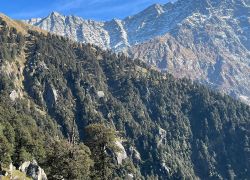
Triund Hill is one of the most popular trekking destinations in Mcleodganj, Himachal Pradesh. Situated at an altitude of approximately 2,850 meters above sea level, Triund offers breathtaking views of the majestic Dhauladhar mountain range on one side and the beautiful Kangra Valley on the other. It is often referred to as the "Crown Jewel of Dharamshala" because of its stunning natural beauty and easy accessibility. The hill attracts thousands of adventure seekers, nature lovers, photographers, and trekking enthusiasts every year. The trek to Triund is considered one of the easiest Himalayan treks, making it suitable for beginners as well as experienced trekkers. The lush green landscapes, cool mountain breeze, and panoramic views make Triund Hill a must-visit destination for anyone traveling to Mcleodganj. Why Famous for Triund Hill, Mcleodganj, Himachal Pradesh? Triund Hill is famous for its spectacular trekking trail and breathtaking mountain views. It serves as a perfect getaway for travelers seeking adventure and peace amidst nature. The hill offers an unmatched view of the snow-covered Dhauladhar ranges and the lush Kangra Valley. The destination is especially popular among trekkers because the trail is moderately easy and can be completed within a day. During sunrise and sunset, the landscape transforms into a magical setting with changing colors across the mountains and valleys. Camping under the stars at Triund is another major attraction that draws visitors from across India and abroad. The hill is also known for its peaceful environment, fresh mountain air, and opportunities for photography, birdwatching, and nature exploration. Its proximity to Mcleodganj and Dharamshala makes it one of the most accessible Himalayan trekking destinations. History of Triund Hill, Mcleodganj, Himachal Pradesh Triund Hill has been an important natural landmark in the Kangra region for centuries. Historically, the surrounding areas were used by local shepherd communities known as Gaddis. These shepherds traveled through the mountain routes with their livestock and used the meadows around Triund for grazing purposes. Over time, Triund gained popularity among travelers and adventure enthusiasts due to its scenic beauty and relatively easy trekking route. The growth of tourism in Mcleodganj and Dharamshala during the late twentieth century significantly increased the number of visitors to Triund. Today, the hill is recognized as one of the most famous trekking destinations in Himachal Pradesh and serves as a gateway to higher Himalayan trekking routes such as Snowline Trek, Lahesh Cave, and Indrahar Pass. Architecture and Natural Landscape of Triund Hill Unlike historical monuments and temples, Triund Hill is famous for its natural landscape rather than architectural structures. The area consists of vast green meadows surrounded by rugged mountain terrain and dense forests of oak, rhododendron, and deodar trees. The trekking path features stone-paved sections, forest trails, and scenic viewpoints. Traditional mountain huts, camping sites, and small tea stalls can be found along the route, providing basic facilities for trekkers. The most remarkable feature of Triund is its natural amphitheater-like setting. The expansive grasslands at the summit provide a perfect resting place while offering uninterrupted views of the surrounding Himalayan peaks. How to Reach Triund Hill, Mcleodganj, Himachal Pradesh By Air: The nearest airport is Gaggal Airport (Kangra Airport), located approximately 20 kilometers from Mcleodganj. From the airport, visitors can hire taxis to reach the trekking starting point. By Train: The nearest major railway station is Pathankot Railway Station, situated about 90 kilometers away. Taxis and buses are readily available from Pathankot to Mcleodganj. By Road: Mcleodganj is well connected by road to major cities such as Delhi, Chandigarh, Amritsar, and Shimla. Regular government and private buses operate to Dharamshala and Mcleodganj. Trekking Route: The trek usually begins from Gallu Devi Temple near Mcleodganj. The distance to Triund is approximately 9 kilometers and generally takes 4 to 6 hours depending on fitness level and weather conditions. Weather at Triund Hill, Mcleodganj, Himachal Pradesh Summer (March to June): Temperatures range between 10°C and 25°C. The weather remains pleasant and ideal for trekking and camping. Monsoon (July to September): The region receives moderate to heavy rainfall. Trekking can become challenging due to slippery trails and reduced visibility. Autumn (October to November): Clear skies and comfortable temperatures make this one of the best times to visit Triund. Winter (December to February): Temperatures often drop below freezing, and snowfall is common. The trek becomes more adventurous and requires proper winter gear. Timing of Triund Hill, Mcleodganj, Himachal Pradesh Triund Hill is accessible throughout the day. Most trekkers start their journey early in the morning between 6:00 AM and 9:00 AM to reach the summit before sunset. Camping is allowed in designated areas, enabling visitors to stay overnight and enjoy stunning sunrise and sunset views. However, weather conditions should always be checked before planning the trek. Entry and Visit Details about Triund Hill, Mcleodganj, Himachal Pradesh There is generally no major entry fee for visiting Triund Hill itself. However, visitors may need to pay nominal charges for forest permits, camping facilities, parking, or environmental conservation fees depending on current regulations. Guides are available for hire, especially for first-time trekkers. Camping equipment, food, and accommodation facilities can be arranged through local operators in Mcleodganj. Visitors are advised to carry identification documents, water, snacks, trekking shoes, warm clothing, and emergency supplies during the trek. Things to Do at Triund Hill, Mcleodganj, Himachal Pradesh 1. Trekking: Enjoy one of the most scenic and beginner-friendly Himalayan treks. 2. Camping: Spend a night under the stars amidst the stunning mountain landscape. 3. Photography: Capture panoramic views of the Dhauladhar Mountains and Kangra Valley. 4. Sunrise and Sunset Viewing: Witness spectacular colors across the Himalayan peaks. 5. Nature Walks: Explore nearby trails, forests, and meadows. 6. Bird Watching: Spot various Himalayan bird species in the surrounding forests. 7. Stargazing: The clear mountain skies provide excellent opportunities for observing stars and constellations. 8. Adventure Exploration: Continue trekking towards Snowline, Lahesh Cave, or Indrahar Pass for more challenging adventures. Interesting Facts about Triund Hill, Mcleodganj, Himachal Pradesh • Triund is located at an elevation of around 2,850 meters above sea level. • It is considered one of the easiest and most popular Himalayan treks in India. • The hill offers a unique combination of mountain and valley views. • The trekking trail passes through dense forests of oak, deodar, and rhododendron trees. • Local Gaddi shepherds have used the region for grazing livestock for generations. • Triund serves as a base point for several higher-altitude Himalayan trekking routes. • The destination attracts thousands of domestic and international tourists every year. Travel Tips for Visiting Triund Hill, Mcleodganj, Himachal Pradesh 1. Wear comfortable trekking shoes with good grip for the mountain trail. 2. Carry sufficient drinking water and energy snacks during the trek. 3. Start early in the morning to avoid trekking after dark. 4. Check weather forecasts before planning your trip, especially during monsoon and winter seasons. 5. Carry warm clothing even during summer, as temperatures can drop significantly at night. 6. Avoid littering and help preserve the natural beauty of the region. 7. Keep a flashlight, power bank, and basic first-aid kit for safety. 8. If camping overnight, book equipment and facilities in advance during peak tourist seasons. 9. Follow local guidelines and respect the fragile mountain ecosystem. 10. Consider hiring a local guide if you are unfamiliar with mountain trekking. Conclusion Triund Hill in Mcleodganj, Himachal Pradesh, is a paradise for nature lovers and adventure enthusiasts. With its stunning Himalayan views, lush meadows, refreshing climate, and accessible trekking route, it offers an unforgettable mountain experience. Whether you are seeking adventure, photography opportunities, peaceful surroundings, or a memorable camping experience under the stars, Triund Hill provides the perfect escape into the heart of the Himalayas. Its natural beauty and serene atmosphere continue to make it one of the most cherished tourist attractions in Himachal Pradesh.
Explore More
Welcome to the serene and picturesque town of Narkanda nestled in the beautiful city of Fagu. This charming destination is a paradise for nature lovers, offering a tranquil escape from the hustle and bustle of city life. With its natural beauty, rich biodiversity, and significant tourism appeal, Narkanda is a must-visit hotspot for travelers seeking a peaceful retreat surrounded by lush greenery and majestic landscapes. History of Narkanda Steeped in history, Narkanda boasts a heritage that dates back to ancient times. Once serving as royal hunting grounds, this area has undergone remarkable conservation efforts to preserve its natural splendor. Narkanda's conservation initiatives have garnered international recognition, making it a potential candidate for UNESCO World Heritage status in the future. Architecture and Natural Beauty of Narkanda Within Narkanda, visitors can witness a diverse range of ecosystems, including wetlands, forests, and grasslands that support a myriad of bird species. The historical Keoladeo Temple, situated amidst the lush greenery, adds to the cultural charm of the region, offering a blend of architectural beauty and natural wonders. Why is Narkanda Famous? Narkanda is renowned for its incredible birdwatching opportunities, attracting enthusiasts, photographers, and wildlife lovers from across the globe. The abundance of bird species, coupled with the pristine natural environment, makes Narkanda a popular destination for those seeking a close encounter with nature. How to Reach Narkanda Traveling to Narkanda is convenient, with options for air, rail, and road transport. The nearest airports and railway stations provide easy access to this charming town, allowing visitors to embark on a memorable journey to explore its beauty. Weather and Best Time to Visit Narkanda Narkanda experiences varying weather conditions throughout the year, with distinct summer, monsoon, and winter seasons. The best time to visit this enchanting destination is during the pleasant months when the natural surroundings are at their most vibrant and inviting. Timings of Narkanda Visiting hours at Narkanda may vary seasonally, so it is advisable to plan your trip accordingly. Understanding the timings and operational details will help you make the most of your visit and ensure a seamless travel experience. Entry Fee and Visit Details Upon arrival, visitors can access detailed information about entry procedures, guide services, safari options, and visitor facilities to enhance their exploration of Narkanda. Whether you choose to embark on a guided tour or explore independently, the park offers a range of services to cater to your needs. Things to Do at Narkanda Engage in a variety of activities at Narkanda, including birdwatching, photography, cycling along scenic trails, walking amidst nature, and immersing yourself in educational experiences that showcase the region's biodiversity. Each activity promises a unique and enriching adventure for visitors of all ages. Interesting Facts About Narkanda Narkanda is home to a multitude of migratory birds, highlighting the region's ecological significance and conservation achievements. The diverse flora and fauna found here underscore the area's importance as a sanctuary for wildlife and a hub of biodiversity conservation efforts. Travel Tips for Visiting Narkanda When preparing for your trip to Narkanda, consider essential factors such as appropriate clothing, photography gear, birdwatching equipment, ideal visiting seasons, and responsible tourism practices. By adhering to these travel tips, you can ensure a memorable and respectful experience in this natural haven. Conclusion In conclusion, Narkanda in Fagu is a destination that captivates visitors with its natural charm, historical significance, and abundant opportunities for exploration and discovery. Whether you are a nature enthusiast, a wildlife lover, or a photography enthusiast, Narkanda promises a fulfilling and rejuvenating travel experience amidst the beauty of untouched landscapes and diverse ecosystems.
Explore More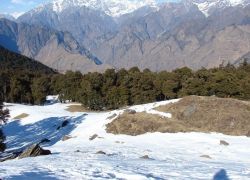
Welcome to Gorson Bugyal, a mesmerizing tourist attraction located in Joshimath, that captivates visitors with its natural beauty and biodiversity. This enchanting destination is a haven for nature lovers, birdwatchers, and photographers seeking a peaceful retreat amidst the lush greenery of the Himalayas. History of Gorson Bugyal With a rich historical background, Gorson Bugyal was once a royal hunting ground before being transformed into a conservation area. The efforts to preserve this natural habitat have led to UNESCO recognition, highlighting its importance in biodiversity conservation. Architecture and Natural Beauty of Gorson Bugyal Gorson Bugyal boasts picturesque landscapes, dense forests, and sprawling grasslands that provide a habitat for a variety of bird species. The historical Keoladeo Temple nestled within the park adds a cultural touch to the natural beauty of the surroundings. Why is Gorson Bugyal Famous? Gorson Bugyal is renowned for its diverse bird population, making it a paradise for birdwatchers and wildlife enthusiasts. The serene environment and breathtaking views attract nature lovers and photographers looking to capture the essence of the Himalayan wilderness. How to Reach Gorson Bugyal Traveling to Gorson Bugyal is convenient, with options for air, rail, and road transport. Nearby airports and railway stations provide easy access to this natural paradise, allowing visitors to embark on a memorable journey to Joshimath. Weather and Best Time to Visit Gorson Bugyal Gorson Bugyal experiences varying weather conditions throughout the year, with each season offering a unique charm. The best time to visit is during the summer and early winter months when the weather is pleasant, and the landscapes are at their most vibrant. Timings of Gorson Bugyal The timings for visiting Gorson Bugyal may vary seasonally, so it is advisable to plan your trip accordingly. Understanding the visitor timings will help you make the most of your experience and explore the beauty of the surroundings. Entry Fee and Visit Details Entry procedures to Gorson Bugyal are straightforward, with guide services and safari options available for a more immersive experience. Visitors can also opt for bicycle rentals to explore the area at their own pace, with facilities provided for a comfortable stay. Things to Do at Gorson Bugyal At Gorson Bugyal, there are numerous activities to indulge in, from birdwatching and photography to cycling and nature walks. The trails offer a chance to observe the diverse flora and fauna of the region, providing an enriching and educational experience for visitors. Interesting Facts About Gorson Bugyal Gorson Bugyal is a hub for migratory birds, with its conservation efforts contributing to the protection of various species. The ecological significance of this area underscores the importance of preserving such natural habitats for future generations. Travel Tips for Visiting Gorson Bugyal When planning a visit to Gorson Bugyal, remember to pack appropriate clothing for the changing weather conditions and bring along your photography and birdwatching equipment. Understanding the best visiting seasons and practicing responsible tourism will ensure a memorable and sustainable travel experience. Conclusion In conclusion, Gorson Bugyal in Joshimath offers a blend of natural beauty, biodiversity, and cultural heritage that provides a unique and immersive experience for visitors. Whether you are a nature enthusiast, birdwatcher, or photographer, Gorson Bugyal promises to enchant you with its serene landscapes and abundant wildlife.
Explore More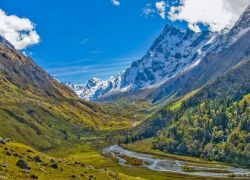
Har Ki Dun, located in Garhwal, is a mesmerizing tourist attraction known for its natural beauty and biodiversity. This destination has become increasingly popular among birdwatchers, photographers, nature enthusiasts, and wildlife lovers. Surrounded by lush forests, majestic landscapes, and diverse wildlife, Har Ki Dun offers a unique experience for visitors seeking tranquility and adventure in the lap of nature. History of Har Ki Dun The history of Har Ki Dun dates back to ancient times when it served as a former royal hunting ground. Over the years, efforts have been made to conserve its natural habitat, leading to its recognition by UNESCO for its ecological significance and biodiversity. Architecture and Natural Beauty of Har Ki Dun Har Ki Dun is renowned for its wetlands, forests, and grasslands that provide a habitat for numerous bird species. The historical Keoladeo Temple, nestled within the park, adds to the charm of this picturesque destination. Why is Har Ki Dun Famous? Har Ki Dun is famous for being a haven for birdwatchers due to its diverse avian population. It also attracts photographers and nature enthusiasts who are captivated by the scenic beauty and unique wildlife found in the area. How to Reach Har Ki Dun Traveling to Har Ki Dun is accessible by air, rail, and road. The nearest airports and railway stations provide convenient options for reaching this natural paradise, ensuring a seamless journey for visitors. Weather and Best Time to Visit Har Ki Dun The weather in Har Ki Dun varies across seasons, offering distinct experiences during summer, monsoon, and winter. The best time to visit is during the moderate months when the climate is pleasant for outdoor exploration. Timings of Har Ki Dun Visitor timings at Har Ki Dun are structured to accommodate the seasonal variations and ensure an enjoyable experience for all. Planning ahead and being aware of the operational hours can enhance your visit to this natural sanctuary. Entry Fee and Visit Details When visiting Har Ki Dun, familiarize yourself with the entry procedures, guide services, and available safari options. Additionally, visitor facilities such as bicycle rentals can enhance your exploration of this wildlife-rich destination. Things to Do at Har Ki Dun Engage in popular activities at Har Ki Dun, including birdwatching, photography, cycling, walking trails, and nature observation. Immerse yourself in the serene surroundings and partake in educational experiences to deepen your connection with nature. Interesting Facts About Har Ki Dun Har Ki Dun is home to a multitude of migratory birds and boasts a rich biodiversity that underscores the importance of conservation efforts in the region. Its ecological significance and conservation achievements make it a must-visit destination for eco-conscious travelers. Travel Tips for Visiting Har Ki Dun For a seamless experience at Har Ki Dun, consider practical tips such as suitable clothing, essential photography equipment, ideal visiting seasons, and responsible tourism practices. By following these guidelines, you can make the most of your trip while respecting the natural environment. Conclusion In conclusion, Har Ki Dun in Garhwal offers a harmonious blend of natural beauty, biodiversity, and recreational activities for visitors of all interests. Whether you seek solace in birdwatching, adventure in hiking trails, or simply wish to immerse yourself in nature, Har Ki Dun provides a fulfilling experience that resonates with the soul.
Explore More
Welcome to the serene and picturesque destination of Barunei Hill located in Kendrapara, a place that captivates visitors with its natural beauty and rich biodiversity. The hill is a haven for nature enthusiasts, photographers, and birdwatchers, offering a unique opportunity to immerse oneself in the lap of nature. History of Barunei Hill Barunei Hill holds a significant historical background, once serving as royal hunting grounds for the erstwhile rulers. Over the years, concerted conservation efforts have transformed the area into a protected sanctuary, garnering recognition from UNESCO for its ecological importance and preservation of indigenous flora and fauna. Architecture and Natural Beauty of Barunei Hill The hill is encompassed by lush wetlands, dense forests, and sprawling grasslands that provide a habitat for a myriad of bird species. Amongst the natural wonders lies the historic Keoladeo Temple, adding a cultural touch to the landscape and attracting pilgrims and history buffs alike. Why is Barunei Hill Famous? Barunei Hill is renowned for its diverse bird population, making it a paradise for birdwatchers and wildlife enthusiasts. The tranquil surroundings and abundance of avian species offer a unique opportunity for photographers to capture stunning moments in nature. How to Reach Barunei Hill Traveling to Barunei Hill is convenient, with options available by air, rail, and road. The nearest airports and railway stations provide easy access to the destination, allowing visitors to seamlessly reach this natural oasis. Weather and Best Time to Visit Barunei Hill Barunei Hill experiences varying weather conditions throughout the year, with summers being warm, monsoons bringing lush greenery, and winters offering a pleasant chill. The best time to visit is during the cooler months when the flora is in full bloom, and the bird population is at its peak. Timings of Barunei Hill Visitors can explore Barunei Hill during specified timings, with seasonal variations that may affect accessibility. It is advisable to plan your visit accordingly to make the most of your experience at this natural sanctuary. Entry Fee and Visit Details Entry to Barunei Hill is subject to nominal fees, providing access to guide services, safari options, bicycle rentals, and essential visitor facilities. These amenities ensure a comfortable and enriching visit for all patrons. Things to Do at Barunei Hill At Barunei Hill, visitors can partake in a host of activities such as birdwatching, photography, cycling through scenic trails, leisurely walks amidst nature, and engaging in educational experiences that offer insights into the local ecosystem. Interesting Facts About Barunei Hill Barunei Hill is a vital stopover for migratory birds, contributing significantly to the biodiversity of the region. The conservation efforts undertaken have led to remarkable achievements in preserving the ecological balance and fostering a sustainable environment for future generations. Travel Tips for Visiting Barunei Hill When planning a trip to Barunei Hill, it is advisable to pack appropriate clothing for the prevailing weather conditions, carry essential photography and birdwatching equipment, visit during peak seasons to witness the vibrant wildlife, and adhere to responsible tourism practices to conserve the natural beauty of the area. Conclusion In conclusion, Barunei Hill in Kendrapara stands as a testament to the harmonious coexistence of nature and heritage, offering visitors a tranquil retreat amidst the wonders of the natural world. With its historical significance, diverse biodiversity, and array of activities, Barunei Hill promises an enriching and memorable experience for all who venture to this enchanting destination.
Explore More
Located in Ganjam, Mahendragiri Hills is a captivating tourist attraction known for its natural beauty and biodiversity. The hills offer a serene escape for nature lovers, birdwatchers, and photographers seeking to immerse themselves in the breathtaking landscapes and diverse wildlife. History of Mahendragiri Hills The history of Mahendragiri Hills dates back to ancient times, with references to the region in various mythological texts. It is believed to have been a former royal hunting ground and has since been dedicated to conservation efforts. The area's rich ecological significance has garnered recognition from UNESCO for its preservation of the unique flora and fauna. Architecture and Natural Beauty of Mahendragiri Hills The hills boast a stunning natural environment characterized by lush forests, expansive grasslands, and picturesque wetlands that provide a habitat for a wide variety of bird species. Among the notable landmarks is the historic Keoladeo Temple, adding a cultural dimension to the scenic beauty of the region. Why is Mahendragiri Hills Famous? Mahendragiri Hills is renowned for the diverse birdlife that inhabits the area, making it a paradise for birdwatchers and wildlife enthusiasts. The tranquil surroundings and the opportunity to witness a myriad of bird species up close attract visitors from far and wide. How to Reach Mahendragiri Hills Traveling to Mahendragiri Hills is convenient, with options available by air, rail, and road. The nearest airports and railway stations provide easy access to the region, ensuring a hassle-free journey for visitors. Weather and Best Time to Visit Mahendragiri Hills The weather at Mahendragiri Hills varies across the seasons, offering distinct experiences for visitors. While summers can be warm, the monsoon season brings lush greenery, and winters provide a cool and pleasant atmosphere, making the best time to visit during the cooler months. Timings of Mahendragiri Hills Visitors can explore Mahendragiri Hills during specified timings, taking into account any seasonal variations that may affect accessibility. Planning ahead and checking for any updates ensures a smooth visit to this natural haven. Entry Fee and Visit Details Entry procedures to Mahendragiri Hills are straightforward, with guide services available for those seeking a more informative experience. Safari options, bicycle rentals, and well-equipped visitor facilities cater to the needs of guests looking to make the most of their visit. Things to Do at Mahendragiri Hills At Mahendragiri Hills, there are plenty of activities to engage in, from birdwatching and photography to cycling along scenic trails. Nature enthusiasts can explore the diverse landscapes and observe the wildlife in their natural habitat, creating memorable experiences. Interesting Facts About Mahendragiri Hills Mahendragiri Hills is home to a myriad of migratory birds that flock to the region, adding to its biodiversity and ecological importance. Conservation efforts have led to significant achievements in preserving the natural heritage of the area, making it a standout destination for sustainable tourism. Travel Tips for Visiting Mahendragiri Hills When planning a trip to Mahendragiri Hills, it is advisable to pack suitable clothing for the prevailing weather conditions and bring along essential birdwatching equipment for a fulfilling experience. Understanding the best visiting seasons and practicing responsible tourism ensures the preservation of this natural gem for future generations. Conclusion In conclusion, Mahendragiri Hills in Ganjam offers a delightful retreat for those seeking to connect with nature and witness the beauty of untouched landscapes. With its historical significance, diverse wildlife, and range of activities, a visit to Mahendragiri Hills promises a rewarding experience for all visitors.
Explore More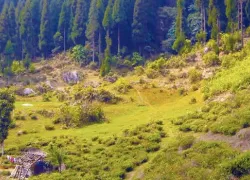
In Darjeeling district, there is a small village called Tinchuley situated 3 km above Tadha at 5,800ft altitude. The meaning of the Tinchuley is three ovens which mean three chullahs in Hindi. The name is given as Tinchuley because of the way it looks. The village is surrounded by three hilltops which from a distance look exactly like chullahs or ovens. Tinchuley faces Kalimpong hills. The place is vastly developing as a tourist destination. The WWF (World Wide Federation) has been assisting around 17 families in the area for developing an organic village and also for promoting village tourism. There are some homes in the village that have been converted into homestays and guesthouses for the tourists. There are Tinchuleymonastery, Kalimpong which support many modern ways of farming, like vermiculture, floriculture and many other types of organic projects. What activities can you do around Tinchuleymonastery, Kalimpong • You can take a visit to the Tinchuley Monastery, Kalimpong. There was a Lama who had meditated, for around 17 years. Outside the wall, you will find a much longer line of the prayer wheels. • You can take a visit to the tea gardens there. Around six tea gardens are all present, within some short distances where you can visit to experience how tea plucking is done, garden life, visit the factories and look around to see how tea processing is done. Rungli Rungliot is the closest well known, tea estate. The other important one is the Peshok Tea Estate. • Explore nature by taking a stroll around the ferns and forests for some minutes so that you can reach Gumbadara. This place is an ethereal viewpoint to see savour the Rangeet River and various other beautiful parts of Sikkim. Also, if you visit this viewpoint on a clear day then you can also see the majestically beautiful Kanchenjunga. The large heavy rocks present there have many historical meanings. If you are a rock climber, then it will be a great ground for training. Also, if you are interested in caves then you can get to explore a few caves here too. • Visit the Tinchuley View Point to catch up on the magnificently beautiful view of sunrise. Visit the place to see how the Himalayan Peaks and the Kanchenjunga's snowy peaks sparkle in the early daylight. The view is magnanimous. • You also visit the Lover’s View Point located on Peshok Road and the Peshok tea garden. From the view Pont, you can see beautiful pictures of the Triveni, which is the confluence of the Rangeet and Teesta rivers. • Next what you can do is, take a nice walk around the lovely villages and trek around nature trials. Your guesthouse can even arrange for some local guide who can help you with directions. Also, the people there are very friendly, once you start communicating with them. Their hospitality is very nice. Almost every village house has flowering pots all around. Which time of the year is the best to visit Tinchuley Monastery, Kalimpong The best time for visiting the Tinchuley Monastery, Kalimpong is from the month of October to April. At this time of the year, you get the best view of the valleys and mountains as the sky remains absolutely clear. Also, from November to February, there would be quite cold in Tinchuley making it impossible for the visitors to go around. How Can You Reach Tinchuley Monastery, Kalimpong From Darjeeling, by car, it takes around 1.5 hours to reach the Tinchuley Monastery, Kalimpong which is 32kms in the distance. Then from NJP, it will be 73 km a drive of 2.5 hours. Then you will have to cover 77kms, around 3 hours from Bagdogra. And then finally from Kalimpong, 1.5 hours of drive to cover 35kms. Why Visit Tinchuley, Kalimpong If you are a nature lover, then you must visit the Tinchuley, Kalimpong to see the beautiful views of the Himalayan range, Teesta flow, tea gardens, lovely mountains, variety of birds, the culture, and local food of the place along with fresh and relaxing walks around the village. By taking a visit to the Tinchuley Monastery, Kalimpong you can get closer to yourself. You will get to spend some quality time with yourself away from all the typical crowd and noise. As Tinchuley is a quiet and calm village, it offers some great tranquillity which most of the people in cities long for.
Explore More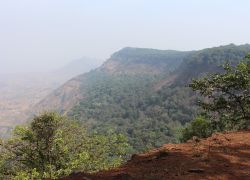
Matheran, a picturesque hill station in India, is home to the enchanting tourist attraction known as Mount Barry. This natural wonder boasts a rich history, unparalleled biodiversity, and stunning landscapes that attract visitors from far and wide. Nestled amidst lush greenery and serene surroundings, Mount Barry offers a unique experience for nature lovers and adventure seekers alike. History of Mount Barry Mount Barry holds a significant historical background, once serving as royal hunting grounds for the Maharajas of the region. Over the years, concerted conservation efforts have transformed this area into a thriving ecosystem, leading to its recognition by UNESCO for its biodiversity and natural beauty. Architecture and Natural Beauty of Mount Barry The natural environment of Mount Barry is a harmonious blend of wetlands, forests, and grasslands, providing a habitat for a diverse range of bird species. The historical Keoladeo Temple, located within the park, adds a touch of cultural richness to the already mesmerizing landscapes. Why is Mount Barry Famous? Mount Barry is renowned for its rich avian population, making it a paradise for birdwatchers and photographers. Nature enthusiasts and wildlife lovers are drawn to the area for its unspoiled beauty and the opportunity to witness a variety of flora and fauna in their natural habitat. How to Reach Mount Barry Traveling to Mount Barry is convenient, with options available by air, rail, and road. The nearest airports and railway stations provide easy access to this natural haven, allowing visitors to embark on a memorable journey to explore its wonders. Weather and Best Time to Visit Mount Barry Throughout the year, Mount Barry experiences varying weather conditions, from pleasant summers to lush monsoons and cool winters. The best time to visit is during the post-monsoon season when the lush greenery is at its peak, offering a refreshing and rejuvenating experience. Timings of Mount Barry Visitors can explore the beauty of Mount Barry during specific timings, ensuring a pleasant and well-organized experience. Seasonal variations may affect accessibility, so it is advisable to plan your visit accordingly. Entry Fee and Visit Details Entry procedures to Mount Barry are straightforward, with guide services available for those seeking in-depth knowledge of the area. Safari options, bicycle rentals, and visitor facilities enhance the overall experience, providing convenience and comfort to all guests. Things to Do at Mount Barry Engage in a variety of activities at Mount Barry, including birdwatching, photography, cycling, and walking trails through the pristine landscapes. Immerse yourself in nature observation and educational experiences, discovering the hidden gems of this natural treasure. Interesting Facts About Mount Barry Mount Barry is home to a plethora of migratory birds, showcasing the importance of conservation efforts in preserving their natural habitats. The area's ecological significance and biodiversity achievements make it a must-visit destination for those passionate about environmental conservation. Travel Tips for Visiting Mount Barry When planning a trip to Mount Barry, remember to pack appropriate clothing, essential photography equipment, and birdwatching essentials. Consider the visiting seasons and practice responsible tourism to ensure the preservation of this pristine ecosystem for future generations. Conclusion In conclusion, Mount Barry in Matheran stands as a testament to the beauty of nature and the importance of conservation. Visitors to this stunning hotspot are treated to a memorable experience filled with natural wonders, biodiversity, and endless opportunities for exploration and discovery.
Explore More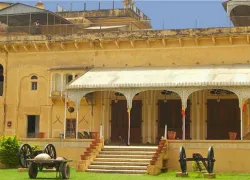
Dundlod is one of the popular towns in Jhunjhunu district of Rajasthan in India. Dundlod is located in the Shekhawati region of Rajasthan. The region is widely known for its forts and havelis, and to be more precise about the location, Dundlod, Shekhawati extends between latitude longitude 75°.20’ in the east and 28°.06’ in the north. History: For those who don't know Dundlod is very much famous for the edifices built in the 18th century as on the other hand, Nawalgarh is famous for its havelis and forts built in the 20th century. The most prominent fort of the region, Dundlod Fort was built even earlier in the 16th century under the rule of the Rawal King. The fort is now a heritage hotel as it was re-established. Other attraction of the place is inclusive of the Jagathia and Goenka havelis, the Satyanarayan temple, Chokhani, Diwan-I-Khas, Ladia and Saraf Haveli. Basically, Dundlod is a small village that is situated for almost seven km north of Nawalgarh in the heart of the Shekhawati region. It was way back in 1750, that the small fort of Dundlod was built by Keshari Singh, who was the fifth and youngest son of a Rajput ruler Sardul Singh. Festival: Dundlod is famous for its Gangaur festival in that happens every year in March. Moreover, a horse show is organized in Dundlod, Shekhawati. For those who have interest in horses, this festival can be a good time for their visit. Best Time to Visit: Dundlod is widely known for its extreme climatic conditions just like many other places in the north India. The summers reach for over 45°C, and on the other hand, the winters here are chilly and the temperature falls below 5°C. The best time or season to visit this place is winter i.e. from October to March. The rainfall here happens between 45 and 60 cm annually. How to Reach: For the ones who are travelling via air, the nearest airport for chartered flights is Jhunjhunu, which happens to be around 30 km from Dundlod, Shekhawati. For regular flights one will have to reach Jaipur, around 160 km away. For those who wish to travel through train, Mukundgarh is the nearest railway station and you can board trains for Bikaner and Jaipur then. For the people who love travelling by road, the entire region of Dundlod, Shekhawat is well-connected with good connectivity by road. There are many private and government buses are also there at a reasonable price. From Delhi, it is 250 km away, from Jaipur it is 160 km away, and Bikaner 230 km away. Interesting Facts and Trivia About: Dundlod’s fort is a quintessence of the perfect concoction of the Rajputana and Mughal Schools of Art and Architecture. Moreover, the motifs of this place have remained unchanged along with its minarets, mythological paintings, foliage, archaic furniture as well as wall hangings of arrows as well. It is also to be noted here that every day the first ray of sun falls over the Dundlod fort as an eternal blessing to this land of charm and allure. Nearby Attractions: Sikar Churu Nawalgarh Mandawa Badalgarh Fort Pilani Laxmangarh Fort Mandawa Fort Ratangarh Fort
Explore More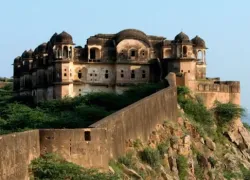
For the ones who don't know Khetri is famous region that is widely known for its exquisite frescos found in the Raghunath temple. In addition to this, the Bohpalgarh fort is also worth exploring and definitely deserves to be on your checklist. Apart from these places, Panna Lal Shah Ka Talab (Water Tank), Sukh Mahal, Ram Krishna Mission, and Hari Singh temple are also the places that one can explore in here. It is also to be noted here that the excursions of Khetri, Shekhawati is inclusive of Ajeet Sagar, Rameshwar Das Baba Ka Ashram at Bassi and Baghor Fort. Things to Do: Khetri is famous for its amazing forts and exquisite frescos found in the Raghunath temple. You can enjoy exploring the richness of the Rajasthani culture heer and what the rajas have left for the place. Khetri, Shekhawati is an amazing place for photography and videography for which you must require permission from the authorities. History: Khetri, Shekhawati is locted in Jhunjhunu district of Rajasthan, which happens to be 200 km south-west from the capital of India, Delhi. The small Rajasthani town is surrounded by sprawling, relatively unknown; fortress of Bhopalgarh has an immense impact on the cultural history of India even more than one's imagination. Khetri, Shekhawati is one of the intimately connected place, which connected with the life of Swami Vivekanand and was once a small fiefdom of the Shekhawat Rajas. Moreover, it is also one of those few places in the country that has boasted its own 'Nehru' as its chief minister. This is otherwise a nondescript town in north-east Rajasthan and has been visited by many travellers for the past few years. It is also to be noted here that Shekhawati is a parched district that is famous for the painted havelis of Marwari merchants. The place is nowadays under the control of the Maharajas of Jaipur, but it was once reined by semi-independent Rajas and Thakurs. Topping it all, one of most prominent regions among many was Khetri that was ruled by the one and only Shekhawat clan. As interesting as it may sound, Khetri, Shekhawati is for sure a place to be visited once in a lifetime. Best Time to Visit: Best time to visit Khetri is from October to March. And the reason why one should visit here during these months is because the weather is most favourable and pleasant during these months. Although, the days are sunny, but that doesn't make it difficult for travelling, on the other hand, the evenings are windy and pleasant. How to Reach: If you are travelling via air, the nearest airport to Khetri is Sanganeer Airport, which is 145 km away from the region. For those who are travelling via rail, the railway stations are Jhilo (19 km), Dabla (19 km), Nim Ka Thana (31 km) and Narnaul (36 km). Khetri is also quit well-connected by road and people cab drive on the easy roads very efficiently. Nearby Attractions: Raghunath Temple Sikar Churu Nawalgarh Mandawa Badalgarh Fort Pilani Laxmangarh Fort Mandawa Fort Ratangarh Fort Dundlod
Explore More