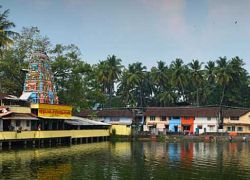
Tali Temple is a 14th-century Hindu shrine in Kerala. It was built under the reign of Swami Thirumulpad, the Zamorin (ruler) of Calicut. Tali Temple is situated within the premises of the palace of the Zamorin. The presiding deity of this shrine is Lord Shiva and is represented in the form of the huge Shivalinga. People, especially the devotees from the Shaivaite section, do not miss visiting this temple once in their lifetime. It Is Known For:-1) This shrine is known for its intriguing carvings done on the interior walls2) The entire structure was built using laterite and wood
Explore More
Built in the ancient era, Ghanta Ghar or the Clock Tower is a prominent landmark in the city of Jodhpur. It was built by Maharaja Sardar Singh. This clock tower has a massive height of 100 feet and boasts the intricate carvings on its exterior. It has a dome located exactly over the clock that is carved in a Rajasthani style of architecture. Why Is It Famous:- 1) Jodhpur Ghanta Ghar was built in the ancient times and its architecture narrates the skills of engineering in the bygone times. It took a span of 2 years for the completion of this renowned landmark. Today, it stands in a bustling market that is known by the name of Sardar Market. It bears the name of the ruler who built the massive structure of Ghanta Ghar. 2) Sardar Market is a lively locale where tourists can buy the different souvenirs. These souvenirs include the miniature clay elephants and horses, Rajasthani paintings etc. Also, the footwear, jewelry, clothes etc. are also purchased at Sardar Market. Best Time To Visit:- Jodhpur Ghanta Ghar is located in a busy area which is visited by millions of people on a daily basis. Therefore, there is no special day or event for paying a visit to this amazing clock tower. It can be visited during any time of the day and year. Reaching There:- Jodhpur Ghanta Ghar can be easily visited by any means of transport. Due to its location in the market, the rickshaws are considered as the appropriate mode for visiting the place. A person can even walk to the place as well. Nearest Railway Station:- Jodhpur Junction Nearest Airport:- Jodhpur Airport
Explore More
Kumbalangi Integrated Tourism Village
An exquisite fishing hamlet on an island lying in the backwaters around Cochin, Kumbalangi is India’s very first ecotourism village. Popularly known as Kumbalangi Integrated Tourism Village, this island is situated 15 km away from Cochin. This lush green village of Cochin with its antique culture and heritage attracts hordes of tourists all over the country every year. Spread over an area of 16 sq. km in Kerala, this village is unique in the way it has maintained its beauty, serenity, tradition, and culture to the fullest extent and is the home of fishermen, farmers, laborers, and toddy tappers. Confined by serene backwaters, this village has a ring of Chinese fishing nets and local paddy cultivation. This place also offers an alluring glimpse of the wealthy livelihood of the villagers. Kumbalangi Integrated Tourism Village is a one-of-a-kind initiative that promotes biodiversity and it boasts of its rich flora and fauna which has become one of its major attractions. An array of mangroves separates this village from water and provides for a good breeding ground for prawns, crabs, oysters and small fish. Kumbalanghi Integrated Tourism Village is blessed with many natural wonders and the people who visit here are treated to many a rare treat. This place provides tourists a wonderful opportunity to relax, refresh and rejuvenate with the bountiful green, serene and pollution-free atmosphere and at the same time to experience the natural and traditional village activities carried out on the Island. One can get the opportunity to enjoy the serenity of the backwater, the hospitality and the love of the innocent villagers here. Tourists can feel great with the added flavor of security and warmth of “being in a home”. Surrounded by backwater, the place has ample scope of boat rides. The traditional wooden country boats here are best to get an old-world feel. With activities like fishing and boat cruising, this Island offers exotic and adventurous activities to the visitors. Canoeing along the tiny streams crisscrossing the place on canoes or traditional kochuvallam is a great experience that visitors will never forget. The village resorts here offer a romantic getaway for the couples. Visitors can take a quick family vacation in these village resorts. While in Kumbalangi, one can also enjoy the local delicacies prepared by families staying here. Visitors can even visit some other nearby places such as Kalagramam, Fort Kochi, Mattancherry, Thrippunithura, and many more during their trip to Kumbalangi Integrated Tourism Village. How To Reach Kumbalangi Integrated Tourism Village: Kumbalangi, being just 15 km away from Cochin, the commercial capital of Kerala, is blessed with good connectivity. • By air: Cochin International Airport is 45 km away from Kumbalangi Integrated Tourism Village. As Cochin is well connected by air to all major cities in India and abroad, this would be the best way to travel. • By train: Ernakulam junction, the nearest railway station, is just 12 km from Kumbalangi Integrated Tourism Village. Trains are best for those interested to capture a slice of common man’s life. • By road: From Cochin, hop on to any bus leading to Kumbalangi and one can there in 15 minutes.
Explore More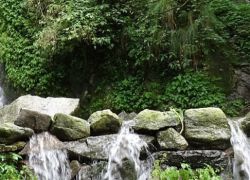
Dalhousie, the beautiful land on Himachal attracts major tourist attractions in India, especially to the holiday-makers of North India. Dalhousie has a glorious past which also enhances its historic influence. In 1853, Lord James Ramsay had found this hill station as his favorite holiday spot. Later on, Lord Dalhousie, the government of British India, took control of this town and renamed the city with his name. After independence, slowly Dalhousie became the attractive tourist destination of today.Dalhousie has major tourist attractions and one significant among them is the Bara Pathar temple.Description:It is a popular temple in the city which is known to attract a wide range of visitors every day. Being situated in the middle of Chamba Valley and its pristine surroundings, Bhulwani Mata is worshipped here. From here, tourists can enjoy marvelous views of snow-covered Himalayan peaks and the entire atmosphere is very pleasing and comfortable all through the year.The temple remains at only a 4 km distance from Dalhousie. Most of the tourists going to visit Kalatop sanctuary often come to this place attracted by the environment as well as the ethereal beauty of this place which is inside mind-blowing locations of thick forests of Ahla village.Traveler tips:If you are on a vacation in Dalhousie and on your way to Kalatop Sanctuary, on your way, you can have a pleasant tea break amidst the stunning picturesque nature. Bestowing your head in the temple may earn you some blessings of Bhulwani Mata.Things to do:The Bara Pathar, Dalhousie is located inside a valley and thus a nice place to trek. The cool and fragranced breeze passes through this place during the summer, which is refreshing for the trekkers. You can also trek through the Dayan Kund peak as its foothills shelter the temple.The exact location of Bara Pathar, Dalhousie is between the Dalhousie municipal limits and Kalatop Sanctuary. Here remains a potato firm. Besides hiking and trekking, the firm has lots of visitor attention every day. You can watch the process of cultivation and reaping of the potatoes.Festival:An annual fair is organized here every year during the month of July to revere the Bhulwani Mata with festivities. Though the fair is organized by the local people here every tourist attends it with pleasure. In this annual event, the idol of Bhulwani Mata is carried to the Bara Pathar. And, the people of Ahla village welcome the goddess with celebrations.Best time to visit:Bara Pathar temple in Dalhousie is best known for offering good scenic beauty and a pleasant and cool atmosphere even during summer. Thus, it can be a cool break to escape the scorching heat on the plains.How to reach?Dalhousie is easy to reach by any ways of transportation from many parts of India.By air – Traveling through air is definitely one of the most time-saving and comfortable media of transport to reach here. The nearest railway station is at the Gaggal area, Kangra which is 135 km away from Dalhousie. Hire a cab or ride on a local bus to reach Dalhousie from there.By road – Dalhousie is well connected through roadways with many major cities of the country including Chamba, Katra, Jalandhar, Palampur, Delhi, Amritsar, etc.By train – Dalhousie has no railway station in it, so you cannot reach this city directly by train route. You need to catch a train to Pathankot first which is located 80 km away from Dalhousie. Thereafter, hire a cab to reach your destination.Interesting facts & trivia about –It is believed that the temple is almost 150 years old.Nearby attractions:• Dainkund peak• Chamera lake• Panchpula• Kalatop• Satdhara falls, etc.So, if you are planning a trip to Dalhousie of Himachal Pradesh, you must visit the Bara Pathar temple here. Whether you are a nature freak or an adventure mind, you will surely enjoy your visit here. Happy journey!
Explore More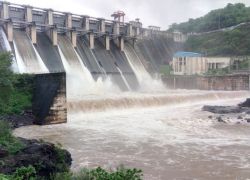
Karjan Dam is a magnificent tourist attraction located near Rajpipla in the state of Gujarat. This dam is spread over a very large area. This dam is located in Shoolpaneshwar Wildlife Sanctuary. At Karjan Dam 9 gates are available. You get to see some of its gates open sometimes. It usually remains open during the rainy season. The filling area of this dam is 1403.78 square kilometers. The length of the dam is 903 meters. The height of the dam is 100 meters. The storage capacity of this dam is 28.30 cubic. This dam is mainly built for irrigation. Best Time To Visit The most appropriate time to visit this dam is during the rainy season. In the rainy season, this dam is covered by greenery all around and looks very beautiful. The gates of this dam are also opened in the rainy season, because the dam is completely filled with water and the water of the dam starts overflowing, due to which its gates are opened. The view of the dam is very delightful when the gate is opened. Many people come to visit this dam during the rainy season to see this view. You can also come here for a walk during the rainy season. You can reach this dam by your vehicle and by car. There is a good road to reach the dam. How To Reach By Road The nearest place is Rajpipla, 10.3 km away from the Dam. Reach Rajpipla and then reach the destination after covering this small distance. By Train Reach Vadodara railway station and the destination is 83.3 km far away from here. It will take approx 2 hours. By Air Reach Vadodara airport and the destination is 87.3 km far away from here.
Explore More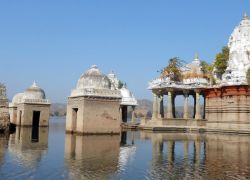
Junaraj is a picturesque village located in the western Indian state of Gujarat. It is situated at the foothills of the Aravalli Range. Its scenic beauty and rich cultural heritage make it pretty famous. The village is home to a vibrant community of locals. Residents of this village offer their warm hospitality and live a traditional way of life. Agriculture is the primary source of livelihood in Junaraj, with farmers cultivating crops such as wheat, maize, and cotton. The village is also famous for its handicrafts, particularly the colorful embroidery work known as the 'Kutchi' embroidery. Visitors to Junaraj can enjoy the tranquil surroundings and soak in the local culture, including folk dances and music performances. Overall, Junaraj is a hidden gem in Gujarat. It offers a unique and authentic experience for travelers looking to explore rural India. History Junaraj village has a rich history that dates back several centuries. According to local folklore, a Rajput king named Junaraj established its name. He ruled over the region in the 12th century. Over the years, Junaraj became an important center of trade and commerce. This happened with merchants from neighboring regions flocking to the village to sell their wares. The village also played a significant role in the Indian freedom struggle. Several prominent leaders were using it as a base for their activities. Today, Junaraj is a thriving rural community that has managed to preserve its cultural heritage despite the forces of modernization. Overall, the history of Junaraj village is a testament to the resilience and spirit of the people of Gujarat. Best Time To Visit If you're planning a trip to Junaraj village in Gujarat, the best time to visit is from October to February. During this time, the weather is pleasant with temperatures ranging from 15°C to 30°C. This makes it an ideal time to explore the village and its surroundings. This period also marks the festive season in Gujarat. Navratri, Diwali, and Uttarayan are the major festivals here. People celebrate them with great enthusiasm. You can witness colorful celebrations and experience the vibrant culture of the state during this time. Junaraj village is a must-visit destination for anyone looking to experience the rich culture and natural beauty of Gujarat. How To Reach? You can find Junaraj village in the western Indian state of Gujarat. The nearest airport is in Ahmedabad, which is approximately 150 kilometers away. From the airport, visitors can hire a taxi or take a bus to reach Junaraj. The village is also well-connected by road, with regular bus services operating from major cities such as Ahmedabad and Bhavnagar. For those traveling by train, the nearest railway station is in the town of Viramgam. It is around 100 kilometers from Junaraj. From Viramgam, visitors can take a taxi or bus to reach the village. Once in Junaraj, visitors can explore the village on foot or hire a bicycle to get around.
Explore More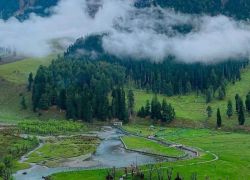
Doodhpathri is a picturesque meadow located in the Budgam district of Jammu and Kashmir, India. Situated at an altitude of 8,957 feet (2,730 meters), it's known for its lush green landscapes and pristine natural beauty. The name "Doodhpathri" translates to "Valley of Milk," referring to the white foam created by the Shaliganga River flowing through its grasslands. This relatively unexplored destination offers breathtaking views of snow-capped mountains, pine forests, and flower-filled meadows. Popular activities in Doodhpathri include trekking, camping, and enjoying the serene atmosphere away from bustling tourist spots.
Explore More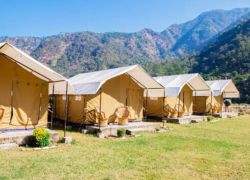
Camping in Rishikesh is an unforgettable experience, combining adventure, nature, and tranquility. Nestled between the Himalayas and the sacred Ganges River, Rishikesh offers a variety of camping options—riverside camps, jungle camps, or more luxury-style tents with modern amenities. The peaceful surroundings and cool mountain breeze create the perfect atmosphere for a relaxing escape. Many campsites offer activities like trekking, bonfires, and, of course, white-water rafting. You can spend your day exploring the natural beauty, practicing yoga by the river, or simply unwinding in the serene environment. The night comes alive with a bonfire, where you can enjoy storytelling, music, and stargazing. For those seeking spirituality, nearby temples and ashrams provide a chance for meditation. Camping in Rishikesh is not just about staying in nature but reconnecting with your inner self in one of India’s most peaceful and adventurous destinations.
Explore More
Jispa, located near Darcha, is a hidden gem nestled in the heart of nature's bounty. This picturesque tourist attraction is renowned for its serene natural environment, rich biodiversity, and captivating landscapes that attract travelers from far and wide. Whether you are a birdwatcher, photographer, nature enthusiast, or wildlife lover, Jispa offers a tranquil retreat amidst the majestic Himalayas. History of Jispa Jispa has a fascinating historical background, once serving as a royal hunting ground for the erstwhile rulers. Over the years, concerted conservation efforts have been made to preserve its natural beauty, leading to its recognition by UNESCO for its ecological significance. Architecture and Natural Beauty of Jispa The natural beauty of Jispa is unparalleled, with vast wetlands, lush forests, expansive grasslands, and diverse bird habitats. The historical Keoladeo Temple within the park adds a touch of cultural richness to the surrounding landscapes. Why is Jispa Famous? Jispa is famous for being a paradise for birdwatchers, photographers, and nature enthusiasts. Its unique blend of natural wonders and biodiversity makes it an ideal destination for those seeking solace in the lap of nature. How to Reach Jispa Traveling to Jispa is an adventure in itself. Visitors can reach this pristine destination by air, rail, or road, with nearby airports and railway stations providing convenient access to this natural haven. Weather and Best Time to Visit Jispa Jispa experiences varying weather conditions throughout the year, with summer, monsoon, and winter seasons offering distinct charms to visitors. The best time to visit Jispa is during the moderate weather months when the natural beauty of the region is at its peak. Timings of Jispa Jispa welcomes visitors during specific timings, with seasonal variations that may impact the overall experience. Planning your visit accordingly can enhance your exploration of this mesmerizing destination. Entry Fee and Visit Details Entry into Jispa is subject to specific procedures, with guide services, safari options, bicycle rentals, and visitor facilities available to ensure a comfortable and enjoyable visit to this natural paradise. Things to Do at Jispa At Jispa, there are numerous activities to engage in, from birdwatching and photography to cycling, walking trails, and nature observation. Visitors can immerse themselves in the beauty of the surroundings and partake in educational experiences that deepen their appreciation for nature. Interesting Facts About Jispa Jispa is home to a myriad of migratory birds, boasting a rich biodiversity that underscores the importance of conservation efforts in the region. The ecological significance of Jispa makes it a valuable sanctuary for wildlife and nature enthusiasts alike. Travel Tips for Visiting Jispa When visiting Jispa, it is advisable to pack appropriate clothing, carry essential photography and birdwatching equipment, and be mindful of the best seasons to explore this natural wonder. Responsible tourism practices are encouraged to preserve the beauty of Jispa for future generations. Conclusion In conclusion, Jispa, located in Darcha, stands as a testament to the splendor of nature and the importance of conservation. Its significance as a haven for wildlife and nature lovers makes it a must-visit destination for those seeking tranquility amidst breathtaking landscapes. Explore the wonders of Jispa and immerse yourself in the beauty of this enchanting tourist attraction.
Explore More
Osian Desert Camps in Osian offer a unique and immersive experience in the heart of Rajasthan. Nestled amidst the natural beauty of the desert, this destination holds significant importance for tourists seeking a blend of adventure, culture, and tranquility. History of Osian Desert Camps The history of Osian Desert Camps dates back to ancient times, once serving as a royal hunting ground for the local rulers. Over the years, efforts have been made to conserve the natural environment and promote sustainable tourism. The rich heritage of the camps has even garnered recognition from UNESCO for its historical significance. Architecture and Natural Beauty of Osian Desert Camps Osian Desert Camps boast diverse landscapes, from vast deserts to lush oases. The camps are surrounded by wetlands, forests, and grasslands that provide a habitat for a variety of bird species. The majestic Keoladeo Temple, a historic structure within the vicinity, adds to the architectural charm of the area. Why is Osian Desert Camps Famous? Osian Desert Camps have gained fame among birdwatchers, photographers, and nature enthusiasts due to the incredible biodiversity and picturesque surroundings. The camps offer a serene retreat for wildlife lovers seeking to connect with nature. How to Reach Osian Desert Camps Traveling to Osian Desert Camps is convenient, with options for air, rail, and road transport. The nearest airports are located in Jodhpur and Jaipur, while the Osian railway station provides easy access for those traveling by train. Road connectivity is excellent, allowing visitors to reach the camps with ease. Weather and Best Time to Visit Osian Desert Camps The climate at Osian Desert Camps varies across seasons, with hot summers, moderate monsoons, and cool winters. The best time to visit is during the winter months, from October to March, when the weather is pleasant for outdoor activities. Timings of Osian Desert Camps Osian Desert Camps welcome visitors throughout the year, with seasonal variations in timings based on daylight hours. It is advisable to plan your visit during the daytime to make the most of the natural beauty and recreational opportunities available at the camps. Entry Fee and Visit Details Visitors can access Osian Desert Camps by paying an entry fee, which includes the provision of guide services, safari options, and bicycle rentals for exploring the area. The camps offer various visitor facilities to ensure a comfortable and enjoyable stay. Things to Do at Osian Desert Camps At Osian Desert Camps, visitors can engage in a range of activities such as birdwatching, photography, cycling, walking trails, and nature observation. The camps also offer educational experiences for those interested in learning more about the local flora and fauna. Interesting Facts About Osian Desert Camps Osian Desert Camps are home to a diverse range of migratory birds, showcasing the region's rich biodiversity. Conservation efforts at the camps have led to significant achievements in preserving the ecological balance of the area, making it a hub for nature conservationists. Travel Tips for Visiting Osian Desert Camps When visiting Osian Desert Camps, it is advisable to dress appropriately for the desert climate, carry essential photography equipment, and follow responsible tourism practices to minimize environmental impact. Different seasons offer unique experiences, so plan your visit accordingly for an unforgettable trip. Conclusion In conclusion, Osian Desert Camps in Osian stand out as a must-visit destination for those seeking a harmonious blend of nature, history, and adventure. Whether you are a wildlife enthusiast, a photography buff, or simply a traveler looking to immerse yourself in Rajasthan's cultural tapestry, Osian Desert Camps offer a memorable experience that will leave you enchanted.
Explore More
Welcome to Kailash Gufa, a mesmerizing tourist attraction nestled in the heart of Jagdalpur. This natural wonder is a haven for nature enthusiasts, birdwatchers, and photographers seeking to immerse themselves in the beauty of untouched landscapes and diverse wildlife. History of Kailash Gufa With a rich historical background, Kailash Gufa holds significance as a former royal hunting ground transformed into a conservation area to protect its unique biodiversity. Recognized by UNESCO for its conservation efforts, the site stands as a testament to the importance of preserving our natural heritage. Architecture and Natural Beauty of Kailash Gufa The natural environment surrounding Kailash Gufa is a sight to behold, featuring lush wetlands, dense forests, sprawling grasslands, and diverse bird habitats. Amidst this picturesque setting lies the historic Keoladeo Temple, adding a touch of ancient charm to the park's stunning landscapes. Why is Kailash Gufa Famous? Kailash Gufa is renowned for its unparalleled beauty and abundant wildlife, making it a popular destination for birdwatchers, photographers, and nature lovers alike. The park's diverse ecosystem provides a unique opportunity to witness a wide variety of avian species in their natural habitat. How to Reach Kailash Gufa Travelling to Kailash Gufa is easily accessible via air, rail, and road. Visitors can choose to arrive at the nearest airport and railway station, both of which offer convenient transportation options to reach this natural gem in Jagdalpur. Weather and Best Time to Visit Kailash Gufa Throughout the summer, monsoon, and winter seasons, Kailash Gufa experiences varying weather conditions that influence the best time to visit. To make the most of your trip, plan your visit during the months that offer pleasant weather and optimal wildlife sightings. Timings of Kailash Gufa Visitor timings at Kailash Gufa may vary seasonally, so it's essential to check ahead and plan your visit accordingly. Whether exploring the park's trails or enjoying guided tours, being aware of the operational hours ensures a seamless and memorable experience. Entry Fee and Visit Details Upon arrival, visitors can expect to learn about entry procedures, guide services, safari options, bicycle rentals, and the range of visitor facilities available at Kailash Gufa. These amenities aim to enhance your exploration of the park and provide a comfortable stay. Things to Do at Kailash Gufa Engage in a myriad of activities at Kailash Gufa, including birdwatching, photography, cycling, walking trails, nature observation, and educational experiences. Each experience offers a unique perspective on the park's biodiversity and allows visitors to connect with nature on a deeper level. Interesting Facts About Kailash Gufa Discover intriguing facts about Kailash Gufa, from the seasonal migration of birds to the park's conservation achievements and ecological significance. These facts shed light on the importance of preserving natural habitats and fostering a sustainable environment for future generations. Travel Tips for Visiting Kailash Gufa Prepare for your visit to Kailash Gufa by considering essential travel tips, including appropriate clothing, photography gear, birdwatching equipment, ideal visiting seasons, and responsible tourism practices. By following these tips, you can make the most of your experience while respecting the park's delicate ecosystem. Conclusion In conclusion, Kailash Gufa in Jagdalpur offers a captivating blend of history, natural beauty, and wildlife that appeals to all who seek a genuine connection with the outdoors. By exploring this enchanting destination, visitors can gain a deeper appreciation for nature's wonders and contribute to the conservation efforts that safeguard our planet's precious biodiversity.
Explore More
Welcome to Kala Pani, a mesmerizing tourist attraction nestled in the heart of Rampur. This enchanting destination captivates visitors with its natural beauty, rich biodiversity, and historical significance. Whether you are a birdwatcher, photographer, nature enthusiast, or wildlife lover, Kala Pani offers a unique and unforgettable experience. History of Kala Pani Steeped in history, Kala Pani traces its roots back to the former royal hunting grounds of Rampur. Over the years, concerted conservation efforts have transformed this area into a sanctuary for wildlife, earning it recognition from UNESCO for its ecological importance and preservation of indigenous flora and fauna. Architecture and Natural Beauty of Kala Pani Embraced by wetlands, forests, and grasslands, Kala Pani is a haven for a diverse range of bird species. The park's picturesque landscapes provide the perfect backdrop for bird habitats, while the historic Keoladeo Temple adds a touch of spirituality to the natural surroundings. Why is Kala Pani Famous? Kala Pani is renowned for its appeal to birdwatchers, photographers, and nature lovers alike. The abundance of avian species, coupled with the serene ambiance of the park, makes it a preferred destination for those seeking to immerse themselves in the wonders of the natural world. How to Reach Kala Pani Traveling to Kala Pani is convenient, with options available by air, rail, and road. Nearby airports and railway stations ensure easy access to this captivating destination, allowing visitors to embark on a seamless journey to explore its treasures. Weather and Best Time to Visit Kala Pani Throughout the summer, monsoon, and winter seasons, Kala Pani offers a different yet equally enchanting experience. The best time to visit varies depending on personal preferences, with certain months showcasing the park's beauty in distinct ways. Timings of Kala Pani Visitor timings at Kala Pani are designed to accommodate the needs of guests, with seasonal variations in place to enhance the overall experience. Planning a trip to this idyllic locale is made easier with detailed information on operational hours and essential visitor guidelines. Entry Fee and Visit Details For those eager to explore Kala Pani, entry procedures are straightforward, with guide services and safari options available for a more immersive experience. Bicycle rentals and visitor facilities ensure that guests can make the most of their visit to this natural paradise. Things to Do at Kala Pani Engaging in popular activities at Kala Pani is a delight for all ages. From birdwatching and photography to cycling and nature observation, the park offers a myriad of opportunities for visitors to connect with the environment and create lasting memories. Interesting Facts About Kala Pani Delve into the fascinating world of Kala Pani, where migratory birds find sanctuary and conservation efforts have led to remarkable achievements. Discover the ecological importance of this sanctuary and its role in preserving biodiversity for future generations. Travel Tips for Visiting Kala Pani Before embarking on your journey to Kala Pani, consider practical advice on clothing choices, photography essentials, and responsible tourism practices. Understanding the nuances of visiting seasons and birdwatching equipment can enhance your experience at this renowned destination. Conclusion In conclusion, Kala Pani in Rampur stands as a testament to the beauty of nature and the importance of conservation efforts. Whether you seek solace in birdwatching or wish to explore the wonders of wildlife, Kala Pani offers a remarkable blend of history, biodiversity, and natural splendor for all who visit.
Explore More4 Night - 5 Days Enchanting Kerala Tour
5 Days/ 4 Night
Kumarakom - Kochi - Alleppey - Munnar
2 Night - 3 Days Special Chennai Tirupati Darshan Package
3 Days/ 2 Night
Tirupati - Chennai
Gangtok - Lachung - Pelling 7N - 8D Tour
8 Days/ 7 Night
Gangtok - Pelling - Lachung
Kashmir Tour 5 Night 6 Day
6 Days/ 5 Night
Gulmarg - Jammu - Pahalgam - Srinagar - Budgam - Kashmir - Sheshnag
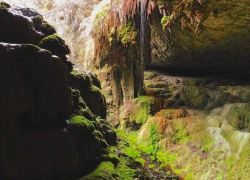
Welcome to the mesmerizing Alfred Caves nestled in the heart of Diglipur. This enchanting tourist attraction is a haven for nature lovers, birdwatchers, and adventure enthusiasts, offering a unique blend of natural beauty and wildlife wonders. History of Alfred Caves Steeped in history, Alfred Caves boasts a rich heritage dating back to ancient times. These caves were once part of the royal hunting grounds and have witnessed significant conservation efforts over the years. The site's unparalleled beauty and ecological importance have earned it recognition by UNESCO as a vital natural habitat. Architecture and Natural Beauty of Alfred Caves Alfred Caves is renowned for its lush wetlands, dense forests, picturesque grasslands, and diverse bird habitats. The park also houses the historic Keoladeo Temple, adding a touch of cultural charm to its natural allure. Why is Alfred Caves Famous? Alfred Caves is a paradise for birdwatchers, photographers, and wildlife enthusiasts. Its diverse ecosystem supports a plethora of avian species, making it a hotspot for bird migration and conservation efforts. How to Reach Alfred Caves Traveling to Alfred Caves is convenient, with options for air, rail, and road transport. The nearest airports and railway stations provide easy access to this nature lover's paradise, ensuring a seamless journey for visitors. Weather and Best Time to Visit Alfred Caves Throughout the year, Alfred Caves offers different experiences based on the seasonal variations. While summers are ideal for birdwatching, the monsoon brings out the lush greenery, and winters provide a serene backdrop for exploring the caves. The best time to visit is during the cooler months for a comfortable and enjoyable experience. Timings of Alfred Caves Visitors can explore Alfred Caves during designated timings, with seasonal variations that may affect accessibility. It is advisable to plan your visit accordingly and check for any updates before embarking on your journey. Entry Fee and Visit Details Entry to Alfred Caves involves specific procedures, guide services, and safari options for a comprehensive experience. Visitors can also avail bicycle rentals and other facilities to enhance their exploration of this natural gem. Things to Do at Alfred Caves Embark on a journey of discovery at Alfred Caves by engaging in activities such as birdwatching, photography, cycling, and walking trails. Immerse yourself in nature's beauty, observe the diverse wildlife, and partake in educational experiences that will leave you in awe of this breathtaking destination. Interesting Facts About Alfred Caves Alfred Caves is home to a myriad of migratory birds, showcasing the region's rich biodiversity and conservation achievements. The site's ecological significance underscores the importance of preserving such natural wonders for future generations to enjoy. Travel Tips for Visiting Alfred Caves When visiting Alfred Caves, remember to dress appropriately for the weather, carry essential photography and birdwatching equipment, and adhere to responsible tourism practices. It is advisable to plan your trip during the recommended seasons for an unforgettable and sustainable travel experience. Conclusion In conclusion, Alfred Caves in Diglipur is a sanctuary of tranquility and natural beauty, offering an immersive experience for visitors seeking solace in the lap of nature. With its diverse flora and fauna, historical significance, and captivating landscapes, Alfred Caves is a must-visit destination that promises a memorable journey for all who venture to explore its wonders.
Explore More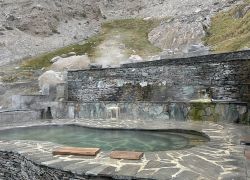
Welcome to the serene oasis of Panamik Hot Springs nestled in the picturesque city of Nubra. This hidden gem in the Ladakh region of India offers a unique experience blending natural beauty with therapeutic hot springs, making it a must-visit destination for travelers seeking relaxation and rejuvenation amidst stunning landscapes. History of Panamik Hot Springs The history of Panamik Hot Springs dates back centuries, known for its natural healing properties and traditional significance among locals. Once a royal retreat and a favored stop for traders on the ancient Silk Route, these hot springs have a rich historical legacy. The conservation efforts to preserve this natural wonder have garnered attention, leading to its recognition as a site of cultural and ecological importance. Architecture and Natural Beauty of Panamik Hot Springs Surrounded by snow-capped peaks and verdant valleys, Panamik Hot Springs offer a tranquil retreat amidst the natural splendor of Nubra. The wetlands, forests, and bird habitats add to the charm of this location, with the historic Keoladeo Temple providing a cultural touch to the landscape. Why is Panamik Hot Springs Famous? Panamik Hot Springs have gained popularity among birdwatchers, photographers, and nature enthusiasts due to their unique blend of natural beauty and therapeutic hot springs. The diverse wildlife and serene ambiance make it a haven for wildlife lovers seeking a peaceful escape in nature. How to Reach Panamik Hot Springs Traveling to Panamik Hot Springs is an adventure in itself. The nearest airport is in Leh, connected by flights from major cities. From Leh, a scenic road journey through picturesque landscapes takes you to Nubra. Alternatively, travelers can opt for the exhilarating experience of the Nubra Valley via the Khardung La Pass, one of the highest motorable roads in the world. Weather and Best Time to Visit Panamik Hot Springs The weather at Panamik Hot Springs varies throughout the year, with summers being pleasant, monsoons bringing occasional showers, and winters offering a snowy wonderland. The best time to visit is during the summer months from May to September when the weather is favorable for exploring the hot springs and surrounding attractions. Timings of Panamik Hot Springs Panamik Hot Springs welcome visitors during specific timings, allowing guests to enjoy the therapeutic benefits of the hot springs in a tranquil setting. The timings may vary seasonally, so it is advisable to check before planning your visit to make the most of your experience. Entry Fee and Visit Details Visitors to Panamik Hot Springs can indulge in the soothing hot springs by following the entry procedures. Guide services are available for those interested in learning more about the area, while safari options and bicycle rentals offer unique ways to explore the surroundings. Visitor facilities ensure a comfortable stay amidst nature's bounty. Things to Do at Panamik Hot Springs At Panamik Hot Springs, there is no shortage of activities to engage in. From birdwatching and photography to cycling and nature walks, visitors can immerse themselves in the beauty of the surroundings. The walking trails offer a chance to connect with nature, while educational experiences provide insights into the local ecosystem. Interesting Facts About Panamik Hot Springs Panamik Hot Springs are not just a natural wonder but also a hub of biodiversity. The region's migratory birds, conservation efforts, and ecological significance make it a fascinating destination for eco-conscious travelers. The conservation achievements in preserving this unique ecosystem add to its allure. Travel Tips for Visiting Panamik Hot Springs When visiting Panamik Hot Springs, it is advisable to dress in layers to accommodate the changing weather conditions. Carrying photography equipment and binoculars can enhance your birdwatching experience, while visiting during the recommended seasons ensures a memorable trip. Responsible tourism practices help in preserving the beauty of this natural paradise. Conclusion In conclusion, Panamik Hot Springs in Nubra offer a harmonious blend of natural beauty, cultural heritage, and therapeutic relaxation. Whether you are a nature enthusiast, wildlife lover, or simply seeking a peaceful retreat, this destination promises an unforgettable experience amidst the tranquil landscapes of Ladakh. Explore the wonders of Panamik Hot Springs and immerse yourself in the serenity of this hidden oasis in the heart of the Himalayas.
Explore More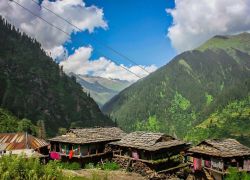
Welcome to the mesmerizing village of Malana located near the city of Kasol. This hidden gem nestled in the heart of the Himalayas offers a unique experience for travelers seeking natural beauty, tranquility, and a peek into traditional village life. History of Malana Village Malana boasts a rich historical background dating back centuries, believed to be one of the oldest democracies in the world. The village has preserved its distinct culture and customs, making it a fascinating destination for history enthusiasts. Once a former royal hunting ground, Malana has now gained recognition for its conservation efforts and is on the path to UNESCO acknowledgment. Architecture and Natural Beauty of Malana Village The village is surrounded by lush forests, picturesque landscapes, and diverse bird habitats, providing a haven for nature lovers. The historical Keoladeo Temple within the village adds to its architectural charm, offering a glimpse into its cultural heritage. Why is Malana Village Famous? Malana Village is renowned for its serene environment, making it a haven for birdwatchers, photographers, and wildlife enthusiasts. The village's natural beauty and tranquil atmosphere attract visitors from far and wide seeking a unique experience amidst nature. How to Reach Malana Village Traveling to Malana Village is an adventure in itself. Visitors can reach the village by air, with the nearest airport being in Kullu. Alternatively, one can opt for a scenic train journey to Kasol followed by a picturesque road trip to Malana. Weather and Best Time to Visit Malana Village Malana Village experiences pleasant weather during summer, with the monsoon season bringing lush greenery to the surroundings. Winter offers a snowy landscape, creating a magical ambiance. The best time to visit Malana is during the spring and autumn months when the weather is ideal for exploring the village. Timings of Malana Village Visitors can explore Malana Village during the day, soaking in the natural beauty and cultural heritage. It is recommended to plan the visit during daylight hours to fully appreciate the village's charm. Entry Fee and Visit Details Entry to Malana Village is free for visitors, offering a chance to immerse in the local culture and scenic surroundings. Guide services are available for those interested in learning more about the village's history and traditions. Visitors can also opt for bicycle rentals to explore the village at their own pace. Things to Do at Malana Village Malana Village offers a range of activities for visitors to enjoy, including birdwatching, photography, cycling through the scenic trails, and observing the diverse flora and fauna. The village provides an educational experience for those interested in traditional village life and cultural practices. Interesting Facts About Malana Village Malana Village is home to a variety of migratory birds, adding to its biodiversity and ecological significance. The village's conservation efforts have led to the protection of its natural resources, making it a model for sustainable tourism practices. Travel Tips for Visiting Malana Village When visiting Malana Village, it is advisable to wear comfortable clothing suitable for exploring the natural surroundings. Bringing along a camera for capturing the scenic beauty and birdwatching equipment for observing the diverse avian species is recommended. Visitors should respect the local customs and traditions, practicing responsible tourism during their stay. Conclusion In conclusion, Malana Village in Kasol offers a unique blend of natural beauty, cultural heritage, and tranquility for travelers seeking an offbeat destination. With its rich history, diverse wildlife, and picturesque landscapes, Malana Village promises an unforgettable experience for nature enthusiasts and history buffs alike.
Explore More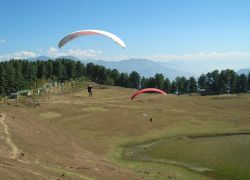
Sanasar, located near Patnitop, is a hidden gem nestled in the picturesque landscapes of Jammu and Kashmir. This tranquil tourist attraction is renowned for its natural beauty, biodiversity, and serene environment, making it a perfect destination for nature lovers and adventure seekers alike. History of Sanasar Sanasar has a rich historical background, once serving as royal hunting grounds for the erstwhile Maharajas of Jammu and Kashmir. Over the years, concerted conservation efforts have transformed this region into a haven for wildlife and natural habitats. Its exceptional ecological significance has garnered UNESCO recognition, further highlighting its importance in preserving biodiversity. Architecture and Natural Beauty of Sanasar The natural beauty of Sanasar is awe-inspiring, with lush forests, meandering wetlands, and vibrant grasslands creating a haven for numerous bird species. The Keoladeo Temple, a historical marvel within the park, adds to the architectural charm of the region, blending spirituality with nature's bounty. Why is Sanasar Famous? Sanasar is celebrated for its diverse avian population, attracting birdwatchers, photographers, and nature enthusiasts from around the globe. The region's serene ambiance, coupled with its rich biodiversity, makes it a paradise for wildlife lovers seeking a retreat in the heart of nature. How to Reach Sanasar Travelling to Sanasar is convenient, with options available via air, rail, and road. The nearest airport is in Jammu, while the closest railway station is in Udhampur. Visitors can easily access Sanasar by road, with well-connected routes leading to this nature lover's paradise. Weather and Best Time to Visit Sanasar Sanasar experiences pleasant weather conditions throughout the year, with distinct summer, monsoon, and winter seasons. The best time to visit is during the spring and autumn months when the weather is mild, and nature is at its vibrant best. Timings of Sanasar Sanasar welcomes visitors throughout the year, with timings varying slightly based on the season. It is advisable to plan your visit during the early hours to witness the beauty of the sunrise and the active wildlife in the region. Entry Fee and Visit Details Entry to Sanasar is hassle-free, with nominal fees for visitors. Guide services are available for those seeking a deeper understanding of the region's flora and fauna. Safari options, bicycle rentals, and visitor facilities are also accessible for a comfortable and immersive experience. Things to Do at Sanasar Engage in a myriad of activities at Sanasar, including birdwatching, photography, cycling through scenic trails, leisurely walks amidst nature, and enriching educational experiences. The region offers a plethora of opportunities to connect with the environment and its inhabitants. Interesting Facts About Sanasar Sanasar is a haven for migratory birds, boasting a significant population of species that flock to the region during specific seasons. Conservation efforts have led to remarkable achievements in preserving biodiversity, underlining the ecological importance of this pristine destination. Travel Tips for Visiting Sanasar When visiting Sanasar, it is advisable to dress in layers to accommodate changing weather conditions. Carrying a camera and binoculars is essential for capturing the beauty of the avian residents. Choose your visiting season wisely to maximize your wildlife sightings and practice responsible tourism to help preserve the natural splendor of Sanasar. Conclusion In conclusion, Sanasar, near Patnitop, stands as a testament to the harmonious blend of nature, history, and conservation efforts. Its serene ambiance, rich biodiversity, and array of activities make it a must-visit destination for those seeking a rejuvenating retreat amidst the wonders of the natural world.
Explore More