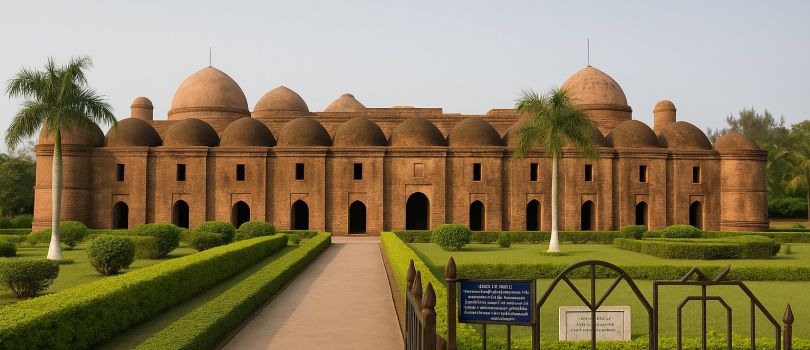
"A historic mosque reflecting rich cultural heritage."
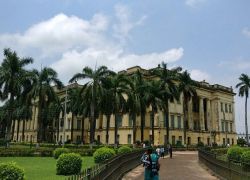
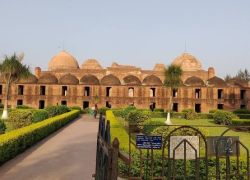
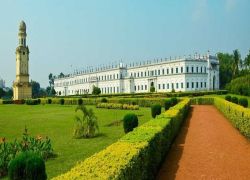
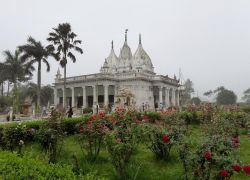
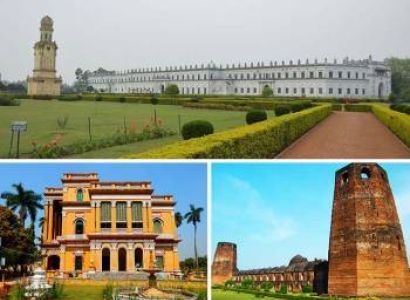
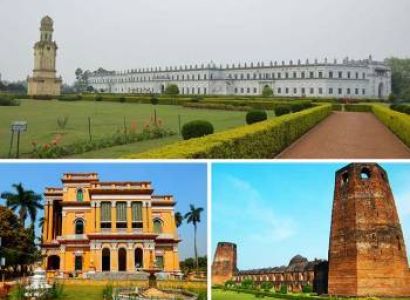
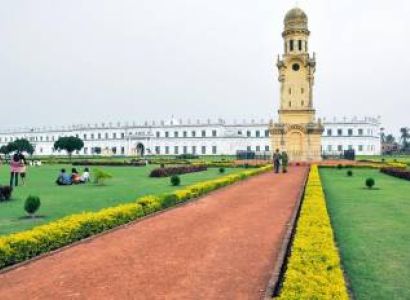
Katra Mosque in Murshidabad, West Bengal is a magnificent historical monument that reflects the grandeur of Mughal architecture and the rich cultural heritage of Bengal. Constructed in the 18th century, the mosque stands as a testament to the prosperity and architectural excellence of Murshidabad, the erstwhile capital of the Nawabs of Bengal. Renowned for its intricate design, expansive courtyard, and ornate domes, Katra Mosque attracts history enthusiasts, architecture lovers, photographers, and travelers seeking a glimpse into India’s royal past.
How to Reach Katra Mosque, Murshidabad, West Bengal
Reaching Katra Mosque is convenient due to Murshidabad’s accessibility by road, rail, and nearby airports:
Weather in Murshidabad, West Bengal
The climate around Katra Mosque is tropical with moderate to high humidity. The best time to visit is from October to March when temperatures range from 15°C to 28°C, offering comfortable conditions for sightseeing and photography. Summers (April to June) are hot, with temperatures sometimes exceeding 35°C. The monsoon season (June to September) brings heavy rainfall, which may restrict travel but enhances the lush greenery surrounding the historical monuments. Visitors should carry comfortable clothing, umbrellas, and sun protection according to the season.
Timings of Katra Mosque
The mosque is generally open for visitors from 6:00 AM to 6:00 PM. Early morning visits are ideal for peaceful exploration, quiet reflection, and capturing photographs in soft lighting. Afternoon visits offer good lighting for photography and allow visitors to witness local activities around the mosque. Religious prayers are conducted at specific times, and visitors should respect ongoing rituals while exploring the premises.
Why Katra Mosque is Famous
Katra Mosque is famous for its architectural brilliance, historical significance, and connection to the Nawabs of Murshidabad. Built by Nawab Murshid Quli Khan, it served not only as a place of worship but also as a social and cultural hub. The mosque is renowned for its grand Mughal-style domes, intricately carved arches, large courtyard, and ornamental minarets. It is one of the largest and most significant mosques in Bengal and attracts tourists for its historical importance, design, and serene ambiance.
Entry and Visit Details
Visiting Katra Mosque is free for all visitors. Tourists are advised to maintain silence and dress modestly while exploring the mosque. Photography is permitted in designated areas, though it is recommended to avoid taking pictures during prayer times. Guided tours are available from local guides who can provide historical context, architectural insights, and cultural significance of the mosque. The mosque complex also has small pathways and shaded areas for relaxation and reflection.
History and Architecture
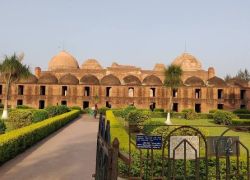
Katra Mosque was constructed in 1723 by Nawab Murshid Quli Khan, the founder of Murshidabad. The mosque is an outstanding example of Mughal-style architecture, featuring expansive courtyards, high arches, intricately carved walls, and multiple domes. The central prayer hall is spacious, adorned with detailed stucco work and ornamental designs. The mosque reflects the influence of Persian and Islamic architectural traditions while incorporating local Bengali elements. The Katra complex also included residential spaces and administrative offices historically, highlighting its multifunctional role in Murshidabad’s social and political life.
Things to Do at Katra Mosque
Facts About Katra Mosque
The mosque is located in the Katra neighborhood of Murshidabad, which was historically a central area for commerce, administration, and religious activities. The mosque’s large central courtyard can accommodate thousands of worshippers. Its design combines Mughal symmetry with local Bengali architectural features. The mosque has survived centuries of change, maintaining its structural integrity and cultural importance. It is a key landmark that represents the rich Islamic heritage of Bengal and the legacy of the Nawabs of Murshidabad.
Tips for Visiting Katra Mosque, Murshidabad, West Bengal
In conclusion, Katra Mosque, Murshidabad, West Bengal is a historical and architectural marvel that offers visitors a glimpse into the grandeur of the Nawabs’ era. From its majestic domes and intricate carvings to its serene courtyard and spiritual atmosphere, the mosque provides an enriching experience for history enthusiasts, architecture lovers, and tourists. Its cultural and religious significance makes it a must-visit destination for anyone exploring the historical heritage of Bengal.
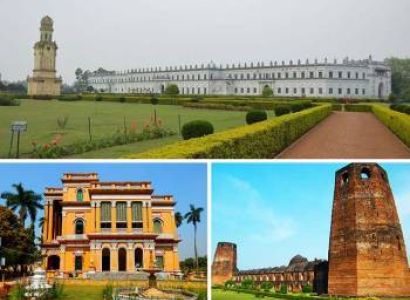
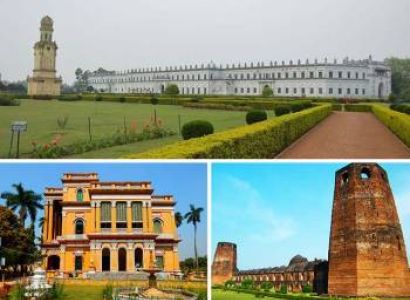








Murshidabad
Murshidabad
Murshidabad
Murshidabad
Murshidabad
Murshidabad
Murshidabad
Murshidabad
Murshidabad
Murshidabad