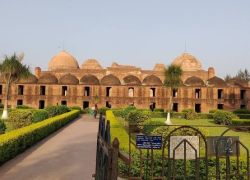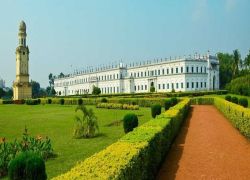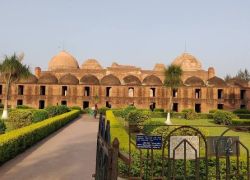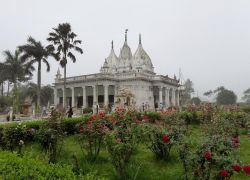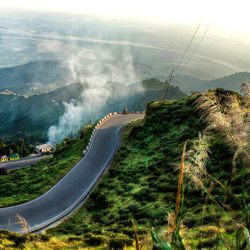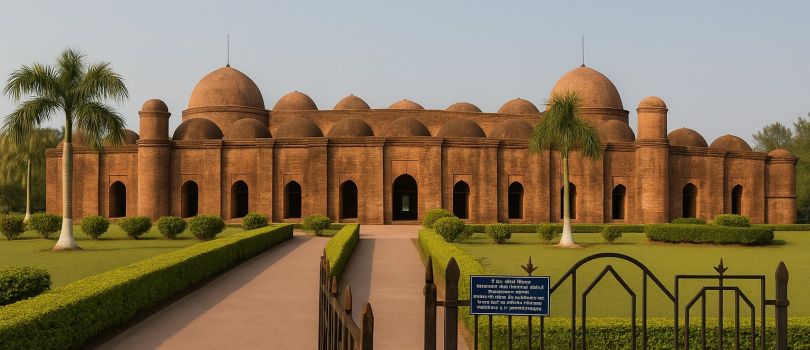
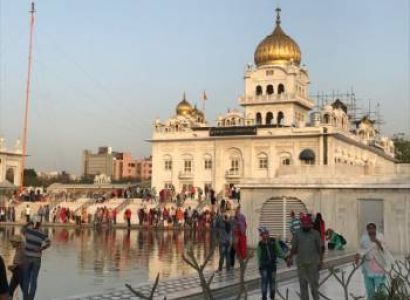
"Historic mosque showcasing exquisite Mughal architecture."
Katra Masjid in Murshidabad, West Bengal is one of the most prominent historical and architectural landmarks of the region. Constructed during the early 18th century under the rule of Nawab Murshid Quli Khan, the mosque reflects the grandeur of Mughal architecture combined with Bengali influences. Located in the heart of Murshidabad, Katra Masjid is renowned for its spacious courtyard, intricate arches, domes, and minarets. It stands not only as a place of worship but also as a testament to the rich cultural and historical heritage of Bengal.
How to Reach Katra Masjid, Murshidabad, West Bengal
Reaching Katra Masjid is straightforward due to Murshidabad’s connectivity by road, rail, and air:
Weather in Murshidabad, West Bengal
The climate around Katra Masjid is tropical, with hot summers, moderate winters, and a monsoon season. The best time to visit is from October to March, when temperatures range from 15°C to 28°C, making sightseeing comfortable. Summers (April to June) can be hot, with temperatures reaching 35°C or higher. The monsoon season (June to September) brings heavy rainfall, which may affect travel but enhances the greenery surrounding the mosque. Visitors should carry light, comfortable clothing, water, and sun protection for summer visits and umbrellas or raincoats during monsoon.
Timings of Katra Masjid
The mosque is open daily from 6:00 AM to 6:00 PM for visitors. Early morning visits are ideal for experiencing the serene atmosphere and peaceful surroundings. Afternoon visits provide optimal lighting for photography and allow tourists to explore the mosque and surrounding areas comfortably. Prayer times should be respected, and visitors are advised to avoid entering the prayer hall during congregational prayers unless participating.
Why Katra Masjid is Famous
Katra Masjid is famous for its architectural elegance, historical significance, and role in the cultural history of Murshidabad. Commissioned by Nawab Murshid Quli Khan, the mosque was designed to serve both as a place of worship and as a community center. Its expansive courtyard, high arches, detailed minarets, and decorative domes exemplify Mughal architectural finesse. The mosque has long been a center for religious activities, cultural gatherings, and historical tourism, attracting visitors interested in history, architecture, and spirituality.
Entry and Visit Details
Visiting Katra Masjid is free of charge. Visitors are expected to maintain decorum, wear modest clothing, and remove footwear before entering the prayer hall. Photography is allowed in the courtyard and external areas, but restrictions apply inside prayer spaces. Guided tours are available for those interested in learning about the mosque’s history, architectural details, and cultural significance. The mosque’s surrounding streets offer local shops and eateries, providing additional cultural experiences for tourists.
History and Architecture
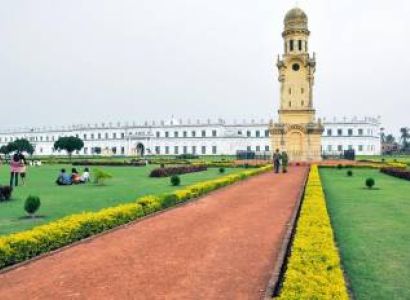
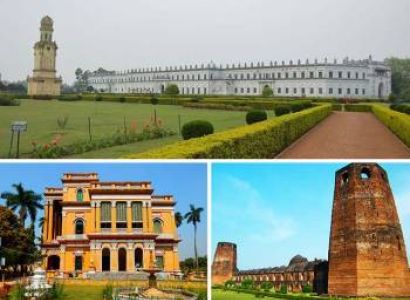
Katra Masjid was built in 1723 under the patronage of Nawab Murshid Quli Khan, the founder of Murshidabad. The mosque’s architecture is a blend of Mughal and Bengali styles, characterized by high arches, multiple domes, intricate stucco work, and tall minarets. The central prayer hall is spacious, accommodating a large congregation. The mosque’s courtyard is expansive, allowing gatherings during religious and cultural events. Stone pathways, carved arches, and ornamental designs reflect the craftsmanship of the 18th century and showcase the mosque’s historical and artistic value.
Things to Do at Katra Masjid
Facts About Katra Masjid
Katra Masjid is located in the Katra area, which was historically a hub of commerce and administration. Its expansive courtyard and prayer hall can accommodate thousands of worshippers. The mosque’s design reflects the skill and vision of Mughal-era artisans, while its preservation offers insight into Bengal’s Islamic heritage. It remains a living monument where religious, cultural, and historical aspects of Murshidabad converge, making it both a spiritual and tourist attraction.
Tips for Visiting Katra Masjid, Murshidabad, West Bengal
In conclusion, Katra Masjid, Murshidabad, West Bengal is a historically and architecturally significant site that offers visitors a glimpse into the Mughal-era legacy of Bengal. From its intricate arches and grand domes to its serene courtyard and spiritual atmosphere, the mosque provides a memorable experience for history enthusiasts, architecture lovers, and pilgrims alike. It remains a key destination for anyone exploring the cultural richness and heritage of Murshidabad.
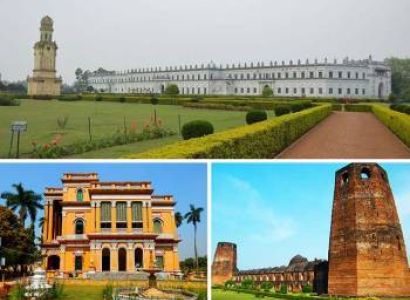
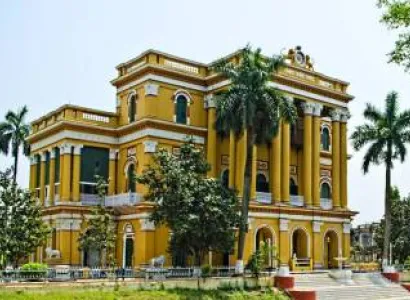










Murshidabad
Murshidabad
Murshidabad
Murshidabad
Murshidabad
Murshidabad

Murshidabad
Murshidabad
Murshidabad
Murshidabad