"A serene symbol of peace and harmony."
The Japanese Peace Pagoda in Galle, Sri Lanka, is a serene and beautiful landmark located atop the Rumassala Hill. This peaceful monument stands as a symbol of peace, built by Japanese Buddhist monks after the devastation caused by the 2004 tsunami. The Pagoda is one of several Peace Pagodas built by the Japanese in different parts of the world, promoting peace, harmony, and unity through the teachings of Buddhism.
How to Reach Japanese Peace Pagoda, Galle
The Japanese Peace Pagoda is situated in the southern coastal city of Galle, easily accessible by road from Galle town. If you're traveling from Galle city center, the Pagoda is approximately 5 kilometers away, and you can take a tuk-tuk or taxi for a short ride. Alternatively, you can drive yourself or take a bus. For visitors traveling from Colombo, the distance is around 120 kilometers, which can be covered in about 2 to 3 hours by car or bus via the Galle Road (A2).
Weather at Japanese Peace Pagoda, Galle
Galle has a tropical climate, meaning it experiences warm temperatures throughout the year. The average temperature is around 27°C (81°F), and the humidity can be high, especially during the rainy season. The best time to visit the Japanese Peace Pagoda is during the dry season, from December to April, when you can expect sunny days and clear skies. However, be prepared for occasional showers even in the dry months. The monsoon season runs from May to September, so it might be more challenging to enjoy outdoor visits during this period.
Timing of Visit to Japanese Peace Pagoda, Galle
The Japanese Peace Pagoda is generally open to visitors every day, from early morning until sunset. You can visit at any time of the day, but early mornings or late afternoons are particularly ideal to avoid the midday heat and to experience the peaceful ambiance of the site. The Pagoda is open from 6:00 AM to 6:00 PM, though it's always good to check locally for any changes in timing due to special events or maintenance.
Why is the Japanese Peace Pagoda Famous?
The Japanese Peace Pagoda is famous for its cultural and historical significance as well as its stunning architecture and peaceful atmosphere. It stands as a symbol of reconciliation and harmony, especially significant after the 2004 Indian Ocean tsunami, which had devastating effects on the region. Built by the Japanese, it is part of a global initiative to promote peace through the Buddha's teachings. The Pagoda offers breathtaking views of the surrounding area, including the Galle Fort and the ocean, making it a popular spot for both spiritual reflection and sightseeing.
Entry and Visit Details About Japanese Peace Pagoda, Galle
Entry to the Japanese Peace Pagoda is free of charge, as it is a Buddhist religious site meant to be open to everyone regardless of nationality or religion. Visitors are encouraged to maintain respect and decorum, as it is a place of worship and reflection. While there is no formal entry fee, donations are welcome to help with the maintenance of the site.
History of the Japanese Peace Pagoda, Galle
The Japanese Peace Pagoda in Galle was constructed in the late 20th century, with construction beginning in the early 2000s. The monument was funded by the Japanese Nipponzan-Myōhōji Buddhist order, which is known for building Peace Pagodas around the world. The Pagoda was built after the 2004 tsunami as a symbol of peace and a reminder of the importance of promoting harmony between nations and people. The site was completed with the help of local Sri Lankan volunteers and has since become an iconic landmark for both local and international visitors.
Architecture of the Japanese Peace Pagoda, Galle
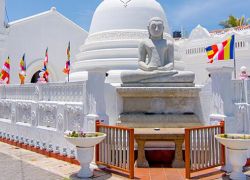
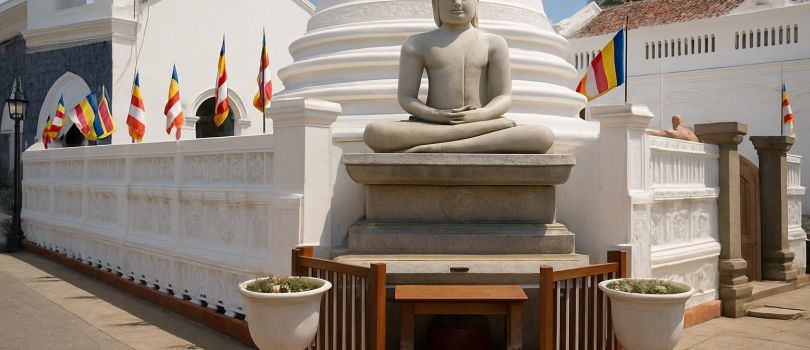
The architecture of the Japanese Peace Pagoda follows traditional Japanese Buddhist design, with a large, dome-shaped stupa that is typical of Pagodas found in Japan. The stupa is white and stands tall above the surrounding landscape, making it visible from various points in Galle. The design also incorporates typical Buddhist motifs, including statues of the Buddha and symbolic elements such as lotus flowers. The Pagoda is surrounded by a beautiful garden and paths that lead up to the monument, offering visitors a tranquil environment for meditation and reflection.
Things to Do at the Japanese Peace Pagoda, Galle
When visiting the Japanese Peace Pagoda, there are several things you can do to make your trip memorable:
Facts About Japanese Peace Pagoda, Galle
Tips for Visiting Japanese Peace Pagoda, Galle