"Baroque beauty with stunning gardens and art"
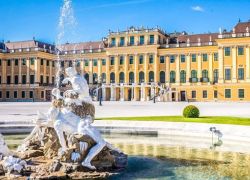
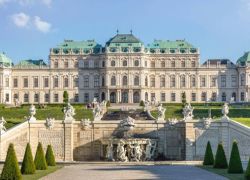
Belvedere Palace is one of Vienna's most famous and beautiful landmarks. This historical complex consists of two Baroque palaces, the Upper and Lower Belvedere, and is surrounded by stunning gardens. Located in the heart of Vienna, Belvedere is not just an architectural masterpiece but also a hub for art and culture, housing the renowned Belvedere Museum, which showcases an impressive collection of Austrian art. From its exquisite gardens to the captivating art collections, Belvedere Palace offers an unforgettable experience for visitors.
How to Reach Belvedere Palace
Belvedere Palace is centrally located and can be easily reached using Vienna's efficient public transport system. The closest tram stop is "Belvedere," which is served by tram line D. If you're traveling by metro, the nearest station is "Karlsplatz" (U1, U2, U4), which is about a 15-minute walk from the palace. Additionally, there are bus services that stop near the palace. If you're coming by train, Vienna's main train station, "Wien Hauptbahnhof," is just a short distance from Belvedere Palace and can be reached via tram or by walking.
Weather and Timing
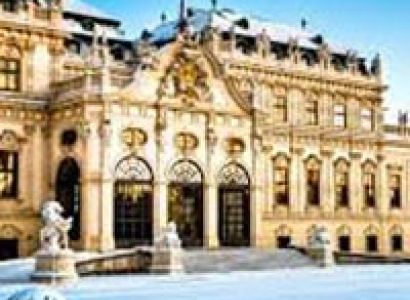
The weather in Vienna can vary greatly depending on the season. Summers (June to August) are typically warm, with temperatures ranging between 20°C to 30°C (68°F to 86°F), making it a perfect time to enjoy the outdoor gardens and sculptures. Winters (December to February) are cold, with temperatures often below freezing. Snow is common, and although it may be chilly, the palace and gardens look magical under the winter snowfall. Spring and autumn offer mild temperatures, perfect for sightseeing and walking around the extensive gardens.
Belvedere Palace is open year-round. The palace and gardens can be visited daily, with the museum open from 10:00 AM to 6:00 PM. The gardens, however, are free to visit and are accessible all year long. It's important to check the official website for specific timings during holidays or special events, as the museum may have altered hours.
Why is Belvedere Palace Famous?
Belvedere Palace is renowned for its architectural beauty, historical significance, and cultural importance. The palace was originally built as the summer residence of Prince Eugene of Savoy in the early 18th century. The Upper Belvedere is home to the famous painting "The Kiss" by Gustav Klimt, one of Austria's most celebrated artists. The complex also includes the Lower Belvedere and the Belvedere Museum, which houses a vast collection of Austrian art, ranging from the Middle Ages to contemporary works.
Its Baroque architecture, stunning gardens, and art collections make Belvedere Palace one of Vienna’s most popular cultural attractions. Additionally, the panoramic views of Vienna from the Upper Belvedere are simply breathtaking, making it a favorite destination for photographers and art lovers alike.
Entry and Visit Details
There are several options for visitors to explore Belvedere Palace. The palace and gardens are free to visit, but if you wish to explore the museums inside the palace, you will need to purchase a ticket. The Belvedere Museum offers different ticket options, including single-entry tickets for specific exhibitions or a combined ticket that grants access to both the Upper and Lower Belvedere. Ticket prices vary depending on the time of year, so it's always a good idea to check the official website for the latest information.
The Belvedere Palace is home to two main sections: the Upper Belvedere and the Lower Belvedere. The Upper Belvedere is where the main collection of art is displayed, including Klimt's famous "The Kiss." The Lower Belvedere houses temporary exhibitions and provides more insight into the history of the palace and its royal past. You can also visit the Baroque gardens surrounding the palace, which are free and open to the public throughout the year.
History of Belvedere Palace
Belvedere Palace was built in the early 18th century for Prince Eugene of Savoy, one of the most important military leaders in Austrian history. Construction of the palace began in 1714, and it was designed by the architect Johann Lukas von Hildebrandt in the Baroque style. The palace was meant to serve as a luxurious summer residence for Prince Eugene, and it quickly became one of the most magnificent buildings in Vienna.
Over the centuries, Belvedere Palace has been a symbol of royal power and wealth. After Prince Eugene's death in 1736, the palace passed into imperial hands. The palace was later used for various purposes, including as a royal residence and a center for art and culture. Today, it is a museum that showcases a rich collection of art, including works from the Middle Ages, the Baroque period, and the modern era.
Architecture of Belvedere Palace
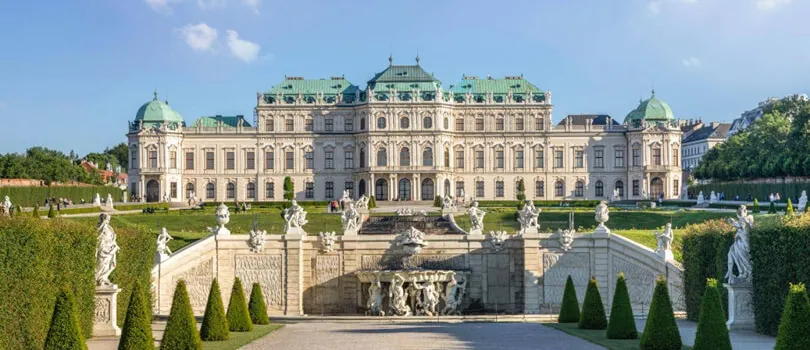
Belvedere Palace is a prime example of Baroque architecture, with its stunning symmetry, grandiose facades, and elaborate gardens. The palace complex consists of two main buildings: the Upper Belvedere and the Lower Belvedere. The Upper Belvedere, which is the more elaborate of the two, is situated on a hill, offering fantastic views of the surrounding city. The Lower Belvedere is located at the bottom of the hill and is more intimate in design.
The palace's exterior is characterized by its elegant white and gold color scheme, intricate stonework, and grand statues. The gardens are equally impressive, with geometric patterns, fountains, and carefully maintained flowerbeds. The entire complex is designed to reflect the grandeur and opulence of the time, providing visitors with an immersive experience in the world of Baroque architecture.
Things to Do at Belvedere Palace
Belvedere Palace offers a wide range of activities and attractions for visitors to enjoy:
Facts about Belvedere Palace
Tips for Visiting Belvedere Palace
To make the most of your visit to Belvedere Palace, here are a few tips:
Conclusion
Belvedere Palace is a stunning example of Baroque architecture and a treasure trove of Austrian art and culture. Whether you're admiring the breathtaking views from the Upper Belvedere, exploring the gardens, or immersing yourself in the world of Klimt and other renowned artists, a visit to Belvedere Palace is sure to be a highlight of your time in Vienna.