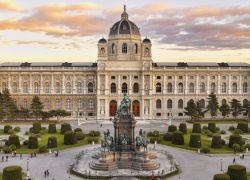
"Explore imperial history in Vienna's grand palace."
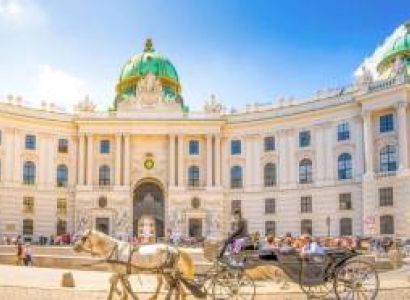
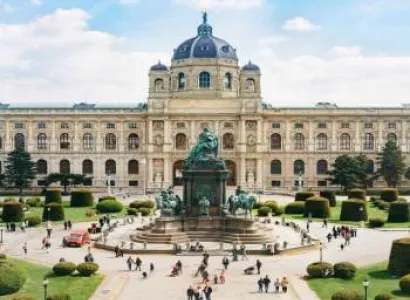
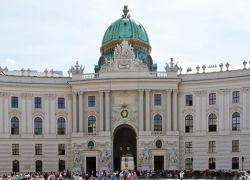
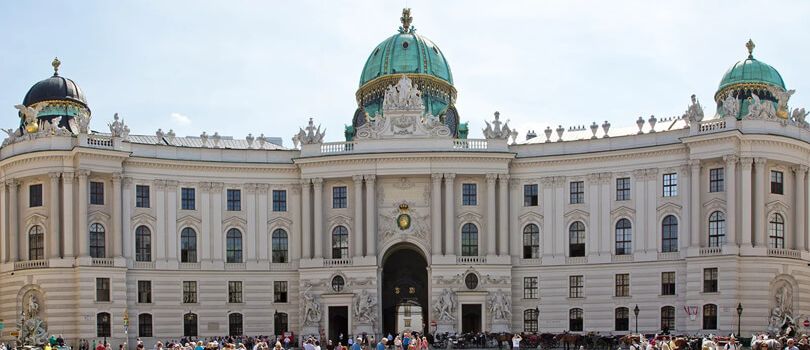
The Hofburg Palace in Vienna, Austria, is one of the most important historical landmarks in Europe. This magnificent palace complex has served as the residence of Austrian monarchs for centuries, and today it stands as a symbol of imperial power and history. The palace is located in the heart of Vienna and is home to several museums, government offices, and the famous Spanish Riding School. Whether you're a history lover or a tourist exploring Vienna, Hofburg Palace offers a unique glimpse into Austria's royal past.
How to Reach Hofburg Palace
The Hofburg Palace is easily accessible by various modes of transport. If you're coming by public transport, you can take the U3 (orange) metro line to the "Herrengasse" station, which is just a short walk from the palace. Alternatively, tram lines 1, 2, or D stop nearby. If you're arriving by train, Vienna's main station, "Wien Hauptbahnhof," is well-connected to Hofburg Palace via the metro and bus services. For those traveling by car, there are parking options near the palace, though public transport is recommended due to the limited parking spaces in central Vienna.
Weather and Timing
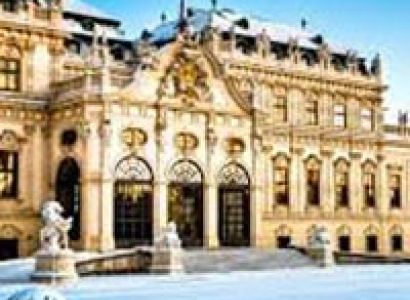
The weather in Vienna varies by season. Summers (June to August) are typically warm, with average temperatures ranging from 20°C to 30°C (68°F to 86°F), making it a great time to explore the palace and its gardens. Winters (December to February) can be cold, with temperatures often dipping below freezing. Snow is common, creating a winter wonderland atmosphere around the palace. Spring and autumn offer mild weather, perfect for walking around the area.
Hofburg Palace is open to visitors year-round. The palace complex itself is open every day, but the hours of operation for the museums and exhibitions vary. It's best to check the official website or ask for the current timings before your visit.
Why is Hofburg Palace Famous?
Hofburg Palace is famous for its historical significance and architectural grandeur. It was originally constructed in the 13th century and expanded over the centuries by various emperors. It was the seat of the Habsburg dynasty, who ruled over much of Europe for centuries. Today, the palace houses several important institutions, including the offices of the President of Austria, the Austrian National Library, and various museums that attract visitors from all over the world. The Spanish Riding School, home to the famous Lipizzaner horses, is also located here, making it a significant cultural and historical center in Vienna.
Entry and Visit Details
Entry to Hofburg Palace is free for the external areas, such as the Hofburg gardens and courtyards. However, to enter the museums and special attractions, such as the Imperial Apartments or the Spanish Riding School, you will need to purchase tickets. Ticket prices vary depending on the exhibitions you wish to visit. There are also combination tickets available that offer access to multiple attractions within the Hofburg complex, such as the Sisi Museum, the Silver Collection, and the Imperial Apartments.
History of Hofburg Palace
Hofburg Palace was first established in the 13th century as the residence of the Habsburg dynasty. Over time, it expanded into a large complex that includes multiple wings, courtyards, and gardens. The palace served as the official residence of the Austrian emperors for over 600 years. It is said that the first emperor to live in the palace was Emperor Rudolf IV, who greatly expanded the structure during his reign. Over the centuries, successive emperors added their own touches to the palace, making it a mixture of Gothic, Renaissance, Baroque, and Rococo styles. Today, the Hofburg is a stunning example of Austria's rich architectural heritage and royal history.
Architecture of Hofburg Palace
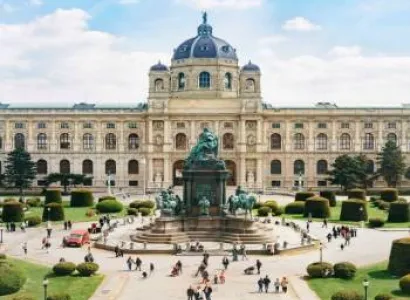
The architecture of Hofburg Palace is a remarkable blend of different styles. The oldest part of the palace dates back to the 13th century and reflects medieval Gothic design. Over time, the palace was expanded and renovated, with different parts reflecting the changing tastes of each ruler. The Spanish Riding School, for example, was built in the Baroque style, while the Imperial Apartments and the Sisi Museum reflect the opulence of the 19th century. The complex also features beautiful gardens, grand courtyards, and decorative fountains that enhance the overall experience for visitors.
Things to Do at Hofburg Palace
There is plenty to do and see at Hofburg Palace. Some of the highlights include:
Facts about Hofburg Palace
Tips for Visiting Hofburg Palace
Here are some useful tips to make the most of your visit to Hofburg Palace:
Conclusion
Hofburg Palace in Vienna is a must-visit destination for anyone interested in history, culture, and royal architecture. Whether you're admiring the stunning buildings, exploring the museums, or watching the Lipizzaner horses perform, there is something for everyone. Its rich history and beautiful surroundings make it one of Austria's most iconic landmarks. Don't forget to plan ahead to make the most of your visit and discover the many fascinating aspects of this royal residence.