"Admire unique architecture and artistic expression."
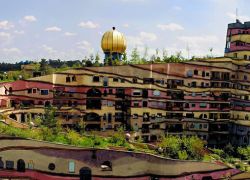
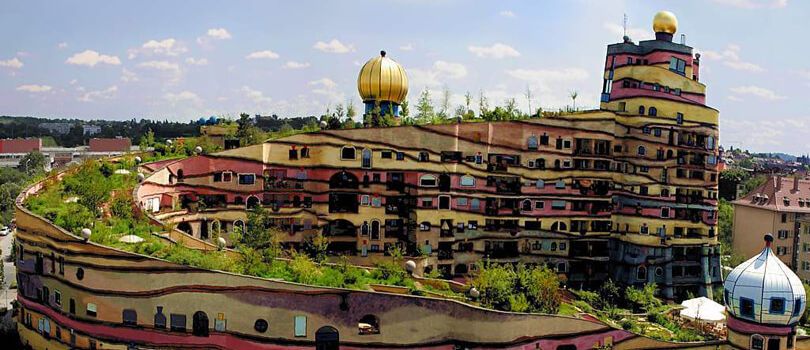
Hundertwasserhaus is one of Vienna's most unique and visually striking architectural landmarks. Designed by the Austrian artist Friedensreich Hundertwasser, this colorful apartment building is a masterpiece of expressionist architecture. The building stands out in the city due to its undulating floors, irregular lines, bright colors, and natural elements such as trees growing from windows. It has become one of Vienna's most popular tourist destinations, attracting visitors who are fascinated by its unconventional design and its break from the traditional architectural norms of the city.
How to Reach Hundertwasserhaus
Hundertwasserhaus is located in the Landstraße district of Vienna, making it easily accessible from various parts of the city. The nearest public transport options include the U-Bahn (subway) line U3, with the "Landstraße" station being the closest stop. From there, it’s just a short walk to the building. Alternatively, you can take tram lines 1 and 18, which also stop nearby.
If you prefer traveling by bus, bus line 74A stops close to Hundertwasserhaus. For those arriving by train, the museum is approximately 10 minutes by public transport from Vienna's main train station, Wien Hauptbahnhof. The building is also located near the popular Stadtpark, making it easy to combine your visit to Hundertwasserhaus with a stroll through the park.
Weather and Timing
Vienna has a temperate climate, with distinct seasons throughout the year. Summer (June to August) is warm and pleasant, with temperatures ranging from 20°C to 30°C (68°F to 86°F), making it an excellent time to visit Hundertwasserhaus and explore the surrounding area. The spring (March to May) and autumn (September to November) months offer mild temperatures, ideal for walking around the city and admiring the unique architecture.
Winter (December to February) in Vienna can be cold, with temperatures often falling below freezing, but the festive atmosphere during the holiday season makes it an interesting time to visit. Hundertwasserhaus is open year-round, and its striking colors provide a lovely contrast against the winter landscape. It’s important to note that while the building itself is open for public viewing, the apartments are private, so visitors can only view the exterior.
Why is Hundertwasserhaus Famous?
Hundertwasserhaus is famous for its distinct and innovative architectural style, which rejects the straight lines and symmetrical structures commonly seen in traditional architecture. The building's exterior is adorned with bright colors, irregular shapes, and uneven windows that seem to defy conventional design principles. This whimsical design was created to harmonize with nature, which is a recurring theme in Hundertwasser’s work.
The building consists of 52 apartments, several offices, and shops, but it is best known for its "organic" and environmentally friendly design. The roof garden, the trees growing in the windows, and the use of natural materials make Hundertwasserhaus a pioneering example of eco-friendly architecture. It is also famous for being one of the few buildings in Vienna that challenges the city’s classical and baroque architectural style, offering a playful contrast to the otherwise traditional aesthetic of the city.
Entry and Visit Details
There is no entry fee for viewing the exterior of Hundertwasserhaus, as it is a public building. However, as the apartments and offices inside the building are private residences, you can only admire the design from the outside. The building is often visited by tourists who come to photograph its bright colors and distinctive features.
For a deeper experience, visitors can explore the nearby Hundertwasser Museum (Kunst Haus Wien), which is dedicated to the life and works of Friedensreich Hundertwasser. The museum is located nearby and offers insight into Hundertwasser's unique artistic vision, as well as showcasing more of his works, including paintings, sketches, and architectural models.
History of Hundertwasserhaus
Hundertwasserhaus was designed by Friedensreich Hundertwasser in collaboration with architect Joseph Krawina. Construction began in 1983, and the building was completed in 1986. Hundertwasser, an artist known for his unconventional and nature-inspired works, wanted to create a structure that reflected his philosophy of architecture that integrates with nature rather than competing with it. His design includes irregular floors, a colorful façade, and trees growing on the building’s roof and windows.
The project was met with some skepticism at first, but it quickly gained popularity due to its unique appearance. Today, it stands as one of the most iconic examples of expressionist architecture in the world. It is also seen as a symbol of individuality and freedom of artistic expression, attracting hundreds of thousands of visitors each year who are curious about its bold design.
Architecture of Hundertwasserhaus
The architecture of Hundertwasserhaus is characterized by its vibrant colors, organic forms, and the use of nature in the design. The façade of the building is decorated with bright yellow, blue, red, and green hues, which contrast with the traditional beige and white buildings surrounding it. Hundertwasser rejected the straight lines of conventional architecture, opting instead for curves and asymmetry to create a building that feels alive and dynamic.
One of the most striking features of Hundertwasserhaus is its integration of nature into the design. Trees grow out of the windows and the roof, adding a touch of greenery to the building. The use of natural materials like wood and ceramic tiles further emphasizes Hundertwasser’s belief that architecture should be in harmony with nature. This ecological approach to design has inspired countless other projects worldwide.
Things to Do at Hundertwasserhaus
While you can’t enter the apartments of Hundertwasserhaus, there are several activities you can enjoy nearby:
Facts about Hundertwasserhaus
Tips for Visiting Hundertwasserhaus
To make the most of your visit to Hundertwasserhaus, here are a few tips:
Conclusion
Hundertwasserhaus is one of the most unique and visually captivating buildings in Vienna. Designed by Friedensreich Hundertwasser, it challenges conventional architectural norms and offers a vibrant and eco-friendly space that harmonizes with nature. Whether you're an art lover, an architecture enthusiast, or just looking to explore a different side of Vienna, Hundertwasserhaus is sure to leave a lasting impression.