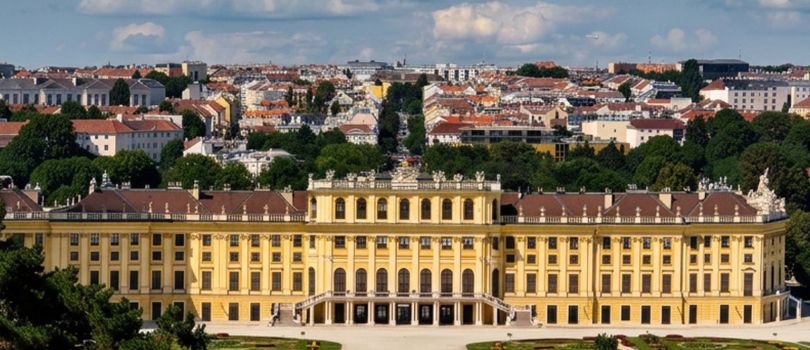
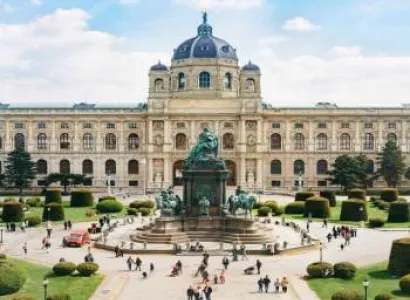
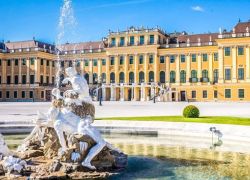
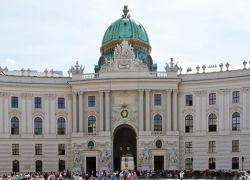
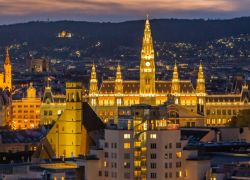
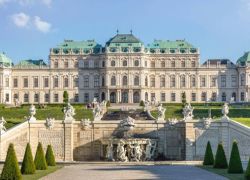
Schönbrunn Palace is one of the most iconic and stunning landmarks in Vienna, Austria. A UNESCO World Heritage site, the palace is a remarkable example of Baroque architecture and a symbol of Austria’s imperial past. It was originally built as a hunting lodge for the Habsburg family, and over the centuries, it grew into the imperial summer residence of Austrian royalty. The palace is surrounded by expansive gardens, a zoo, and various monuments, making it a perfect blend of cultural, historical, and natural beauty.
Schönbrunn is often compared to Versailles in France, and many visitors regard it as one of Europe’s most beautiful palaces. The site attracts millions of visitors each year and is one of the most popular tourist destinations in Vienna.
How to Reach Schönbrunn Palace, Vienna, Austria
Schönbrunn Palace is located approximately 5 kilometers west of Vienna’s city center. It is easily accessible by public transportation, making it a convenient destination for visitors. Here are a few options to reach the palace:
- By U-Bahn (Subway): The fastest way to reach Schönbrunn Palace from the city center is by taking the U4 line of the Vienna U-Bahn (subway). The closest station to the palace is “Schönbrunn,” which is just a short walk from the palace entrance.
- By Bus: Several bus lines also serve the palace. Bus 10A and 58A have stops near the Schönbrunn Palace, making it easy to access from different parts of Vienna.
- By Tram: Tram lines 58 and 60 are also good options to get to the palace. You can get off at the Schönbrunn tram stop, which is a short walk from the main entrance.
- By Taxi: A taxi ride from Vienna’s city center to Schönbrunn Palace takes about 15 minutes, depending on traffic.
- Walking: If you enjoy walking, Schönbrunn is approximately a 30-minute walk from the city center. It’s a pleasant stroll that allows you to experience Vienna’s charming streets along the way.
Weather in Vienna and Best Time to Visit Schönbrunn Palace
Vienna has a continental climate, so the weather can vary depending on the season. Here’s what you can expect throughout the year:
- Spring (March to May): Spring in Vienna is mild, with temperatures ranging from 10°C to 15°C (50°F to 59°F). This is a great time to visit Schönbrunn, as the gardens start to bloom, and the weather is pleasant for walking around.
- Summer (June to August): Summer in Vienna can get warm, with temperatures ranging from 18°C to 25°C (64°F to 77°F). This is the peak tourist season, so Schönbrunn Palace can be crowded. However, the gardens are at their most beautiful during this time.
- Autumn (September to November): Autumn brings cooler temperatures (10°C to 15°C or 50°F to 59°F), and the fall foliage adds a beautiful touch to the palace gardens. This is a quieter time to visit as the tourist crowds start to thin.
- Winter (December to February): Winters in Vienna can be cold, with temperatures ranging from -2°C to 5°C (28°F to 41°F). Although the gardens may not be in full bloom, the palace and surrounding area look magical in the winter, especially when it snows.
Opening Hours and Entry Details for Schönbrunn Palace
Schönbrunn Palace is open to the public year-round, with varying hours depending on the season. Here’s a general idea of what to expect:
- Summer Season (April to October): The palace is open from 8:30 AM to 5:30 PM. The gardens are open until sunset, allowing visitors to explore at their leisure.
- Winter Season (November to March): The palace is open from 9:00 AM to 5:00 PM. The gardens remain accessible, but some areas may be closed for maintenance during the colder months.
There are various ticket options for visiting Schönbrunn Palace. The entrance fee for the palace tours ranges from 15 to 20 euros for adults, depending on the tour type (audio guides, guided tours, etc.). Additional fees may apply for the gardens, the zoo, and special exhibits.
Why is Schönbrunn Palace Famous?
Schönbrunn Palace is famous for many reasons. Some of the key factors that make it one of the most visited places in Vienna include:
- Historical Significance: The palace served as the summer residence of the Habsburgs, one of Europe’s most powerful dynasties. It has been the setting for numerous important events in Austrian and European history.
- Architectural Beauty: The palace is an exquisite example of Baroque architecture, designed by famous architects like Johann Bernhard Fischer von Erlach. Its lavish rooms, intricate frescoes, and stunning gardens are admired by visitors worldwide.
- Connection to Empress Maria Theresa: Schönbrunn is closely associated with Empress Maria Theresa, one of the most powerful monarchs in Europe. The palace was her residence, and she greatly expanded and improved the estate during her reign.
- World-Class Gardens: The vast gardens surrounding the palace are just as impressive as the palace itself. They feature beautiful fountains, sculptures, and themed gardens, including the Palm House and the Maze Garden.
History and Architecture of Schönbrunn Palace
Schönbrunn Palace was originally built in the late 17th century as a hunting lodge for Emperor Leopold I. However, it was Empress Maria Theresa who transformed the palace into a magnificent imperial residence during the mid-18th century. Under her patronage, the palace underwent significant renovations, and many of its iconic rooms were created.
The architectural design of Schönbrunn Palace is a blend of Baroque, Rococo, and Neoclassical styles. The palace consists of 1,441 rooms and is arranged around a central courtyard. The grand entrance, featuring two large wings, is decorated with statues, and the interior is just as lavish, with beautifully painted ceilings, elaborate frescoes, and exquisite furniture.
In addition to the palace, the surrounding gardens are an integral part of the Schönbrunn estate. Designed by the famous landscape architect Peter Joseph Lenné, the gardens feature symmetrical layouts, intricate flowerbeds, and a variety of ornamental fountains. The gardens were designed to reflect the power and opulence of the Habsburg monarchy.
Things to Do at Schönbrunn Palace, Vienna
Visiting Schönbrunn Palace offers many things to do, whether you're interested in history, nature, or art:
- Tour the Imperial Apartments: Take a guided or self-guided tour of the palace’s imperial rooms, where you can learn about the royal family’s life and see how they lived in opulence.
- Explore the Gardens: Stroll through the meticulously designed gardens and enjoy the views of the palace. Don’t miss the famous Maze Garden, the Gloriette, and the Palm House.
- Visit the Schönbrunn Zoo: The world’s oldest continuously operating zoo, located within the palace grounds, is a family-friendly attraction with a wide range of animals and exhibits.
- Visit the Carriage Museum: The museum inside Schönbrunn Palace houses an impressive collection of royal carriages and sleighs.
- Enjoy a Coffee at the Café Residenz: Relax at the beautiful Café Residenz, located within the palace, and enjoy some traditional Austrian pastries.
Interesting Facts and Tips About Schönbrunn Palace
- Schönbrunn Palace was the site of the famous **Treaty of Schönbrunn** in 1809, which ended the war between Austria and France.
- The palace gardens feature over 60 fountains, statues, and monuments, making it one of the most beautiful Baroque gardens in Europe.
- If you visit during the summer, be sure to check out the **Schönbrunn Palace Concerts**, which are held in the palace’s Orangery.
- To avoid the crowds, it’s recommended to visit early in the morning or later in the afternoon.
Conclusion
Schönbrunn Palace is a must-visit destination for anyone visiting Vienna. With its stunning architecture, rich history, and beautiful gardens, it provides a unique insight into Austria’s imperial past. Whether you're exploring the royal apartments, relaxing in the gardens, or visiting the zoo, there is plenty to see and do at this magnificent palace. Make sure to set aside a few hours to fully appreciate all that Schönbrunn has to offer!