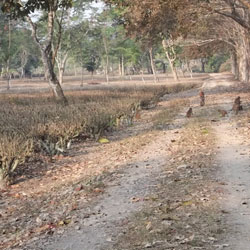
"Discover the serene beauty of Northeast India."
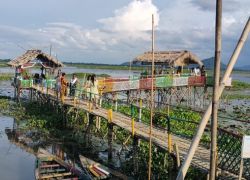
Arjhara Chibinang is a lesser-known yet beautiful eco-cultural destination located in the Goalpara district of Assam, close to the Assam–Meghalaya border. Surrounded by gentle hills, forests, streams, and traditional villages, Arjhara Chibinang offers a peaceful retreat away from crowded tourist spots. This destination is known for its natural beauty, rural charm, and cultural richness, making it ideal for travelers who enjoy nature, local traditions, and slow tourism.
The area reflects a harmonious blend of Assamese and Garo tribal culture, scenic landscapes, and simple village life. Arjhara Chibinang is gradually emerging as an eco-tourism spot where visitors can experience authentic countryside living while enjoying the calm environment of Lower Assam.
Why Arjhara Chibinang is Famous in Goalpara, Assam
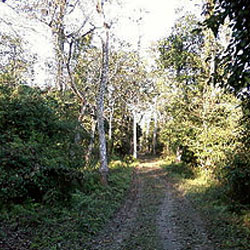
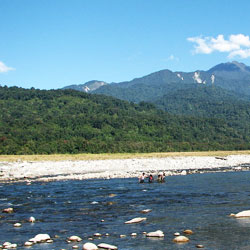
Arjhara Chibinang is famous for its untouched natural surroundings and cultural diversity. The region is known for its rolling hills, forested landscapes, clean streams, and fresh air. Unlike commercial tourist destinations, Arjhara Chibinang offers a raw and authentic experience of rural Assam.
The place is also known for its cultural significance, as it is home to communities that preserve traditional lifestyles, folk customs, and indigenous knowledge. Visitors are drawn to Arjhara Chibinang for eco-tourism, village tourism, nature walks, and cultural interaction. Its peaceful atmosphere makes it a perfect destination for relaxation and exploration.
History of Arjhara Chibinang
The history of Arjhara Chibinang is closely linked to the traditional settlement patterns of the indigenous communities living in the Goalpara region. For centuries, local tribes and Assamese villagers have lived in harmony with nature, depending on forests, hills, and streams for their livelihood.
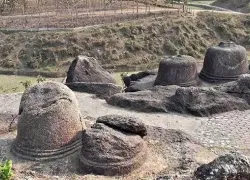
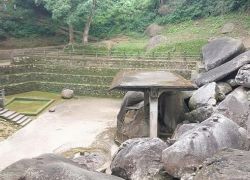
Historically, the area served as a rural settlement zone connecting the plains of Assam with the hilly regions of Meghalaya. Trade, agriculture, and cultural exchange shaped the lifestyle of the people here. Though Arjhara Chibinang does not have ancient monuments or royal structures, its historical value lies in its living traditions, oral history, and sustainable way of life passed down through generations.
Architecture and Settlement Pattern of Arjhara Chibinang
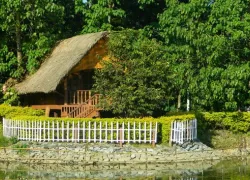
The architecture of Arjhara Chibinang reflects traditional rural and tribal design. Houses are usually built using bamboo, wood, mud, and tin roofs, adapted to the local climate. These structures are eco-friendly and well suited to the hilly terrain and heavy monsoon rains.
Village layouts are simple, with homes surrounded by small farms, gardens, and trees. Community spaces are often used for gatherings, festivals, and cultural activities. This traditional architectural style gives Arjhara Chibinang a natural charm and showcases sustainable living practices.
How to Reach Arjhara Chibinang, Goalpara, Assam
Arjhara Chibinang can be reached by road from Goalpara town and nearby regions.
By Road: Goalpara is well connected to Guwahati and other towns of Assam by road. From Goalpara town, travelers can hire a taxi or private vehicle to reach Arjhara Chibinang. The road passes through villages, farmlands, and forested areas, offering scenic views.
By Rail: The nearest railway station is Goalpara Town Railway Station. From there, local transport or hired vehicles can be used to reach the destination.
By Air: Lokpriya Gopinath Bordoloi International Airport in Guwahati is the nearest airport. From Guwahati, travelers can reach Goalpara by road or train and continue onward.
Weather and Best Time to Visit Arjhara Chibinang
The weather of Arjhara Chibinang is generally pleasant, influenced by its hilly surroundings.
Summer (March to June): Summers are warm but comfortable, with temperatures between 22°C and 34°C. Mornings and evenings are pleasant.
Monsoon (July to September): Monsoon brings lush greenery and flowing streams, making the area very scenic. However, roads can be slippery.
Winter (October to February): Winter is the best time to visit. The weather is cool, dry, and ideal for sightseeing and outdoor activities.
Timings of Arjhara Chibinang
Arjhara Chibinang is an open eco-cultural destination and can be visited throughout the day. Daytime visits from 7:00 AM to 6:00 PM are recommended for safety and better exploration.
Entry and Visit Details of Arjhara Chibinang
There is no entry fee to visit Arjhara Chibinang. Visitors are welcome to explore the area freely. Since it is a rural destination, facilities are basic. Travelers are advised to plan their visit responsibly and respect local customs and traditions.
Things to Do at Arjhara Chibinang
Nature Walks: Explore hills, forests, and village paths.
Eco-Tourism Experience: Learn about sustainable living and rural lifestyles.
Photography: Capture landscapes, village life, and natural beauty.
Cultural Interaction: Interact with local communities and learn about their traditions.
Relaxation: Enjoy the peaceful environment away from city noise.
Interesting Facts about Arjhara Chibinang
Arjhara Chibinang is located near the Assam–Meghalaya border.
The area represents a blend of Assamese and tribal culture.
It is emerging as a community-based eco-tourism destination.
The region is rich in greenery, small streams, and forest life.
Traditional farming and eco-friendly housing are common here.
Travel Tips for Visiting Arjhara Chibinang
Visit during winter or post-monsoon for best weather.
Wear comfortable shoes suitable for walking on uneven terrain.
Carry essentials like water, snacks, and basic medicines.
Respect local customs and ask before taking photographs of people.
Avoid littering and help preserve the natural environment.
Conclusion
Arjhara Chibinang in Goalpara, Assam, is a perfect destination for travelers seeking nature, culture, and simplicity. With its scenic landscapes, traditional villages, and peaceful atmosphere, it offers a refreshing experience of rural Assam. A visit to Arjhara Chibinang allows visitors to connect with nature, understand indigenous lifestyles, and appreciate the beauty of eco-cultural tourism in its purest form.

Goalpara
Goalpara
Goalpara
Goalpara
Goalpara
Goalpara
Goalpara
Goalpara
Goalpara
Goalpara