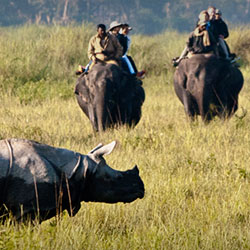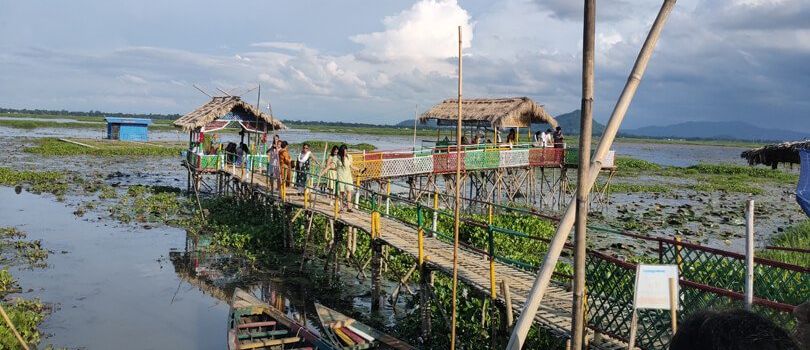
"Witness diverse wildlife in a tranquil wetland."
Urpad Beel is one of the largest and most beautiful freshwater wetlands in Lower Assam, located in the Goalpara district. Surrounded by greenery, open skies, and rural landscapes, Urpad Beel is a vital ecological zone and an important natural attraction of Assam. Known for its rich biodiversity, calm environment, and scenic beauty, the beel (wetland) plays a significant role in the lives of local communities while also attracting nature lovers, birdwatchers, and travelers looking for peaceful destinations away from crowded tourist places.
Why Urpad Beel is Famous in Goalpara, Assam
Urpad Beel is famous for its vast spread, rich aquatic life, and seasonal presence of migratory birds. It is considered one of the most important wetlands in Assam after Deepor Beel. During winter, the beel becomes a paradise for birdwatchers as various migratory birds arrive from distant regions. The wetland is also well known for fishing activities, scenic sunsets, and its role in maintaining the ecological balance of the region. Its natural beauty and biodiversity make Urpad Beel a major tourist attraction in Goalpara.
History of Urpad Beel
The history of Urpad Beel is closely connected with the natural evolution of the Brahmaputra river system. Over centuries, shifting river channels, floods, and sediment deposition led to the formation of large wetlands in Lower Assam, including Urpad Beel. The beel has existed for generations and has been an essential source of livelihood for nearby villages.
Traditionally, Urpad Beel has supported fishing, agriculture, and water-based activities. Local folklore and community traditions highlight its importance as a life-sustaining water body. In recent times, environmentalists and government authorities have recognized Urpad Beel as an ecologically sensitive area due to its role in flood control, groundwater recharge, and wildlife conservation.
Natural Landscape and Environmental Features
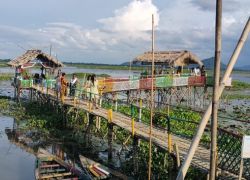
Urpad Beel is not known for man-made architecture; its beauty lies entirely in its natural landscape. The wetland covers a vast area that expands during the monsoon season and shrinks slightly in winter. The beel is surrounded by grasslands, small water channels, and agricultural fields, creating a picturesque rural setting.
The wetland supports a wide variety of aquatic plants, fish species, amphibians, and birds. The calm water surface reflects the sky and surrounding greenery, offering stunning views especially during sunrise and sunset. The natural environment makes Urpad Beel an ideal place for eco-tourism and nature photography.
How to Reach Urpad Beel, Goalpara, Assam
Urpad Beel is easily accessible from Goalpara town and nearby areas.
By Road: Goalpara town is well connected by road to Guwahati and other districts of Assam. Urpad Beel is located about 20–25 km from Goalpara town. Taxis, private vehicles, and local transport can be used to reach the wetland.
By Rail: Goalpara Town Railway Station is the nearest railway station. From the station, visitors can hire taxis or local vehicles to reach Urpad Beel.
By Air: Lokpriya Gopinath Bordoloi International Airport in Guwahati is the nearest airport, approximately 130–140 km away. From Guwahati, visitors can travel by road or train to Goalpara.
Weather and Best Time to Visit Urpad Beel
The experience of visiting Urpad Beel varies with the seasons.
Summer (March to June): Summers are warm and humid, with temperatures ranging between 25°C and 35°C. The water level remains moderate, and mornings are pleasant.
Monsoon (July to September): Monsoon season fills the beel to its maximum capacity, making it lush and vibrant. However, heavy rainfall may make travel difficult.
Winter (October to February): Winter is the best time to visit Urpad Beel. The weather is cool and comfortable, and migratory birds can be seen in large numbers.
Timings of Urpad Beel
Urpad Beel is an open natural wetland and does not have fixed visiting hours. Visitors can explore the area during daylight hours. Early morning and late afternoon visits are ideal for birdwatching and photography.
Entry and Visit Details of Urpad Beel
There is no entry fee to visit Urpad Beel. As it is not a developed tourist complex, visitors are expected to maintain cleanliness and respect the natural ecosystem. Guided tours are usually not available, but local fishermen and villagers can share valuable insights about the beel.
Things to Do at Urpad Beel
Birdwatching: Observe migratory and local bird species, especially during winter.
Nature Photography: Capture scenic views, birds, and reflections on the water.
Fishing Observation: Learn about traditional fishing techniques used by local communities.
Nature Walks: Walk around the beel and enjoy the calm environment.
Sunrise and Sunset Views: Enjoy breathtaking views of the sky over the wetland.
Interesting Facts about Urpad Beel
Urpad Beel is one of the largest wetlands in Lower Assam.
It supports a wide variety of fish species and aquatic plants.
The beel attracts migratory birds during winter.
It plays an important role in flood control and water management.
Local communities depend on the beel for livelihood.
Travel Tips for Visiting Urpad Beel
Visit during winter for birdwatching.
Carry binoculars and a camera.
Wear comfortable footwear suitable for rural terrain.
Avoid littering and disturbing wildlife.
Respect local customs and fishing activities.
Conclusion
Urpad Beel in Goalpara, Assam, is a hidden natural gem that showcases the beauty and ecological richness of Assam’s wetlands. With its vast waters, birdlife, and peaceful surroundings, the beel offers a refreshing escape into nature. Whether you are a bird lover, photographer, or traveler seeking calm and scenic landscapes, Urpad Beel provides a meaningful and memorable experience while highlighting the importance of wetland conservation in Assam.


Goalpara
Goalpara
Goalpara
Goalpara
Goalpara
Goalpara
Goalpara
Goalpara
Goalpara
Goalpara