"Breathtaking views from a historic vantage point."
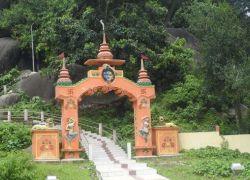
Hulukanda Hill is one of the most prominent and historically important hills located in Goalpara district of Assam. Rising gracefully above the surrounding plains, this hill is known for its natural beauty, ancient ruins, and strong connection to the region’s cultural past. Surrounded by greenery and offering wide views of the Brahmaputra valley, Hulukanda Hill attracts history lovers, nature enthusiasts, and travelers looking to explore lesser-known destinations in Assam. The hill stands as a silent witness to the rich historical and religious traditions of Goalpara.
Why Hulukanda Hill is Famous in Goalpara, Assam
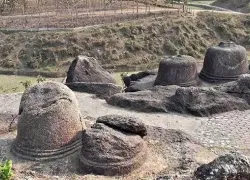
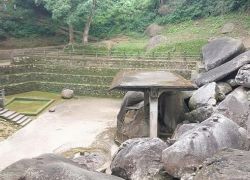
Hulukanda Hill is famous for its archaeological and historical significance. The hill is believed to have been an important center during ancient and medieval times, with ruins and remnants of old structures scattered around the area. These remains indicate that Hulukanda Hill may have once served as a fortification or religious center. The hill is also popular for its peaceful atmosphere, scenic surroundings, and panoramic views, making it a favored spot for local visitors and explorers interested in Assam’s hidden heritage.
History of Hulukanda Hill
The history of Hulukanda Hill dates back several centuries and is closely associated with the ancient kingdoms that once ruled the Goalpara region. Historical records and local legends suggest that the hill was an important settlement or defensive site due to its strategic elevation. The presence of stone ruins, foundations, and scattered artifacts point toward human activity during early periods.
Some historians believe that Hulukanda Hill may have been connected to the rule of the Koch dynasty or other regional powers that dominated western Assam. Over time, the site lost its political importance, and nature gradually reclaimed much of the area. However, the historical essence of the hill still remains visible through its ruins and folklore passed down by local communities.
Architecture and Structural Remains of Hulukanda Hill
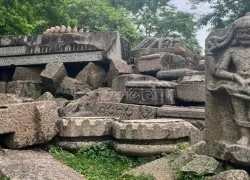
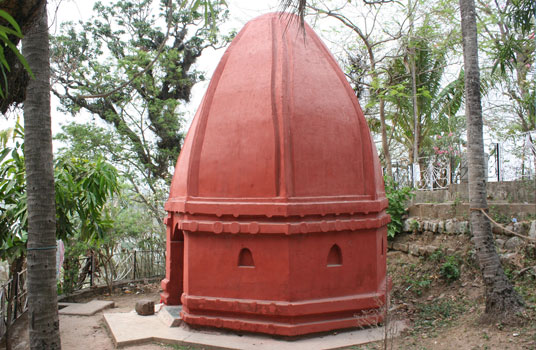
Unlike modern tourist spots, Hulukanda Hill does not feature well-preserved monuments. Instead, its architectural significance lies in the scattered ruins found on and around the hill. These include stone blocks, remnants of walls, and foundations that hint at ancient structures such as temples, watchtowers, or small forts.
The construction style appears to be simple and functional, using locally available stone and materials. The ruins blend naturally with the landscape, adding a mysterious charm to the hill. Although time and weather have worn down most of the structures, the remaining elements offer valuable insight into early architectural practices in the Goalpara region.
How to Reach Hulukanda Hill, Goalpara, Assam
Hulukanda Hill is easily accessible from Goalpara town through a combination of road and local transport.
By Road: Goalpara is well connected to Guwahati and other major towns in Assam by road. From Goalpara town, Hulukanda Hill is located at a short distance and can be reached by taxi, auto-rickshaw, or private vehicle. The approach road passes through scenic rural areas.
By Rail: The nearest railway station is Goalpara Town Railway Station. From the station, visitors can hire local transport to reach the hill.
By Air: The nearest airport is Lokpriya Gopinath Bordoloi International Airport in Guwahati. From Guwahati, travelers can reach Goalpara by road or train and then continue to Hulukanda Hill.
Weather and Best Time to Visit Hulukanda Hill
The climate around Hulukanda Hill is typical of Assam, with moderate to high humidity.
Summer (March to June): Summers can be warm, with temperatures ranging between 25°C and 35°C. Visiting during early morning or late afternoon is advisable.
Monsoon (July to September): Monsoon brings heavy rainfall, making the surroundings lush and green. However, paths may become slippery, so visitors should be cautious.
Winter (October to February): Winter is the best time to visit Hulukanda Hill. The weather is cool and pleasant, ideal for walking, sightseeing, and photography.
Timings of Hulukanda Hill
Hulukanda Hill is an open site and can be visited from morning to evening, generally between 6:00 AM and 6:00 PM. It is recommended to visit during daylight hours to explore the ruins safely and enjoy the surrounding views.
Entry and Visit Details of Hulukanda Hill
There is no entry fee to visit Hulukanda Hill. The site is freely accessible to visitors throughout the year. Since it is not a formally maintained tourist complex, visitors are advised to be careful while exploring the ruins and natural trails. No official guides are available, but local residents can often share stories and information about the hill’s history.
Things to Do at Hulukanda Hill
Explore Historical Ruins: Walk around the hill to observe ancient stone remains and foundations.
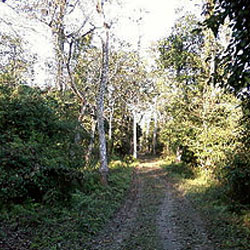
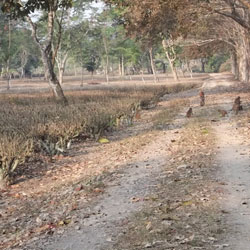
Nature Walks: Enjoy peaceful walks amidst greenery and fresh air.
Photography: Capture scenic landscapes, ruins, and views of the surrounding plains.
Picnic Spot: The calm environment makes it suitable for small picnics with family or friends.
Local Exploration: Interact with nearby villagers to learn about local legends and traditions associated with the hill.
Interesting Facts about Hulukanda Hill
Hulukanda Hill is considered one of the historically significant sites in Goalpara district.
The hill contains scattered ruins that suggest ancient human settlement or fortification.
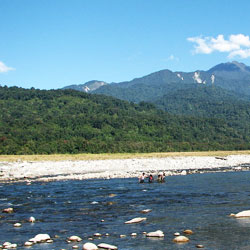
It offers panoramic views of the surrounding countryside and nearby river plains.
The site remains largely untouched by modern development.
Local folklore adds to the mystery and cultural importance of the hill.
Travel Tips for Visiting Hulukanda Hill
Wear comfortable shoes suitable for uneven terrain.
Carry water and basic essentials, as facilities are limited.
Avoid visiting during heavy rains due to slippery paths.
Respect the historical site and avoid damaging ruins.
Keep the area clean and take back all waste.
Conclusion
Hulukanda Hill in Goalpara, Assam, is a fascinating destination for those interested in history, archaeology, and nature. With its ancient ruins, scenic views, and peaceful surroundings, the hill offers a quiet escape from crowded tourist spots. Visiting Hulukanda Hill provides a deeper understanding of Goalpara’s rich past while allowing travelers to enjoy the untouched beauty of Assam’s landscape.



Goalpara
Goalpara
Goalpara
Goalpara
Goalpara
Goalpara
Goalpara
Goalpara
Goalpara
Goalpara