"Marvel at nature's grandeur and breathtaking views."
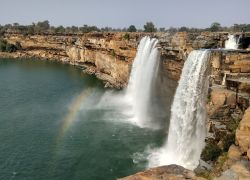
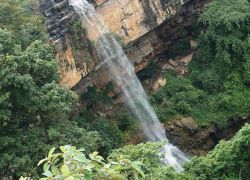
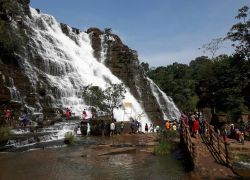
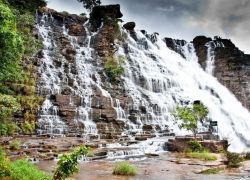
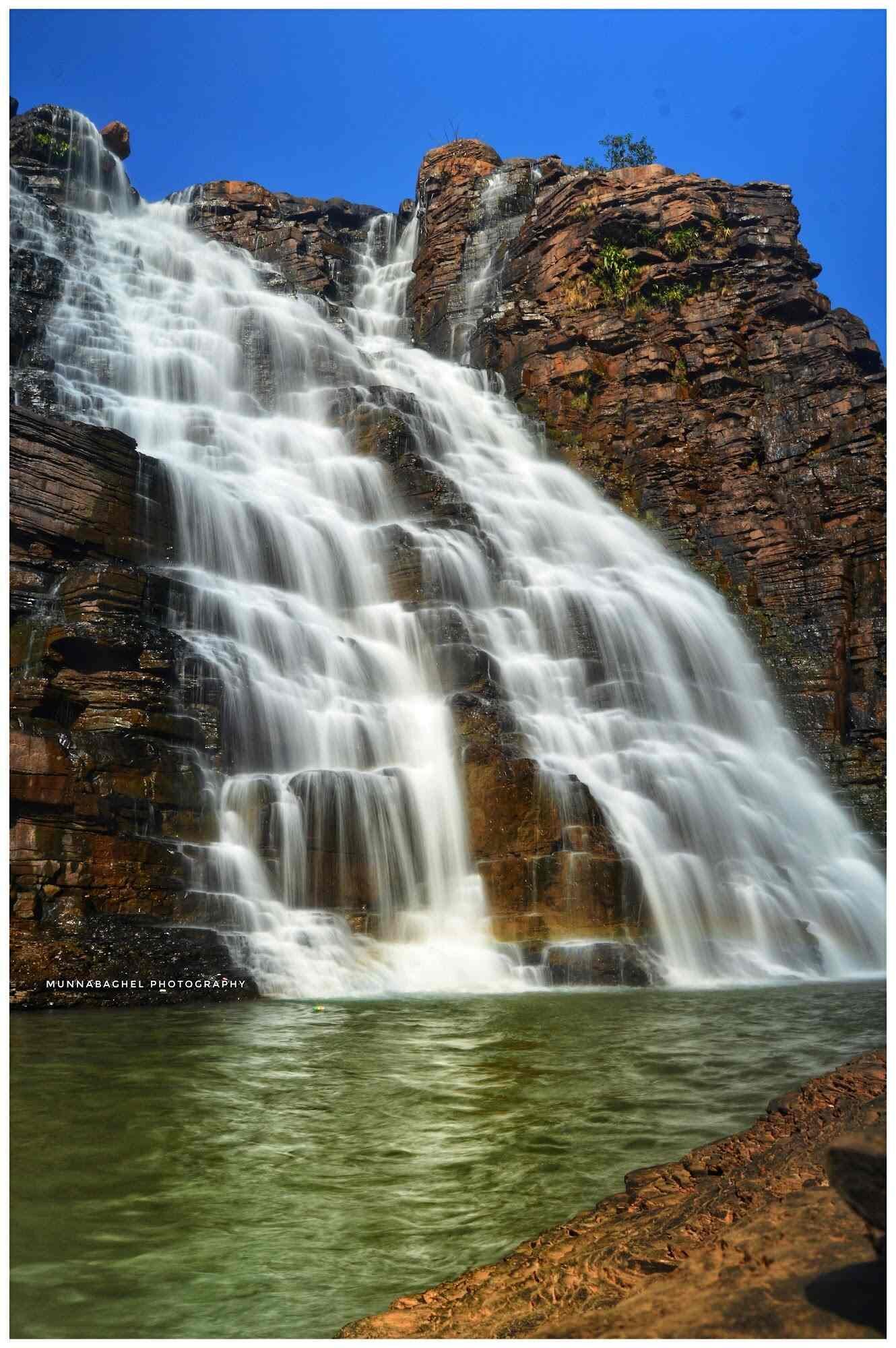
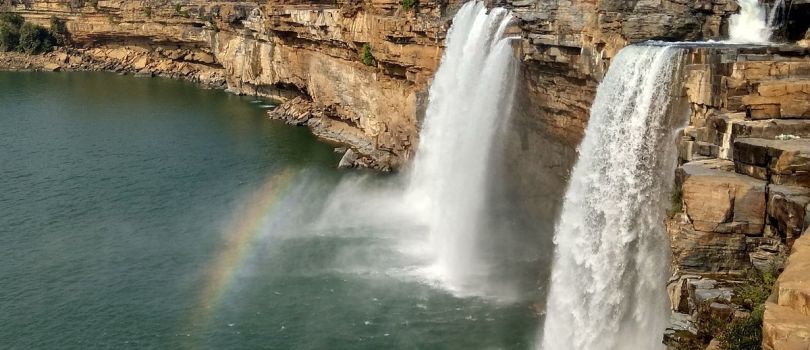
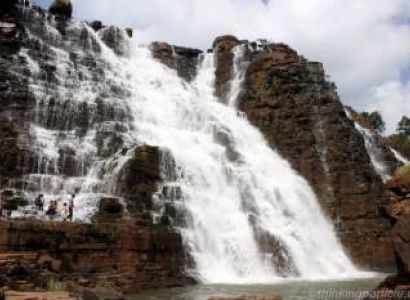
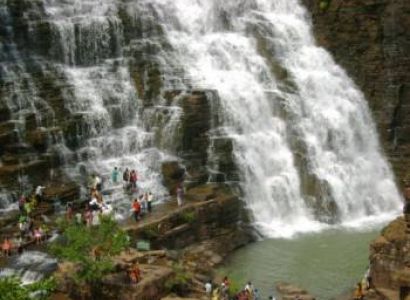
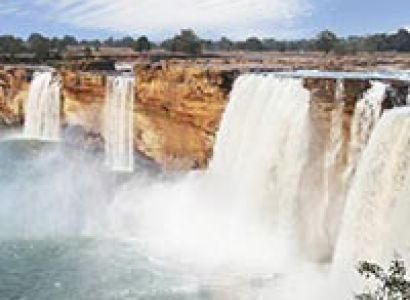
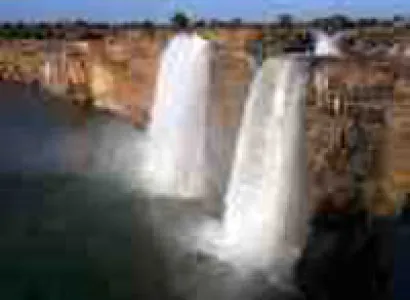
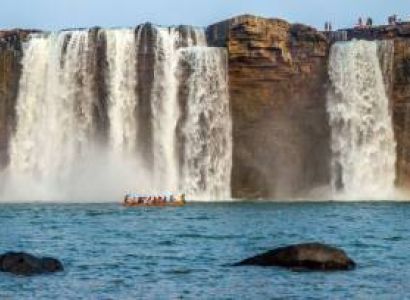
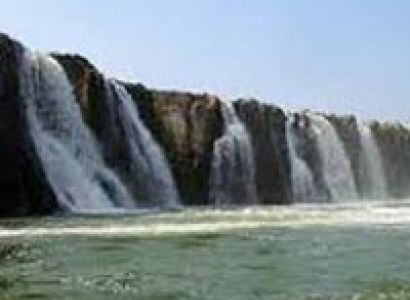
Chitrakote Falls is one of the most breathtaking natural wonders of India, in the Bastar region of Chhattisgarh. Formed by the Indravati River, this spectacular waterfall is famous for its massive width, powerful water flow, and scenic surroundings. During the monsoon season, the falls stretch nearly 300 meters wide, creating a thundering curtain of water that has earned it the title “Niagara of India.” Surrounded by dense forests, rocky cliffs, and tribal villages, Chitrakote Falls offers visitors a perfect blend of natural beauty, adventure, and cultural richness.
History and Cultural Importance of Chitrakote Falls
The history of Chitrakote Falls is deeply connected with the ancient tribal culture of Bastar. For centuries, the region has been home to indigenous tribes such as the Gond, Muria, and Maria communities. The Indravati River, from which the falls originate, is considered sacred by local people and plays a vital role in their agricultural practices and traditional rituals. Chitrakote Falls has long been a place of seasonal gatherings, storytelling, and festivals. In modern times, the waterfall has gained recognition as one of the most important tourist attractions in central India, helping to bring attention to the unique heritage and natural wealth of Bastar.
Natural Architecture and Formation
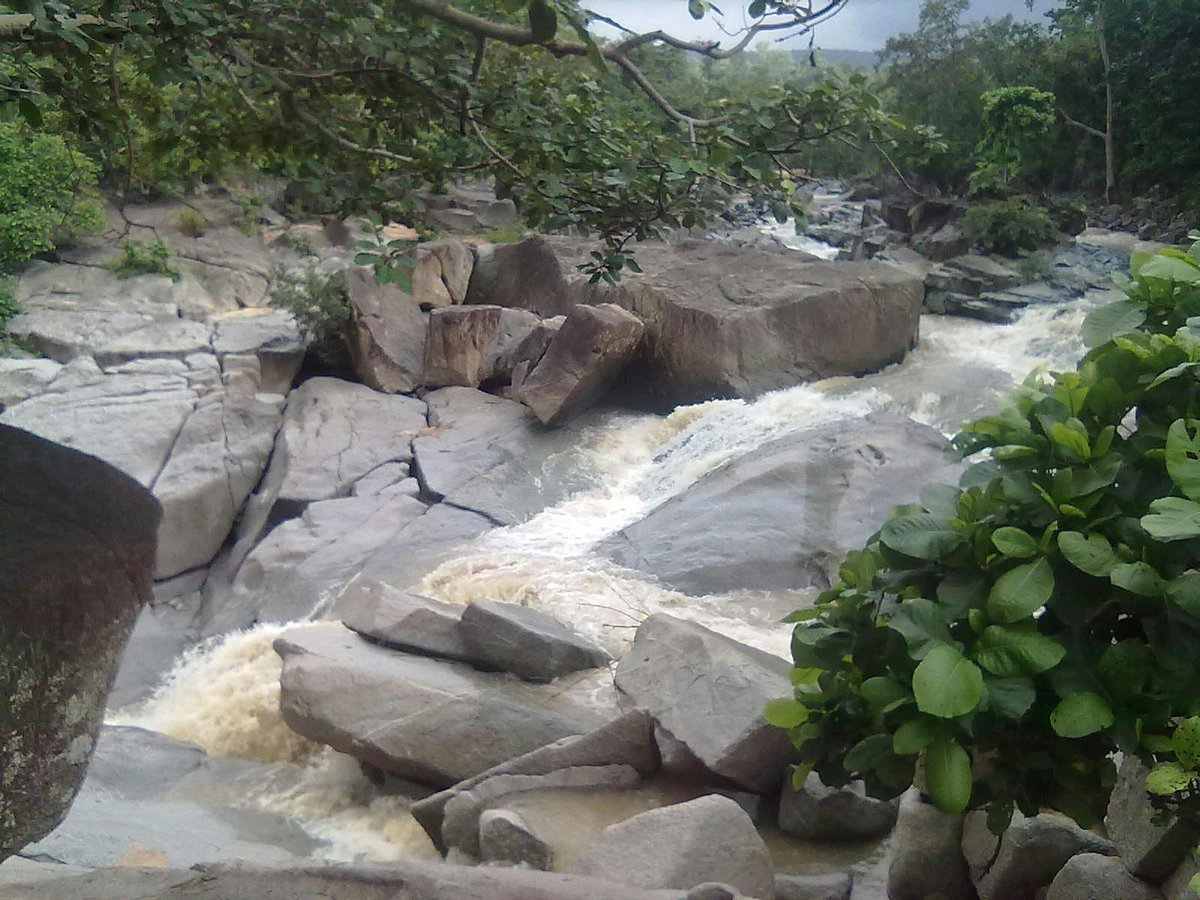
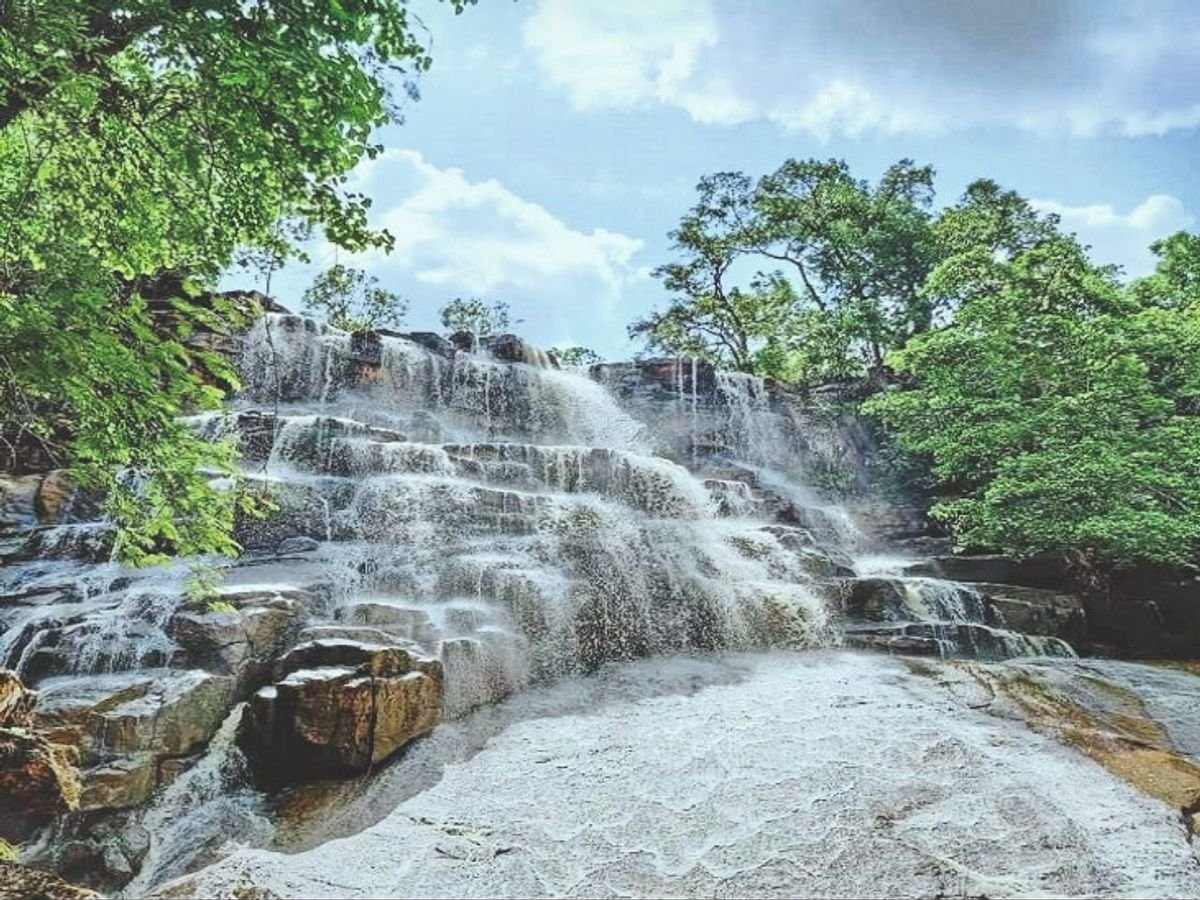
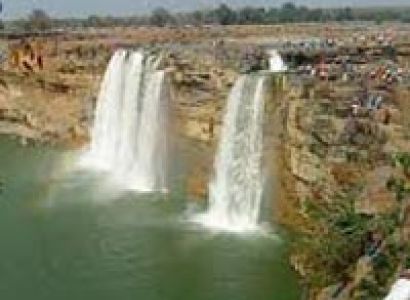
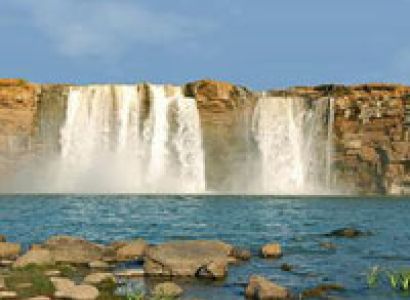
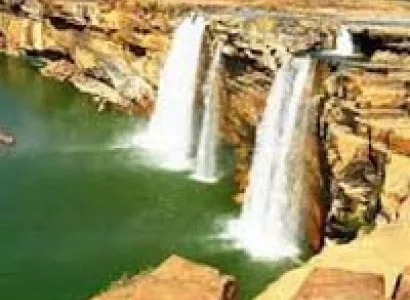
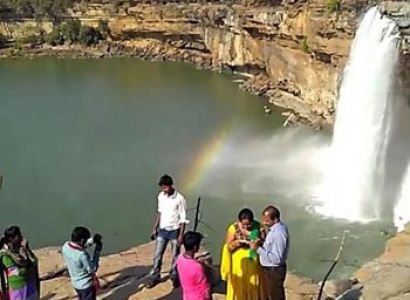
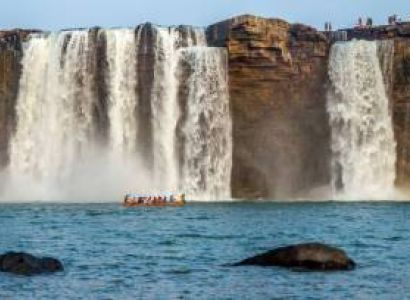
The natural architecture of Chitrakote Falls is one of its most striking features. Unlike tall, narrow waterfalls, Chitrakote is known for its wide, horseshoe-shaped structure. The basalt rock formations beneath the falls create a dramatic contrast with the white, foamy water. During the monsoon, the waterfall appears fierce and powerful, while in summer, when the water level drops, visitors can see the layered rock formations and small rocky islands near the base. The mist rising from the falls often forms rainbows, adding to the magical visual experience.
Why Chitrakote Falls Is Famous
Chitrakote Falls is famous for being the widest waterfall in India and for its resemblance to the world-famous Niagara Falls. The sheer volume of water, especially during the rainy season, creates a roaring sound that can be heard from a distance. The falls are also known for their changing beauty throughout the year, offering different experiences in different seasons. Its location in the culturally rich Bastar region further enhances its appeal, as visitors can enjoy both natural scenery and tribal traditions in one trip.
Weather and Best Time to Visit Chitrakote Falls
Jagdalpur has a tropical climate. Summers, from March to June, can be hot, with temperatures ranging from 30°C to 40°C. Monsoon season, from July to September, is the most popular time to visit Chitrakote Falls, as the water flow is at its peak and the surrounding landscape turns lush green. However, visitors should be cautious due to slippery paths. Winters, from October to February, are pleasant, with temperatures between 10°C and 25°C, making it ideal for sightseeing, photography, and relaxed exploration.
Timings of Chitrakote Falls
Chitrakote Falls is open to visitors throughout the day. However, the best time to visit is from early morning to sunset, when visibility is clear and the surroundings are safer to explore. Early mornings and late afternoons also offer the best light for photography and fewer crowds.
Entry and Visit Details of Chitrakote Falls, Jagdalpur
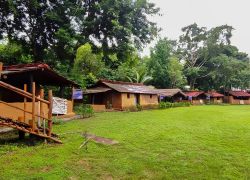
There is no official entry fee to visit Chitrakote Falls. Visitors may need to pay nominal charges for parking, boating (available during low water levels), and use of local amenities. Basic facilities such as viewpoints, small shops, and seating areas are available near the falls. It is advised to follow safety instructions provided by local authorities, especially during the monsoon season when the water flow is extremely strong.
How to Reach Chitrakote Falls, Jagdalpur
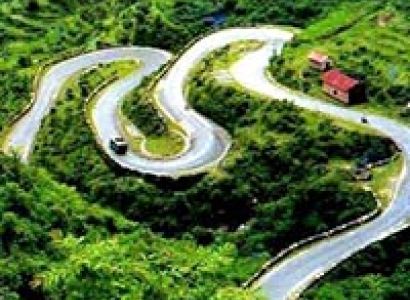
Jagdalpur is well connected by rail and road. Regular trains run between Jagdalpur and major cities like Raipur and Visakhapatnam. By road, Jagdalpur can be reached via national and state highways from Raipur and nearby towns. Chitrakote Falls is located about 38 km from Jagdalpur city center and can be easily reached by taxi, private vehicle, or local buses. The drive to the falls is scenic, passing through forests and rural landscapes.
Things to Do at Chitrakote Falls
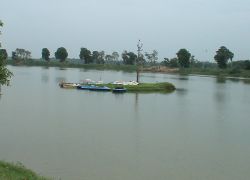
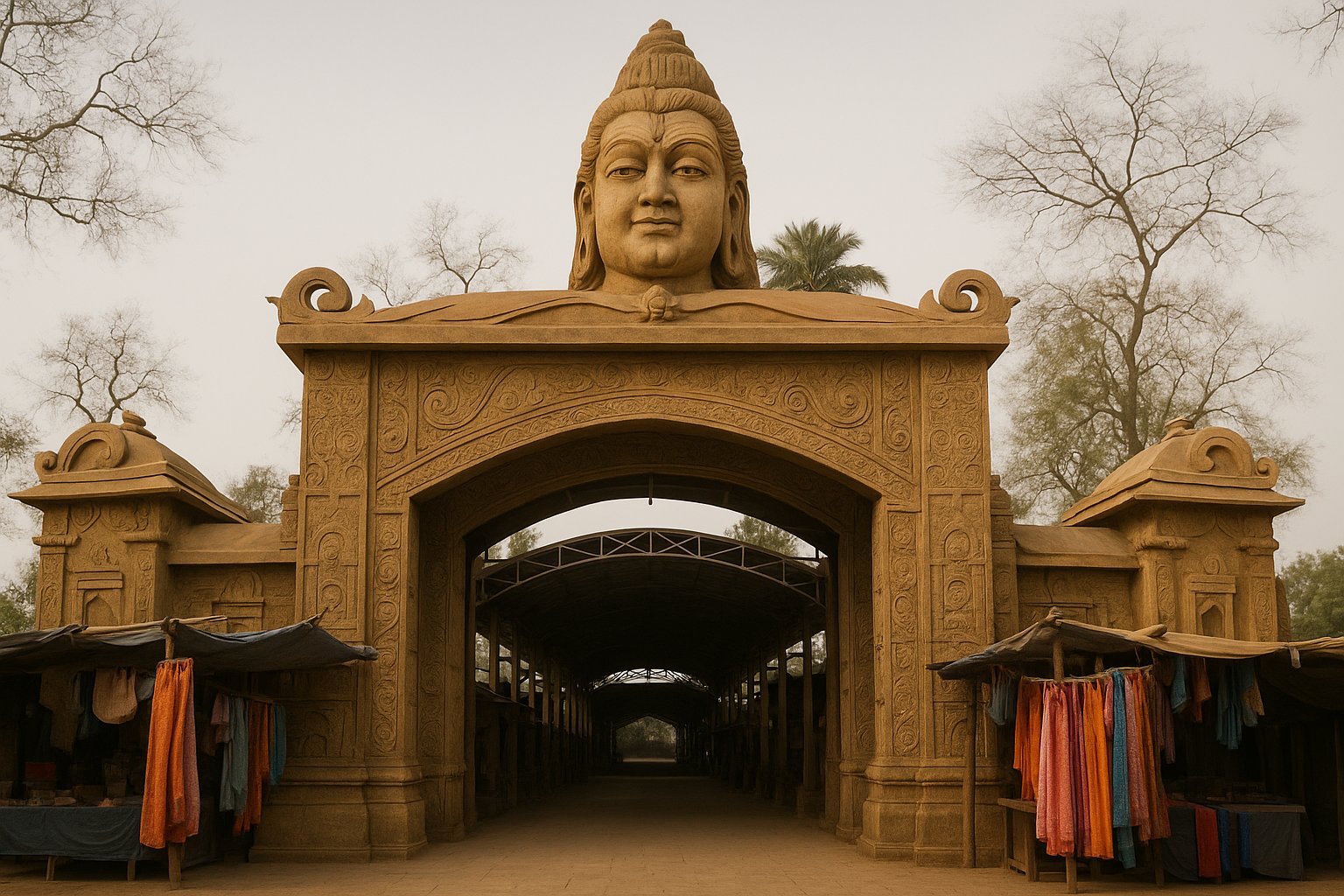
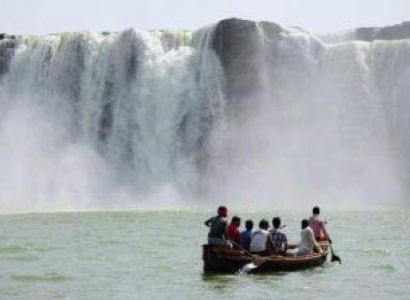
There are many activities to enjoy at Chitrakote Falls. Nature lovers can spend time sightseeing and capturing photographs of the majestic waterfall. During the dry season, boating near the base of the falls is a popular activity that offers a unique perspective. Visitors can also explore nearby viewpoints for panoramic views. Interacting with local tribal communities and visiting weekly markets nearby provides insight into Bastar’s rich culture and traditional handicrafts.
Interesting Facts About Chitrakote Falls
Chitrakote Falls dramatically changes its appearance with the seasons. It is at its widest and most powerful during the monsoon and calmer during summer. The falls are formed by the Indravati River, which later becomes part of the Godavari River system. It is one of the few waterfalls in India with a horseshoe shape. The area around the falls is also rich in biodiversity, including various species of birds and plants.
Travel Tips for Visiting Chitrakote Falls
Wear comfortable, non-slip footwear as the area around the falls can be slippery, especially during the rainy season. Avoid getting too close to the edge of the waterfall and always follow safety guidelines. Visit early in the day to avoid crowds and enjoy better views. Carry drinking water, sunscreen, and basic essentials, as facilities are limited. Respect local customs and the natural environment to help preserve the beauty of Chitrakote Falls.

Jagdalpur
Jagdalpur
Jagdalpur
Jagdalpur
Jagdalpur
Jagdalpur
Jagdalpur
Jagdalpur

Jagdalpur
Jagdalpur