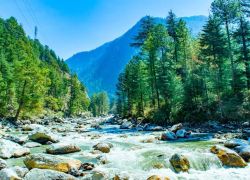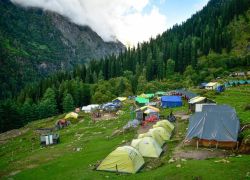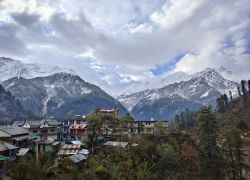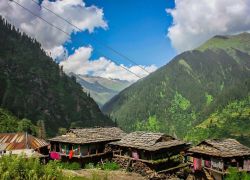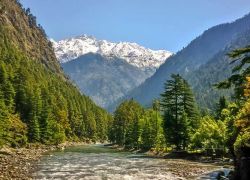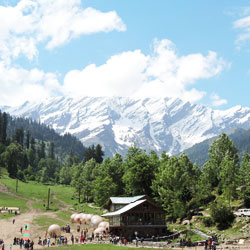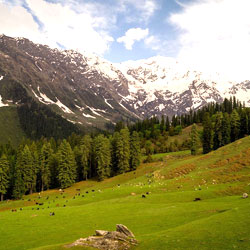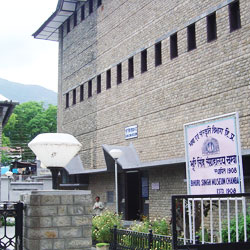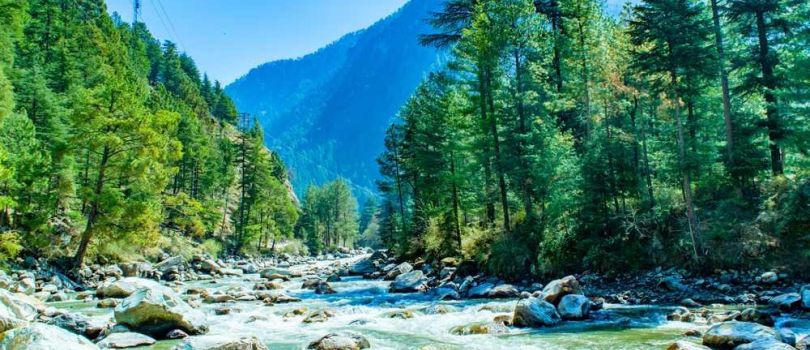
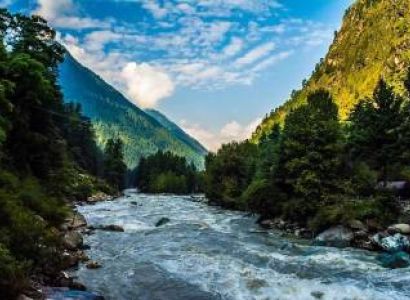
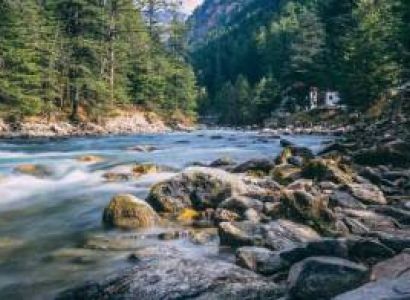
"A picturesque river steeped in natural beauty."
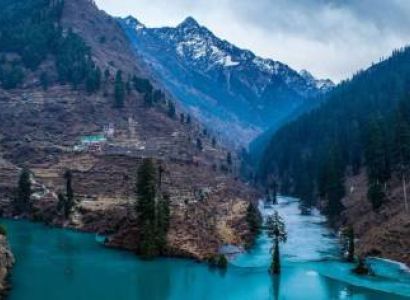
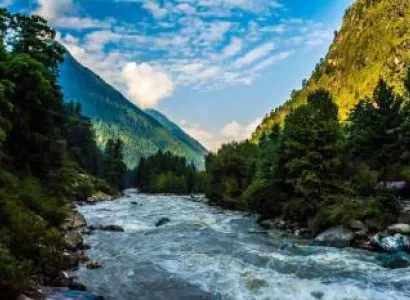
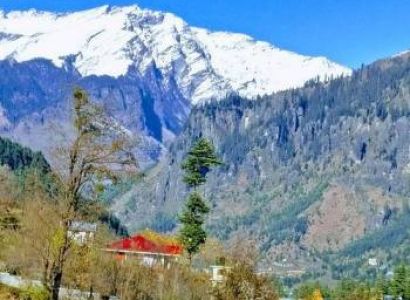
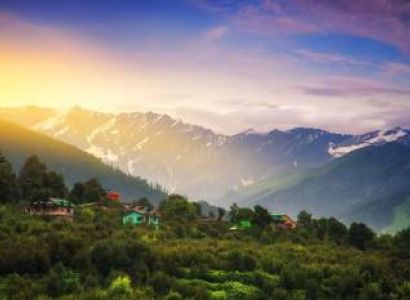
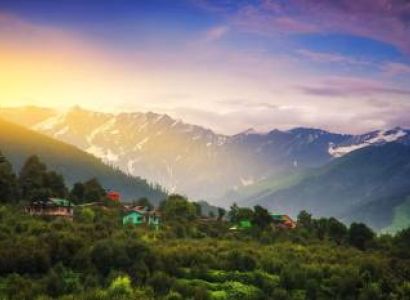
Welcome to the breathtaking Parvati River in the serene city of Kheerganga. This majestic river is a paradise for nature lovers, offering a tranquil escape amidst the picturesque landscapes of the Himalayas. The Parvati River holds immense significance not just for its natural beauty but also for its rich biodiversity and historical importance.
History of Parvati River
The Parvati River has a deep-rooted historical background, once serving as a vital water source for the local communities and playing a crucial role in the region's ecosystem. The river flows through what was once royal hunting grounds, showcasing the harmonious relationship between nature and culture. Efforts towards the conservation of the Parvati River have garnered recognition, with UNESCO acknowledging its ecological value.
Architecture and Natural Beauty of Parvati River
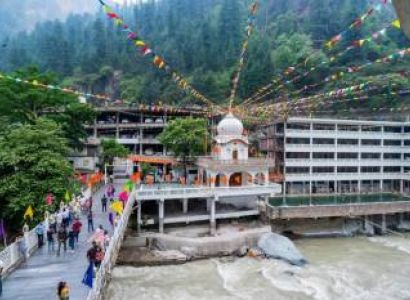
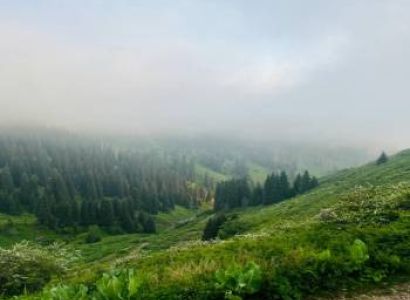
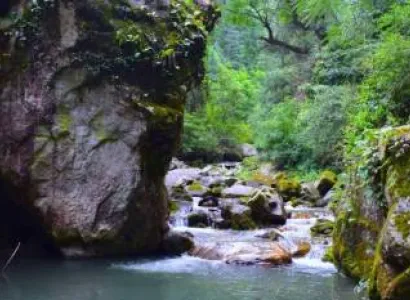
The Parvati River is surrounded by lush wetlands, dense forests, and vibrant grasslands that provide a haven for numerous bird species. Bird habitats along the riverbanks attract birdwatchers and photographers alike, while the historical Keoladeo Temple adds a touch of spirituality to the natural beauty of the region.
Why is Parvati River Famous?
Parvati River is renowned for its diverse avian population, making it a hotspot for birdwatchers and nature enthusiasts. The river's serene landscapes and abundant wildlife appeal to photographers and wildlife lovers, offering a unique and enriching experience in the lap of nature.
How to Reach Parvati River
Travelling to Parvati River is convenient, with options to reach by air, rail, or road. The nearest airports and railway stations provide easy access to the city of Kheerganga, from where the river is a short distance away. Visitors can choose their preferred mode of transportation based on their convenience and travel preferences.
Weather and Best Time to Visit Parvati River
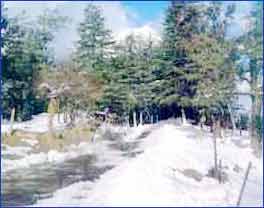
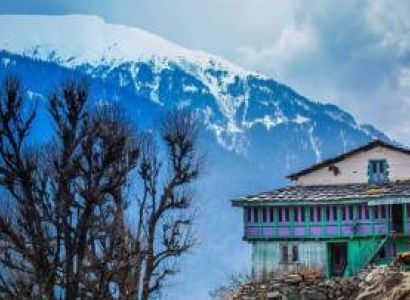
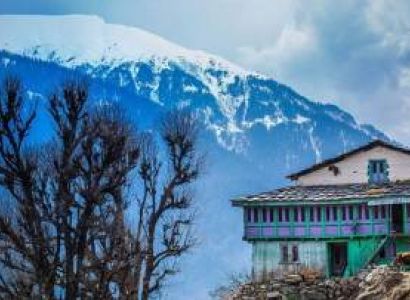
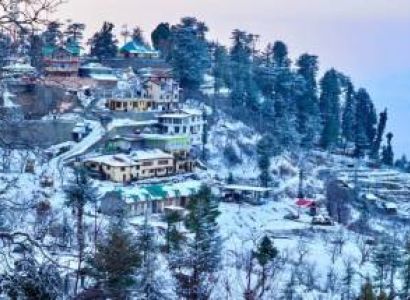
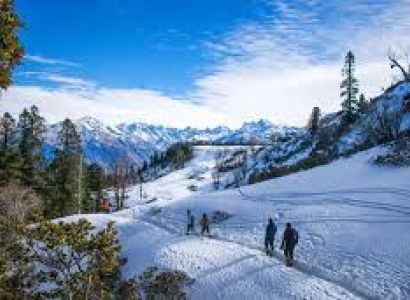
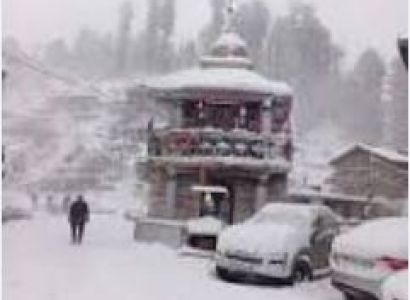
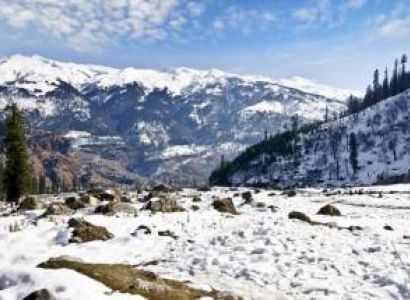
The weather at Parvati River varies across seasons, with summer offering pleasant temperatures, monsoon bringing lush greenery, and winter showcasing snowy landscapes. The best time to visit depends on personal preferences, but the months with moderate weather conditions are ideal for exploring the river and its surroundings.
Timings of Parvati River
Visiting timings for Parvati River may vary seasonally, so it is advisable to check for any updates before planning your trip. Understanding the timings can help visitors make the most of their experience and plan their activities accordingly.
Entry Fee and Visit Details
Entry procedures to Parvati River are straightforward, with options for guide services, safari experiences, bicycle rentals, and visitor facilities available to enhance your visit. These additional services can enrich your exploration of the river and provide a deeper understanding of its natural wonders.
Things to Do at Parvati River
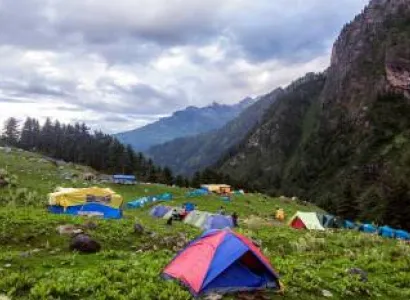
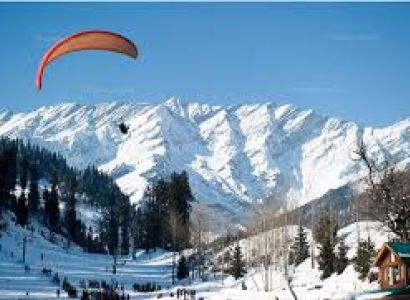
Exploring Parvati River offers a plethora of activities for visitors, including birdwatching, photography, cycling along scenic trails, walking amidst nature, and engaging in educational experiences about the region's biodiversity. Each activity allows visitors to connect with the natural beauty of the river and its surroundings.
Interesting Facts About Parvati River
Parvati River is home to a variety of migratory birds, showcasing the rich biodiversity of the region. Conservation efforts have led to significant achievements in preserving the river's ecosystem, highlighting its ecological importance and the need for sustainable practices to protect such natural treasures.
Travel Tips for Visiting Parvati River
When planning a trip to Parvati River, consider essential aspects such as suitable clothing for the weather, photography equipment for capturing the scenic beauty, birdwatching essentials for observing wildlife, and the best seasons to visit based on personal preferences. Embracing responsible tourism practices ensures a positive impact on the environment and local communities.
Conclusion
In conclusion, the Parvati River in Kheerganga is a gem waiting to be explored, offering a harmonious blend of natural beauty, cultural significance, and abundant biodiversity. Visitors to Parvati River can immerse themselves in the serenity of the Himalayan landscapes, connect with diverse wildlife, and create unforgettable memories amidst the tranquil surroundings of this enchanting destination.
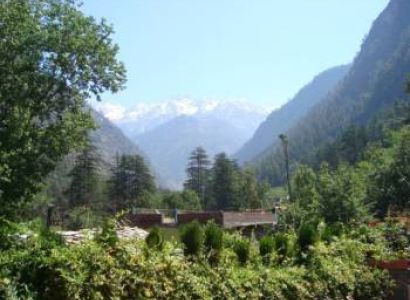

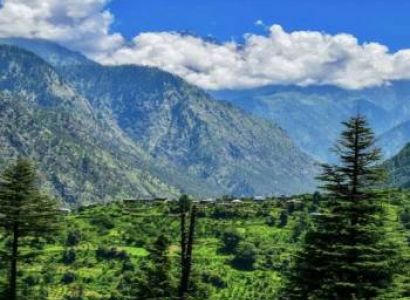







Kasol