
About Sanjay Gandhi National Park The Sanjay Gandhi National Park is a lush green paradise located in the northern part of Mumbai, India. Covering an area of 104 square kilometers, this national park is one of the most visited parks in the country and is a popular destination for nature lovers, adventure enthusiasts, and wildlife enthusiasts. The park is named after Sanjay Gandhi, the son of former Prime Minister of India, Indira Gandhi. Location and Geographical Overview The Sanjay Gandhi National Park is situated in the suburban district of Mumbai, covering areas of Borivali and Thane. The park is surrounded by hills and forests, providing a serene and peaceful environment for visitors to enjoy nature at its best. The park is home to a variety of flora and fauna, making it a biodiversity hotspot in the region. Open and Closing Time The Sanjay Gandhi National Park is open to visitors from 7:30 am to 6:30 pm every day of the week, including weekends and public holidays. The park closes at 6:30 pm, and visitors are not allowed to enter after this time. Entry Fee The entry fee for the Sanjay Gandhi National Park is INR 68 for adults and INR 38 for children. Senior citizens above the age of 65 can enter the park for free with a valid ID card. Foreign tourists have to pay INR 338 for entry. Species-Flora/Fauna Availability The Sanjay Gandhi National Park is home to a wide variety of flora and fauna. The park is famous for its rich biodiversity, with over 1,300 species of plants, 251 species of birds, 40 species of mammals, and 38 species of reptiles. Some of the animals found in the park include leopards, spotted deer, macaques, langurs, and Indian flying foxes. Activities Performed Visitors to the Sanjay Gandhi National Park can indulge in a range of activities such as nature walks, trekking, picnicking, bird watching, and cycling. The park also offers boating facilities at the Tulsi Lake and Vihar Lake, allowing visitors to enjoy a peaceful boat ride amidst the serene surroundings. Jeep Safari Charges The park also offers jeep safari rides for visitors who want to explore the park's wilderness and spot rare wildlife. The jeep safari charges are INR 800 per person for a 30-minute ride, allowing visitors to get up close and personal with the park's inhabitants. Age Criterion for Male, Female, Children and their Entry Fee The entry fee for the Sanjay Gandhi National Park is INR 68 for male adults, female adults, and children above the age of 5. Children below the age of 5 can enter the park for free. Senior citizens above the age of 65 can enter the park for free with a valid ID card. Senior Citizen Facilities Senior citizens above the age of 65 are entitled to free entry to the Sanjay Gandhi National Park with a valid ID card. The park provides special facilities for senior citizens, including wheelchair accessibility, resting areas, and designated walking trails for a comfortable and enjoyable visit. Best Time to Visit The best time to visit the Sanjay Gandhi National Park is during the winter months of November to February when the weather is pleasant and cool. The park is lush and green during this time, making it ideal for outdoor activities and wildlife spotting. Nearby Places to Visit There are several attractions near the Sanjay Gandhi National Park that visitors can explore, including the Kanheri Caves, a group of ancient Buddhist rock-cut caves dating back to the 1st century BC. Other nearby attractions include the Global Vipassana Pagoda, Film City, and Yeoor Hills. Vehicle Parking Facility The Sanjay Gandhi National Park provides ample parking facilities for visitors, with designated parking areas available near the park's entrance. Visitors can park their cars or bikes securely and conveniently while they explore the park's attractions and activities. Rules and Regulations Visitors to the Sanjay Gandhi National Park are required to follow certain rules and regulations to ensure the safety of wildlife and maintain the park's ecological balance. Some of the rules include not feeding the animals, not littering, not making loud noises, and not plucking flowers or plants. How to Reach and Other Related Information The Sanjay Gandhi National Park is easily accessible by road and public transport. Visitors can take a taxi, bus, or auto-rickshaw to reach the park from various parts of Mumbai. The nearest railway station to the park is Borivali, which is well-connected to other parts of the city. The park also has facilities like restrooms, food stalls, and information centers to cater to the needs of visitors. Overall, the Sanjay Gandhi National Park is a must-visit destination for nature lovers, wildlife enthusiasts, and adventure seekers looking to experience the beauty of Mumbai's natural landscape. With its diverse flora and fauna, exciting activities, and serene surroundings, the park offers a unique and memorable experience for visitors of all ages.
Explore More
Kalsubai Harishchandragad Wildlife Sanctuary
About Kalsubai Harishchandragad Wildlife Sanctuary The Kalsubai Harishchandragad Wildlife Sanctuary, located in Ahmednagar district of Maharashtra, is a haven for nature enthusiasts and wildlife lovers. Spread over an area of 548.524 square kilometers, this sanctuary is home to a diverse range of flora and fauna. The sanctuary was established in 1986 with the aim of protecting the biodiversity of the region. Location and Geographical Overview The sanctuary is situated in the Western Ghats, one of the biodiversity hotspots in the world. It is located at a distance of around 140 kilometers from Pune and 180 kilometers from Mumbai. The terrain of the sanctuary is rugged and hilly, with the famous Kalsubai Peak, the highest peak in Maharashtra, located within its boundaries. Open and Closing Time The sanctuary is open to visitors from 6:00 AM to 6:00 PM on all days of the week. It is recommended to visit during the early morning or late afternoon hours to witness the vibrant wildlife activity in the sanctuary. Entry Fee The entry fee for visiting the Kalsubai Harishchandragad Wildlife Sanctuary is INR 50 per person for Indian nationals and INR 200 per person for foreign nationals. Children below the age of 5 years can enter for free. Species-Flora/Fauna Availability The sanctuary is rich in biodiversity and is home to a variety of flora and fauna. Some of the wildlife species that can be spotted here include leopards, barking deer, wild boars, and various species of birds. The sanctuary is also known for its diverse plant species such as teak, bamboo, and medicinal herbs. Activities Performed Visitors to the sanctuary can indulge in activities such as nature walks, bird watching, and photography. The sanctuary also offers jeep safaris for those looking to explore the wildlife in a more immersive way. Jeep Safari Charges The charges for a jeep safari in the sanctuary are INR 1500 per person. The safari duration is around 2-3 hours and is conducted by experienced guides who provide valuable insights about the wildlife and vegetation in the sanctuary. Age Criterion and Entry Fee The entry fee for male and female visitors above the age of 12 years is INR 50. For children between the ages of 5-12 years, the entry fee is INR 20. Children below the age of 5 years can enter for free. Senior citizens above the age of 60 years are eligible for a discounted entry fee of INR 30. Senior Citizen Facilities The sanctuary provides special facilities for senior citizens, including seating areas, designated walking paths, and restrooms with disabled access. The staff at the sanctuary is also trained to assist senior citizens with any special requirements they may have. Best Time to Visit The best time to visit the Kalsubai Harishchandragad Wildlife Sanctuary is during the winter months from November to February. The weather is pleasant during this time, and wildlife sightings are more frequent. However, the sanctuary is open throughout the year, and each season offers a unique experience to visitors. Nearby Places to Visit There are several tourist attractions near the sanctuary that visitors can explore, such as the Kalsubai Temple, Harishchandragad Fort, and the picturesque Bhandardara Lake. These places offer a glimpse into the rich history and culture of the region. Vehicle Parking Facility The sanctuary provides ample parking space for both two-wheelers and four-wheelers. Visitors can park their vehicles in designated areas near the entrance of the sanctuary. Parking charges may apply, so it is advisable to inquire about the same at the entrance gate. Rules and Regulations - Visitors are required to maintain the sanctity of the sanctuary by not littering or disturbing the wildlife. - Smoking and consumption of alcohol are strictly prohibited within the premises. - Pets are not allowed inside the sanctuary for the safety of both the animals and visitors. - It is advisable to follow the instructions of the sanctuary staff and guides to ensure a safe and enjoyable visit. How to Reach and Other Related Information The Kalsubai Harishchandragad Wildlife Sanctuary is easily accessible by road from major cities like Pune and Mumbai. Visitors can hire a private vehicle or opt for state-run buses to reach the sanctuary. The nearest railway station is Igatpuri, which is around 30 kilometers away. The sanctuary is well-connected by a network of roads, making it convenient for visitors to travel to and from the sanctuary.
Explore More
The sanctuary lies among the ranges of Western Ghats in the district of Raigad. The sanctuary is also reckoned as a paradise for trekkers due to the presence of various hills in the area. The sanctuary is also famous for the Karnala fort, which is situated within the sanctuary.The fort has a very rich historical past and thus is turning out to be a favorite place of tourists. The sanctuary is an ideal place for bird watching as well as for trekking.Flora-The place is very rich in natural vegetation cover that includes various species of trees and plants. The most part of the sanctuary is covered with various deciduous trees like mango, kalam, koshimb, teak, asana, nana, umbar, kulu etc.Fauna-The sanctuary is a home to various animals like African monkeys, common langur, barking deer, wild boar, four horned antelope and in some cases leopards are also seen here.Avifauna-The sanctuary provides shelter to about 147species of domestic birds and around 37 species of various migratory birds. The sanctuary is a dwelling place of two rare birds i.e. spotted heart woodpecker and ashy minimet. The other types of birds that are seen here include peregrine falcon, crested serpent eagle, king vulture etc.Other Activities Barring bird-watching, the sanctuary also serves a good place for trekking. There are two trekking routes i.e. one is an easy route while the other one is a hard route. One should avoid trekking during the monsoons as it may be dangerous.
Explore More
Sanjay Gandhi Wildlife Sanctuary
About Sanjay Gandhi Wildlife Sanctuary The Sanjay Gandhi National Park, previously known as the Borivali National Park, is located in Mumbai, Maharashtra. It is one of the most visited national parks in Asia, attracting millions of visitors every year. The park is named after Sanjay Gandhi, the son of former Prime Minister of India, Indira Gandhi, and is spread across an area of 104 square kilometers. Location and Geographical Overview The Sanjay Gandhi National Park is situated in the northern part of Mumbai city and is bordered by the suburbs of Borivali, Goregaon, and Mulund. The park is nestled amidst the lush green hills of the Western Ghats and is home to a variety of flora and fauna. The park also encompasses the Kanheri Caves, which are ancient Buddhist rock-cut caves dating back to the 1st century BC. Opening and Closing Time The Sanjay Gandhi National Park is open to visitors from 7:30 am to 6:30 pm every day, including weekends and public holidays. Entry Fee The entry fee for the Sanjay Gandhi National Park is as follows: Indian Visitors: ₹ 65 per person Foreign Visitors: ₹ 200 per person Species-Flora/Fauna Availability The Sanjay Gandhi National Park is home to a diverse range of flora and fauna. The park is home to over 1,300 species of plants, 274 species of birds, 50 species of butterflies, and a variety of mammals including leopards, deer, monkeys, and wild boars. The park is also home to the Indian giant squirrel, which is one of the largest squirrels in the world. Activities Performed Visitors to the Sanjay Gandhi National Park can indulge in a variety of activities including nature walks, bird watching, boating at the Tulsi Lake, and visiting the Kanheri Caves. The park also offers guided safaris and treks for those looking to explore the wildlife and natural beauty of the park. Jeep Safari Charges The park offers jeep safaris for visitors to explore the wildlife and dense forest areas. The charges for a jeep safari are ₹ 1,000 per person, with a minimum of four persons required for a safari. Age Criterion and Entry Fee The entry fee for the Sanjay Gandhi National Park varies based on the age and gender of the visitors: Men: ₹ 65 Women: ₹ 40 Children (ages 5-12): ₹ 30 Senior Citizen Facilities Senior citizens above the age of 60 can avail a 50% discount on the entry fee to the park. They can also request for wheelchair assistance and preferential seating on the safari vehicles. Best Time to Visit The best time to visit the Sanjay Gandhi National Park is during the winter months of November to February when the weather is pleasant and the wildlife is more active. The park is also beautiful during the monsoon season from June to September when the flora is lush and green. Nearby Places to Visit There are several attractions near the Sanjay Gandhi National Park that visitors can explore, including the Kanheri Caves, Film City, Essel World amusement park, and the Global Vipassana Pagoda. These attractions offer a mix of cultural, historical, and recreational experiences. Vehicle Parking Facility The Sanjay Gandhi National Park has ample parking facilities for visitors bringing their own vehicles. The parking charges are ₹ 30 for cars and ₹ 10 for two-wheelers. Rules and Regulations Visitors to the park are required to follow certain rules and regulations to ensure the safety of the wildlife and the environment. Some of the key rules include not littering, not feeding the animals, not making loud noises, and staying on designated trails during treks and safaris. How to Reach and Other Related Information The Sanjay Gandhi National Park is easily accessible by both public and private transport. The nearest railway station is Borivali, which is well-connected to Mumbai city and suburbs. Visitors can also reach the park by bus or taxi from various parts of the city. For those driving to the park, the address is Western Express Highway, Borivali East, Mumbai, Maharashtra. To explore the park, visitors can rent bicycles or avail of the safari and trekking options provided by the park authorities. Overall, the Sanjay Gandhi National Park is a haven for nature lovers and wildlife enthusiasts, offering a unique blend of biodiversity, history, and adventure in the heart of Mumbai city. Whether you're looking to spot a leopard, explore ancient caves, or simply enjoy a peaceful stroll amidst nature, the park has something for everyone.
Explore More
Bhimashankar Wildlife Sanctuary
About Bhimashankar Wildlife Sanctuary Bhimashankar Wildlife Sanctuary is a protected area located in the Western Ghats of Maharashtra, India. Established in 1984, the sanctuary covers an area of 131.78 square kilometers and is known for its rich biodiversity and unique ecosystem. The sanctuary is named after the Bhimashankar Temple, which is situated within its boundaries. Location and Geographical Overview The Bhimashankar Wildlife Sanctuary is located in the Pune district of Maharashtra, approximately 100 kilometers from the city of Pune. The sanctuary is situated at an altitude of 2100 feet to 3800 feet above sea level and is surrounded by lush green forests and scenic landscapes. The sanctuary is home to a variety of flora and fauna, making it a popular destination for nature lovers and wildlife enthusiasts. Open and Closing Time The Bhimashankar Wildlife Sanctuary is open to visitors from 7:00 AM to 6:00 PM on all days of the week. Entry Fee The entry fee for visiting the Bhimashankar Wildlife Sanctuary is INR 50 for Indian nationals and INR 500 for foreign tourists. Species-Flora/Fauna Availability The sanctuary is home to a diverse range of flora and fauna, including rare species of plants and animals. Some of the important wildlife species found in the sanctuary include Indian Giant Squirrel, Indian Pangolin, Indian Civet, and Indian Flying Fox. The sanctuary is also known for its rich birdlife, with over 250 species of birds recorded in the area. Activities Performed Visitors to the Bhimashankar Wildlife Sanctuary can engage in a variety of activities such as nature walks, bird watching, and trekking. The sanctuary also offers guided tours and jeep safaris for a closer look at the wildlife and natural beauty of the area. Jeep Safari Charges The charges for a jeep safari in the Bhimashankar Wildlife Sanctuary vary depending on the duration and route of the safari. On average, the cost of a jeep safari ranges from INR 1000 to INR 2000 per person. Age Criterion and Entry Fee For male visitors, the entry fee is INR 50, for female visitors it is INR 30, and for children below the age of 12, the entry fee is INR 20. Senior Citizen Facilities Senior citizens above the age of 60 are provided with a discount on the entry fee and special assistance is available for a comfortable visit to the sanctuary. Best Time to Visit The best time to visit the Bhimashankar Wildlife Sanctuary is during the winter months of November to February when the weather is pleasant and wildlife sightings are more frequent. The monsoon season from June to September is also a good time to visit for lush greenery and waterfall views. Nearby Places to Visit Some of the nearby attractions to visit while in the vicinity of the Bhimashankar Wildlife Sanctuary include the Bhimashankar Temple, Hanuman Lake, and Gupt Bhimashankar Cave. Vehicle Parking Facility Visitors to the sanctuary can avail of the vehicle parking facility available near the entrance gate. Parking charges apply based on the type of vehicle. Rules and Regulations Visitors are required to follow certain rules and regulations while inside the sanctuary, including not littering, not feeding the animals, and maintaining silence to avoid disturbing the wildlife. Smoking and alcohol consumption are strictly prohibited within the sanctuary premises. How to Reach and Other Related Information The Bhimashankar Wildlife Sanctuary can be reached by road from Pune, Mumbai, and other major cities in Maharashtra. The nearest airport is Pune Airport, approximately 120 kilometers away, and the nearest railway station is Pune Railway Station, around 100 kilometers from the sanctuary. Accommodation options are available in the nearby town of Bhimashankar for visitors looking to stay overnight. Overall, the Bhimashankar Wildlife Sanctuary offers a unique opportunity to experience the beauty of nature and wildlife in a peaceful and tranquil environment. Whether you are a nature lover, adventure enthusiast, or wildlife photographer, a visit to this sanctuary is sure to leave you with unforgettable memories.
Explore More
Radhanagari Wildlife Sanctuary
About Radhanagari Wildlife Sanctuary The Radhanagari Wildlife Sanctuary is located in the Kolhapur district of Maharashtra, India. It was established in 1958 and spans over an area of 351.16 square kilometers. The sanctuary is known for its rich biodiversity and is home to a variety of flora and fauna. Location and Geographical Overview The Radhanagari Wildlife Sanctuary is situated in the Western Ghats mountain range, near the Radhanagari Dam. It is surrounded by dense forests, rivers, and hills, making it a picturesque and serene destination for nature lovers and wildlife enthusiasts. Open and Closing Time The sanctuary is open to visitors from 7:00 AM to 6:00 PM every day. Entry Fee The entry fee for Indian nationals is INR 50 per person, while the fee for foreign nationals is INR 300 per person. Species-Flora/Fauna Availability The sanctuary is home to a wide variety of plant and animal species. Some of the notable flora found here include teak, bamboo, Indian rosewood, and blackwood trees. The fauna includes species such as Indian bison, Indian leopard, sambar deer, barking deer, and various species of birds and reptiles. Activities Performed Visitors can engage in activities such as nature walks, bird watching, trekking, and safari tours to explore the diverse wildlife and vegetation in the sanctuary. Jeep Safari Charges The charges for a jeep safari in the Radhanagari Wildlife Sanctuary are INR 1,000 per jeep for Indian nationals and INR 2,000 per jeep for foreign nationals. Age Criterion and Entry Fee - For males: Adults (Above 12 years): INR 50, Children (6-12 years): INR 25 - For females: Adults (Above 12 years): INR 50, Children (6-12 years): INR 25 - Senior Citizens (Above 60 years): INR 25 Senior Citizen Facilities Senior citizens above the age of 60 can avail discounted entry fees and are provided with special facilities such as seating areas and restrooms for their convenience. Best Time to Visit The best time to visit the Radhanagari Wildlife Sanctuary is from October to May when the weather is pleasant and the chances of spotting wildlife are higher. Nearby Places to Visit Some of the nearby places to visit include the Radhanagari Dam, Dajipur Wildlife Sanctuary, and Panhala Fort, which offer additional opportunities for sightseeing and exploring the natural beauty of the region. Vehicle Parking Facility The sanctuary provides ample parking space for visitors who arrive by their own vehicles. The parking facilities are well-maintained and secure for the convenience of tourists. Rules and Regulations Visitors are required to follow certain rules and regulations while visiting the sanctuary, such as maintaining cleanliness, avoiding littering, refraining from feeding the animals, and following the instructions of the park authorities. How to Reach and Other Related Information The Radhanagari Wildlife Sanctuary is located approximately 55 kilometers from Kolhapur city. Visitors can reach the sanctuary by hiring a private vehicle or taking a bus to the nearest town of Radhanagari and then hiring a local taxi or auto-rickshaw to reach the sanctuary entrance. The nearest airport is in Kolhapur, and the nearest railway station is in Kolhapur as well. For accommodation, visitors can stay in nearby guesthouses, resorts, or hotels in Kolhapur city, which offer a range of options to suit various budgets and preferences. Overall, the Radhanagari Wildlife Sanctuary is a must-visit destination for nature lovers and wildlife enthusiasts looking to experience the beauty and biodiversity of the Western Ghats region in Maharashtra.
Explore More
About Koyna Wildlife Sanctuary The Koyna Wildlife Sanctuary is located in the Satara district of Maharashtra, India. It was established in 1985 and covers an area of approximately 423 square kilometers. The sanctuary is known for its diverse flora and fauna, making it a popular destination for nature lovers and wildlife enthusiasts. Location and Geographical Overview The Koyna Wildlife Sanctuary is situated in the Western Ghats, a UNESCO World Heritage Site known for its rich biodiversity. The sanctuary is located near the Koyna River and is surrounded by lush green forests and towering mountains, providing a picturesque backdrop for visitors. Open and Closing Time The Koyna Wildlife Sanctuary is open to visitors from 7:00 AM to 6:00 PM every day of the week. Entry Fee The entry fee for the Koyna Wildlife Sanctuary is INR 50 for Indian adults and INR 25 for Indian children. Foreign tourists are charged INR 300 per person. Species-Flora/Fauna Availability The sanctuary is home to a wide variety of flora and fauna, including species like tigers, leopards, sloth bears, Indian bison, and a variety of bird species. The diverse ecosystem of the sanctuary supports a rich biodiversity that attracts wildlife enthusiasts from around the world. Activities Performed Visitors to the Koyna Wildlife Sanctuary can enjoy activities like nature walks, bird watching, and wildlife spotting. The sanctuary also organizes jeep safaris and guided tours for visitors to explore the natural beauty of the area. Jeep Safari Charges The charges for a jeep safari in the Koyna Wildlife Sanctuary vary based on the duration of the safari and the number of people participating. On average, the cost of a jeep safari ranges from INR 800 to INR 1500 per person. Age Criterion for Male, Female, Children and their Entry Fee There is no specific age criterion for entry into the Koyna Wildlife Sanctuary. However, the entry fee for Indian adults is INR 50, for Indian children it is INR 25, and for foreign tourists, it is INR 300 per person. Senior Citizen Facilities The Koyna Wildlife Sanctuary provides special facilities for senior citizens, including wheelchair access to certain areas of the sanctuary and discounted entry fees for elderly visitors. Best Time to Visit The best time to visit the Koyna Wildlife Sanctuary is during the winter months, from November to February, when the weather is cool and pleasant. This is also the ideal time for wildlife spotting and enjoying outdoor activities in the sanctuary. Nearby Places to Visit There are several tourist attractions near the Koyna Wildlife Sanctuary, including the Koyna Dam, Kaas Plateau, Thoseghar Waterfalls, and the hill station of Mahabaleshwar. These places offer additional opportunities for sightseeing and exploring the natural beauty of the region. Vehicle Parking Facility The Koyna Wildlife Sanctuary provides ample parking space for visitors who choose to drive to the sanctuary. There is designated parking available near the entrance for cars, buses, and other vehicles. Rules and Regulations Visitors to the Koyna Wildlife Sanctuary are required to follow certain rules and regulations to ensure the safety of the wildlife and preserve the natural environment. Some of the key regulations include not littering, not feeding the animals, and not making excessive noise that may disturb the wildlife. How to Reach and Other Related Information The Koyna Wildlife Sanctuary is easily accessible by road from major cities like Pune and Mumbai. The nearest airport is in Pune, approximately 190 kilometers away from the sanctuary. Visitors can also reach the sanctuary by train, with the nearest railway station being at Satara, around 60 kilometers from the sanctuary. Overall, the Koyna Wildlife Sanctuary offers a unique opportunity to experience the beauty of nature and observe a diverse range of wildlife in their natural habitat. Whether you are a wildlife enthusiast, nature lover, or simply looking for a peaceful getaway, the sanctuary has something to offer for everyone.
Explore More
About Bhamragarh Wildlife Sanctuary The Bhamragarh Wildlife Sanctuary is located in Chandrapur, Maharashtra, India. Spanning over an area of 104.6 square kilometers, it is home to a diverse range of flora and fauna, making it a popular destination for nature lovers and wildlife enthusiasts. Location and Geographical Overview The sanctuary is situated in the Bhamragarh tehsil of Chandrapur district, approximately 100 kilometers away from the town of Chandrapur. It is nestled amidst the lush green forests of the region, providing a serene and picturesque setting for visitors. Opening and Closing Time The Bhamragarh Wildlife Sanctuary is open to visitors from 6:00 AM to 6:00 PM every day of the week. Entry Fee There is a nominal entry fee for visitors to the sanctuary, with separate charges for Indian and foreign tourists. The entry fee also includes the cost of a guide who will accompany visitors on their wildlife safari. Species-Flora/Fauna Availability The sanctuary is home to a rich variety of flora and fauna, including species such as tigers, leopards, sloth bears, Indian bison, deer, and a wide range of bird species. The dense forests of the sanctuary offer a habitat for these animals to thrive and roam freely. Activities Performed Visitors to the Bhamragarh Wildlife Sanctuary can enjoy a range of activities, including wildlife safaris, nature walks, bird watching, and photography. The sanctuary also offers opportunities for camping and trekking amidst the natural beauty of the surroundings. Jeep Safari Charges For those looking to explore the sanctuary on a jeep safari, there are specific charges for Indian and foreign tourists. The safari provides a thrilling experience as visitors get up close to the wildlife in their natural habitat. Age Criterion for Male, Female, Children, and Entry Fee There are different entry fees for male, female, and children visiting the sanctuary. Children below a certain age may be eligible for free entry, while there are discounted rates for senior citizens as well. Senior Citizen Facilities The Bhamragarh Wildlife Sanctuary provides special facilities for senior citizens, including wheelchair accessibility and designated resting areas. This ensures that elderly visitors can comfortably enjoy their visit to the sanctuary. Best Time to Visit The best time to visit the Bhamragarh Wildlife Sanctuary is during the winter months of November to February when the weather is pleasant and the wildlife is more active. However, the sanctuary is open throughout the year, offering different experiences in each season. Nearby Places to Visit For those looking to explore more of the surrounding area, there are several nearby attractions such as Tadoba-Andhari Tiger Reserve, Chaprala Wildlife Sanctuary, and ancient temples like Markanda Devasthan and Mahakali Temple. Vehicle Parking Facility The sanctuary provides a designated parking area for visitors who arrive by their own vehicles. This ensures a convenient and secure parking facility for those exploring the sanctuary at their own pace. Rules and Regulations Visitors to the Bhamragarh Wildlife Sanctuary are required to adhere to certain rules and regulations to ensure the safety of both the visitors and the wildlife. This includes maintaining a safe distance from animals, avoiding littering, and following the instructions of the guides. How to Reach and Other Related Information The Bhamragarh Wildlife Sanctuary can be reached by road from Chandrapur, which is well connected to major cities like Nagpur and Mumbai. Visitors can also opt for public transportation or hire a private vehicle to reach the sanctuary. It is advisable to plan the visit in advance and check the current guidelines and restrictions in place for visitors.
Explore More
About Maharajbagh Zoo Maharajbagh Zoo, also known as the Dr. Babasaheb Ambedkar Zoological Park, is a prominent zoo located in Nagpur, Maharashtra. It covers an area of approximately 22.4 acres and is home to a diverse range of flora and fauna species. Location and Geographical Overview The Maharajbagh Zoo is situated in the heart of Nagpur city, near the Ambazari Lake. Its central location makes it easily accessible to both locals and tourists. The zoo is surrounded by lush greenery and offers a tranquil environment for visitors to relax and enjoy the natural beauty of the surroundings. Opening and Closing Time The Maharajbagh Zoo is open to visitors from 8:30 am to 5:30 pm every day of the week, including weekends and holidays. It is recommended to arrive early to make the most of your visit and explore all the exhibits and attractions at the zoo. Entry Fee The entry fee for Maharajbagh Zoo is nominal, making it an affordable destination for families and individuals. The ticket prices may vary for different categories such as adults, children, and senior citizens. Group discounts may also be available for large parties or school trips. Species-Flora/Fauna Availability Maharajbagh Zoo is home to a wide variety of flora and fauna species, including exotic animals, birds, and plants. Visitors can observe and learn about different species in their natural habitats through carefully designed enclosures and exhibits. Activities Performed Visitors to Maharajbagh Zoo can participate in various activities such as guided tours, animal feeding sessions, and educational programs. The zoo also hosts special events and exhibitions to raise awareness about wildlife conservation and environmental protection. Jeep Safari Charges For those looking for a unique and exciting experience, Maharajbagh Zoo offers jeep safari rides through designated trails within the zoo premises. The charges for a jeep safari may vary depending on the duration of the ride and the number of participants. Age Criterion and Entry Fee There may be specific age criteria for entry into Maharajbagh Zoo, with different ticket prices for males, females, and children. It is advisable to check the official website or contact the zoo authorities for detailed information on entry fees and age restrictions. Senior Citizen Facilities Maharajbagh Zoo provides special facilities and discounts for senior citizens to ensure their comfort and enjoyment during their visit. These may include wheelchair accessibility, seating areas, and discounted ticket prices for elderly visitors. Best Time to Visit The best time to visit Maharajbagh Zoo is during the cooler months of the year, such as winter or early spring. This is when the weather is most pleasant, and the animals are more active, making it an ideal time for sightseeing and exploring the zoo. Nearby Places to Visit Located in the heart of Nagpur, Maharajbagh Zoo is surrounded by several other attractions and landmarks that visitors can explore. These may include parks, museums, temples, shopping areas, and restaurants, providing a well-rounded experience for tourists. Vehicle Parking Facility Maharajbagh Zoo offers ample parking space for visitors who arrive by car or other vehicles. The parking facility is well-maintained and secure, providing a convenient option for those traveling by their own transport. Rules and Regulations Visitors are expected to adhere to the rules and regulations set by Maharajbagh Zoo to ensure the safety of both animals and guests. These may include guidelines on photography, littering, noise levels, and interaction with animals, among others. How to Reach and Other Related Information Maharajbagh Zoo is easily accessible by various modes of transportation, including public buses, taxis, and auto-rickshaws. The nearest railway station and airport are located a short distance away, making it convenient for out-of-town visitors to reach the zoo. For more information on directions, entry fees, and upcoming events, visitors can visit the official website of Maharajbagh Zoo or contact the zoo authorities directly.
Explore More
Welcome to the mesmerizing world of Malvan Marine Sanctuary, nestled in the enchanting city of Sindhudurg. This renowned sanctuary is a haven for nature lovers, wildlife enthusiasts, and photographers, offering a unique blend of natural beauty and biodiversity. History of Malvan Marine Sanctuary The history of Malvan Marine Sanctuary dates back to its origins as a former royal hunting ground, transformed over the years into a protected area dedicated to the conservation of marine life and ecosystems. Recognized by UNESCO for its significant conservation efforts, the sanctuary stands as a testament to the region's commitment towards preserving its natural heritage. Architecture and Natural Beauty of Malvan Marine Sanctuary The sanctuary boasts a diverse landscape encompassing wetlands, lush forests, vibrant grasslands, and thriving bird habitats. Among its notable features is the historic Keoladeo Temple, adding a touch of ancient charm to the picturesque surroundings, making it a truly captivating destination for visitors. Why is Malvan Marine Sanctuary Famous? Malvan Marine Sanctuary is renowned for its rich avian population, attracting birdwatchers from around the globe. It serves as a paradise for photographers and nature enthusiasts, offering a glimpse into the fascinating world of wildlife and providing a serene retreat for those seeking solace in nature's embrace. How to Reach Malvan Marine Sanctuary Traveling to Malvan Marine Sanctuary is convenient, with options available by air, rail, and road. The sanctuary is easily accessible from nearby airports and railway stations, ensuring a smooth journey for visitors eager to explore its wonders. Weather and Best Time to Visit Malvan Marine Sanctuary Throughout the seasons, Malvan Marine Sanctuary showcases its splendor in varying weather conditions. Visitors can enjoy different aspects of the sanctuary during summer, monsoon, and winter, with each season offering a unique perspective. The best time to visit is during [mention best months]. Timings of Malvan Marine Sanctuary The sanctuary welcomes visitors [mention timings], allowing ample time to immerse in its beauty and tranquility. Seasonal variations may affect visitor experiences, so it is advisable to plan accordingly to make the most of your trip. Entry Fee and Visit Details Upon arrival, visitors can avail themselves of entry procedures and guide services to enhance their sanctuary experience. Safari options, bicycle rentals, and other visitor facilities are available to ensure a memorable and comfortable visit for all. Things to Do at Malvan Marine Sanctuary At Malvan Marine Sanctuary, a plethora of activities awaits eager travelers. From birdwatching and photography to cycling and walking trails, visitors can engage in nature observation and educational experiences, creating lasting memories amidst the sanctuary's natural wonders. Interesting Facts About Malvan Marine Sanctuary Did you know that Malvan Marine Sanctuary is a vital stopover for migratory birds, contributing to its rich biodiversity? The sanctuary's conservation achievements and ecological importance underscore its significance in preserving the region's natural heritage for future generations to cherish. Travel Tips for Visiting Malvan Marine Sanctuary When planning your visit to Malvan Marine Sanctuary, consider packing appropriate clothing, photography gear, and birdwatching equipment to make the most of your experience. Familiarize yourself with the visiting seasons and adhere to responsible tourism practices to help protect the sanctuary's delicate ecosystem. Conclusion In conclusion, Malvan Marine Sanctuary in Sindhudurg stands as a testament to the region's commitment to preserving its natural heritage. With its rich biodiversity, captivating landscapes, and array of activities, the sanctuary offers visitors a memorable and immersive experience in the heart of nature.
Explore More
Nagzira Wildlife Sanctuary, located near Bhandara, is a hidden gem for nature enthusiasts and wildlife lovers. This sanctuary is known for its rich biodiversity, serene natural environment, and unique landscapes that attract tourists seeking a peaceful retreat amidst nature. History of Nagzira Wildlife Sanctuary The history of Nagzira Wildlife Sanctuary dates back to its origins as a former royal hunting ground. Over the years, the area has transformed into a protected sanctuary due to conservation efforts aimed at preserving the diverse flora and fauna. Nagzira has gained recognition for its ecological significance, leading to UNESCO acknowledging its efforts in wildlife conservation. Architecture and Natural Beauty of Nagzira Wildlife Sanctuary The sanctuary boasts lush forests, tranquil wetlands, and expansive grasslands that provide a habitat for numerous species of birds and wildlife. The picturesque landscapes, coupled with the historical Keoladeo Temple nestled within the sanctuary, offer visitors a glimpse of both natural beauty and cultural heritage. Why is Nagzira Wildlife Sanctuary Famous? Nagzira Wildlife Sanctuary is renowned for its diverse avian population, making it a paradise for birdwatchers and photographers. The sanctuary's tranquil ambiance, coupled with the opportunity to observe rare wildlife species, attracts nature enthusiasts seeking an immersive wildlife experience. How to Reach Nagzira Wildlife Sanctuary Traveling to Nagzira Wildlife Sanctuary is convenient, with options for air, rail, and road transport. The sanctuary is easily accessible from nearby airports and railway stations, ensuring a smooth journey for visitors looking to explore this natural haven. Weather and Best Time to Visit Nagzira Wildlife Sanctuary Nagzira experiences varying weather conditions throughout the year, with distinct seasons of summer, monsoon, and winter. The best time to visit the sanctuary is during the cooler months when wildlife sightings are more frequent, providing an ideal opportunity for exploring the natural beauty of the region. Timings of Nagzira Wildlife Sanctuary Visitor timings at Nagzira Wildlife Sanctuary may vary seasonally, so it is advisable to plan your visit accordingly. The sanctuary offers useful information to help visitors make the most of their experience and ensure a memorable trip. Entry Fee and Visit Details Entry procedures at Nagzira Wildlife Sanctuary are straightforward, with options for guide services, safari experiences, bicycle rentals, and visitor facilities to enhance your visit. These amenities cater to the needs of tourists looking to immerse themselves in the sanctuary's natural wonders. Things to Do at Nagzira Wildlife Sanctuary Popular activities at Nagzira Wildlife Sanctuary include birdwatching, photography, cycling, walking trails, and nature observation. Visitors can engage in educational experiences that offer insights into the sanctuary's biodiversity and conservation efforts, making it a fulfilling visit for all nature lovers. Interesting Facts About Nagzira Wildlife Sanctuary Nagzira Wildlife Sanctuary is home to a wide array of migratory birds, showcasing the region's ecological importance and conservation achievements. The sanctuary's commitment to preserving biodiversity highlights its role in promoting sustainable tourism practices and environmental awareness. Travel Tips for Visiting Nagzira Wildlife Sanctuary When visiting Nagzira Wildlife Sanctuary, it is essential to pack appropriate clothing, photography equipment, and birdwatching essentials to make the most of your experience. Understanding the best visiting seasons and practicing responsible tourism ensures a harmonious coexistence with the sanctuary's natural inhabitants. Conclusion In conclusion, Nagzira Wildlife Sanctuary in Bhandara offers a unique blend of natural beauty, biodiversity, and cultural heritage for visitors to explore and appreciate. Whether you are a birdwatcher, photographer, or nature enthusiast, Nagzira promises a memorable experience that celebrates the wonders of the natural world.
Explore More
Located in the city of Bhandara, Pench National Park is a renowned tourist attraction that offers a unique blend of natural beauty and wildlife diversity. The park is named after the Pench River that flows through its expanse, providing a picturesque setting for visitors to enjoy a memorable experience in the heart of nature. History of Pench National Park With a rich historical background, Pench National Park was once a former royal hunting ground for the rulers of Central India. Over the years, the park has evolved into a symbol of conservation efforts, aiming to protect the region's flora and fauna. Its significance is recognized globally, with UNESCO granting it recognition for its biodiversity conservation initiatives. Architecture and Natural Beauty of Pench National Park Pench National Park boasts a diverse ecosystem comprising wetlands, dense forests, expansive grasslands, and varied bird habitats. The park's natural beauty is enhanced by the presence of the historic Keoladeo Temple, a tranquil sanctuary nestled within the lush greenery, adding to the park's architectural charm. Why is Pench National Park Famous? Pench National Park is famous for its appeal to birdwatchers, photographers, nature enthusiasts, and wildlife lovers alike. The park's diverse avian population, stunning landscapes, and abundant wildlife make it a sought-after destination for those seeking a close encounter with nature. How to Reach Pench National Park Traveling to Pench National Park is convenient, with options available by air, rail, and road. The park is easily accessible through nearby airports and railway stations, ensuring a hassle-free journey for visitors from various locations. Weather and Best Time to Visit Pench National Park Pench National Park experiences distinct weather conditions during the summer, monsoon, and winter seasons. The best time to visit is during the cooler months when the weather is pleasant, allowing for an enjoyable wildlife safari experience. Timings of Pench National Park Visitors can explore Pench National Park during specific timings, which may vary seasonally. It is advisable to plan your visit accordingly to make the most of your time in the park and to witness the vibrant wildlife in their natural habitats. Entry Fee and Visit Details Entry to Pench National Park involves specific procedures, with guide services, safari options, bicycle rentals, and visitor facilities available for a comfortable and guided exploration of the park. These services enhance the overall visitor experience and provide valuable insights into the park's biodiversity. Things to Do at Pench National Park Visitors to Pench National Park can engage in a variety of activities such as birdwatching, photography, cycling, walking trails, nature observation, and educational experiences. These activities offer a holistic view of the park's offerings and create lasting memories for visitors. Interesting Facts About Pench National Park Pench National Park is home to a plethora of migratory birds, showcasing the park's ecological importance and conservation achievements. The park's biodiversity is a testament to its efforts in preserving the natural heritage of the region and promoting sustainable tourism practices. Travel Tips for Visiting Pench National Park When visiting Pench National Park, it is advisable to pack appropriate clothing, photography equipment, and birdwatching gear to make the most of your experience. Understanding the visiting seasons and practicing responsible tourism ensures a fulfilling and respectful journey through the park. Conclusion In conclusion, Pench National Park in Bhandara stands as a remarkable destination that offers a harmonious blend of natural wonders and wildlife encounters. Its historical significance, architectural beauty, and diverse offerings make it a must-visit location for those seeking a transformative experience in the lap of nature.
Explore MoreMaharashtra Hill Station Holiday Lonavala - Mahabaleshwar - Panchgani
5 Days/ 4 Night
Lonavala - Mahabaleshwar - Mumbai - Panchgani - Pune
7 Night - 8 Days The Heritage Of India Tour
8 Days/ 7 Night
Bikaner - Jaipur - Jodhpur - Udaipur - Agra - Aurangabad - Sawai Madhopur
Matheran – Lonavala – Imagicaa Tour
5 Days/ 4 Night
Khandala - Lonavala - Matheran - Mumbai
Matheran – Lonavala – Pawna – Mahabaleshwar Tour Package
5 Days/ 4 Night
Khandala - Lonavala - Mahabaleshwar - Matheran - Mumbai
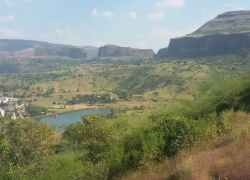
Welcome to the serene and captivating Brahmagiri Wildlife Sanctuary nestled in the city of Trimbakeshwar. This sanctuary is a nature lover's paradise, offering a rich biodiversity and a peaceful retreat from the hustle and bustle of city life. With its lush forests, diverse wildlife, and tranquil surroundings, Brahmagiri Wildlife Sanctuary is a must-visit destination for those seeking a close encounter with nature. History of Brahmagiri Wildlife Sanctuary Steeped in history, Brahmagiri Wildlife Sanctuary was once a royal hunting ground before it was transformed into a protected area for conservation. The sanctuary has a rich historical background and has made significant contributions to wildlife preservation. Its conservation efforts have earned it recognition from UNESCO, highlighting its importance in safeguarding the region's flora and fauna. Architecture and Natural Beauty of Brahmagiri Wildlife Sanctuary The sanctuary boasts a diverse landscape comprising wetlands, dense forests, grasslands, and bird habitats. One of the prominent features within the sanctuary is the historical Keoladeo Temple, adding a touch of cultural significance to the natural beauty of the park. The scenic landscapes and varied ecosystems make it a haven for wildlife enthusiasts and photographers alike. Why is Brahmagiri Wildlife Sanctuary Famous? Brahmagiri Wildlife Sanctuary is renowned for its exceptional birdwatching opportunities, making it a favorite spot for bird enthusiasts and photographers. The sanctuary's diverse avian population and picturesque surroundings attract nature lovers keen on exploring the region's biodiversity and capturing stunning wildlife moments. How to Reach Brahmagiri Wildlife Sanctuary Travelling to Brahmagiri Wildlife Sanctuary is convenient, with options available by air, rail, and road. The sanctuary is easily accessible from nearby airports and railway stations, ensuring a smooth journey for visitors eager to explore its natural wonders. Weather and Best Time to Visit Brahmagiri Wildlife Sanctuary The sanctuary experiences varying weather conditions throughout the year, with summers being warm, monsoons bringing lush greenery, and winters offering a pleasant climate. The best time to visit Brahmagiri Wildlife Sanctuary is during the cooler months when the weather is comfortable for outdoor activities and wildlife sightings. Timings of Brahmagiri Wildlife Sanctuary Brahmagiri Wildlife Sanctuary welcomes visitors during specific timings, allowing guests to witness the sanctuary's beauty at different hours of the day. Seasonal variations may affect visitor schedules, so it is advisable to plan your trip accordingly and check for any updates. Entry Fee and Visit Details Visitors can explore the sanctuary by following the designated entry procedures and availing guide services for a more enriching experience. Safari options, bicycle rentals, and visitor facilities are available within the sanctuary, ensuring a comfortable and enjoyable visit for all nature enthusiasts. Things to Do at Brahmagiri Wildlife Sanctuary At Brahmagiri Wildlife Sanctuary, there are plenty of activities to indulge in, including birdwatching, photography, cycling, walking trails, and nature observation. Visitors can immerse themselves in the serene surroundings, engage with the local wildlife, and gain educational insights into the region's ecological significance. Interesting Facts About Brahmagiri Wildlife Sanctuary Brahmagiri Wildlife Sanctuary is home to a plethora of migratory birds, showcasing the region's biodiversity and conservation efforts. The sanctuary's achievements in wildlife preservation and its ecological importance make it a significant landmark for environmental enthusiasts and conservationists. Travel Tips for Visiting Brahmagiri Wildlife Sanctuary When visiting Brahmagiri Wildlife Sanctuary, it is advisable to dress comfortably, carry essential photography and birdwatching equipment, and plan your trip during the recommended seasons for the best experience. Responsible tourism practices are encouraged to protect the sanctuary's natural habitat and wildlife. Conclusion In conclusion, Brahmagiri Wildlife Sanctuary in Trimbakeshwar offers a delightful blend of natural beauty, wildlife diversity, and cultural heritage. Whether you are a birdwatcher, nature lover, or photography enthusiast, this sanctuary promises a memorable experience filled with serenity and exploration. Plan your visit to Brahmagiri Wildlife Sanctuary and immerse yourself in the wonders of nature in the heart of Trimbakeshwar.
Explore More
Ratnagiri Marine Aquarium is a captivating tourist attraction located in Ratnagiri, a city known for its coastal beauty and rich marine life. This marine aquarium offers visitors a unique opportunity to explore the underwater world of the Arabian Sea, showcasing a wide variety of marine species native to the region. History of Ratnagiri Marine Aquarium The Ratnagiri Marine Aquarium has a rich historical background, serving as a conservation center for marine life in the region. Originally established to promote marine biodiversity and educate the public about the importance of preserving ocean ecosystems, the aquarium has evolved into a popular destination for both locals and tourists. Its efforts in marine conservation have gained recognition, contributing to the overall biodiversity conservation efforts in the area. Architecture and Natural Beauty of Ratnagiri Marine Aquarium Surrounded by the natural beauty of Ratnagiri, the marine aquarium is nestled within a scenic coastal environment, providing visitors with stunning views of the Arabian Sea. The aquarium's architecture blends seamlessly with its surroundings, offering a peaceful and tranquil setting for visitors to explore the diverse marine life housed within its walls. Why is Ratnagiri Marine Aquarium Famous? Ratnagiri Marine Aquarium is renowned for its extensive collection of marine species, making it a popular destination for birdwatchers, photographers, nature enthusiasts, and wildlife lovers. The aquarium's focus on marine conservation and education has also contributed to its fame, attracting visitors from around the world. How to Reach Ratnagiri Marine Aquarium Traveling to Ratnagiri Marine Aquarium is convenient, with options available by air, rail, and road. The nearest airport is located in Ratnagiri, while the city is well-connected by rail, making it easily accessible for visitors. Additionally, the aquarium is located in close proximity to major roadways, allowing for a hassle-free travel experience. Weather and Best Time to Visit Ratnagiri Marine Aquarium Ratnagiri experiences pleasant weather conditions throughout the year, with distinct summer, monsoon, and winter seasons. The best time to visit the marine aquarium is during the winter months when the weather is mild and ideal for outdoor exploration. Visitors can enjoy the scenic beauty of the coastline and marine life during this time. Timings of Ratnagiri Marine Aquarium Ratnagiri Marine Aquarium is open to visitors throughout the year, with varying timings based on seasonal changes. It is advisable to check the official website for updated information on visitor timings and any special events or exhibitions being held at the aquarium. Entry Fee and Visit Details Visitors to Ratnagiri Marine Aquarium can avail of entry tickets at affordable rates, with additional services such as guide assistance, safari options, bicycle rentals, and visitor facilities available on-site. The aquarium ensures a comfortable and informative visit for all guests, providing a memorable experience for nature lovers and marine enthusiasts. Things to Do at Ratnagiri Marine Aquarium At Ratnagiri Marine Aquarium, visitors can engage in a variety of activities such as birdwatching, photography, cycling, walking trails, and nature observation. The aquarium offers educational experiences for all ages, allowing guests to learn about marine life conservation and the importance of preserving ocean ecosystems. Interesting Facts About Ratnagiri Marine Aquarium Ratnagiri Marine Aquarium is home to a diverse range of marine species, including migratory birds and unique underwater creatures. The aquarium's conservation efforts have led to significant achievements in biodiversity preservation, highlighting its ecological importance in the region. Visitors can witness the beauty and wonder of marine life up close, gaining a deeper appreciation for the natural world. Travel Tips for Visiting Ratnagiri Marine Aquarium When planning a visit to Ratnagiri Marine Aquarium, it is advisable to dress comfortably and carry essential items such as sunscreen, a camera for photography, and binoculars for birdwatching. Visitors should be mindful of the visiting seasons and follow responsible tourism practices to ensure the preservation of the marine environment for future generations. Conclusion In conclusion, Ratnagiri Marine Aquarium offers a one-of-a-kind experience for visitors seeking to explore the marine wonders of the Arabian Sea. With its rich history, diverse marine life, and scenic beauty, the aquarium provides a perfect blend of education and entertainment for nature enthusiasts. A visit to Ratnagiri Marine Aquarium in Ratnagiri promises an unforgettable journey into the underwater world, leaving visitors with lasting memories of marine biodiversity and conservation efforts.
Explore More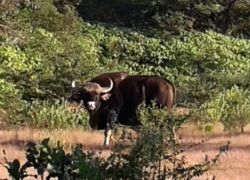
About Dajipur Bison Sanctuary Dajipur Bison Sanctuary, also known as Radhanagari Wildlife Sanctuary, is a wildlife sanctuary located in the Kolhapur district of Maharashtra, India. The sanctuary covers an area of approximately 55 square kilometers and was established in 1958 to protect the Indian Bison, locally known as Gaur. The sanctuary is nestled in the lush Western Ghats and is home to a variety of flora and fauna making it a popular destination for nature lovers and wildlife enthusiasts. Location and Geographical Overview Dajipur Bison Sanctuary is located in the Sahyadri Range of the Western Ghats in the Kolhapur district of Maharashtra. The sanctuary is situated at an altitude of 1200 meters above sea level and is surrounded by dense forests, gushing rivers, and picturesque valleys. The sanctuary is known for its rich biodiversity and pristine natural beauty. Opening and Closing Time The Dajipur Bison Sanctuary is open to visitors from 7:00 AM to 6:00 PM on all days of the week. Entry Fee The entry fee for Dajipur Bison Sanctuary is INR 50 for Indian nationals and INR 200 for foreign nationals. Species-Flora/Fauna Availability The sanctuary is home to a wide variety of flora and fauna including the Indian Bison, Tigers, Leopards, Sloth Bears, and a diverse range of bird species. The dense forests of the sanctuary are filled with towering trees, colorful flowers, and exotic plant species. Activities Performed Visitors to Dajipur Bison Sanctuary can indulge in a range of activities including nature walks, bird watching, jungle safaris, and camping. The sanctuary offers a tranquil environment for visitors to connect with nature and experience the beauty of the Western Ghats. Jeep Safari Charges The charges for a jeep safari at Dajipur Bison Sanctuary are INR 1500 for a group of up to 6 people. The safari takes visitors through the dense forests of the sanctuary where they can spot wildlife in their natural habitat. Age Criterion and Entry Fee The entry fee for Dajipur Bison Sanctuary is INR 50 for adults, INR 25 for children between the ages of 5-12 years, and free for children below 5 years. Senior citizens above the age of 65 can avail a discount and enter the sanctuary for INR 25. Senior Citizen Facilities Dajipur Bison Sanctuary provides facilities for senior citizens including designated seating areas, restrooms, and easy access to the safari vehicles. The sanctuary staff are trained to assist elderly visitors and ensure their comfort and safety during their visit. Best Time to Visit The best time to visit Dajipur Bison Sanctuary is during the winter months of November to February when the weather is cool and pleasant. This time of the year is ideal for wildlife sightings and outdoor activities in the sanctuary. Nearby Places to Visit Some of the nearby attractions to Dajipur Bison Sanctuary include Radhanagari Dam, Pratapgarh Fort, and Panhala Fort. These historical and natural sites offer visitors a glimpse into the rich heritage and scenic beauty of the Kolhapur district. Vehicle Parking Facility Dajipur Bison Sanctuary provides ample parking facilities for visitors at the entrance to the sanctuary. Visitors can safely park their cars and motorcycles before embarking on their wildlife adventure in the sanctuary. Rules and Regulations Visitors to Dajipur Bison Sanctuary are required to follow certain rules and regulations to ensure the safety of wildlife and maintain the ecological balance of the sanctuary. Some of the rules include maintaining silence, not feeding animals, and not littering the sanctuary premises. How to Reach and Other Related Information Dajipur Bison Sanctuary can be reached by road from Kolhapur city which is approximately 70 kilometers away. The nearest airport is in Pune, around 230 kilometers from the sanctuary. Visitors can also take a train to Kolhapur and then hire a taxi or private vehicle to reach the sanctuary. Accommodation options are available in and around the sanctuary for visitors looking to stay overnight and experience the tranquility of the Western Ghats.
Explore More
About Katepurna Sanctuary The Katepurna Sanctuary, located in Akola, Maharashtra, is a wildlife sanctuary that covers an area of approximately 38 square kilometers. Established in 1988, the sanctuary is known for its diverse flora and fauna, providing a natural habitat for various species of animals and plants. Location and Geographical Overview The Katepurna Sanctuary is situated in the Yavatmal district of Maharashtra, near the town of Akola. It is surrounded by lush greenery and scenic landscapes, making it a perfect getaway for nature lovers and wildlife enthusiasts. Open and Closing Time The sanctuary is open to visitors from 6:00 am to 6:00 pm on all days of the week. Entry Fee There is a nominal entry fee for visitors to the Katepurna Sanctuary, which helps in the conservation and maintenance of the sanctuary. Species-Flora/Fauna Availability The sanctuary is home to a wide variety of flora and fauna, including species like deer, monkeys, wild boars, and a plethora of bird species. The lush vegetation in the sanctuary provides a perfect habitat for these animals to thrive. Activities Performed Visitors to the Katepurna Sanctuary can indulge in activities like bird watching, nature walks, and photography. The serene environment of the sanctuary offers a peaceful retreat from the hustle and bustle of city life. Jeep Safari Charges For those looking to explore the sanctuary in depth, jeep safaris are available at an additional cost. The safari allows visitors to get up close and personal with the wildlife and experience the beauty of the sanctuary from a different perspective. Age Criterion and Entry Fee Entry to the Katepurna Sanctuary is permitted for individuals of all ages. There are separate entry fees for males, females, and children. Senior citizens may also avail of discounts on the entry fee. Senior Citizen Facilities The sanctuary provides special facilities for senior citizens, including rest areas and seating arrangements for their comfort. Best Time to Visit The best time to visit the Katepurna Sanctuary is during the winter months, from November to February, when the weather is pleasant and the wildlife is more active. Nearby Places to Visit While in Akola, visitors can explore other nearby attractions such as the Narnala Fort, Akola Fort, and the historic Mahadev Mandir. These sites offer a glimpse into the rich history and culture of the region. Vehicle Parking Facility Visitors driving to the sanctuary can avail of the vehicle parking facility provided at the entrance. The designated parking area ensures the safety and security of the vehicles. Rules and Regulations Visitors are required to follow certain rules and regulations while inside the sanctuary, including maintaining cleanliness, not disturbing the wildlife, and refraining from littering. It is essential to respect the natural habitat of the animals and plants within the sanctuary. How to Reach and Other Related Information The Katepurna Sanctuary is easily accessible by road from Akola, which is well-connected to major cities like Nagpur and Pune. Visitors can hire a taxi or take a bus to reach the sanctuary. For those traveling by train, the nearest railway station is in Akola, from where they can hire a cab to reach the sanctuary. Overall, the Katepurna Sanctuary offers a unique opportunity to connect with nature and witness the beauty of Maharashtra's wildlife. Whether you are a nature enthusiast or a wildlife lover, a visit to this sanctuary is sure to be a memorable experience.
Explore More
Chaprala Wildlife Sanctuary is situated in the district of Chandrapur in Maharashtra. The larger percentage of the place is woody along with grass growing here and there.There are various tanks and water places around like Murgikunta Tank, Raikonta Tank, Wainganga River, Komatkunta Tank, Chandankhedi Nala etc.Flora-The land is enriched with a vast vegetation cover, which mainly comprises of southern tropical dry deciduous forests. There are various species of trees & plants like teak, arjun, salai, mahua, ghoti, bel, dhawada, tendu, sisoo, surya, semal shisham etc.Fauna-The sanctuary is a dwelling place of around 23 species of mammals like jackal, sambar, common langoor, jungle fowl, spotted deer, black buck, barking deer, peacock, wild boar, blue bull etc. Out of 23, 4 species i.e. tiger, jungle cat, leopard, sloth bear are the endangered ones.The 2 endangered species of the reptiles that are found here are common Indian monitar and Indian python. One can also find around 131 species of birds that includes both domestic as well as the migratory birds.
Explore More
About Tadoba Andhari Tiger Project The Tadoba Andhari Tiger Project is a wildlife sanctuary located in the Chandrapur district of the Indian state of Maharashtra. It is one of the oldest and largest national parks in the state and is known for its rich biodiversity and high tiger population. The name "Tadoba" comes from the local deity worshipped by the tribal people in the region, while "Andhari" refers to the Andhari River that flows through the park. Location and Geographical Overview The Tadoba Andhari Tiger Project is situated in the heart of the Tadoba National Park, which covers an area of approximately 625 square kilometers. The park is located in the Chandrapur district of Maharashtra and is surrounded by dense forests and hilly terrain. It is home to a variety of wildlife species, including tigers, leopards, sloth bears, wild dogs, and various species of birds and reptiles. Opening and Closing Time The Tadoba Andhari Tiger Project is open to visitors from sunrise to sunset. The park gates open early in the morning and close in the evening, allowing visitors to experience the beauty of the wildlife sanctuary throughout the day. Entry Fee The entry fee for the Tadoba Andhari Tiger Project varies for Indian and foreign nationals. Indian visitors are charged a nominal fee for entry into the park, while foreign nationals are required to pay a slightly higher fee. Children below a certain age are usually allowed to enter for free, making it a family-friendly destination. Species-Flora/Fauna Availability The Tadoba Andhari Tiger Project is known for its diverse range of flora and fauna. The park is home to a large number of plant species, including various types of trees, shrubs, and grasses. In terms of wildlife, the park is famous for its tiger population, but also hosts leopards, wild dogs, sloth bears, deer, and numerous bird species. Activities Performed Visitors to the Tadoba Andhari Tiger Project can engage in a variety of activities, including jeep safaris, nature walks, birdwatching, and wildlife photography. The park also offers guided tours and educational programs for visitors interested in learning more about the local flora and fauna. Jeep Safari Charges Jeep safaris are a popular way to explore the Tadoba Andhari Tiger Project. The park offers different safari packages at varying costs, depending on the duration and route of the safari. Visitors can also opt for exclusive jeep safaris for a more personalized wildlife viewing experience. Age Criterion for Male, Female, Children, and their Entry Fee The Tadoba Andhari Tiger Project has specific age criteria for entry fees. Children below a certain age are usually allowed to enter for free, while male and female visitors are charged based on their age group. Senior citizens may also be eligible for discounted entry fees, making the park accessible to visitors of all age groups. Senior Citizen Facilities The Tadoba Andhari Tiger Project provides special facilities for senior citizens, including designated seating areas, accessible pathways, and assistance from park staff. Senior citizens can also avail of discounted entry fees and guided tours to make their visit to the park more comfortable and enjoyable. Best Time to Visit The best time to visit the Tadoba Andhari Tiger Project is during the winter months of November to February, when the weather is pleasant and cool. This time of year is ideal for wildlife viewing, as animals are more active during the cooler months. Visitors can also avoid the summer heat and monsoon rains by planning their visit during the winter season. Nearby Places to Visit There are several other attractions near the Tadoba Andhari Tiger Project that visitors can explore, including the Tadoba Lake, Moharli Fort, and the Junona Lake. These nearby places offer opportunities for sightseeing, trekking, and cultural experiences, adding value to the overall visit to the wildlife sanctuary. Vehicle Parking Facility The Tadoba Andhari Tiger Project has designated parking areas for visitors who wish to bring their own vehicles to the park. The parking facilities are well-maintained and secure, allowing visitors to park their cars or bikes safely while they explore the park on foot or by jeep safari. Rules and Regulations Visitors to the Tadoba Andhari Tiger Project are required to follow certain rules and regulations to ensure the safety of the wildlife and maintain the ecological balance of the park. Some of the common rules include maintaining a safe distance from animals, avoiding littering, and refraining from feeding or disturbing the wildlife in any way. How to Reach and Other Related Information The Tadoba Andhari Tiger Project is well-connected by road and can be easily reached from major cities in Maharashtra. The nearest airport is Nagpur, which is approximately 140 kilometers away from the park. Visitors can also opt for train or bus services to reach Chandrapur, from where they can hire local transport to reach the park. It is advisable to book accommodations in advance and check for any updates or changes in park timings before planning a visit.
Explore More
Welcome to Tadoba Andhari Tiger Reserve, nestled in the city of Chandrapur. This natural haven is renowned for its rich biodiversity and captivating landscapes, offering visitors a unique opportunity to witness the beauty of the wild up close. History of Tadoba Andhari Tiger Reserve The history of Tadoba Andhari Tiger Reserve dates back to its origins as former royal hunting grounds. Over the years, concerted conservation efforts have transformed it into a crucial wildlife sanctuary. The park's dedication to preserving its flora and fauna has earned it recognition from UNESCO for its exceptional biodiversity. Architecture and Natural Beauty of Tadoba Andhari Tiger Reserve Within Tadoba Andhari Tiger Reserve, visitors can explore a variety of ecosystems including wetlands, forests, and grasslands that provide a habitat for a diverse range of wildlife. The park also houses the historic Keoladeo Temple, adding a cultural touch to its natural beauty. Why is Tadoba Andhari Tiger Reserve Famous? Tadoba Andhari Tiger Reserve is a popular destination for birdwatchers, photographers, nature enthusiasts, and wildlife lovers due to its remarkable avian diversity, stunning landscapes, and the chance to witness majestic tigers in their natural habitat. How to Reach Tadoba Andhari Tiger Reserve Traveling to Tadoba Andhari Tiger Reserve is convenient with options for air, rail, and road transport. The nearest airports and railway stations provide easy access to this captivating wildlife sanctuary. Weather and Best Time to Visit Tadoba Andhari Tiger Reserve Throughout the year, Tadoba Andhari Tiger Reserve offers a unique experience in varying weather conditions. The best time to visit depends on personal preferences, with each season bringing its own charm to the park. Timings of Tadoba Andhari Tiger Reserve Visitor timings at Tadoba Andhari Tiger Reserve may vary seasonally, so it's advisable to plan your visit accordingly. Understanding the operational hours will help you make the most of your time at this natural paradise. Entry Fee and Visit Details When visiting Tadoba Andhari Tiger Reserve, be sure to familiarize yourself with the entry procedures, available guide services, safari options, bicycle rental facilities, and other amenities that enhance the visitor experience. Things to Do at Tadoba Andhari Tiger Reserve Engage in a host of activities at Tadoba Andhari Tiger Reserve, from birdwatching and photography to cycling, walking trails, nature observation, and educational experiences that provide insights into the park's unique ecosystem. Interesting Facts About Tadoba Andhari Tiger Reserve Discover intriguing facts about Tadoba Andhari Tiger Reserve, such as the presence of migratory birds, conservation achievements, and the critical role it plays in maintaining ecological balance and preserving endangered species. Travel Tips for Visiting Tadoba Andhari Tiger Reserve When exploring Tadoba Andhari Tiger Reserve, remember to dress appropriately, carry essential photography and birdwatching equipment, select the right visiting season, and engage in responsible tourism practices to ensure a memorable and sustainable experience. Conclusion In conclusion, Tadoba Andhari Tiger Reserve in Chandrapur stands as a testament to the wonders of nature, offering a sanctuary where visitors can witness the beauty of wildlife in a pristine environment. Whether you are a nature lover, photographer, or wildlife enthusiast, this destination promises a truly enriching experience.
Explore More
Karnala Bird Sanctuary is a frequented place of interest in Raigad. It lies between Matheran and Karjat and is known for providing a shelter to various species of birds. This sanctuary spans a gross area of 12 sq. km. but is full of green surroundings. This attracts the visitors, especially the birdwatchers on a huge scale. It Is Known For:- 1) Karnala Bird Sanctuary is a famous tourist attraction that is known for housing a variety of birds. It is a home to the species of the Indian raven, pigeon, cuckoo, mynah, hawk, eagle, owl, Nilgiri wood pigeon, and much more. 2) The famous fort of Karnala is also present in the vicinity of this sanctuary. It stands on a hill and is a major tourist attraction. 3) Apart from the domestic birds, this sanctuary is a residence to the migratory birds as well. Flamingos, storks, cormorants etc. often visit this sanctuary during winters. 4) Karnala Bird Sanctuary is an appropriate place for hiking and birdwatching. It is a prime reason for it being visited by the tourists extensively. Best Time To Visit:- Karnala Bird Sanctuary is a crowd puller in Raigad. It is a place that can be visited throughout the year. The best season for being a guest at this place is during the winters. It is the best time for witnessing the domestic as well as migratory birds. The entry to this sanctuary is free for all. The service of a guide is available at reasonable rates. Reaching There:- Karnala Bird Sanctuary is well-connected via all major roads and railheads. The frequent service of the local transit allows a smooth commute to & from this place. Nearest Railway Station:- Veer Railway Station Nearest Airport:- Shivaji International Airport
Explore More
Welcome to Phansad Wildlife Sanctuary, a hidden gem nestled in the serene city of Raigad. This sanctuary is a paradise for nature lovers, offering a unique blend of natural beauty and biodiversity that attracts visitors from all around the world. From lush forests to diverse wildlife, Phansad Wildlife Sanctuary is a must-visit destination for anyone seeking a tranquil escape into the heart of nature. History of Phansad Wildlife Sanctuary The history of Phansad Wildlife Sanctuary dates back to its origins as a former royal hunting ground. Over the years, this area has transformed into a dedicated conservation space aimed at protecting the rich flora and fauna that call it home. Recognized for its conservation efforts, Phansad Wildlife Sanctuary stands as a testament to the importance of preserving our natural heritage. Architecture and Natural Beauty of Phansad Wildlife Sanctuary Phansad Wildlife Sanctuary boasts a diverse landscape encompassing wetlands, forests, and grasslands that provide a habitat for a wide variety of bird species. The sanctuary is also home to the historic Keoladeo Temple, adding a touch of cultural significance to its natural beauty. Why is Phansad Wildlife Sanctuary Famous? Phansad Wildlife Sanctuary is renowned for its birdwatching opportunities, making it a favorite spot for photographers, nature enthusiasts, and wildlife lovers alike. The sanctuary's peaceful surroundings and abundant wildlife make it an ideal destination for those seeking a close encounter with nature. How to Reach Phansad Wildlife Sanctuary Traveling to Phansad Wildlife Sanctuary is convenient, with options available by air, rail, and road. The sanctuary is easily accessible from nearby airports and railway stations, allowing visitors to reach this natural haven with ease. Weather and Best Time to Visit Phansad Wildlife Sanctuary The weather at Phansad Wildlife Sanctuary varies throughout the year, with distinct seasons of summer, monsoon, and winter. The best time to visit is during the cooler months when the weather is pleasant, allowing for a comfortable exploration of the sanctuary's natural wonders. Timings of Phansad Wildlife Sanctuary Phansad Wildlife Sanctuary welcomes visitors during specific timings, with seasonal variations that may affect accessibility. It is advisable to plan your visit accordingly to make the most of your time at this picturesque sanctuary. Entry Fee and Visit Details Entry to Phansad Wildlife Sanctuary is subject to specific procedures, with guide services and safari options available for visitors. Additionally, bicycle rentals and other visitor facilities are provided to enhance the overall experience of exploring the sanctuary. Things to Do at Phansad Wildlife Sanctuary At Phansad Wildlife Sanctuary, visitors can engage in a variety of activities such as birdwatching, photography, cycling, walking trails, and nature observation. Each experience offers a unique perspective on the sanctuary's natural wonders, allowing for an immersive and educational visit. Interesting Facts About Phansad Wildlife Sanctuary Phansad Wildlife Sanctuary is home to a remarkable array of migratory birds and boasts a rich biodiversity that highlights the importance of conservation efforts. The sanctuary's ecological significance and conservation achievements make it a standout destination for nature enthusiasts. Travel Tips for Visiting Phansad Wildlife Sanctuary When planning your visit to Phansad Wildlife Sanctuary, consider practical tips such as appropriate clothing, essential photography equipment, ideal visiting seasons, and the importance of practicing responsible tourism. By following these tips, you can make the most of your experience while respecting the sanctuary's natural environment. Conclusion In conclusion, Phansad Wildlife Sanctuary in Raigad offers a captivating journey into the heart of nature, where visitors can immerse themselves in the beauty of the wild. With its rich biodiversity, serene landscapes, and engaging activities, Phansad Wildlife Sanctuary stands as a testament to the importance of conservation and sustainable tourism. Explore this sanctuary to discover a world of natural wonders waiting to be explored.
Explore More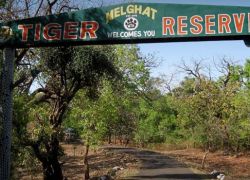
About Melghat Tiger Reserve The Melghat Tiger Reserve is located in Amravati district, Maharashtra, India. It covers an area of 1676.93 square kilometers and is home to a diverse range of flora and fauna. The reserve was established in 1974 with the primary aim of conserving the population of Bengal tigers in the region. Location and Geographical Overview The Melghat Tiger Reserve is situated in the western part of the Satpura mountain range. It is characterized by dense forests, hilly terrain, and several rivers and streams that flow through the region. The reserve is known for its rich biodiversity and is a popular destination for wildlife enthusiasts and nature lovers. Opening and Closing Time The Melghat Tiger Reserve is open to visitors from 6:00 AM to 6:00 PM every day. It is recommended to plan your visit during these hours to make the most of your wildlife experience. Entry Fee The entry fee for the Melghat Tiger Reserve varies for Indian and foreign tourists. Indian tourists are charged a nominal fee of INR 50 per person, while foreign tourists are required to pay INR 300 per person. Children below the age of 5 are allowed free entry. Species-Flora/Fauna Availability The Melghat Tiger Reserve is home to a wide variety of plant and animal species. The flora in the region includes teak, bamboo, and several medicinal plants. The reserve is also known for its diverse fauna, including tigers, leopards, sloth bears, Indian bison, and a variety of bird species. Activities Performed Visitors to the Melghat Tiger Reserve can enjoy a range of activities, including jeep safaris, nature walks, bird watching, and photography. The reserve also offers opportunities for camping and trekking, allowing visitors to immerse themselves in the natural beauty of the region. Jeep Safari Charges The charges for a jeep safari at the Melghat Tiger Reserve vary depending on the duration of the safari and the number of passengers. On average, the cost of a jeep safari ranges from INR 1500 to INR 3000 per vehicle. Age Criterion for Male, Female, Children, and Entry Fee There is no specific age criterion for entry into the Melghat Tiger Reserve. However, children below the age of 5 are granted free entry. The entry fee for male and female visitors is the same, with Indian tourists charged INR 50 and foreign tourists charged INR 300. Senior Citizen Facilities The Melghat Tiger Reserve offers special facilities for senior citizens, including wheelchair accessibility and designated seating areas. Senior citizens can also avail of discounted entry fees upon presenting valid identification. Best Time to Visit The best time to visit the Melghat Tiger Reserve is between October and March when the weather is pleasant and wildlife sightings are more frequent. It is advisable to avoid visiting during the monsoon season (June to September) due to heavy rainfall and potential road closures. Nearby Places to Visit There are several tourist attractions near the Melghat Tiger Reserve that visitors can explore, including the Chikhaldara Hill Station, Gawilgarh Fort, and the Wan Sanctuary. These places offer additional opportunities for sightseeing and experiencing the natural beauty of the region. Vehicle Parking Facility The Melghat Tiger Reserve provides designated parking areas for visitors' vehicles near the entrance gate. Parking facilities are available at nominal rates, and visitors can rest assured that their vehicles are safe and secure while they explore the reserve. Rules and Regulations Visitors to the Melghat Tiger Reserve are required to follow certain rules and regulations to ensure the safety of the wildlife and the preservation of the natural environment. Some of the key guidelines include maintaining a safe distance from animals, refraining from littering, and avoiding loud noises that may disturb the wildlife. How to Reach and Other Related Information The Melghat Tiger Reserve is well-connected by road and can be easily reached from major cities such as Nagpur and Amravati. Visitors can hire private vehicles or take public transportation to reach the reserve. It is recommended to plan your visit in advance and make reservations for accommodation and safaris to avoid any last-minute hassles.
Explore More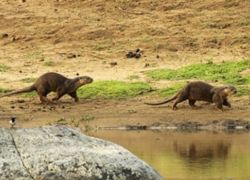
About Anerdam Wildlife Sanctuary The Anerdam Wildlife Sanctuary is a natural haven located in the Amravati district of Maharashtra, India. Spread across an area of xx square kilometers, this sanctuary is home to a diverse range of flora and fauna, making it a popular destination for nature lovers and wildlife enthusiasts. Location and Geographical Overview The Anerdam Wildlife Sanctuary is situated in the heart of the Satpura Range, offering a picturesque setting for visitors to enjoy. The sanctuary is characterized by its dense forests, rocky terrain, and meandering rivers, providing a habitat for a variety of wildlife species. Opening and Closing Time The sanctuary is open to visitors from 6:00 am to 6:00 pm every day of the week. Entry Fee The entry fee for adults is INR 100, while children below the age of 12 can enter for free. Species-Flora/Fauna Availability The sanctuary is home to a wide range of flora and fauna, including species like tigers, leopards, sloth bears, Indian gaur, sambar deer, and various bird species. The lush vegetation within the sanctuary provides a rich habitat for these diverse animals. Activities Performed Visitors to the Anerdam Wildlife Sanctuary can enjoy a variety of activities such as nature walks, bird watching, and wildlife spotting. The sanctuary also offers jeep safaris for those looking to explore the area more extensively. Jeep Safari Charges The charges for a jeep safari at the Anerdam Wildlife Sanctuary are INR 1500 per person. Age Criterion and Entry Fee For males and females above the age of 12, the entry fee is INR 100. Children below the age of 12 can enter for free. Senior Citizen Facilities The sanctuary provides special facilities for senior citizens, including designated rest areas and assistance from staff members if needed. Best Time to Visit The best time to visit the Anerdam Wildlife Sanctuary is during the winter months from October to March when the weather is pleasant and the wildlife is more active. Nearby Places to Visit Some nearby places to visit include the Melghat Tiger Reserve, Chikaldhara Hill Station, and the Semadoh Lake, all of which offer stunning natural beauty and wildlife sightings. Vehicle Parking Facility The sanctuary has a designated parking area where visitors can park their vehicles safely while exploring the area. Rules and Regulations Visitors to the Anerdam Wildlife Sanctuary are required to follow certain rules and regulations to ensure the safety of the wildlife and the preservation of the environment. These rules include no littering, no feeding of wildlife, and no loud noises that may disturb the animals. How to Reach and Other Related Information The Anerdam Wildlife Sanctuary is easily accessible by road from major cities like Amravati and Nagpur. Visitors can also reach the sanctuary by taking a train to Amravati railway station and then hiring a taxi or bus to reach the sanctuary. It is recommended to plan your visit in advance and check for any additional information or updates on the sanctuary's official website. Overall, the Anerdam Wildlife Sanctuary offers a unique and exciting opportunity to experience the beauty of nature and observe a wide variety of wildlife in their natural habitat. With its stunning scenery, diverse flora and fauna, and range of activities, this sanctuary is a must-visit destination for anyone looking to connect with the natural world.
Explore More