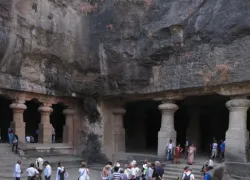
An interesting travel of about an hour by boat from the Gateway of India, passing the Mumbai harbour, and the Naval barges, takes you to Elephanta Caves where there are caves with carvings dedicated to Lord Siva. It is an UNESCO World Heritage site. The Elephanta Island is the site of the magnificent Elephanta caves, containing beautiful carvings, sculptures, and a temple to the Hindu God, Lord Shiva. The island of Elephanta, being a commercial, military and religions centre for centuries has traces of early Buddhist culture.One of the major Tourist Attractions of Maharashtra, the Elephanta Caves are situated near the metropolitan city of Mumbai. The Elephanta island is located 10 Kms away from the Gateway of India. There are various rock cut temples present in these caves, which are as old as 5th century. The Elephanta Island was named by the Portuguese, after the statue of an elephant near the landing area of the island. Construction of The Caves : The rock cut temples in Elephanta Caves are carved out of rock. There are columns, internal spaces and images within these temples. The entire temple is related to a large sculpture. In fact one can walk through the corridors and chambers of this sculptured temple. Created through a process of rock removal, the entire complex is an interesting monument. Some of the rock surfaces here are finely finished whereas some are unfinished bare rock. The Elephanta rock caves are sprawled over a large area of about 60000 square feet. These temple caves consist of a main chamber, courtyards and several subsidiary shrines. There is also a mass of natural rock, above the temple. There are three entrances to the temple. The eastern and the western entrances mark the axis of the temple. There is a 20 pillared hall that lines the axis, and on its western end is a cell in which a Shivalingam enshrined. The Mystical Images : The magnificent image of Sadasiva, a manifestation of Shiva, is carved in relief at the end of the north south axis. The stupendous 20 feet high image of the three headed Shiva, known as Trimurthy is a magnificent one. It is regarded as a masterpiece of Indian art. This huge image represents Panchamukha Shiva, whose only three faces are carved into the wall. It attracts your attention just as you enter the temple through the northern entrance. Along with this image there are grand sculptured images of Kalyanasundara, Gangadhara, Ardhanariswara and Uma Maheswara on the southern wall. Other sculptured images of Nataraja and andhakaasuravadamoorthy are to the west of the northern entrance and the images of Yogiswara and Ravanaanugrahamurthy are to its east.
Explore More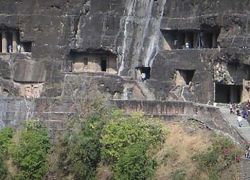
About Ajanta Caves History The Ajanta Caves, located in Aurangabad, India, are a set of 30 rock-cut Buddhist cave monuments dating back to the 2nd century BCE. These caves were abandoned in the 7th century and rediscovered in 1819 by a British officer named John Smith. The caves showcase ancient Indian art and architecture, depicting tales from the Jataka stories and the life of Buddha. Architecture and Design The Ajanta Caves are renowned for their intricate carvings, sculptures, and frescoes. The caves are carved out of solid rock and feature chaityas (prayer halls) and viharas (monasteries). The architecture reflects a blend of Buddhist and Hindu styles, with elaborate pillars, intricate ceilings, and detailed sculptures. Best Time to Visit The best time to visit the Ajanta Caves is during the cool and dry months of October to March. The weather during this time is pleasant, making it ideal for exploring the caves and enjoying the surrounding landscapes. Cultural Significance The Ajanta Caves hold immense cultural significance as they provide a glimpse into ancient Indian art, architecture, and religious beliefs. These caves are a UNESCO World Heritage Site and are considered a masterpiece of Buddhist religious art, showcasing the evolution of Indian art over centuries. Pilgrimage Practices Many visitors to the Ajanta Caves come on a pilgrimage to pay homage to Buddha and explore the spiritual significance of the caves. Pilgrims often engage in meditation, chanting, and offering prayers at the various shrines and stupas found within the caves. Dress Code and Etiquette Visitors are required to dress modestly when visiting the Ajanta Caves, as they are considered a sacred site. It is advisable to wear comfortable clothing that covers the shoulders and knees. Respectful behavior and quiet demeanor are expected inside the caves to maintain the sanctity of the place. Activities and Experiences Visitors to the Ajanta Caves can engage in a variety of activities and experiences, including guided tours, photography, and exploring the intricate details of the cave art. Many visitors also enjoy witnessing the mesmerizing light and sound shows that bring the history of the caves to life. Art and Religious Symbols The Ajanta Caves are adorned with stunning artworks, frescoes, and sculptures depicting various religious symbols and stories from Buddhist mythology. The art within the caves showcases intricate carvings of Buddha, Bodhisattvas, and scenes from the life of Buddha, illustrating the spiritual and artistic prowess of ancient India. Local Insights Local guides and historians often provide valuable insights into the history, significance, and artistry of the Ajanta Caves. Visitors can learn about the various cave structures, the symbolism behind the artwork, and the cultural context of the caves, enhancing their overall experience and understanding of this ancient site.
Explore More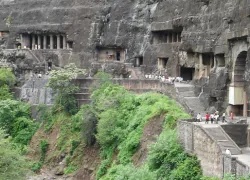
Just outside the city, are located the 6th century caves displaying the influence of Tantric cult in the iconography and architectural designs of the caves. A major chunk of the caves are viharas, of which Caves 3 and 7 are most fascinating. These were excavated between the 2nd and 6th century AD. Tantric influences can be discerned in their architecture and iconography. There are twelve caves in all, a major chunk of which are viharas, of which Caves 3 and 7, are the most fascinating. Cave 3 stands supported by 12 finely carved columns, and sports sculptures portraying scenes from the Jataka tales. Cave 7 houses an imposing sculpture of a Boddhisattva, praying for deliverance. Some of the chaitya halls here are constructed on a mandala plan for the circumambulation of the Buddha who is depicted here seated on an intricately carved throne. A short walk from Bibi-Ka-Maqbara is a set of caves slighted by their more glamorous neighbours, Ajanta and Ellora. The western group consists mainly of viharas (monasteries) and depictions from the Jataka tales. At the eastern group, there are sculptures of scantily clad buxom women in freaky hairdos, child-eating goddesses, musicians and dancers alongside images of the Buddha. This is indicative of the rise of Tantric Buddhism during the 6th and 7th century A.D. Nestled amidst the hills are 12 Buddhist caves probably dating back to the 1 A.D. One is also treated to a panoramic view of the city as well as the imposing Maqbara from this point. These caves are carved out of the hillside and are a fine piece of architecture, housing the most stunningly intricate carvings.
Explore More
Cursetjee Fardoonjee Parekh donated this landmark structure Flora Fountain. Built in 1864, it was made of imported Poland stone and is located close to the church gate of the old (now vanished) British fort. Flora is the Roman Goddess of Flowers, her pretty alabaster face continually assaulted by grime and pollution. It stands at a busy five-point intersection in the heart of the commercial Fort area. The Flora Fountain was erected by the Agri-Horticultural society of Western India. It was originally meant to be named after Sir Bartle Frere, then governor of Bombay. However, the name was changed before the fountain was unveiled. It stood in the center of the town as it then was, but now this area is the heart of the business district of the town. This is the very heart of Mumbai, circumscribed by stately colonial buildings standing like proud old sentinels of a bygone era. Next to her are a pair of torch bearing stone patriots that rise from the Martyrs Memorial nearby. Flora Fountain is now called Hutatma Chowk or Martyr's Square to honour those who died in the tumultuous birth of Maharashtra State. All around the square sit Mumbai's infamous vendors selling just about everything under the blazing tropical sun - from cheap nylon saris to herbal remedies. Tooting horns and traffic complete the chaotic picture, but through it all Flora manages to retain her serene composure.
Explore More
Opened on the New Year Day in 1882, this Gothic building housing the main railway station of Mumbai was designed by F.W.Stevens and was named after the then Queen Empress on Jubilee day in 1887. It is also declared as an urban heritage site. It was renamed as Chatrapathi Sivaji terminus in 1996 after addition of an underground suburban terminus. Presently, the headquarters of the Central Railway, this magnificent terminus building, commonly known as CST, was completed in 1888 for the Great Indian Peninsular Railway. It is one of the world's grandest railway stations, quite the equal of New York's Grand Central Station or London's St Pancras Station. It looks more like a cathedral than a railway station, an impression strengthened by the tall dome crowned with a statue representing 'Progress'.
Explore More
Sula Vineyards is one of India's most famous and pioneering wineries, located in the scenic city of Nashik, Maharashtra. Often referred to as the "Wine Capital of India," Nashik is home to several vineyards, but Sula Vineyards stands out as the most popular and widely recognized wine tourism destination in the country. Surrounded by rolling hills, lush vineyards, and the tranquil waters of Gangapur Lake, Sula Vineyards attracts thousands of tourists, wine enthusiasts, and travelers every year. Established in 1999, Sula Vineyards played a significant role in transforming Nashik into India's leading wine-producing region. Today, it is not only a winery but also a major tourist attraction offering vineyard tours, wine tasting experiences, luxury accommodation, fine dining, and cultural events. Visitors can learn about the complete wine-making process while enjoying breathtaking views of the vineyards and surrounding landscapes. Whether you are a wine lover, nature enthusiast, photographer, or someone looking for a unique getaway, Sula Vineyards offers a memorable experience that combines agriculture, hospitality, and leisure in a beautiful setting. Why is Sula Vineyards, Nashik Famous? Sula Vineyards is famous for being one of the largest and most successful wineries in India. It is credited with popularizing wine culture and wine tourism in the country. The vineyard produces a wide variety of wines that are sold across India and internationally. Sula Vineyards is particularly known for: Being India's leading winery. Premium wine production and exports. Guided vineyard and winery tours. Wine tasting experiences. The annual SulaFest music and wine festival. Beautiful vineyard landscapes overlooking Gangapur Lake. Luxury resort and dining facilities. Its combination of wine, tourism, entertainment, and scenic beauty makes it one of Maharashtra's most visited attractions. History of Sula Vineyards The story of Sula Vineyards began in 1996 when entrepreneur Rajeev Samant returned to India after working abroad. Recognizing the potential of Nashik's climate and soil for grape cultivation, he partnered with renowned Californian winemaker Kerry Damskey to establish a modern winery. In 1999, Sula Vineyards officially launched its first wines, marking the beginning of a new era for the Indian wine industry. Over the years, the company expanded rapidly and introduced several innovative wine varieties to Indian consumers. Sula became the first Indian winery to successfully develop large-scale wine tourism. Its winery tours, tasting rooms, vineyard stays, and annual events helped transform Nashik into a major tourism destination. Today, Sula Vineyards is recognized as a pioneer and leader in India's wine industry. Architecture and Layout of Sula Vineyards The architecture of Sula Vineyards combines modern winery infrastructure with Mediterranean-inspired design elements. The property is carefully planned to provide both functional wine production facilities and an enjoyable visitor experience. Architectural highlights include: Beautifully designed tasting rooms. Modern wine production facilities. Open-air terraces overlooking vineyards. Mediterranean-style resort buildings. Landscaped gardens and walking paths. Scenic viewing decks facing Gangapur Lake. The overall atmosphere is elegant yet relaxed, allowing visitors to enjoy the beauty of wine country while learning about viticulture and winemaking. How to Reach Sula Vineyards, Nashik, Maharashtra By Air The nearest airport is Nashik Airport (Ozar Airport), located approximately 30 kilometers from Sula Vineyards. Mumbai's Chhatrapati Shivaji Maharaj International Airport, about 180 kilometers away, is another major option for domestic and international travelers. By Train The nearest railway station is Nashik Road Railway Station, situated approximately 20 kilometers from the vineyard. The station is well connected to Mumbai, Pune, Delhi, Hyderabad, and other major cities. By Road Sula Vineyards is easily accessible by road. Nashik City Center to Sula Vineyards: Approximately 15 km Nashik Road Railway Station: Approximately 20 km Mumbai: Approximately 180 km Pune: Approximately 210 km Shirdi: Approximately 95 km Taxis, private vehicles, and local transportation options are readily available. Weather at Sula Vineyards Summer (March to June) Temperatures range between 24°C and 40°C. The weather can be warm during daytime. Monsoon (June to September) The vineyards become lush green and highly scenic due to seasonal rainfall. Winter (October to February) Temperatures range between 12°C and 30°C. This is the best season to visit. The most pleasant time to explore Sula Vineyards is from October to March when the weather is comfortable and vineyard activities are at their peak. Sula Vineyards Timings The vineyard generally remains open throughout the week. Opening Time: 11:00 AM Closing Time: 11:00 PM Wine Tours: Conducted at scheduled intervals during the day. Timings may vary during festivals, special events, and holidays. Entry and Visit Details of Sula Vineyards Visitors can enter the property and explore designated areas. Guided winery tours and tasting experiences are available through paid packages. Typical visitor experiences include: Guided vineyard tours. Wine production facility tours. Wine tasting sessions. Restaurant dining experiences. Resort stays. Special events and festivals. Charges vary depending on the selected tour, tasting package, and activities. Things to Do at Sula Vineyards 1. Take a Vineyard Tour Walk through the vineyards and learn about grape cultivation and harvesting techniques. 2. Experience Wine Tasting Sample a variety of wines while learning about different flavors, aromas, and production methods. 3. Explore the Winery Discover how grapes are processed and transformed into wine through guided production tours. 4. Enjoy Scenic Photography The vineyards, lake views, and rolling hills provide excellent photography opportunities. 5. Dine at On-Site Restaurants Enjoy gourmet meals paired with vineyard views and local hospitality. 6. Stay at the Resort Experience luxury accommodation surrounded by vineyards and natural beauty. 7. Attend SulaFest If visiting during the festival season, enjoy live music, food, entertainment, and cultural performances. 8. Relax by Gangapur Lake Admire beautiful sunset views and the peaceful atmosphere around the lake. Interesting Facts About Sula Vineyards Sula Vineyards was established in 1999. It is considered India's leading winery. Nashik produces a significant percentage of India's wine. Sula pioneered wine tourism in India. The vineyard overlooks the scenic Gangapur Lake. Thousands of tourists visit annually. Sula exports wine to several countries worldwide. The annual SulaFest attracts music and wine enthusiasts. The property includes a resort and multiple dining venues. It played a major role in developing India's modern wine industry. Travel Tips for Visiting Sula Vineyards Visit during winter for the most pleasant weather. Book winery tours and accommodation in advance. Carry a camera for scenic photography. Wear comfortable clothing and walking shoes. Plan transportation if participating in wine tasting activities. Visit during weekdays for a less crowded experience. Explore nearby Nashik attractions as part of your trip. Check event schedules before visiting. Stay hydrated, especially during summer. Respect vineyard rules and follow tour guidelines. Conclusion Sula Vineyards in Nashik, Maharashtra, is one of India's most iconic wine tourism destinations. Combining beautiful landscapes, world-class winemaking, educational tours, luxury hospitality, and cultural events, it offers a unique experience unlike any other attraction in the region. Whether you are interested in learning about viticulture, enjoying scenic vineyard views, participating in guided tours, or simply relaxing in a peaceful environment, Sula Vineyards provides an unforgettable journey into India's thriving wine culture. Its contribution to the Indian wine industry and tourism sector has made it a must-visit destination for travelers exploring Nashik and Maharashtra.
Explore More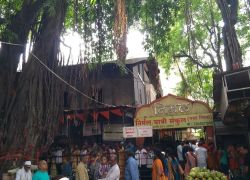
Sita Gufa, also known as Sita Gumpha, is one of the most revered religious and historical attractions in Nashik, Maharashtra. Located in the sacred area of Panchavati, Sita Gufa holds immense significance in Hindu mythology as it is believed to be associated with the epic Ramayana. According to popular belief, this cave is the place where Goddess Sita stayed during her exile with Lord Rama and Lakshmana. The cave is also linked to the legendary incident that eventually led to Sita's abduction by Ravana. Situated near the famous Kalaram Temple and Ramkund, Sita Gufa attracts thousands of devotees, pilgrims, and tourists every year. The cave is relatively small but holds tremendous spiritual importance for Hindus. Visitors come here to experience the sacred atmosphere, explore the mythological site, and learn more about the events of the Ramayana. Surrounded by temples and religious landmarks, Sita Gufa forms an integral part of Nashik's spiritual heritage. The site is especially crowded during festivals such as Ram Navami, Dussehra, and the Kumbh Mela, when devotees gather in large numbers to seek blessings and pay homage to Lord Rama and Goddess Sita. Why is Sita Gufa, Nashik Famous? Sita Gufa is famous for its direct connection to the Ramayana, one of the most important epics of Hinduism. It is believed that Lord Rama, Goddess Sita, and Lakshmana spent part of their fourteen-year exile in the Panchavati region of Nashik. The cave is particularly known for: Its association with Lord Rama, Sita, and Lakshmana. Being the place where Sita is believed to have lived during exile. Its connection to the story of Ravana's abduction of Sita. Religious significance among Hindu devotees. Ancient idols and sacred shrines inside the cave. Its location within the holy Panchavati area. For devotees of Lord Rama, Sita Gufa is considered one of the most important pilgrimage sites in Nashik. History of Sita Gufa The history of Sita Gufa is deeply rooted in Hindu mythology rather than documented historical records. According to the Ramayana, Lord Rama, his wife Sita, and his brother Lakshmana spent a significant portion of their exile in Panchavati, which is now part of modern-day Nashik. It is believed that Sita stayed in this cave while residing in Panchavati. The cave is also associated with the famous episode where Ravana, disguised as a saint, approached Sita after Lord Rama and Lakshmana had left the area. This event eventually led to Sita's abduction and became one of the central episodes of the Ramayana. Over centuries, devotees recognized the site as sacred and established shrines within the cave. Today, Sita Gufa remains an important religious landmark that preserves the spiritual traditions associated with the Ramayana. Architecture of Sita Gufa Sita Gufa is a natural cave that has been modified to accommodate devotees and pilgrims. Although not a grand architectural monument, the cave's religious significance makes it a unique attraction. Architectural and structural features include: A narrow entrance requiring visitors to bend while entering. Small underground passageways. Sacred idols of Lord Rama, Sita, and Lakshmana. A shrine dedicated to Lord Shiva. Stone interiors that create a cave-like spiritual atmosphere. Simple temple structures surrounding the cave entrance. The cave's compact dimensions add to its uniqueness, allowing visitors to experience an ancient and sacred environment. How to Reach Sita Gufa, Nashik, Maharashtra By Air The nearest airport is Nashik Airport (Ozar Airport), located approximately 25 kilometers from Sita Gufa. Visitors can hire taxis or use local transportation to reach Panchavati. By Train The nearest railway station is Nashik Road Railway Station, situated about 10 kilometers from the cave. The station is well connected with Mumbai, Pune, Delhi, Hyderabad, and other major Indian cities. By Road Nashik has excellent road connectivity with Maharashtra and neighboring states. Nashik Road Railway Station to Sita Gufa: Approximately 10 km Mumbai to Nashik: Approximately 170 km Pune to Nashik: Approximately 210 km Shirdi to Nashik: Approximately 90 km Auto-rickshaws, city buses, taxis, and private vehicles are readily available. Weather at Sita Gufa Summer (March to June) Temperatures range from 25°C to 40°C. Early morning visits are recommended during summer. Monsoon (June to September) Nashik receives moderate rainfall, making the city greener and more pleasant. Winter (October to February) Temperatures range between 12°C and 28°C. This is considered the best season for sightseeing and pilgrimage. The ideal time to visit Sita Gufa is between October and March. Sita Gufa Timings The cave generally remains open throughout the week. Opening Time: 6:00 AM Closing Time: 8:00 PM Open: All Days Timings may vary slightly during religious festivals and special occasions. Entry and Visit Details of Sita Gufa Entry to Sita Gufa is generally free for all visitors and devotees. Visitors can explore: The sacred cave. Idols of Lord Rama, Sita, and Lakshmana. Shiva shrine within the cave. Nearby temples and religious sites. The Panchavati pilgrimage circuit. The site can become crowded during weekends and major Hindu festivals. Things to Do at Sita Gufa 1. Explore the Sacred Cave Enter the narrow cave passage and experience one of Nashik's most important mythological sites. 2. Offer Prayers Seek blessings from Lord Rama, Goddess Sita, Lakshmana, and Lord Shiva. 3. Learn About Ramayana Legends Understand the events associated with the exile of Lord Rama and the story of Sita's abduction. 4. Visit Nearby Temples Explore famous religious attractions nearby such as: Kalaram Temple Ramkund Kapaleshwar Temple Sundarnarayan Temple Naroshankar Temple 5. Photography Capture images of the surrounding temple complex and Panchavati area where permitted. 6. Participate in Religious Festivals Experience vibrant celebrations during Ram Navami and Kumbh Mela. 7. Explore Panchavati Walk through the sacred neighborhood associated with several episodes of the Ramayana. Interesting Facts About Sita Gufa Sita Gufa is closely associated with the Ramayana. It is believed to be the place where Sita stayed during exile. The cave contains idols of Lord Rama, Sita, and Lakshmana. The entrance is narrow and requires visitors to bend while entering. It is located in the sacred Panchavati area of Nashik. The site attracts thousands of pilgrims annually. Nashik is one of the four cities that host the Kumbh Mela. The cave also contains a shrine dedicated to Lord Shiva. The site is considered highly sacred by devotees of Lord Rama. It is one of Nashik's most visited religious attractions. Travel Tips for Visiting Sita Gufa Wear modest clothing suitable for visiting religious sites. Visit early in the morning to avoid crowds. Be prepared to bend and move carefully through the narrow cave entrance. Carry drinking water, especially during summer. Remove footwear before entering temple areas. Respect local religious customs and traditions. Keep personal belongings secure during crowded periods. Combine your visit with nearby temples in Panchavati. Follow instructions provided by temple authorities. Avoid littering and help maintain the cleanliness of the sacred site. Conclusion Sita Gufa in Nashik, Maharashtra, is a sacred destination that beautifully connects visitors with the timeless stories of the Ramayana. Its association with Lord Rama, Goddess Sita, and Lakshmana makes it one of the most important pilgrimage sites in the region. Despite its small size, the cave holds immense spiritual significance and attracts devotees from across India. Combined with the rich religious heritage of Panchavati and nearby temples, Sita Gufa offers a meaningful experience for pilgrims, history enthusiasts, and cultural travelers. A visit to this revered cave provides a unique opportunity to explore mythology, devotion, and the spiritual traditions that continue to inspire millions of people.
Explore More
Welcome to The Doorless Village, located in the vibrant city of Shani Shingnapur. This unique tourist attraction offers an intriguing experience that captivates visitors from around the world. Known for its distinct charm and cultural significance, The Doorless Village is a must-visit destination for those seeking an unconventional travel adventure. History of The Doorless Village The Doorless Village has a rich historical background that dates back centuries. Originally established as a traditional settlement, the village gained prominence for its unconventional architectural style characterized by houses without doors. This fascinating phenomenon has attracted widespread attention and curiosity, making The Doorless Village a cultural landmark in Shani Shingnapur. The conservation efforts to preserve the heritage of this unique village have garnered recognition both nationally and internationally. Architecture and Natural Beauty of The Doorless Village Surrounded by picturesque landscapes, The Doorless Village is nestled amidst lush greenery and serene natural beauty. The village is renowned for its tranquil ambiance, offering a peaceful retreat for nature lovers and wildlife enthusiasts. The presence of diverse bird habitats, wetlands, and forests adds to the allure of this enchanting destination. The historical Keoladeo Temple located within the village serves as a spiritual focal point and a testament to the architectural splendor of the region. Why is The Doorless Village Famous? The Doorless Village has gained fame for its enigmatic charm and unconventional architectural style. This destination is particularly popular among birdwatchers, photographers, and nature enthusiasts who are drawn to its unique ambiance and biodiversity. The serene surroundings and vibrant ecosystem make The Doorless Village a paradise for wildlife lovers seeking a close encounter with nature. How to Reach The Doorless Village Traveling to The Doorless Village is convenient and accessible by air, rail, and road. The nearest airport is located in the city of Shani Shingnapur, providing seamless connectivity for domestic and international travelers. Additionally, the well-connected railway network offers easy access to nearby railway stations, ensuring a hassle-free journey to this captivating destination. Weather and Best Time to Visit The Doorless Village The Doorless Village experiences a varied climate throughout the year, with distinct seasons of summer, monsoon, and winter. The best time to visit this charming destination is during the cooler months when the weather is pleasant and ideal for outdoor exploration. Exploring The Doorless Village during the favorable weather conditions enhances the overall visitor experience and allows for a memorable trip. Timings of The Doorless Village The Doorless Village welcomes visitors during specific timings that vary based on seasonal considerations. It is recommended to check the operational hours in advance and plan your visit accordingly to make the most of your time at this captivating destination. Whether you are an early riser or prefer a leisurely afternoon stroll, The Doorless Village offers a serene retreat for all visitors. Entry Fee and Visit Details Entry to The Doorless Village is subject to nominal fees that contribute to the maintenance and conservation efforts of this unique destination. Guide services are available for visitors interested in exploring the village's hidden gems and cultural heritage. Additionally, safari options, bicycle rentals, and visitor facilities are provided to enhance the overall experience and ensure a comfortable stay for all guests. Things to Do at The Doorless Village Embark on a journey of discovery at The Doorless Village by engaging in a variety of activities that cater to different interests. From birdwatching and photography to cycling and nature observation, there are ample opportunities to immerse yourself in the vibrant ecosystem of this enchanting destination. Walking trails and educational experiences offer a deeper insight into the cultural and natural heritage of The Doorless Village. Interesting Facts About The Doorless Village The Doorless Village is home to a diverse array of migratory birds, contributing to its ecological significance and biodiversity. The conservation achievements of the village have garnered praise and recognition for promoting sustainable practices and preserving the local ecosystem. The unique cultural heritage and architectural marvel of The Doorless Village continue to fascinate visitors and researchers alike. Travel Tips for Visiting The Doorless Village When planning your trip to The Doorless Village, it is advisable to pack appropriate clothing for the prevailing weather conditions and carry essential items such as sunscreen and insect repellent. Photography enthusiasts are encouraged to capture the beauty of the village while respecting local customs and traditions. Visiting during the recommended seasons and practicing responsible tourism ensures a memorable and fulfilling experience for all visitors. Conclusion In conclusion, The Doorless Village in Shani Shingnapur is a hidden gem waiting to be explored by travelers seeking a unique and culturally rich experience. The blend of historical significance, architectural marvels, and natural beauty makes The Doorless Village a captivating destination for visitors of all ages. Whether you are a nature enthusiast, wildlife lover, or cultural explorer, The Doorless Village offers a delightful escape into a world of wonder and enchantment.
Explore More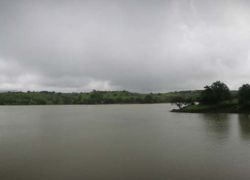
Tungarli Dam is another famous dam located in Maharashtra. This earthen dam stands on the lake of Tungarli and is blest with the enchanting surroundings. It was built during the British rule in India back in 1930-1935. Due to its scenic location near Rajmachi, it is a delightful spot for spending a day’s itinerary with the loved ones.It Is Known For:-1) Tungarli Dam is known among the oldest dams in India.2) It has a scenic backdrop of the Sahyadri Ranges and by reaching atop, one can witness a mesmerizing panoramic view of the Western Ghats and Lohagad.3) Due to its quaint location, it has a calm and soulful ambiance that makes it a trekker’s haven. One can succumb to nature and the soulful ambiance of this place without fail.4) Tourists and visitors are allowed to pitch their tents and spend a night under the millions of stars.5) There is no shortage of getting the accommodation. There are different hotels and guest houses that can be availed at a reasonable rate during the stay.Best Time To Visit:-Tungarli Dam is one of the famous places to visit in Maharashtra. This dam is visited on a huge scale across the year by numerous visitors and trekkers. The period between October-March is regarded as apt for visiting the place.Reaching There:-Tungarli Dam is located near the village with the same name. It has a well-established network of roadways and local buses ply on its route in plentitude. Therefore, reaching this mesmerizing destination is a tough task.Nearest Railway Station:- Lonavala Railway StationNearest Airport:- Pune Airport
Explore More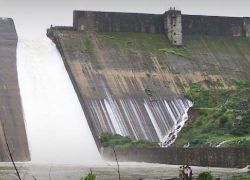
Walwan Dam, also spelled as Valvan Dam, is an earthen dam in the Indian state of Maharashtra. It is located in the region of Lonavala and stands on Indrayani River. Having a height of 85 feet, this water barrage serves the purpose of generating hydro-electricity at Khopoli Power Station. The green surroundings of this dam serve as a great place of recreation and thus, it is visited by many on a huge scale.It Is Known For:-1) Walwan Dam is a prominent tourist site in Maharashtra and is known for its appealing surroundings.2) The green surroundings of this dam contribute to enhancing the visual appeal of the place.3) The nearby Khopoli Power Station is a famous plant in the region. It is the place that generates the hydro-electricity for the rural dwellers in Khandala & Lonavala.4) The waters of this dam form an artificial water body that is known by the name of Walwan Lake. It is a navigable lake and is visited by numerous tourists.Best Time To Visit:-Walwan Dam is a must-see tourist site in Maharashtra. Due to its tantalizing surroundings, it attracts the tourists on a huge scale. Throughout the year, this dam remains crowded with the tourists from different parts of the state. The best time for visiting this place is during monsoons. One will get bewitched for sure once seeing its beauty.Reaching There:-With a well-established network of the roadways and railways, it has become easier for all to reach Walwan Dam. Moreover, the local transit like the buses, taxis, and autos are available in plentitude.Nearest Railway Station:- Lonavala Railway StationNearest Airport:- Mumbai Airport
Explore More
Wilson Point, also known as Sunrise Point, is the highest point in Mahabaleshwar and one of the most popular tourist attractions in Maharashtra. Situated at an elevation of approximately 1,439 meters (4,721 feet) above sea level, Wilson Point offers breathtaking panoramic views of the Sahyadri mountain ranges, lush green valleys, forests, and the picturesque hill station of Mahabaleshwar. It is particularly famous for its spectacular sunrise views, making it a favorite destination for nature lovers, photographers, and tourists seeking tranquility amidst nature. Located a short distance from the Mahabaleshwar town center, Wilson Point is one of the few places in the region where visitors can witness both sunrise and sunset. The viewpoint consists of three observation towers built at different locations, providing unobstructed views of the surrounding landscape. During the early morning hours, visitors can experience the magical sight of the sun emerging above the mist-covered hills, creating an unforgettable visual experience. Named after Sir Leslie Wilson, the Governor of Bombay Presidency during the British era, Wilson Point has long been a popular attraction among travelers. Its cool climate, scenic beauty, and peaceful atmosphere make it a must-visit destination for anyone exploring Mahabaleshwar. Why is Wilson Point, Mahabaleshwar Famous? Wilson Point is famous for being the highest viewpoint in Mahabaleshwar and for offering one of the most stunning sunrise experiences in Maharashtra. Its elevated location provides panoramic views of the surrounding mountains and valleys. The viewpoint is particularly known for: Being the highest point in Mahabaleshwar. Magnificent sunrise views. Panoramic views of the Sahyadri hills. Three separate observation towers. Cool and pleasant weather throughout the year. Photography and sightseeing opportunities. Beautiful views of forests and valleys. The combination of natural beauty and peaceful surroundings makes Wilson Point one of the most visited attractions in Mahabaleshwar. History of Wilson Point Wilson Point was named after Sir Leslie Wilson, who served as the Governor of Bombay Presidency from 1923 to 1928 during British rule in India. During the colonial period, Mahabaleshwar was a popular summer retreat for British officials seeking relief from the heat of the plains. The British administration developed several viewpoints, roads, and facilities around Mahabaleshwar to promote tourism and accessibility. Wilson Point became one of the most prominent viewpoints due to its strategic location at the highest elevation in the region. Over time, the viewpoint gained popularity among both domestic and international tourists. Today, it remains one of Mahabaleshwar's iconic attractions and continues to draw visitors looking for scenic vistas and peaceful moments in nature. Architecture and Layout of Wilson Point Wilson Point is a natural viewpoint rather than an architectural monument. However, it has been developed with visitor-friendly infrastructure to enhance the sightseeing experience. Key features include: Three masonry observation towers. Viewing platforms at different elevations. Walking paths connecting the towers. Open spaces for photography and sightseeing. Well-maintained gardens and surroundings. Benches and resting areas for visitors. The simple yet functional layout allows tourists to enjoy unobstructed views of the surrounding mountains and valleys from multiple vantage points. How to Reach Wilson Point, Mahabaleshwar, Maharashtra By Air The nearest airport is Pune International Airport, located approximately 120 kilometers from Mahabaleshwar. Visitors can hire taxis or use bus services from Pune to reach Mahabaleshwar. By Train The nearest major railway station is Wathar Railway Station, about 60 kilometers away. However, most travelers prefer arriving via Pune Railway Station, which offers better connectivity. By Road Mahabaleshwar is well connected by road to major cities in Maharashtra. Pune to Mahabaleshwar: Approximately 120 km Mumbai to Mahabaleshwar: Approximately 260 km Satara to Mahabaleshwar: Approximately 55 km Mahabaleshwar Bus Stand to Wilson Point: Approximately 2 km Local taxis, auto-rickshaws, and private vehicles can easily reach Wilson Point. Weather at Wilson Point Summer (March to June) Temperatures range between 15°C and 30°C. The weather remains pleasant compared to nearby cities. Monsoon (June to September) Heavy rainfall transforms the region into a lush green paradise. Fog and mist enhance the beauty of the viewpoint. Winter (October to February) Temperatures range between 10°C and 25°C. This is considered the best season for sightseeing and photography. The ideal time to visit Wilson Point is from October to June. Wilson Point Timings Wilson Point is generally open to visitors throughout the day. Opening Time: 6:00 AM Closing Time: 8:00 PM Best Time to Visit: Early morning for sunrise. Most visitors arrive before sunrise to secure the best viewing spots. Entry and Visit Details of Wilson Point Entry to Wilson Point is generally free, although local tourism charges may vary during peak seasons. Visitors can enjoy: Sunrise and sunset viewing. Photography. Nature walks. Sightseeing. Mountain and valley views. The viewpoint is suitable for families, couples, solo travelers, and photography enthusiasts. Things to Do at Wilson Point 1. Watch the Sunrise The primary attraction of Wilson Point is its spectacular sunrise view. The changing colors of the sky create a magical atmosphere. 2. Enjoy Panoramic Views Admire the vast landscapes of the Western Ghats, forests, valleys, and distant hills. 3. Visit All Three Observation Towers Each tower offers a slightly different perspective of the surrounding scenery. 4. Photography Capture stunning sunrise shots, mountain landscapes, cloud formations, and nature scenes. 5. Nature Walks Explore the peaceful surroundings and enjoy fresh mountain air. 6. Bird Watching The region is home to various bird species that can often be spotted around the viewpoint. 7. Explore Nearby Attractions Arthur's Seat Kate's Point Elephant's Head Point Venna Lake Lingmala Waterfall Mahabaleshwar Temple Mapro Garden Interesting Facts About Wilson Point Wilson Point is the highest point in Mahabaleshwar. It stands at approximately 1,439 meters above sea level. It is also known as Sunrise Point. The viewpoint was named after Sir Leslie Wilson. It has three separate observation towers. Visitors can view both sunrise and sunset from the area. It offers 360-degree panoramic views. The viewpoint is popular among photographers. It remains cool and pleasant throughout the year. It is one of Mahabaleshwar's most visited attractions. Travel Tips for Visiting Wilson Point Arrive at least 30 minutes before sunrise for the best experience. Carry a light jacket, especially during winter mornings. Wear comfortable walking shoes. Bring a camera or smartphone for photography. Check weather forecasts before visiting. Visit during weekdays to avoid crowds. Carry drinking water and light snacks. Be cautious while walking near viewing edges. Respect nature and avoid littering. Combine your visit with other Mahabaleshwar viewpoints. Conclusion Wilson Point in Mahabaleshwar, Maharashtra, is one of the most beautiful viewpoints in the Western Ghats and a must-visit destination for travelers seeking breathtaking natural scenery. As the highest point in Mahabaleshwar, it offers unparalleled panoramic views, unforgettable sunrises, and a peaceful atmosphere surrounded by nature. Whether you are a photography enthusiast, nature lover, adventure seeker, or simply looking to relax amidst stunning mountain landscapes, Wilson Point provides a memorable experience that captures the essence of Mahabaleshwar's beauty. A visit to this iconic viewpoint is sure to leave visitors with lasting memories of Maharashtra's scenic hill country.
Explore More
Panchgani, known for its picturesque landscapes and natural beauty, is home to the mesmerizing Rajpuri Caves. These caves, nestled amidst lush greenery and serene surroundings, hold a special place in the hearts of tourists seeking tranquility and a brush with history. History of Rajpuri Caves The Rajpuri Caves bear witness to a rich historical legacy, believed to have been used by Lord Kartikeya for meditation. These caves were once royal hunting grounds and have since been preserved as a significant heritage site. Their cultural and historical importance has garnered recognition, making them a UNESCO-protected treasure. Architecture and Natural Beauty of Rajpuri Caves Surrounded by verdant forests, the Rajpuri Caves offer a glimpse into the natural wonders of Panchgani. The area boasts diverse flora and fauna, creating a haven for bird habitats and wildlife enthusiasts. Within the caves lies the ancient Keoladeo Temple, adding to the mystical charm of the surroundings. Why is Rajpuri Caves Famous? Rajpuri Caves have gained fame among birdwatchers, photographers, nature lovers, and wildlife enthusiasts for their serene ambiance and stunning biodiversity. The caves provide a unique opportunity to witness the beauty of nature up close and are a favorite spot for those seeking solace in the lap of Mother Earth. How to Reach Rajpuri Caves Traveling to Rajpuri Caves is convenient, with options available by air, rail, and road. The nearest airports and railway stations provide easy access to this natural marvel, ensuring a smooth journey for visitors seeking a rendezvous with history and nature. Weather and Best Time to Visit Rajpuri Caves The weather at Rajpuri Caves varies with the seasons, offering different experiences throughout the year. While summers provide a warm and sunny ambiance, monsoons bring lush greenery and winter offers a cool and pleasant climate. The best time to visit depends on personal preferences, but the beauty of the caves shines through in every season. Timings of Rajpuri Caves Rajpuri Caves welcome visitors with open arms, offering unique experiences throughout the year. The timings may vary seasonally, so it's advisable to plan your trip accordingly to make the most of your visit to this enchanting location. Entry Fee and Visit Details Exploring Rajpuri Caves is a delightful experience, with guided tours, safari options, and bicycle rentals available for visitors. The entry procedures are simple, and the visitor facilities ensure a comfortable and enjoyable trip for all those who wish to delve into the beauty of these historic caves. Things to Do at Rajpuri Caves Rajpuri Caves offer a plethora of activities for nature enthusiasts, including birdwatching, photography, cycling, walking trails, and nature observation. Visitors can immerse themselves in the serene surroundings, gaining valuable insights and creating lasting memories amidst the natural splendor. Interesting Facts About Rajpuri Caves The Rajpuri Caves are home to a wide variety of migratory birds and boast impressive biodiversity. Conservation efforts have been successful in preserving this ecological gem, emphasizing the importance of sustainable tourism practices and environmental conservation for future generations to enjoy. Travel Tips for Visiting Rajpuri Caves For a fulfilling experience at Rajpuri Caves, it's recommended to carry appropriate clothing, photography gear, and birdwatching equipment. Understanding the best visiting seasons and practicing responsible tourism can enhance your trip, ensuring a memorable and enriching exploration of this natural wonder. Conclusion In conclusion, Rajpuri Caves in Panchgani stand as a testament to the historical and natural splendor of the region. Offering a blend of cultural heritage, biodiversity, and serene landscapes, these caves provide a unique and enriching experience for visitors, making them a must-visit destination for those seeking solace in nature's embrace.
Explore More
Welcome to the serene and captivating Devrai Art Village nestled in the picturesque city of Panchgani. This unique destination offers a harmonious blend of art, nature, and culture, making it a must-visit for travelers seeking a truly enriching experience. History of Devrai Art Village Originally established as a platform to promote indigenous art and crafts, Devrai Art Village has evolved into a sanctuary of creativity and conservation. The site was once a royal hunting ground, but now stands as a symbol of sustainable living and artistic expression. Its efforts in preserving traditional art forms have garnered recognition, with UNESCO acknowledging its significant contributions. Architecture and Natural Beauty of Devrai Art Village Devrai Art Village is surrounded by lush forests, vibrant wetlands, and diverse bird habitats. The landscape is dotted with intricate sculptures and installations crafted by local artisans, adding to the area's charm. The historic Keoladeo Temple within the village provides a spiritual backdrop against the backdrop of nature's beauty. Why is Devrai Art Village Famous? Devrai Art Village has gained popularity among birdwatchers, photographers, and nature enthusiasts due to its tranquil ambiance and unique artistic offerings. The village serves as a haven for wildlife lovers seeking a deeper connection with nature and art. How to Reach Devrai Art Village Traveling to Devrai Art Village is convenient, with options available by air, rail, and road. The nearest airports are located in proximity, and various railway stations provide easy access to the city of Panchgani. Visitors can choose from a range of transportation modes to reach this cultural oasis. Weather and Best Time to Visit Devrai Art Village Devrai Art Village experiences varying weather conditions throughout the year, with distinct seasons offering unique perspectives of the landscape. The best time to visit is during the moderate climate of spring and autumn, allowing travelers to explore the village comfortably. Timings of Devrai Art Village Devrai Art Village welcomes visitors during specific timings, ensuring an organized and pleasant experience for all. Seasonal variations may affect operational hours, so it is advisable to check in advance and plan your visit accordingly. Entry Fee and Visit Details Entry to Devrai Art Village is accompanied by a glimpse into the rich cultural heritage and artistic traditions it houses. Guide services are available for those seeking deeper insights, while safari options and bicycle rentals cater to outdoor enthusiasts. Visitor facilities are well-maintained, providing a comfortable stay for travelers. Things to Do at Devrai Art Village Engage in a myriad of activities at Devrai Art Village, from birdwatching and photography to cycling and nature walks. Explore the intricate sculptures, participate in workshops, and immerse yourself in the creative energy that permeates the village. Educational experiences await those curious about traditional art forms and conservation practices. Interesting Facts About Devrai Art Village Devrai Art Village is home to a diverse range of migratory birds, contributing to its rich biodiversity and ecological significance. The conservation efforts undertaken within the village have led to notable achievements in preserving local flora and fauna, making it a hub of sustainable practices. Travel Tips for Visiting Devrai Art Village When planning your trip to Devrai Art Village, consider the weather conditions and pack accordingly. Carry your photography equipment to capture the beauty of the surroundings, and respect the wildlife by observing from a distance. Embrace responsible tourism practices and immerse yourself in the vibrant culture of the village. Conclusion In conclusion, Devrai Art Village in Panchgani offers a unique blend of art, nature, and conservation, making it a destination unlike any other. Immerse yourself in the tranquility of the surroundings, explore the rich cultural heritage, and experience the creative energy that defines this remarkable hotspot. A visit to Devrai Art Village promises a memorable journey filled with inspiration and appreciation for the harmony between art and nature.
Explore More
Welcome to the serene and captivating tourist attraction of Chavadi in the city of Shirdi. Situated in a picturesque setting, Chavadi offers a unique blend of natural beauty, biodiversity, and historical significance that attracts travelers from far and wide. History of Chavadi Steeped in history, Chavadi holds a significant place as a former royal hunting ground that has now been transformed into a conservation area. With efforts focused on preserving the rich flora and fauna, Chavadi has garnered recognition for its conservation initiatives, drawing attention from organizations like UNESCO. Architecture and Natural Beauty of Chavadi Chavadi boasts a diverse landscape comprising wetlands, forests, and grasslands that provide a habitat for a myriad of bird species. The historical Keoladeo Temple nestled within the park adds to its architectural charm, blending spirituality with nature's bounty. Why is Chavadi Famous? Chavadi has gained fame as a hotspot for birdwatchers, photographers, nature enthusiasts, and wildlife lovers alike. The abundance of avian species, coupled with the tranquil surroundings, makes it a sought-after destination for those seeking a close encounter with nature. How to Reach Chavadi Traveling to Chavadi is convenient with options available by air, rail, and road. The nearest airports and railway stations offer easy access, ensuring a smooth journey to this nature haven. Weather and Best Time to Visit Chavadi Chavadi experiences varying weather conditions during different seasons, making it essential to plan your visit accordingly. The best months to explore this natural paradise are [mention best months based on the weather conditions]. Timings of Chavadi Visitors can explore Chavadi during specified timings, with seasonal variations that may impact the overall experience. It is advisable to plan your trip while considering the operational hours of the park. Entry Fee and Visit Details Entry into Chavadi is subject to specific procedures, with guide services and safari options available for a more immersive experience. Visitors can also opt for bicycle rentals to explore the park at their own pace, with various facilities catering to their needs. Things to Do at Chavadi Engage in a host of activities at Chavadi, including birdwatching, photography, cycling, walking trails, and nature observation. Immerse yourself in the natural wonders that abound and partake in educational experiences that offer insights into the park's rich biodiversity. Interesting Facts About Chavadi Chavadi is home to a diverse range of migratory birds, showcasing the importance of conservation efforts in preserving their natural habitats. The park's ecological significance and conservation achievements stand as testaments to the commitment towards safeguarding the environment. Travel Tips for Visiting Chavadi When visiting Chavadi, ensure to dress appropriately for the weather conditions and carry essential photography and birdwatching equipment. Familiarize yourself with the best seasons to visit and adhere to responsible tourism practices to help in preserving the park's natural beauty. Conclusion In conclusion, Chavadi in Shirdi is a haven for nature lovers, offering a harmonious blend of biodiversity, historical charm, and recreational opportunities. A visit to Chavadi promises an enriching experience amidst the tranquility of nature, making it a must-visit destination for those seeking solace in the lap of natural beauty.
Explore More
Sai Heritage Village in Shirdi is a charming tourist attraction that offers visitors a unique blend of cultural heritage and natural beauty. This village is not only famous for its historical significance but also for its picturesque landscapes that attract nature enthusiasts and wildlife lovers from all around. History of Sai Heritage Village Steeped in history, Sai Heritage Village has its roots tracing back to ancient times when it served as a significant cultural center. The village has been meticulously preserved over the years, showcasing the rich traditions and customs of the region. Formerly known as a royal hunting ground, the village has now been transformed into a conservation area to protect its natural treasures. Its efforts in preservation have gained recognition, making it a site of importance both locally and internationally. Architecture and Natural Beauty of Sai Heritage Village The Sai Heritage Village is blessed with diverse natural habitats including wetlands, forests, and grasslands that provide a haven for a variety of bird species. The picturesque landscapes offer a serene setting for visitors to immerse themselves in the beauty of nature. The historical Keoladeo Temple located within the village adds a touch of spirituality to the already enchanting surroundings. Why is Sai Heritage Village Famous? Sai Heritage Village is renowned for its abundant birdlife, making it a paradise for birdwatchers and photographers. The village's natural environment attracts nature enthusiasts who seek to explore the biodiversity of the region and witness the vibrant wildlife in its natural habitat. How to Reach Sai Heritage Village Traveling to Sai Heritage Village is convenient with various transportation options available. Visitors can reach the village by air, rail, or road with nearby airports and railway stations providing easy access to this idyllic destination. Weather and Best Time to Visit Sai Heritage Village The weather at Sai Heritage Village varies throughout the year with distinct summer, monsoon, and winter seasons. The best time to visit is during the cooler months when the weather is pleasant, allowing visitors to enjoy the beauty of the surroundings without the discomfort of extreme temperatures. Timings of Sai Heritage Village Sai Heritage Village welcomes visitors during specific timings, with seasonal variations that may affect accessibility. It is advisable to plan your visit accordingly and check for any updates or changes in timings before embarking on your journey. Entry Fee and Visit Details Entry to Sai Heritage Village may require a nominal fee, with options for guide services, safari experiences, bicycle rentals, and other visitor facilities available on-site. Visitors can make the most of their visit by exploring these services and amenities to enhance their experience. Things to Do at Sai Heritage Village Visitors to Sai Heritage Village can indulge in a range of activities including birdwatching, photography, cycling, walking trails, and nature observation. The village offers a plethora of opportunities for educational experiences and outdoor adventures amidst its natural splendor. Interesting Facts About Sai Heritage Village Sai Heritage Village is home to a diverse range of migratory birds, highlighting the importance of conservation efforts in preserving the natural ecosystem. The village's commitment to biodiversity and ecological sustainability has led to significant achievements in the field of wildlife conservation. Travel Tips for Visiting Sai Heritage Village When visiting Sai Heritage Village, it is advisable to dress comfortably and carry essential items such as cameras for photography and binoculars for birdwatching. Understanding the best seasons for visiting and following responsible tourism practices can contribute to a fulfilling and memorable experience at this unique destination. Conclusion In conclusion, Sai Heritage Village in Shirdi stands out as a remarkable tourist attraction that offers a harmonious blend of history, nature, and cultural significance. Visitors to this enchanting village are sure to be captivated by its beauty, biodiversity, and the immersive experiences it provides, making it a must-visit destination for travelers seeking a truly enriching journey.
Explore More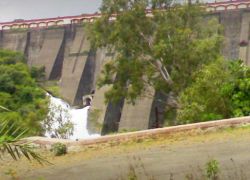
Also known by the name of Wilson Dam, Bhandardhara Dam is the largest earthen dam in India. It was built in the year 1910 and stands on Pravara River. Having a massive height of 492 feet, it catches the attention of the tourists from the different parts of Maharashtra. Its structure is said to be the marvelous example of engineering in the then days and at present, it is a prominent site that shouldn’t be missed while visiting Ahmednagar. It Is Known For:- 1) Bhandardhara Dam is a famous tourist site in Ahmednagar. It stands among the oldest earthen dams in India. 2) It is the origin of a small waterfall known by the name of Umbrella Falls that is located nearby and is formed by the waters of Bhandardhara. 3) There are some gardens nearby the dam that are fed by its waters. People spend a good quality time in these gardens. 4) The backwaters of this dam are navigable and the activity of boating can be enjoyed at a minimal charge. Best Time To Visit:- There is no special time for paying a visit to Bhandardhara Dam. Being a renowned point, it is visited on a huge scale by tourists and locals alike. Even during monsoons, this place is opened to the public so that the beauty of the waters flowing speedily can be captured in the camera. Reaching There:- Bhandardhara Dam has a wider connectivity of major roads and railheads that connect it with the rest of Ahmednagar. The local buses and taxis are the preferred options for commuting to & from the place safely. Nearest Railway Station:- Igatpuri Railway Station Nearest Airport:- New Pune International Airport
Explore More
Welcome to Chandbibi Mahal, a hidden gem nestled in the city of Ahmednagar, inviting travelers to explore its rich history and natural beauty. This magnificent tourist attraction holds a significant place, offering a blend of historical charm and environmental wonders that captivate visitors from all walks of life. History of Chandbibi Mahal Steeped in history, Chandbibi Mahal stands as a testament to the royal heritage of Ahmednagar. Originally built as a palace, it served as a residence for the royals and is now a symbol of architectural grandeur. The surrounding area, once a royal hunting ground, has witnessed conservation efforts to preserve its biodiversity, leading to UNESCO recognition for its historical and ecological importance. Architecture and Natural Beauty of Chandbibi Mahal As you explore Chandbibi Mahal, you'll be mesmerized by the natural wonders that encompass this site. The wetlands, forests, and grasslands create a picturesque backdrop, providing habitats for diverse bird species. Within the premises lies the historic Keoladeo Temple, adding a spiritual touch to the serene landscapes. Why is Chandbibi Mahal Famous? Chandbibi Mahal has gained popularity among birdwatchers, photographers, and nature enthusiasts for its rich avian diversity and scenic beauty. Wildlife lovers flock to this destination to witness the harmonious coexistence of flora and fauna in a tranquil setting. How to Reach Chandbibi Mahal Traveling to Chandbibi Mahal is convenient, with options available by air, rail, and road. The nearest airports and railway stations provide easy access to this historical site, ensuring a smooth journey for visitors eager to explore its wonders. Weather and Best Time to Visit Chandbibi Mahal Understanding the weather conditions at Chandbibi Mahal is essential for planning your visit. The varying seasons offer unique experiences, with summer, monsoon, and winter showcasing distinct aspects of the landscape. The best time to visit is during [mention best months] when the weather is pleasant and conducive for exploration. Timings of Chandbibi Mahal When planning your trip to Chandbibi Mahal, consider the visitor timings and any seasonal variations that may affect your experience. This information will help you make the most of your visit and ensure a memorable time exploring the historical and natural wonders of this site. Entry Fee and Visit Details Upon arrival at Chandbibi Mahal, familiarize yourself with the entry procedures, guide services, and available safari options. Additionally, facilities such as bicycle rentals and visitor amenities enhance the overall experience, making your visit both enjoyable and informative. Things to Do at Chandbibi Mahal Engage in a variety of activities at Chandbibi Mahal, from birdwatching and photography to cycling and nature observation. The walking trails offer a chance to immerse yourself in the serene surroundings, providing educational experiences and opportunities to connect with nature on a deeper level. Interesting Facts About Chandbibi Mahal Delve into the fascinating world of Chandbibi Mahal, where migratory birds find refuge, biodiversity thrives, and conservation efforts have made significant strides. The ecological importance of this site resonates with visitors, showcasing the delicate balance between preservation and exploration. Travel Tips for Visiting Chandbibi Mahal Prepare for your visit to Chandbibi Mahal with practical tips on clothing, photography gear, and birdwatching equipment. Understanding the visiting seasons and practicing responsible tourism ensures a sustainable and enjoyable experience for both visitors and the environment. Conclusion In conclusion, Chandbibi Mahal in Ahmednagar offers a unique blend of history, natural beauty, and cultural heritage for travelers seeking a memorable experience. From its royal origins to its ecological significance, this tourist attraction captures the essence of exploration and discovery, inviting visitors to uncover the wonders that lie within its storied walls.
Explore More
Welcome to the serene beauty of Vaitarna Dam located in Igatpuri, a hidden gem for nature lovers and adventure seekers. The Vaitarna Dam, situated amidst the picturesque landscapes, offers a perfect blend of tranquility and natural splendor that attracts tourists from far and wide. History of Vaitarna Dam The Vaitarna Dam holds a significant historical background as it served as a vital water source for the region. Initially built to provide water for irrigation and drinking purposes, the dam has now become a popular tourist attraction known for its scenic beauty and recreational opportunities. Architecture and Natural Beauty of Vaitarna Dam The dam is surrounded by lush greenery, forests, and grasslands, creating a perfect habitat for a variety of bird species. The Keoladeo Temple, a historical site located nearby, adds to the charm of the surroundings, making it a must-visit destination for history enthusiasts as well. Why is Vaitarna Dam Famous? Vaitarna Dam is renowned for its rich biodiversity, making it a paradise for birdwatchers, photographers, and nature enthusiasts. The diverse bird habitats and landscapes offer a unique opportunity to witness the beauty of nature up close. How to Reach Vaitarna Dam Traveling to Vaitarna Dam is convenient, with options available by air, rail, and road. The nearest airports are located in Mumbai and Pune, while Igatpuri railway station provides easy access for those traveling by train. Several well-maintained roads connect the dam to major cities and towns in the region. Weather and Best Time to Visit Vaitarna Dam The weather at Vaitarna Dam varies across different seasons, with pleasant conditions during the winter months and lush greenery in the monsoon season. The best time to visit is typically during the post-monsoon period when the surroundings are at their vibrant best. Timings of Vaitarna Dam Vaitarna Dam welcomes visitors throughout the year, with seasonal variations in timings based on sunrise and sunset. It is advisable to plan your visit during daylight hours to make the most of the natural beauty and activities offered at the site. Entry Fee and Visit Details Entry to Vaitarna Dam is usually free of charge, allowing visitors to explore the area at their own pace. Guide services, safari options, and bicycle rentals are available for those seeking a more structured experience, while visitor facilities including restrooms and refreshment areas ensure a comfortable visit. Things to Do at Vaitarna Dam Visitors to Vaitarna Dam can indulge in a variety of activities such as birdwatching, photography, cycling, walking trails, and nature observation. The serene environment offers a perfect setting for educational experiences and relaxation amidst nature's bounty. Interesting Facts About Vaitarna Dam Vaitarna Dam is home to a diverse range of migratory birds and boasts significant conservation achievements in preserving the local ecosystem. The ecological importance of the dam in sustaining the region's biodiversity makes it a valuable natural asset worth exploring. Travel Tips for Visiting Vaitarna Dam When visiting Vaitarna Dam, it is advisable to wear comfortable clothing suitable for outdoor activities and carry essential photography and birdwatching equipment. Understanding the visiting seasons and practicing responsible tourism by respecting the natural environment are key to a fulfilling and sustainable travel experience. Conclusion In conclusion, Vaitarna Dam in Igatpuri stands as a testament to the harmonious coexistence of nature and human intervention, offering a peaceful retreat for all who seek solace in the lap of Mother Earth. With its rich biodiversity, historical significance, and recreational opportunities, Vaitarna Dam promises a memorable experience for every visitor, leaving them enchanted by the beauty of this natural marvel.
Explore More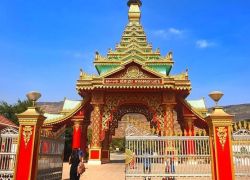
Dhamma Giri Vipassana International Academy
Welcome to Dhamma Giri Vipassana International Academy nestled in the serene city of Igatpuri. This renowned tourist attraction offers a tranquil escape for visitors seeking spiritual enlightenment and natural beauty. History of Dhamma Giri Vipassana International Academy The history of Dhamma Giri dates back to its establishment as a center for Vipassana meditation. Originally a royal hunting ground, this site has been transformed into a hub for meditation practice and self-discovery. The academy's efforts in promoting mental well-being have gained global recognition, making it a pivotal destination for those seeking inner peace. Architecture and Natural Beauty of Dhamma Giri Vipassana International Academy Surrounded by lush forests and picturesque landscapes, Dhamma Giri boasts a harmonious blend of natural beauty and spiritual significance. The Keoladeo Temple, a historic gem within the academy, adds to the charm of this tranquil retreat, offering visitors a glimpse into the region's rich cultural heritage. Why is Dhamma Giri Vipassana International Academy Famous? Dhamma Giri is celebrated for its serene ambiance and profound teachings on mindfulness and self-reflection. Birdwatchers, photographers, and nature enthusiasts are drawn to the academy's peaceful environment, making it a popular choice for those seeking a deeper connection with nature. How to Reach Dhamma Giri Vipassana International Academy Traveling to Dhamma Giri is convenient, with various options available. Visitors can reach the academy by air via nearby airports, by rail through the well-connected railway stations, or by road, enjoying a scenic journey through the picturesque surroundings of Igatpuri. Weather and Best Time to Visit Dhamma Giri Vipassana International Academy The academy experiences pleasant weather throughout the year, with distinct seasons offering unique experiences. While summers are warm and inviting, monsoons bring a refreshing touch to the lush greenery. Winter is ideal for those seeking a cool retreat, making it the best time to explore the beauty of Dhamma Giri. Timings of Dhamma Giri Vipassana International Academy Visitors can explore Dhamma Giri during specified timings, ensuring a peaceful and undisturbed experience. The academy may have seasonal variations in timings to accommodate the changing weather conditions, providing visitors with a comfortable and enjoyable visit. Entry Fee and Visit Details Entry to Dhamma Giri involves simple procedures, allowing visitors to immerse themselves in the tranquility of the surroundings. Guide services, safari options, bicycle rentals, and other visitor facilities are available to enhance the overall experience and ensure a memorable stay. Things to Do at Dhamma Giri Vipassana International Academy Engage in a variety of activities at Dhamma Giri, from birdwatching and photography to cycling and nature observation. The academy offers walking trails and educational experiences, providing visitors with opportunities to connect with nature and deepen their spiritual practice. Interesting Facts About Dhamma Giri Vipassana International Academy Dhamma Giri is home to a diverse range of migratory birds, showcasing the region's rich biodiversity and conservation efforts. The academy's commitment to preserving the environment and promoting ecological awareness highlights its importance in the realm of sustainable tourism. Travel Tips for Visiting Dhamma Giri Vipassana International Academy When visiting Dhamma Giri, remember to dress comfortably and carry essential items such as a camera for capturing memorable moments. Equip yourself with birdwatching gear and visit during the recommended seasons to make the most of your experience while practicing responsible tourism. Conclusion In conclusion, Dhamma Giri Vipassana International Academy in Igatpuri offers visitors a unique blend of spirituality and natural beauty. Whether you seek inner peace through meditation or wish to explore the scenic surroundings, Dhamma Giri provides a holistic experience that resonates with the soul. Plan your visit to this tranquil retreat and embark on a journey of self-discovery amidst the serene ambiance of Igatpuri.
Explore More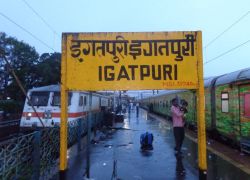
Welcome to the charming town of Igatpuri, home to the picturesque Igatpuri Railway Station. Nestled amidst the serene natural beauty of Igatpuri, this railway station serves as a gateway to the tranquil surroundings and offers a unique experience to travelers exploring the region. History of Igatpuri Railway Station With a rich historical background, Igatpuri Railway Station has been an integral part of the region for many years. Initially serving as a crucial transportation hub, the station has witnessed the evolution of travel in the area and continues to play a significant role in connecting visitors to the beauty of Igatpuri. Formerly known for its royal hunting grounds, the station now stands as a testament to conservation efforts and is recognized for its importance in preserving the natural heritage of the region. Architecture and Natural Beauty of Igatpuri Railway Station The surroundings of Igatpuri Railway Station boast lush wetlands, dense forests, expansive grasslands, and diverse bird habitats. The station is adorned with stunning landscapes that captivate visitors, offering a glimpse into the natural wonders of Igatpuri. Additionally, the historical Keoladeo Temple located nearby adds a touch of cultural significance to the architectural beauty of the station. Why is Igatpuri Railway Station Famous? Igatpuri Railway Station has gained popularity among birdwatchers, photographers, nature enthusiasts, and wildlife lovers due to its proximity to the rich biodiversity of the region. Visitors flock to the station to witness the vibrant birdlife, picturesque landscapes, and serene ambiance that make Igatpuri a haven for nature lovers. How to Reach Igatpuri Railway Station Traveling to Igatpuri Railway Station is convenient, with options available by air, rail, and road. The nearest airports and railway stations provide easy access to the station, allowing visitors to embark on a journey to explore the beauty of Igatpuri effortlessly. Weather and Best Time to Visit Igatpuri Railway Station The weather at Igatpuri Railway Station varies across seasons, offering different experiences to visitors throughout the year. While summer brings warmth and clear skies, the monsoon season transforms the surroundings into lush greenery. Winter showcases a cool climate, making it an ideal time to visit Igatpuri and enjoy the pleasant weather. Timings of Igatpuri Railway Station Igatpuri Railway Station welcomes visitors with specific timings that ensure a smooth travel experience. Understanding the seasonal variations, if applicable, can help in planning a visit to the station efficiently and making the most of the trip. Entry Fee and Visit Details Visiting Igatpuri Railway Station involves simple entry procedures, with guide services and safari options available for a more immersive experience. Bicycle rentals and visitor facilities cater to the diverse needs of travelers, ensuring a comfortable and enjoyable visit to the station. Things to Do at Igatpuri Railway Station Engage in popular activities at Igatpuri Railway Station, including birdwatching, photography, cycling, walking trails, nature observation, and educational experiences. These activities offer a unique way to explore the natural beauty and biodiversity of Igatpuri, providing visitors with memorable experiences. Interesting Facts About Igatpuri Railway Station Discover fascinating facts about Igatpuri Railway Station, from the migratory birds that frequent the area to the conservation achievements that highlight the ecological importance of the region. These insights offer a deeper understanding of the natural heritage preserved around the station. Travel Tips for Visiting Igatpuri Railway Station When planning a visit to Igatpuri Railway Station, consider practical tips regarding clothing choices, photography essentials, birdwatching equipment, visiting seasons, and responsible tourism practices. These tips ensure a smooth and enjoyable experience while exploring the beauty of Igatpuri. Conclusion In conclusion, Igatpuri Railway Station stands as a gateway to the natural wonders of Igatpuri, offering visitors a unique experience amidst lush landscapes and diverse bird habitats. With its historical significance, architectural beauty, and biodiversity, the station presents a blend of heritage and nature that captivates travelers exploring the charm of Igatpuri.
Explore More
Welcome to Bhavali Dam, a picturesque tourist attraction located in Igatpuri. This hidden gem offers a serene escape into nature, making it a perfect destination for birdwatchers, photographers, nature enthusiasts, and wildlife lovers. The Bhavali Dam is not only famous for its natural beauty but also holds historical significance and plays a vital role in biodiversity conservation. History of Bhavali Dam The history of Bhavali Dam dates back to its construction, which served as a crucial water resource for the region. It has also been a part of the former royal hunting grounds, adding a touch of regal charm to its surroundings. Efforts have been made to preserve the ecological balance around the dam, leading to its recognition for conservation initiatives. Architecture and Natural Beauty of Bhavali Dam Bhavali Dam is surrounded by lush wetlands, dense forests, sprawling grasslands, and diverse bird habitats. The tranquil landscapes offer a perfect setting for the historical Keoladeo Temple, adding a spiritual touch to the natural beauty of the area. Why is Bhavali Dam Famous? Bhavali Dam is renowned for its rich avian population, making it a paradise for birdwatchers. The destination attracts photographers and nature enthusiasts due to its stunning wildlife sightings and breathtaking landscapes. How to Reach Bhavali Dam Travelling to Bhavali Dam is convenient with multiple transport options available. Visitors can reach the destination by air through nearby airports, by rail via accessible railway stations, or by road with well-connected routes offering scenic views along the way. Weather and Best Time to Visit Bhavali Dam The weather at Bhavali Dam varies across seasons, with summer offering warm days, monsoon bringing lush greenery, and winter providing a cool and pleasant atmosphere. The best time to visit Bhavali Dam is during the winter months when the weather is ideal for outdoor exploration. Timings of Bhavali Dam Bhavali Dam welcomes visitors during specific timings, allowing them to experience the beauty of the surroundings. Seasonal variations may affect accessibility, so it is advisable to plan your visit accordingly to make the most of your trip. Entry Fee and Visit Details Entry to Bhavali Dam may include nominal fees, offering visitors access to guided services, safari options, bicycle rentals, and essential visitor facilities. Exploring the area with the help of local guides can enhance your experience and provide valuable insights into the biodiversity of the region. Things to Do at Bhavali Dam Engage in a variety of activities at Bhavali Dam, including birdwatching to spot unique avian species, photography to capture the scenic beauty, cycling along picturesque trails, walking amidst nature, and enjoying educational experiences that offer a deeper understanding of the ecosystem. Interesting Facts About Bhavali Dam Bhavali Dam is home to a myriad of migratory birds, showcasing the rich biodiversity of the area. Conservation efforts have led to significant achievements in preserving the ecological balance, highlighting the importance of sustainable practices for the environment. Travel Tips for Visiting Bhavali Dam When planning a visit to Bhavali Dam, consider packing appropriate clothing for the weather, carrying photography equipment for capturing memorable moments, being mindful of birdwatching etiquettes, choosing the right visiting season for optimal experiences, and practicing responsible tourism to protect the natural surroundings. Conclusion In conclusion, Bhavali Dam in Igatpuri stands as a natural haven that offers an enriching experience for visitors seeking tranquility and nature's beauty. With its historical significance, diverse landscapes, and abundant wildlife, Bhavali Dam is a destination that promises a memorable retreat into the heart of biodiversity and conservation.
Explore More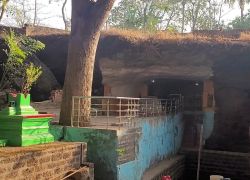
Welcome to Ozar Caves, a hidden gem nestled in the serene city of Igatpuri. This enchanting tourist attraction offers a unique blend of history, natural beauty, and biodiversity, making it a must-visit destination for travelers seeking a tranquil retreat amidst nature's wonders. History of Ozar Caves The history of Ozar Caves dates back to ancient times, with origins shrouded in mystery and intrigue. Once a royal hunting ground, this historical site has undergone significant conservation efforts to preserve its rich heritage. The caves have garnered recognition for their cultural significance and are a source of pride for the local community. Architecture and Natural Beauty of Ozar Caves Surrounded by lush wetlands, verdant forests, and sprawling grasslands, Ozar Caves boast a diverse ecosystem that supports a plethora of bird species and wildlife habitats. The picturesque landscapes and the revered Keoladeo Temple add to the charm of this natural wonder, creating a harmonious blend of history and nature. Why is Ozar Caves Famous? Ozar Caves have gained fame as a haven for birdwatchers, photographers, nature enthusiasts, and wildlife lovers. The abundance of avian species, unique flora, and fauna, coupled with the tranquil ambiance, make it a sought-after destination for those seeking a close encounter with nature's marvels. How to Reach Ozar Caves Traveling to Ozar Caves is a seamless experience, with convenient options available by air, rail, and road. The nearest airports and railway stations provide easy access to this pristine destination, ensuring a hassle-free journey for visitors. Weather and Best Time to Visit Ozar Caves Throughout the seasons, Ozar Caves offer a different yet equally captivating experience. From the vibrant hues of summer to the lush greenery of the monsoon and the serene charm of winter, each season has its unique appeal. The best months to visit vary based on individual preferences, ensuring a memorable trip for every traveler. Timings of Ozar Caves Visitors can explore the wonders of Ozar Caves during specific timings, with seasonal variations enhancing the visitor experience. Planning a trip to this natural haven involves considering the operational hours and other essential details to make the most of your visit. Entry Fee and Visit Details Entry into Ozar Caves is a gateway to a world of discovery, with guide services, safari options, bicycle rentals, and visitor facilities enhancing the overall experience. The visitor-friendly amenities ensure a comfortable and enriching visit for all who venture into this captivating realm. Things to Do at Ozar Caves Engage in a myriad of activities at Ozar Caves, from immersive birdwatching sessions to capturing breathtaking photographs, cycling through nature trails, and embarking on educational journeys. The possibilities are endless for those seeking to connect with the natural wonders that abound in this pristine locale. Interesting Facts About Ozar Caves Explore the fascinating world of Ozar Caves, where migratory birds grace the skies, biodiversity thrives, conservation efforts succeed, and ecological harmony prevails. Delve into the rich tapestry of facts that underscore the importance of preserving this ecological treasure for future generations. Travel Tips for Visiting Ozar Caves Prepare for your Ozar Caves adventure with practical tips on clothing choices, photography essentials, birdwatching equipment, ideal visiting seasons, and responsible tourism practices. By following these guidelines, you can make the most of your visit while respecting the natural beauty and wildlife that call this place home. Conclusion In conclusion, Ozar Caves in Igatpuri stand as a testament to the enduring allure of nature's bounty and historical legacy. A visit to this captivating destination promises a memorable experience filled with exploration, discovery, and appreciation for the wonders of the natural world. Embark on a journey to Ozar Caves and immerse yourself in the beauty and tranquility of this remarkable hotspot.
Explore More