
About The Tunga Fort The Tunga Fort, also known as Kathingad Fort, is located near Pune in the state of Maharashtra, India. Situated at an altitude of 1075 meters above sea level, this ancient fort offers breathtaking views of the surrounding landscape. Built by the Adil Shah dynasty, the fort is a popular trekking destination for adventure enthusiasts and history buffs alike. Timings Of Tunga Fort The Tunga Fort is open for visitors from sunrise to sunset on all days of the week. Entry Fee There is no entry fee to visit the Tunga Fort. However, visitors may need to pay a nominal fee for parking their vehicles at the base of the fort. Required Time And Restricted Items It takes about 2-3 hours to explore the Tunga Fort thoroughly. Visitors are advised not to carry any plastic items, alcohol, or tobacco products to maintain the sanctity of the historical site. Architecture Of Tunga Fort The Tunga Fort showcases a blend of Maratha and Mughal architectural styles. The fort is surrounded by lush greenery and offers panoramic views of the Sahyadri mountain range. The structure consists of sturdy walls, bastions, and intricate carvings that reflect the rich history of the region. Best Time To Visit The ideal time to visit the Tunga Fort is during the winter months of October to March when the weather is pleasant for trekking and sightseeing. Avoid visiting during the monsoon season as the trails may become slippery and dangerous. How To Reach The Tunga Fort is located approximately 50 kilometers from Pune city. Visitors can hire a private vehicle or take a local bus to reach the base of the fort. From there, it is a moderate trek to the top of the fort, which takes around 1-2 hours. History Of Tunga Fort The Tunga Fort dates back to the 17th century when it was built by the Adil Shah dynasty to serve as a strategic outpost. Over the centuries, the fort has changed hands multiple times and witnessed various battles between different rulers. Today, it stands as a symbol of the region's rich historical past. Inside Tunga Fort Inside the Tunga Fort, visitors can explore the remnants of ancient structures, including a mosque, a temple, and a water reservoir. The fort offers stunning views of the surrounding landscape, making it an ideal spot for photography enthusiasts. Traveling Tips 1. Wear comfortable trekking shoes and carry an ample supply of water. 2. Follow the designated trekking trails and avoid straying off the path. 3. Respect the local customs and traditions while visiting the fort. 4. Carry a camera to capture the scenic beauty of the fort and its surroundings. Hotels Near Tunga Fort With Names 1. Hotel Hill Top: Located near the Tunga Fort, this hotel offers comfortable accommodation and modern amenities for visitors. 2. Tunga Fort Resort: A luxury resort situated in the vicinity of the fort, offering a relaxing stay amidst nature's beauty. 3. Fort View Hotel: This budget-friendly hotel provides convenient lodging options for travelers exploring the Tunga Fort. Nearby Tourist Spots Of Tunga Fort 1. Lohagad Fort: Another historical fort located nearby, offering stunning views and a glimpse into the region's past. 2. Visapur Fort: A twin fort of Lohagad, known for its architectural marvels and scenic beauty. 3. Bhaja Caves: Ancient rock-cut caves that showcase intricate carvings and sculptures, located in close proximity to the Tunga Fort.
Explore More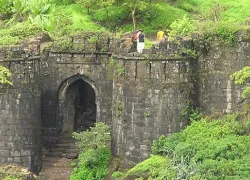
About The Sinhagad Fort The Sinhagad Fort, also known as the Lion's Fort, is a historic fortress located near Pune in Maharashtra, India. Situated atop a hill at an elevation of 1,312 meters above sea level, the fort offers stunning views of the surrounding landscape. The fort has a rich history and has witnessed several significant battles over the years. Timings Of Sinhagad Fort The Sinhagad Fort is open to visitors every day from 9:00 am to 6:00 pm. It is advisable to visit the fort during the daytime to enjoy the panoramic views and explore the historical structures. Entry Fee The entry fee for visiting the Sinhagad Fort is nominal, with a small charge for both Indians and foreign tourists. Additionally, there may be additional charges for parking and camera usage. Required Time And Restricted Items It is recommended to spend at least 3 to 4 hours exploring the Sinhagad Fort to fully appreciate its historical significance and enjoy the scenic beauty. Visitors are advised not to carry plastic items and alcohol to preserve the sanctity of the fort. Architecture Of Sinhagad Fort The architecture of the Sinhagad Fort showcases a blend of Maratha and Mughal styles. The fort houses several structures including bastions, gates, temples, and a memorial dedicated to Tanaji Malusare, a Maratha warrior who sacrificed his life during the Battle of Sinhagad. Best Time To Visit The best time to visit the Sinhagad Fort is during the monsoon season, from June to September, when the surrounding hills are covered with lush greenery and the weather is pleasant. However, the fort can also be visited throughout the year. How To Reach The Sinhagad Fort is located around 30 kilometers southwest of Pune city. Visitors can reach the fort by road via private vehicles, taxis, or state transport buses. The nearest airport is Pune Airport, and the nearest railway station is Pune Junction. History of Sinhagad Fort The Sinhagad Fort has a long and storied history, with its origins dating back to the 17th century. It was initially under the control of the Maratha Empire and later passed into the hands of the British. The fort has witnessed several battles, including the famous Battle of Sinhagad in 1670. Inside Sinhagad Fort Inside the Sinhagad Fort, visitors can explore the various structures such as the Kalyan Darwaza, Tanaji Malusare's memorial, the Kaundinyeshwar Temple, and the remnants of the fortifications. The fort offers breathtaking views of the Sahyadri mountain ranges and the Pune city skyline. Traveling Tips When visiting the Sinhagad Fort, it is advisable to wear comfortable footwear as there is some walking involved. It is also recommended to carry water, snacks, and a camera to capture the stunning views. Visitors should be cautious while climbing the steep steps and should respect the historical significance of the fort. Hotels Near Sinhagad Fort There are several hotels and resorts near the Sinhagad Fort where visitors can stay and relax. Some of the popular options include Hotel Sinhagad Executive, Fort View Resort, and Aura Kalista Resort. These accommodations offer comfortable rooms, delicious food, and excellent services. Nearby Tourist Spots of Sinhagad Fort In addition to the Sinhagad Fort, there are several other tourist spots near Pune that visitors can explore. Some of the popular attractions include Khadakwasla Dam, Panshet Dam, Rajgad Fort, and Torna Fort. These places offer a glimpse into the rich history and natural beauty of the region.
Explore More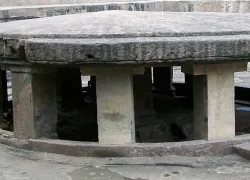
About The Pataleshwar Cave in Pune The Pataleshwar Cave is a rock-cut cave temple located in Pune, Maharashtra. It is a popular tourist attraction known for its ancient rock-cut architecture and historical significance. Timings Of Pataleshwar Cave The Pataleshwar Cave is open to visitors from 8:00 AM to 5:30 PM every day of the week. Entry Fee The entry fee for the Pataleshwar Cave is INR 5 for Indian visitors and INR 100 for foreign tourists. Required Time And Restricted Items Visitors typically spend about 1-2 hours exploring the Pataleshwar Cave. Smoking, alcohol, and non-vegetarian food items are not allowed inside the cave premises. Architecture Of Pataleshwar Cave The Pataleshwar Cave is a monolithic rock-cut cave temple dedicated to Lord Shiva. The cave features intricate carvings, sculptures, and a Nandi bull statue. It is believed to have been built in the 8th century during the Rashtrakuta dynasty. Best Time To Visit The best time to visit the Pataleshwar Cave is during the winter months of November to February when the weather is pleasant and ideal for sightseeing. How To Reach The Pataleshwar Cave is located in Jangali Maharaj Road, Pune, and can be easily reached by public transportation such as buses or auto-rickshaws. The nearest railway station is Pune Junction, and the nearest airport is Pune International Airport. History Of Pataleshwar Cave The Pataleshwar Cave is believed to have been built in the 8th century by the Rashtrakuta dynasty. It is dedicated to Lord Pataleshwar, an incarnation of Lord Shiva. The cave has historical significance and is considered an important heritage site in Pune. Inside Pataleshwar Cave Inside the Pataleshwar Cave, visitors can explore the rock-cut temple, sculptures of deities, and inscriptions on the walls. The main sanctum houses a linga (symbol of Shiva) and a Nandi bull statue. The cave also has a courtyard and a water tank. Traveling Tips It is advisable to wear comfortable footwear as visitors need to walk on uneven terrain inside the cave. Carry drinking water and sunscreen as there are limited facilities inside the cave. Photography is allowed but be respectful of religious sentiments while clicking pictures. Hotels Near Pataleshwar Cave With Names Some of the hotels near the Pataleshwar Cave in Pune include: Hotel Shree Panchratna The Orchid Hotel Pune Ibis Pune Hyatt Pune Nearby Tourist Spots Of Pataleshwar Cave There are several other tourist attractions near the Pataleshwar Cave that visitors can explore, including: Shaniwar Wada Dagdusheth Halwai Ganpati Temple Aga Khan Palace Raja Dinkar Kelkar Museum
Explore More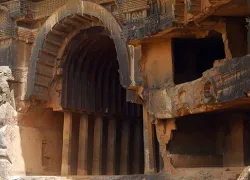
Bhaja Caves are among the oldest and most significant rock-cut Buddhist cave complexes in India. Located near Lonavala in Pune district, Maharashtra, these ancient caves date back to the 2nd century BCE and offer a fascinating glimpse into early Buddhist architecture, art, and monastic life. Nestled amidst the scenic Western Ghats, Bhaja Caves are surrounded by lush greenery, waterfalls, and rolling hills, making them a popular destination for history enthusiasts, trekkers, photographers, and spiritual travelers. The cave complex consists of 22 rock-cut caves that were used by Buddhist monks for meditation, worship, and residence. The site is renowned for its magnificent Chaitya Hall (prayer hall), beautifully carved stupas, intricate sculptures, and ancient inscriptions. Due to its historical significance and architectural brilliance, Bhaja Caves are protected and maintained by the Archaeological Survey of India (ASI). Situated close to other famous heritage sites such as Karla Caves, Bedse Caves, and Lohagad Fort, Bhaja Caves form an important part of Maharashtra's rich cultural and historical landscape. Why is Bhaja Caves, Pune Famous? Bhaja Caves are famous for being one of the earliest examples of Buddhist rock-cut architecture in India. The caves showcase the craftsmanship and artistic excellence of ancient Buddhist monks and artisans who carved these structures directly into the rocky hillside over 2,000 years ago. The caves are particularly known for: The impressive Chaitya (prayer hall) with a horseshoe-shaped entrance. Ancient Buddhist stupas preserved inside the caves. Beautiful carvings depicting warriors, musicians, and religious motifs. Their historical connection to early Buddhist monastic traditions. The scenic location amidst the Sahyadri Hills. Their proximity to Lonavala and popular trekking routes. The combination of history, spirituality, architecture, and natural beauty makes Bhaja Caves one of Maharashtra's most important heritage attractions. History of Bhaja Caves The Bhaja Caves were built around the 2nd century BCE during the period when Buddhism was flourishing across India. These caves belong to the Hinayana School of Buddhism, an early Buddhist tradition that focused on the teachings of Buddha without depicting him in human form. The caves were strategically located along an ancient trade route connecting the Arabian Sea coast with the Deccan Plateau. Buddhist monks often established monasteries along such routes to provide shelter and spiritual guidance to travelers and merchants. Over time, Bhaja became an important center for Buddhist learning and meditation. The caves served as residences for monks, prayer halls, and community gathering spaces. The site's architecture and inscriptions provide valuable insights into the social, religious, and cultural life of ancient India. Today, Bhaja Caves stand as an important archaeological treasure and attract visitors from around the world interested in India's ancient heritage. Architecture of Bhaja Caves The architecture of Bhaja Caves reflects the simplicity and elegance of early Buddhist rock-cut design. The entire complex consists of 22 caves carved directly into a hillside using basic tools and remarkable craftsmanship. The most impressive structure is the Chaitya Hall, one of the oldest surviving prayer halls in India. The hall features: A large horseshoe-shaped entrance arch. A wooden ribbed ceiling design, some elements of which have survived. A central stupa used for worship. Stone pillars supporting the structure. Other caves served as viharas (monastic residences) and contain simple living quarters for monks. Several caves feature intricate carvings of chariots, dancers, warriors, and celestial figures. One of the most remarkable features of Bhaja Caves is a group of 14 stupas located in a separate cave. These stupas are believed to contain relics of respected Buddhist monks. How to Reach Bhaja Caves, Pune, Maharashtra By Air The nearest airport is Pune International Airport, located approximately 65 kilometers from Bhaja Caves. From the airport, visitors can hire taxis or use public transportation to reach Lonavala and then proceed to Bhaja. By Train The nearest railway station is Malavli Railway Station, located around 3 kilometers from the caves. Other nearby railway stations include: Lonavala Railway Station – approximately 12 km away. Pune Railway Station – approximately 65 km away. Mumbai Railway Stations – approximately 100 km away. By Road Bhaja Caves are well connected by road. Lonavala to Bhaja Caves: Approximately 12 km Pune to Bhaja Caves: Approximately 65 km Mumbai to Bhaja Caves: Approximately 100 km Private vehicles, taxis, and buses are available from Pune and Mumbai. Visitors must climb a series of stone steps from the parking area to reach the caves. Weather at Bhaja Caves Summer (March to June) Temperatures range between 22°C and 36°C. Early morning visits are recommended. Monsoon (June to September) This is one of the most beautiful times to visit. The surrounding hills become lush green, and seasonal waterfalls enhance the scenery. Winter (October to February) Temperatures range between 12°C and 28°C. Winter is considered the best season for sightseeing and trekking. Bhaja Caves Timings Bhaja Caves are generally open throughout the week. Opening Time: 8:00 AM Closing Time: 6:00 PM Open: All days Visitors are advised to arrive early for a comfortable exploration experience. Entry and Visit Details of Bhaja Caves Bhaja Caves are maintained by the Archaeological Survey of India (ASI), and visitors are required to purchase an entry ticket. Entry fees may vary according to ASI regulations. Indian Citizens: Nominal fee Foreign Tourists: Separate ticket fee Children: Concessions may apply as per government guidelines The site provides basic facilities such as parking, refreshment stalls, and resting areas near the entrance. Things to Do at Bhaja Caves 1. Explore Ancient Buddhist Caves Walk through the cave complex and admire the ancient rock-cut architecture. 2. Visit the Chaitya Hall Observe one of India's oldest surviving Buddhist prayer halls. 3. Study Historical Carvings Examine intricate sculptures depicting ancient life and religious themes. 4. Photography Capture stunning images of the caves, hills, and surrounding landscapes. 5. Enjoy Nature Walks The scenic environment around the caves offers excellent opportunities for leisurely walks. 6. Trekking Adventure enthusiasts can combine the visit with nearby trekking routes. 7. Visit Nearby Attractions Karla Caves Bedse Caves Lohagad Fort Visapur Fort Lonavala Bhushi Dam Interesting Facts About Bhaja Caves The caves date back to the 2nd century BCE. They are among the oldest Buddhist rock-cut caves in India. The complex consists of 22 caves. The caves belong to the Hinayana Buddhist tradition. The Chaitya Hall is one of the oldest surviving prayer halls in the country. The site was located on an important ancient trade route. A group of 14 stupas can be seen within the cave complex. The caves are carved entirely out of solid rock. The site is protected by the Archaeological Survey of India. Monsoon season offers spectacular views of nearby waterfalls. Travel Tips for Visiting Bhaja Caves Wear comfortable walking shoes as climbing steps is required. Carry drinking water, especially during summer. Visit during the morning to avoid crowds and heat. Carry a camera for photography. Be careful on steps during the monsoon season as they can become slippery. Respect the heritage site and avoid damaging carvings. Hire a guide if interested in detailed historical information. Carry light snacks if planning a longer visit. Combine Bhaja Caves with nearby heritage attractions. Check weather conditions before visiting during heavy rains. Conclusion Bhaja Caves in Pune, Maharashtra, are a remarkable testament to India's ancient Buddhist heritage and architectural brilliance. Dating back more than two thousand years, these rock-cut caves offer visitors a unique opportunity to explore early Buddhist monastic life, admire intricate carvings, and experience the serenity of a historic spiritual center. Surrounded by the scenic beauty of the Western Ghats, Bhaja Caves provide an enriching blend of history, culture, spirituality, and nature. Whether you are a history enthusiast, architecture lover, trekker, photographer, or curious traveler, a visit to Bhaja Caves promises a memorable and educational experience in the heart of Maharashtra.
Explore More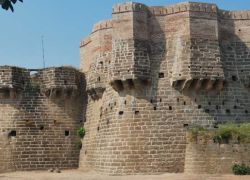
About The Ausa Ausa is a historical town located in the Latur district of Maharashtra, India. It is known for its ancient fort and rich cultural heritage. The town is home to several temples, mosques, and other historical monuments that attract tourists and history enthusiasts from all over the country. Timings Of Ausa The Ausa town is open for visitors all year round. However, it is recommended to visit during the daytime to fully explore its attractions and enjoy the scenic beauty of the surroundings. Entry Fee There is no entry fee to visit Ausa town. Visitors can freely explore the historical sites, temples, and other attractions without any charges. Required Time And Restricted Items It is recommended to spend at least half a day in Ausa to explore its major attractions fully. Some restricted items include alcohol, weapons, and any items that may disturb the peace and sanctity of the historical sites. Architecture Of Ausa The architecture of Ausa reflects a blend of various styles, including Maratha, Mughal, and Persian influences. The ancient fort, temples, and mosques showcase intricate carvings, domes, and pillars that highlight the craftsmanship of the bygone era. Best Time To Visit The best time to visit Ausa is during the winter months (October to March) when the weather is pleasant and ideal for sightseeing. However, visitors can also explore the town during the monsoon season to witness the lush greenery and enjoy the cool weather. How To Reach Ausa is well-connected by road, rail, and air. The nearest airport is in Latur, approximately 50 kilometers away. Visitors can also reach Ausa by train or bus from major cities like Mumbai, Pune, and Hyderabad. History Of Ausa Ausa has a rich historical significance dating back to the medieval period. It was once ruled by various dynasties, including the Rashtrakutas, Chalukyas, and Bahamanis. The town witnessed several battles and political changes over the centuries, leaving behind a legacy of architectural marvels and cultural heritage. Inside Ausa Inside Ausa, visitors can explore the ancient Ausa Fort, which offers panoramic views of the town and its surroundings. There are also several temples like the Siddheshwar Temple, Vithoba Temple, and Jama Masjid that showcase the religious diversity and cultural richness of the town. Traveling Tips When visiting Ausa, it is advisable to carry sunscreen, hats, and sunglasses to protect yourself from the sun. Additionally, wearing comfortable footwear is recommended as there may be some walking involved while exploring the historical sites. Hotels Near Ausa Some of the hotels near Ausa include: Hotel Marathwada Lodging And Boarding Hotel Shangrila Hotel Center Point Nearby Tourist Spots Of Ausa Some nearby tourist spots near Ausa include: Ganj Golai Udgir Fort Ashtavinayak Temple, Morgaon
Explore More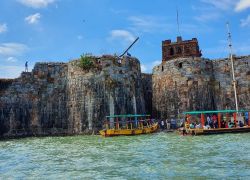
Sindhudurg Fort, located in Sindhudurg, is a majestic tourist attraction that offers a blend of history, natural beauty, and cultural significance. This historic fort is not only a popular destination for history enthusiasts but also attracts nature lovers and photographers due to its stunning surroundings. History of Sindhudurg Fort The history of Sindhudurg Fort dates back to the 17th century when it was built by Chhatrapati Shivaji Maharaj, the great Maratha ruler. This coastal fort served as a strategic outpost and played a crucial role in protecting the region from foreign invasions. Over the years, it has stood as a symbol of Maratha pride and valor, attracting visitors with its rich historical background. Architecture and Natural Beauty of Sindhudurg Fort Surrounded by the Arabian Sea, Sindhudurg Fort boasts a picturesque setting with pristine beaches and crystal-clear waters. The fort is known for its sturdy architecture, with massive walls and intricate carvings that showcase the skilled craftsmanship of the bygone era. The natural beauty of the fort is further enhanced by the lush greenery and panoramic views of the sea, making it a perfect blend of history and scenic charm. Why is Sindhudurg Fort Famous? Sindhudurg Fort is renowned for its historical significance and architectural marvels. However, it has gained fame among birdwatchers and nature enthusiasts for its diverse bird habitats and serene surroundings. The fort provides an ideal spot for birdwatching, photography, and experiencing the tranquility of nature, making it a must-visit destination for wildlife lovers. How to Reach Sindhudurg Fort Traveling to Sindhudurg Fort is convenient, with options available by air, rail, and road. The nearest airport is located in Dabolim, and the fort is well-connected by rail with nearby stations. Visitors can also reach the fort by road through well-maintained highways, offering a scenic journey through the picturesque landscapes of the region. Weather and Best Time to Visit Sindhudurg Fort Sindhudurg experiences a moderate climate throughout the year, making it suitable for visits in all seasons. However, the best time to explore the fort is during the winter months when the weather is pleasant, allowing visitors to enjoy the outdoor attractions without the discomfort of extreme temperatures. Timings of Sindhudurg Fort Sindhudurg Fort is open to visitors during specific hours, with seasonal variations that may affect the timings. It is advisable to check the official website or contact the authorities for the latest information on visitor timings and any special events or closures that may be in place during your planned visit. Entry Fee and Visit Details Visitors can access Sindhudurg Fort by paying a nominal entry fee, which helps in the maintenance and preservation of this historical site. Guide services are available for those interested in learning more about the fort's history, and visitors can also opt for safari options or bicycle rentals to explore the surroundings at their own pace. Things to Do at Sindhudurg Fort At Sindhudurg Fort, visitors can engage in a variety of activities, including birdwatching, photography, cycling, and nature walks. The fort offers walking trails that lead to scenic viewpoints, allowing visitors to soak in the beauty of the surroundings and witness the diverse bird species that inhabit the area. Educational experiences are also available for those keen on learning about the fort's historical and ecological significance. Interesting Facts About Sindhudurg Fort One of the fascinating aspects of Sindhudurg Fort is its role in preserving biodiversity and providing a habitat for migratory birds. The conservation efforts undertaken at the fort have contributed to the protection of the local ecosystem, making it a valuable site for ecological research and wildlife conservation. The fort's historical and cultural significance adds to its allure, making it a unique destination for travelers seeking a blend of history and nature. Travel Tips for Visiting Sindhudurg Fort When planning a visit to Sindhudurg Fort, it is recommended to wear comfortable clothing and sturdy footwear suitable for exploring the fort's terrain. Photography enthusiasts should carry their equipment to capture the scenic beauty of the surroundings. The best time to visit is during the non-monsoon months to avoid any inconvenience due to heavy rainfall. Visitors are encouraged to practice responsible tourism by respecting the fort's heritage and natural environment. Conclusion In conclusion, Sindhudurg Fort in Sindhudurg stands as a testament to the region's rich history and natural splendor. With its intriguing past, architectural grandeur, and serene landscapes, the fort offers a memorable experience for visitors of all interests. Whether exploring the historical ruins, birdwatching by the sea, or simply enjoying the tranquility of nature, Sindhudurg Fort is a must-visit destination that promises a unique blend of culture, history, and natural beauty.
Explore More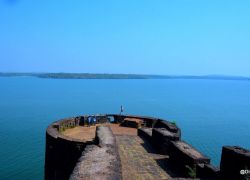
Welcome to the magnificent Vijaydurg Fort located in Sindhudurg, a historical gem nestled in the heart of nature's bounty. This iconic fort carries a rich legacy and offers a captivating experience for history buffs, nature lovers, and adventure seekers alike. History of Vijaydurg Fort The history of Vijaydurg Fort dates back to ancient times, serving as a significant strategic outpost for various rulers. Originally built as a naval base, it later evolved into a formidable fortification that witnessed numerous battles and conquests. Once a royal hunting ground, the fort now stands as a symbol of architectural brilliance and historical significance, drawing visitors from far and wide. The conservation efforts undertaken to preserve its heritage have garnered UNESCO recognition, highlighting its importance in India's historical narrative. Architecture and Natural Beauty of Vijaydurg Fort Surrounded by captivating wetlands, lush forests, and diverse bird habitats, Vijaydurg Fort boasts a unique blend of natural beauty and architectural splendor. The picturesque landscapes around the fort create a serene ambiance, perfect for exploring the historical ruins and the revered Keoladeo Temple nestled within its premises. Why is Vijaydurg Fort Famous? Vijaydurg Fort is renowned for its architectural grandeur, historical significance, and captivating natural surroundings. It has become a hotspot for birdwatchers, photographers, nature enthusiasts, and wildlife lovers seeking to immerse themselves in the charm of this ancient marvel. How to Reach Vijaydurg Fort Traveling to Vijaydurg Fort is convenient, with options to reach by air, rail, or road. The nearest airports and railway stations provide easy access, ensuring a hassle-free journey for visitors eager to explore this historical treasure. Weather and Best Time to Visit Vijaydurg Fort The weather at Vijaydurg Fort varies throughout the year, offering distinct experiences during summer, monsoon, and winter seasons. The best time to visit is during the cooler months when the weather is pleasant, allowing travelers to enjoy the fort's beauty to the fullest. Timings of Vijaydurg Fort Vijaydurg Fort welcomes visitors during specific timings, accommodating both locals and tourists. Understanding the seasonal variations can help in planning a memorable visit and making the most of the experience. Entry Fee and Visit Details Entry procedures to Vijaydurg Fort are straightforward, with options for guide services, safari experiences, bicycle rentals, and essential visitor facilities. Exploring the fort under expert guidance enhances the overall visit and provides deeper insights into its historical and natural significance. Things to Do at Vijaydurg Fort Engage in a myriad of activities at Vijaydurg Fort, including birdwatching, photography sessions, cycling expeditions, nature trails, and educational experiences that offer a holistic understanding of the fort's heritage and ecological importance. The fort provides ample opportunities for visitors to connect with nature and history in a profound manner. Interesting Facts About Vijaydurg Fort Vijaydurg Fort is home to a diverse range of migratory birds, showcasing the region's rich biodiversity. The conservation efforts undertaken within the fort premises have contributed significantly to preserving the local ecosystem and highlighting the importance of sustainable practices in heritage conservation. Travel Tips for Visiting Vijaydurg Fort When planning a visit to Vijaydurg Fort, consider essential travel tips such as appropriate clothing, photography equipment, birdwatching essentials, preferred visiting seasons, and responsible tourism practices. By following these guidelines, visitors can make the most of their trip while respecting the historical and natural sanctity of the fort. Conclusion In conclusion, Vijaydurg Fort in Sindhudurg stands as a testament to India's rich history and natural splendor. Combining architectural marvels, biodiversity treasures, and historical significance, the fort offers a memorable experience for all who venture to explore its timeless beauty. Plan your visit to Vijaydurg Fort and immerse yourself in the magic of this enchanting destination.
Explore More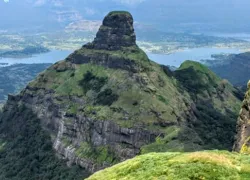
About The Ratangad Fort Ratangad Fort is a hill fortress located in the Bhandara district of Maharashtra, India. Situated at an elevation of 1,282 meters above sea level, the fort offers panoramic views of the surrounding lush greenery and picturesque landscapes. The fort is a popular trekking destination for adventure enthusiasts and history buffs alike. Timings Of Ratangad Fort The fort is open to visitors from sunrise to sunset on all days of the week. It is advisable to start the trek early in the morning to avoid the heat and enjoy the stunning views during the ascent. Entry Fee There is no entry fee to visit Ratangad Fort. However, visitors are required to obtain permission from the local authorities before embarking on the trek. Required Time And Restricted Items The trek to Ratangad Fort usually takes around 3-4 hours to reach the summit, depending on individual fitness levels. Visitors are not allowed to carry plastic bags, alcohol, and non-vegetarian food items to preserve the natural beauty of the fort. Architecture Of Ratangad Fort Ratangad Fort features a unique blend of architectural styles, including intricate carvings, bastions, and gateways that reflect its historical significance. The fort is known for its strategic location and well-preserved structures that stand as a testament to its glorious past. Best Time To Visit The best time to visit Ratangad Fort is during the winter months from October to February when the weather is pleasant and ideal for trekking. Avoid visiting the fort during the monsoon season as the trails can be slippery and dangerous. How To Reach Ratangad Fort is easily accessible by road from major cities like Nagpur and Bhandara. Visitors can hire a private vehicle or take a bus to reach the base village of Ratanwadi, from where the trek to the fort begins. The nearest railway station is Bhandara Junction, located about 40 kilometers away from the fort. History Of Ratangad Fort Historical records suggest that Ratangad Fort was built by the Maratha empire in the 16th century to serve as a strategic military outpost. The fort changed hands several times over the centuries and witnessed numerous battles before falling into disrepair. Today, it stands as a reminder of Maharashtra's rich cultural heritage. Inside Ratangad Fort Inside Ratangad Fort, visitors can explore the remnants of ancient temples, water cisterns, and residential quarters that provide insights into the daily life of the fort's inhabitants. The summit offers breathtaking views of the Sahyadri mountain range and the surrounding valleys. Traveling Tips It is advisable to carry sufficient water, snacks, and a first-aid kit during the trek to Ratangad Fort. Wear comfortable trekking shoes and light clothing to navigate the rocky terrain. Respect the local customs and traditions while interacting with the villagers in the surrounding areas. Hotels Near Ratangad Fort There are several budget and mid-range hotels near Ratangad Fort, such as Hotel Ruchira, Hotel Royal Palace, and Hotel Maharaja. These accommodations offer comfortable rooms and basic amenities for a pleasant stay during your visit to the fort. Nearby Tourist Spots Of Ratangad Fort After exploring Ratangad Fort, visitors can visit nearby tourist attractions like Bhandardara Lake, Wilson Dam, and Amruteshwar Temple to immerse themselves in the natural beauty and cultural heritage of the region. These spots offer opportunities for boating, photography, and sightseeing.
Explore More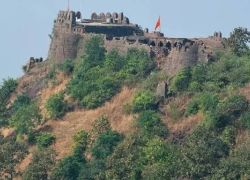
Ambaghat Fort, located in the city of Bhandara, is a hidden gem for nature lovers and history enthusiasts alike. The fort stands as a testament to the rich historical legacy of the region while offering a serene escape into the lush natural surroundings that define its beauty. History of Ambaghat Fort The history of Ambaghat Fort dates back to ancient times when it served as a strategic stronghold for rulers in the region. Originally established as a royal hunting ground, the fort has witnessed centuries of historical events and has been a focal point for conservation efforts to preserve its cultural significance. The fort's historical importance has garnered recognition, making it a potential candidate for UNESCO World Heritage status. Architecture and Natural Beauty of Ambaghat Fort Surrounded by wetlands, dense forests, and vast grasslands, Ambaghat Fort offers a picturesque setting that is home to diverse bird species and wildlife habitats. The landscape is further enhanced by the presence of the historic Keoladeo Temple, adding a spiritual dimension to the natural beauty of the fort. Why is Ambaghat Fort Famous? Ambaghat Fort is renowned for its thriving bird population, making it a paradise for birdwatchers and photographers seeking to capture the beauty of migratory species. Nature enthusiasts are drawn to the fort's tranquil ambience and the opportunity to witness a wide array of avian species in their natural habitat. How to Reach Ambaghat Fort Traveling to Ambaghat Fort is convenient, with options available by air, rail, and road. The nearest airports and railway stations provide easy access to the city of Bhandara, from where visitors can reach the fort via well-connected roads that offer scenic views along the way. Weather and Best Time to Visit Ambaghat Fort The weather at Ambaghat Fort varies across seasons, with summer bringing warm temperatures, monsoon adding a refreshing touch, and winter offering a cool climate. The best time to visit is during the cooler months when the fort's surroundings are at their most vibrant. Timings of Ambaghat Fort Ambaghat Fort welcomes visitors during specified timings, allowing them to explore the fort and its surroundings at their own pace. Seasonal variations may impact the fort's accessibility, so it is advisable to plan your visit accordingly. Entry Fee and Visit Details Visitors to Ambaghat Fort can avail entry procedures and guide services to enhance their experience. Safari options, bicycle rentals, and visitor facilities are available to ensure a comfortable and enjoyable visit for all guests. Things to Do at Ambaghat Fort Popular activities at Ambaghat Fort include birdwatching, photography sessions, cycling through scenic trails, leisurely walks amidst nature, and engaging in educational experiences that highlight the fort's ecological significance. Visitors can immerse themselves in the tranquility of the fort's surroundings while exploring its diverse offerings. Interesting Facts About Ambaghat Fort Ambaghat Fort is home to a multitude of migratory birds that flock to the region, showcasing the fort's role in biodiversity conservation. The fort's conservation efforts have yielded significant achievements, contributing to the ecological balance of the area and emphasizing the importance of preserving its natural heritage. Travel Tips for Visiting Ambaghat Fort When visiting Ambaghat Fort, it is advisable to dress comfortably and carry appropriate photography equipment to capture the beauty of the surroundings. Familiarizing oneself with the best visiting seasons and practicing responsible tourism ensures a fulfilling experience while respecting the fort's natural environment. Conclusion In conclusion, Ambaghat Fort in Bhandara stands as a captivating destination that seamlessly blends history, nature, and cultural significance. Its allure lies in the harmonious coexistence of architectural marvels and natural beauty, offering visitors a unique opportunity to immerse themselves in a tranquil retreat that celebrates the region's rich heritage.
Explore More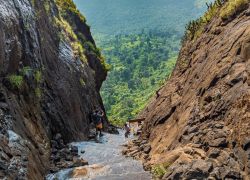
Welcome to the beautiful tourist attraction of Anjaneri Fort located near Trimbakeshwar. This mesmerizing destination offers a blend of historical significance, natural beauty, and diverse wildlife, making it a must-visit for nature enthusiasts and history lovers alike. History of Anjaneri Fort With a rich historical background dating back to ancient times, Anjaneri Fort stands as a testament to the region's past glory. Once a royal hunting ground, the fort has witnessed numerous historical events and is now a recognized UNESCO heritage site due to its cultural and architectural significance. Architecture and Natural Beauty of Anjaneri Fort The fort is surrounded by lush wetlands, dense forests, and sprawling grasslands that provide a habitat for a variety of bird species. The picturesque landscapes offer a serene escape from the hustle and bustle of city life, with the historic Keoladeo Temple adding to the charm of the surroundings. Why is Anjaneri Fort Famous? Anjaneri Fort has gained popularity among birdwatchers, photographers, and wildlife enthusiasts due to its diverse avian population and stunning natural vistas. The fort's serene environment and abundant biodiversity make it a haven for nature lovers seeking a peaceful retreat. How to Reach Anjaneri Fort Traveling to Anjaneri Fort is convenient, with options for air, rail, and road transport. The nearest airports and railway stations provide easy access to the fort, allowing visitors to enjoy a hassle-free journey to this captivating destination. Weather and Best Time to Visit Anjaneri Fort The fort experiences varying weather conditions throughout the year, with summer, monsoon, and winter seasons offering unique charms to visitors. The best time to visit Anjaneri Fort is during the cooler months when the weather is pleasant and ideal for outdoor exploration. Timings of Anjaneri Fort Anjaneri Fort welcomes visitors during specific timings, with seasonal variations that may affect accessibility. Planning ahead and checking for any updates can ensure a smooth and enjoyable visit to this historical and natural marvel. Entry Fee and Visit Details Visitors can explore Anjaneri Fort by following the entry procedures and availing guide services for a more enriching experience. Safari options, bicycle rentals, and visitor facilities are also available to enhance the visit and make it memorable. Things to Do at Anjaneri Fort Engage in various activities at Anjaneri Fort, including birdwatching, photography, cycling, walking trails, and nature observation. The fort offers a range of experiences that cater to different interests, ensuring a fulfilling visit for all nature enthusiasts. Interesting Facts About Anjaneri Fort Anjaneri Fort is home to a plethora of migratory birds and boasts remarkable biodiversity, showcasing conservation efforts that have preserved the ecological balance of the region. The fort's ecological importance and conservation achievements add to its allure as a significant tourist attraction. Travel Tips for Visiting Anjaneri Fort When visiting Anjaneri Fort, remember to dress appropriately for the weather, carry essential photography and birdwatching equipment, and be mindful of the best seasons to witness the beauty of the surroundings. Practicing responsible tourism ensures the preservation of the fort's natural heritage for future generations to enjoy. Conclusion In conclusion, Anjaneri Fort in Trimbakeshwar is a treasure trove of history, natural beauty, and wildlife, offering visitors a unique and memorable experience. From exploring the fort's architecture to immersing oneself in the serenity of the surroundings, a visit to Anjaneri Fort promises to be a journey filled with discovery and appreciation of nature's wonders.
Explore More
Welcome to Gorakhnath Gufa, nestled in the picturesque city of Trimbakeshwar. This hidden gem is a haven for nature lovers and adventure seekers, offering a unique blend of tranquility and biodiversity. History of Gorakhnath Gufa With a rich historical background, Gorakhnath Gufa traces its origins to the former royal hunting grounds, now transformed into a conservation area. This pristine location has garnered recognition from UNESCO for its efforts in preserving the natural heritage of the region. Architecture and Natural Beauty of Gorakhnath Gufa Gorakhnath Gufa is renowned for its wetlands, lush forests, expansive grasslands, and diverse bird habitats. The park also houses the historical Keoladeo Temple, adding a cultural touch to its natural landscapes. Why is Gorakhnath Gufa Famous? This destination has gained popularity among birdwatchers, photographers, nature enthusiasts, and wildlife lovers due to its abundance of avian species, breathtaking landscapes, and serene environment that beckons exploration. How to Reach Gorakhnath Gufa Traveling to Gorakhnath Gufa is convenient with options for air, rail, and road transport. Nearby airports and railway stations serve as gateways to this enchanting destination, welcoming visitors from far and wide. Weather and Best Time to Visit Gorakhnath Gufa Gorakhnath Gufa experiences varying weather conditions throughout the year, with distinct seasons of summer, monsoon, and winter. The best time to visit is during the moderate months when the natural beauty is at its peak. Timings of Gorakhnath Gufa Visitor timings at Gorakhnath Gufa are structured to offer a seamless experience, accommodating seasonal variations to ensure optimal exploration opportunities. Plan your visit accordingly to make the most of your time here. Entry Fee and Visit Details Upon entry, visitors can avail of guide services, safari options, bicycle rentals, and other visitor facilities to enhance their experience at Gorakhnath Gufa. The entry procedures are designed to facilitate a smooth and enjoyable visit for all guests. Things to Do at Gorakhnath Gufa Engage in popular activities such as birdwatching, photography, cycling, walking trails, nature observation, and educational experiences to immerse yourself in the natural wonders of Gorakhnath Gufa. Each activity promises a unique and fulfilling adventure. Interesting Facts About Gorakhnath Gufa Gorakhnath Gufa is home to a myriad of migratory birds, boasting impressive biodiversity and conservation achievements. The ecological significance of this location underscores the importance of preserving such natural treasures for future generations. Travel Tips for Visiting Gorakhnath Gufa For a memorable visit, consider practical tips on clothing, photography essentials, birdwatching equipment, ideal visiting seasons, and responsible tourism practices. By adhering to these guidelines, you can make the most of your experience while respecting the delicate ecosystem of Gorakhnath Gufa. Conclusion In conclusion, Gorakhnath Gufa in Trimbakeshwar stands as a testament to the harmonious coexistence of nature and heritage. Its allure lies in the untouched beauty that awaits exploration, offering visitors a gateway to serenity and natural wonders unlike any other.
Explore More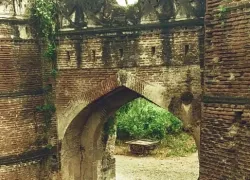
About The Parola Fort The Parola Fort is a historic fort located in Jalgaon, Maharashtra. It is an important historical site that attracts tourists and history enthusiasts from all over. The fort is known for its impressive architecture, rich history, and picturesque surroundings. Timings Of Parola Fort The Parola Fort is open to visitors from 9:00 AM to 6:00 PM every day of the week. It is advisable to visit the fort during daylight hours to fully explore and appreciate its beauty. Entry Fee The entry fee for Parola Fort is minimal, usually around INR 20 per person. There may be additional charges for cameras and other equipment. Children and senior citizens may be eligible for discounted rates. Required Time And Restricted Items It is recommended to allocate at least 2 to 3 hours to explore the Parola Fort thoroughly. Visitors are advised not to bring any prohibited items such as firearms, alcohol, or illegal substances inside the fort premises. Architecture Of Parola Fort The Parola Fort showcases a blend of Mughal and Maratha architectural styles. The fort is built using sturdy stones and features intricate carvings, grand gates, and bastions. The fort offers stunning panoramic views of the surrounding landscapes. Best Time To Visit The best time to visit Parola Fort is during the winter months between November and February when the weather is pleasant and ideal for sightseeing. Avoid visiting during the monsoon season as the fort can be slippery and difficult to explore. How To Reach Parola Fort is easily accessible by road. Visitors can hire a taxi or use public transportation to reach the fort from Jalgaon city. The nearest railway station is in Jalgaon, which is well-connected to major cities in Maharashtra. History Of Parola Fort The Parola Fort dates back to the 17th century and has a rich historical background. It was originally built by the Mughals and later captured by the Marathas. The fort has witnessed many battles and played a significant role in the region's history. Inside Parola Fort Inside the Parola Fort, visitors can explore the various structures such as the ramparts, courtyards, temples, and reservoirs. The fort also houses a museum that displays artifacts and exhibits related to its history. The well-preserved architecture offers a glimpse into the past. Traveling Tips It is advisable to wear comfortable footwear and carry sufficient water while visiting Parola Fort as there is a fair amount of walking involved. Make sure to respect the heritage site and follow the rules and regulations set by the authorities. Hotels Near Parola Fort There are several hotels near Parola Fort where visitors can stay and relax after exploring the fort. Some popular hotels in the vicinity include Hotel Ambar, Hotel Crown Palace, and Hotel Royal Palace. These hotels offer comfortable accommodations and modern amenities. Nearby Tourist Spots Of Parola Fort While visiting Parola Fort, tourists can also explore other nearby attractions in Jalgaon such as the Ajanta and Ellora Caves, Mehrun Lake, Gandhi Research Foundation, and Jain Hills. These sites offer a diverse range of experiences and are worth exploring during your trip to Jalgaon.
Explore MoreMaharashtra Hill Station Holiday Lonavala - Mahabaleshwar - Panchgani
5 Days/ 4 Night
Lonavala - Mahabaleshwar - Mumbai - Panchgani - Pune
7 Night - 8 Days The Heritage Of India Tour
8 Days/ 7 Night
Bikaner - Jaipur - Jodhpur - Udaipur - Agra - Aurangabad - Sawai Madhopur
Matheran – Lonavala – Imagicaa Tour
5 Days/ 4 Night
Khandala - Lonavala - Matheran - Mumbai
Matheran – Lonavala – Pawna – Mahabaleshwar Tour Package
5 Days/ 4 Night
Khandala - Lonavala - Mahabaleshwar - Matheran - Mumbai
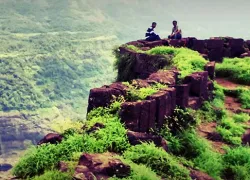
About The Rajmachi Fort Rajmachi Fort is a famous hill fort located near Lonavala in the state of Maharashtra, India. The fort is situated at an altitude of 2710 feet above sea level and offers breathtaking panoramic views of the surrounding valleys and hills. It is a popular destination for trekkers and nature lovers due to its scenic beauty and historical significance. Timings Of Rajmachi Fort The Rajmachi Fort is open to visitors from 9:00 AM to 5:00 PM on all days of the week. Entry Fee There is no entry fee to visit the Rajmachi Fort. Required Time And Restricted Items It takes around 2-3 hours to explore the Rajmachi Fort. Visitors are not allowed to carry plastic bags, alcohol, or any other non-biodegradable items to help maintain the cleanliness of the fort. Architecture Of Rajmachi Fort The Rajmachi Fort is made up of two twin fortresses, Shrivardhan and Manaranjan, which are interconnected by a wide plateau. The fort has stone walls, watchtowers, and ancient caves that add to its charm and historical appeal. Best Time To Visit The best time to visit the Rajmachi Fort is during the monsoon season (June to September) when the surroundings are lush green and the weather is pleasant. Winter (October to February) is also a good time to visit due to the cool and comfortable weather. How To Reach The Rajmachi Fort can be reached by trekking from Lonavala or by hiring a private vehicle. It is located around 15 kilometers from Lonavala and takes approximately 2-3 hours to reach by foot. The trek offers stunning views of the Western Ghats and is a memorable experience for adventure enthusiasts. History Of Rajmachi Fort The Rajmachi Fort has a rich history dating back to the 17th century when it was built by the Maratha warrior king, Shivaji Maharaj. The fort played a strategic role in the region and was used as a military outpost to guard the trade routes and protect the kingdom from invaders. Inside Rajmachi Fort Inside the Rajmachi Fort, visitors can explore the ruins of ancient structures, temples, water cisterns, and other architectural marvels. The fort offers stunning views of the surrounding hills and valleys, making it a perfect spot for photography and relaxation. Traveling Tips It is advisable to carry water, snacks, sunscreen, and a first aid kit while trekking to the Rajmachi Fort. Wear comfortable clothing and sturdy shoes to navigate the rocky terrain. It is recommended to start the trek early in the morning to avoid the heat and crowds. Hotels Near Rajmachi Fort There are several hotels and resorts near the Rajmachi Fort that offer comfortable accommodations and modern amenities. Some of the popular options include: 1. The Dukes Retreat 2. Fariyas Resort Lonavala 3. Rhythm Lonavala - An All-Suite Resort 4. The Lagoona Resort Nearby Tourist Spots Of Rajmachi Fort Several tourist attractions near the Rajmachi Fort are worth exploring, including: 1. Kondana Caves 2. Bhaja Caves 3. Lion's Point 4. Karla Caves
Explore More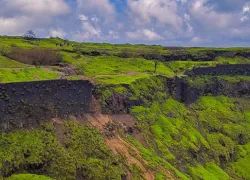
About The Visapur Fort Visapur Fort, located in Lonavala, Maharashtra, is a popular historical spot that offers stunning views of the surrounding landscape. It is situated at an altitude of 3,556 feet above sea level and is known for its strategic location and architectural marvels. The fort is a favorite destination for history buffs, adventure enthusiasts, and nature lovers alike. Timings of Visapur Fort The Visapur Fort is open to visitors from 9:00 AM to 5:00 PM on all days of the week. It is best to plan your visit during these hours to make the most of your time exploring the fort and enjoying the breathtaking views it offers. Entry Fee The entry fee for Visapur Fort is minimal, making it an affordable destination for all. Visitors can purchase tickets at the entrance and explore the fort at their leisure. Required Time and Restricted Items It typically takes around 2-3 hours to explore Visapur Fort thoroughly. Visitors are advised to carry essentials like water, sunscreen, and comfortable walking shoes. It is recommended to avoid carrying plastic items and littering the fort premises. Architecture of Visapur Fort The architecture of Visapur Fort is a blend of Maratha and Mughal styles, showcasing intricate stone carvings, sturdy walls, and strategically placed watchtowers. The fort's layout is designed to offer a panoramic view of the surrounding valleys and hills, making it a perfect spot for photography enthusiasts. Best Time to Visit The best time to visit Visapur Fort is during the winter months, from November to February, when the weather is pleasant and ideal for exploring the fort. However, visitors can also plan a trip during the monsoon season to witness the lush greenery and cascading waterfalls around the fort. How to Reach Visitors can reach Visapur Fort by road from Lonavala, which is well-connected to major cities like Mumbai and Pune. The fort is located around 15 km from Lonavala, and visitors can hire a taxi or drive to reach the base of the fort. From there, it takes a moderate trek to reach the fort entrance. History of Visapur Fort Visapur Fort has a rich history dating back to the 17th century when it was built by Balaji Vishwanath, the first Peshwa of the Maratha Empire. The fort played a significant role in various battles and was later captured by the British during the colonial era. Today, it stands as a symbol of Maharashtra's rich heritage and cultural legacy. Inside Visapur Fort Inside Visapur Fort, visitors can explore the ruins of old structures, caves, temples, and an ancient water cistern. The fort offers breathtaking views of the Pawna Lake, Tung Fort, and the surrounding hills. Visitors can also witness the remains of the fort's defensive walls and bastions, which reflect its strategic importance. Traveling Tips - Carry water, snacks, and a first aid kit for your visit to Visapur Fort. - Wear comfortable clothing and footwear for the trek to the fort. - Avoid littering and help in maintaining the cleanliness of the fort premises. - Respect the historical significance of the fort and follow the rules and regulations during your visit. Hotels Near Visapur Fort There are several accommodation options near Visapur Fort, including: 1. Fariyas Resort Lonavala 2. The Dukes Retreat 3. Hotel Aristro Nearby Tourist Spots of Visapur Fort Visitors can explore other tourist spots near Visapur Fort, such as: 1. Lohagad Fort 2. Bhushi Dam 3. Karla Caves 4. Tiger Point
Explore More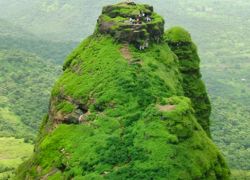
About The Prabalgad Fort The Prabalgad Fort, also known as Muranjan, is a hill fort located in the Western Ghats near Matheran in Maharashtra, India. It is situated at an elevation of 2,300 feet above sea level and offers breathtaking views of the surrounding lush green valleys and hills. Timings Of Prabalgad Fort The Prabalgad Fort is open for visitors from 6:00 AM to 6:00 PM every day. Entry Fee There is no entry fee to visit the Prabalgad Fort. Required Time And Restricted Items It takes approximately 2-3 hours to explore the Prabalgad Fort. Visitors are not allowed to carry alcohol, plastic bags, and any non-biodegradable items to help maintain the cleanliness of the fort. Architecture Of Prabalgad Fort The Prabalgad Fort displays a unique blend of Hindu and Islamic architecture. The fort consists of two connected peaks – Prabalgad and Kalavantin Durg. The fortifications and bastions are well-preserved, showcasing the military prowess of its builders. Best Time To Visit The best time to visit the Prabalgad Fort is from October to March when the weather is pleasant and ideal for trekking. Monsoon season is also a great time to visit as the surroundings are lush green and picturesque. How To Reach The Prabalgad Fort can be reached by a trek from the base village of Thakurwadi, which is around 16 km from Panvel. The trek is moderate in difficulty and takes about 1.5-2 hours to reach the fort. Visitors can also hire local guides for the trek. History Of Prabalgad Fort The Prabalgad Fort has a rich history dating back to the 14th century when it was built by the Bahmani Sultanate to keep a watch over the Panvel region. It later came under the control of the Marathas and then the British during the colonial era. Inside Prabalgad Fort Inside the Prabalgad Fort, visitors can explore the ruins of old temples, water cisterns, cannon posts, and the majestic panoramic views of the surrounding landscapes. The fort offers a perfect setting for photography enthusiasts and history buffs. Traveling Tips It is advisable to carry sufficient water, snacks, and wear comfortable trekking shoes while visiting the Prabalgad Fort. It is also recommended to start the trek early in the morning to avoid the heat and make the most of the experience. Hotels Near Prabalgad Fort There are several accommodation options near the Prabalgad Fort for visitors to stay overnight. Some of the popular hotels include Prabalmachi Hilltop Camping, Prabalmachi Tents and Dormitory, and Nature Trails Matheran Resort. Nearby Tourist Spots Of Prabalgad Fort Visitors can explore nearby tourist spots such as Matheran Hill Station, Louisa Point, Panorama Point, Charlotte Lake, and Shivaji's Ladder while visiting the Prabalgad Fort. These attractions offer serene natural beauty and historical significance.
Explore More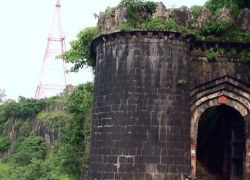
About The Ajinkyatara Fort The Ajinkyatara Fort is a historic hill fortress located in Satara, Maharashtra. It is situated at an elevation of about 3,300 feet above sea level and offers breathtaking views of the surrounding area. The fort has a rich history and is a popular tourist destination for history enthusiasts and nature lovers. Timings Of Ajinkyatara Fort The Ajinkyatara Fort is open to visitors every day from 6:00 AM to 6:00 PM. It is recommended to visit the fort during the morning or evening hours to avoid the scorching heat of the afternoon sun. Entry Fee There is no entry fee to visit the Ajinkyatara Fort. However, visitors may need to pay a nominal fee for parking their vehicles near the fort entrance. Required Time And Restricted Items It takes approximately 1-2 hours to explore the Ajinkyatara Fort and its surroundings. Visitors are advised not to carry any plastic items or alcohol to the fort premises as they are strictly prohibited. Architecture Of Ajinkyatara Fort The Ajinkyatara Fort features a mix of Maratha and Mughal architectural styles. It has massive stone walls, bastions, and gates that showcase the military prowess of the rulers who once occupied the fort. The fort also has several water reservoirs and temples within its premises. Best Time To Visit The best time to visit the Ajinkyatara Fort is during the monsoon season (June to September) when the surroundings are lush green and the weather is pleasant. However, visitors can also explore the fort during the winter months (November to February) when the temperatures are cooler. How To Reach The Ajinkyatara Fort is easily accessible by road from Satara city. Visitors can hire a taxi or take a private vehicle to reach the fort entrance. The nearest railway station is Satara Junction, located about 6 kilometers away from the fort. History Of Ajinkyatara Fort The Ajinkyatara Fort was built in the 16th century by the rulers of the Adilshahi dynasty. It served as a strategic stronghold for various kingdoms, including the Marathas and the British. The fort played a crucial role in several historical battles and has witnessed many significant events. Inside Ajinkyatara Fort Inside the Ajinkyatara Fort, visitors can explore the ruins of the royal palace, granaries, temples, and water tanks. The fort offers panoramic views of the Satara city, the surrounding hills, and the picturesque valley below. There are also hiking trails around the fort for adventure enthusiasts. Traveling Tips Visitors to the Ajinkyatara Fort are advised to wear comfortable footwear and carry sufficient water and snacks for their trip. It is recommended to hire a local guide to learn more about the history and significance of the fort. Additionally, travelers should be mindful of their surroundings and avoid littering. Hotels Near Ajinkyatara Fort There are several hotels and guesthouses near the Ajinkyatara Fort where visitors can stay overnight. Some of the popular accommodation options include Hotel Pooja Residency, Hotel Maratha Palace, and Hotel Sagar Deluxe. Nearby Tourist Spots Of Ajinkyatara Fort Some of the nearby tourist spots that visitors can explore after visiting the Ajinkyatara Fort include the Kaas Plateau, Thoseghar Waterfall, Sajjangad Fort, and the Chalkewadi Windmill Farms. These attractions offer a unique blend of natural beauty and historical significance.
Explore More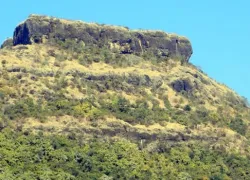
About The Pandavgad Fort The Pandavgad Fort, also known as Navaranggad, is a historical fort located in the Satara district of Maharashtra, India. Situated at an altitude of 4,329 feet above sea level, the fort offers breathtaking panoramic views of the surrounding lush green valleys and mountains. Timings Of Pandavgad Fort The Pandavgad Fort is open to visitors from sunrise to sunset on all days of the week. Entry Fee There is no entry fee to visit the Pandavgad Fort. Required Time And Restricted Items It takes around 1-2 hours to explore the Pandavgad Fort. Visitors are not allowed to carry alcohol, plastic bags, or any items that may cause harm to the environment. Architecture Of Pandavgad Fort The architecture of the Pandavgad Fort reflects the ancient engineering skills of the Maratha empire. The fort is known for its massive stone walls, sturdy gateways, and intricate carvings. Best Time To Visit The best time to visit the Pandavgad Fort is during the winter months of October to February when the weather is pleasant and ideal for trekking. How To Reach The Pandavgad Fort can be reached by road from Satara city, which is approximately 25 kilometers away. Visitors can hire a private vehicle or take a public bus to reach the base village of the fort. History Of Pandavgad Fort The Pandavgad Fort has a rich history dating back to the era of the Maratha empire. It is believed to have been built by the Maratha ruler Chhatrapati Shivaji Maharaj for strategic military purposes. Inside Pandavgad Fort Inside the Pandavgad Fort, visitors can explore the ruins of ancient structures, water cisterns, and temples. The fort offers a serene environment ideal for picnics and nature walks. Traveling Tips It is advisable to wear comfortable trekking shoes and carry an adequate supply of water and snacks while visiting the Pandavgad Fort. Visitors should also be cautious while trekking on the steep terrain of the fort. Hotels Near Pandavgad Fort There are several hotels and lodges near the Pandavgad Fort where visitors can stay overnight. Some of the popular options include Hotel Sai Palace, Hotel Preeti Executive, and Hotel Surya. Nearby Tourist Spots Of Pandavgad Fort Some of the nearby tourist spots of the Pandavgad Fort include Kaas Plateau, Thoseghar Waterfalls, and Sajjangad Fort. These attractions offer a perfect blend of natural beauty and historical significance for visitors to explore.
Explore More
Located in the city of Solapur, Bhuikot Fort stands as a testament to the rich history and natural beauty of the region. This magnificent tourist attraction offers a unique blend of historical significance, architectural marvels, and diverse biodiversity, making it a must-visit destination for travelers seeking a memorable experience. History of Bhuikot Fort Steeped in history, Bhuikot Fort dates back to ancient times and served as a strategic stronghold for various rulers over the centuries. Originally built as a royal hunting ground, the fort has witnessed numerous battles and conquests. Its architectural grandeur and historical importance have garnered UNESCO recognition, highlighting its cultural value and preservation efforts. Architecture and Natural Beauty of Bhuikot Fort Surrounded by lush wetlands, dense forests, and sprawling grasslands, Bhuikot Fort offers a picturesque setting for visitors to explore. The fort's stunning landscapes provide a habitat for a diverse range of bird species, making it a paradise for birdwatchers and nature enthusiasts. Nestled within the fort premises is the historic Keoladeo Temple, adding a spiritual dimension to the natural beauty of the surroundings. Why is Bhuikot Fort Famous? Bhuikot Fort has gained fame for its enchanting beauty and abundant wildlife, attracting birdwatchers, photographers, and wildlife lovers from far and wide. The fort's serene ambiance and rich biodiversity offer a tranquil retreat for those seeking to reconnect with nature and explore the region's ecological treasures. How to Reach Bhuikot Fort Traveling to Bhuikot Fort is convenient, with various transportation options available. Visitors can reach the fort by air, rail, or road, with nearby airports and railway stations providing easy access. The well-connected road network ensures a smooth journey for travelers exploring this captivating destination. Weather and Best Time to Visit Bhuikot Fort Bhuikot Fort experiences diverse weather conditions throughout the year, with pleasant summers, rejuvenating monsoons, and cool winters. The best time to visit the fort is during the winter months when the weather is mild, offering ideal conditions for sightseeing and outdoor activities. Timings of Bhuikot Fort Bhuikot Fort welcomes visitors during specified timings, allowing them to explore the fort's treasures at their own pace. Seasonal variations may affect visitor access, so it is advisable to plan your trip accordingly and make the most of your visit to this historical marvel. Entry Fee and Visit Details Upon arrival, visitors can avail of entry procedures and guide services to enhance their experience at Bhuikot Fort. Safari options, bicycle rentals, and visitor facilities are available to ensure a comfortable and enjoyable visit for travelers of all ages. Things to Do at Bhuikot Fort From birdwatching to photography, cycling, and nature observation, Bhuikot Fort offers a myriad of activities for visitors to engage in. Walking trails lead you through the fort's scenic beauty, providing opportunities for educational experiences and memorable encounters with the local wildlife. Interesting Facts About Bhuikot Fort Bhuikot Fort is home to a diverse array of migratory birds and boasts significant conservation achievements aimed at preserving the region's ecological balance. The fort's historical legacy and natural wonders continue to inspire visitors and researchers alike, underscoring its importance in cultural and environmental conservation. Travel Tips for Visiting Bhuikot Fort When planning your visit to Bhuikot Fort, remember to pack suitable clothing, photography equipment, and birdwatching essentials to make the most of your trip. Consider visiting during the recommended seasons and practice responsible tourism to protect the fort's natural habitat and wildlife. Conclusion In conclusion, Bhuikot Fort in Solapur is a captivating destination that offers a harmonious blend of history, architecture, and natural beauty. With its historical significance, diverse biodiversity, and engaging tourist activities, Bhuikot Fort promises a memorable experience for travelers seeking to immerse themselves in the charm of this enchanting city.
Explore More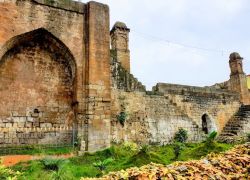
Chandrapur Fort, located in the city of Chandrapur, is a majestic tourist attraction that offers a blend of historical significance, natural beauty, and rich biodiversity. This ancient fort stands as a symbol of the region's past glory and serves as a popular destination for tourists seeking a glimpse into the historical and ecological heritage of Chandrapur. History of Chandrapur Fort The history of Chandrapur Fort dates back to ancient times when it served as a strategic stronghold for various rulers. Originally built as a defensive structure, the fort has witnessed several historical events and architectural transformations over the centuries. Once a royal hunting ground, Chandrapur Fort has now become a conservation area, with efforts made to preserve its historical importance. The fort's unique blend of history and natural beauty has garnered recognition from UNESCO. Architecture and Natural Beauty of Chandrapur Fort Surrounded by lush wetlands, dense forests, and sprawling grasslands, Chandrapur Fort boasts a diverse ecosystem that supports a wide range of bird species and wildlife. The fort's scenic landscapes offer a picturesque backdrop for visitors to explore its ancient ruins and structures. Within the fort premises lies the historic Keoladeo Temple, adding to the architectural charm and cultural significance of the site. Why is Chandrapur Fort Famous? Chandrapur Fort has gained popularity among birdwatchers, photographers, nature enthusiasts, and wildlife lovers due to its rich avian diversity and picturesque surroundings. The fort serves as a haven for migratory birds and offers a unique opportunity to witness these winged creatures in their natural habitat. Its serene ambiance and historical allure make it a must-visit destination for those seeking a tranquil retreat. How to Reach Chandrapur Fort Traveling to Chandrapur Fort is convenient, with options available by air, rail, and road. The nearest airport is located in the city, offering domestic flights to major cities. Chandrapur also has a well-connected railway station that provides easy access to the fort. For those opting for road travel, the fort is accessible via well-maintained highways and local transport services. Weather and Best Time to Visit Chandrapur Fort Chandrapur experiences varied weather conditions throughout the year, with distinct summer, monsoon, and winter seasons. The best time to visit Chandrapur Fort is during the cooler months, typically from October to March, when the weather is pleasant and ideal for outdoor exploration. Avoiding the extreme heat of summer and the heavy rainfall of the monsoon ensures a more comfortable visit. Timings of Chandrapur Fort Chandrapur Fort welcomes visitors during specific timings, allowing ample time to explore its attractions. Seasonal variations may affect the operational hours, so it is advisable to check the current timings before planning your visit. Proper planning ensures that you make the most of your time at the fort and enjoy a rewarding experience. Entry Fee and Visit Details Visitors to Chandrapur Fort can gain entry by following the designated procedures and availing guide services if required. The fort offers safari options for those interested in exploring its surroundings and may provide bicycle rentals for convenient transportation within the premises. Visitor facilities such as rest areas and refreshment stalls ensure a comfortable and enjoyable visit. Things to Do at Chandrapur Fort Engage in a variety of activities at Chandrapur Fort, including birdwatching, photography, cycling, walking trails, nature observation, and educational experiences. The fort's natural beauty and historical significance provide a perfect setting for these activities, allowing visitors to immerse themselves in the charm of the surroundings and create lasting memories. Interesting Facts About Chandrapur Fort Chandrapur Fort is home to a diverse range of migratory birds, showcasing the region's rich biodiversity and conservation efforts. The fort's historical and ecological importance highlights the significance of preserving such heritage sites for future generations. Its tranquil ambiance and scenic vistas make it a sanctuary for nature lovers and a hub for ecological enthusiasts. Travel Tips for Visiting Chandrapur Fort When visiting Chandrapur Fort, remember to dress comfortably and carry necessary items such as sunscreen, hats, and water bottles. Photography enthusiasts should bring their equipment to capture the beauty of the fort and its surroundings. It is advisable to visit during the recommended seasons to make the most of your experience and practice responsible tourism by respecting the site's natural environment. Conclusion In conclusion, Chandrapur Fort stands as a timeless testament to the historical and natural heritage of Chandrapur. Its architectural splendor, rich biodiversity, and serene surroundings offer visitors a unique opportunity to connect with the region's past and immerse themselves in its natural beauty. A visit to Chandrapur Fort promises an unforgettable journey through time and nature, making it a must-visit destination in Chandrapur.
Explore More
About The Kolaba Fort The Kolaba Fort, also known as Alibag Fort, is a historic sea fort located in Alibag, Maharashtra. It was built by Shivaji Maharaj in 1680 and served as a strategic fortification against naval attacks. The fort is surrounded by the Arabian Sea on all sides, making it a popular tourist attraction in the region. Timings of Kolaba Fort The Kolaba Fort is open to visitors from 10:00 AM to 5:00 PM every day of the week. Entry Fee The entry fee for visiting the Kolaba Fort is INR 20 for Indian tourists and INR 200 for foreign tourists. Required Time And Restricted Items It typically takes about 1-2 hours to explore the Kolaba Fort thoroughly. Visitors are not allowed to carry weapons, alcohol, or any illegal substances inside the fort premises. Architecture of Kolaba Fort The Kolaba Fort showcases a blend of Maratha and Mughal architectural styles. The fort features a main entrance gate, several bastions, a freshwater well, and a temple dedicated to Lord Ganesha. The fortification walls offer stunning views of the Arabian Sea and the surrounding landscape. Best Time to Visit The best time to visit the Kolaba Fort is during the winter months from November to February when the weather is pleasant and ideal for exploring the fort. How to Reach The Kolaba Fort is easily accessible from Mumbai and Pune via roadways and waterways. Visitors can take a ferry from the Gateway of India in Mumbai to reach Alibag and then hire a local transport to reach the fort. History of Kolaba Fort The Kolaba Fort was originally built by Shivaji Maharaj to protect the region from enemy attacks. Over the years, the fort has changed hands between the Marathas, the Portuguese, and the British before finally being taken over by the Indian government after independence. Inside Kolaba Fort Inside the Kolaba Fort, visitors can explore the various structures including the main gate, cannons, bastions, a temple, and a freshwater well. The fort offers panoramic views of the Arabian Sea and the Alibag town. Traveling Tips It is advisable to wear comfortable footwear and carry drinking water while visiting the Kolaba Fort. Visitors must also carry sunscreen and hats to protect themselves from the sun as there is limited shade inside the fort. Hotels Near Kolaba Fort There are several accommodation options available near the Kolaba Fort, including hotels, resorts, and guesthouses. Some of the popular hotels near the fort include Radisson Blu Resort & Spa Alibaug, U Tropicana Alibaug, and Big Splash Resort. Nearby Tourist Spots of Kolaba Fort Some of the nearby tourist attractions near the Kolaba Fort include Alibag Beach, Kashid Beach, Murud-Janjira Fort, and Kanakeshwar Forest. Visitors can also explore the local markets in Alibag for shopping and dining experiences.
Explore More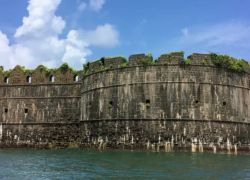
Welcome to the mesmerizing Murud Janjira Fort located in Alibag, a historical gem that attracts tourists and history enthusiasts alike. The fort stands as a testament to the rich past of the region, offering a blend of architectural marvels, natural beauty, and a deep-rooted historical significance. History of Murud Janjira Fort The history of Murud Janjira Fort dates back centuries, with origins tracing back to the 15th century. Initially built as a wooden structure, the fort evolved into a formidable maritime fortification that played a crucial role in protecting the coastal regions from invasions. Once a royal hunting ground, the fort is now a symbol of Maharashtra's rich heritage and has garnered UNESCO recognition for its historical importance and architectural brilliance. Architecture and Natural Beauty of Murud Janjira Fort The fort is surrounded by the natural beauty of lush wetlands, dense forests, and picturesque landscapes that create a serene backdrop for its majestic structure. The Keoladeo Temple within the fort premises adds a spiritual essence to the historical site, attracting visitors with its ancient architecture and tranquil ambiance. Why is Murud Janjira Fort Famous? Murud Janjira Fort is renowned for its unique blend of historical significance and natural beauty, making it a popular destination for birdwatchers, photographers, and nature enthusiasts. The fort's strategic location and impressive architecture continue to captivate visitors, offering a glimpse into the region's glorious past. How to Reach Murud Janjira Fort Travelling to Murud Janjira Fort is convenient, with various transportation options available. Visitors can reach the fort by air via nearby airports, by rail through accessible railway stations, or by road using well-connected routes that offer scenic views of the surrounding landscapes. Weather and Best Time to Visit Murud Janjira Fort The fort experiences varying weather conditions throughout the year, with summers being warm, monsoons bringing lush greenery, and winters offering a pleasant climate. The best time to visit Murud Janjira Fort is during the cooler months when the weather is ideal for exploring the fort and its surroundings. Timings of Murud Janjira Fort Visitors can explore Murud Janjira Fort during specific timings, with seasonal variations if applicable. It is advisable to plan your visit accordingly and check for any updates regarding the fort's operational hours to make the most of your experience. Entry Fee and Visit Details Entry to Murud Janjira Fort is subject to specific procedures and fees, with guide services, safari options, bicycle rentals, and visitor facilities available to enhance your visit. Exploring the fort with the assistance of guides can provide valuable insights into its history and architectural significance. Things to Do at Murud Janjira Fort There are plenty of activities to indulge in at Murud Janjira Fort, including birdwatching, photography, cycling, walking trails, nature observation, and educational experiences that offer a holistic view of the fort's heritage and natural surroundings. Visitors can immerse themselves in the beauty of the fort and its environs through these engaging activities. Interesting Facts About Murud Janjira Fort Murud Janjira Fort is home to a diverse range of migratory birds and boasts significant biodiversity, contributing to its ecological importance and conservation efforts. The fort's historical significance and conservation achievements add to its charm, making it a must-visit destination for those passionate about history and nature. Travel Tips for Visiting Murud Janjira Fort When planning a visit to Murud Janjira Fort, consider packing appropriate clothing, essential photography gear, and birdwatching equipment to make the most of your experience. Understanding the best visiting seasons and practicing responsible tourism can ensure a memorable and fulfilling trip to this historical hotspot. Conclusion In conclusion, Murud Janjira Fort in Alibag stands as a captivating destination that offers a perfect blend of history, architecture, and natural beauty. Its significance, architectural marvels, and engaging activities make it a must-visit spot for tourists seeking a unique and enriching travel experience in the heart of Maharashtra.
Explore More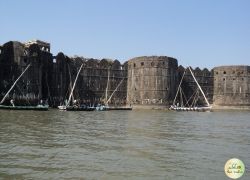
Welcome to Murud-Janjira Fort, a magnificent historical site located in Raigad. This iconic fort holds rich historical significance and offers visitors a glimpse into the past while surrounded by breathtaking natural beauty. History of Murud-Janjira Fort The history of Murud-Janjira Fort dates back to ancient times, serving as a strategic stronghold along the coast. Originally built as a defense fortification, it was later transformed into a royal residence. This fort stands as a testament to the region's rich heritage and has been recognized by UNESCO for its historical importance. Architecture and Natural Beauty of Murud-Janjira Fort Surrounded by lush wetlands, dense forests, and diverse bird habitats, Murud-Janjira Fort boasts a unique blend of natural beauty and architectural marvel. The fort's intricate design and the nearby Keoladeo Temple add to its charm, making it a must-visit destination for history buffs and nature enthusiasts alike. Why is Murud-Janjira Fort Famous? Murud-Janjira Fort is renowned for its picturesque landscapes, making it a popular spot for birdwatchers, photographers, and wildlife lovers. The fort's historical significance combined with its natural allure attracts visitors from far and wide. How to Reach Murud-Janjira Fort Traveling to Murud-Janjira Fort is convenient, with options available by air, rail, and road. The nearest airports and railway stations provide easy access to this historic site, ensuring a hassle-free journey for visitors. Weather and Best Time to Visit Murud-Janjira Fort The weather at Murud-Janjira Fort varies across seasons, offering different experiences throughout the year. While each season has its charm, the best time to visit is during certain months when the weather is most favorable for exploration. Timings of Murud-Janjira Fort Visitor timings at Murud-Janjira Fort may vary seasonally, so it's essential to plan your trip accordingly. Understanding the operational hours and any seasonal changes will help you make the most of your visit to this historic site. Entry Fee and Visit Details When visiting Murud-Janjira Fort, visitors can explore the grounds and avail of guide services to enhance their experience. Additionally, safari options, bicycle rentals, and visitor facilities are available to ensure a comfortable and enjoyable visit. Things to Do at Murud-Janjira Fort Engage in various activities at Murud-Janjira Fort, including birdwatching, photography, cycling, and nature observation. The fort's serene surroundings offer ample opportunities for educational experiences and leisurely walks along scenic trails. Interesting Facts About Murud-Janjira Fort Did you know that Murud-Janjira Fort is home to a diverse range of migratory birds and plays a crucial role in biodiversity conservation efforts? Explore these fascinating facts and more during your visit to this historical marvel. Travel Tips for Visiting Murud-Janjira Fort For a memorable visit to Murud-Janjira Fort, remember to pack suitable clothing, photography equipment, and birdwatching essentials. Understanding the best visiting seasons and practicing responsible tourism will ensure a rewarding and sustainable travel experience. Conclusion In conclusion, Murud-Janjira Fort in Raigad stands as a remarkable tourist attraction, blending history, natural beauty, and cultural significance. Whether you're a history enthusiast, nature lover, or adventure seeker, a visit to this iconic fort promises a memorable experience that captures the essence of the region.
Explore More
Welcome to Kolaba Fort, a historical marvel nestled in the city of Raigad. This fort holds significant importance not only for its rich history but also for its natural beauty and biodiversity, making it a popular destination for tourists seeking a blend of culture and nature. History of Kolaba Fort Originally built as a naval fort by Shivaji Maharaj, Kolaba Fort stands as a testament to the Maratha Empire's strategic prowess. Once a thriving center for trade and maritime activities, the fort has transformed over the centuries, serving as a key defense structure during various historical battles. Today, it stands as a reminder of the region's glorious past and has been recognized for its historical significance by UNESCO. Architecture and Natural Beauty of Kolaba Fort Surrounded by serene wetlands, lush forests, and picturesque grasslands, Kolaba Fort offers a unique blend of architectural grandeur and natural splendor. The fort's strategic location provides bird habitats that attract a diverse range of avian species, creating a paradise for birdwatchers and nature enthusiasts. Within the fort's premises lies the ancient Keoladeo Temple, adding a touch of spirituality to its historical charm. Why is Kolaba Fort Famous? Kolaba Fort has gained fame for being a haven for birdwatchers, photographers, and wildlife lovers. Its tranquil surroundings and diverse ecosystem make it a hotspot for capturing stunning landscapes and observing migratory birds in their natural habitat. Nature enthusiasts flock to Kolaba Fort to witness the harmonious coexistence of history and biodiversity. How to Reach Kolaba Fort Traveling to Kolaba Fort is convenient, with options available by air, rail, and road. The nearest airports are located in Mumbai and Pune, while the region is well-connected by rail, with nearby railway stations offering easy access. Road trips to Raigad are also popular among travelers, providing a scenic journey to this historical gem. Weather and Best Time to Visit Kolaba Fort The weather at Kolaba Fort varies throughout the year, with pleasant summers, rejuvenating monsoons, and cool winters. The best time to visit is during the winter months when the weather is mild and ideal for exploring the fort and its surroundings. The monsoon season adds a touch of greenery, enhancing the natural beauty of the region. Timings of Kolaba Fort Kolaba Fort welcomes visitors during specific timings, allowing them to explore the fort and its attractions at their leisure. Seasonal variations may affect timings, so it is advisable to plan your visit accordingly to make the most of your experience at this historical site. Entry Fee and Visit Details Visitors can enter Kolaba Fort by following the designated entry procedures and avail guide services for a more immersive experience. Safari options, bicycle rentals, and visitor facilities are available to enhance your visit and ensure a memorable exploration of the fort and its surroundings. Things to Do at Kolaba Fort Engage in popular activities such as birdwatching, photography, cycling, walking trails, and nature observation at Kolaba Fort. Immerse yourself in the serene ambiance, capture breathtaking moments, and explore the rich biodiversity that thrives within the fort's vicinity. Educational experiences await those keen on learning about the region's history and ecosystem. Interesting Facts About Kolaba Fort Kolaba Fort is home to a plethora of migratory birds that flock to its wetlands, showcasing the region's ecological diversity. Conservation efforts have been instrumental in preserving the fort's natural beauty and historical significance, making it a prime example of sustainable tourism practices. The fort's ecological importance extends beyond its walls, contributing to the conservation of local flora and fauna. Travel Tips for Visiting Kolaba Fort When visiting Kolaba Fort, remember to wear comfortable clothing suitable for exploring historical sites and natural surroundings. Carry your photography equipment for capturing memorable moments, especially during the early morning and evening hours. Be mindful of the visiting seasons and practice responsible tourism by respecting the fort's heritage and environment. Conclusion In conclusion, Kolaba Fort in Raigad offers a captivating blend of history, architecture, and natural beauty, making it a must-visit destination for travelers seeking an enriching experience. Explore the fort's storied past, immerse yourself in its serene surroundings, and witness the vibrant biodiversity that thrives within its walls. Kolaba Fort stands as a testament to the region's cultural heritage and ecological significance, welcoming visitors to discover its timeless charm.
Explore More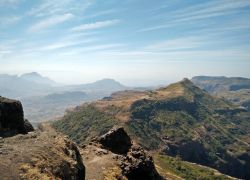
Located in Igatpuri, Kalsubai Peak is a mesmerizing tourist attraction that draws nature enthusiasts and adventure seekers alike. Standing tall as the highest peak in the Sahyadri Range, Kalsubai Peak offers breathtaking views and a unique experience amidst the natural beauty of its surroundings. History of Kalsubai Peak The history of Kalsubai Peak dates back to ancient times, with tales of its significance intertwined with local folklore and mythology. Once known as a royal hunting ground, the area has transformed into a conservation site dedicated to preserving its rich biodiversity. The efforts to protect this natural gem have garnered recognition, highlighting its importance on both a national and international level. Architecture and Natural Beauty of Kalsubai Peak Surrounded by lush forests, verdant wetlands, and diverse bird habitats, Kalsubai Peak captivates visitors with its stunning landscapes and serene environment. Nestled within the park is the historic Keoladeo Temple, adding a touch of spirituality to the natural beauty that abounds in this picturesque destination. Why is Kalsubai Peak Famous? Kalsubai Peak has earned its reputation as a haven for birdwatchers, photographers, and wildlife enthusiasts due to its rich avian population and diverse ecosystem. The opportunity to witness nature in its purest form lures visitors who seek to connect with the environment and experience the wonders of the natural world. How to Reach Kalsubai Peak Traveling to Kalsubai Peak is convenient, with various options available for reaching this popular destination. Whether by air, rail, or road, visitors can easily access Igatpuri and then make their way to the peak. Nearby airports and railway stations serve as gateways to this natural paradise, ensuring a smooth journey for travelers. Weather and Best Time to Visit Kalsubai Peak The weather at Kalsubai Peak varies across seasons, offering distinct experiences for visitors throughout the year. While summers provide warm days ideal for exploration, the monsoon season brings lush greenery and refreshing showers. Winter transforms the landscape into a serene winter wonderland, making it a year-round destination with different charms in every season. Timings of Kalsubai Peak Visitor timings at Kalsubai Peak cater to different preferences, allowing guests to plan their trips according to their schedules. The peak may exhibit seasonal variations in accessibility and activities, making it essential for visitors to check for updated information and plan their visits accordingly for a memorable experience. Entry Fee and Visit Details Entry procedures at Kalsubai Peak are hassle-free, with guide services and safari options available for those seeking a more immersive experience. Bicycle rentals offer a unique way to explore the area, while visitor facilities ensure comfort and convenience for guests during their visit to this natural sanctuary. Things to Do at Kalsubai Peak Engaging in popular activities such as birdwatching, photography, cycling, and nature observation allows visitors to immerse themselves in the beauty of Kalsubai Peak. Walking trails offer a chance to explore the surroundings at a leisurely pace, while educational experiences provide insights into the rich biodiversity and conservation efforts in the area. Interesting Facts About Kalsubai Peak Home to a myriad of migratory birds and a diverse range of flora and fauna, Kalsubai Peak stands as a testament to the importance of conservation and ecological preservation. The park's achievements in biodiversity conservation serve as a beacon of hope for the future, highlighting the significance of protecting our natural heritage. Travel Tips for Visiting Kalsubai Peak When planning a visit to Kalsubai Peak, it is advisable to pack appropriate clothing for the prevailing weather conditions and to carry essential photography and birdwatching equipment for an enhanced experience. Understanding the best seasons to visit and practicing responsible tourism ensures a harmonious interaction with the environment and contributes to the sustainability of this pristine ecosystem. Conclusion In conclusion, Kalsubai Peak in Igatpuri offers a remarkable blend of natural beauty, biodiversity, and recreational opportunities for visitors to explore and appreciate. With its rich history, stunning landscapes, and diverse wildlife, Kalsubai Peak stands as a must-visit destination for those seeking a meaningful connection with nature and a memorable travel experience in the heart of Maharashtra.
Explore More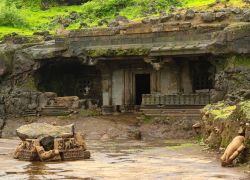
Welcome to Tringalwadi Fort, located in the serene city of Igatpuri. This historical landmark offers a unique blend of rich heritage, natural beauty, and diverse wildlife, making it a must-visit destination for travelers seeking an offbeat experience. History of Tringalwadi Fort Tringalwadi Fort has a fascinating historical background, dating back to its origins as a former royal hunting ground. Over the years, the fort has witnessed significant conservation efforts to preserve its cultural and natural heritage. The site's historical importance has earned it recognition for its contribution to the region's heritage. Architecture and Natural Beauty of Tringalwadi Fort The fort is surrounded by lush wetlands, dense forests, and sprawling grasslands that provide a haven for a variety of bird species. The picturesque landscapes and the historic Keoladeo Temple nestled within the fort complex add to its architectural and natural charm, attracting visitors from far and wide. Why is Tringalwadi Fort Famous? Tringalwadi Fort is renowned for its enchanting bird habitats, making it a paradise for birdwatchers, photographers, and nature enthusiasts. The fort's tranquil ambiance and diverse wildlife make it a popular destination for wildlife lovers seeking a peaceful retreat in the lap of nature. How to Reach Tringalwadi Fort Traveling to Tringalwadi Fort is convenient with options available by air, rail, and road. The nearest airports and railway stations provide easy access to the city of Igatpuri, from where visitors can reach the fort via well-connected roads. Weather and Best Time to Visit Tringalwadi Fort The fort experiences varying weather conditions throughout the year, with summers being warm, monsoons offering lush greenery, and winters providing a cool climate. The best time to visit Tringalwadi Fort is during the moderate months when the weather is pleasant for exploration. Timings of Tringalwadi Fort Tringalwadi Fort welcomes visitors during specific timings, with seasonal variations influencing the accessibility of certain areas within the fort. It is advisable to plan your visit accordingly and check for any updates before embarking on your journey. Entry Fee and Visit Details Visitors can explore Tringalwadi Fort by following the designated entry procedures and availing guide services for a more enriching experience. The fort also offers safari options, bicycle rentals, and essential visitor facilities to ensure a comfortable and memorable visit. Things to Do at Tringalwadi Fort Engage in a variety of activities at Tringalwadi Fort, including birdwatching, photography, cycling through scenic trails, walking amidst nature, and indulging in educational experiences that offer insights into the region's biodiversity. The fort provides ample opportunities for nature lovers to immerse themselves in its tranquil surroundings. Interesting Facts About Tringalwadi Fort Tringalwadi Fort is home to a plethora of migratory birds, showcasing the region's rich biodiversity and highlighting the conservation efforts that have contributed to its ecological importance. The fort's unique ecosystem and conservation achievements make it a significant landmark in the city of Igatpuri. Travel Tips for Visiting Tringalwadi Fort When visiting Tringalwadi Fort, remember to dress comfortably, carry essential photography equipment for capturing the scenic beauty, and adhere to responsible tourism practices to preserve the natural habitat. Familiarize yourself with the visiting seasons and plan your trip accordingly to make the most of your experience at this historic site. Conclusion In conclusion, Tringalwadi Fort in Igatpuri stands as a testament to the region's rich history, architectural splendor, and natural diversity. Visitors are treated to a unique blend of heritage and wildlife, making it a destination that appeals to those seeking a tranquil escape amidst nature's wonders. Explore the fort's historical significance, immerse yourself in its natural beauty, and create lasting memories in this hidden gem of Igatpuri.
Explore More