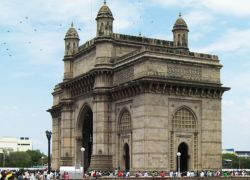
Gateway of India was built with yellow stone in Indo- Sarcenic style to commemorate the visit of King George V and Queen Mary to Bombay and since has become the Icon of Twentieth century Indian history. It is also remembered as the point from where the last British troops left the shores of independent India. To commemorate King George and Queen Mary's visit to India in 1911, the Gateway of India was built at Apollo Bunder, a popular meeting place. The Gateway was built by the British and designed by the architect George Wittet. The first stone was laid by the then Governor of Bombay on March 31st, 1913. This triumphal arch was built at an astonishing cost of 21 lakhs, and was open to the public in 1924. A conventional Arch of Triumph inspires its 26 metre high archway. It is complete with four turrets and intricate latticework carved into the yellow basalt stone. Ironically, when the British Raj ended in 1947, this colonial symbol also became a sort of epitaph: the last of the British ships that set sail for England left from the Gateway. Influences of the 16th century Gujarati style are also evident in its architecture. Situated next to the Taj Mahal Intercontinental Hotel, it is the most enduring landmark of Mumbai.
Explore More
Located in the gardens of Mumbai University, Rajabai Clock Tower consists of 5 elaborately decorated storeys. The tower is 280 ft. in height commanding a fine view of the city. Next to the High Court, the Venetian -Gothic University has a Gothic clock tower that is curiously adorned with oriental figures. In the old days it used to play Rule Britannia, God Save the King and a Handel Symphony among sixteen tunes that changed four times a day; now the repertoire is limited to the wafting chimes of the Big Ben on the quarter hour. The Clock Tower is named after the mother of a 19th century stockbroker, who contributed towards its construction. It has a spiral staircase, which is unfortunately closed to the visitors after several unhappy citizens hurled themselves from the top. Under the clock tower is the magnificent University Library, with what are undoubtedly some of the most exquisite stained glass windows in Asia. These have recently been treated by British conservationists and restored to their pristine glory. Well worth a look. Architects who spent most of their working years in the city designed most buildings in Mumbai. The buildings of the University in the fort campus are the exception-- the English architect Sir Gilbert Scott designed them. The �Cotton King� and banker, Premchand Roychand, funded the library and the Rajabai clock tower, in memory of his mother Rajabai, with its marvelous sculpted figures. The convocation hall was funded by the man with the deepest pockets in Bombay-- Sir Cowasji Jehangir Readymoney. One of Mumbai's outstanding landmarks, the Rajabai Clock Tower is situated in the gardens of Mumbai University. Inspired by Giotto's Companile in Florence, Gilbert Scott planned the structure. It was completed in the 1870's.
Explore More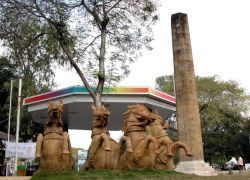
Nagpur, a city rich in history and natural beauty, boasts a unique landmark that holds immense significance - the Zero Mile Stone. This iconic monument marks the geographical center of India and serves as a starting point for all major roads in the country. Situated in the heart of Nagpur, Zero Mile Stone not only serves as a point of reference but also as a symbol of unity and connectivity. History of Zero Mile Stone The historical roots of Zero Mile Stone date back to the colonial era when it was established as the central point for the measurement of distances across India. Originally serving as a marker for the Great Trigonometrical Survey, this monument has evolved into a cultural heritage site, showcasing the architectural prowess of the bygone era. Architecture and Natural Beauty of Zero Mile Stone Surrounded by lush greenery and serene landscapes, Zero Mile Stone offers a tranquil escape from the bustling city life. The nearby wetlands and forests provide a habitat for a diverse range of bird species, making it a paradise for birdwatchers and nature enthusiasts. The historic Keoladeo Temple, located in close proximity, adds a spiritual touch to the natural beauty of the surroundings. Why is Zero Mile Stone Famous? Zero Mile Stone has gained popularity among tourists, especially birdwatchers, photographers, and wildlife lovers, due to its unique geographical significance and natural allure. The abundance of bird habitats and scenic landscapes make it a must-visit destination for those seeking a blend of history and nature. How to Reach Zero Mile Stone Travelling to Zero Mile Stone is convenient with various transportation options available. Visitors can reach Nagpur by air, rail, or road, with the city well-connected to major cities across India. The nearest airport and railway station provide easy access to this iconic landmark. Weather and Best Time to Visit Zero Mile Stone Understanding the weather conditions at Zero Mile Stone is crucial for planning a visit. While summers can be hot and humid, the monsoon season brings lush greenery and refreshing showers. The winter months offer pleasant temperatures, making it the best time to explore this attraction. Timings of Zero Mile Stone Zero Mile Stone welcomes visitors throughout the year, with varying timings based on seasonal changes. It is advisable to check the official schedule before planning your trip to ensure a seamless experience. Entry Fee and Visit Details Entry to Zero Mile Stone is usually free of charge, allowing visitors to explore the monument and its surroundings at their leisure. Guide services, safari options, bicycle rentals, and other visitor facilities are available for a more personalized experience. Things to Do at Zero Mile Stone Engaging in popular activities such as birdwatching, photography, cycling, and nature observation can provide a memorable experience at Zero Mile Stone. The walking trails and educational opportunities offer a deeper insight into the biodiversity and cultural significance of this landmark. Interesting Facts About Zero Mile Stone Zero Mile Stone is not just a point on the map; it represents a harmonious blend of history, biodiversity, and conservation efforts. The migratory birds that frequent the area, coupled with the conservation achievements, highlight the ecological importance of this site. Travel Tips for Visiting Zero Mile Stone When visiting Zero Mile Stone, it is advisable to wear comfortable clothing, carry essential photography equipment, and be respectful of the natural surroundings. Understanding the best seasons for birdwatching and responsible tourism practices can enhance your experience at this iconic location. Conclusion In conclusion, Zero Mile Stone in Nagpur stands as a testament to India's diverse heritage and natural beauty. From its historical significance to its ecological importance, this landmark offers a blend of experiences for visitors seeking a unique travel destination. Exploring Zero Mile Stone provides not just a glimpse into the past but also a deeper connection with nature and conservation efforts in the present day.
Explore More
Parvati Hill, Pune came into existence with the help of famous Peshwa ruler Balaji Baji Rao in the 17th century. This place is located at 640 meters higher than sea level at the Parvati hillock in the south of the city in the state of Maharashtra. The one single top which is at the height of 260 metres above sea level is beautiful and good for site seeing. The view is extraordinary throughout the year and the climate over here is generally pleasant. The hill is also famous for its devotionals shrines dedicated to various Hindu God and goddesses like Lord Vishnu, Lord Devdeveshwar, Kartikeya, Lord Vinayakar, Goddess Rukmini, Lord Vitthalla and many more. If you are searching for a place to spend your weekend away from the hustle and bustle of your city, this place is the ideal place for you to spend your holidays. Traveller Tips When you visit a place for the first time, you as a visitor need to know the rules and regulations that should be followed to avoid any problem. Here are some that will help you when you visit Parvati Hill, Pune. • There are hardly any food stores nearby and you might face trouble finding food which is why you need to take a water bottle and some snacks along with you. • Be prepared because you will not get any hygienic washrooms nearby. • If you are a non-active person it might be a problem for you to climb 103 steps to reach the temple above the hill. • Take care of all you belonging and things that you carry. Keep most of them in your vehicle or car. That way it will be safe. • If you are aged and senior citizen it might be difficult for you to reach the top of the hill so better to take precautions beforehand. • The temple doesn’t have their parking for the visitors and tourists, so you need to park your car and vehicles a bit away from the premises that fall under the temple. • If you do not prefer a crowd, it is better than you avoid to go on state holidays as the place becomes crowded. • The surrounding needs to be maintained a bit more and should be cleaned properly but it is not so clean therefore you should not litter and make it worse. Things To Do • Get spiritually connected to the well-maintained and beautiful temple. • Visit the museum nearby known as the Peshwa Museum if you want to understand the amazing history that exists. • Plan your weekend trip to Parvati Hill, Pune with your friends and family and get mesmerised by the beautiful panoramic view that the hill provides you of the city Pune from the top of the hill. • If you are an atheist and don’t believe in visiting the temple, you can surely come here for your morning jogs and climb up the 103 stairs daily and get fit. • Love photography or being clicked, come here and get beautiful profile pictures. Availability There are no available guides for you and the hill has different interpretations for different people. The government should pay more attendance to the maintained subject. Best Time To Visit The place provides you with beautiful and outstanding views and the weather is good to go throughout the year still the months of August to February are exceptionally pleasing. How To Reach? You can reach to Pune via railway or road. The nearest airport is the Pune airport and the nearest railway again is the Pune railway station. Then you can go to the bus station that is near to the station and then reach the Parvati hill. Regular buses are available along with auto-rickshaw. Choose the one that you are comfortable in. Interesting Facts and Trivia Learn some interesting facts about Parvati hill, Pune. • This place was used by the Peshwa to keep a watchful eye of the enemies and it is situated at a height of 260 meters above sea level. • There is also a Peshwa Museum near the hill that has some preserved parts of famous Maratha life from where you can learn something about them. There are coins, inscriptions, manuscripts, idols, arms, weapons, and portraits. • It is said that in the Battle of Kirki the Peshwa king Balaji Baji Rao watched the British lose the battle and how they ran away. • The story of how Nana Saheb’s mother Kashibai pledged and prayed in this powerful and mysterious shrine on the top of the Pune to get her son recovered from the pain of the infected right foot. After he was cured, Peshwa built the Parvati hill in place of the shrine where his son was recovered to fulfil his mother’s vow. • There is also a famous story behind the Devdeveshwar temple and the black stone. The story goes like Chatrapati Shivaji Maharaja and Nana Saheb had a great fondness and admiration towards each other. It was like a father and son relationship that they shared. After the death of Maharaja, Nana Saheb out of grief took the slippers of him along with some beautiful figurine of Shiva and Parvati with Lord Ganesh in their lap and laid it there on the building blocks. This is how this Devdeveshwar temple came into existence. • The Shiva ling that is placed in the temple has originated from the special place, the river of Gandaki, Nepal. • The idols were theft in the year 1932. Parvati Hills, Pune is famous for sightseeing, trekking, jogging, photography, wandering experience, historical significance, devotional site, fauna and flora abundance and much more. There are no such entry fees for the Temple on the hill. Then the place is open from 5 am to 8 pm for all people and devotees. You can spend here an average time of around 2-3 hours. Therefore it is a lovely place with a beautiful history and sight for you to enjoy your holidays. You will certainly fall in love with the place. Therefore plan your weekends at Parvati hill and enjoy it with your friends and family.
Explore More
In the 18th century, there was a military leader named Shri Mahadji Shinde, in his honour there is a memorial dedicated to him Shinde Chhatri, Pune, in Wanwadi. Shri Mahadji Shinde used to serve as commander-in-chief under Peshwas from the 1760s to 1780s. Flanked by the Bhairoba stream on right, the monument stands as a reminiscent and memoir of the great Maratha period. The memorial as known as 'chhatri' which means an umbrella, is located next to one ancient Shiva temple. It also boasts of the Anglo-Rajasthani carvings and architecture on yellow and black stone. There is a central hall which is the point of Mahadji Shinde's cremation. He was cremated on the 12th of February, in the year 1794 CE. The main area is enclosed in 15 feet sturdy tall boasts and fortifications of intricate architecture. Till the 1794 CE, there was a complex that only consisted of a Lord Shiva temple which was constructed in the same year Mahadji Shinde passed away and it was Mahadji Shinde himself who constructed it. In 1965, a samadhi, or a memorial was constructed for the commander-in-chief. All the Vastu rules were kept in mind while building the Chhatri. There is a Shinde Devasthan Trust which manages and takes care of the monument today. The Chhatri of the hall even has paintings and carvings along with one gallery in it. The Shinde Chhatri, Pune consists of all the photographs and paintings of the Scindia family. Some Traveller tips for people visiting the Shinde Chhatri • People who visit the Shinde Chhatri are expected to always keep their umbrellas closed. Even if it rains or it’s too sunny. Opening an umbrella means insulting the Maratha Lord. • Travellers visiting Pune should know it's a large city and finding a place to stay won’t be a problem. You could find any place to stay as mostly all the hotels in Pune are pretty budget-friendly. • And if you want there are luxurious hotels too, so you can find almost any hotel according to the amount of budget you have. • There are great hotels who would provide you with all the basic amenities which one needs for having a comfortable stay. They will provide you with warmth and care. Types of things to do in Shinde Chhatri, Pune In the chapters of the great Indian history, Pune in Maharashtra has a prominently significant position of its own. The city is filled with industries, ancient architectures, hotels and colleges. Some of the very famous places that one can visit when in Pune are- • The Saras Baug- It is a huge central park, has a beautiful 18th century temple, pretty water features and great lustrous grassy land. Which is ideal for having picnics and sports • Shaniwar Wada- It was Bajirao Peshwa who built the Shaniwar Wada in the year 1736. This seven storied building once used to serve as a great seat of some political power during that time. • Aga Khan Palace- Aga Khan Palace is also called the Gandhi National Museum and it is also a part of Indian freedom fight. • Raja Dinkar Kelkar Museum- This museum is located on the Bajirao road and has beautiful crafts and art collected by the late Shri Dinkar Kelkar. There are 6 galleries in the museum that show 12% of almost everyday art. • Bushy Dam- The Bushy Dam can give you some amazing views to all it’s tourists the entire year but mostly during monsoon. And also, you are not allowed to swim in this dam. • Parvati hill- The Parvati hill is located in the south end of the city. When you climb the top of the hill you get to see the most amazing view of the entire city. • Vishrambaug Wada- The beautiful mansion is one building of three storeys and it is also called a Teen chowki wada. It is Pesha, Bajirao II, who built it as his residence. The mansion is built on the Thorale Bajirao road. Some other places and things available to do around Shinde Chhatri, Pune are • Not only just these places, but there are many national parks like the Rajiv Gandhi Zoological Park, Kamala Nehru park these are some great places too. And especially if you love adventures and nature. • You can also go and visit hill stations like Khandala and Lonavala. They are some of the nearest places to visit during the weekends. • Also, Pune sightseeing can never be complete without having a leisure day at the Empress Garden and the Tajhai Hills. It is not always about jumping from one exciting place to another. • Hopping around the city is not always enjoying a holiday. You also need to rest and rejuvenate in some of the city’s best hotels. Also, the weather is never too adverse in Pune, indulge in some Marathi culture and enjoy the city. History Of The City • The Shinde Chhatri is located in Wanwadi, Pune. It’s even locally called Shindyanchi Chhatri. It is dedicated to the great military leader, Mahadji Shinde. Majadji Shinde, himself even built a Lord Shiva temple there. And that was the year of his death too. • In 1794, February 12th he was cremated. In the year 1965, Mahadji Shinde's memorial was constructed. It was built right outside the temple of Lord Shiva, at the place where he got cremated. Architecture • The Shinde Chhatri, Pune has entirely exquisite architecture. It shows the Rajasthani style of architecture. The building's architectural grandeur is appreciable with mind-blowing carvings. • You should get inside and see the perfect and well preserved split-level hall. Don’t forget to see the patterned marble floor, rows of pillars and the splendid arches. There is a gallery along with painting and carvings in the Chhatri. Festival of the Shinde Chhatri The main festival celebrated in the Shinte Chhatri was for Lord Shiva. As they worshipped Lord Shiva, therefore, they even celebrated him. Popular Culture The Shinde Chhatri is culturally a blend of the Anglo-Rajasthani style. Therefore, the Anglo-Rajasthani blend in the famous culture of the Shinde Chhatri. Best Time To Visit The Shinde Chhatri Would Be The Shinde Chhatri remains open every day. The very best time for visiting the place is during the summers. Either in the early morning or during the evening. You can visit there from 10 am to 8 pm. There is no entry fee required. How To Reach the Shinde Chhatri From the main Pune city, the temple is almost 15kms away. From there you need to take a south-east turn and have a 20 minutes drive for reaching the temple. You can also travel in a taxi or autos. You can also reach the memorial from the Pune racecourse, which is there at 2 km distance from Wanowri. The Interesting Fact About The Shinde Chhatri, Pune The Shinde Chhatri is known to be one of the most interesting sites of Pune among the visitors. Because of its exquisite architecture. The amazing Shiva temple. The beautifully carved building itself is so interesting. The entire process of visiting the temple would bring you a sense of calmness and serenity. You should visit the Shinde Chhatri at least once in your lifetime. So the next time you plan for any trip, try to visit the Shinde Chhatri in Pune.
Explore More
Welcome to the mystical and serene Tomb of Udasi Baba located in the enchanting city of Shani Shingnapur. This hidden gem offers a perfect blend of spirituality, history, and natural beauty, making it a must-visit destination for travelers seeking a unique and enriching experience. History of Tomb of Udasi Baba The Tomb of Udasi Baba holds a rich historical background dating back to ancient times. This sacred site was once a revered place of meditation and spiritual teachings. Formerly known as a place of solace for wandering ascetics, the tomb carries a legacy of peace and enlightenment. The conservation efforts to preserve this historical landmark have been commendable, attracting visitors from far and wide. Although not officially recognized by UNESCO, the tomb's cultural significance is deeply ingrained in the local community. Architecture and Natural Beauty of Tomb of Udasi Baba Nestled amidst lush greenery and tranquil surroundings, the Tomb of Udasi Baba boasts a natural environment that is both captivating and rejuvenating. The pristine landscapes, dotted with ancient trees and vibrant flora, create a peaceful ambiance for visitors to explore. The nearby Keoladeo Temple adds to the architectural charm of the surroundings, offering a glimpse into the region's historical and cultural heritage. Why is Tomb of Udasi Baba Famous? The Tomb of Udasi Baba has gained popularity among nature enthusiasts, photographers, and spiritual seekers alike. Its serene ambiance, coupled with the spiritual aura that permeates the surroundings, attracts visitors seeking solace and tranquility. The tomb's historical significance and natural beauty make it a sought-after destination for those looking to connect with both the past and the present. How to Reach Tomb of Udasi Baba Traveling to the Tomb of Udasi Baba is convenient, with various transportation options available. Visitors can reach Shani Shingnapur by air, rail, or road, with nearby airports and railway stations providing easy access to the city. The well-connected road network ensures a smooth journey for those traveling by car or bus. Weather and Best Time to Visit Tomb of Udasi Baba The weather at Tomb of Udasi Baba remains pleasant throughout the year, offering different experiences in each season. While summers are warm and ideal for exploring the natural beauty, the monsoon brings lush greenery and a refreshing atmosphere. Winter months provide a cool and comfortable climate, making it the best time to visit and witness the beauty of the tomb in all its glory. Timings of Tomb of Udasi Baba The Tomb of Udasi Baba welcomes visitors during specific timings, ensuring an organized and enjoyable experience for all. Seasonal variations may impact the visiting hours, so it is advisable to check the schedule before planning your trip. Additionally, useful information for visitors, such as entry procedures and visitor facilities, is readily available on-site. Entry Fee and Visit Details Visiting the Tomb of Udasi Baba is a seamless experience, with entry procedures designed to facilitate a hassle-free visit. Guide services, safari options, bicycle rentals, and other visitor facilities are available to enhance your exploratory journey. Whether you choose to embark on a guided tour or explore the tomb independently, the visit promises to be a memorable one. Things to Do at Tomb of Udasi Baba Engage in a variety of activities at the Tomb of Udasi Baba, ranging from birdwatching and photography to cycling and nature observation. The scenic walking trails offer a perfect opportunity to immerse yourself in the natural beauty of the surroundings, while educational experiences provide insights into the tomb's historical and cultural significance. Explore, discover, and cherish the moments spent in this tranquil haven. Interesting Facts About Tomb of Udasi Baba The Tomb of Udasi Baba is home to a diverse range of migratory birds, adding to its biodiversity and ecological importance. Conservation efforts within the vicinity have led to significant achievements in preserving the natural habitat and promoting sustainable tourism practices. These fascinating facts contribute to the tomb's allure and make it a hotspot for eco-conscious travelers. Travel Tips for Visiting Tomb of Udasi Baba When planning your visit to the Tomb of Udasi Baba, consider practical tips to enhance your experience. Pack suitable clothing for the prevailing weather conditions, and bring along necessary equipment for birdwatching and photography. Familiarize yourself with the best visiting seasons to make the most of your trip and ensure responsible tourism practices to protect the sanctity of the tomb and its surroundings. Conclusion In conclusion, the Tomb of Udasi Baba in Shani Shingnapur offers a captivating blend of history, spirituality, and natural beauty. Its serene ambiance, cultural significance, and diverse offerings make it a destination worth exploring for travelers seeking a meaningful and enriching experience. Visit the tomb to connect with the past, rejuvenate in the present, and create lasting memories in the heart of this mystical city.
Explore More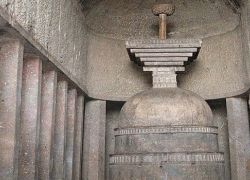
Reaching the serene and stunning Bedse caves is an enjoyable experience in itself. Also, those people who are looking for the quiet moment to commune with nature then stepped up to the right destination. Bedse caves are one of the few places that are not much crowed and are must-visit for the travelers coming to enjoy the panorama of Pune. Bedse caves can be best reached from Kamshet (Pune) as it is in Khandala. Bedse Caves are less famous and less visited as compared to Karla and Bhaja caves. These caves can be reached through easily by lying 350 steps on the slovenly hilly location. History of Bedse Caves: Dating back to the 1st century BC Bedse caves are the real epitome of the architectural masterpiece. They are considered as the ultimate expression of Buddhist art. These amazingly beautiful caves are at a distance of 20 km from Lohagad Fort, 26 km from Lonavala Railway Station, and 56 km from Pune. These are also popularly very ancient caves located near Kamshet in the Maval taluk in Maharashtra. These caves are 2300 years old Buddhist monuments. They are considered to be one of the oldest caves in Maharashtra and also one of the top Khandala places to visit. Bedse caves complete the trio of Buddhist caves along with Karla Caves and Bhaja caves in Khandala. The history of Bedse caves can be sketched back from 1st century BC. The architecture of Bedse Caves, Khandala There are mainly two caves facing eastward. One of them is the Chaitya cave. Along with it, there are several other rock-cut beds called viharas. They were actually used by the monks in ancient times to live. Chaitya also is known as the prayer hall needs some more extra time to discover it ultimately. Enhancing the beauty of these caves, there is a beautiful Stupa inside it. Apart from that, you may find here several other hidden treasures that are yet to be revealed. You can spend the entire weekend exploring these caves. The carvings beautifully engulf these caves. Interesting Facts to Know about Bedse Caves: Not much history is known about these caves. But there is a very popular incident attached to it. In 1861, these caves got deteriorated too much and came into a very bad condition. They somehow lost their quintessence with the time. But then a British officer heard about this, planned his visit to this place to explore the exquisiteness. However, that local British officer stuck in the utter confusion. Then he urgently employed labour to paint the walls, renovate the Stupa and the clean the whole area in and around to make it a worth watching place. Things to do in Bedse Caves, Khandala You can engage yourself in capturing the pictures of the caves and the nearby area. Apart from incredible photography Bedse also offers good trekking opportunities. As the treks are not too tricky, everybody can opt for trekking facilities. Two trekking routes are available there for adventure lovers to reach Nagphani. First one is from Khandala railway station, takes nearly 3-4 hours (around 6 km one way) and the second is from Kurvande that takes 1.5 hours (2 km) to reach the top and is the easiest route. But as these caves face eastward, so you are advised to visit the caves early in the morning so that the best pictures can be captured in the sunlight. People coming to visit these caves, if not have binding on returning within a day, can visit the nearby attractions such as Lohagad, Lohagad Fort is one of the most famous forts in Maharashtra. People prefer to visit this among other popular heritage sites near Pune. This makes an ideal trekking destination for trekkers from Pune and Mumbai because of its accessibility, ease of trek and lush green surroundings Bhaja Caves, The Bhaja Caves are very much similar to the Karla Caves in architectural designs and patterns. The most projecting among the mines is the chaityagriha (Cave 12). Visapur Fort, Visapur Fort is widespread and at a higher altitude than Lohagad fort. The fort is well-known for its defending walls and elaborated designs. The fort has numerous structures like caverns, reservoirs of water and the remains of a large stone-built house known as the Peshwa's palace. Duke's Nose Point This place is named after the Duke of Wellington. Due to its similitude to the nose of Duke in a lounging position, this place came into huge recognition since the British ruling period. The cliff is piercing like snakes hood which is why it got its name Nagphani. Bedse caves are located at Bedse village; visitors need to do 30 min walk from the town. You can also spend time at the Bedse Village, by walking a small distance from the caves. The trail is picturesque and provides excellent views of the peace-loving village and luxuriant nature. How to reach Bedse caves? By Air: The nearest airport is in Pune, which is 90 km away. By Rail: Kamshet on the Pune Lonavala route is the nearest railhead. By Road: Good bus service from Shivajinagar Bus Station of Pune Best time to visit: The best time to visit these caves is after the monsoon, most probably soon after the rains. Want to take a visit to this amazing cave? Book a tour package to Khandala online that covers all these tourist spots in its itineraries.
Explore More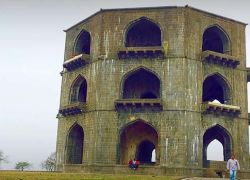
As per the name, the Tomb of Salabat Khan II is a historical mausoleum in the district of Ahmednagar in Maharashtra. It is the resting place of Salabat Khan II, a minister of the fourth Nizam Shah, Murtaza. Salabat Khan II was a noble soul and was loved by the people of Ahmednagar. After his demise, this tomb was erected in the heart of the city amid the beauteous surroundings. It Is Known For:- 1) Tomb of Salabat Khan II is a three-storey building and is constructed in such a manner that it is visible from almost every part of the city. 2) Initially, it was planned to build a seven-storey structure but only three-stories were built. 3) Its architecture is awe-inspiring because it is built in octagonal shape that the rays of the sun touch the ground when they fall on this structure. 4) The garden around this tomb serves as a perfect place for spending a couple of hours. Best Time To Visit:- Having a serene ambiance, the Tomb of Salabat Khan II can be visited during any time of the year. There aren’t any constraints on visiting this place in any season. By paying a minimal fee, one can gain access to this tomb complex and admire its beauty. Reaching There:- Tomb of Salabat Khan II is located in the heart of the city and has a well-established roadways network. Such connectivity and a frequent service of the local transit allows a smoother commute to all visitors. Nearest Railway Station:- Ahmednagar Railway Station Nearest Airport:- Aurangabad Airport
Explore More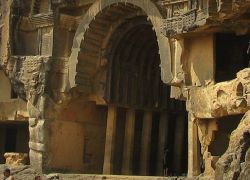
The ancient caves of Chandrapur are a must-see tourist site. This tourist attraction is located in a quaint location away from Chandrapur. It is a set of 9 interconnected Buddhist caves that was designed in the 8th century. The purpose of the construction of these caves was to provide a place to the monks for meditation. Presently, this place is one among the frequented tourist sites in Chandrapur.It Is Known For:-1) The ancient caves of Chandrapur were carved out of the mountain for providing a shelter to the monks for meditation.2) As per the researchers, these caves were also utilized by the Hindu sages to perform penance in order to please the God. Certain symbols have been discovered that indicate towards the utilization of caves by the Hindu sages as well.3) An idol of Buddha is also installed in the main cave and is worshiped by the monks that reside in the huts located nearby.4) Apart from the history of the history, this site is also renowned for its calm and tantalizing surroundings.5) The green vegetation on the mountain makes this place appear even pleasing.Best Time To Visit:-The ancient caves of Chandrapur attract countless visitors from different cities of Maharashtra. It can be visited during any season of the year, excluding summers. It is the season that doesn’t allow visiting this place due to extreme temperatures. Thus, visitors should visit this place during any season other than summers.Reaching There:-It is easy to reach the site of these ancient caves of Chandrapur. The wide network of the roads and frequent availability of the local transit has made it easier for all to reach this place without hassle.Nearest Railway Station:- Chandrapur Railway StationNearest Airport:- Nagpur Airport
Explore More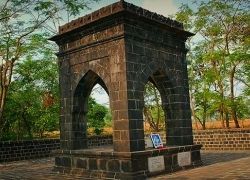
Jijamata Palace is a semi-ruined historical monument in the Indian state of Maharashtra. This monument was the palace of Shivaji’s mother, Rani Jijabai. She was a brave lady and raised a lion-hearted king whose valor and glories are sung till date. Jijamata Palace is an amazing building despite being in a semi-ruined condition. It Is Known For:- 1) Jijamata Palace is the residence of Shivaji’s mother, Rani Jijabai. 2) Though it stands in a ruined state but in the previous times, it was a strategically built fort with sufficient underground space for the army to hide the ammo and attack the enemies. 3) The spacious room of Rani Jijabai houses her Samadhi. 4) After the death of the queen, this palace came under the siege of the British powers and served as the authority seat for the British for a prolonged period of time. 5) It was devastated by a battle between the Indian royals and British powers but interestingly, the cenotaph of the queen remained untouched. 6) Presently, it is an open space and is used for spending leisure hours. Best Time To Visit:- The walls of Jijamata Palace hold the tales of the glories, horror, and transfer of powers. Numerous locals and tourists visit this place on a huge scale across the year to pay respects to Rani Jijabai. Reaching There:- Jijamata Palace is well-connected via highways and major roads in Maharashtra. It can be reached easily by hiring the service of the local transit like the bus and the cab. Nearest Railway Station:- Veer Railway Station Nearest Airport:- Chhatrapati Shivaji Airport
Explore More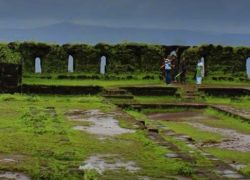
Raj Bhawan is a major tourist attraction in the city of Raigad. It is the royal court of Shivaji from where the entire Maratha Empire was administered by him. Though it has been transformed into a modern palatial building, it still has the old-world charm atop it. On the top of this building is a small enclosed fortress and as an individual descends the building, he can come across various rooms and corridors. It Is Known For:-1) Raj Bhawan is known for having 1,450 steps. It is said that it took 3 hours if it was climbed on foot and to reduce the hassle, lifts have been installed in the building.2) It has a royal bath that was used by the royal family members for bathing.3) It also houses the prominent attractions like Rameshwar Mandir, Wagh Darwaja, Takmak Tok, Bara Tanki, and grenades depot.4) Takmak Tok is famous because all criminals were executed at this site. One can still see the blood stains on the walls. Bara Tanki is a collection of 12 water reservoirs, and the grenade depot was the place where the ammo was stored.Best Time To Visit:-Raj Bhawan attracts countless visitors from different parts of Maharashtra. Even the show-makers prefer this place for shooting the episodes to give a realistic feel to the audience. This place can be visited throughout the year without any hassle.The entry to this building is chargeable for all, excluding kids and senior citizens.Reaching There:-Raj Bhawan has a well-established network of the roadways and railways. It can be reached conveniently by hiring the service of the local buses and taxis.Nearest Railway Station:- Veer Railway StationNearest Airport:- Murud Airport
Explore More7 Night - 8 Days The Heritage Of India Tour
8 Days/ 7 Night
Bikaner - Jaipur - Jodhpur - Udaipur - Agra - Aurangabad - Sawai Madhopur
Matheran – Lonavala – Pawna – Mahabaleshwar Tour Package
5 Days/ 4 Night
Khandala - Lonavala - Mahabaleshwar - Matheran - Mumbai
Maharashtra 7 Days - 6 Nights Tour
7 Days/ 6 Night
Lonavala - Mumbai - Mahabaleshwar - Pune
Matheran for 2 Days
3 Days/ 2 Night
Matheran