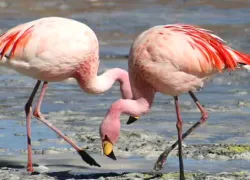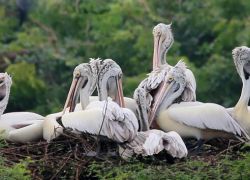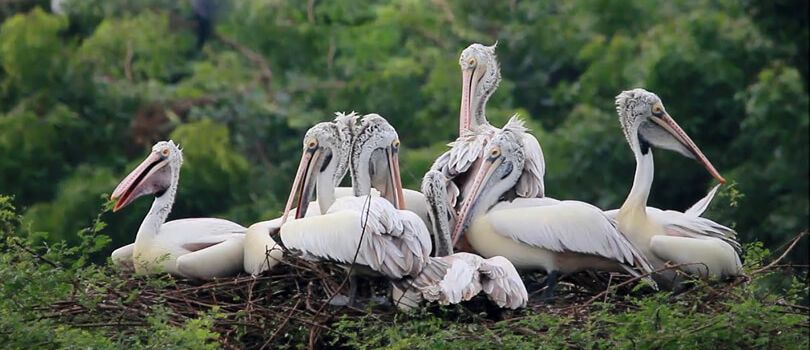
"Witness diverse avian life in natural habitat."
Nelapattu Bird Sanctuary is one of the most important and beautiful bird conservation areas in Andhra Pradesh. Located in Nellore district, close to the Andhra Pradesh–Tamil Nadu border, this sanctuary is especially famous for hosting large populations of migratory birds every year. Spread across a serene landscape of wetlands, lakes, and greenery, Nelapattu Bird Sanctuary offers a peaceful and enriching experience for birdwatchers, wildlife lovers, photographers, and nature enthusiasts.
The sanctuary is best known as a major breeding ground for the endangered Spot-billed Pelican, along with several species of storks, herons, egrets, and painted storks. Its calm environment and rich biodiversity make it one of the must-visit eco-tourism destinations in southern India.
History of Nelapattu Bird Sanctuary
Nelapattu has been an important nesting and breeding site for birds for several decades. Recognizing its ecological significance, the Government of Andhra Pradesh declared Nelapattu as a Bird Sanctuary in 1976. The area was protected to conserve the rapidly declining population of Spot-billed Pelicans, which found the large freshwater tanks and tall nesting trees ideal for breeding.
Over the years, conservation measures and controlled tourism have helped preserve the sanctuary’s fragile ecosystem. Today, Nelapattu stands as a successful example of wildlife protection and community-supported conservation.
Landscape, Architecture, and Natural Setting
Unlike historical monuments or urban attractions, Nelapattu Bird Sanctuary is defined by its natural architecture. The sanctuary consists of large freshwater lakes, marshlands, and open water bodies surrounded by tall trees such as Barringtonia and Acacia, which provide ideal nesting platforms for birds.
Simple eco-friendly watchtowers and pathways are built within the sanctuary to allow visitors to observe birds without disturbing their natural behavior. These structures are designed to blend with the environment and promote responsible tourism.
Why Nelapattu Bird Sanctuary Is Famous
Nelapattu Bird Sanctuary is famous for being one of the largest breeding colonies of Spot-billed Pelicans in India. During the peak migratory season, thousands of birds can be seen nesting, feeding, and flying over the wetlands.
The sanctuary is also known for hosting a wide variety of migratory and resident birds, including open-billed storks, grey herons, black-headed ibis, cormorants, spoonbills, and egrets. This rich diversity makes it a popular destination for birdwatching and wildlife photography.
How to Reach Nelapattu Bird Sanctuary
By Air: The nearest airport is Tirupati Airport, located approximately 75 km away. Another option is Chennai International Airport, around 120 km from the sanctuary. From the airports, taxis and buses are available.
By Train: The nearest railway station is Sullurupeta, about 20 km away. Nellore Railway Station, located around 55 km away, is another major railhead with good connectivity.
By Road: Nelapattu Bird Sanctuary is well connected by road. It can be easily reached from Nellore, Sullurupeta, Chennai, and Tirupati via state highways. Buses, taxis, and private vehicles are commonly used.
Weather and Best Time to Visit
The sanctuary experiences a tropical climate. Summers (March to June) are hot, with temperatures reaching up to 38°C. Monsoon season (July to September) brings moderate rainfall, replenishing the water bodies.
Winters (October to February) are pleasant and mark the peak bird migration season. The best time to visit Nelapattu Bird Sanctuary is from November to March, when thousands of migratory birds arrive and the weather is comfortable for outdoor activities.
Timings and Entry Details
Sanctuary Timings: Nelapattu Bird Sanctuary is generally open from 8:00 AM to 5:00 PM. Entry is usually restricted during early morning or evening hours to avoid disturbing birds.
Entry Fee: A nominal entry fee is charged for visitors. Additional charges may apply for cameras and video equipment.
Guided Visits: Local guides may be available to help visitors identify bird species and understand the ecosystem.
Things to Do at Nelapattu Bird Sanctuary
Birdwatching is the primary activity at the sanctuary. Visitors can observe nesting colonies, feeding patterns, and migratory behaviors from designated watchtowers.
Nature photography is another popular activity, especially during the breeding season. Educational visits, nature walks, and eco-tourism activities provide insight into wetland conservation and bird ecology.
Interesting Facts About Nelapattu Bird Sanctuary
Nelapattu is one of the few places in India where Spot-billed Pelicans breed in large numbers every year. The sanctuary plays a crucial role in the survival of this species.
Birds migrate to Nelapattu from regions such as Southeast Asia and Australia, making it an important international migratory stopover.
Tips for Visiting Nelapattu Bird Sanctuary
Carry binoculars for better bird viewing and wear neutral-colored clothing to avoid disturbing wildlife. Maintain silence and follow sanctuary rules strictly.
Avoid using flash photography and do not litter within the sanctuary. Visiting during early morning hours increases the chances of bird sightings.
Conclusion
Nelapattu Bird Sanctuary in Nellore, Andhra Pradesh, is a haven for birdlife and a must-visit destination for nature and wildlife enthusiasts. With its rich biodiversity, serene wetlands, and successful conservation efforts, the sanctuary offers a refreshing escape into nature while highlighting the importance of protecting fragile ecosystems for future generations.


Nellore
Nellore
Nellore
Nellore
Nellore
Nellore
Nellore
Nellore
Nellore
Nellore