"Experience tranquility in a historic Buddhist site."
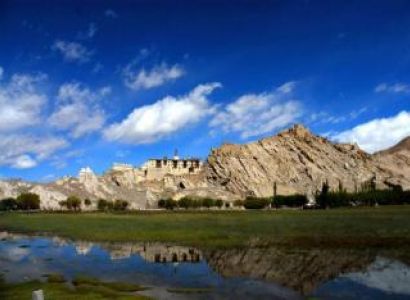
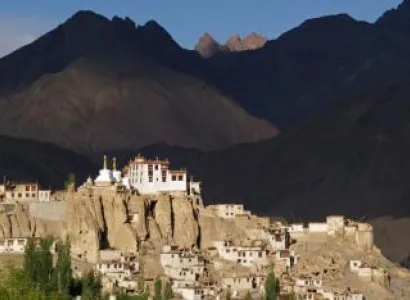
Bardan Monastery is a serene and historically significant Buddhist monastery located in Padum, in the Zanskar region of Jammu & Kashmir. Known for its tranquil setting, spiritual atmosphere, and Tibetan Buddhist heritage, it is a major pilgrimage site and a fascinating destination for travelers seeking culture and adventure.
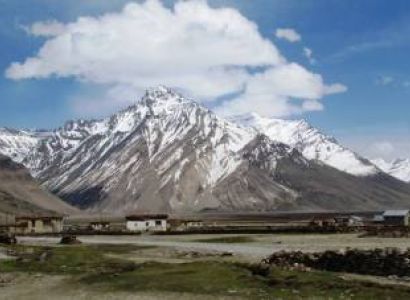
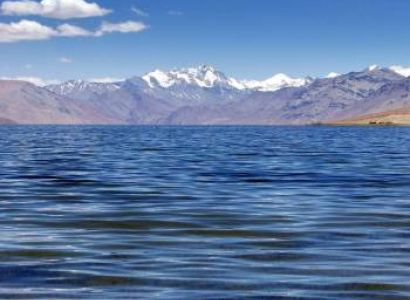
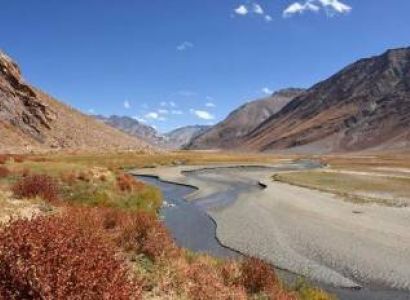
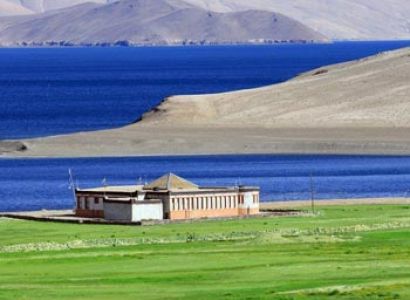
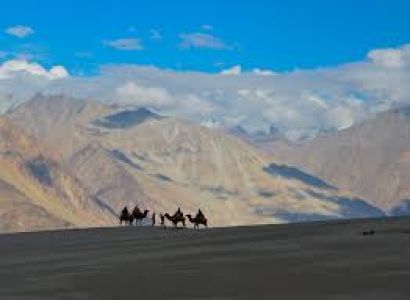
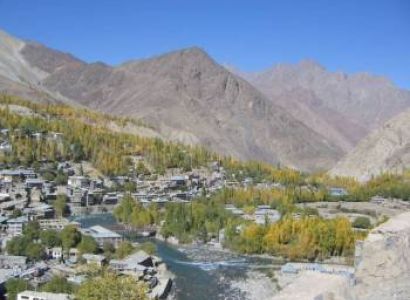
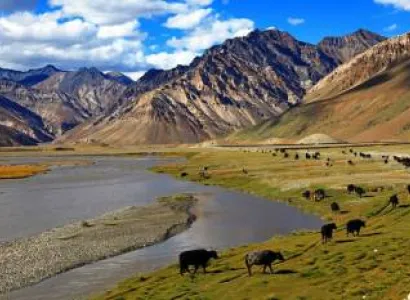
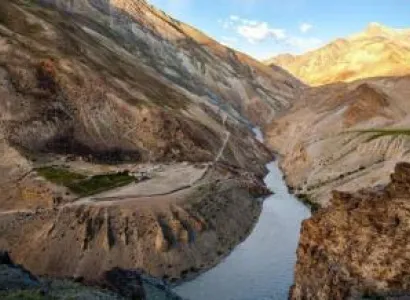
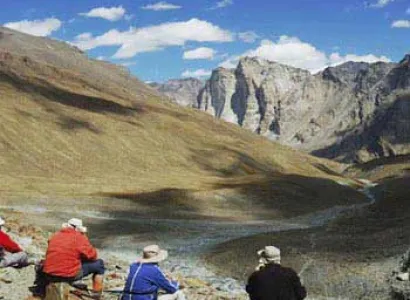
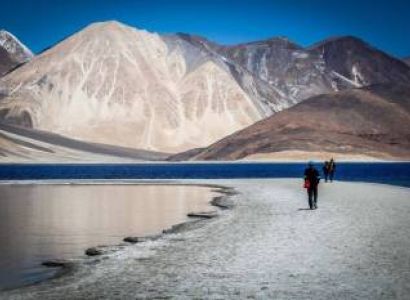
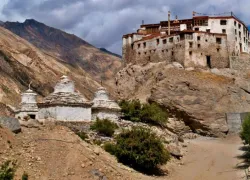
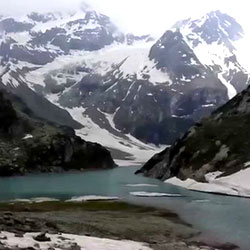
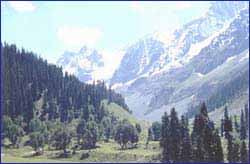
Situated amidst the scenic mountains of Zanskar, Bardan Monastery is surrounded by breathtaking Himalayan landscapes, including valleys, rivers, and snow-capped peaks. The monastery is an important center for learning, meditation, and religious practices in the Drukpa lineage of Tibetan Buddhism.
Bardan Monastery, Padum, Jammu & Kashmir is a must-visit for anyone exploring the remote Zanskar valley, offering a unique glimpse into Buddhist traditions and Himalayan monastic life.
History of Bardan Monastery
Bardan Monastery was established several centuries ago, though the exact date is debated among historians. It has been a central place of learning and meditation for monks in the Zanskar region.
The monastery belongs to the Drukpa Kagyu school of Tibetan Buddhism, which emphasizes meditation, philosophy, and spiritual discipline. Over the centuries, it has played a key role in preserving Buddhist teachings and practices in remote Himalayan regions.
The monastery has been supported by local communities, travelers, and pilgrims, who have contributed to its maintenance and growth over time.
Architecture of Bardan Monastery
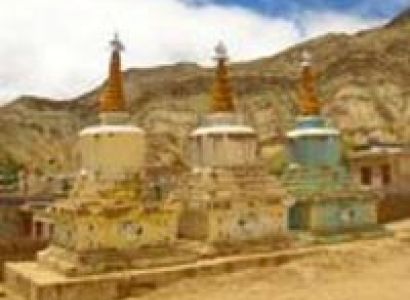
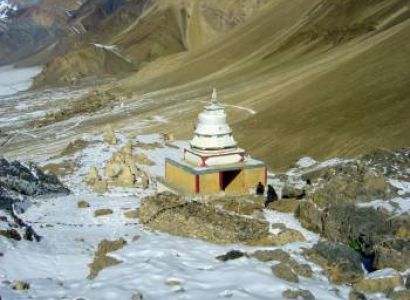
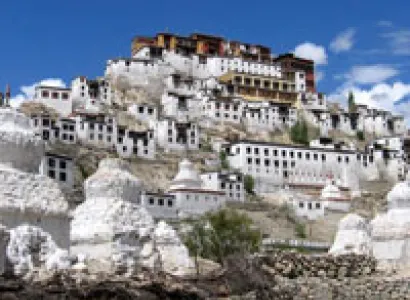
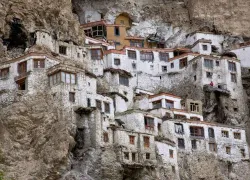
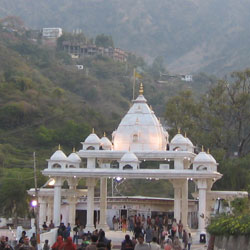
Bardan Monastery reflects traditional Tibetan monastic architecture adapted to the Himalayan terrain. The structure features sloping roofs, brightly painted walls, prayer halls, and small stupas that blend harmoniously with the surrounding mountains.
Inside the main prayer hall, visitors can find statues of Buddha and other important figures, colorful thangka paintings, and intricate wood carvings. The interiors exude a peaceful and meditative ambiance.
The monastery also includes monk living quarters, courtyards, and a small library, all constructed to withstand harsh Himalayan winters while maintaining spiritual and architectural integrity.
Why Bardan Monastery is Famous
Bardan Monastery is famous for its spiritual significance, beautiful Himalayan setting, and connection to the Drukpa Kagyu lineage of Tibetan Buddhism.
It is also renowned for its peaceful environment, making it an ideal location for meditation and learning about Buddhist philosophy.
The monastery attracts visitors and pilgrims who wish to experience traditional monastic life, observe rituals, and appreciate Himalayan culture.
How to Reach Bardan Monastery
Bardan Monastery is located in a remote Himalayan valley, making careful travel planning essential.
By Air: The nearest airport is Leh Kushok Bakula Rimpochee Airport, approximately 220 km away. From Leh, travelers must continue by road to Padum and the monastery.
By Road: Bardan Monastery is accessible from Padum town via a short local drive. Roads are mostly open between June and September due to snow and winter closures.
By Train: The nearest major railway station is Jammu Tawi, from which travelers must proceed by road through Leh to reach Padum and the monastery.
Traveling in Zanskar requires permits and sometimes guidance from local authorities or tour operators.
Weather at Bardan Monastery
Bardan Monastery experiences extreme Himalayan weather due to its high altitude.
Summer (June to September): Mild and pleasant with temperatures ranging from 10°C to 20°C. This is the most suitable time for visiting.
Winter (October to May): Harsh, extremely cold conditions with heavy snowfall. Access is generally not possible during this period.
Monsoon rains are minimal, and roads can be treacherous, so travel planning must consider weather conditions.
Timing and Entry Details
Bardan Monastery is generally open from 8:00 AM to 5:00 PM during summer months.
There is no formal entry fee, but donations are accepted to support the monks and monastery upkeep.
Visitors should plan to visit in daylight for safe travel and better visibility of the monastery and surrounding mountains.
Things to Do at Bardan Monastery
Visitors can explore the monastery’s prayer halls, courtyards, and meditation areas while observing traditional rituals and ceremonies.
Photography enthusiasts can capture stunning views of the Himalayan landscape surrounding the monastery.
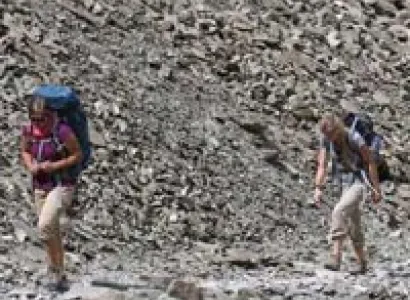
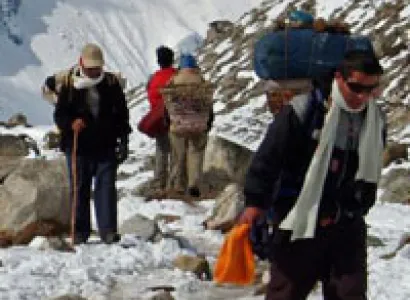
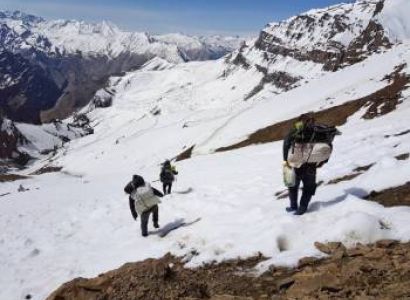
Trekking enthusiasts can combine the monastery visit with nearby trails that pass through scenic valleys and rivers in the Zanskar region.
Visitors can also interact with monks to learn about Buddhist practices, meditation techniques, and monastic life.
Interesting Facts About Bardan Monastery
The monastery is located at a high altitude, making it one of the most remote and serene Buddhist centers in India.
It belongs to the Drukpa Kagyu lineage, which has preserved Buddhist teachings for centuries in the Himalayas.
Local festivals and religious events attract pilgrims from across Ladakh and Jammu & Kashmir.
The monastery library contains rare manuscripts and ancient Buddhist texts important for scholarly study.
Travel Tips for Visitors
Carry warm clothing even during summer, as temperatures can drop sharply in the mountains.
Acclimatize in Leh or nearby towns before traveling to Padum to avoid altitude sickness.
Respect monastic rules and maintain silence inside prayer halls and meditation areas.
Travel in groups or with local guides, especially during trekking or river crossings in Zanskar.
Conclusion
Bardan Monastery in Padum is a serene spiritual retreat amidst the rugged beauty of Zanskar. Its Tibetan Buddhist heritage, peaceful surroundings, and Himalayan backdrop make it an unforgettable destination.
Whether you are a pilgrim, traveler, or adventure enthusiast, visiting Bardan Monastery provides a deep cultural and spiritual experience in one of India’s most remote regions.