
Welcome to Virasat-e-Khalsa, located in the picturesque city of Anandpur. This cultural hotspot is a mesmerizing blend of history, architecture, and natural beauty, attracting tourists from all around the globe. History of Virasat-e-Khalsa Virasat-e-Khalsa holds a rich historical background, serving as a symbol of Sikh heritage and culture. Originally a former royal hunting ground, this site has been transformed into a cultural center dedicated to showcasing the history and traditions of Sikhism. Recognized by UNESCO for its cultural significance, the park stands as a testament to the valor and resilience of the Sikh community. Architecture and Natural Beauty of Virasat-e-Khalsa The park boasts a diverse natural environment comprising wetlands, forests, and grasslands that serve as habitats for a variety of bird species. Among the lush landscapes lies the ancient Keoladeo Temple, adding a touch of historical charm to the surroundings. Why is Virasat-e-Khalsa Famous? Virasat-e-Khalsa is renowned for its appeal to birdwatchers, photographers, nature enthusiasts, and wildlife lovers. The park's biodiversity and serene surroundings offer a unique experience for visitors seeking to immerse themselves in the wonders of nature. How to Reach Virasat-e-Khalsa Traveling to Virasat-e-Khalsa is convenient, with options available by air, rail, and road. The nearest airports and railway stations provide easy access to this cultural gem, ensuring a smooth journey for tourists. Weather and Best Time to Visit Virasat-e-Khalsa The weather at Virasat-e-Khalsa varies across seasons, with summer, monsoon, and winter each offering a different experience. To make the most of your visit, plan your trip during the best months when the weather is most favorable. Timings of Virasat-e-Khalsa Visitors can explore Virasat-e-Khalsa during specific timings, with variations based on the season. It is advisable to check for any seasonal changes and plan your visit accordingly to maximize your experience. Entry Fee and Visit Details Entry procedures at Virasat-e-Khalsa are hassle-free, with guide services, safari options, bicycle rentals, and visitor facilities available to enhance your visit. Ensure a smooth and enjoyable trip by taking advantage of these services. Things to Do at Virasat-e-Khalsa Engage in popular activities at Virasat-e-Khalsa such as birdwatching, photography, cycling, walking trails, and nature observation. Immerse yourself in the beauty of the surroundings and create unforgettable memories during your visit. Interesting Facts About Virasat-e-Khalsa Virasat-e-Khalsa is home to a diverse range of migratory birds, reflecting the park's commitment to conservation and ecological preservation. Learn about the park's conservation achievements and the critical role it plays in protecting biodiversity. Travel Tips for Visiting Virasat-e-Khalsa When planning your visit to Virasat-e-Khalsa, remember to pack appropriate clothing, necessary photography equipment, and gear for birdwatching. Familiarize yourself with the best visiting seasons and adhere to responsible tourism practices to ensure a positive and sustainable travel experience. Conclusion In conclusion, Virasat-e-Khalsa in Anandpur offers a unique blend of history, culture, and natural beauty that captivates visitors. Explore the rich heritage of Sikhism, immerse yourself in the lush landscapes, and create lasting memories at this cultural hotspot in the heart of Anandpur.
Explore More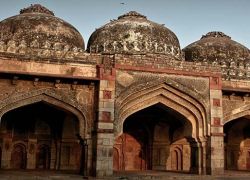
About The Lodhi Fort The Lodhi Fort is a historic fort located in Ludhiana, Punjab. It was built during the Lodhi dynasty in the 15th century and stands as a symbol of the city's rich history and heritage. The fort was originally constructed as a military outpost but later served as a residence for the ruling elite. Timings Of Lodhi Fort The Lodhi Fort is open to visitors from 9:00 AM to 5:00 PM every day of the week. Entry Fee There is no entry fee to visit the Lodhi Fort, making it accessible to all visitors. Required Time And Restricted Items Visitors typically spend about 1-2 hours exploring the fort and its surroundings. Restricted items include weapons, alcohol, and any items that may disrupt the peace and harmony of the site. Architecture Of Lodhi Fort The Lodhi Fort showcases a mix of Mughal and Rajput architecture, featuring intricate carvings, arches, and domes. The fort's sturdy walls and imposing gates reflect the military significance of the structure. Best Time To Visit The best time to visit the Lodhi Fort is during the winter months from November to February when the weather is pleasant and ideal for sightseeing. How To Reach The Lodhi Fort is easily accessible by road and is located in the heart of Ludhiana city. Visitors can reach the fort by public transport or private vehicles. History Of Lodhi Fort The Lodhi Fort was built by the Lodhi dynasty in the 15th century and served as a strategic military outpost. Over the years, it has witnessed various rulers and transformations, becoming a significant landmark in Ludhiana's history. Inside Lodhi Fort Inside the Lodhi Fort, visitors can explore ancient ruins, courtyards, and stunning views of the surrounding landscape. The fort also houses a museum showcasing artifacts and relics from its storied past. Traveling Tips It is advisable to wear comfortable shoes and clothing when visiting the Lodhi Fort, as there may be uneven terrain and stairs to navigate. Visitors should also carry drinking water and sunscreen to stay hydrated and protected from the sun. Hotels Near Lodhi Fort Some of the hotels near Lodhi Fort include Hotel Friends Regency, Hotel Nirvana, and Hotel Maharaja Regency, offering comfortable accommodations for visitors. Nearby Tourist Spots Of Lodhi Fort Nearby tourist spots of Lodhi Fort include the Phillaur Fort, Maharaja Ranjit Singh War Museum, and Punjab Agricultural University Museum, providing visitors with a range of cultural and historical attractions to explore in Ludhiana.
Explore More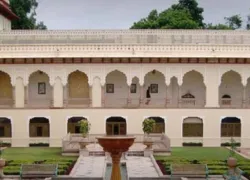
Maharaja Ranjit Singh War Museum
Maharaja Ranjit Singh War Museum is a famous tourist attraction in Ludhiana. Bearing the name of the warrior Sikh ruler, Maharaja Ranjit Singh, this museum glorifies the bravery and heroism of the Indian soldiers that laid their lives while fighting with the enemy. There are different galleries in the museum that narrate the heroic tales of the valiant soldiers that were a part of the bloodiest wars that were fought by the Indian Army. It Is Known For:- 1) The surroundings of this museum are enchanting and provide a sense of calmness to its guests. 2) Maharaja Ranjit Singh War Museum houses various galleries where the information about the battles fought by the Indian army is displayed. It also tells about the transformation of the army men from the British India till present-day India. 3) The galleries like Kargil Gallery and History Gallery shouldn't be missed. Kargil Gallery provides the information about the entire strategy of army and the weapons used by them. 4) Historic Gallery displays the information about the battles fought by the army of Maharaja Ranjit Singh, especially his last battle. Best Time To Visit:- Maharaja Ranjit Singh War Museum is a prominent tourist site in Ludhiana. Although it is visited by the tourists and visitors on a daily basis, being a part of the Independence and Republic Day celebrations at this place is an experience in itself. Reaching There:- Maharaja Ranjit Singh War Museum is located near the National Highway-1 that connects Amritsar and Ludhiana. Such connectivity makes it possible for the people to reach the place easily. The local buses are available in multitude for reaching the museum. Nearest Railway Station:- Ludhiana Junction Nearest Airport:- Ludhiana Airport
Explore More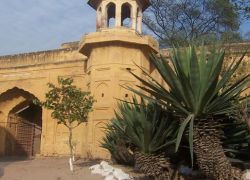
About The Bahadurgarh Fort The Bahadurgarh Fort, located in Patiala, Punjab, is a historical site that dates back to the 17th century. It was built by Nawab Saif Khan, the foster brother of the Mughal Emperor Aurangzeb. The fort served as a strategic military outpost and was later used as a residence by the royal family of Patiala. Timings Of Bahadurgarh Fort The Bahadurgarh Fort is open to visitors from 9:00 AM to 5:00 PM on all days of the week. Entry Fee The entry fee for visiting the Bahadurgarh Fort is INR 20 for Indian citizens and INR 250 for foreign tourists. Required Time And Restricted Items It usually takes around 1-2 hours to explore the fort thoroughly. Visitors are not allowed to carry large bags, weapons, or any other items that may pose a security risk. Architecture Of Bahadurgarh Fort The Bahadurgarh Fort showcases a blend of Mughal and Rajasthani architectural styles. It features intricate carvings, beautiful frescoes, and grand gateways that reflect the grandeur of the bygone era. Best Time To Visit The best time to visit the Bahadurgarh Fort is during the winter months from October to March when the weather is pleasant and suitable for exploring the fort. How To Reach The Bahadurgarh Fort is easily accessible by road from Patiala city. Visitors can hire a taxi or take a local bus to reach the fort. The nearest railway station is in Patiala, which is well-connected to major cities in Punjab. History Of Bahadurgarh Fort The Bahadurgarh Fort was named after the Sikh warrior, Baba Ala Singh, who captured it in 1764 and made it the capital of the Patiala state. Over the years, the fort witnessed several battles and was eventually renovated by Maharaja Karam Singh in the 19th century. Inside Bahadurgarh Fort Inside the Bahadurgarh Fort, visitors can explore the Diwan Khana, Sheesh Mahal, Gurudwara Sahib, and a museum that displays artifacts and relics from the past. The fort also offers panoramic views of the surrounding landscape from its ramparts. Traveling Tips It is advisable to wear comfortable footwear as the fort has uneven terrain and steep staircases. Visitors should also carry water bottles and sunscreen to stay hydrated and protected from the sun. Hotels Near Bahadurgarh Fort There are several hotels near the Bahadurgarh Fort that offer comfortable accommodation options for tourists. Some of the popular hotels include Hotel New Suraj, Hotel Grand Park, and Hotel Raj Mahal. Nearby Tourist Spots Of Bahadurgarh Fort There are several tourist spots near the Bahadurgarh Fort that visitors can explore, such as Qila Mubarak, Sheesh Mahal, Baradari Gardens, and the State War Memorial. These attractions offer a glimpse into the rich history and culture of Patiala.
Explore More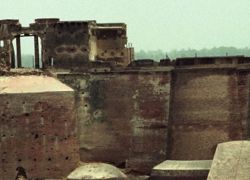
The Qila Mubarak is an outstanding specimen of Sikh Palace architecture located right in the heart of Patiala. Maharaja Ala Singh, the founder of the Patiala dynasty, commanded the construction of this palace in 1763. This palace was a simple kuch-garhi of a mud fort until it was reconstructed using baked bricks in later years and named Qila Mubarak. This palace was once again renovated and converted into a two-storied palatial structure with beautiful arches and grand entrances. Later Maharaja Amar Singh constructed the inner palace named Qila Androon which is an even more mesmerizing structure. Apart from Qila Androon, there are Darbar Hall and Ran Bass within the walled palace of Qila Mubarak. It Is Known For:-1) The spectacular architecture and splendid mansion. The entire complex of the Qila Mubarak is spread across 10 acres in the centralized location of Patiala.2) The Qila Androon, which showcases the architectural brilliance of the craftsman of those times. There are 13 chambers inside this Qila where the Maharajas resided. The frescoes with stunning artwork, outstanding mirror work, and the grand gateway keep the visitors attracted.3) The Darbar Hall has been transformed into a Museum of Armory & Chandeliers which showcases a collection of rare arms and armors. In fact, the swords, daggers, and weaponry of Guru Gobind Singh, the 10th Sikh Guru are also kept here. Best Time To Visit:-Located in the central area of Patiala, the best time to visit Qila Mubarak is during the winter months. If you wish to enjoy your stroll through the palace, it is always good to visit it during the months from November to February as it looks even more beautiful in winter season.Reaching There:-The Qila Mubarak is located in the central location of Patiala near the Gur Mandi, Shah Nashin Bazaar, Bajaj Bazaar and Adalat Bazaar. The public transport in Patiala like buses and autos can easily take tourists to this magnificent palace. Nearest Railway Station:- Patiala Railway StationNearest Airport:- Chandigarh Airport
Explore More
Welcome to the majestic Qila Mubarak Complex in Patiala, a destination that seamlessly blends history, architecture, and natural beauty. This iconic site holds significant historical importance and serves as a haven for nature enthusiasts, making it a must-visit spot for travelers seeking a blend of heritage and biodiversity. History of Qila Mubarak Complex The Qila Mubarak Complex boasts a rich historical background, originally serving as the royal residence of the Patiala dynasty. It was once a prominent royal hunting ground that has witnessed the evolution of the region over the centuries. Today, the complex stands as a testament to conservation efforts and has garnered recognition from UNESCO for its cultural and historical significance. Architecture and Natural Beauty of Qila Mubarak Complex Surrounded by lush wetlands, verdant forests, and sprawling grasslands, the Qila Mubarak Complex offers a picturesque setting that attracts a myriad of bird species, creating a vibrant bird habitat. The historic Keoladeo Temple nestled within the complex adds to its allure, blending architectural splendor with natural serenity. Why is Qila Mubarak Complex Famous? The Qila Mubarak Complex is renowned for its appeal to birdwatchers, photographers, and nature enthusiasts alike. Its diverse ecosystem and bird habitats make it a hotspot for wildlife lovers seeking to immerse themselves in the beauty of nature and capture breathtaking moments. How to Reach Qila Mubarak Complex Traveling to the Qila Mubarak Complex is convenient, with options available by air, rail, and road. The city of Patiala is well-connected, with nearby airports and railway stations providing easy access to this historical gem. Weather and Best Time to Visit Qila Mubarak Complex The weather at Qila Mubarak Complex varies across seasons, with summers being warm, monsoons bringing lush greenery, and winters offering a pleasant chill. The best time to visit is during the cooler months to explore the complex comfortably. Timings of Qila Mubarak Complex The Qila Mubarak Complex welcomes visitors during specific timings, ensuring a well-planned exploration of the site. Seasonal variations may affect timings, so it's advisable to check in advance for any updates before planning your visit. Entry Fee and Visit Details Entry procedures at Qila Mubarak Complex are straightforward, with guide services available for a more informative tour. Safari options, bicycle rentals, and visitor facilities enhance the overall experience, providing convenience and comfort to all guests. Things to Do at Qila Mubarak Complex Engage in popular activities like birdwatching, photography sessions capturing the natural beauty, cycling around the complex, exploring walking trails, observing nature up close, and delving into educational experiences that offer insights into the site's significance. Interesting Facts About Qila Mubarak Complex Qila Mubarak Complex is teeming with fascinating facts, from the seasonal arrival of migratory birds to the diverse biodiversity present within its boundaries. The conservation achievements and ecological importance of the site further highlight its value in preserving natural heritage. Travel Tips for Visiting Qila Mubarak Complex When visiting Qila Mubarak Complex, ensure you are dressed comfortably for outdoor exploration, carry necessary photography equipment for capturing memorable moments, plan your trip during the recommended seasons, and practice responsible tourism to preserve the site's beauty for future generations. Conclusion In conclusion, the Qila Mubarak Complex in Patiala stands as a testament to history, architectural grandeur, and natural beauty. With its blend of heritage and biodiversity, this destination offers a unique experience for visitors, making it a cherished spot for those seeking a harmonious fusion of the past and the present.
Explore More
Welcome to the magnificent Chandigarh Capitol Complex located in Patiala, a true gem for nature lovers and wildlife enthusiasts. This sprawling complex offers a unique blend of architectural marvels, natural beauty, and rich biodiversity, making it a top-notch tourist attraction in the region. History of Chandigarh Capitol Complex With a rich historical background, the Chandigarh Capitol Complex was once the royal hunting grounds of the former rulers. Over the years, this area has witnessed significant conservation efforts to preserve its natural heritage, leading to its recognition by UNESCO for its cultural and historical importance. Architecture and Natural Beauty of Chandigarh Capitol Complex The complex boasts lush wetlands, dense forests, vast grasslands, and diverse bird habitats. Among its many attractions is the historical Keoladeo Temple, nestled within the park, adding to the charm of this architectural and natural wonder. Why is Chandigarh Capitol Complex Famous? Chandigarh Capitol Complex is renowned for its appeal to birdwatchers, photographers, and nature enthusiasts who flock here to witness the rich wildlife and stunning landscapes. Its serenity and natural allure make it a must-visit destination for wildlife lovers. How to Reach Chandigarh Capitol Complex Traveling to Chandigarh Capitol Complex is convenient, with options for air, rail, and road transport. The nearest airports and railway stations provide easy access to this natural haven, ensuring a smooth journey for visitors. Weather and Best Time to Visit Chandigarh Capitol Complex Throughout the seasons, the complex offers varying experiences. While summers are ideal for witnessing vibrant flora and fauna, monsoons bring out the lush greenery, and winters offer a pleasant climate, making it accessible year-round. The best time to visit is during the cooler months for a comfortable and enjoyable experience. Timings of Chandigarh Capitol Complex The visitor timings at Chandigarh Capitol Complex cater to different seasons, ensuring that tourists can explore the park at their convenience. Understanding these timings and any seasonal variations is essential for planning a successful trip. Entry Fee and Visit Details Entry procedures at Chandigarh Capitol Complex are hassle-free, with guide services available for those seeking in-depth knowledge about the park. Safari options, bicycle rentals, and visitor facilities are also provided to enhance the overall experience. Things to Do at Chandigarh Capitol Complex Visitors can indulge in a myriad of activities at Chandigarh Capitol Complex, including birdwatching, photography, cycling, walking trails, and nature observation. Educational experiences await those eager to learn more about the park's biodiversity and ecological significance. Interesting Facts About Chandigarh Capitol Complex The complex is home to a plethora of migratory birds, showcasing the rich biodiversity and conservation achievements in the region. Its ecological importance cannot be understated, making it a hub for environmental enthusiasts. Travel Tips for Visiting Chandigarh Capitol Complex When visiting Chandigarh Capitol Complex, it is advisable to dress appropriately for the weather, carry photography and birdwatching equipment, and plan your trip during the recommended seasons. Embracing responsible tourism practices ensures the preservation of this natural wonder for future generations. Conclusion In conclusion, Chandigarh Capitol Complex in Patiala stands as a testament to the harmonious coexistence of architectural brilliance and natural beauty. Its historical significance, rich biodiversity, and tourism appeal make it a must-visit destination for anyone seeking a serene escape into the heart of nature.
Explore More
Also famous by the name of Thein Dam, Ranjit Sagar Dam is a prominent tourist attraction in Pathankot. It is a huge earthen dam that stands on the River Ravi that flows near the borders of Jammu & Kashmir. This dam is a part of the hydroelectric project that is located near the city of Pathankot. Ranjit Sagar Dam, due to its geographical location, it has been recorded as the highest earthen dam in the Indian subcontinent. It is an ideal place for spending a day’s itinerary. It Is Known For:- 1) Ranjit Sagar Dam is the highest earth-fill dams in India and has the biggest diameter of the penstock pipes in the country. 2) This dam has a height of 225 feet and a length of 2,024 feet. It has a total capacity of holding 3,280, 000, 000 m3. 3) Due to the construction of this dam, the irrigation of fields and generation of hydroelectricity has benefitted the rural dwellers. 4) It is blessed with the charming surroundings that serve as the spot for watching the flow of waters from a safe distance. Best Time To Visit:- Ranjit Sagar Dam is a remarkable tourist spot. It attracts numerous people from entire Pathankot. It is a place that doesn’t require a specific season for visiting. It can be visited throughout the year. There is no fee charged from the visitors but, throwing the litter in the waters in a punishable offense. Reaching There:- To reach Ranjit Sagar Dam, an individual can hire the service of the local taxis, buses, and shuttles that ply in plentitude on its route. Nearest Railway Station:- Pathankot Railway Station Nearest Airport:- Pathankot Airport
Explore More
About The Shahpurkandi Fort The Shahpurkandi Fort is a historic fort located in Pathankot, Punjab. It was built during the reign of the Mughal Emperor Jahangir in the 16th century. The fort is situated on the banks of the Ravi River and offers stunning views of the surrounding landscape. Timings Of Shahpurkandi Fort The Shahpurkandi Fort is open to visitors every day of the week from 9:00 AM to 6:00 PM. Entry Fee The entry fee for visiting the Shahpurkandi Fort is INR 20 for Indian nationals and INR 250 for foreign tourists. Required Time And Restricted Items It takes approximately 1-2 hours to explore the Shahpurkandi Fort. Visitors are not allowed to carry weapons, alcohol, pets, or any other prohibited items inside the fort. Architecture Of Shahpurkandi Fort The architecture of the Shahpurkandi Fort is a blend of Mughal and Rajput styles. The fort features high walls, bastions, and a grand entrance gate. Inside, you can see various courtyards, chambers, and balconies. Best Time To Visit The best time to visit the Shahpurkandi Fort is during the winter months from October to March when the weather is pleasant and ideal for exploring the fort. How To Reach The Shahpurkandi Fort is located in Pathankot, which is well-connected by road, rail, and air. Pathankot Railway Station is the nearest railhead, and Gaggal Airport in Kangra is the closest airport. From there, you can hire a taxi or take a bus to reach the fort. History Of Shahpurkandi Fort The Shahpurkandi Fort was originally built by the Shah Jahan, the Mughal Emperor, to defend the northern borders of the Mughal Empire. It played a significant role in protecting the region from invasions during that time. Inside Shahpurkandi Fort Inside the Shahpurkandi Fort, you can explore the various sections such as the main gate, granary, watchtowers, and the residential quarters of the royal family. The fort also houses a temple dedicated to the Hindu goddess Kali. Traveling Tips It is advisable to wear comfortable footwear and carry drinking water while visiting the Shahpurkandi Fort. It is also recommended to hire a local guide to learn more about the history and significance of the fort. Hotels Near Shahpurkandi Fort Some of the hotels near Shahpurkandi Fort include Hotel Venice, Hotel Le Kingston, and Hotel Unistar. These hotels offer comfortable accommodation and are located within a few kilometers from the fort. Nearby Tourist Spots Of Shahpurkandi Fort Some of the nearby tourist spots of Shahpurkandi Fort include Ranjit Sagar Dam, Mukteshwar Temple, and Kathgarh Temple. These destinations offer additional attractions for visitors to explore in the vicinity of the fort.
Explore More
Welcome to VR Punjab Mall, a prominent tourist attraction located in Mohali. This bustling mall offers a unique blend of shopping, dining, entertainment, and leisure experiences, making it a popular destination for locals and tourists alike. History of VR Punjab Mall VR Punjab Mall has a rich history dating back to its establishment as a premier shopping destination in Mohali. Originally envisioned as a modern retail hub, the mall has evolved over the years to become a symbol of the city's vibrant lifestyle and culture. With a focus on providing a world-class shopping experience, VR Punjab Mall has garnered recognition for its innovative retail concepts and customer-centric approach. Architecture and Natural Beauty of VR Punjab Mall Surrounded by lush greenery and modern architecture, VR Punjab Mall stands out as a beacon of contemporary design in Mohali. The mall's spacious interiors, vibrant decor, and state-of-the-art facilities create a welcoming ambiance for visitors. Nestled amidst the bustling cityscape, VR Punjab Mall offers a serene escape for shoppers and leisure seekers alike. Why is VR Punjab Mall Famous? VR Punjab Mall is renowned for its diverse offerings that cater to a wide range of interests. From high-end fashion boutiques to gourmet dining options and entertainment venues, the mall provides a one-stop destination for all your shopping and leisure needs. Its vibrant atmosphere and unique attractions make it a favorite spot among locals and tourists looking for a memorable experience in Mohali. How to Reach VR Punjab Mall Reaching VR Punjab Mall is convenient, with various transportation options available. The mall is easily accessible by air, rail, and road, with nearby airports and railway stations providing efficient connectivity. Whether you prefer flying, taking the train, or driving, reaching VR Punjab Mall is a hassle-free experience. Weather and Best Time to Visit VR Punjab Mall The weather at VR Punjab Mall is pleasant throughout the year, with distinct seasons offering unique experiences to visitors. While summers are warm and ideal for indoor activities, the monsoon season brings a refreshing change with occasional showers. Winter is the perfect time to explore the outdoors and enjoy the cool, crisp weather. The best months to visit VR Punjab Mall are... Timings of VR Punjab Mall VR Punjab Mall welcomes visitors during specified hours, ensuring a pleasant shopping and leisure experience for all. The mall's operating hours may vary seasonally, so it is advisable to check the schedule before planning your visit. Whether you prefer early morning shopping or late-night entertainment, VR Punjab Mall caters to your needs with flexible timings. Entry Fee and Visit Details Entry to VR Punjab Mall is free for all visitors, allowing everyone to explore its myriad attractions and offerings. Guide services are available for those seeking assistance in navigating the mall's diverse sections. Additionally, visitors can opt for safari options to explore the mall's various outlets and enjoy a unique shopping experience. Bicycle rentals and other visitor facilities are also available for added convenience. Things to Do at VR Punjab Mall VR Punjab Mall offers a host of engaging activities for visitors of all ages. From shopping for the latest trends to indulging in gourmet delights at its restaurants, the mall caters to diverse interests. Birdwatching enthusiasts can also enjoy spotting unique species in the mall's lush surroundings. Photography, cycling, walking trails, nature observation, and educational experiences are just a few of the many things to do at VR Punjab Mall. Interesting Facts About VR Punjab Mall VR Punjab Mall is not just a shopping destination; it is also a hub of biodiversity and conservation efforts. The mall's surroundings are home to a variety of migratory birds and wildlife, adding to its ecological importance. Conservation achievements at VR Punjab Mall have garnered recognition, making it a unique destination that blends commerce with environmental stewardship. Travel Tips for Visiting VR Punjab Mall When visiting VR Punjab Mall, it is advisable to dress comfortably and carry essential items such as sunscreen and water. Photography enthusiasts should bring their cameras to capture the mall's vibrant ambiance and scenic beauty. Birdwatching equipment can enhance your experience of spotting avian species in the mall's natural surroundings. Knowing the best visiting seasons and practicing responsible tourism will ensure a memorable and sustainable visit to VR Punjab Mall. Conclusion In conclusion, VR Punjab Mall stands out as a premier destination in Mohali, offering a perfect blend of shopping, dining, entertainment, and natural beauty. Whether you are a fashion enthusiast, a food lover, a nature enthusiast, or a leisure seeker, VR Punjab Mall has something for everyone. Plan your visit to VR Punjab Mall in Mohali and immerse yourself in a world of luxury, leisure, and unforgettable experiences.
Explore More
Welcome to PCA IS Bindra Stadium in Mohali, a renowned tourist attraction for sports enthusiasts and travellers alike. The stadium holds a significant place in the hearts of cricket fans and is a must-visit destination in Mohali. History of PCA IS Bindra Stadium PCA IS Bindra Stadium has a rich historical background, initially serving as a venue for cricket matches. It was established on former royal hunting grounds and has since been a pivotal location for numerous sports events. The stadium's contribution to sports and its conservation efforts have garnered recognition both nationally and internationally. Architecture and Natural Beauty of PCA IS Bindra Stadium Set amidst lush greenery, PCA IS Bindra Stadium boasts stunning natural surroundings that include wetlands, forests, and diverse bird habitats. The picturesque landscapes provide a serene backdrop for the historical Keoladeo Temple situated nearby, adding to the charm of the place. Why is PCA IS Bindra Stadium Famous? PCA IS Bindra Stadium is famous for its allure to birdwatchers, photographers, and nature enthusiasts. The biodiversity of the area, coupled with the opportunity to witness various wildlife species, makes it a popular destination among wildlife lovers. How to Reach PCA IS Bindra Stadium Travelling to PCA IS Bindra Stadium is convenient, with options available by air, rail, and road. The nearest airport and railway station provide easy access to visitors looking to explore this vibrant location. Weather and Best Time to Visit PCA IS Bindra Stadium Throughout the year, PCA IS Bindra Stadium experiences varying weather conditions, making it suitable for visits in different seasons. Understanding the weather patterns and the best months to travel can enhance the overall experience of exploring the stadium. Timings of PCA IS Bindra Stadium Visitor timings at PCA IS Bindra Stadium cater to the preferences of tourists, ensuring that individuals can plan their visit according to their schedules. Any seasonal variations in timing are communicated to visitors for better planning. Entry Fee and Visit Details For those planning a visit to PCA IS Bindra Stadium, information regarding entry procedures, guide services, safari options, and visitor facilities is readily available. Additionally, bicycle rentals can enhance the exploration experience for visitors. Things to Do at PCA IS Bindra Stadium Engage in various activities at PCA IS Bindra Stadium, including birdwatching, photography, cycling, walking trails, and nature observation. Educational experiences within the stadium offer a deeper understanding of the local ecosystem and its inhabitants. Interesting Facts About PCA IS Bindra Stadium PCA IS Bindra Stadium is home to numerous migratory birds, showcasing the rich biodiversity of the region. The conservation efforts and ecological importance of the stadium contribute significantly to the preservation of wildlife. Travel Tips for Visiting PCA IS Bindra Stadium When planning a trip to PCA IS Bindra Stadium, consider practical tips such as appropriate clothing, necessary photography equipment, ideal visiting seasons, and responsible tourism practices. These tips can enhance your overall experience and ensure a memorable visit. Conclusion In conclusion, PCA IS Bindra Stadium in Mohali stands as a symbol of sporting excellence and natural beauty. The stadium's historical significance, biodiversity, and tourism appeal make it a must-visit destination for travellers seeking an enriching experience in the heart of Mohali.
Explore More
Welcome to Fateh Burj, a captivating tourist attraction located in Mohali. This iconic landmark holds a significant place in the hearts of visitors due to its historical importance, natural beauty, and rich biodiversity. Fateh Burj offers a unique blend of cultural heritage and environmental wonders, making it a must-visit destination for travelers seeking an enriching experience. History of Fateh Burj Steeped in history, Fateh Burj stands as a testament to a bygone era. Originally serving as royal hunting grounds, this site has witnessed the rise and fall of kingdoms. Over the years, dedicated conservation efforts have been made to preserve the park's heritage, leading to its well-deserved UNESCO recognition as a site of historical significance. Architecture and Natural Beauty of Fateh Burj The allure of Fateh Burj lies not only in its historical structures but also in its natural surroundings. The park boasts of lush wetlands, dense forests, sprawling grasslands, and diverse bird habitats. Amidst this picturesque landscape, the ancient Keoladeo Temple stands as a silent witness to the park's rich history and architectural grandeur. Why is Fateh Burj Famous? Fateh Burj has gained popularity among birdwatchers, photographers, nature enthusiasts, and wildlife lovers for its abundant avian species, scenic landscapes, and serene ambiance. The park offers a sanctuary for migratory birds, creating a haven for those seeking to connect with nature in its purest form. How to Reach Fateh Burj Traveling to Fateh Burj is convenient, with options available by air, rail, and road. The nearest airports and railway stations provide easy access to the park, ensuring a seamless journey for visitors arriving from different parts of the country. Weather and Best Time to Visit Fateh Burj The weather at Fateh Burj varies across seasons, with summer, monsoon, and winter each offering a unique experience. To make the most of your visit, it is recommended to plan your trip during the best months when the climate is favorable and the surroundings are at their most enchanting. Timings of Fateh Burj Understanding the visitor timings and any seasonal variations is essential for planning your trip to Fateh Burj. By being mindful of the operational hours and any schedule changes, you can make the most of your visit and ensure a memorable experience. Entry Fee and Visit Details Upon arrival at Fateh Burj, visitors can expect a seamless entry procedure along with access to guide services, safari options, bicycle rentals, and well-equipped visitor facilities. These amenities enhance the overall experience, allowing guests to explore the park comfortably and efficiently. Things to Do at Fateh Burj Engaging in various activities such as birdwatching, photography, cycling, walking trails, nature observation, and educational experiences can enrich your visit to Fateh Burj. Each activity offers a unique perspective on the park's offerings, allowing you to immerse yourself in its natural wonders. Interesting Facts About Fateh Burj Fascinating facts about migratory birds, biodiversity conservation achievements, and the ecological importance of Fateh Burj add depth to the visitor experience. By learning more about the park's significance, visitors can develop a deeper appreciation for its role in environmental preservation. Travel Tips for Visiting Fateh Burj For a smooth and enjoyable visit, consider practical tips related to clothing, photography gear, birdwatching equipment, visiting seasons, and responsible tourism practices. By following these recommendations, you can make the most of your time at Fateh Burj while respecting the natural environment and its inhabitants. Conclusion In conclusion, Fateh Burj in Mohali stands as a beacon of history, nature, and conservation. This vibrant hotspot offers a glimpse into the past while providing a sanctuary for diverse flora and fauna. Whether you are a history buff, a nature lover, or an adventure seeker, Fateh Burj promises an unforgettable journey filled with discovery and serenity.
Explore MoreAmritsar 2 Nights - 3 Days Tour
3 Days/ 2 Night
Amritsar
HIMACHAL PRADESH WITH AMRITSAR
10 Days/ 9 Night
Amritsar - Dalhousie - Dharamshala - Khajjiar - Kufri - Kullu - Manali - Mandi - Mcleodganj - Shimla - Kangra - Fagu
Dalhousie - Amritsar Tour
4 Days/ 3 Night
Dalhousie - Khajjiar - Amritsar
7 Night - 8 Days Kashmir Tour Package With Vaishno Devi - Amritsar
8 Days/ 7 Night
Katra - Srinagar - Amritsar - Sonamarg
Welcome to Shera Wala Darwaja, a hidden gem located in Batala that captivates visitors with its rich history, natural beauty, and diverse wildlife. This enchanting tourist attraction offers a unique blend of historical significance and ecological importance, making it a must-visit destination for nature enthusiasts and history buffs alike. History of Shera Wala Darwaja Steeped in history, Shera Wala Darwaja boasts a fascinating historical background as it served as a prominent gateway during ancient times. Originally part of the former royal hunting grounds, the area has undergone significant conservation efforts to preserve its heritage. The park's historical importance has garnered recognition from UNESCO, highlighting its cultural significance and conservation value. Architecture and Natural Beauty of Shera Wala Darwaja Immerse yourself in the natural splendor of Shera Wala Darwaja, characterized by lush wetlands, dense forests, sprawling grasslands, and diverse bird habitats. The picturesque landscapes provide a serene backdrop for the historical Keoladeo Temple nestled within the park, adding to its architectural charm and natural allure. Why is Shera Wala Darwaja Famous? Shera Wala Darwaja has earned acclaim for its vibrant birdlife, attracting birdwatchers, photographers, and wildlife enthusiasts from around the globe. The park's tranquil ambiance and rich biodiversity offer a sanctuary for numerous avian species, making it a paradise for nature lovers seeking a close encounter with the winged wonders. How to Reach Shera Wala Darwaja Accessing Shera Wala Darwaja is convenient via multiple transport options. Travelers can reach the attraction by air, rail, or road, with nearby airports and railway stations facilitating easy connectivity. Whether arriving by plane, train, or car, the journey to Shera Wala Darwaja promises a seamless travel experience. Weather and Best Time to Visit Shera Wala Darwaja Experience the changing seasons at Shera Wala Darwaja, with each offering a unique perspective of the park's beauty. While summers bring warmth and vibrancy, the monsoon rejuvenates the landscape with lush greenery. Winter unveils a tranquil charm, making it the best time to visit Shera Wala Darwaja and witness its natural splendor in full bloom. Timings of Shera Wala Darwaja Plan your visit to Shera Wala Darwaja with insights into visitor timings and any seasonal variations that may impact your experience. Understanding the operational hours and scheduling your trip accordingly ensures a seamless exploration of the park's attractions and amenities. Entry Fee and Visit Details Embark on a memorable journey at Shera Wala Darwaja with detailed information on entry procedures, guide services, safari options, bicycle rentals, and visitor facilities. Enhance your visit with curated experiences and essential amenities that cater to your exploration needs within the park. Things to Do at Shera Wala Darwaja Engage in a host of activities at Shera Wala Darwaja, from immersive birdwatching sessions to capturing stunning photographs of the park's landscapes. Explore cycling trails, embark on nature walks, and indulge in educational experiences that offer a deeper understanding of the park's ecological significance. Interesting Facts About Shera Wala Darwaja Delve into the realm of fascinating facts about Shera Wala Darwaja, from the migratory patterns of birds to the conservation efforts that have shaped the park's biodiversity. Discover remarkable achievements in ecological preservation and the vital role the park plays in maintaining a delicate balance of natural ecosystems. Travel Tips for Visiting Shera Wala Darwaja Prepare for your journey to Shera Wala Darwaja with essential travel tips that cover clothing recommendations, photography essentials, birdwatching equipment, ideal visiting seasons, and responsible tourism practices. Ensure a fulfilling and sustainable travel experience by following these practical guidelines during your exploration of this captivating destination. Conclusion In conclusion, Shera Wala Darwaja in Batala stands as a testament to the harmonious blend of historical heritage and ecological diversity. Visitors are invited to immerse themselves in the park's captivating beauty, rich wildlife, and cultural significance, offering a memorable experience that resonates with the soul. Explore the wonders of Shera Wala Darwaja and witness the magic of nature unfold in this enchanting sanctuary.
Explore More
Welcome to Hazira, a hidden gem nestled in the heart of Batala, offering a unique blend of natural beauty and biodiversity that attracts travelers from all around the globe. Hazira, with its serene landscapes and diverse wildlife, promises an unforgettable experience for nature enthusiasts, birdwatchers, and photographers. History of Hazira Steeped in history, Hazira has a rich heritage dating back to its origins as a royal hunting ground. Over the years, concerted conservation efforts have transformed it into a sanctuary for various species of birds and wildlife. The park's ecological significance has earned it recognition from UNESCO, highlighting its importance in preserving biodiversity. Architecture and Natural Beauty of Hazira The allure of Hazira lies in its natural environment, boasting wetlands, lush forests, and sprawling grasslands that provide a habitat for a myriad of bird species. Among the park's attractions is the historic Keoladeo Temple, adding a touch of spirituality to the scenic landscapes. Why is Hazira Famous? Hazira has gained renown as a haven for birdwatchers, photographers, and wildlife lovers due to its diverse avian population and picturesque surroundings. The park's tranquil ambiance and abundance of flora and fauna make it a paradise for those seeking a close encounter with nature. How to Reach Hazira Traveling to Hazira is convenient, with options available by air, rail, and road. The nearest airports and railway stations provide easy access to the park, ensuring a hassle-free journey for visitors keen on exploring its natural wonders. Weather and Best Time to Visit Hazira Hazira experiences varying weather conditions throughout the year, with distinct seasons offering unique opportunities for exploration. While summer brings warm temperatures, the monsoon season adds a touch of greenery, making winter the ideal time to visit Hazira and witness its full splendor. Timings of Hazira Visitors can explore Hazira during specified timings, with seasonal variations possibly affecting accessibility. Planning a visit accordingly ensures a smooth and enjoyable experience, allowing ample time to soak in the park's beauty. Entry Fee and Visit Details Entry into Hazira is subject to specific procedures, with guide services, safari options, and bicycle rentals available for those seeking a more immersive experience. Visitor facilities cater to the needs of guests, ensuring a comfortable stay within the park. Things to Do at Hazira Hazira offers a range of activities for visitors, including birdwatching, photography, cycling, walking trails, and nature observation. Educational experiences abound, providing insights into the park's ecosystem and fostering a deeper appreciation for nature's wonders. Interesting Facts About Hazira Hazira is home to a diverse array of migratory birds, showcasing the importance of conservation efforts in preserving their habitats. The park's ecological achievements underscore its significance in maintaining biodiversity and promoting sustainable practices. Travel Tips for Visiting Hazira When visiting Hazira, it is advisable to dress appropriately for the season, carry essential photography equipment, and adhere to responsible tourism practices. Understanding the best times to visit and being mindful of the park's regulations ensures a rewarding and respectful experience for all. Conclusion In conclusion, Hazira in Batala stands as a testament to the harmonious coexistence of nature and heritage, offering visitors a glimpse into the wonders of the natural world. With its rich history, biodiversity, and serene landscapes, Hazira beckons travelers to embark on a journey of discovery and appreciation for the beauty that surrounds us.
Explore More
Welcome to the National Martyrs Memorial situated in Ferozepur, a destination that holds historical significance and natural beauty in equal measure. The memorial stands as a tribute to the brave souls who sacrificed their lives for the country, making it a place of remembrance and honor. History of National Martyrs Memorial The National Martyrs Memorial has its roots deeply embedded in the historical fabric of Ferozepur. Initially serving as royal hunting grounds, the area was later transformed into a conservation site to commemorate the martyrs. This memorial has been recognized by UNESCO for its efforts in preserving the memories of those who fought for the nation's freedom. Architecture and Natural Beauty of National Martyrs Memorial The memorial is surrounded by lush wetlands, dense forests, and sprawling grasslands, creating a serene environment for visitors. The diverse bird habitats and picturesque landscapes make it a paradise for nature lovers. Within the memorial, the ancient Keoladeo Temple adds a touch of history and spirituality to the surroundings. Why is National Martyrs Memorial Famous? The National Martyrs Memorial is renowned for its appeal to birdwatchers, photographers, and wildlife enthusiasts. The rich biodiversity and serene atmosphere make it a sought-after destination for those seeking to immerse themselves in nature's beauty and tranquility. How to Reach National Martyrs Memorial Traveling to the National Martyrs Memorial is convenient, with options available by air, rail, and road. The nearest airports and railway stations provide easy access to the memorial, ensuring a smooth journey for visitors. Weather and Best Time to Visit National Martyrs Memorial Understanding the weather conditions is crucial for planning a visit to the National Martyrs Memorial. Each season offers a unique experience, with different months suiting various preferences. Exploring the memorial during the best months ensures a pleasant and memorable trip. Timings of National Martyrs Memorial The visitor timings at the National Martyrs Memorial cater to different schedules, accommodating varying preferences. Understanding the seasonal variations, if any, allows visitors to plan their trip effectively and make the most of their experience. Entry Fee and Visit Details Entry procedures at the National Martyrs Memorial are straightforward, with guide services and safari options available for those seeking a more immersive experience. Bicycle rentals and other visitor facilities enhance the overall visit, making it convenient and enjoyable for all. Things to Do at National Martyrs Memorial Engaging in popular activities such as birdwatching, photography, cycling, and nature observation offers visitors a chance to connect with the natural surroundings. Walking trails and educational experiences further enrich the visit, providing a holistic understanding of the memorial's significance. Interesting Facts About National Martyrs Memorial The National Martyrs Memorial boasts fascinating facts about migratory birds, conservation achievements, and the ecological importance of preserving such spaces. These insights shed light on the critical role the memorial plays in safeguarding biodiversity and heritage. Travel Tips for Visiting National Martyrs Memorial When visiting the National Martyrs Memorial, practical tips regarding clothing, photography equipment, and responsible tourism practices can enhance the overall experience. Understanding the visiting seasons and preparing accordingly ensures a smooth and fulfilling trip. Conclusion In conclusion, the National Martyrs Memorial in Ferozepur stands as a testament to courage, sacrifice, and natural beauty. A visit to this historical site offers a blend of reverence, exploration, and tranquility, making it a must-see destination for those seeking to connect with India's rich heritage and biodiversity.
Explore More
Welcome to the enchanting world of Ferozepur Fort, a historical gem nestled in the heart of Ferozepur city. This majestic fort beckons travelers with its rich heritage, natural beauty, and cultural significance, making it a must-visit destination for history enthusiasts and nature lovers alike. History of Ferozepur Fort Steeped in history, Ferozepur Fort stands as a testament to bygone eras, reflecting the architectural marvels of the past. Originally serving as royal hunting grounds, the fort has witnessed centuries of history and has been meticulously preserved through various conservation efforts. Its historical importance has garnered recognition from UNESCO, adding to its allure. Architecture and Natural Beauty of Ferozepur Fort Surrounded by lush wetlands, verdant forests, and sprawling grasslands, Ferozepur Fort is a haven for birdlife and wildlife enthusiasts. The picturesque landscapes provide a serene backdrop to the historical Keoladeo Temple within the fort premises, adding a spiritual touch to its natural charm. Why is Ferozepur Fort Famous? Ferozepur Fort has earned acclaim as a paradise for birdwatchers, photographers, and nature enthusiasts due to its diverse avian habitats and scenic beauty. The fort's tranquil ambiance and rich biodiversity make it a sought-after destination for wildlife lovers seeking a peaceful retreat. How to Reach Ferozepur Fort Traveling to Ferozepur Fort is convenient, with options available by air, rail, and road. The city is well-connected, with nearby airports and railway stations serving as gateways to this historical marvel. Visitors can easily access the fort through various transportation modes. Weather and Best Time to Visit Ferozepur Fort Ferozepur Fort experiences varying weather conditions throughout the year, with summers being warm, monsoons bringing refreshing rains, and winters offering a pleasant chill. The best time to visit is during the cooler months, allowing for comfortable exploration of the fort and its surroundings. Timings of Ferozepur Fort The fort welcomes visitors during specified timings, with seasonal variations that may affect access. Planning a visit accordingly ensures a seamless experience, allowing ample time to explore the historical wonders and natural beauty of Ferozepur Fort. Entry Fee and Visit Details Entry to Ferozepur Fort is facilitated through guided services, safari options, and bicycle rentals, enhancing the visitor experience. The fort offers convenient facilities to ensure a memorable and informative visit, catering to the needs of all travelers. Things to Do at Ferozepur Fort Engage in a myriad of activities at Ferozepur Fort, from birdwatching and photography to cycling along scenic trails. Immerse yourself in nature observation, explore walking paths, and partake in educational experiences that unravel the historical and ecological significance of the fort. Interesting Facts About Ferozepur Fort Discover fascinating facts about migratory birds, the fort's biodiversity, conservation milestones, and its ecological importance. These insights shed light on the intricate ecosystem thriving within the fort's confines, adding depth to your visit. Travel Tips for Visiting Ferozepur Fort Prepare for your visit to Ferozepur Fort with practical tips on clothing choices, photography essentials, birdwatching equipment, ideal visiting seasons, and responsible tourism practices. Embrace the essence of sustainable travel and make the most of your experience at this historical and natural marvel. Conclusion In conclusion, Ferozepur Fort in Ferozepur city stands as a beacon of history and natural beauty, inviting travelers to delve into its captivating aura. With a blend of heritage, biodiversity, and tourism offerings, the fort promises a fulfilling journey for those seeking a harmonious convergence of the past and the present.
Explore More
Welcome to Barki Memorial, a hidden gem located in the charming city of Ferozepur. This picturesque tourist attraction offers a blend of history, natural beauty, and abundant wildlife, making it a must-visit destination for nature enthusiasts and history buffs alike. History of Barki Memorial Steeped in history, Barki Memorial holds significance as a former royal hunting ground that has been transformed into a conservation area dedicated to preserving the region's biodiversity. The park's efforts in wildlife conservation have earned it recognition from UNESCO, highlighting its importance in protecting the natural heritage of Ferozepur. Architecture and Natural Beauty of Barki Memorial As you explore Barki Memorial, you will be captivated by its lush wetlands, dense forests, sprawling grasslands, and diverse bird habitats. The park is also home to the historic Keoladeo Temple, adding a touch of spirituality to the natural landscapes that surround it. Why is Barki Memorial Famous? Barki Memorial has gained fame as a haven for birdwatchers, photographers, and wildlife enthusiasts. Its rich biodiversity and tranquil environment make it a perfect retreat for those seeking to immerse themselves in the beauty of nature. How to Reach Barki Memorial Traveling to Barki Memorial is convenient, with options for air, rail, and road transport. The nearest airports and railway stations provide easy access to this natural paradise, allowing visitors to embark on a journey of discovery and exploration. Weather and Best Time to Visit Barki Memorial Throughout the seasons, Barki Memorial offers a unique experience. While summers can be warm, the monsoon season brings a refreshing change, and winters provide a cool escape. The best time to visit depends on personal preferences, with each season offering a different perspective of the park's beauty. Timings of Barki Memorial Visitors can explore Barki Memorial during specific timings, with variations based on the season. It is advisable to plan your visit accordingly to make the most of your time at this tranquil destination. Entry Fee and Visit Details Entry procedures to Barki Memorial are straightforward, with options for guide services, safari experiences, bicycle rentals, and other visitor facilities. These amenities enhance the overall experience, ensuring a memorable visit for all. Things to Do at Barki Memorial Engage in a variety of activities at Barki Memorial, from birdwatching and photography to cycling and walking trails. Immerse yourself in nature observation and educational experiences that offer insights into the park's rich ecosystem. Interesting Facts About Barki Memorial Did you know that Barki Memorial is a sanctuary for migratory birds, showcasing a diverse range of species? The park's conservation efforts have led to significant achievements in preserving wildlife and promoting ecological balance within the region. Travel Tips for Visiting Barki Memorial For a smooth visit to Barki Memorial, remember to dress appropriately, carry essential photography and birdwatching equipment, and choose the ideal season based on your preferences. Embrace responsible tourism practices to ensure the sustainability of this natural paradise. Conclusion In conclusion, Barki Memorial in Ferozepur stands as a testament to the harmonious coexistence of history and nature. Whether you seek tranquility, adventure, or simply a connection with the natural world, Barki Memorial offers an enriching experience for every visitor, inviting you to discover the beauty of this hidden treasure in the heart of Ferozepur.
Explore More
Welcome to the Anglo-Sikh War Memorial in Ferozepur – a place rich in history, natural beauty, and cultural significance. The memorial stands as a testament to the past, attracting visitors from far and wide to explore its heritage and immerse themselves in its serene surroundings. History of Anglo-Sikh War Memorial The Anglo-Sikh War Memorial holds a profound historical background, originally serving as royal hunting grounds for the erstwhile rulers. Over time, dedicated conservation efforts have preserved its legacy, earning recognition from UNESCO for its historical importance. Architecture and Natural Beauty of Anglo-Sikh War Memorial The memorial boasts a diverse natural environment, comprising wetlands, forests, and grasslands that provide a habitat for a myriad of bird species. Among its scenic landscapes lies the iconic Keoladeo Temple, adding a touch of historical charm to the park. Why is Anglo-Sikh War Memorial Famous? Anglo-Sikh War Memorial has gained fame for being a haven for birdwatchers, photographers, nature enthusiasts, and wildlife lovers. Its tranquil ambiance and rich biodiversity make it a popular choice for those seeking a close encounter with nature. How to Reach Anglo-Sikh War Memorial For travelers, reaching the Anglo-Sikh War Memorial is convenient via air, rail, and road. Nearby airports and railway stations offer easy access to this picturesque destination, ensuring a seamless journey for visitors. Weather and Best Time to Visit Anglo-Sikh War Memorial Throughout the seasons, Anglo-Sikh War Memorial showcases varying weather conditions, each offering a unique experience. The best time to visit depends on personal preferences, with different months catering to diverse interests. Timings of Anglo-Sikh War Memorial The memorial welcomes visitors during specific timings, with seasonal variations influencing the overall experience. Planning ahead ensures a smooth visit, allowing ample time to explore its wonders. Entry Fee and Visit Details Entry procedures at the Anglo-Sikh War Memorial are straightforward, with guide services and safari options available for a more immersive experience. Visitors can also opt for bicycle rentals to explore the vast expanse of the memorial at their own pace. Things to Do at Anglo-Sikh War Memorial Engage in a host of activities at the memorial, from birdwatching and photography to cycling and nature observation. Walking trails offer a chance to connect with the surroundings, while educational experiences provide insights into the region's ecological significance. Interesting Facts About Anglo-Sikh War Memorial Delve into the fascinating world of migratory birds and biodiversity at the Anglo-Sikh War Memorial, where conservation achievements and ecological importance take center stage. Uncover hidden gems that highlight the park's significance in the natural realm. Travel Tips for Visiting Anglo-Sikh War Memorial Prepare for your visit with practical tips on clothing choices, photography essentials, and birdwatching equipment. Understanding the best visiting seasons and practicing responsible tourism ensures a fulfilling and sustainable experience at the memorial. Conclusion In conclusion, the Anglo-Sikh War Memorial in Ferozepur stands as a beacon of heritage and natural splendor, inviting visitors to explore its treasures and create lasting memories. Immerse yourself in the rich tapestry of history and biodiversity that defines this iconic destination.
Explore More
Gurdaspur, a city in Punjab, India, is home to the renowned tourist attraction known as The Kartarpur Corridor. This corridor holds significant historical and cultural importance, attracting visitors from all around the world. The natural beauty, biodiversity, and tourism opportunities make it a must-visit destination for nature enthusiasts and travelers seeking a unique experience. History of The Kartarpur Corridor The Kartarpur Corridor has a rich historical background, originally serving as former royal hunting grounds. Over the years, efforts have been made to conserve this area, leading to its recognition by UNESCO for its cultural and natural significance. Architecture and Natural Beauty of The Kartarpur Corridor The corridor boasts stunning wetlands, lush forests, expansive grasslands, and diverse bird habitats. Visitors can admire the picturesque landscapes and explore the historical Keoladeo Temple nestled within the park, adding to its charm and appeal. Why is The Kartarpur Corridor Famous? The Kartarpur Corridor is famous for its allure among birdwatchers, photographers, nature enthusiasts, and wildlife lovers. The abundance of bird species, tranquil surroundings, and unique ecosystems make it a paradise for those seeking to connect with nature. How to Reach The Kartarpur Corridor Traveling to The Kartarpur Corridor is convenient, with options available by air, rail, and road. Nearby airports and railway stations provide easy access to this natural wonder, ensuring a hassle-free journey for visitors. Weather and Best Time to Visit The Kartarpur Corridor The Kartarpur Corridor experiences varying weather conditions throughout the year, with distinct summer, monsoon, and winter seasons. The best time to visit is during the cooler months when the weather is pleasant, allowing for a more enjoyable exploration of the park. Timings of The Kartarpur Corridor Visitor timings at The Kartarpur Corridor are well-defined, with seasonal variations taken into account. Planning a visit during the recommended hours ensures a rewarding experience while exploring the natural beauty and wildlife within the park. Entry Fee and Visit Details Entry procedures to The Kartarpur Corridor are straightforward, with guide services available for those seeking more information. Safari options, bicycle rentals, and visitor facilities enhance the overall visit, providing convenience and comfort to all guests. Things to Do at The Kartarpur Corridor Visitors to The Kartarpur Corridor can engage in various activities such as birdwatching, photography, cycling, walking trails, and nature observation. The park offers educational experiences for all ages, making it an ideal destination for both leisure and learning. Interesting Facts About The Kartarpur Corridor The Kartarpur Corridor is home to a myriad of migratory birds, showcasing the region's rich biodiversity. Conservation efforts have led to significant achievements in preserving the ecological balance of the area, highlighting its importance in the conservation of wildlife and natural habitats. Travel Tips for Visiting The Kartarpur Corridor When planning a trip to The Kartarpur Corridor, it is advisable to dress comfortably, carry appropriate photography equipment, and be mindful of the best visiting seasons. Responsible tourism practices are encouraged to ensure the protection and sustainability of this unique destination. Conclusion In conclusion, The Kartarpur Corridor in Gurdaspur offers a captivating blend of history, nature, and adventure for visitors to explore. Its cultural significance, natural beauty, and tourism opportunities make it a standout destination worth experiencing firsthand. Immerse yourself in the wonders of The Kartarpur Corridor and create lasting memories in this enchanting city.
Explore More
Welcome to the Chhota Ghallughara Memorial located in Gurdaspur, a place of historical significance and natural beauty that attracts visitors from all around the world. History of Chhota Ghallughara Memorial The Chhota Ghallughara Memorial holds a unique historical background as a site commemorating the Sikh genocide that took place in the 18th century. It stands as a reminder of the sacrifices made by the Sikh community during that tumultuous period. The park was established on the former royal hunting grounds and has since been recognized by UNESCO for its historical importance and conservation efforts. Architecture and Natural Beauty of Chhota Ghallughara Memorial The memorial is surrounded by lush wetlands, dense forests, and vast grasslands that provide a habitat for a diverse range of bird species. The picturesque landscapes and the historic Keoladeo Temple within the park add to its charm and cultural significance. Why is Chhota Ghallughara Memorial Famous? The Chhota Ghallughara Memorial is renowned for its rich biodiversity, making it a paradise for birdwatchers, photographers, nature enthusiasts, and wildlife lovers. The variety of bird habitats and the serene environment make it a must-visit destination for those seeking a close connection with nature. How to Reach Chhota Ghallughara Memorial Traveling to the Chhota Ghallughara Memorial is convenient, with options to reach by air, rail, or road. The nearest airport is located in Amritsar, and the Gurdaspur railway station provides easy access for those traveling by train. Several well-maintained roads connect the memorial to nearby cities and towns. Weather and Best Time to Visit Chhota Ghallughara Memorial The weather at Chhota Ghallughara Memorial varies throughout the year, with pleasant summers, monsoons bringing lush greenery, and chilly winters. The best time to visit is during the winter months when the weather is cool and comfortable, offering ideal conditions for exploration. Timings of Chhota Ghallughara Memorial The memorial welcomes visitors during specified timings, with seasonal variations that may affect accessibility. It is advisable to plan your visit accordingly and check for any updates on timings before heading to the park. Entry Fee and Visit Details Visitors can access the memorial by following the entry procedures and avail guide services for a more enriching experience. Safari options, bicycle rentals, and well-equipped visitor facilities are available to ensure a memorable and enjoyable visit. Things to Do at Chhota Ghallughara Memorial At Chhota Ghallughara Memorial, there are plenty of activities to engage in, including birdwatching, photography, cycling, walking trails, nature observation, and educational experiences. The park offers a range of opportunities for visitors to immerse themselves in the natural beauty and tranquility of the surroundings. Interesting Facts About Chhota Ghallughara Memorial Chhota Ghallughara Memorial is home to a diverse range of migratory birds, showcasing the region's ecological significance and conservation achievements. The park plays a vital role in preserving the local biodiversity and promoting environmental awareness among visitors. Travel Tips for Visiting Chhota Ghallughara Memorial When visiting Chhota Ghallughara Memorial, it is advisable to dress appropriately for the weather, carry essential photography and birdwatching equipment, and visit during the recommended seasons for the best experience. Practicing responsible tourism by respecting the natural environment and wildlife is key to preserving the beauty of the memorial. Conclusion In conclusion, the Chhota Ghallughara Memorial in Gurdaspur offers a unique blend of history, natural beauty, and wildlife, making it a top destination for travelers seeking a meaningful and immersive experience. Explore the wonders of this remarkable site and uncover the treasures it holds for all visitors to enjoy.
Explore More
Keshopur Chhamb Community Reserve
Welcome to the enchanting Keshopur Chhamb Community Reserve nestled in the city of Gurdaspur. This nature reserve is a hidden gem waiting to be explored by wildlife enthusiasts, birdwatchers, and nature lovers alike. The reserve offers a unique opportunity to witness the beauty of nature in its purest form, making it a must-visit destination for those seeking a peaceful retreat amidst natural splendor. History of Keshopur Chhamb Community Reserve The history of Keshopur Chhamb Community Reserve dates back to its origins as former royal hunting grounds. Over the years, the area has been transformed into a conservation area dedicated to preserving the rich biodiversity of the region. The reserve's commitment to conservation has garnered recognition, with efforts being made to protect and sustain the unique ecosystem. The reserve's importance has also been acknowledged by UNESCO for its conservation initiatives. Architecture and Natural Beauty of Keshopur Chhamb Community Reserve As you explore Keshopur Chhamb Community Reserve, you will be greeted by lush wetlands, dense forests, and expansive grasslands that provide a habitat for a diverse range of bird species. The reserve is a birdwatcher's paradise, offering a glimpse into the avian diversity that calls this place home. The picturesque landscapes and the historic Keoladeo Temple add to the natural beauty of the park, creating a tranquil setting for visitors to immerse themselves in. Why is Keshopur Chhamb Community Reserve Famous? Keshopur Chhamb Community Reserve is renowned for its thriving bird population, making it a hotspot for birdwatchers and photographers. The reserve's natural environment provides a sanctuary for various bird species, attracting nature enthusiasts who seek to witness these magnificent creatures in their natural habitat. Wildlife lovers are drawn to the reserve for its rich biodiversity and the opportunity to observe diverse flora and fauna up close. How to Reach Keshopur Chhamb Community Reserve Traveling to Keshopur Chhamb Community Reserve is convenient, with options available by air, rail, and road. The nearest airports and railway stations provide easy access to the reserve, ensuring a smooth journey for visitors. Whether you prefer to travel by air, train, or road, reaching this nature reserve is a delightful experience that sets the tone for an unforgettable adventure. Weather and Best Time to Visit Keshopur Chhamb Community Reserve The weather at Keshopur Chhamb Community Reserve varies throughout the year, with distinct seasons of summer, monsoon, and winter. The best time to visit the reserve is during the cooler months when the weather is pleasant, allowing visitors to explore the park comfortably. Each season offers a unique experience, making Keshopur Chhamb Community Reserve a destination worth visiting year-round. Timings of Keshopur Chhamb Community Reserve Visitors to Keshopur Chhamb Community Reserve can enjoy the natural beauty of the park during designated visitor timings. The reserve may have seasonal variations in timings, so it is advisable to plan your visit accordingly. Understanding the timings and operational hours of the reserve ensures a well-organized and enjoyable trip for all visitors. Entry Fee and Visit Details Entry to Keshopur Chhamb Community Reserve is subject to specific procedures designed to enhance the visitor experience. Guide services, safari options, bicycle rentals, and visitor facilities are available to make your visit comfortable and informative. Exploring the reserve with the help of these services adds value to your trip, allowing you to make the most of your time in this natural paradise. Things to Do at Keshopur Chhamb Community Reserve At Keshopur Chhamb Community Reserve, you can engage in a variety of activities that cater to different interests. From birdwatching and photography to cycling and walking trails, there are numerous ways to immerse yourself in the natural surroundings of the reserve. Nature observation and educational experiences await visitors, offering insights into the diverse ecosystem of the region. Interesting Facts About Keshopur Chhamb Community Reserve Keshopur Chhamb Community Reserve is home to a plethora of migratory birds that flock to the area, adding to the rich biodiversity of the region. The reserve's conservation efforts have led to significant achievements in preserving the natural habitat and promoting ecological sustainability. Exploring the reserve unveils fascinating facts about the interconnectedness of species and the importance of conservation in safeguarding our natural heritage. Travel Tips for Visiting Keshopur Chhamb Community Reserve When planning your visit to Keshopur Chhamb Community Reserve, consider practical tips to enhance your experience. Clothing suitable for outdoor activities, photography equipment for capturing memorable moments, and knowledge of the best visiting seasons are essential for a successful trip. Responsible tourism practices ensure that your visit contributes positively to the conservation efforts of the reserve. Conclusion In conclusion, Keshopur Chhamb Community Reserve in Gurdaspur is a haven for nature enthusiasts seeking a tranquil escape into the wilderness. The reserve's historical significance, natural beauty, and biodiversity make it a standout destination for those looking to reconnect with nature. A visit to this pristine sanctuary promises a memorable experience that celebrates the wonders of the natural world in all its glory.
Explore More
Welcome to the majestic Upkot Fort located in the vibrant city of Mansa. This historical site is not only a treat for history buffs but also a haven for nature lovers and wildlife enthusiasts. The fort's rich heritage, diverse ecosystems, and captivating landscapes make it a must-visit destination for anyone seeking a unique and immersive travel experience. History of Upkot Fort Upkot Fort carries a legacy of centuries, originally serving as royal hunting grounds for the nobility. Over time, the area transformed into a protected sanctuary, showcasing a harmonious blend of history and conservation efforts. The fort's significance has been recognized by UNESCO for its cultural and ecological importance, making it a truly remarkable site to explore. Architecture and Natural Beauty of Upkot Fort Surrounded by lush wetlands, dense forests, and sprawling grasslands, Upkot Fort boasts a breathtaking natural environment teeming with diverse wildlife. Birdwatchers flock to the park to witness a myriad of avian species in their natural habitats. The historic Keoladeo Temple within the premises adds a touch of spirituality to the already mesmerizing landscapes. Why is Upkot Fort Famous? Upkot Fort has gained fame for being a paradise for birdwatchers, photographers, and nature enthusiasts. Its pristine natural surroundings, coupled with the abundance of bird species, attract visitors from around the globe. The fort's serene ambiance and rich biodiversity make it a sought-after destination for wildlife lovers seeking an authentic wilderness experience. How to Reach Upkot Fort Traveling to Upkot Fort is convenient, with options available by air, rail, and road. The city is well-connected to major airports and railway stations, ensuring easy access for tourists. Whether you prefer a scenic train journey or a quick flight, reaching Upkot Fort is a seamless experience that sets the stage for a memorable adventure. Weather and Best Time to Visit Upkot Fort The weather at Upkot Fort varies across seasons, offering different experiences for visitors. While summers can be hot, the monsoon season brings lush greenery and rejuvenated landscapes. Winter is considered the best time to visit, with pleasant temperatures and ideal conditions for exploring the fort's natural beauty. Timings of Upkot Fort Upkot Fort welcomes visitors during specified timings, ensuring an organized and enjoyable experience for all. Seasonal variations may affect operational hours, so it's advisable to check in advance before planning your visit. Proper planning ensures you make the most of your time at this enchanting destination. Entry Fee and Visit Details Entry to Upkot Fort is subject to nominal fees, with additional services such as guide assistance, safari options, and bicycle rentals available for visitors. The fort's visitor facilities are designed to cater to the needs of tourists, offering a comfortable and informative visit to this historical and natural marvel. Things to Do at Upkot Fort At Upkot Fort, there is no shortage of activities to engage in. From birdwatching to photography, cycling, and nature walks, the fort provides ample opportunities for exploration and discovery. The walking trails offer a chance to immerse yourself in the surroundings, while educational experiences shed light on the fort's ecological significance. Interesting Facts About Upkot Fort Did you know that Upkot Fort is a crucial stopover for migratory birds, making it a hotspot for bird migration enthusiasts? The fort's conservation efforts have led to the preservation of various species, contributing to the region's biodiversity. Its ecological importance extends beyond its historical value, making it a true gem for nature conservation. Travel Tips for Visiting Upkot Fort When visiting Upkot Fort, remember to pack light, breathable clothing suitable for the weather conditions. Bringing along a camera and binoculars can enhance your birdwatching and photography experiences. It's advisable to plan your visit during the recommended months to make the most of your trip while practicing responsible tourism to preserve the fort's natural beauty. Conclusion In conclusion, Upkot Fort in Mansa is a destination that seamlessly blends history, nature, and wildlife, offering a unique and enriching travel experience. From its royal heritage to its vibrant ecosystems, the fort stands as a testament to the region's cultural and ecological richness. A visit to Upkot Fort promises an unforgettable journey through time and nature, leaving visitors with cherished memories of this exceptional hotspot.
Explore More
Sardulgarh Fort, located in Mansa, is a historical gem that attracts visitors from far and wide. This majestic fort holds within its walls a rich history, stunning architecture, and a natural environment that is as diverse as it is breathtaking. History of Sardulgarh Fort The history of Sardulgarh Fort dates back to ancient times when it served as a stronghold for the royal families. Originally a hunting ground for the nobility, the fort has undergone extensive conservation efforts to preserve its grandeur. Its historical significance has even garnered recognition from UNESCO, adding to its allure. Architecture and Natural Beauty of Sardulgarh Fort Surrounded by wetlands, forests, and grasslands, Sardulgarh Fort boasts a natural environment teeming with biodiversity. Bird habitats flourish within its vicinity, offering a picturesque backdrop to the historical Keoladeo Temple that stands as a testament to the architectural marvels of the past. Why is Sardulgarh Fort Famous? Sardulgarh Fort has earned its fame as a hotspot for birdwatchers, photographers, nature enthusiasts, and wildlife lovers alike. Its serene surroundings and abundant wildlife make it a paradise for those seeking to immerse themselves in the beauty of nature. How to Reach Sardulgarh Fort Traveling to Sardulgarh Fort is convenient, with options available by air, rail, and road. Nearby airports and railway stations ensure easy access to this hidden gem, allowing visitors to embark on a journey filled with discovery and wonder. Weather and Best Time to Visit Sardulgarh Fort Throughout the summer, monsoon, and winter seasons, Sardulgarh Fort experiences varying weather conditions. The best time to visit is during the months when the natural beauty of the fort is at its peak, offering visitors an unforgettable experience. Timings of Sardulgarh Fort Visitor timings at Sardulgarh Fort cater to the needs of travelers, with seasonal variations considered to provide an optimal experience. Planning your visit ahead ensures that you make the most of your time exploring this historic site. Entry Fee and Visit Details Entry procedures at Sardulgarh Fort are straightforward, with guide services, safari options, bicycle rentals, and visitor facilities available to enhance your visit. These amenities ensure a seamless and enjoyable exploration of the fort and its surroundings. Things to Do at Sardulgarh Fort Popular activities at Sardulgarh Fort include birdwatching, photography, cycling, walking trails, nature observation, and educational experiences. Engaging in these activities allows visitors to connect with the natural world and create lasting memories. Interesting Facts About Sardulgarh Fort Sardulgarh Fort is a treasure trove of fascinating facts, from the diverse migratory birds that grace its skies to the conservation achievements that have helped protect its ecological significance. These facts add depth to the visitor experience, making each moment spent at the fort truly memorable. Travel Tips for Visiting Sardulgarh Fort When visiting Sardulgarh Fort, remember to dress appropriately, bring along your photography gear, and be prepared for an immersive birdwatching experience. Knowing the best seasons to visit and practicing responsible tourism ensures that your journey to this historic site is both enjoyable and sustainable. Conclusion In conclusion, Sardulgarh Fort in Mansa is a destination that captivates the hearts of all who venture within its walls. With a blend of history, architecture, and natural beauty, this hotspot offers a unique experience that promises to leave a lasting impression on every traveler.
Explore More
Welcome to the bustling and vibrant Phagwara Bazaar located in the heart of Phagwara, a city known for its rich cultural heritage and warm hospitality. This bustling marketplace offers a unique blend of traditional charm and modern convenience, making it a must-visit destination for both locals and tourists alike. History of Phagwara Bazaar The history of Phagwara Bazaar dates back to ancient times when it served as a bustling trading hub for merchants and artisans. Over the years, it has evolved into a vibrant commercial center, attracting visitors from far and wide. The market's historical significance is deeply rooted in the cultural tapestry of Phagwara and showcases the city's rich heritage. Architecture and Natural Beauty of Phagwara Bazaar Phagwara Bazaar is not only a hub of commercial activity but also a place of natural beauty and architectural charm. Surrounding the market are lush greenery, serene landscapes, and traditional buildings that add to the area's aesthetic appeal. The market's vibrant atmosphere is complemented by the nearby Keoladeo Temple, a historical gem nestled within the hustle and bustle of the city. Why is Phagwara Bazaar Famous? Phagwara Bazaar is renowned for its unique blend of old-world charm and modern amenities, making it a popular destination for shoppers, food enthusiasts, and culture seekers. The market's bustling streets are a paradise for those seeking traditional handicrafts, local delicacies, and authentic cultural experiences. How to Reach Phagwara Bazaar Travelling to Phagwara Bazaar is convenient, with options available by air, rail, and road. The city is well-connected to major cities and towns, with nearby airports and railway stations providing easy access to this bustling marketplace. Whether you choose to fly, take the train, or drive, reaching Phagwara Bazaar is a seamless experience. Weather and Best Time to Visit Phagwara Bazaar Phagwara Bazaar experiences a diverse range of weather conditions throughout the year, with distinct summer, monsoon, and winter seasons. The best time to visit this vibrant marketplace is during the cooler months, when the weather is pleasant and conducive to exploring the bustling streets and vibrant shops. Timings of Phagwara Bazaar Phagwara Bazaar welcomes visitors throughout the day, with shops and vendors typically open from early morning until late evening. Seasonal variations may affect operating hours, so it is advisable to plan your visit accordingly to make the most of your time exploring the market's offerings. Entry Fee and Visit Details Entry to Phagwara Bazaar is free for all visitors, allowing everyone to experience the market's vibrant atmosphere and diverse offerings. Guide services, safari options, bicycle rentals, and visitor facilities are available to enhance your visit and provide a memorable experience in this bustling marketplace. Things to Do at Phagwara Bazaar Phagwara Bazaar offers a plethora of activities for visitors to enjoy, including shopping for traditional handicrafts, sampling local delicacies, and immersing oneself in the vibrant culture of the city. Popular activities include exploring the bustling streets, interacting with local artisans, and savoring the unique flavors of Phagwara. Interesting Facts About Phagwara Bazaar Phagwara Bazaar is not just a marketplace; it is a cultural hub that showcases the diversity and vibrancy of Phagwara. The market's historical significance, architectural beauty, and cultural heritage make it a must-visit destination for those seeking an authentic experience in the heart of the city. Travel Tips for Visiting Phagwara Bazaar When visiting Phagwara Bazaar, it is advisable to dress comfortably and modestly to respect local customs and traditions. Carrying a camera to capture the vibrant sights and sounds of the market is recommended, as is exploring the market during the early hours to experience the bustling energy of the city at its peak. Conclusion In conclusion, Phagwara Bazaar is a treasure trove of culture, history, and vibrant energy that offers visitors a unique glimpse into the heart of Phagwara. Whether you are a avid shopper, food enthusiast, or culture seeker, a visit to this bustling marketplace is sure to leave you enchanted and inspired by the city's rich heritage and warm hospitality.
Explore MoreBest Of Himachal Pradesh Trip 10 Night - 11 Days
11 Days/ 10 Night
Dalhousie - Khajjiar - Kufri - Manali - Shimla - Dharamshala - Amritsar - Mcleodganj
Amritsar - Kandaghat - 6 Nights - 7 Days Tour
7 Days/ 6 Night
Kufri - Solan - Amritsar
Shimla-Manali-Dalhousie with Amritsar
8 Days/ 7 Night
Amritsar - Dalhousie - Khajjiar - Kufri - Manali - Shimla - Fagu
Chandigarh - Himachal Pradesh - Amritsar Tour Package 11 Nights - 12 Days
12 Days/ 11 Night
Dalhousie - Kufri - Manali - Shimla - Dharamshala - Amritsar - Kullu
Lovely Professional University
Welcome to Lovely Professional University, located in the vibrant city of Phagwara. This bustling tourist attraction offers a unique blend of natural beauty, cultural significance, and rich biodiversity that captivates visitors from around the world. History of Lovely Professional University With a rich historical background, Lovely Professional University has transformed from former royal hunting grounds into a conservation area that has gained UNESCO recognition for its efforts in preserving the natural environment. Architecture and Natural Beauty of Lovely Professional University Explore the picturesque wetlands, lush forests, expansive grasslands, diverse bird habitats, and the magnificent Keoladeo Temple nestled within the park's boundaries, showcasing a perfect harmony of man-made structures and natural wonders. Why is Lovely Professional University Famous? Renowned for its diverse bird species, breathtaking landscapes, and tranquil surroundings, Lovely Professional University has become a haven for birdwatchers, photographers, nature enthusiasts, and wildlife lovers seeking to immerse themselves in the wonders of the natural world. How to Reach Lovely Professional University Traveling to Lovely Professional University is convenient, with options available by air, rail, and road. Nearby airports and railway stations provide easy access to this enchanting destination, ensuring a smooth journey for visitors. Weather and Best Time to Visit Lovely Professional University Experience varying weather conditions throughout the seasons, from the warm summers to the refreshing monsoons and the cool winters. The best time to visit Lovely Professional University is during specific months when the weather is most favorable for exploring the beauty of the park. Timings of Lovely Professional University Plan your visit according to the designated visitor timings, taking into account any seasonal variations that may affect accessibility. Useful information on planning your trip to Lovely Professional University ensures a memorable and well-organized experience. Entry Fee and Visit Details Upon arrival, familiarize yourself with the entry procedures, available guide services, safari options, bicycle rentals, and visitor facilities to make the most of your visit to Lovely Professional University, ensuring a comfortable and enjoyable stay. Things to Do at Lovely Professional University Engage in a variety of activities such as birdwatching, photography sessions, cycling adventures, leisurely walks along scenic trails, nature observation excursions, and educational experiences that offer insight into the park's unique ecosystem. Interesting Facts About Lovely Professional University Discover fascinating facts about the migratory bird populations, the park's diverse biodiversity, the conservation achievements that have contributed to its ecological importance, and the significant role Lovely Professional University plays in preserving natural habitats. Travel Tips for Visiting Lovely Professional University Prepare for your visit with practical advice on appropriate clothing choices, essential photography equipment, ideal birdwatching practices, recommended visiting seasons to maximize your experience, and responsible tourism guidelines that promote the conservation of this precious ecosystem. Conclusion In conclusion, Lovely Professional University in Phagwara stands as a testament to the beauty of nature, the importance of conservation efforts, and the enriching experience it offers to all visitors. Immerse yourself in the wonders of Lovely Professional University and create lasting memories in this captivating destination.
Explore More
About The Elysee Palace The Elysee Palace, located in Kapurthala, is a magnificent example of French-inspired architecture. Built in the early 20th century by the Maharaja Jagatjit Singh, it was designed to resemble the grandeur of the Elysee Palace in Paris. The palace served as the residence of the royal family of Kapurthala and has now been converted into a luxury heritage hotel. Timings Of Elysee Palace The Elysee Palace is open to visitors throughout the year. The timings are from 9:00 am to 6:00 pm, seven days a week. Entry Fee The entry fee for visiting the Elysee Palace is INR 200 per person. Required Time And Restricted Items It takes approximately 1-2 hours to explore the Elysee Palace thoroughly. Visitors are not allowed to bring any food or drinks into the palace premises. Architecture Of Elysee Palace The architecture of the Elysee Palace is a blend of French and Indian styles. The palace features intricate carvings, ornate domes, and beautiful gardens that add to its charm. The interiors are adorned with luxurious furnishings and elegant decor, showcasing the opulence of the royal era. Best Time To Visit The best time to visit the Elysee Palace is during the winter months, from November to February, when the weather is pleasant and ideal for exploring the palace and its surroundings. How To Reach The Elysee Palace is located in Kapurthala, which is well-connected by road, rail, and air. Visitors can reach Kapurthala by taking a train, bus, or a taxi from major cities like Amritsar or Jalandhar. The nearest airport is in Amritsar, approximately 60 kilometers away from Kapurthala. History Of Elysee Palace The Elysee Palace was commissioned by Maharaja Jagatjit Singh in the early 20th century as a symbol of his admiration for French culture and architecture. The palace served as the royal residence of the Kapurthala royal family until it was converted into a heritage hotel in recent years. Inside Elysee Palace Inside the Elysee Palace, visitors can explore the grand halls, royal chambers, and lush gardens that once belonged to the Maharaja of Kapurthala. The palace is filled with artifacts, paintings, and antiques that provide a glimpse into the royal lifestyle of the past. Traveling Tips It is advisable to wear comfortable shoes and clothing while visiting the Elysee Palace, as there is a fair amount of walking involved. Visitors are also encouraged to carry a camera to capture the stunning architecture and surroundings of the palace. Hotels Near Elysee Palace There are several hotels near the Elysee Palace that offer comfortable accommodation for visitors. Some of the hotels include: 1. The Royal Heritage Hotel 2. Hotel Kapurthala Heritage 3. The Grand Imperial Hotel 4. Hotel Maharaja Residency 5. The Royal Castle Hotel Nearby Tourist Spots of Elysee Palace There are several tourist spots near the Elysee Palace that visitors can explore, including the Jagatjit Palace, Moorish Mosque, Kanjli Wetlands, and Panch Mandir. These attractions offer a mix of history, culture, and natural beauty for travelers to enjoy.
Explore More
About The Jagatjit Palace The Jagatjit Palace in Kapurthala, Punjab is a stunning architectural marvel that stands as a testament to the opulence and grandeur of the bygone era. Built in the early 20th century by the Maharaja Jagatjit Singh of Kapurthala, the palace is a blend of Indo-Saracenic and European architectural styles. Spread over vast lush green gardens, the palace exudes royal charm and offers a glimpse into the extravagant lifestyle of the erstwhile royals. Timings Of Jagatjit Palace The Jagatjit Palace is open to visitors from 10:00 AM to 5:00 PM on all days of the week, except on Mondays. Visitors can explore the palace at their leisure and soak in the rich history and architectural beauty it has to offer. Entry Fee The entry fee for the Jagatjit Palace is nominal, making it accessible to all. Visitors can purchase tickets at the entrance gate and embark on a journey through the regal past of Kapurthala. Required Time And Restricted Items To fully appreciate the beauty and grandeur of the Jagatjit Palace, it is recommended to allocate at least 2-3 hours for a visit. Visitors are advised not to carry any sharp objects, food items, or pets inside the palace premises. Architecture Of Jagatjit Palace The architecture of the Jagatjit Palace is a harmonious blend of Indian and European influences. The palace boasts intricate carvings, majestic domes, ornate ceilings, and sprawling courtyards that reflect the royal splendor of its creators. The grandeur of the palace is further accentuated by its exquisite marble work, stunning chandeliers, and lush gardens. Best Time To Visit The best time to visit the Jagatjit Palace is during the winter months, from October to March, when the weather is pleasant and conducive for exploring the sprawling palace grounds and gardens. How To Reach The Jagatjit Palace is located in Kapurthala, Punjab, and is easily accessible by road, rail, and air. The nearest airport is in Amritsar, approximately 80 kilometers away, while the Kapurthala railway station is well-connected to major cities like Delhi, Mumbai, and Chandigarh. History Of Jagatjit Palace The Jagatjit Palace was commissioned by Maharaja Jagatjit Singh of Kapurthala in the early 20th century. The palace served as the royal residence of the Kapurthala rulers and was known for its extravagant parties, royal gatherings, and cultural events. Over the years, the palace has been meticulously preserved and restored to its former glory. Inside Jagatjit Palace Inside the Jagatjit Palace, visitors can marvel at the intricate detailing of the architecture, explore the royal chambers, wander through the lush gardens, and admire the priceless artifacts and artworks on display. The palace also houses a museum that showcases the rich heritage and culture of Kapurthala. Traveling Tips When visiting the Jagatjit Palace, it is advisable to wear comfortable footwear as the palace grounds are vast and require a fair amount of walking. Visitors should also carry a bottle of water, sunscreen, and a camera to capture the breathtaking beauty of the palace. Hotels Near Jagatjit Palace Some of the hotels near the Jagatjit Palace in Kapurthala include Hotel Kapurthala Heritage, Hotel Aman Residency, and Hotel Red Leaf. These hotels offer comfortable accommodation, modern amenities, and warm hospitality to ensure a pleasant stay for visitors. Nearby Tourist Spots Of Jagatjit Palace After exploring the Jagatjit Palace, visitors can also visit other popular tourist attractions in Kapurthala such as Kanjli Wetlands, Panch Mandir, Moorish Mosque, and Jagatjit Club. These spots offer a deeper insight into the history and culture of this princely town, making it a must-visit destination for history buffs and architecture enthusiasts.
Explore More
Welcome to Moore Market, a hidden gem nestled in the heart of Kapurthala, a city known for its rich cultural heritage and natural beauty. Moore Market offers a serene escape for nature enthusiasts, birdwatchers, and photographers seeking to immerse themselves in the lush landscapes and vibrant biodiversity of this enchanting destination. History of Moore Market Originally established as a royal hunting ground, Moore Market holds a significant historical background dating back to the era of the local Maharajas. Over the years, efforts have been made to conserve and protect the natural environment of the park, leading to its recognition by UNESCO for its conservation efforts and ecological importance. Architecture and Natural Beauty of Moore Market Moore Market is renowned for its picturesque wetlands, dense forests, expansive grasslands, and diverse bird habitats that attract a myriad of avian species. The park is also home to the historic Keoladeo Temple, adding a touch of cultural heritage to its natural charm. Why is Moore Market Famous? Moore Market has gained fame for being a haven for birdwatchers, photographers, and wildlife enthusiasts due to its abundant birdlife, stunning landscapes, and tranquil ambiance. Visitors flock to Moore Market to witness the mesmerizing beauty of migratory birds and immerse themselves in the serenity of nature. How to Reach Moore Market Traveling to Moore Market is convenient, with options including air, rail, and road transport. The nearest airport is located in the vicinity, and the city is well-connected by rail, making it easily accessible for tourists from various locations. Weather and Best Time to Visit Moore Market The weather at Moore Market varies across seasons, with summers being warm, monsoons bringing lush greenery, and winters offering a pleasant climate. The best time to visit Moore Market is during the cooler months when the flora and fauna are at their vibrant best. Timings of Moore Market Moore Market welcomes visitors during specified timings, accommodating both early risers looking to catch the sunrise and evening strollers enjoying the sunset. Seasonal variations may affect opening hours, so it is advisable to plan your visit accordingly. Entry Fee and Visit Details Visitors to Moore Market can avail entry tickets at the gate and opt for guide services to enhance their experience. Safari options are available for those seeking a closer look at the wildlife, and bicycle rentals are offered for exploring the park at a leisurely pace. Things to Do at Moore Market At Moore Market, visitors can engage in a host of activities such as birdwatching, photography, cycling through scenic trails, walking amidst nature's tranquility, and partaking in educational experiences to learn more about the local flora and fauna. Interesting Facts About Moore Market Moore Market boasts a fascinating array of migratory birds that grace its wetlands, contributing to its rich biodiversity. The park's conservation achievements have garnered international acclaim, highlighting its pivotal role in preserving ecological balance and supporting wildlife habitats. Travel Tips for Visiting Moore Market When planning your visit to Moore Market, remember to dress comfortably, carry essential photography equipment for capturing memorable moments, and be mindful of the designated birdwatching seasons. Embrace responsible tourism practices to help protect and conserve the natural beauty of this pristine destination. Conclusion In conclusion, Moore Market in Kapurthala stands as a testament to the harmonious blend of history, architecture, and natural beauty. This enchanting hotspot offers a rejuvenating retreat for visitors seeking solace in the lap of nature and promises an unforgettable experience amidst the diverse landscapes and vibrant biodiversity of this picturesque city.
Explore More
Welcome to Ropar Archaeological Museum, a gem nestled in the historic city of Ropar. This museum stands as a testament to the rich cultural heritage and archaeological significance of the region. Visitors are drawn to its intriguing exhibits and artifacts that offer a glimpse into the glorious past of Ropar. History of Ropar Archaeological Museum The Ropar Archaeological Museum holds a profound historical background, showcasing artifacts dating back to ancient civilizations. It is situated on the former royal hunting grounds, adding a touch of grandeur to its surroundings. The museum's conservation efforts have been commendable, preserving valuable relics for future generations. Its importance has been recognized by UNESCO, further solidifying its status as a cultural treasure. Architecture and Natural Beauty of Ropar Archaeological Museum Surrounded by lush wetlands, verdant forests, and picturesque grasslands, the museum boasts a natural setting that is both serene and captivating. Bird habitats thrive in this ecosystem, attracting a diverse range of avian species. The historical Keoladeo Temple, located within the museum premises, adds a spiritual aura to the landscape. Why is Ropar Archaeological Museum Famous? Ropar Archaeological Museum is renowned for its appeal to birdwatchers, photographers, nature enthusiasts, and wildlife lovers. The abundance of natural beauty and historical artifacts make it a haven for those seeking a deeper connection with the past and the environment. How to Reach Ropar Archaeological Museum Traveling to Ropar Archaeological Museum is convenient, with options available by air, rail, and road. The nearest airports and railway stations provide easy access to this cultural hub, allowing visitors to embark on a journey of discovery. Weather and Best Time to Visit Ropar Archaeological Museum The museum experiences varying weather conditions throughout the year, with distinct summer, monsoon, and winter seasons. The best time to visit is during the months when the climate is pleasant, ensuring an enjoyable and comfortable exploration of the exhibits. Timings of Ropar Archaeological Museum Visitors can explore the museum during specific timings, with variations based on the season. This information is crucial for effective trip planning and ensuring a fulfilling visit to this historical treasure trove. Entry Fee and Visit Details Entry procedures to the museum are straightforward, with guide services available for a more enriching experience. Safari options, bicycle rentals, and visitor facilities cater to the diverse needs of guests, enhancing their overall visit. Things to Do at Ropar Archaeological Museum Engage in popular activities such as birdwatching, photography, cycling, walking trails, and nature observation within the museum premises. Educational experiences await those curious about the history and biodiversity showcased here. Interesting Facts About Ropar Archaeological Museum Discover fascinating facts about migratory birds, biodiversity conservation efforts, and the ecological significance of the museum. These insights shed light on the interconnectedness of history and nature within this cultural hub. Travel Tips for Visiting Ropar Archaeological Museum Prepare for your visit by considering clothing choices, photography essentials, birdwatching equipment, and the ideal seasons to explore the museum. Embrace responsible tourism practices to ensure the preservation of this heritage site for future generations. Conclusion In conclusion, Ropar Archaeological Museum in Ropar stands as a beacon of cultural richness and historical splendor. Its significance transcends time, offering visitors a profound journey through the past and the natural beauty that surrounds it. A visit to this museum is not just a trip; it's an immersive experience that leaves a lasting impact on all who wander through its hallowed halls.
Explore More
Welcome to Bhakra Nangal Dam, a remarkable tourist attraction located in Ropar. This destination offers a unique blend of natural beauty, historical significance, and abundant biodiversity, making it a must-visit for travelers seeking an enriching experience. History of Bhakra Nangal Dam The history of Bhakra Nangal Dam dates back to its inception as a significant water management project aimed at harnessing the waters of the Sutlej River for irrigation and hydroelectric power generation. It has a legacy of serving as a pivotal structure in the region's development and prosperity. Architecture and Natural Beauty of Bhakra Nangal Dam The scenic surroundings of Bhakra Nangal Dam are characterized by lush wetlands, dense forests, sprawling grasslands, and diverse bird habitats. The architectural marvel of the dam is complemented by the historical Keoladeo Temple, adding a cultural dimension to the natural beauty of the area. Why is Bhakra Nangal Dam Famous? Bhakra Nangal Dam has gained fame as a haven for birdwatchers, photographers, nature enthusiasts, and wildlife lovers due to its rich avian diversity, stunning landscapes, and tranquil ambiance. It offers a captivating retreat for those seeking to connect with nature. How to Reach Bhakra Nangal Dam Traveling to Bhakra Nangal Dam is convenient, with options available by air, rail, and road. The nearest airports and railway stations provide easy access to this picturesque destination, ensuring a smooth journey for visitors. Weather and Best Time to Visit Bhakra Nangal Dam The weather at Bhakra Nangal Dam varies across seasons, with distinct experiences during summer, monsoon, and winter. The best time to visit is during specific months when the climate is favorable for exploring the beauty of the surroundings. Timings of Bhakra Nangal Dam Visitor timings at Bhakra Nangal Dam cater to different preferences, offering flexibility to explore the site at one's convenience. Seasonal variations may impact the schedule, so it is advisable to plan accordingly to make the most of your visit. Entry Fee and Visit Details Entry procedures at Bhakra Nangal Dam are designed to ensure a seamless experience for visitors, with guide services, safari options, bicycle rentals, and well-equipped visitor facilities available to enhance your stay. Exploring the area is made convenient with these amenities. Things to Do at Bhakra Nangal Dam Engage in a variety of activities at Bhakra Nangal Dam, including birdwatching, photography, cycling, walking trails, nature observation, and educational experiences that offer insights into the rich biodiversity and ecological significance of the region. Interesting Facts About Bhakra Nangal Dam Bhakra Nangal Dam is home to a fascinating array of migratory birds, showcasing the importance of conservation efforts in preserving the natural habitat. The region's biodiversity and ecological achievements contribute to its significance as a conservation hotspot. Travel Tips for Visiting Bhakra Nangal Dam For a fulfilling visit to Bhakra Nangal Dam, consider practical tips such as appropriate clothing, essential photography gear, birdwatching equipment, ideal visiting seasons, and responsible tourism practices that help in preserving the environment and wildlife. Conclusion In conclusion, Bhakra Nangal Dam in Ropar stands out as a destination that offers a harmonious blend of history, natural beauty, and biodiversity. Visitors can immerse themselves in a memorable experience filled with exploration, learning, and appreciation for the wonders of this enchanting locale.
Explore More