
About Golden Temple The Golden Temple, also known as Sri Harmandir Sahib, is the holiest shrine in Sikhism and one of the most revered spiritual sites in India. Located in Amritsar, Punjab, the temple attracts millions of visitors from all over the world every year to witness its stunning architecture, peaceful ambience, and the divine experience it offers. The temple is a symbol of equality, unity, and peace, welcoming people from all walks of life, irrespective of their religion, caste, or creed. Architectural Facts The Golden Temple is renowned for its stunning architecture, with its shimmering gold-plated exterior that reflects beautifully in the surrounding waters of the Amrit Sarovar (pool of nectar). The temple complex also includes the Akal Takht, the Sikh temporal seat, and the langar hall, which serves free meals to all visitors regardless of their background. History The foundation of the Golden Temple was laid by Guru Arjan Dev, the fifth Sikh Guru, in the 16th century. The construction of the temple was completed in 1604, and it has since been a place of worship, reflection, and spiritual enlightenment for Sikhs and people of all faiths. Location The Golden Temple is located in the city of Amritsar, Punjab, India. Visiting Hours The Golden Temple is open to visitors 24 hours a day, seven days a week. Gurudwara Services and Events The Golden Temple hosts daily prayers, kirtan (devotional music), and langar (community kitchen) services. Special events and festivals are celebrated with great fervor, including Gurpurabs (Sikh religious anniversaries) and Vaisakhi. The temple is open on weekends as well for visitors. Weddings at Golden Temple Gurudwara Yes, the Golden Temple Gurudwara is open for weddings, known as Anand Karaj ceremonies, which are considered sacred in Sikhism. Couples from around the world come to tie the knot in this divine setting. Accessibility and Directions The Golden Temple can be reached by car or public transport. There is parking available near the temple complex, and wheelchair accessibility is provided for visitors with mobility challenges. Visitor’s Information Entry to the Golden Temple is free for all visitors. While there is no strict dress code, it is advised to dress modestly and cover your head before entering the temple premises as a sign of respect. Guides are available to provide information about the temple's history and significance. Nearby attractions to visit around include Jallianwala Bagh and the Partition Museum. The best time to visit the Golden Temple is during the early morning or evening hours to witness the tranquil beauty of the temple and participate in the prayers and rituals.
Explore More
About Tarn Taran Tarn Taran is a city in the state of Punjab, India, known for its historical significance and religious importance. It is home to the iconic Tarn Taran Sahib Gurudwara, a prominent Sikh pilgrimage site. The city is located in the district of Amritsar and is easily accessible by road and public transport. Architectural Facts The Tarn Taran Sahib Gurudwara is known for its stunning architecture, with its gleaming white marble structure and intricate detailing. The gurudwara is surrounded by a sarovar (holy tank) which adds to its beauty and serenity. The architecture reflects the rich Sikh heritage and culture, making it a must-visit for architectural enthusiasts. History Tarn Taran has a rich history dating back to the 16th century when it was founded by the fifth Sikh Guru, Guru Arjan Dev Ji. The city has witnessed significant events in Sikh history and continues to be a symbol of Sikh faith and unity. The Tarn Taran Sahib Gurudwara stands as a testament to the city's historical importance. Location and Visiting Hours Tarn Taran is located in the Amritsar district of Punjab, India. The Tarn Taran Sahib Gurudwara is open to visitors from early morning until late evening, allowing devotees and tourists to explore its beauty and spirituality. The visiting hours may vary during special events or festivals. Gurudwara Services and Events The Tarn Taran Sahib Gurudwara offers various services to visitors, including daily prayers, langar (community kitchen), and spiritual discourses. The gurudwara hosts special events and festivals throughout the year, attracting devotees from far and wide. Weekend availability allows visitors to experience the gurudwara's warmth and hospitality. Weddings at Tarn Taran Gurudwara Yes, Tarn Taran Gurudwara is open for weddings, providing a sacred and serene setting for couples to tie the knot. The gurudwara's tranquil surroundings and spiritual ambiance make it a popular choice for couples seeking a traditional Sikh wedding ceremony. Accessibility and Directions Tarn Taran is easily accessible by car or public transport, with well-connected roads and transportation services. Visitors can find parking facilities near the gurudwara and wheelchair accessibility for those with special needs. Directions to Tarn Taran can be easily obtained from local residents or signage. Visitor’s Information Entry to the Tarn Taran Sahib Gurudwara is free for all visitors, who are required to adhere to a dress code of modest attire and head coverings. Etiquette guidelines include maintaining silence and respect for the gurudwara's sacred space. Guides are available for those seeking more information about the gurudwara's history and significance. Nearby Attractions Visitors to Tarn Taran can explore nearby attractions such as the Harike Wetland, Goindwal Sahib, and Gobindgarh Fort, each offering a unique glimpse into Punjab's cultural and natural heritage. The city of Amritsar is also a short drive away, with its iconic Golden Temple and Jallianwala Bagh memorial. Best Time to Visit The best time to visit Tarn Taran is during the winter months of October to March when the weather is pleasant and conducive to sightseeing. Special events and festivals such as Baisakhi and Diwali are also celebrated with fervor, making it an ideal time to experience the city's vibrant culture and spirituality.
Explore More
About The Mata Mandir Temple The Mata Mandir Temple, located in Amritsar, Punjab, is a sacred place of worship dedicated to Mata Lal Devi. The temple is known for its spiritual significance and attracts devotees from far and wide who come to seek blessings and pay their respects to the deity. Architecture Of Mata Mandir Temple The Mata Mandir Temple is a stunning architectural marvel that showcases a blend of traditional and modern design elements. The structure is adorned with intricate carvings, vibrant paintings, and ornate sculptures that depict various Hindu mythological stories and deities. The temple's vibrant colors and detailed artwork make it a visual treat for visitors. History The Mata Mandir Temple was established in the early 20th century by a saint named Baba Lal Das. The temple was built to honor Mata Lal Devi, a revered Hindu deity known for her miracles and divine powers. Over the years, the temple has become a popular pilgrimage site for devotees seeking blessings and spiritual solace. Best Time To Visit The best time to visit the Mata Mandir Temple is during the festive seasons and special occasions when the temple is adorned with lights and decorations. The temple is especially crowded during Navratri, Diwali, and other major Hindu festivals when devotees gather to offer prayers and participate in religious ceremonies. How To Reach The Mata Mandir Temple is located in the heart of Amritsar, making it easily accessible by road, rail, and air. The nearest airport is Sri Guru Ram Dass Jee International Airport, which is located about 11 kilometers away from the temple. The nearest railway station is Amritsar Junction, which is well-connected to major cities in India. Significance Of The Mata Mandir Temple The Mata Mandir Temple holds great significance for devotees who believe in the powers of Mata Lal Devi. Many people visit the temple to seek blessings for prosperity, health, and well-being. The temple is also believed to fulfill the wishes of those who pray with a pure heart and devotion.
Explore More
Anandpur Sahib Gurudwara, located in Anandpur, is a significant tourist attraction known for its rich history, natural beauty, and spiritual importance. This holy site attracts visitors from all over the world, offering a serene environment amidst picturesque surroundings. History of Anandpur Sahib Gurudwara The history of Anandpur Sahib Gurudwara dates back to its establishment by the ninth Sikh Guru, Guru Tegh Bahadur Ji. It holds immense historical significance as a place of spiritual learning and community gathering. The gurudwara stands as a symbol of Sikh heritage and has been recognized by UNESCO for its cultural importance. Architecture and Natural Beauty of Anandpur Sahib Gurudwara The gurudwara is surrounded by lush greenery, including forests, wetlands, and bird habitats, creating a tranquil atmosphere for visitors. The beautiful landscapes provide a perfect backdrop for the historical Keoladeo Temple, adding to the architectural charm of the site. Why is Anandpur Sahib Gurudwara Famous? Anandpur Sahib Gurudwara is famous for its spiritual significance and natural beauty, attracting birdwatchers, photographers, and nature enthusiasts alike. The gurudwara offers a peaceful retreat for those seeking solace in nature and spirituality. How to Reach Anandpur Sahib Gurudwara Traveling to Anandpur Sahib Gurudwara is convenient, with options available by air, rail, and road. The nearest airports and railway stations provide easy access to this sacred destination, ensuring a smooth journey for visitors. Weather and Best Time to Visit Anandpur Sahib Gurudwara The weather at Anandpur Sahib Gurudwara varies across seasons, with pleasant conditions during spring and autumn. The best time to visit is typically during these moderate seasons to enjoy the natural beauty and spiritual ambiance. Timings of Anandpur Sahib Gurudwara Anandpur Sahib Gurudwara welcomes visitors throughout the year, with specific timings for different seasons. It is advisable to plan your visit accordingly to make the most of your experience at this revered site. Entry Fee and Visit Details Visitors can access Anandpur Sahib Gurudwara with ease, following the entry procedures and availing guide services if required. The site offers safari options, bicycle rentals, and essential visitor facilities for a comfortable and enriching visit. Things to Do at Anandpur Sahib Gurudwara At Anandpur Sahib Gurudwara, visitors can engage in various activities such as birdwatching, photography, cycling, and nature observation. The walking trails around the gurudwara provide an excellent opportunity to explore the natural surroundings and experience the serene atmosphere. Interesting Facts About Anandpur Sahib Gurudwara Anandpur Sahib Gurudwara is home to a diverse range of migratory birds, showcasing the region's rich biodiversity. The conservation efforts undertaken at the site have contributed significantly to preserving the ecological balance and promoting sustainable practices. Travel Tips for Visiting Anandpur Sahib Gurudwara When visiting Anandpur Sahib Gurudwara, it is essential to dress modestly and respect the religious sentiments of the place. Carry appropriate photography and birdwatching equipment to capture the beauty of the surroundings. Follow responsible tourism practices and adhere to the guidelines to ensure a memorable and respectful visit. Conclusion In conclusion, Anandpur Sahib Gurudwara in Anandpur offers a unique blend of spirituality, history, and natural beauty for visitors to explore and experience. Its serene environment and cultural significance make it a must-visit destination for those seeking a harmonious connection with nature and heritage.
Explore More
Welcome to the historic town of Anandpur, home to the renowned tourist attraction - Takht Sri Keshgarh Sahib. This sacred site holds immense significance for both spiritual seekers and nature enthusiasts, offering a blend of rich history, architectural beauty, and diverse biodiversity. History of Takht Sri Keshgarh Sahib Takht Sri Keshgarh Sahib carries a profound historical background, originally serving as royal hunting grounds. Over the years, it has transformed into a protected area due to conservation efforts, earning recognition from UNESCO for its cultural and natural heritage. Architecture and Natural Beauty of Takht Sri Keshgarh Sahib Embracing wetlands, forests, and bird habitats, Takht Sri Keshgarh Sahib boasts breathtaking landscapes. The park also houses the historical Keoladeo Temple, adding to its architectural charm and spiritual aura. Why is Takht Sri Keshgarh Sahib Famous? Takht Sri Keshgarh Sahib attracts birdwatchers, photographers, and nature lovers due to its diverse avian population, scenic beauty, and tranquil environment. The site is a haven for wildlife enthusiasts seeking a close encounter with nature. How to Reach Takht Sri Keshgarh Sahib Traveling to Takht Sri Keshgarh Sahib is convenient via air, rail, or road. The nearest airports and railway stations provide easy access to this picturesque destination, ensuring a smooth journey for visitors. Weather and Best Time to Visit Takht Sri Keshgarh Sahib Takht Sri Keshgarh Sahib experiences varying weather conditions throughout the year, making it ideal to plan a visit during specific months. Understanding the seasonal changes can enhance the overall experience for tourists. Timings of Takht Sri Keshgarh Sahib Visitors can explore Takht Sri Keshgarh Sahib during specific timings, with variations based on the season. Planning ahead and being aware of the operational hours can help in making the most of the visit to this cultural and natural gem. Entry Fee and Visit Details Entry procedures at Takht Sri Keshgarh Sahib are straightforward, with guide services and safari options available for a more immersive experience. Additionally, bicycle rentals and visitor facilities cater to the needs of tourists exploring the area. Things to Do at Takht Sri Keshgarh Sahib Engage in various activities at Takht Sri Keshgarh Sahib, including birdwatching, photography, cycling, and nature walks. The site offers a range of experiences for visitors to connect with the surrounding natural beauty and wildlife. Interesting Facts About Takht Sri Keshgarh Sahib Explore fascinating facts about the migratory birds, biodiversity conservation efforts, and ecological significance of Takht Sri Keshgarh Sahib. These insights shed light on the importance of preserving this unique heritage site. Travel Tips for Visiting Takht Sri Keshgarh Sahib When planning a trip to Takht Sri Keshgarh Sahib, consider essential factors such as clothing choices, photography gear, and the best seasons for birdwatching. Embracing responsible tourism practices can contribute to the preservation of this natural treasure. Conclusion In conclusion, Takht Sri Keshgarh Sahib in Anandpur stands as a remarkable destination that harmoniously blends history, spirituality, and nature. By exploring this iconic hotspot, visitors can immerse themselves in a world of cultural richness and natural wonders, making it a must-visit location for all travel enthusiasts.
Explore More
About Gurudwara Shri Manji Sahib, Ludhiana Gurudwara Shri Manji Sahib is a prominent Sikh temple located in Ludhiana, Punjab. It holds great religious significance for the Sikh community and attracts visitors from all over the world. Architectural Facts The Gurudwara features stunning architecture with intricate carvings and a majestic dome. The marble flooring and beautiful paintings add to its grandeur, creating a serene atmosphere for worshippers. History Gurudwara Shri Manji Sahib was built in memory of Guru Arjan Dev Ji, the fifth Sikh Guru. It stands as a symbol of faith and unity, showcasing the rich heritage of Sikhism. Location The Gurudwara is located in Ludhiana, Punjab, easily accessible from major cities in the region. Visiting Hours The Gurudwara is open to visitors from early morning till late evening, allowing devotees to seek blessings at their convenience. Gurudwara Services and Events The Gurudwara holds regular prayers and services, along with special events and festivals. Timings may vary, so it is advisable to check the schedule beforehand. Weddings Gurudwara Shri Manji Sahib is open for weddings, offering a sacred and serene setting for couples to exchange vows. Accessibility and Directions Visitors can reach the Gurudwara by car or public transport, with ample parking available for convenience. The Gurudwara is wheelchair accessible, ensuring everyone can visit and pay their respects. Visitor’s Information There is no entry fee to visit the Gurudwara, but visitors are expected to dress modestly and follow the religious etiquette. Guides are available for those who wish to learn more about the history and significance of the Gurudwara. Nearby attractions include local markets and historical sites, making it a perfect place to explore the culture and heritage of the region. Best Time to Visit The best time to visit Gurudwara Shri Manji Sahib is during religious festivals or special events, when the place is adorned with decorations and devotees come together to celebrate their faith.
Explore More
About Nanaksar Thath Nanaksar Thath, located in Ludhiana, is a prominent Sikh Gurudwara known for its spiritual significance and architectural beauty. It serves as a center for Sikh religious activities and community gatherings, attracting devotees from far and wide. Architectural Facts Nanaksar Thath features intricate marble work, stunning domes, and a serene sarovar (water tank) which adds to its charm. The Gurudwara's architecture reflects a blend of traditional Sikh style with modern elements, creating a tranquil atmosphere for worship and reflection. History Founded with the aim of promoting the teachings of Sikh Gurus, Nanaksar Thath has a rich history dating back to its establishment by Sant Baba Nand Singh Ji. Over the years, it has evolved into a spiritual hub for seekers of truth and followers of Sikhism. Location Nanaksar Thath is situated in Ludhiana, Punjab, making it easily accessible for both local devotees and tourists. The tranquil surroundings of the Gurudwara provide a peaceful retreat for visitors seeking solace and spiritual enlightenment. Visiting Hours The Gurudwara is open to visitors from early morning until late evening, allowing devotees to participate in daily prayers and engage in spiritual activities. Visitors can choose to attend the regular services or explore the premises at their own pace. Gurudwara Services and Events Nanaksar Thath offers a range of services and events, including daily prayers, kirtan (devotional music), langar (community kitchen), and special religious ceremonies. The Gurudwara hosts festivals and celebrations throughout the year, inviting devotees to join in the festivities. Accessibility and Directions Visitors can reach Nanaksar Thath by car or public transport, with ample parking available onsite for those driving. The Gurudwara is wheelchair accessible, ensuring that individuals with mobility challenges can also participate in the spiritual activities. Visitor’s Information There is no entry fee to visit Nanaksar Thath, and visitors are required to dress modestly and cover their heads before entering the Gurudwara premises. Guides are available to provide information about the history and significance of the place, while nearby attractions offer additional places to explore. Best Time to Visit The best time to visit Nanaksar Thath is during festivals or special events when the Gurudwara comes alive with vibrant celebrations and spiritual fervor. Weekends are also a popular time to visit, as devotees gather to seek blessings and participate in community activities.
Explore More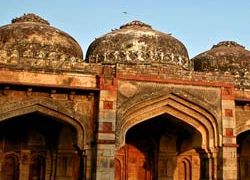
About The Bilwanwali Masjid The Bilwanwali Masjid, located in Ludhiana, is a beautiful and historic mosque that holds significance for the local Muslim community. This mosque serves as a place of worship for the followers of Islam in the area, providing a peaceful sanctuary for prayer and reflection. Architecture of Bilwanwali Masjid The architecture of the Bilwanwali Masjid is truly remarkable, blending traditional Islamic design elements with local influences. The mosque features intricate carvings, domes, minarets, and arches that showcase the skill and craftsmanship of the artisans who built it. The courtyard of the mosque is spacious and peaceful, providing ample space for worshippers to gather for prayers. History The Bilwanwali Masjid has a rich history that dates back many years. It was constructed during the Mughal period, a time known for its grand architecture and cultural achievements. The mosque has stood the test of time, surviving various political changes and conflicts, and continues to be a symbol of faith and community for the local Muslim population. Best Time To Visit The best time to visit the Bilwanwali Masjid is during the early morning or late afternoon when the light is soft, and the atmosphere is peaceful. This is also when the mosque is less crowded, allowing visitors to fully appreciate its beauty and serenity. It is recommended to avoid visiting during prayer times to respect the worshippers' privacy and devotion. How To Reach The Bilwanwali Masjid is conveniently located in Ludhiana and is easily accessible by various modes of transportation. Visitors can reach the mosque by car, taxi, or public transportation. The mosque is situated in a central location, making it a convenient stop for travelers exploring the city. Visitor Tips When visiting the Bilwanwali Masjid, it is important to dress modestly and respect the customs of the Muslim community. Visitors should remove their shoes before entering the mosque and maintain a quiet and respectful demeanor while on the premises. Photography may be restricted in certain areas, so it is essential to ask for permission before taking any photos. Additionally, visitors should be mindful of the mosque's prayer schedule and avoid visiting during prayer times to avoid disruptions.
Explore More
About The Kali Mata Mandir Temple In Patiala The Kali Mata Mandir Temple, located in Patiala, Punjab, is a revered religious site dedicated to Goddess Kali. The temple holds significant cultural and spiritual importance for the locals and visitors alike. Devotees flock to the temple to seek blessings from the powerful Goddess Kali and experience a sense of peace and tranquility amidst the serene surroundings. Architecture Of Kali Mata Mandir Temple The Kali Mata Mandir Temple showcases a unique blend of traditional and modern architectural styles. The temple features intricate carvings, vibrant colors, and stunning artwork that adorn the walls and ceilings. The main shrine is adorned with a beautiful idol of Goddess Kali, which is revered by the worshippers. The temple complex also includes smaller shrines dedicated to other Hindu deities, adding to the overall charm of the place. History The history of the Kali Mata Mandir Temple dates back several centuries. Legend has it that the temple was built by a devoted king who had a vision of Goddess Kali instructing him to construct a temple in her honor. Over the years, the temple has undergone renovations and additions, but its spiritual significance has remained unchanged. The temple continues to attract devotees from far and wide, who come to pay their respects and seek blessings from the divine Goddess. Best Time To Visit The best time to visit the Kali Mata Mandir Temple is during the festival of Navratri, which is dedicated to Goddess Kali and celebrates her victory over evil forces. The temple comes alive with vibrant decorations, devotional music, and religious ceremonies during this time. Visiting the temple during Navratri allows visitors to witness the fervor and devotion of the worshippers and partake in the festive atmosphere. How To Reach The Kali Mata Mandir Temple is easily accessible from various parts of Patiala. The nearest airport is Chandigarh Airport, which is located approximately 70 kilometers away from the temple. Visitors can also reach the temple by road via private vehicles or public transportation. The temple is well-connected by roads, making it convenient for devotees and tourists to visit and seek blessings from Goddess Kali. Significance Of The Kali Mata Mandir Temple The Kali Mata Mandir Temple holds immense significance for the devotees who believe in the power and blessings of Goddess Kali. Many people visit the temple to seek protection from evil forces, fulfillment of wishes, and overall well-being. The temple is also believed to be a place where prayers are answered and miracles happen. The serene ambiance and spiritual energy of the temple create a sense of peace and connection with the divine, drawing visitors back time and again.
Explore More
About The Ashapurni Mandir Temple The Ashapurni Mandir Temple, located in Pathankot, is one of the most revered Hindu temples in the region. Dedicated to the goddess Ashapurni, also known as Ambika Devi, the temple attracts devotees from far and wide who come to seek blessings for health, prosperity, and well-being. Architecture of Ashapurni Mandir Temple The Ashapurni Mandir Temple showcases a beautiful blend of traditional and modern architectural styles. The main temple structure is adorned with intricate carvings and sculptures, depicting various Hindu deities and mythological figures. The temple complex also features a spacious courtyard and a serene garden, providing a peaceful and tranquil atmosphere for visitors to pray and meditate. History The exact origins of the Ashapurni Mandir Temple are shrouded in myth and legend. According to local folklore, the temple was built centuries ago by a devout devotee of goddess Ashapurni who had a divine vision instructing him to construct a temple in her honor. Over the years, the temple has undergone several renovations and expansions, but it remains a symbol of faith and devotion for the local community. Best Time To Visit The best time to visit the Ashapurni Mandir Temple is during the festivals of Navratri and Diwali when the temple is beautifully decorated with lights and flowers, and special prayers and ceremonies are conducted. These festivals attract a large number of devotees who come to offer their prayers and seek blessings from the goddess. How To Reach The Ashapurni Mandir Temple is easily accessible by road, located in the heart of Pathankot city. Visitors can reach the temple by taking a taxi, auto-rickshaw, or private vehicle. The nearest railway station is Pathankot Junction, which is well-connected to major cities in North India. The nearest airport is Pathankot Airport, which is approximately 9 kilometers away from the temple. Significance Of The Ashapurni Mandir Temple The Ashapurni Mandir Temple holds great significance for the local community as it is believed to fulfill the wishes and desires of devotees who pray with a pure heart and unwavering faith. The goddess Ashapurni is revered as the provider of abundance and prosperity and is worshipped for her benevolence and protection. Many devotees visit the temple to seek blessings for success in their endeavors and to overcome obstacles in their lives. In conclusion, the Ashapurni Mandir Temple in Pathankot is not just a place of worship but also a spiritual sanctuary where devotees can connect with the divine and find solace in times of need. The temple's rich history, exquisite architecture, and sacred atmosphere make it a must-visit destination for anyone seeking peace, blessings, and divine grace.
Explore More
About The Kali Mata Ka Mandir Temple The Kali Mata Ka Mandir Temple, located in Pathankot, is a sacred place of worship dedicated to Goddess Kali. The temple holds great significance for devotees who come to seek blessings and offer prayers to the fierce yet benevolent deity. The temple is known for its peaceful and serene atmosphere, making it a popular destination for spiritual seekers and tourists alike. Architecture of Kali Mata Ka Mandir Temple The architecture of the Kali Mata Ka Mandir Temple is a beautiful blend of traditional and modern styles. The temple is adorned with intricate carvings and sculptures that depict various mythological stories and legends. The main sanctum sanctorum houses the idol of Goddess Kali, adorned with ornaments and flowers by devotees. The temple also has a large courtyard where devotees gather for prayers and rituals. The overall design of the temple is simple yet elegant, creating a tranquil and sacred space for visitors. History The history of the Kali Mata Ka Mandir Temple dates back several centuries. It is believed that the temple was built by a local ruler who was a devout follower of Goddess Kali. Over the years, the temple has undergone several renovations and expansions, but its spiritual significance has remained unchanged. The temple has stood as a symbol of faith and devotion for generations, attracting devotees from far and wide. Best Time To Visit The best time to visit the Kali Mata Ka Mandir Temple is during the festival of Navratri, which is celebrated with great fervor and devotion. During this time, the temple is beautifully decorated with lights and flowers, creating a festive and joyous atmosphere. Devotees gather in large numbers to offer prayers and seek blessings from the Goddess. Apart from Navratri, the temple is also a popular destination for devotees on Tuesdays and Saturdays, which are considered auspicious days for worship. How To Reach The Kali Mata Ka Mandir Temple is located in Pathankot, a well-connected city in Punjab. The temple can be easily reached by road, with regular bus services available from major cities like Amritsar, Chandigarh, and Delhi. The nearest railway station is Pathankot Railway Station, which is well-connected to major cities in India. For those traveling by air, the nearest airport is located in Amritsar, which is around 100 kilometers away from Pathankot. From the airport or railway station, visitors can hire a taxi or take a bus to reach the temple. Significance Of The Kali Mata Ka Mandir Temple The Kali Mata Ka Mandir Temple holds great significance for devotees who believe in the power and blessings of Goddess Kali. It is believed that the Goddess is a fierce protector who destroys evil forces and protects her devotees from harm. Devotees come to the temple to seek protection, prosperity, and peace in their lives. The temple is also known for its healing powers, with many devotees experiencing miraculous recoveries from illnesses after offering prayers at the temple. The Kali Mata Ka Mandir Temple is not just a place of worship but a sacred space where devotees can connect with the divine and find solace in times of need.
Explore More
About The Mukteshwar Temple in Pathankot The Mukteshwar Temple is a famous Hindu temple located in Pathankot, Punjab. It is dedicated to Lord Shiva, who is also known as Mukteshwar. The temple is a significant religious site for Hindus and attracts devotees from various parts of the country. The serene ambiance and spiritual vibes of the temple make it a popular pilgrimage destination. Architecture of Mukteshwar Temple The Mukteshwar Temple boasts of impressive architecture that reflects the rich cultural heritage of India. The temple is constructed in the traditional North Indian style with intricate carvings and beautiful sculptures adorning the walls and pillars. The main sanctum sanctorum houses the idol of Lord Shiva, along with other deities. The temple complex also includes a sacred pond and a garden, adding to its aesthetic appeal. History The history of the Mukteshwar Temple dates back to ancient times. It is believed that the temple was built by the rulers of the region to honor Lord Shiva. Over the years, the temple has undergone several renovations and expansions, but has managed to retain its original charm and sanctity. The temple holds great historical and religious significance for the local community and continues to be a place of worship and devotion. Best Time To Visit The best time to visit the Mukteshwar Temple is during the months of October to March when the weather is pleasant and the surroundings are lush green. This is also the time when several festivals and religious events are celebrated at the temple, attracting a large number of devotees. It is recommended to avoid visiting the temple during the monsoon season as the region experiences heavy rainfall, making it difficult to navigate through the area. How To Reach The Mukteshwar Temple in Pathankot is well-connected by road, rail, and air. The nearest airport is located in Amritsar, which is approximately 120 kilometers away from Pathankot. From the airport, one can hire a taxi or take a bus to reach the temple. Pathankot also has a railway station that is well-connected to major cities in India. For those traveling by road, there are regular bus services from nearby cities like Delhi, Chandigarh, and Amritsar. Significance Of The Mukteshwar Temple The Mukteshwar Temple holds immense significance for the devotees who visit it seeking blessings and spiritual solace. It is believed that praying at the temple can help one attain moksha or liberation from the cycle of birth and death. The temple also serves as a place for meditation and introspection, enabling devotees to connect with their inner selves and find peace and tranquility. The serene surroundings and divine atmosphere of the temple make it a must-visit for those seeking a spiritual experience. In conclusion, the Mukteshwar Temple in Pathankot is not just a place of worship but a symbol of faith and devotion for millions of Hindus. Its architectural beauty, historical significance, and spiritual aura make it a prominent pilgrimage site in Punjab. Whether you are a religious traveler or a history enthusiast, a visit to the Mukteshwar Temple is sure to leave you enriched and spiritually fulfilled.
Explore MoreDalhousie - Amritsar Tour
4 Days/ 3 Night
Dalhousie - Khajjiar - Amritsar
Best Of Himachal Pradesh Trip 10 Night - 11 Days
11 Days/ 10 Night
Dalhousie - Khajjiar - Kufri - Manali - Shimla - Dharamshala - Amritsar - Mcleodganj
Amritsar - Kandaghat - 6 Nights - 7 Days Tour
7 Days/ 6 Night
Kufri - Solan - Amritsar
Shimla-Manali-Dalhousie with Amritsar
8 Days/ 7 Night
Amritsar - Dalhousie - Khajjiar - Kufri - Manali - Shimla - Fagu

About The Nagni Temple The Nagni Temple is a revered Hindu temple located in Pathankot, Punjab, dedicated to the worship of the serpent deity, Nagni. The temple holds significant religious importance for devotees who come to seek blessings and offer prayers to the deity. Architecture of Nagni Temple The Nagni Temple showcases a beautiful architectural design, with intricate carvings and sculptures adorning the walls and pillars. The temple features a traditional North Indian style of architecture, with a large courtyard and a central sanctum where the idol of Nagni is placed. The temple is surrounded by lush greenery and serene surroundings, making it a peaceful place for devotees to worship and meditate. History The history of the Nagni Temple dates back several centuries, with legends and myths surrounding the origin of the deity. It is believed that the temple was built by the local community to honor Nagni, the serpent goddess who is considered a protector and a symbol of good fortune. Over the years, the temple has become a popular pilgrimage site for devotees from across the region. Best Time To Visit The best time to visit the Nagni Temple is during the winter months, from October to March, when the weather is pleasant and ideal for exploring the temple and its surroundings. The temple also hosts special events and festivals during this time, attracting a large number of devotees and tourists. How To Reach The Nagni Temple is located in Pathankot, Punjab, and can be easily accessed by road. The nearest airport is in Amritsar, approximately 120 kilometers away, while the nearest railway station is in Pathankot itself. From there, visitors can hire a taxi or take a bus to reach the temple. The temple is also well-connected by local transport services, making it convenient for devotees to visit. Significance Of The Nagni Temple The Nagni Temple holds great significance for the devotees who believe in the power and blessings of the serpent deity, Nagni. It is said that worshiping Nagni can bring good health, prosperity, and protection from evil forces. Devotees offer prayers, perform rituals, and make offerings to seek the blessings of the deity and fulfill their wishes. The temple is also considered a sacred place for meditation and spiritual enlightenment, attracting people seeking inner peace and divine guidance. Overall, the Nagni Temple in Pathankot is not just a religious site but a place of tranquility and spirituality where devotees can connect with the divine and experience a sense of peace and harmony. It is a must-visit destination for those seeking spiritual solace and seeking the blessings of the serpent deity, Nagni.
Explore More
Welcome to Kathgarh Temple, a hidden gem nestled in the picturesque city of Pathankot. This ancient temple holds a special place in the hearts of locals and visitors alike, offering a serene retreat amidst nature's bounty. History of Kathgarh Temple With a rich historical background, Kathgarh Temple stands as a symbol of cultural heritage and religious significance. Believed to have roots dating back centuries, the temple was once part of royal hunting grounds and has witnessed remarkable conservation efforts over the years. Its profound legacy has even garnered UNESCO recognition for its historical and architectural value. Architecture and Natural Beauty of Kathgarh Temple Surrounded by lush wetlands, dense forests, and sprawling grasslands, Kathgarh Temple provides a sanctuary for various bird species and wildlife. The tranquil landscapes offer a perfect setting for the historical Keoladeo Temple, adding to the temple's allure with its blend of architectural beauty and natural charm. Why is Kathgarh Temple Famous? Kathgarh Temple has gained fame as a haven for birdwatchers, photographers, nature enthusiasts, and wildlife lovers. Its serene ambiance and diverse ecosystem attract visitors seeking a unique and immersive experience in the lap of nature. How to Reach Kathgarh Temple Traveling to Kathgarh Temple is convenient, with options by air, rail, and road. Nearby airports and railway stations provide easy access, ensuring a seamless journey for visitors eager to explore this enchanting destination. Weather and Best Time to Visit Kathgarh Temple Throughout the seasons, Kathgarh Temple offers varying experiences, from vibrant summers to lush monsoons and serene winters. The best time to visit is during the moderate months, allowing travelers to enjoy the beauty of the temple and its surroundings to the fullest. Timings of Kathgarh Temple Visitors can explore Kathgarh Temple during specified timings, with seasonal variations in some cases. Planning your visit accordingly will help you make the most of your time at this tranquil location. Entry Fee and Visit Details Upon arrival, guests can familiarize themselves with entry procedures, guide services, safari options, bicycle rentals, and other visitor facilities available at Kathgarh Temple. These amenities enhance the overall experience, ensuring a memorable visit for all. Things to Do at Kathgarh Temple Engage in a variety of activities at Kathgarh Temple, from birdwatching and photography to cycling, walking trails, and nature observation. Immerse yourself in the beauty of the temple and its surroundings, gaining insights and experiences that will stay with you forever. Interesting Facts About Kathgarh Temple Discover fascinating facts about the migratory birds that frequent the area, the diverse biodiversity it supports, the conservation achievements celebrated here, and the ecological importance of preserving such natural treasures. Travel Tips for Visiting Kathgarh Temple When planning your visit to Kathgarh Temple, remember to pack appropriate clothing, essential photography gear, and birdwatching equipment. Familiarize yourself with the best visiting seasons and embrace responsible tourism practices to ensure a harmonious coexistence with nature. Conclusion In conclusion, Kathgarh Temple in Pathankot offers a profound blend of history, spirituality, and natural beauty. Its significance as a cultural landmark, coupled with its serene environment and diverse wildlife, makes it a must-visit destination for those seeking a peaceful retreat amidst nature's wonders.
Explore More
Welcome to Gurdwara Amb Sahib, a renowned tourist attraction located in Mohali. This sacred site holds immense historical and cultural significance, attracting visitors from far and wide. The natural beauty surrounding the gurdwara adds to its charm, making it a must-visit destination for travelers seeking tranquility and spiritual solace. History of Gurdwara Amb Sahib Gurdwara Amb Sahib has a rich historical background, with its origins dating back to ancient times. It is believed to have been a former royal hunting ground that has been transformed into a place of worship and conservation. The gurdwara stands as a testament to Sikh heritage and has garnered recognition for its cultural importance. Architecture and Natural Beauty of Gurdwara Amb Sahib The gurdwara is surrounded by lush wetlands, dense forests, and sprawling grasslands that provide a haven for a variety of bird species. The picturesque landscapes and serene bird habitats make it a paradise for nature lovers. The historical Keoladeo Temple located within the premises adds to the architectural charm of the site. Why is Gurdwara Amb Sahib Famous? Gurdwara Amb Sahib is famous for its serene ambience and spiritual aura that attracts devotees and tourists alike. It is a popular destination for birdwatchers, photographers, and wildlife enthusiasts due to the diverse avian life and natural beauty that surrounds the gurdwara. How to Reach Gurdwara Amb Sahib Traveling to Gurdwara Amb Sahib is convenient, with options available by air, rail, and road. The nearest airports and railway stations provide easy access to the city of Mohali, where the gurdwara is located. Visitors can choose from various modes of transportation to reach this tranquil destination. Weather and Best Time to Visit Gurdwara Amb Sahib The weather at Gurdwara Amb Sahib varies across seasons, with pleasant conditions during certain months. Summer, monsoon, and winter each offer a unique experience for visitors. The best time to visit is during [mention best months] when the weather is most favorable. Timings of Gurdwara Amb Sahib Gurdwara Amb Sahib welcomes visitors during specific timings, allowing them to explore the premises and partake in spiritual activities. Seasonal variations may affect these timings, so it is advisable to plan your visit accordingly to make the most of your experience. Entry Fee and Visit Details Entry to Gurdwara Amb Sahib is usually free, with provisions for guide services, safari options, and bicycle rentals for visitors. Facilities on-site cater to the needs of tourists, ensuring a comfortable and enjoyable visit filled with enriching experiences. Things to Do at Gurdwara Amb Sahib There are plenty of activities to engage in at Gurdwara Amb Sahib, ranging from birdwatching and photography to cycling and nature observation. Walking trails offer a chance to explore the surrounding beauty, while educational experiences provide insights into the cultural and ecological significance of the gurdwara. Interesting Facts About Gurdwara Amb Sahib Gurdwara Amb Sahib is home to a myriad of migratory birds, contributing to the biodiversity and conservation efforts in the region. The gurdwara's ecological importance and conservation achievements make it a standout destination for those interested in the natural world. Travel Tips for Visiting Gurdwara Amb Sahib When planning a visit to Gurdwara Amb Sahib, remember to dress appropriately, carry essential photography and birdwatching equipment, and adhere to responsible tourism practices. Knowing the best visiting seasons and being mindful of the environment will enhance your overall experience at this serene location. Conclusion In conclusion, Gurdwara Amb Sahib in Mohali offers a perfect blend of spirituality and natural beauty, making it a top choice for travelers seeking a peaceful retreat. The gurdwara's historical significance, biodiversity, and tourism importance create a memorable experience for visitors, leaving them with lasting impressions of this enchanting destination.
Explore More
Welcome to the serene and spiritually uplifting destination of Gurudwara Shri Kandh Sahib located in the charming city of Batala. This historical site offers a unique blend of cultural significance, natural beauty, and tranquility, making it a must-visit for travelers seeking a peaceful retreat amidst vibrant surroundings. History of Gurudwara Shri Kandh Sahib Gurudwara Shri Kandh Sahib holds a rich historical background dating back to its origin as a former royal hunting ground. Over the years, the site has undergone significant conservation efforts to preserve its heritage and ecological importance. Its recognition by UNESCO further highlights its value as a cultural and natural gem. Architecture and Natural Beauty of Gurudwara Shri Kandh Sahib The Gurudwara is set amidst picturesque wetlands, forests, and grasslands, creating a harmonious blend of architecture and natural surroundings. Bird habitats thrive in this serene environment, offering visitors a glimpse of diverse landscapes and the historical Keoladeo Temple that adds a touch of ancient charm. Why is Gurudwara Shri Kandh Sahib Famous? Gurudwara Shri Kandh Sahib is renowned for its appeal to birdwatchers, photographers, nature enthusiasts, and wildlife lovers. The abundance of avian species and the tranquil ambiance make it a paradise for those seeking to connect with nature's beauty in its purest form. How to Reach Gurudwara Shri Kandh Sahib Traveling to Gurudwara Shri Kandh Sahib is convenient, with options available by air, rail, and road. Nearby airports and railway stations provide easy access, ensuring a smooth journey for visitors eager to explore this spiritual haven in Batala. Weather and Best Time to Visit Gurudwara Shri Kandh Sahib Throughout the summer, monsoon, and winter seasons, Gurudwara Shri Kandh Sahib offers varying weather conditions for visitors to experience. The best months to visit are [mention best months], allowing travelers to enjoy the beauty of this destination to the fullest. Timings of Gurudwara Shri Kandh Sahib Visitors can explore Gurudwara Shri Kandh Sahib during specific timings, with seasonal variations adding a touch of uniqueness to the experience. Useful planning information ensures that every visit is well-organized and memorable for all guests. Entry Fee and Visit Details Entry procedures at Gurudwara Shri Kandh Sahib are hassle-free, with guide services, safari options, bicycle rentals, and visitor facilities enhancing the overall experience. Exploring this destination is made convenient, ensuring that guests have a fulfilling visit. Things to Do at Gurudwara Shri Kandh Sahib Engage in popular activities such as birdwatching, photography, cycling, walking trails, and nature observation at Gurudwara Shri Kandh Sahib. Educational experiences await guests, providing insights into the diverse ecosystem and cultural heritage of this remarkable site. Interesting Facts About Gurudwara Shri Kandh Sahib Discover fascinating facts about migratory birds, biodiversity, conservation achievements, and ecological importance at Gurudwara Shri Kandh Sahib. Each nugget of information adds to the allure of this destination, showcasing its significance in the realm of natural wonders. Travel Tips for Visiting Gurudwara Shri Kandh Sahib Prepare for your visit with practical advice on clothing choices, photography essentials, birdwatching equipment, and responsible tourism practices. Understanding the visiting seasons and embracing the essence of sustainable travel ensures a fulfilling and respectful exploration of Gurudwara Shri Kandh Sahib. Conclusion In conclusion, Gurudwara Shri Kandh Sahib in Batala stands as a testament to spiritual heritage, natural beauty, and cultural significance. Its allure captivates visitors from all walks of life, offering a sanctuary for reflection, exploration, and appreciation of the wonders that adorn this sacred site.
Explore More
Located in the city of Batala, Achal Sahib is a renowned tourist attraction that draws visitors from around the world. The hotspot is celebrated for its natural beauty, biodiversity, and historical significance, making it a must-visit destination for nature enthusiasts and history buffs alike. History of Achal Sahib Achal Sahib has a rich historical background, originally serving as royal hunting grounds. Over the years, efforts towards conservation have transformed it into a protected area, gaining recognition for its ecological importance. The site has also been acknowledged by UNESCO for its conservation efforts and cultural significance. Architecture and Natural Beauty of Achal Sahib The allure of Achal Sahib lies in its diverse landscapes, including wetlands, forests, and grasslands that provide habitats for a wide variety of bird species. The historical Keoladeo Temple nestled within the park adds to its cultural charm, attracting visitors with its architectural splendor and spiritual ambiance. Why is Achal Sahib Famous? Achal Sahib has earned fame as a hotspot for birdwatchers, photographers, and wildlife enthusiasts due to its abundant avian population and scenic vistas. The park offers a serene retreat for those seeking to immerse themselves in nature and observe the captivating wildlife in its natural habitat. How to Reach Achal Sahib Traveling to Achal Sahib is convenient, with options available by air, rail, and road. The nearest airports and railway stations provide easy access to the city of Batala, from where visitors can reach the hotspot via well-connected roads. Weather and Best Time to Visit Achal Sahib The weather at Achal Sahib varies across the seasons, with distinct conditions during summer, monsoon, and winter. The ideal time to visit is during the cooler months when the park flourishes with vibrant flora and fauna, offering a delightful experience for visitors. Timings of Achal Sahib Achal Sahib welcomes visitors during specific timings, accommodating seasonal variations if applicable. Planning a visit during the designated hours ensures a memorable and organized experience for all guests. Entry Fee and Visit Details Entry to Achal Sahib involves following specific procedures, with guide services and safari options available for visitors. Bicycle rentals offer a unique way to explore the park, while well-equipped visitor facilities cater to the comfort and convenience of guests. Things to Do at Achal Sahib Visitors to Achal Sahib can engage in a variety of activities such as birdwatching, photography, cycling, walking trails, and nature observation. The hotspot promises enriching experiences for all ages, with educational opportunities to learn about the park's biodiversity. Interesting Facts About Achal Sahib Achal Sahib is teeming with interesting facts, from the seasonal arrival of migratory birds to the conservation achievements that have safeguarded the park's ecological balance. The hotspot serves as a testament to the importance of preserving natural habitats and fostering biodiversity. Travel Tips for Visiting Achal Sahib When planning a trip to Achal Sahib, it is advisable to pack suitable clothing, photography gear, and birdwatching equipment to enhance the experience. Understanding the best visiting seasons and practicing responsible tourism ensures a sustainable and respectful exploration of the park. Conclusion In conclusion, Achal Sahib in Batala stands as a beacon of natural wonder and historical heritage, inviting travelers to immerse themselves in its beauty and significance. With a harmonious blend of nature and culture, this hotspot promises a fulfilling and enlightening journey for all who venture to explore its treasures.
Explore More
Welcome to Achaleshwar Dham, located in the captivating city of Batala. This religious and natural haven offers a serene retreat for visitors seeking a blend of spirituality and picturesque landscapes. Achaleshwar Dham is a place where history, architecture, and biodiversity converge to create a unique destination that attracts travelers from various walks of life. History of Achaleshwar Dham Achaleshwar Dham has a rich historical background, with its origins deeply rooted in ancient times. Once a royal hunting ground, this site has undergone significant conservation efforts to preserve its natural beauty and cultural heritage. The park's recognition by UNESCO underscores its importance as a site of both historical and ecological significance. Architecture and Natural Beauty of Achaleshwar Dham The beauty of Achaleshwar Dham lies in its diverse natural environment, encompassing wetlands, forests, and grasslands that provide habitats for a myriad of bird species. The majestic Keoladeo Temple, a historical gem nestled within the park, adds to its architectural charm and spiritual aura. Why is Achaleshwar Dham Famous? Achaleshwar Dham has gained popularity among birdwatchers, photographers, nature enthusiasts, and wildlife lovers due to its diverse avian population, stunning landscapes, and tranquil ambiance. The park offers a unique opportunity to witness nature's beauty up close and engage with various ecosystems. How to Reach Achaleshwar Dham Traveling to Achaleshwar Dham is convenient, with options available by air, rail, and road. The city is well-connected to nearby airports and railway stations, ensuring easy access for visitors coming from different parts of the country. Weather and Best Time to Visit Achaleshwar Dham Achaleshwar Dham experiences varying weather conditions throughout the year, with distinct summer, monsoon, and winter seasons. The best time to visit is during the temperate months when the park's natural beauty is at its peak, offering an ideal setting for exploration and discovery. Timings of Achaleshwar Dham Visiting hours at Achaleshwar Dham are designed to accommodate different preferences, with seasonal variations in timings to enhance the visitor experience. Detailed information on timings and planning considerations ensures a seamless and enjoyable trip. Entry Fee and Visit Details Entry procedures at Achaleshwar Dham are straightforward, with guide services, safari options, and bicycle rentals available for those looking to explore the park extensively. Visitor facilities are well-maintained, providing essential amenities for a comfortable stay. Things to Do at Achaleshwar Dham Achaleshwar Dham offers a range of activities for visitors, including birdwatching, photography, cycling, walking trails, and nature observation. Educational experiences are also available, allowing guests to learn more about the park's biodiversity and conservation efforts. Interesting Facts About Achaleshwar Dham Achaleshwar Dham boasts fascinating facts related to migratory birds, biodiversity conservation, and ecological achievements. These insights shed light on the park's significance in preserving natural ecosystems and promoting environmental sustainability. Travel Tips for Visiting Achaleshwar Dham When planning a trip to Achaleshwar Dham, consider practical tips such as appropriate clothing, photography gear, and birdwatching equipment to make the most of your visit. Understanding the best seasons to explore the park and practicing responsible tourism enhances the overall experience. Conclusion In conclusion, Achaleshwar Dham in Batala stands as a testament to the harmonious coexistence of nature and spirituality. This enchanting destination offers a rewarding journey for travelers seeking tranquility, cultural insights, and immersive experiences in the heart of pristine surroundings. Explore Achaleshwar Dham to discover the magic of interconnected ecosystems and the timeless allure of ancient traditions.
Explore More
Welcome to the mystical land of Batala, where nature's beauty and spiritual serenity converge at the revered Bawa Lal Ji Temple. This iconic tourist attraction holds a special place in the hearts of visitors seeking solace and tranquility amidst the bustling city life. History of Bawa Lal Ji Temple The history of Bawa Lal Ji Temple dates back to ancient times, resonating with tales of devotion and divine blessings. Once a royal hunting ground, this sacred site has been transformed into a sanctuary of peace, reflecting the rich cultural heritage of Batala. The temple's architectural splendor and conservation efforts have garnered UNESCO recognition, highlighting its historical significance. Architecture and Natural Beauty of Bawa Lal Ji Temple Nestled amidst lush wetlands, dense forests, and sprawling grasslands, Bawa Lal Ji Temple is a haven for bird enthusiasts and nature lovers. The melodious chirping of vibrant bird species, coupled with picturesque landscapes, creates a surreal setting for visitors to explore. The nearby Keoladeo Temple adds a touch of ancient charm to the temple complex, enhancing its natural beauty. Why is Bawa Lal Ji Temple Famous? Bawa Lal Ji Temple is renowned for its captivating allure, drawing birdwatchers, photographers, and wildlife enthusiasts from far and wide. The diverse bird habitats, serene surroundings, and abundant biodiversity make it a paradise for those seeking a closer connection with nature's wonders. How to Reach Bawa Lal Ji Temple Traveling to Bawa Lal Ji Temple is convenient, with well-connected air, rail, and road networks offering easy access to this spiritual gem. The nearest airports and railway stations provide seamless transportation options for visitors, ensuring a smooth journey to this enchanting destination. Weather and Best Time to Visit Bawa Lal Ji Temple Experience the changing seasons at Bawa Lal Ji Temple, with each offering a unique perspective of its natural splendor. While summer brings vibrant hues and active wildlife, the monsoon rejuvenates the landscape with lush greenery. Winter unveils a tranquil charm, making it the best time to visit and immerse yourself in the temple's serene ambiance. Timings of Bawa Lal Ji Temple Plan your visit to Bawa Lal Ji Temple wisely, considering the visitor timings and any seasonal variations that may impact your experience. Gather all necessary information to make the most of your trip and ensure a memorable stay at this sacred site. Entry Fee and Visit Details Upon arrival, acquaint yourself with the entry procedures, guide services, and available safari options to enhance your exploration of Bawa Lal Ji Temple. Consider renting a bicycle for a leisurely tour or utilize visitor facilities for a comfortable and enjoyable visit. Things to Do at Bawa Lal Ji Temple Engage in a myriad of activities at Bawa Lal Ji Temple, from birdwatching and photography to cycling along scenic trails. Immerse yourself in nature's wonders, observe the diverse wildlife, and partake in educational experiences that offer insights into the temple's ecological significance. Interesting Facts About Bawa Lal Ji Temple Discover fascinating facts about Bawa Lal Ji Temple's migratory birds, conservation efforts, and ecological importance that contribute to its unique charm. Delve into the temple's rich biodiversity and celebrate its conservation achievements that have preserved this natural sanctuary for generations to come. Travel Tips for Visiting Bawa Lal Ji Temple Prepare for your journey to Bawa Lal Ji Temple with practical tips on clothing choices, photography essentials, and birdwatching equipment to make the most of your visit. Embrace responsible tourism practices, respect the natural environment, and savor the beauty of Bawa Lal Ji Temple with mindful exploration. Conclusion In conclusion, Bawa Lal Ji Temple in Batala stands as a testament to spiritual devotion, natural beauty, and cultural heritage. Embrace the tranquility of this sacred site, immerse yourself in its serene surroundings, and embark on a journey of discovery and enlightenment amidst the enchanting landscapes of Batala.
Explore More
Welcome to the charming city of Batala, home to the magnificent Mubarak Mosque. This historical landmark holds significance not only for its architectural beauty but also for its rich heritage and cultural importance. The Mubarak Mosque stands as a testament to the city's grandeur and historical legacy, attracting tourists from far and wide to witness its splendor. History of Mubarak Mosque The Mubarak Mosque has a captivating historical background that dates back to its origins as a royal hunting ground. Over the years, efforts have been made to conserve and preserve this iconic site, leading to its recognition by UNESCO as a heritage site of immense value. Architecture and Natural Beauty of Mubarak Mosque Surrounded by lush wetlands, verdant forests, and picturesque grasslands, the Mubarak Mosque is not only a stunning architectural marvel but also a haven for a variety of bird species. The tranquil landscapes and the nearby Keoladeo Temple add to the natural beauty of this enchanting location. Why is Mubarak Mosque Famous? The Mubarak Mosque is famous for its appeal to birdwatchers, photographers, nature enthusiasts, and wildlife lovers. The diverse bird habitats and serene surroundings make it a paradise for those seeking to immerse themselves in the beauty of nature. How to Reach Mubarak Mosque Traveling to Mubarak Mosque is convenient, with options available by air, rail, and road. The city is well-connected to nearby airports and railway stations, ensuring easy access for visitors from various locations. Weather and Best Time to Visit Mubarak Mosque The weather at Mubarak Mosque varies across seasons, with summer, monsoon, and winter each offering a unique experience. The best time to visit is during the months when the weather is most favorable for exploring the surroundings and enjoying the natural beauty of the area. Timings of Mubarak Mosque The visitor timings at Mubarak Mosque cater to different preferences, with seasonal variations considered to enhance the overall experience. Planning your visit based on these timings can help you make the most of your trip. Entry Fee and Visit Details Entry procedures at Mubarak Mosque are designed to ensure a hassle-free experience for visitors. Guide services, safari options, bicycle rentals, and visitor facilities are available to enhance your visit and provide you with a memorable experience. Things to Do at Mubarak Mosque Engage in popular activities such as birdwatching, photography, cycling, walking trails, nature observation, and educational experiences at Mubarak Mosque. These activities allow you to connect with nature and explore the biodiversity of the region in depth. Interesting Facts About Mubarak Mosque Discover fascinating facts about migratory birds, biodiversity conservation achievements, and the ecological importance of Mubarak Mosque. These insights shed light on the significance of preserving this natural treasure for future generations to enjoy. Travel Tips for Visiting Mubarak Mosque Prepare for your visit to Mubarak Mosque by considering practical aspects such as clothing choices, photography essentials, birdwatching equipment, ideal visiting seasons, and responsible tourism practices. By following these tips, you can ensure a fulfilling and sustainable travel experience. Conclusion In conclusion, Mubarak Mosque in Batala offers a delightful blend of historical charm, natural beauty, and cultural significance. Visitors to this iconic site are treated to a memorable experience that celebrates the rich heritage and biodiversity of the region, making it a must-visit destination for travelers seeking to explore the beauty of Batala.
Explore More
Welcome to Saragarhi Memorial Gurudwara in Ferozepur, a place rich in history, culture, and natural beauty. This iconic destination holds a special place in the hearts of visitors for its significance, serene environment, and tourism allure. The memorial stands as a tribute to the valor and sacrifice of the soldiers who fought bravely in the Battle of Saragarhi. History of Saragarhi Memorial Gurudwara The Saragarhi Memorial Gurudwara commemorates the historic Battle of Saragarhi, where 21 Sikh soldiers valiantly defended their post against thousands of Afghan tribesmen in 1897. This sacred site serves as a reminder of their courage and sacrifice. The Gurudwara was established to honor their memory and has since become a place of reverence and pilgrimage for many. Architecture and Natural Beauty of Saragarhi Memorial Gurudwara Nestled amidst serene surroundings, the Gurudwara offers a tranquil escape for visitors seeking solace and spiritual enrichment. The lush greenery, soothing ambience, and architectural beauty of the Gurudwara create a peaceful retreat for all who visit. The natural beauty surrounding the memorial adds to its charm and allure. Why is Saragarhi Memorial Gurudwara Famous? The Saragarhi Memorial Gurudwara is renowned for its historical significance and as a symbol of bravery and patriotism. It attracts history enthusiasts, spiritual seekers, and those interested in paying homage to the heroic soldiers who made the ultimate sacrifice. The Gurudwara holds a special place in the hearts of visitors for its rich heritage and cultural importance. How to Reach Saragarhi Memorial Gurudwara Traveling to Saragarhi Memorial Gurudwara is convenient, with various transportation options available. Visitors can reach Ferozepur by air, rail, or road, with the nearest airports being located in Amritsar and Ludhiana. The Ferozepur railway station provides easy access for those arriving by train, while well-connected roads offer a smooth journey by car or bus. Weather and Best Time to Visit Saragarhi Memorial Gurudwara The weather at Saragarhi Memorial Gurudwara is pleasant throughout the year, with distinct seasons offering different experiences. While summers are warm, monsoons bring lush greenery, and winters are mild and comfortable. The best time to visit is during the cooler months from October to March when the weather is ideal for exploring the memorial and its surroundings. Timings of Saragarhi Memorial Gurudwara Saragarhi Memorial Gurudwara welcomes visitors throughout the year, with timings varying slightly based on the season. The Gurudwara is open to devotees and tourists, providing an opportunity to experience its spiritual essence and historical significance. Visitors can plan their trip accordingly to make the most of their visit. Entry Fee and Visit Details Entry to Saragarhi Memorial Gurudwara is free for all, allowing everyone to witness the beauty and serenity of this sacred place. Visitors can avail of guide services to learn more about the history and significance of the Gurudwara. Additionally, facilities such as restrooms and parking are available for the convenience of guests. Things to Do at Saragarhi Memorial Gurudwara Visitors to Saragarhi Memorial Gurudwara can engage in various activities that cater to different interests. From offering prayers and seeking blessings to exploring the historical significance of the site, there is much to do and experience here. Photography enthusiasts will find ample opportunities to capture the beauty of the Gurudwara and its surroundings. Interesting Facts About Saragarhi Memorial Gurudwara Saragarhi Memorial Gurudwara is not just a place of worship but also a symbol of bravery and sacrifice. The Gurudwara stands as a testament to the courage of the soldiers who fought valiantly in the Battle of Saragarhi. Its historical importance, combined with its serene surroundings, makes it a must-visit destination for those seeking a glimpse into the past. Travel Tips for Visiting Saragarhi Memorial Gurudwara When visiting Saragarhi Memorial Gurudwara, it is advisable to dress modestly and respectfully to maintain the sanctity of the place. Carrying a camera to capture the beauty of the Gurudwara and its surroundings is recommended. Visitors should also be mindful of the historical significance of the site and conduct themselves responsibly during their visit. Conclusion In conclusion, Saragarhi Memorial Gurudwara in Ferozepur is a place of historical importance, cultural significance, and natural beauty. Visitors to this iconic destination are greeted with a sense of awe and reverence, as they pay homage to the brave soldiers who made the ultimate sacrifice. The Gurudwara's tranquil environment and rich heritage make it a must-visit for those seeking a unique and enlightening travel experience.
Explore More
Welcome to the mystical destination of Shri Dhianpur Dham nestled in the heart of Gurdaspur city. This enchanting hotspot offers a serene escape into nature's embrace, captivating visitors with its rich biodiversity and cultural significance. History of Shri Dhianpur Dham Shri Dhianpur Dham holds a profound historical background, once serving as royal hunting grounds for the nobility. Over the years, dedicated conservation efforts have transformed this area into a sanctuary for diverse flora and fauna. The park's commitment to preservation has garnered recognition by UNESCO for its outstanding contribution to environmental conservation. Architecture and Natural Beauty of Shri Dhianpur Dham Embraced by verdant wetlands, lush forests, and sprawling grasslands, Shri Dhianpur Dham is a haven for numerous bird species, creating a vibrant mosaic of bird habitats. The picturesque landscapes are adorned with the ancient Keoladeo Temple, adding a historical charm to the natural beauty of the park. Why is Shri Dhianpur Dham Famous? Shri Dhianpur Dham has earned its fame as a paradise for birdwatchers, photographers, nature enthusiasts, and wildlife lovers alike. The park's diverse avian population and stunning landscapes offer unparalleled opportunities for immersive wildlife experiences and captivating moments in nature. How to Reach Shri Dhianpur Dham Visitors can easily access Shri Dhianpur Dham through various travel options. The nearest airports and railway stations provide convenient connectivity, ensuring a hassle-free journey to this captivating destination by air, rail, or road. Weather and Best Time to Visit Shri Dhianpur Dham Throughout the seasons, Shri Dhianpur Dham showcases its unique charm. While summers offer vibrant greenery and pleasant temperatures, the monsoon season brings a refreshing lushness to the park. Winter unveils a tranquil ambiance, making it the best time to witness the park's beauty in full bloom. Timings of Shri Dhianpur Dham Plan your visit to Shri Dhianpur Dham efficiently by noting the visitor timings and any seasonal variations that may impact your experience. This information will help you make the most of your trip and ensure a memorable stay at this natural sanctuary. Entry Fee and Visit Details Upon arrival, visitors can explore the park by following the designated entry procedures. Guide services, safari options, bicycle rentals, and well-equipped visitor facilities are available to enhance your experience and provide a comprehensive exploration of Shri Dhianpur Dham. Things to Do at Shri Dhianpur Dham Engage in a myriad of activities at Shri Dhianpur Dham, from immersive birdwatching sessions to capturing mesmerizing photographs of the diverse wildlife. Cycling along scenic trails, walking amidst nature's tranquility, and embarking on educational experiences await your discovery within the park. Interesting Facts About Shri Dhianpur Dham Shri Dhianpur Dham is a treasure trove of fascinating facts, from the annual migration of birds to the park's pivotal role in biodiversity conservation. Discover the park's ecological importance and conservation achievements that make it a renowned sanctuary for both wildlife and nature enthusiasts. Travel Tips for Visiting Shri Dhianpur Dham Prepare for your journey to Shri Dhianpur Dham with practical travel tips, including suitable clothing choices, essential photography gear, ideal birdwatching equipment, recommended visiting seasons, and responsible tourism practices. By following these tips, you can ensure a seamless and rewarding visit to this natural gem. Conclusion In conclusion, Shri Dhianpur Dham in Gurdaspur city stands as a testament to the harmonious coexistence of nature and heritage. Its profound beauty, rich biodiversity, and cultural significance create an unforgettable visitor experience, inviting travelers to immerse themselves in the enchanting allure of this captivating hotspot.
Explore More
Welcome to the enchanting destination of Shri Pindori Dham Temple in Gurdaspur, a place that beckons travelers seeking a blend of spirituality, natural beauty, and tranquility. Nestled in the heart of Gurdaspur, this sacred temple holds a special place in the hearts of locals and visitors alike. History of Shri Pindori Dham Temple The historical significance of Shri Pindori Dham Temple dates back to ancient times, with its roots deeply embedded in local folklore and traditions. Once a royal hunting ground, the temple now stands as a symbol of spiritual reverence and cultural heritage. Efforts towards conservation have preserved the sanctity of this sacred site, earning it recognition for its historical and cultural importance. Architecture and Natural Beauty of Shri Pindori Dham Temple Surrounded by lush wetlands, verdant forests, and sprawling grasslands, Shri Pindori Dham Temple is a haven for birdlife and wildlife enthusiasts. The picturesque landscapes offer a glimpse into the natural beauty of the region, with the historical Keoladeo Temple adding to the charm of the surroundings. Why is Shri Pindori Dham Temple Famous? Shri Pindori Dham Temple is renowned for its captivating appeal to birdwatchers, photographers, and nature lovers. The diverse bird habitats and scenic vistas make it a popular destination for those seeking a rendezvous with nature's wonders. How to Reach Shri Pindori Dham Temple Traveling to Shri Pindori Dham Temple is convenient, with options available by air, rail, and road. Nearby airports and railway stations provide easy access to this spiritual sanctuary, allowing visitors to embark on a journey of discovery and serenity. Weather and Best Time to Visit Shri Pindori Dham Temple The weather at Shri Pindori Dham Temple varies across seasons, offering distinct experiences during summer, monsoon, and winter. The best time to visit is during [mention best months], when the climate is ideal for exploring the temple and its natural surroundings. Timings of Shri Pindori Dham Temple Visitor timings at Shri Pindori Dham Temple ensure a well-planned and memorable experience for all. Seasonal variations may apply, so it is advisable to check for any updates before planning your visit to this sacred site. Entry Fee and Visit Details Entry procedures at Shri Pindori Dham Temple are designed to facilitate a smooth and hassle-free visit. Guide services, safari options, bicycle rentals, and visitor facilities are available to enhance your exploration of this spiritual and natural oasis. Things to Do at Shri Pindori Dham Temple Engage in a host of activities at Shri Pindori Dham Temple, from birdwatching and photography to cycling and nature observation. Walking trails offer an immersive experience amidst the serene surroundings, while educational programs provide insights into the temple's rich biodiversity. Interesting Facts About Shri Pindori Dham Temple Discover fascinating facts about migratory birds, conservation achievements, and the ecological significance of Shri Pindori Dham Temple. The temple's role in preserving biodiversity and promoting environmental awareness adds to its allure as a conservation hotspot. Travel Tips for Visiting Shri Pindori Dham Temple When visiting Shri Pindori Dham Temple, remember to dress appropriately for the weather and carry essential photography and birdwatching equipment. Familiarize yourself with the best seasons to visit and practice responsible tourism to ensure the preservation of this sacred site for future generations. Conclusion In conclusion, Shri Pindori Dham Temple in Gurdaspur stands as a testament to spiritual devotion, natural beauty, and cultural heritage. A visit to this sacred sanctuary offers a unique blend of tranquility and exploration, making it a must-visit destination for those seeking a soulful retreat amidst nature's bounty.
Explore More
Welcome to Bhim Kund, a hidden gem nestled in the charming city of Mansa. This picturesque destination is known for its tranquil natural environment, rich biodiversity, and significant tourism appeal. Whether you are a birdwatcher, photographer, nature enthusiast, or wildlife lover, Bhim Kund offers a unique experience that will captivate your senses and leave you in awe of its beauty. History of Bhim Kund Steeped in history, Bhim Kund traces its origins back to the ancient times when it served as a royal hunting ground. Over the years, concerted conservation efforts have transformed this area into a sanctuary for various species, earning it recognition from UNESCO for its ecological importance and biodiversity. Architecture and Natural Beauty of Bhim Kund Surrounded by wetlands, forests, and grasslands, Bhim Kund is a haven for bird habitats and diverse landscapes. The historical Keoladeo Temple adds to the charm of this place, offering a glimpse into the cultural heritage intertwined with its natural beauty. Why is Bhim Kund Famous? Bhim Kund is renowned for its appeal to birdwatchers, photographers, nature enthusiasts, and wildlife lovers due to the myriad of species that call this place home. The opportunity to witness rare birds in their natural habitat draws visitors from far and wide. How to Reach Bhim Kund Travel to Bhim Kund is convenient, with options available by air, rail, and road. The nearest airports and railway stations provide easy access to this enchanting destination, allowing visitors to immerse themselves in the beauty of Mansa. Weather and Best Time to Visit Bhim Kund Experience varied weather conditions at Bhim Kund throughout the year, with distinct seasons of summer, monsoon, and winter. The best time to visit is during the moderate months when the natural surroundings are at their most vibrant. Timings of Bhim Kund Plan your visit to Bhim Kund with consideration for visitor timings and any seasonal variations that may impact your experience. This information will help you make the most of your time exploring this natural paradise. Entry Fee and Visit Details Upon arrival, familiarize yourself with the entry procedures, guide services, safari options, bicycle rentals, and visitor facilities available at Bhim Kund. These details will ensure a seamless and enjoyable visit to this captivating destination. Things to Do at Bhim Kund Engage in a range of activities at Bhim Kund, from birdwatching and photography to cycling, walking trails, and nature observation. Immerse yourself in the beauty of this sanctuary and create unforgettable memories amidst the diverse flora and fauna. Interesting Facts About Bhim Kund Discover fascinating facts about the migratory birds that frequent Bhim Kund, the conservation achievements that have preserved its natural habitat, and the ecological significance of this sanctuary in maintaining biodiversity. Travel Tips for Visiting Bhim Kund Prepare for your visit to Bhim Kund with practical advice on clothing choices, photography tips, birdwatching equipment essentials, ideal visiting seasons, and responsible tourism practices that will help you make the most of your experience while preserving the environment. Conclusion In conclusion, Bhim Kund in Mansa stands as a testament to the harmonious coexistence of nature and heritage. Its historical significance, architectural beauty, and diverse biodiversity make it a must-visit destination for those seeking a unique and enriching travel experience. Explore the wonders of Bhim Kund and create lasting memories in this enchanting city.
Explore MoreDharamshala - Dalhousie - Amritsar Tour Package 5 Nights - 6 Days
6 Days/ 5 Night
Dalhousie - Khajjiar - Dharamshala - Amritsar - Mcleodganj
Dharamshala And Dalhousie Tour Package From Amritsar
6 Days/ 5 Night
Dalhousie - Khajjiar - Dharamshala - Amritsar - Kangra
Shimla – Manali – Dharamshala – Amritsar Tour
8 Days/ 7 Night
Amritsar - Dharamshala - Kufri - Manali - Shimla - Kangra - Fagu
Amritsar - Wagah Border Tour - 3 Nights - 4 Days
4 Days/ 3 Night
Amritsar

Welcome to Takht Sri Damdama Sahib, a serene and culturally significant tourist attraction located in Mansa. This historical site attracts visitors from all over the world due to its rich heritage, natural beauty, and spiritual importance. History of Takht Sri Damdama Sahib Steeped in history, Takht Sri Damdama Sahib holds a significant place in Sikh culture. This site dates back to ancient times and was once a royal hunting ground before being transformed into a spiritual sanctuary. The conservation efforts have preserved its historical essence, leading to UNESCO recognition for its cultural significance. Architecture and Natural Beauty of Takht Sri Damdama Sahib The natural environment surrounding Takht Sri Damdama Sahib is a picturesque blend of wetlands, forests, and grasslands. It serves as a vital bird habitat, attracting a diverse range of avian species. Amidst this natural beauty stands the Keoladeo Temple, adding to the spiritual aura of the place. Why is Takht Sri Damdama Sahib Famous? Takht Sri Damdama Sahib is renowned for its appeal to birdwatchers, photographers, nature enthusiasts, and wildlife lovers. The abundance of bird species and the tranquil atmosphere make it a paradise for those seeking a close connection with nature. How to Reach Takht Sri Damdama Sahib Traveling to Takht Sri Damdama Sahib is convenient via air, rail, or road. The nearest airports and railway stations provide easy access to this spiritual haven. Visitors can choose their preferred mode of transport based on their convenience. Weather and Best Time to Visit Takht Sri Damdama Sahib The weather at Takht Sri Damdama Sahib varies across seasons, with summer, monsoon, and winter showcasing distinct climatic conditions. The best time to visit is during specific months when the weather is pleasant, allowing for an enjoyable experience. Timings of Takht Sri Damdama Sahib Visiting hours at Takht Sri Damdama Sahib cater to different seasons, ensuring that visitors can explore the site comfortably. Understanding the timings and seasonal variations is essential for effective trip planning. Entry Fee and Visit Details Entry procedures at Takht Sri Damdama Sahib are streamlined to provide a hassle-free experience for visitors. Guide services, safari options, bicycle rentals, and visitor facilities are available to enhance the overall visit. Things to Do at Takht Sri Damdama Sahib Engage in various activities at Takht Sri Damdama Sahib, including birdwatching, photography, cycling, walking trails, and nature observation. The site offers a range of experiences for visitors to immerse themselves in the natural surroundings. Interesting Facts About Takht Sri Damdama Sahib Takht Sri Damdama Sahib is home to fascinating migratory birds, showcasing the rich biodiversity of the region. The conservation achievements and ecological importance of this site contribute to its global recognition as a vital sanctuary. Travel Tips for Visiting Takht Sri Damdama Sahib When planning a trip to Takht Sri Damdama Sahib, consider essential factors such as clothing, photography gear, visiting seasons, and responsible tourism practices. These tips will help you make the most of your visit while respecting the natural environment. Conclusion In conclusion, Takht Sri Damdama Sahib in Mansa offers a unique blend of history, nature, and spirituality for visitors to explore. Its cultural significance, natural beauty, and diverse experiences make it a must-visit destination for those seeking a tranquil retreat amidst the wonders of nature.
Explore More
Welcome to Santoshi Mata Temple, a serene and spiritually significant destination located in Mansa. This temple holds a special place in the hearts of devotees and visitors who seek solace and blessings in its tranquil surroundings. History of Santoshi Mata Temple Steeped in history, Santoshi Mata Temple has a rich historical background dating back to ancient times. Initially known as a sacred site for meditation, the temple later gained prominence as a revered place of worship. Formerly part of royal hunting grounds, the temple stands as a symbol of conservation efforts to preserve its heritage. Its cultural and historical significance has earned it recognition from UNESCO for its contribution to the region's heritage. Architecture and Natural Beauty of Santoshi Mata Temple The temple is nestled amidst natural beauty, surrounded by lush wetlands, verdant forests, and sprawling grasslands. It serves as a haven for diverse bird habitats, offering breathtaking landscapes that captivate visitors. Adding to its allure is the historical Keoladeo Temple located within its premises, showcasing exquisite architecture and a deep connection to the region's past. Why is Santoshi Mata Temple Famous? Santoshi Mata Temple is renowned for its enchanting appeal to birdwatchers, photographers, nature enthusiasts, and wildlife lovers alike. The harmonious blend of spirituality and natural beauty makes it a sought-after destination for those seeking a profound connection with both nature and divinity. How to Reach Santoshi Mata Temple Traveling to Santoshi Mata Temple is convenient, with accessible options by air, rail, and road. The city is well-connected to nearby airports and railway stations, ensuring a hassle-free journey for visitors from various locations. Weather and Best Time to Visit Santoshi Mata Temple The temple experiences varying weather conditions throughout the year, with summer, monsoon, and winter seasons offering diverse experiences to visitors. The best time to visit Santoshi Mata Temple is during specific months when the weather is favorable for exploration and spiritual reflection. Timings of Santoshi Mata Temple Santoshi Mata Temple welcomes visitors during specific timings, accommodating seasonal variations to enhance the visitor experience. Understanding the temple's timings and planning your visit accordingly ensures a memorable and fulfilling trip. Entry Fee and Visit Details Entry to Santoshi Mata Temple is a seamless process, with guide services available to enhance your visit. Safari options, bicycle rentals, and visitor facilities are provided to ensure a comfortable and engaging experience for all guests. Things to Do at Santoshi Mata Temple Engage in a myriad of activities at Santoshi Mata Temple, including birdwatching, photography, cycling, walking trails, nature observation, and educational experiences. Immerse yourself in the serene ambiance and explore the natural wonders that the temple has to offer. Interesting Facts About Santoshi Mata Temple Santoshi Mata Temple is home to a diverse array of migratory birds, showcasing the region's rich biodiversity and conservation achievements. Its ecological importance resonates with visitors, highlighting the need for sustainable practices to protect its natural treasures. Travel Tips for Visiting Santoshi Mata Temple When visiting Santoshi Mata Temple, remember to dress modestly and carry essential photography and birdwatching equipment to make the most of your trip. Consider the visiting seasons and practice responsible tourism to preserve the temple's sanctity and beauty for future generations. Conclusion In conclusion, Santoshi Mata Temple in Mansa offers a unique blend of spirituality, natural beauty, and cultural heritage that captivates visitors from near and far. Its significance, biodiversity, and tourism importance make it a must-visit destination for those seeking a transcendent experience in the heart of nature.
Explore More
Welcome to Bareta Church in Mansa, a hidden gem for nature lovers and bird enthusiasts. This charming attraction offers a unique blend of historical significance, architectural beauty, and rich biodiversity that makes it a must-visit destination for travelers seeking a serene retreat in the heart of nature. History of Bareta Church Steeped in history, Bareta Church holds a special place as a former royal hunting ground that has been transformed into a conservation area. The park's rich heritage, coupled with its efforts towards wildlife preservation, has earned it recognition by UNESCO as a valuable natural asset. Architecture and Natural Beauty of Bareta Church As you explore Bareta Church, you will be captivated by its lush wetlands, dense forests, sprawling grasslands, and diverse bird habitats. The park's landscape is dotted with the historic Keoladeo Temple, adding a touch of cultural charm to the natural beauty that surrounds it. Why is Bareta Church Famous? Bareta Church is renowned for its thriving bird population, making it a paradise for birdwatchers, photographers, and wildlife enthusiasts. Its tranquil surroundings and stunning vistas attract nature lovers from around the globe, seeking a rendezvous with the avian wonders that call this park home. How to Reach Bareta Church Traveling to Bareta Church is convenient, with options available by air, rail, and road. The nearest airports and railway stations provide easy access to the park, ensuring a smooth journey for visitors arriving from different parts of the country. Weather and Best Time to Visit Bareta Church Throughout the year, Bareta Church offers distinct experiences, from the vibrant colors of summer to the lush greenery of the monsoon and the serene beauty of winter. The best time to visit varies based on personal preferences, with each season offering a unique charm to explore. Timings of Bareta Church Visitors can enjoy Bareta Church during designated hours, with seasonal variations that may impact accessibility. Planning your trip accordingly and checking for any updates on timings will ensure a seamless experience at this enchanting destination. Entry Fee and Visit Details Entry procedures at Bareta Church are straightforward, with guide services available for those seeking expert insights into the park's wonders. Safari options, bicycle rentals, and visitor facilities cater to diverse needs, ensuring a memorable visit for all. Things to Do at Bareta Church Embark on a journey of discovery at Bareta Church through activities like birdwatching, photography, cycling, walking trails, and nature observation. Engage in educational experiences that offer a deeper understanding of the park's biodiversity and ecological significance. Interesting Facts About Bareta Church Bareta Church is home to a myriad of migratory birds, showcasing the park's role in conservation and biodiversity preservation. Its ecological achievements and commitment to sustainable practices make it a beacon of hope for wildlife enthusiasts and environmental advocates. Travel Tips for Visiting Bareta Church When visiting Bareta Church, remember to pack appropriate clothing, essential photography gear, and birdwatching equipment to enhance your experience. Familiarize yourself with the best seasons to visit and embrace responsible tourism practices to protect the park's natural wonders. Conclusion In conclusion, Bareta Church in Mansa stands as a testament to the harmony between history, architecture, and nature. This tranquil oasis offers a sanctuary for wildlife and a haven for travelers seeking solace in the lap of natural beauty. Explore the wonders of Bareta Church and immerse yourself in a world where history and biodiversity intertwine to create a truly unforgettable experience.
Explore More
Welcome to Gurudwara Sukhchainana Sahib in Phagwara, a serene and spiritually significant destination that attracts visitors from all walks of life. This beautiful hotspot offers not only a place for peaceful reflection but also a glimpse into the rich cultural heritage of the region. History of Gurudwara Sukhchainana Sahib Steeped in history, Gurudwara Sukhchainana Sahib holds a special place in the hearts of devotees. Originally built to commemorate a visit by Guru Nanak Dev Ji, the founder of Sikhism, this gurudwara stands as a symbol of peace and unity. The surrounding area was once a royal hunting ground, now transformed into a place of spiritual solace. The conservation efforts to preserve the gurudwara's architecture and historical significance have garnered recognition, making it a revered site for many. Architecture and Natural Beauty of Gurudwara Sukhchainana Sahib Surrounded by lush greenery and serene landscapes, Gurudwara Sukhchainana Sahib offers a tranquil retreat for visitors. The natural environment around the gurudwara includes beautiful wetlands, forests, and bird habitats, making it a paradise for nature lovers. The historical Keoladeo Temple situated nearby adds to the charm of the surroundings, creating a perfect blend of spirituality and natural beauty. Why is Gurudwara Sukhchainana Sahib Famous? Gurudwara Sukhchainana Sahib is renowned for its spiritual ambiance and historical significance. It is a popular destination not only for religious pilgrims but also for birdwatchers, photographers, and wildlife enthusiasts. The peaceful surroundings and the opportunity to connect with nature make it a must-visit location for those seeking tranquility and spiritual fulfillment. How to Reach Gurudwara Sukhchainana Sahib Travelling to Gurudwara Sukhchainana Sahib is convenient, with options available by air, rail, and road. The nearest airport is located in [City], while the [City] railway station provides easy access for those travelling by train. Road connectivity is also efficient, making it accessible for visitors coming from different parts of the country. Weather and Best Time to Visit Gurudwara Sukhchainana Sahib The weather around Gurudwara Sukhchainana Sahib varies throughout the year, with distinct summer, monsoon, and winter seasons. The best time to visit is during the moderate seasons when the weather is pleasant, allowing visitors to explore the surroundings comfortably. It is advisable to plan your trip during these months to make the most of your visit. Timings of Gurudwara Sukhchainana Sahib Gurudwara Sukhchainana Sahib welcomes visitors at specific timings, ensuring that everyone has the opportunity to experience the serenity of the place. It is essential to check for any seasonal variations in timings to plan your visit accordingly. Additionally, knowing the operational hours will help you make the most of your time at this spiritual hotspot. Entry Fee and Visit Details Visiting Gurudwara Sukhchainana Sahib is a seamless experience, with entry procedures that are simple and straightforward. Guide services are available for those who wish to delve deeper into the historical and cultural aspects of the gurudwara. Safari options, bicycle rentals, and other visitor facilities ensure a comfortable and enjoyable visit for all. Things to Do at Gurudwara Sukhchainana Sahib There are numerous activities to indulge in at Gurudwara Sukhchainana Sahib, catering to the interests of diverse visitors. From birdwatching and photography to cycling and nature observation, the gurudwara offers a range of opportunities for exploration and relaxation. Walking trails provide a peaceful retreat, while educational experiences enrich visitors' knowledge of the region's cultural and natural heritage. Interesting Facts About Gurudwara Sukhchainana Sahib Gurudwara Sukhchainana Sahib is home to a variety of migratory birds, adding to its biodiversity and ecological importance. The conservation efforts undertaken to preserve the natural habitats within the gurudwara premises have been commendable, contributing to its recognition as a site of significance. The gurudwara's rich history and cultural heritage make it a treasure trove of fascinating facts waiting to be explored. Travel Tips for Visiting Gurudwara Sukhchainana Sahib When planning your visit to Gurudwara Sukhchainana Sahib, remember to dress modestly and respectfully to adhere to the cultural norms of the site. Carrying appropriate photography and birdwatching equipment will enhance your experience, allowing you to capture memorable moments. Be mindful of the best seasons to visit and practice responsible tourism to ensure the preservation of this cherished destination for future generations. Conclusion In conclusion, Gurudwara Sukhchainana Sahib in Phagwara stands as a symbol of spiritual tranquility and natural beauty. Its historical significance, architectural marvels, and serene surroundings make it a destination worth exploring for all travelers. Whether you seek spiritual solace, connect with nature, or delve into the region's rich heritage, Gurudwara Sukhchainana Sahib offers a unique and enriching experience that will leave a lasting impression on your journey.
Explore More
Welcome to Shri Geeta Bhawan Mandir in Phagwara, a destination that offers a unique blend of spirituality and natural beauty. This iconic tourist attraction attracts visitors from far and wide, seeking serenity and a deeper connection with nature. History of Shri Geeta Bhawan Mandir Shri Geeta Bhawan Mandir holds a rich historical background, serving as a spiritual hub for devotees for many decades. Originally built as a place of worship, it has evolved into a symbol of cultural heritage and religious significance. The temple's architecture reflects traditional Indian craftsmanship, drawing inspiration from ancient design elements. Architecture and Natural Beauty of Shri Geeta Bhawan Mandir Surrounded by lush greenery and serene natural landscapes, Shri Geeta Bhawan Mandir provides a tranquil escape from the hustle and bustle of city life. The temple's serene ambiance and picturesque surroundings make it an ideal spot for meditation and introspection. The intricate carvings and ornate decorations add to the architectural beauty of this spiritual haven. Why is Shri Geeta Bhawan Mandir Famous? Shri Geeta Bhawan Mandir is renowned for its spiritual aura and peaceful environment, making it a popular destination for pilgrims and tourists alike. The temple's serene atmosphere and spiritual vibrations attract visitors seeking solace and inner peace. It is especially famous among devotees of Lord Krishna and followers of the Bhagavad Gita. How to Reach Shri Geeta Bhawan Mandir Traveling to Shri Geeta Bhawan Mandir is convenient, with well-connected transportation options. Visitors can reach Phagwara by air, rail, or road, with the nearest airport and railway station located a short distance away. The temple is easily accessible by local transport or private vehicles, ensuring a hassle-free journey for visitors. Weather and Best Time to Visit Shri Geeta Bhawan Mandir The weather at Shri Geeta Bhawan Mandir varies throughout the year, offering different experiences for visitors. While summers can be hot and humid, the monsoon season brings lush greenery and a refreshing ambiance. The winter months provide pleasant weather, making it an ideal time to explore the temple and its surroundings. Timings of Shri Geeta Bhawan Mandir Shri Geeta Bhawan Mandir welcomes visitors during specific timings, allowing ample time for exploration and spiritual contemplation. The temple may have seasonal variations in timings, so it is advisable to check in advance before planning your visit. Proper planning ensures a fulfilling experience at this sacred site. Entry Fee and Visit Details Visitors can enter Shri Geeta Bhawan Mandir by following the designated procedures and guidelines. Guide services are available for those seeking a deeper understanding of the temple's history and significance. Additionally, visitors can opt for safari options, bicycle rentals, and other facilities to enhance their overall experience. Things to Do at Shri Geeta Bhawan Mandir At Shri Geeta Bhawan Mandir, visitors can engage in various activities that cater to both spiritual seekers and nature enthusiasts. From offering prayers and seeking blessings to exploring the surrounding natural beauty, there is something for everyone at this tranquil destination. Birdwatching, photography, and nature walks are popular activities that allow visitors to connect with the environment. Interesting Facts About Shri Geeta Bhawan Mandir Shri Geeta Bhawan Mandir is not only a place of worship but also a sanctuary for biodiversity and ecological conservation. The temple's surroundings host a diverse range of flora and fauna, making it a haven for nature lovers. Conservation efforts within the temple premises contribute to the preservation of the local ecosystem and its inhabitants. Travel Tips for Visiting Shri Geeta Bhawan Mandir When visiting Shri Geeta Bhawan Mandir, it is advisable to dress modestly and respectfully to maintain the sanctity of the temple. Carrying essential items such as water, sunscreen, and comfortable footwear is recommended for a comfortable visit. Birdwatching enthusiasts should bring their binoculars and cameras to capture the beauty of the avian species that inhabit the temple surroundings. Conclusion In conclusion, Shri Geeta Bhawan Mandir in Phagwara stands as a testament to spirituality, natural beauty, and cultural heritage. This sacred site offers a peaceful retreat for visitors seeking solace and tranquility amidst serene surroundings. Whether you are a devotee, a nature lover, or a curious traveler, a visit to Shri Geeta Bhawan Mandir promises a memorable and enriching experience in the heart of Phagwara.
Explore More
Welcome to Mansa Devi Mandir, a renowned tourist attraction located in Phagwara, where nature and spirituality intertwine to offer visitors a unique and captivating experience. This sacred site holds historical significance and boasts a rich natural environment that attracts tourists from far and wide. History of Mansa Devi Mandir The history of Mansa Devi Mandir dates back to ancient times, with its origins rooted in mythology and legends of Hindu deities. Once a royal hunting ground, this site has transformed into a sanctuary for both worshippers and wildlife enthusiasts. The temple's architectural marvel and the surrounding landscape have earned it recognition for its conservation efforts and cultural heritage. Architecture and Natural Beauty of Mansa Devi Mandir Surrounded by lush wetlands, dense forests, and sprawling grasslands, Mansa Devi Mandir offers a tranquil escape into nature's embrace. The diverse bird habitats and picturesque landscapes create a perfect setting for the historic Keoladeo Temple, adding to the site's charm and allure. Why is Mansa Devi Mandir Famous? Mansa Devi Mandir is famous for its unparalleled beauty and rich biodiversity, making it a paradise for birdwatchers, photographers, nature enthusiasts, and wildlife lovers. The abundance of avian species and the peaceful ambiance draw visitors seeking a close encounter with nature. How to Reach Mansa Devi Mandir Traveling to Mansa Devi Mandir is convenient, with options available by air, rail, and road. The nearest airports and railway stations provide easy access to this enchanting destination, ensuring a hassle-free journey for tourists. Weather and Best Time to Visit Mansa Devi Mandir The weather at Mansa Devi Mandir varies across seasons, with summer, monsoon, and winter each offering a unique experience. The best time to visit is during the cooler months when the natural surroundings are at their most vibrant and inviting. Timings of Mansa Devi Mandir Mansa Devi Mandir welcomes visitors at specific timings, with seasonal variations that may affect accessibility. Planning ahead and checking for any updates can help ensure a smooth and enjoyable visit to this sacred site. Entry Fee and Visit Details Visitors to Mansa Devi Mandir can expect a seamless entry process, with guide services, safari options, bicycle rentals, and well-equipped visitor facilities available on-site. Exploring the surroundings and immersing oneself in the beauty of the temple complex is made convenient for all guests. Things to Do at Mansa Devi Mandir Engage in a variety of activities at Mansa Devi Mandir, including birdwatching, photography, cycling, walking trails, nature observation, and educational experiences that offer insights into the site's natural and cultural significance. Each activity promises a memorable and enriching experience for all visitors. Interesting Facts About Mansa Devi Mandir Mansa Devi Mandir is home to numerous migratory birds, showcasing the region's rich biodiversity and highlighting its conservation achievements. The ecological importance of this site underscores the need for sustainable practices and preservation efforts to protect its natural treasures. Travel Tips for Visiting Mansa Devi Mandir When visiting Mansa Devi Mandir, it is advisable to dress comfortably, carry essential photography and birdwatching equipment, and be mindful of the best seasons for exploration. Practicing responsible tourism and respecting the site's sanctity are essential for a fulfilling and respectful visit. Conclusion In conclusion, Mansa Devi Mandir in Phagwara stands as a testament to the harmonious blend of spirituality and nature. Its historical significance, breathtaking landscapes, and diverse wildlife make it a must-visit destination for those seeking serenity and cultural immersion. Plan your trip to Mansa Devi Mandir and embark on a journey of discovery and wonder in the heart of nature.
Explore More