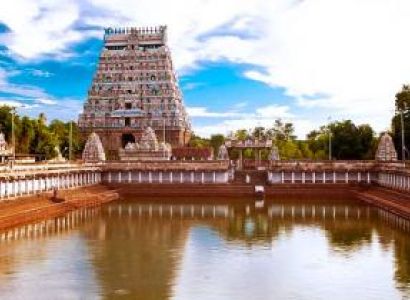
"Marvel at the architectural splendor of this ancient shrine."
About The Vadakkumnathan Temple
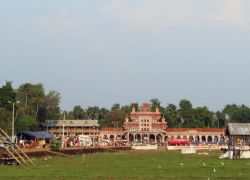
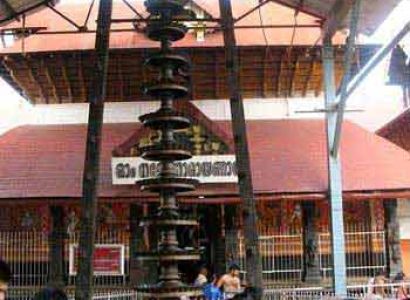
The Vadakkumnathan Temple is a classic example of Kerala's temple architecture, located in the heart of Thrissur city in Kerala, India. This ancient temple is dedicated to Lord Shiva and is one of the largest and oldest temples in Kerala. The temple complex is spread over a vast area and is surrounded by massive stone walls. The temple is a perfect blend of architectural beauty and spiritual significance.Architecture of Vadakkumnathan Temple
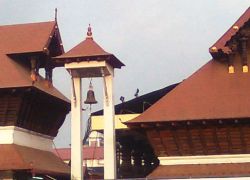
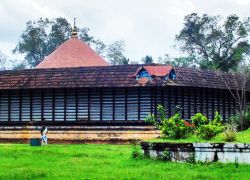
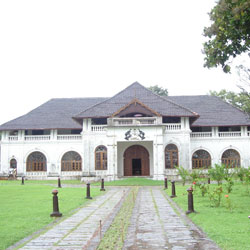
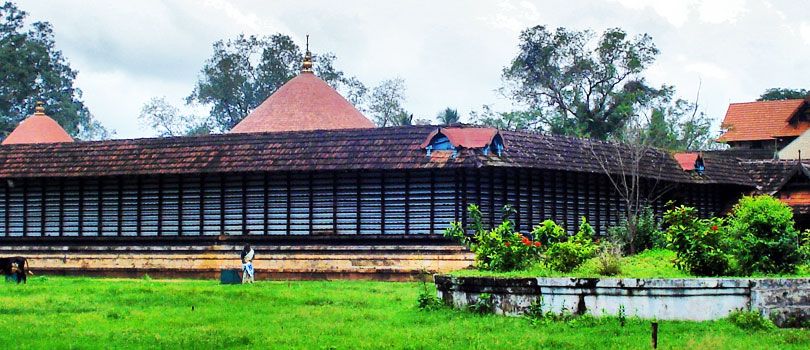
The Vadakkumnathan Temple is known for its traditional Kerala style architecture. The temple complex consists of a main sanctum sanctorum, surrounded by several smaller shrines dedicated to various deities. The main sanctum houses the idol of Lord Shiva in the form of a lingam. The temple also has a massive gopuram (entrance tower) that is adorned with intricate sculptures and carvings depicting various mythological stories. The temple's architecture is characterized by its wooden carvings, mural paintings, and traditional Kerala roof structures. The temple's outer walls are adorned with beautiful frescoes that depict scenes from Hindu mythology. The temple's architecture reflects the rich cultural heritage of Kerala and is a treat for art and architecture enthusiasts.History
The Vadakkumnathan Temple has a rich history that dates back to several centuries. It is believed to have been built by Perumthachan, a legendary architect and sculptor, who is said to have built many temples in Kerala. The temple has undergone several renovations and expansions over the years, yet it has retained its original charm and grandeur. The temple also has a strong connection to the Zamorin rulers of Calicut, who were known for their patronage of the arts and culture. The temple is a symbol of Kerala's cultural heritage and has played a significant role in the religious and social life of the people of Thrissur.Best Time To Visit
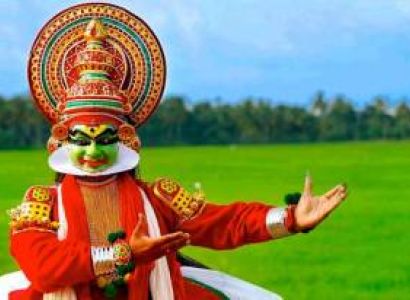
The best time to visit the Vadakkumnathan Temple is during the months of October to March when the weather is pleasant and ideal for sightseeing. The temple is also a major attraction during the Thrissur Pooram festival, which is celebrated with great pomp and show in the month of April-May. During this festival, the temple comes alive with colorful processions, traditional music, and dance performances. Visiting the temple during festivals and special occasions allows visitors to witness the rich cultural traditions and rituals associated with the temple. It is a unique opportunity to experience the vibrant spirit of Kerala's religious festivals.How To Reach
The Vadakkumnathan Temple is easily accessible from Thrissur city. The temple is located in the heart of the city and can be reached by road. Thrissur has good connectivity with major cities in Kerala and neighboring states. The nearest railway station is Thrissur Railway Station, which is well connected to cities like Kochi, Trivandrum, and Bangalore. Visitors can also hire taxis or auto-rickshaws to reach the temple from any part of the city. Thrissur is well connected by road and has regular bus services to nearby towns and cities. The temple is a must-visit for those interested in exploring Kerala's rich cultural heritage.Significance Of The Vadakkumnathan Temple
The Vadakkumnathan Temple holds great religious significance for the people of Kerala. It is considered to be one of the holiest temples dedicated to Lord Shiva in the state. The temple attracts thousands of devotees and tourists from all over the world who come to seek the blessings of Lord Shiva. The temple is also an architectural marvel that showcases the brilliance of traditional Kerala architecture. The temple's serene ambiance, intricate carvings, and spiritual aura make it a must-visit for anyone looking to explore Kerala's cultural heritage. Overall, the Vadakkumnathan Temple is a sacred place that exudes a sense of peace and spirituality. Whether you are a devotee seeking blessings or an architecture enthusiast admiring the beauty of Kerala's temples, a visit to the Vadakkumnathan Temple is sure to be a fulfilling experience.



















Trichur
Trichur

Trichur
Trichur

Trichur
Trichur
Trichur
Trichur
Trichur