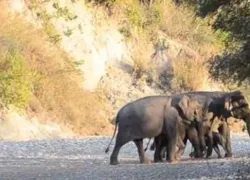
About Rajaji National Park Rajaji National Park, located near Dehradun in the state of Uttarakhand, is a magnificent wildlife sanctuary that spans across three districts - Haridwar, Dehradun, and Pauri Garhwal. It was established in 1983 and covers an area of 820 square kilometers, making it one of the largest national parks in India. The park is named after C. Rajagopalachari, a prominent leader of the Indian independence movement. Location and Geographical Overview Rajaji National Park is situated at the foothills of the Shivalik range in the Himalayas. The park is known for its diverse terrain, which includes dense forests, grasslands, and riverine vegetation. The park is home to a variety of wildlife species, including elephants, tigers, leopards, deer, and over 400 species of birds. Open and Closing Time The park is open to visitors from 6:00 AM to 9:00 PM every day of the week. Entry Fee The entry fee for Indian nationals is Rs. 150 per person, while foreign nationals are charged Rs. 600 per person. Children below the age of 5 years can enter for free. Species-Flora/Fauna Availability Rajaji National Park is home to a diverse range of flora and fauna. The park is known for its rich biodiversity, with over 300 species of birds, 50 species of mammals, and numerous reptiles and amphibians. Some of the wildlife species that can be spotted in the park include elephants, tigers, leopards, deer, monkeys, and bears. Activities Performed Visitors to Rajaji National Park can indulge in a variety of activities, including jeep safaris, elephant safaris, bird watching, nature walks, and wildlife photography. The park also offers opportunities for camping and trekking. Jeep Safari Charges The cost of a jeep safari in Rajaji National Park is Rs. 1500 per jeep for Indian nationals and Rs. 4000 per jeep for foreign nationals. The safari lasts for approximately 3-4 hours and covers various parts of the park where you can spot wildlife in their natural habitats. Age Criterion and Entry Fee for Male, Female, and Children The entry fee for Indian nationals is Rs. 150 per person for adults and children above the age of 5 years. Children below the age of 5 can enter for free. There is no separate entry fee based on gender. Senior Citizen Facilities Senior citizens above the age of 60 years can avail a discount on the entry fee by showing valid identification. They can also opt for a comfortable safari vehicle with seating arrangements that are suitable for their needs. Best Time to Visit The best time to visit Rajaji National Park is from November to March when the weather is pleasant and wildlife sightings are more common. Avoid visiting during the monsoon season (July-September) as the park may be closed due to heavy rainfall and slippery roads. Nearby Places to Visit There are several tourist attractions near Rajaji National Park that you can visit, including Robber's Cave, Buddha Temple, Sahastradhara, and the famous hill station of Mussoorie. Vehicle Parking Facility Rajaji National Park provides ample parking space for private vehicles near the entry gates. Visitors can safely park their cars and continue their exploration of the park in safari vehicles provided by the park authorities. Rules and Regulations Visitors to Rajaji National Park are required to follow certain rules and regulations to ensure the safety of wildlife and maintain the sanctity of the park. Some of the rules include maintaining silence during safaris, not feeding the animals, and not littering the park premises. How to Reach and Other Related Information Rajaji National Park is well-connected by road and can be easily reached from major cities like Dehradun and Haridwar. The nearest airport is the Jolly Grant Airport in Dehradun, which is approximately 20 kilometers away from the park. The nearest railway station is in Haridwar, which is around 30 kilometers from the park. Visitors can also opt for guided tours and packages offered by various tour operators in the region for a hassle-free visit to the park. It is advisable to book safari tickets in advance to avoid any last-minute rush. Plan your visit to Rajaji National Park to experience the beauty of nature and witness the majestic wildlife that thrives in this lush sanctuary.
Explore More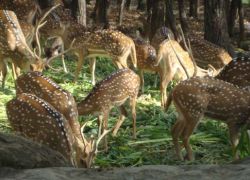
About Malsi Deer Park Malsi Deer Park, located in Dehradun, Uttarakhand, is a popular tourist destination known for its natural beauty and wildlife. The park is home to various species of flora and fauna, making it a perfect spot for nature lovers and wildlife enthusiasts. Location and Geographical Overview Malsi Deer Park is situated at the foothills of the Shivalik range, approximately 10 kilometers from the city center of Dehradun. The park is spread across an area of 25 hectares and is surrounded by lush green forests, providing a serene and picturesque setting for visitors. Opening and Closing Time The park is open to visitors from 8:00 AM to 6:00 PM every day of the week. Entry Fee The entry fee for Malsi Deer Park is Rs. 20 per person for adults and Rs. 10 per person for children. Species-Flora/Fauna Availability Malsi Deer Park is home to various species of flora and fauna, including deer, peacocks, rabbits, and various bird species. The park also houses a variety of trees and plants, adding to its natural charm. Activities Performed Visitors to Malsi Deer Park can enjoy activities like nature walks, bird watching, picnicking, and photography. The park also offers the opportunity to observe and feed the deer, making it a fun and educational experience for visitors of all ages. Jeep Safari Charges Malsi Deer Park offers jeep safari rides for visitors to explore the park and its wildlife. The charges for a jeep safari ride start from Rs. 500 per person. Age Criterion and Entry Fee For males and females above the age of 12, the entry fee is Rs. 20 per person. For children between the ages of 5 to 12, the entry fee is Rs. 10 per person. Children under the age of 5 can enter the park for free. Senior Citizen Facilities Malsi Deer Park provides special facilities for senior citizens, including benches and resting areas throughout the park for their comfort and convenience. Best Time to Visit The best time to visit Malsi Deer Park is during the months of October to March when the weather is pleasant and conducive for outdoor activities. Visitors can also witness the beauty of the park during the monsoon season, when the surroundings are lush and green. Nearby Places to Visit Some nearby places to visit while in Dehradun include Robber's Cave, Tapkeshwar Temple, Mindrolling Monastery, and Rajaji National Park, all of which offer unique attractions and experiences for visitors. Vehicle Parking Facility Malsi Deer Park provides a designated parking area for visitors to park their vehicles securely. The parking facility is safe and well-maintained, ensuring a hassle-free experience for visitors. Rules and Regulations Visitors are requested to follow the rules and regulations of Malsi Deer Park, including maintaining cleanliness, not feeding the animals, and refraining from littering. It is also advised to respect the natural habitat and wildlife of the park during your visit. How to Reach and Other Related Information Malsi Deer Park is easily accessible by both public and private transportation. Visitors can take a taxi or hire a car to reach the park from Dehradun city center. The nearest airport is Jolly Grant Airport, located approximately 35 kilometers away from the park. Additionally, there are several hotels and accommodations available near Malsi Deer Park for visitors looking to stay overnight.
Explore More
About Nainital Zoo Nainital Zoo, officially known as Pt. G.B. Pant High Altitude Zoo, is located in Nainital, Uttarakhand, India. It is one of the must-visit attractions for nature lovers and wildlife enthusiasts in the region. Established in 1984, the zoo is spread over 4.6 hectares at an altitude of 2,100 meters above sea level, making it the highest zoo in India. The zoo is home to a variety of flora and fauna native to the region, making it a paradise for animal lovers. Location and Geographical Overview The Nainital Zoo is located around 1.5 kilometers from the famous Mall Road in Nainital. Situated amidst the beautiful surroundings of the Sher Ka Danda hill, the zoo offers breathtaking views of the Nainital town and the surrounding mountains. The zoo is easily accessible by road and can be reached by hiring a taxi or taking a short walk from the Mall Road. Open and Closing Time The Nainital Zoo is open to visitors from 9:30 AM to 4:30 PM every day, except on Mondays and national holidays. Entry Fee The entry fee for adults is INR 50, while for children (between 5-12 years), it is INR 20. Foreign nationals need to pay INR 100 for entry into the zoo. Species-Flora/Fauna Availability The zoo is home to a variety of flora and fauna that are native to the region. Some of the animals you can spot at the zoo include Himalayan Black Bear, Tibetan Wolves, Snow Leopard, Sambhar Deer, and various species of birds and reptiles. The zoo also has a wide variety of plant species that are indigenous to the region. Activities Performed Visitors to the Nainital Zoo can enjoy various activities such as guided tours, animal feeding sessions, and educational programs on wildlife conservation. The zoo also organizes special events and workshops for visitors to learn more about the animals and their habitats. Jeep Safari Charges The Nainital Zoo offers jeep safari rides for visitors to explore the zoo and its surroundings. The charges for the jeep safari vary depending on the duration of the ride and the number of people participating. Age Criterion for Male, Female, Children, and Their Entry Fee For males and females, the entry fee is the same, i.e., INR 50. Children between 5-12 years are charged INR 20 for entry into the zoo. Children below 5 years of age can enter free of cost. Senior Citizen Facilities The Nainital Zoo offers special facilities for senior citizens, including wheelchair assistance and designated seating areas for resting. Senior citizens are also eligible for a discount on the entry fee to the zoo. Best Time to Visit The best time to visit the Nainital Zoo is during the summer months from March to June when the weather is pleasant, and the animals are more active. The zoo is also a great place to visit during the winter months from November to February when you can witness the animals in their winter habitats. Nearby Places to Visit Some of the nearby places to visit while in Nainital include Naina Devi Temple, Naini Lake, Tiffin Top, Snow View Point, and Eco Cave Gardens. These attractions offer a glimpse of the natural beauty and culture of Nainital. Vehicle Parking Facility The Nainital Zoo provides ample parking space for visitors who wish to bring their vehicles. The parking facility is secure and well-maintained, ensuring the safety of the vehicles while visitors explore the zoo. Rules and Regulations Visitors to the Nainital Zoo are required to follow certain rules and regulations to ensure the safety of the animals and the environment. Some of the rules include not feeding the animals, not littering the premises, and maintaining silence while observing the animals. How to Reach and Other Related Information The Nainital Zoo is easily accessible by road from major cities like Delhi and Dehradun. Visitors can hire a taxi or take a bus to reach Nainital and then proceed to the zoo. The nearest railway station is Kathgodam, which is around 34 kilometers away from Nainital. The nearest airport is Pantnagar Airport, which is approximately 70 kilometers away from Nainital. Overall, a visit to the Nainital Zoo is a memorable experience for nature lovers and wildlife enthusiasts. The zoo provides a unique opportunity to observe and learn about the rich biodiversity of the region while enjoying the scenic beauty of Nainital. Plan your trip to the Nainital Zoo and immerse yourself in the wonders of nature.
Explore More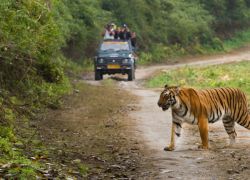
Jim Corbett National Park, located near Nainital, Uttarakhand, is India’s oldest and one of the most famous national parks. Established in 1936 as Hailey National Park, it was later renamed in honor of the legendary hunter-turned-conservationist Jim Corbett. Today, it is a major wildlife tourism destination and also the first park to come under the Project Tiger initiative. Spread across the foothills of the Himalayas, the park is known for its rich biodiversity, dense forests, grasslands, rivers, and diverse wildlife including the majestic Bengal tiger. It attracts nature lovers, wildlife photographers, researchers, and adventure seekers from all over the world. Why Jim Corbett National Park is Famous? Jim Corbett National Park is famous for being India’s first tiger reserve and one of the best places in the world to spot Bengal tigers in their natural habitat. It is also known for its rich ecosystem, which includes elephants, leopards, deer, crocodiles, and over 600 species of birds. The park is equally popular for jungle safaris, bird watching, and eco-tourism experiences. Its diverse landscape of hills, rivers, grasslands, and dense forests makes it one of the most scenic wildlife destinations in India. Another major reason for its fame is its role in wildlife conservation and its connection with Jim Corbett, who played a key role in protecting endangered species in India. History of Jim Corbett National Park The park was established in 1936 as Hailey National Park, making it the oldest national park in India. It was created to protect the Bengal tiger and its natural habitat from deforestation and hunting. Later, it was renamed Jim Corbett National Park in honor of Edward James “Jim” Corbett, a famous hunter and naturalist who contributed significantly to wildlife conservation in India. He helped in raising awareness about tiger conservation and the importance of protecting forests. The park also became the launch site of the Project Tiger conservation program in 1973, which helped increase tiger populations across India. Architecture and Landscape Jim Corbett National Park does not have man-made architectural structures like monuments, but its natural landscape is its biggest attraction. The park spans over 1,300 square kilometers and features diverse terrains including hills, river valleys, dense sal forests, grasslands, and wetlands. The Ramganga River flows through the park, creating water sources that support wildlife throughout the year. Watchtowers and safari routes have been designed to allow safe wildlife observation without disturbing the natural ecosystem. How to Reach Jim Corbett National Park Jim Corbett National Park is well connected to major cities in North India. By Air: The nearest airport is Pantnagar Airport, located about 80 km away. Another major option is Delhi International Airport, around 250 km away. By Train: The nearest railway station is Ramnagar Railway Station, which is well connected to Delhi, Moradabad, and other cities. By Road: The park is easily accessible by road from Delhi (around 5–6 hours), Nainital, and nearby Uttarakhand towns. Regular buses, taxis, and private vehicles are available. Weather at Jim Corbett National Park The park experiences a subtropical climate with distinct seasons. Best Time to Visit: November to June is ideal for wildlife safaris and sightseeing. Summer (March to June): Hot but good for spotting animals near water sources. Monsoon (July to September): Park remains partially closed due to heavy rains and safety concerns. Winter (October to February): Pleasant weather, ideal for bird watching and jungle safaris. Timings and Entry Details Opening Hours: Safari timings vary by zone and season, generally early morning and late afternoon. Entry Fee: Entry fees differ for Indian and foreign tourists, along with separate charges for jeep safari, canter safari, and guide services. Advance booking is recommended, especially during peak tourist seasons. Things to Do at Jim Corbett National Park Jim Corbett offers a wide range of wildlife and adventure experiences. Jeep Safari: The most popular activity to explore deep forest areas and spot wildlife. Canter Safari: Ideal for larger groups exploring designated zones. Tiger Spotting: One of the main attractions is spotting Bengal tigers in their natural habitat. Bird Watching: Home to hundreds of bird species including kingfishers, eagles, and hornbills. Nature Walks: Guided walks around buffer zones and eco-tourism areas. River Activities: Some areas near the Ramganga River allow peaceful scenic viewing. Facts About Jim Corbett National Park • India’s first national park (established in 1936). • First tiger reserve under Project Tiger (1973). • Home to over 600 bird species. • Covers more than 1,300 sq. km. • Named after wildlife conservationist Jim Corbett. Tips for Visitors Always book safaris in advance as slots fill quickly. Carry binoculars for better wildlife viewing. Wear earth-colored clothing to blend with the environment. Avoid loud noise to prevent disturbing animals. Follow forest rules strictly and maintain a safe distance from wildlife. Carry water, light snacks, and sunscreen during summer visits. Early morning safaris offer the best chances of animal sightings. Conclusion Jim Corbett National Park near Nainital, Uttarakhand is a paradise for wildlife lovers and nature enthusiasts. With its rich biodiversity, thrilling safaris, and historical importance in wildlife conservation, it offers an unforgettable experience. Whether you are looking for adventure, photography, or peaceful nature exploration, Jim Corbett National Park is one of the best wildlife destinations in India.
Explore More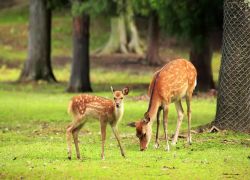
Located in the picturesque city of Almora, Deer Park is a captivating tourist attraction that offers a serene escape into nature's bounty. This beautiful park is known for its natural environment, rich biodiversity, and tranquil ambiance, making it a popular destination for nature lovers and wildlife enthusiasts. History of Deer Park Steeped in history, Deer Park traces its origins back to the former royal hunting grounds of Almora. Over the years, the park has undergone significant conservation efforts to preserve its natural beauty and wildlife. Its dedication to conservation has earned it recognition from UNESCO as a vital ecological reserve. Architecture and Natural Beauty of Deer Park Deer Park boasts a diverse landscape that includes wetlands, forests, and grasslands, providing a habitat for a wide variety of bird species. The park is also home to the historic Keoladeo Temple, adding a touch of spirituality to its natural charm. Why is Deer Park Famous? Deer Park is renowned for its enchanting beauty and diverse avian population, attracting birdwatchers, photographers, and nature enthusiasts from around the globe. The park's tranquil atmosphere and abundant wildlife make it a paradise for those seeking a peaceful retreat in the lap of nature. How to Reach Deer Park Traveling to Deer Park is convenient, with options available by air, rail, and road. The nearest airports and railway stations provide easy access to this natural paradise, allowing visitors to immerse themselves in the beauty of Almora. Weather and Best Time to Visit Deer Park Deer Park experiences varying weather conditions throughout the year, with each season offering a unique charm. While summer brings lush greenery, monsoon showcases the park's vibrant colors, and winter offers a tranquil ambiance. The best time to visit depends on individual preferences, but the park's beauty shines in every season. Timings of Deer Park Visitors can explore Deer Park during specified timings, ensuring a pleasant and organized experience. Seasonal variations may affect timings, so it is advisable to plan ahead and check for any updates before embarking on a journey to this natural haven. Entry Fee and Visit Details Entry into Deer Park is subject to nominal fees, with options for guide services, safari tours, bicycle rentals, and other visitor facilities available for a memorable experience. These amenities enhance the visit and provide insights into the park's wildlife and ecosystem. Things to Do at Deer Park Engage in a myriad of activities at Deer Park, including birdwatching, photography, cycling, walking trails, and nature observation. The park offers a range of experiences that cater to different interests, ensuring that every visitor finds something appealing to indulge in during their stay. Interesting Facts About Deer Park Deer Park is home to a diverse range of migratory birds and boasts a thriving ecosystem that highlights the importance of conservation efforts. The park's commitment to preserving biodiversity and its ecological significance make it a valuable asset in the realm of wildlife conservation. Travel Tips for Visiting Deer Park When planning a trip to Deer Park, consider packing appropriate clothing, essential photography gear, and birdwatching equipment to enhance your experience. Understanding the best visiting seasons and practicing responsible tourism ensures a meaningful and sustainable visit to this natural sanctuary. Conclusion In conclusion, Deer Park in Almora stands as a testament to the harmonious coexistence of nature and wildlife. Its serene ambiance, rich biodiversity, and engaging activities offer visitors a holistic experience that celebrates the beauty of the natural world. A visit to Deer Park promises a rejuvenating retreat amidst the enchanting landscapes of Almora.
Explore More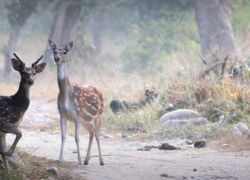
About Benog Wildlife Sanctuary The Benog Wildlife Sanctuary is a protected area located near Mussoorie in the state of Uttarakhand, India. It covers an area of approximately 339.54 hectares and is known for its diverse flora and fauna. Location and Geographical Overview The sanctuary is situated at an altitude of 2100 meters above sea level in the Himalayan foothills. It is located about 11 kilometers from Mussoorie and can be easily reached by road. The sanctuary is surrounded by dense forests and offers breathtaking views of the surrounding hills and valleys. Open and Closing Time The Benog Wildlife Sanctuary is open to visitors from 8:00 AM to 5:00 PM every day of the week. It is advisable to visit the sanctuary during daylight hours to enjoy the best wildlife viewing experience. Entry Fee The entry fee for the Benog Wildlife Sanctuary is INR 150 per person for Indian nationals and INR 600 per person for foreign nationals. Children below the age of 5 years are allowed entry free of cost. Species-Flora/Fauna Availability The sanctuary is home to a variety of flora and fauna species including Himalayan bears, leopards, deer, barking deer, and a wide range of bird species. The sanctuary is also known for its rich biodiversity and is a paradise for nature lovers and wildlife enthusiasts. Activities Performed Visitors to the Benog Wildlife Sanctuary can enjoy nature walks, bird watching, and wildlife spotting. The sanctuary is also a great place for photography enthusiasts to capture the beauty of the Himalayan wilderness. Jeep Safari Charges There are no jeep safaris available in the Benog Wildlife Sanctuary. However, visitors can explore the sanctuary on foot or hire a guide for a more immersive experience. Age Criterion and Entry Fee The entry fee for male visitors above the age of 12 years is the same as the general entry fee. Female visitors and children between the ages of 5-12 years are also charged the same entry fee as mentioned earlier. Senior citizens above the age of 60 years are eligible for a discounted entry fee of INR 75 per person. Senior Citizen Facilities The sanctuary provides facilities for senior citizens such as benches and resting areas along the walking trails. The sanctuary staff is also available to assist senior citizens as needed. Best Time to Visit The best time to visit the Benog Wildlife Sanctuary is during the months of March to June and September to November when the weather is pleasant and wildlife sightings are more common. It is advisable to avoid visiting during the monsoon season due to heavy rainfall. Nearby Places to Visit Some of the nearby places to visit from the Benog Wildlife Sanctuary include Kempty Falls, Company Garden, Jabarkhet Nature Reserve, and Camel's Back Road. These attractions offer a mix of natural beauty and cultural experiences for visitors to enjoy. Vehicle Parking Facility Visitors can park their vehicles at the designated parking area near the entrance of the sanctuary. The parking facility is secure and well-maintained, providing a convenient option for visitors exploring the sanctuary on foot. Rules and Regulations Visitors are required to follow certain rules and regulations while visiting the Benog Wildlife Sanctuary. These include not littering, not disturbing the wildlife, not feeding the animals, and not straying off the designated walking trails. It is important to respect the sanctuary's natural environment and wildlife for the conservation of the ecosystem. How to Reach and Other Related Information The Benog Wildlife Sanctuary is easily accessible by road from Mussoorie. Visitors can hire a taxi or drive their own vehicle to reach the sanctuary. The nearest airport is Jolly Grant Airport in Dehradun, which is about 60 kilometers away from the sanctuary. It is recommended to plan a visit to the sanctuary in advance and check for any updated information on entry fees, timings, and facilities available.
Explore More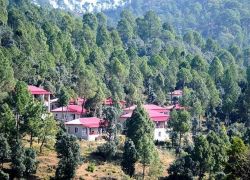
Majhkhali, located in Ranikhet, is a picturesque tourist attraction known for its natural beauty, rich biodiversity, and serene environment. This tranquil hotspot offers a perfect retreat for nature lovers, birdwatchers, and photography enthusiasts seeking to immerse themselves in the peaceful surroundings of Ranikhet. History of Majhkhali The history of Majhkhali dates back to its origins as a former royal hunting ground, which has now been transformed into a conservation area to protect the local flora and fauna. The area's conservation efforts have garnered international recognition, with Majhkhali being celebrated for its eco-friendly practices and UNESCO's acknowledgment of its ecological significance. Architecture and Natural Beauty of Majhkhali Majhkhali is renowned for its lush wetlands, dense forests, sprawling grasslands, and diverse bird habitats. The landscape offers a mesmerizing blend of natural beauty and historical allure, with the iconic Keoladeo Temple situated within the park adding a touch of cultural richness to the serene surroundings. Why is Majhkhali Famous? Majhkhali's fame stems from its reputation as a haven for birdwatchers, photographers, nature enthusiasts, and wildlife lovers. The park's diverse avian population, stunning landscapes, and tranquil ambiance make it a sought-after destination for those seeking a unique and immersive wildlife experience. How to Reach Majhkhali Traveling to Majhkhali is convenient, with options available by air, rail, and road. The nearest airports and railway stations provide easy access to this natural sanctuary, allowing visitors to embark on a memorable journey to Ranikhet's hidden gem. Weather and Best Time to Visit Majhkhali Majhkhali experiences varied weather conditions throughout the year, with distinct seasons of summer, monsoon, and winter. The best time to visit this enchanting hotspot is during the months when the weather is pleasant, allowing visitors to explore the park comfortably and witness its natural beauty in full bloom. Timings of Majhkhali The visitor timings of Majhkhali cater to different seasons, providing flexibility for tourists to plan their visit accordingly. Seasonal variations may impact the park's accessibility, making it essential for travelers to check for any updates before embarking on their journey. Entry Fee and Visit Details Entry procedures to Majhkhali are straightforward, with guide services, safari options, bicycle rentals, and visitor facilities available to enhance the overall experience. Visitors can make the most of their trip by utilizing these services and amenities to explore the park comfortably. Things to Do at Majhkhali Popular activities at Majhkhali include birdwatching, photography, cycling, walking trails, nature observation, and educational experiences. These engaging pursuits allow visitors to connect with nature, discover the park's diverse ecosystem, and create lasting memories amidst the tranquil surroundings. Interesting Facts About Majhkhali Majhkhali is home to a myriad of migratory birds, showcasing the park's rich biodiversity and conservation achievements. The ecological importance of this sanctuary underscores the need for sustainable practices and environmental stewardship to preserve its natural splendor for future generations. Travel Tips for Visiting Majhkhali When visiting Majhkhali, it is advisable to dress in comfortable clothing, carry essential photography and birdwatching equipment, consider the best seasons for exploration, and practice responsible tourism. By following these tips, travelers can make the most of their visit while respecting the park's natural habitat and wildlife. Conclusion In conclusion, Majhkhali in Ranikhet stands as a testament to the beauty of nature, offering a sanctuary for wildlife enthusiasts and nature lovers to explore and appreciate the wonders of the natural world. With its diverse ecosystems, rich biodiversity, and serene ambiance, Majhkhali promises a memorable and enriching experience for all who venture into its tranquil embrace.
Explore More
Welcome to Askot Sanctuary, a hidden gem nestled in the serene city of Pithoragarh. This sanctuary is a paradise for nature lovers, offering a tranquil escape into the lap of natural beauty. With its rich biodiversity, stunning landscapes, and historical significance, Askot Sanctuary stands as a testament to the wonders of the natural world. History of Askot Sanctuary Steeped in history, Askot Sanctuary traces its origins back to the erstwhile royal hunting grounds of the region. Over the years, it has evolved into a conservation area dedicated to protecting the diverse flora and fauna that call it home. The sanctuary's efforts in preserving its natural heritage have garnered international recognition, including UNESCO acknowledgment for its conservation initiatives. Architecture and Natural Beauty of Askot Sanctuary As you explore Askot Sanctuary, you will be greeted by a tapestry of wetlands, dense forests, lush grasslands, and vibrant bird habitats. The landscape is punctuated by the historic Keoladeo Temple, adding a cultural touch to the natural splendor that surrounds it. Why is Askot Sanctuary Famous? Askot Sanctuary has earned fame as a haven for birdwatchers, photographers, nature enthusiasts, and wildlife lovers alike. Its diverse ecosystems provide a perfect setting for observing a wide variety of avian species, making it a popular destination for those seeking to connect with nature. How to Reach Askot Sanctuary Traveling to Askot Sanctuary is easily accessible via air, rail, and road. The nearest airports and railway stations offer convenient connections to the sanctuary, ensuring a smooth journey for visitors looking to explore this natural wonder. Weather and Best Time to Visit Askot Sanctuary Throughout the year, Askot Sanctuary showcases its beauty in different hues. Summer, monsoon, and winter each bring a unique charm to the sanctuary, with the best months for visiting typically falling during specific seasons when the weather is most favorable. Timings of Askot Sanctuary Visitors can explore Askot Sanctuary during designated timings, with seasonal variations possibly affecting accessibility and visitor experiences. Planning your visit accordingly will ensure you make the most of your time in this natural paradise. Entry Fee and Visit Details Entry procedures at Askot Sanctuary are designed to provide a seamless experience for visitors. Guide services, safari options, bicycle rentals, and other facilities are available to enhance your visit and make it a memorable one. Things to Do at Askot Sanctuary Engage in popular activities like birdwatching, photography, cycling, walking trails, and nature observation to immerse yourself in the beauty of Askot Sanctuary. Educational experiences await those eager to learn more about the sanctuary's rich biodiversity. Interesting Facts About Askot Sanctuary Did you know that Askot Sanctuary is a crucial stopover for migratory birds on their journey? The sanctuary's conservation efforts have led to significant achievements in protecting its biodiversity, highlighting its ecological importance on a global scale. Travel Tips for Visiting Askot Sanctuary When visiting Askot Sanctuary, remember to pack appropriate clothing, essential photography gear, and birdwatching equipment to enhance your experience. Understanding the best visiting seasons and practicing responsible tourism will ensure a fulfilling and sustainable journey. Conclusion In conclusion, Askot Sanctuary in Pithoragarh is a destination that captivates the hearts of all who venture into its embrace. With its historical roots, natural wonders, and diverse attractions, this sanctuary offers a memorable experience that showcases the beauty and importance of preserving our natural heritage.
Explore More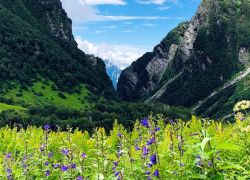
Nanda Devi National Park, located in the Chamoli district of Uttarakhand, is a UNESCO World Heritage Site known for its unparalleled natural beauty and rich biodiversity. Nestled in the Garhwal Himalayas, the park is home to one of India’s highest peaks, Nanda Devi, which towers at 7,816 meters. This pristine national park is a haven for nature enthusiasts, trekkers, and wildlife lovers. It is characterized by dense forests, alpine meadows, high-altitude lakes, and a diverse range of flora and fauna. Situated near Auli, Nanda Devi National Park offers breathtaking views of the surrounding snow-clad peaks and is a perfect retreat for those seeking tranquility and adventure in the lap of nature. How to Reach Nanda Devi National Park, Auli Reaching Nanda Devi National Park involves a combination of road travel and trekking. Although the park is remote, it is accessible for tourists who are up for the challenge. Here’s how you can reach: By Air: The nearest airport to Auli is Jolly Grant Airport in Dehradun, approximately 285 km away. From the airport, you can take a taxi or bus to reach Joshimath, which is the nearest town to Auli. From Joshimath, a combination of road and trekking is required to reach the park. By Train: The nearest railway station to Nanda Devi National Park is Haridwar, which is around 270 km away. You can catch a train from major cities like Delhi, Mumbai, or Rishikesh to Haridwar. From there, you can take a bus or taxi to Joshimath, and then proceed towards Auli, where the trek to Nanda Devi begins. By Road: The road journey to Joshimath is the easiest way to get there. It is well-connected by buses and taxis from major cities like Rishikesh, Haridwar, and Dehradun. After reaching Joshimath, a trek is necessary to reach Nanda Devi National Park. The trek usually starts from the base camp at Auli. Weather in Nanda Devi National Park, Auli The weather in Nanda Devi National Park is typical of a high-altitude region, with cold winters and moderate summers. The weather conditions can change rapidly, so it is important to be prepared for all types of weather when visiting the park: Summer (April to June): The temperature in summer ranges from 10°C to 20°C. This is the best time to visit the park for trekking and sightseeing, as the weather is pleasant and the flora is in full bloom. Monsoon (July to September): The monsoon season brings heavy rainfall to the region, making it a less favorable time to visit. Trekking during this time can be risky due to slippery paths and the possibility of landslides. Winter (October to March): Winters are extremely cold, with temperatures often dropping below freezing. The park experiences heavy snowfall, making it a popular destination for winter sports. However, trekking during winter requires proper equipment and experience. Why Nanda Devi National Park is Famous Nanda Devi National Park is renowned for its stunning natural beauty, rich biodiversity, and its status as a UNESCO World Heritage Site. The park is famous for the following reasons: Rich Biodiversity: The park is home to a diverse range of flora and fauna, including endangered species like the snow leopard, Himalayan tahr, and the musk deer. The park’s varied landscapes, from alpine meadows to dense forests, provide a unique habitat for these species. Nanda Devi Peak: The park is located in the vicinity of Nanda Devi, India’s second-highest mountain. The peak is revered by locals and is a significant part of the region’s cultural and spiritual identity. Pristine Beauty: The untouched wilderness of Nanda Devi National Park offers breathtaking views of snow-capped peaks, high-altitude lakes, and lush valleys, making it a paradise for nature lovers and photographers. Entry and Visit Details Entry to Nanda Devi National Park is regulated to preserve its delicate ecosystem. Visitors need to obtain permits before trekking into the park. The best time to visit is during the summer and early autumn months (April to June, September to November), when the weather is more conducive to trekking. The entry to the park is typically through Auli, and the trek starts from here. The trek is moderate to difficult, and it takes about 5-6 days to complete the round trip. History and Architecture Nanda Devi National Park was established in 1982 to protect the unique wildlife and ecosystems of the region. The park was inscribed as a UNESCO World Heritage Site in 1988 due to its biological diversity and its significance as a natural area. The architecture around the park is mainly traditional Garhwali, with temples and structures reflecting the region's rich cultural heritage. The most prominent of these is the Nanda Devi temple located in the nearby town of Joshimath, which is dedicated to the goddess Nanda Devi. Things to Do in Nanda Devi National Park, Auli There is no shortage of activities to enjoy in and around Nanda Devi National Park. Some of the most popular things to do include: Trekking: The park is famous for its treks, including the Nanda Devi Trek, which takes you through dense forests, meadows, and along rivers. The trek provides stunning views of the Himalayan peaks and offers an unforgettable experience for adventure seekers. Wildlife Watching: The park is a haven for wildlife enthusiasts, with a rich variety of species to observe. Keep an eye out for rare animals like the snow leopard, Himalayan tahr, and bharal (blue sheep), as well as numerous bird species. Photography: The scenic beauty of the park, with its snow-covered peaks and lush valleys, makes it a photographer’s paradise. The changing landscapes throughout the trek offer numerous opportunities for capturing stunning photographs. Cultural Exploration: Visit the local villages near Auli and Joshimath to experience the Garhwali culture. Traditional handicrafts, cuisine, and festivals like Nanda Devi Raj Jat make for an enriching cultural experience. Facts about Nanda Devi National Park, Auli Nanda Devi National Park is home to over 300 species of birds, including the Himalayan griffon vulture and the golden eagle. The park also houses over 500 species of plants, including several species of medicinal plants used in traditional healing. The park is one of the most biologically rich regions in India, with ecosystems ranging from alpine meadows to dense forests of oak and rhododendron. The region surrounding Nanda Devi is deeply rooted in the spiritual beliefs of the local people, who consider the Nanda Devi peak sacred. Tips for Visiting Nanda Devi National Park, Auli Make sure you are physically fit before attempting the trek to Nanda Devi National Park, as it requires stamina and endurance, especially at high altitudes. Carry adequate trekking gear, including warm clothing, sturdy shoes, a first-aid kit, and enough food and water for the journey. Hire a local guide for the trek. Not only will they help you navigate the terrain, but they also provide valuable insights into the local culture and wildlife. Check the weather forecast before planning your trip, as the region can experience sudden weather changes, especially in the monsoon and winter seasons. It’s essential to obtain the necessary permits before entering the park. Make sure to book your permits in advance. Be mindful of the local environment. Stick to marked trails, avoid littering, and respect the wildlife and local culture.
Explore More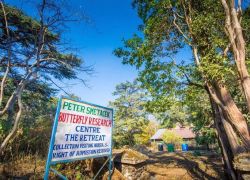
Welcome to the mesmerizing Butterfly Research Center located in the serene city of Bhimtal. This unique tourist attraction offers a blend of natural beauty, biodiversity, and educational experiences that captivate visitors from all walks of life. History of Butterfly Research Center The Butterfly Research Center in Bhimtal has a rich historical background, originally serving as royal hunting grounds. Over time, it has transformed into a conservation haven dedicated to preserving the delicate ecosystem and wildlife. The center's efforts have been recognized by UNESCO for its significant contribution to biodiversity conservation. Architecture and Natural Beauty of Butterfly Research Center The Butterfly Research Center boasts lush wetlands, dense forests, sprawling grasslands, and diverse bird habitats. Nestled within the park is the ancient Keoladeo Temple, adding a historical touch to the picturesque landscapes that attract nature lovers and photographers alike. Why is Butterfly Research Center Famous? Renowned for its wide variety of butterfly species, exotic birds, and thriving flora, the Butterfly Research Center is a paradise for birdwatchers, photographers, and wildlife enthusiasts. Its peaceful ambiance and natural charm make it a popular destination for eco-tourism. How to Reach Butterfly Research Center Traveling to the Butterfly Research Center in Bhimtal is convenient, with easy access by air, rail, and road. The nearest airports are located in nearby cities, and the center is well-connected by rail, offering a seamless journey for visitors seeking to explore its wonders. Weather and Best Time to Visit Butterfly Research Center The Butterfly Research Center experiences varying weather conditions throughout the seasons, with summers being warm, monsoons bringing lush greenery, and winters offering a cool escape. The best time to visit is during the mild months when the flora and fauna are at their vibrant best. Timings of Butterfly Research Center The Butterfly Research Center welcomes visitors during specific timings, ensuring a pleasant and informative experience for all. Seasonal variations may affect the operational hours, so it's advisable to plan your visit accordingly to make the most of your trip. Entry Fee and Visit Details Entry to the Butterfly Research Center is accompanied by guided services, safari options, bicycle rentals, and well-equipped visitor facilities for a comfortable stay. The center's amenities cater to the needs of guests, providing an immersive and engaging exploration of its natural wonders. Things to Do at Butterfly Research Center Engage in a host of activities at the Butterfly Research Center, including birdwatching, photography sessions, cycling through scenic trails, leisurely walks amidst nature, and educational programs that offer insights into the diverse ecosystem thriving within the park. Interesting Facts About Butterfly Research Center The Butterfly Research Center is teeming with fascinating facts, from the migration patterns of birds to the conservation achievements that have made a significant impact on preserving biodiversity. Its ecological importance serves as a testament to the center's dedication to environmental stewardship. Travel Tips for Visiting Butterfly Research Center When planning a trip to the Butterfly Research Center, consider packing suitable clothing, essential photography gear, and birdwatching equipment to enhance your experience. Choose the right visiting season based on your preferences and practice responsible tourism to contribute to the center's conservation efforts. Conclusion In conclusion, the Butterfly Research Center in Bhimtal stands as a beacon of natural beauty, biodiversity, and conservation excellence. Visitors are treated to an immersive journey through its lush landscapes, diverse wildlife, and educational programs, making it a must-visit destination for nature enthusiasts in search of a tranquil retreat.
Explore More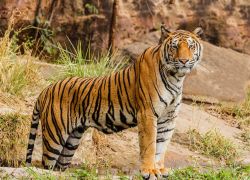
Corbett Tiger Reserve, located in the city of Corbett, is a renowned wildlife sanctuary in India. It is named after the legendary hunter-turned-conservationist Jim Corbett and is one of the oldest national parks in the country. The reserve is not only a haven for the majestic Bengal tigers but also home to a diverse range of flora and fauna, making it a paradise for nature enthusiasts and wildlife lovers. History of Corbett Tiger Reserve The history of Corbett Tiger Reserve dates back to the time when it served as the private hunting grounds for the British and the local rulers. It was later established as Hailey National Park in 1936 and was renamed in honor of Jim Corbett in 1957. The park has been at the forefront of tiger conservation efforts in India and has been recognized by UNESCO for its significant biodiversity. Architecture and Natural Beauty of Corbett Tiger Reserve The reserve boasts a stunning natural environment with diverse habitats including dense forests, grasslands, and marshy wetlands. It is a birdwatcher's paradise with over 600 avian species, and the historic Keoladeo Temple located within the park adds a cultural touch to the natural beauty of the surroundings. Why is Corbett Tiger Reserve Famous? Corbett Tiger Reserve is famous for its thriving tiger population, making it a prime destination for tiger sightings. Additionally, the park's rich biodiversity, including elephants, leopards, and various bird species, attracts wildlife photographers, nature enthusiasts, and researchers from around the world. How to Reach Corbett Tiger Reserve Travelling to Corbett Tiger Reserve is convenient with options for air, rail, and road transport. The nearest airports are located in Pantnagar and Dehradun, while Ramnagar serves as the closest railway station. Visitors can also opt for road transport with well-connected routes from major cities. Weather and Best Time to Visit Corbett Tiger Reserve The weather at Corbett Tiger Reserve varies across seasons, with hot summers, wet monsoons, and cool winters. The best time to visit is during the winter months from November to February when the weather is pleasant, and wildlife sightings are abundant. Timings of Corbett Tiger Reserve The reserve is open to visitors from sunrise to sunset, with specific timings for entry and exit. It is advisable to check for any seasonal variations in timings and plan your visit accordingly to make the most of your experience. Entry Fee and Visit Details Visitors to Corbett Tiger Reserve need to follow the designated entry procedures and can avail guide services for a more informative tour. Safari options, bicycle rentals, and visitor facilities are available within the park to enhance the overall experience. Things to Do at Corbett Tiger Reserve Popular activities at Corbett Tiger Reserve include birdwatching, photography, cycling through the scenic trails, walking amidst nature, and engaging in educational experiences to learn more about the wildlife and conservation efforts in the region. Interesting Facts About Corbett Tiger Reserve Corbett Tiger Reserve is a hotspot for migratory birds during certain seasons, adding to its ecological importance. The reserve's conservation achievements have played a vital role in preserving endangered species and maintaining the delicate balance of the ecosystem. Travel Tips for Visiting Corbett Tiger Reserve When visiting Corbett Tiger Reserve, it is advisable to wear comfortable clothing suitable for outdoor activities and carry necessary photography and birdwatching equipment. Understanding the visiting seasons and practicing responsible tourism by respecting the wildlife and environment are key for a memorable experience. Conclusion In conclusion, Corbett Tiger Reserve in Corbett stands as a testament to India's rich wildlife heritage and the importance of conservation efforts. A visit to this iconic destination offers a unique opportunity to witness the beauty of nature up close and create lasting memories amidst the wilderness.
Explore More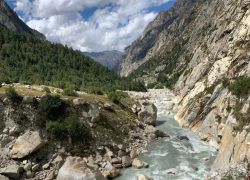
Gangotri National Park, located near Harsil, is a pristine haven for nature enthusiasts and wildlife lovers alike. This park, known for its rich biodiversity and stunning landscapes, offers a unique opportunity to immerse oneself in the natural beauty of the Himalayan region. History of Gangotri National Park The history of Gangotri National Park dates back to its establishment as a protected area to conserve the fragile ecosystem of the region. Once a royal hunting ground, it has now transformed into a sanctuary dedicated to preserving the flora and fauna of the Himalayas. The park's efforts in conservation have been recognized by UNESCO, highlighting its importance on a global scale. Architecture and Natural Beauty of Gangotri National Park The park boasts a diverse landscape that includes wetlands, forests, and grasslands, providing a habitat for a variety of bird species. The historical Keoladeo Temple, nestled within the park, adds a cultural touch to the natural surroundings, making it a unique destination for both nature and history lovers. Why is Gangotri National Park Famous? Gangotri National Park is renowned for its biodiversity, making it a hotspot for birdwatchers, photographers, and wildlife enthusiasts. The park's diverse ecosystem supports a wide range of flora and fauna, attracting visitors from around the world. How to Reach Gangotri National Park Traveling to Gangotri National Park is convenient, with options available by air, rail, and road. The nearest airports and railway stations provide easy access to the park, allowing visitors to embark on a memorable journey through the Himalayan wilderness. Weather and Best Time to Visit Gangotri National Park Gangotri National Park experiences varying weather conditions throughout the year, with distinct seasons of summer, monsoon, and winter. The best time to visit the park is during the summer months when the weather is pleasant, and the flora is in full bloom. Timings of Gangotri National Park The park has specific visitor timings that may vary seasonally. Planning your visit accordingly ensures that you make the most of your time exploring the natural wonders of Gangotri National Park. Entry Fee and Visit Details Entry procedures to Gangotri National Park are straightforward, with guide services and safari options available for a more immersive experience. Visitors can also opt for bicycle rentals to explore the park at their own pace, with facilities provided for a comfortable stay. Things to Do at Gangotri National Park Engage in a variety of activities at Gangotri National Park, including birdwatching, photography, cycling, and nature observation. The park offers walking trails that lead you through its picturesque landscapes, providing educational experiences along the way. Interesting Facts About Gangotri National Park Gangotri National Park is home to numerous migratory birds, showcasing the park's importance in preserving avian species. The park's conservation efforts have led to significant achievements in protecting the region's biodiversity, making it a valuable ecological asset. Travel Tips for Visiting Gangotri National Park When visiting Gangotri National Park, remember to dress appropriately for the weather and bring along essential photography and birdwatching equipment. Familiarize yourself with the best seasons to visit and practice responsible tourism to help conserve the park's natural resources. Conclusion In conclusion, Gangotri National Park in Harsil is a treasure trove of natural wonders waiting to be explored. Its historical significance, diverse ecosystems, and array of activities make it a must-visit destination for anyone seeking an authentic Himalayan experience. Plan your trip to Gangotri National Park and immerse yourself in the beauty of nature.
Explore MoreChopta Tungnath Trip
5 Days/ 4 Night
Devprayag - Chopta - Rudraprayag
Haridwar Mussoorie Jim Corbett Nainital Tour From Delhi 6 Night 7 Days
7 Days/ 6 Night
Mussoorie - Haridwar - Nainital - Corbett
Badrinath Tour Package Ex - Haridwar 3 Night 4 Days
4 Days/ 3 Night
Badrinath - Rudraprayag
Mussoorie Dehradun Tour Package From Delhi 3 Night 4 Days
4 Days/ 3 Night
Mussoorie - Dehradun

Welcome to the serene and captivating Binsar Wildlife Sanctuary nestled in the heart of Kumaon. This sanctuary is a paradise for nature lovers, offering a unique blend of natural beauty and biodiversity that attracts tourists from all around the world. Let's delve into the rich history, architectural wonders, and the fascinating wildlife that make Binsar Wildlife Sanctuary a must-visit destination. History of Binsar Wildlife Sanctuary Steeped in history, Binsar Wildlife Sanctuary was once the former royal hunting grounds of the Chand Kings of the Kumaon region. Over the years, this pristine wilderness has been transformed into a conservation area to protect the rich flora and fauna it houses. Recognized by UNESCO for its conservation efforts, the sanctuary stands as a testament to the region's commitment to preserving its natural heritage. Architecture and Natural Beauty of Binsar Wildlife Sanctuary The sanctuary boasts a diverse landscape with dense forests, meandering streams, lush grasslands, and a variety of bird habitats. One of the architectural marvels within the sanctuary is the historic Keoladeo Temple, adding a touch of cultural significance to the natural beauty that surrounds it. Why is Binsar Wildlife Sanctuary Famous? Binsar Wildlife Sanctuary is renowned for its incredible biodiversity, making it a hotspot for birdwatchers, photographers, and wildlife enthusiasts. The sanctuary's tranquil ambiance and the chance to witness a wide array of bird species in their natural habitat draw visitors seeking a close encounter with nature. How to Reach Binsar Wildlife Sanctuary Traveling to Binsar Wildlife Sanctuary is easily accessible by air, rail, or road. The nearest airports are located in Pantnagar and Dehradun, while Kathgodam serves as the closest railway station. From there, a picturesque drive through the scenic routes of Kumaon will lead you to this natural haven. Weather and Best Time to Visit Binsar Wildlife Sanctuary The sanctuary experiences pleasant weather during the summer, offering relief from the scorching heat. Monsoons bring lush greenery and rejuvenate the flora, while winters offer a chilly yet enchanting atmosphere. The best time to visit Binsar Wildlife Sanctuary is during the months of October to June when the weather is conducive for exploring the wilderness. Timings of Binsar Wildlife Sanctuary Binsar Wildlife Sanctuary welcomes visitors during specific timings, ensuring that guests can make the most of their wildlife experience. Seasonal variations may affect these timings, so it is advisable to plan your visit accordingly to maximize your time in the sanctuary. Entry Fee and Visit Details Upon entry, visitors can avail themselves of guide services to enhance their wildlife safari experience. Bicycle rentals are also available for those who wish to explore the sanctuary at their own pace. The sanctuary provides visitor facilities to ensure a comfortable and memorable visit for all guests. Things to Do at Binsar Wildlife Sanctuary Engage in a plethora of activities at Binsar Wildlife Sanctuary, including birdwatching, photography, cycling through scenic paths, walking trails amidst nature's wonders, and indulging in educational experiences that offer insights into the sanctuary's ecological significance. Interesting Facts About Binsar Wildlife Sanctuary Binsar Wildlife Sanctuary is a haven for migratory birds, showcasing the diverse avian species that find refuge in its lush surroundings. The sanctuary's conservation efforts have led to remarkable achievements in preserving the region's biodiversity, underscoring its ecological importance in the ecosystem. Travel Tips for Visiting Binsar Wildlife Sanctuary When visiting Binsar Wildlife Sanctuary, it is advisable to dress comfortably and carry essential photography and birdwatching equipment to capture the beauty of the sanctuary. Understanding the visiting seasons and practicing responsible tourism ensures a fulfilling experience while contributing to the conservation efforts of the sanctuary. Conclusion In conclusion, Binsar Wildlife Sanctuary in Kumaon offers a holistic experience for nature enthusiasts, birdwatchers, and wildlife lovers alike. With its rich history, architectural wonders, and abundant biodiversity, a visit to this sanctuary promises an unforgettable journey into the heart of nature's splendor.
Explore More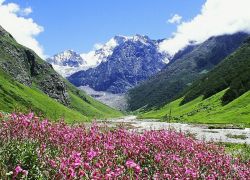
Valley of Flowers National Park
Welcome to the serene and picturesque Valley of Flowers National Park nestled in the city of Chamoli. This enchanting destination is a paradise for nature lovers, offering a unique blend of natural beauty, biodiversity, and tranquility. The park is renowned for its vibrant floral display, diverse ecosystem, and captivating landscapes that attract visitors from far and wide. History of Valley of Flowers National Park The Valley of Flowers National Park has a rich historical background, with the area being part of the former royal hunting grounds of the local rulers. The park was established to preserve its unique flora and fauna, leading to its recognition as a UNESCO World Heritage Site. Conservation efforts have been instrumental in maintaining the park's ecological balance and protecting its natural treasures. Architecture and Natural Beauty of Valley of Flowers National Park The park is characterized by its lush wetlands, dense forests, sprawling grasslands, and diverse bird habitats. Visitors can marvel at the breathtaking landscapes that include snow-capped peaks, meandering streams, and the historic Keoladeo Temple situated within the park's boundaries. Why is Valley of Flowers National Park Famous? Valley of Flowers National Park is famous for being a haven for birdwatchers, photographers, nature enthusiasts, and wildlife lovers. The park's diverse avian population, stunning floral blooms, and tranquil ambiance make it a must-visit destination for those seeking a peaceful retreat in the lap of nature. How to Reach Valley of Flowers National Park Traveling to the Valley of Flowers National Park is convenient, with options available by air, rail, and road. The nearest airports are located in Dehradun and Jolly Grant, while Rishikesh and Haridwar serve as major railway stations providing easy access to the park. Weather and Best Time to Visit Valley of Flowers National Park The park experiences pleasant weather conditions during the summer months, with lush greenery and blooming flowers enhancing its beauty. The monsoon season brings a burst of colors, while winter transforms the landscape into a snowy wonderland. The best time to visit is from July to September when the valley is in full bloom. Timings of Valley of Flowers National Park The park is open to visitors from [Timings]. Seasonal variations may affect accessibility, so it is advisable to plan your trip accordingly. Detailed information on visitor timings and operational hours can be obtained prior to your visit. Entry Fee and Visit Details Entry to the Valley of Flowers National Park is subject to a nominal fee, with options for guide services, safari excursions, bicycle rentals, and other visitor facilities available within the park premises. Visitors can explore the park's wonders with the assistance of knowledgeable guides and tailored tour packages. Things to Do at Valley of Flowers National Park Popular activities at the park include birdwatching, photography, cycling through scenic trails, leisurely walks amidst nature, and engaging in educational experiences to learn more about the region's flora and fauna. The park offers a range of opportunities for nature enthusiasts to immerse themselves in its captivating beauty. Interesting Facts About Valley of Flowers National Park The Valley of Flowers National Park is home to a myriad of migratory birds, rare plant species, and endemic wildlife, making it a biodiversity hotspot. Conservation efforts have led to remarkable achievements in preserving the park's ecological balance and highlighting its importance in the region's ecosystem. Travel Tips for Visiting Valley of Flowers National Park When planning your visit to the Valley of Flowers National Park, remember to pack suitable clothing for varying weather conditions, bring along your photography equipment to capture the scenic beauty, and adhere to responsible tourism practices to help preserve the park's natural heritage. Consider visiting during the recommended seasons for the best experience. Conclusion In conclusion, the Valley of Flowers National Park in Chamoli is a gem waiting to be explored, offering a harmonious blend of natural wonders and recreational activities for visitors of all ages. Immerse yourself in the park's serene environment, witness its vibrant flora and fauna, and create unforgettable memories in this idyllic setting.
Explore More