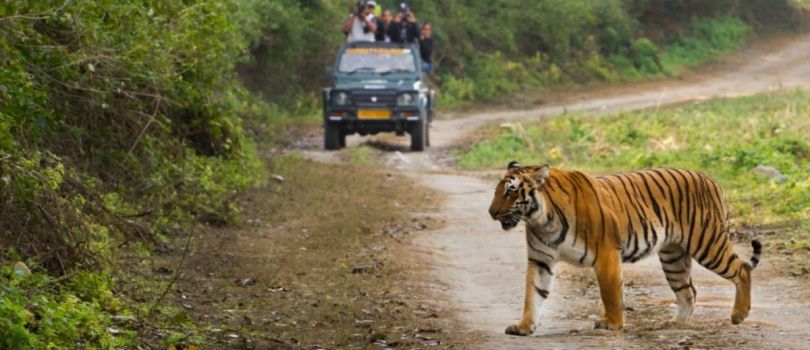
"Witness diverse wildlife in a stunning sanctuary."
Jim Corbett National Park, located near Nainital, Uttarakhand, is India’s oldest and one of the most famous national parks. Established in 1936 as Hailey National Park, it was later renamed in honor of the legendary hunter-turned-conservationist Jim Corbett. Today, it is a major wildlife tourism destination and also the first park to come under the Project Tiger initiative.
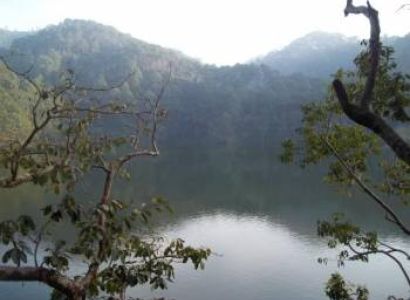
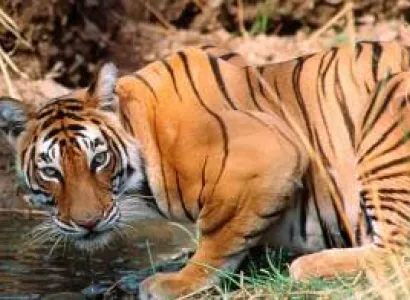
Spread across the foothills of the Himalayas, the park is known for its rich biodiversity, dense forests, grasslands, rivers, and diverse wildlife including the majestic Bengal tiger. It attracts nature lovers, wildlife photographers, researchers, and adventure seekers from all over the world.
Why Jim Corbett National Park is Famous?
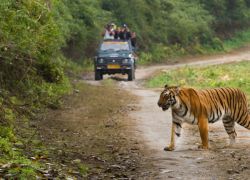
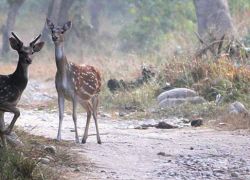
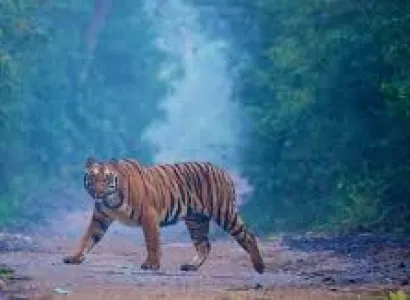
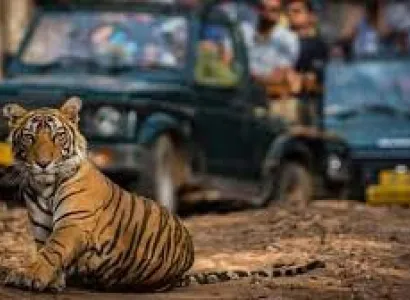
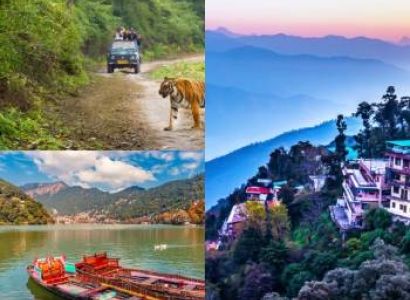
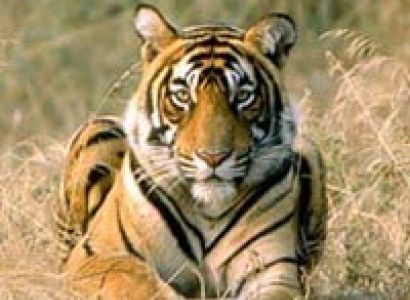
Jim Corbett National Park is famous for being India’s first tiger reserve and one of the best places in the world to spot Bengal tigers in their natural habitat. It is also known for its rich ecosystem, which includes elephants, leopards, deer, crocodiles, and over 600 species of birds.
The park is equally popular for jungle safaris, bird watching, and eco-tourism experiences. Its diverse landscape of hills, rivers, grasslands, and dense forests makes it one of the most scenic wildlife destinations in India.
Another major reason for its fame is its role in wildlife conservation and its connection with Jim Corbett, who played a key role in protecting endangered species in India.
History of Jim Corbett National Park
The park was established in 1936 as Hailey National Park, making it the oldest national park in India. It was created to protect the Bengal tiger and its natural habitat from deforestation and hunting.
Later, it was renamed Jim Corbett National Park in honor of Edward James “Jim” Corbett, a famous hunter and naturalist who contributed significantly to wildlife conservation in India. He helped in raising awareness about tiger conservation and the importance of protecting forests.
The park also became the launch site of the Project Tiger conservation program in 1973, which helped increase tiger populations across India.
Architecture and Landscape
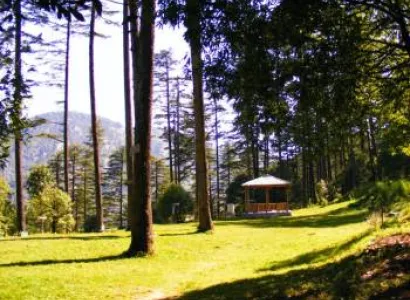
Jim Corbett National Park does not have man-made architectural structures like monuments, but its natural landscape is its biggest attraction. The park spans over 1,300 square kilometers and features diverse terrains including hills, river valleys, dense sal forests, grasslands, and wetlands.
The Ramganga River flows through the park, creating water sources that support wildlife throughout the year. Watchtowers and safari routes have been designed to allow safe wildlife observation without disturbing the natural ecosystem.
How to Reach Jim Corbett National Park
Jim Corbett National Park is well connected to major cities in North India.
By Air: The nearest airport is Pantnagar Airport, located about 80 km away. Another major option is Delhi International Airport, around 250 km away.
By Train: The nearest railway station is Ramnagar Railway Station, which is well connected to Delhi, Moradabad, and other cities.
By Road: The park is easily accessible by road from Delhi (around 5–6 hours), Nainital, and nearby Uttarakhand towns. Regular buses, taxis, and private vehicles are available.
Weather at Jim Corbett National Park
The park experiences a subtropical climate with distinct seasons.
Best Time to Visit: November to June is ideal for wildlife safaris and sightseeing.
Summer (March to June): Hot but good for spotting animals near water sources.
Monsoon (July to September): Park remains partially closed due to heavy rains and safety concerns.
Winter (October to February): Pleasant weather, ideal for bird watching and jungle safaris.
Timings and Entry Details
Opening Hours: Safari timings vary by zone and season, generally early morning and late afternoon.
Entry Fee: Entry fees differ for Indian and foreign tourists, along with separate charges for jeep safari, canter safari, and guide services.
Advance booking is recommended, especially during peak tourist seasons.
Things to Do at Jim Corbett National Park
Jim Corbett offers a wide range of wildlife and adventure experiences.
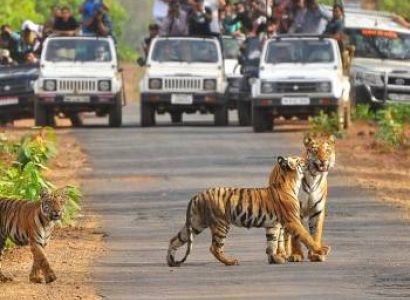
Jeep Safari: The most popular activity to explore deep forest areas and spot wildlife.
Canter Safari: Ideal for larger groups exploring designated zones.
Tiger Spotting: One of the main attractions is spotting Bengal tigers in their natural habitat.
Bird Watching: Home to hundreds of bird species including kingfishers, eagles, and hornbills.
Nature Walks: Guided walks around buffer zones and eco-tourism areas.
River Activities: Some areas near the Ramganga River allow peaceful scenic viewing.
Facts About Jim Corbett National Park
• India’s first national park (established in 1936).
• First tiger reserve under Project Tiger (1973).
• Home to over 600 bird species.
• Covers more than 1,300 sq. km.
• Named after wildlife conservationist Jim Corbett.
Tips for Visitors
Always book safaris in advance as slots fill quickly. Carry binoculars for better wildlife viewing. Wear earth-colored clothing to blend with the environment. Avoid loud noise to prevent disturbing animals.
Follow forest rules strictly and maintain a safe distance from wildlife. Carry water, light snacks, and sunscreen during summer visits. Early morning safaris offer the best chances of animal sightings.
Conclusion
Jim Corbett National Park near Nainital, Uttarakhand is a paradise for wildlife lovers and nature enthusiasts. With its rich biodiversity, thrilling safaris, and historical importance in wildlife conservation, it offers an unforgettable experience. Whether you are looking for adventure, photography, or peaceful nature exploration, Jim Corbett National Park is one of the best wildlife destinations in India.

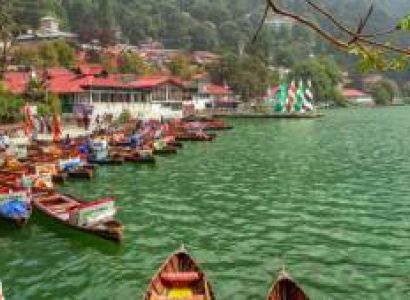
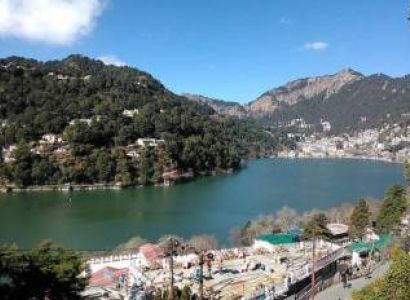
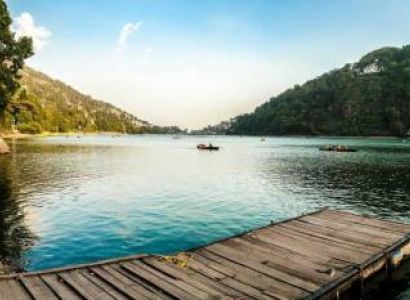
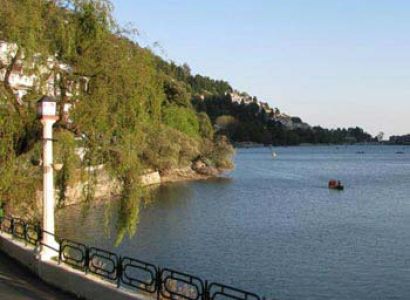
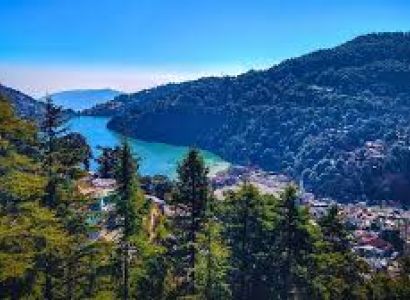
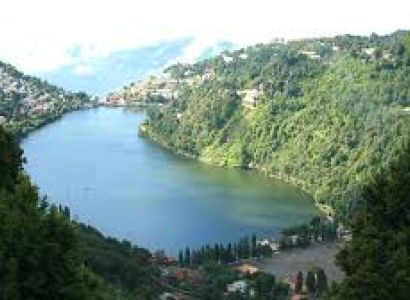

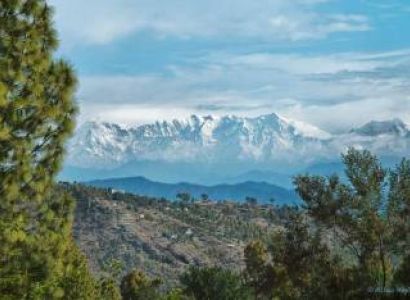
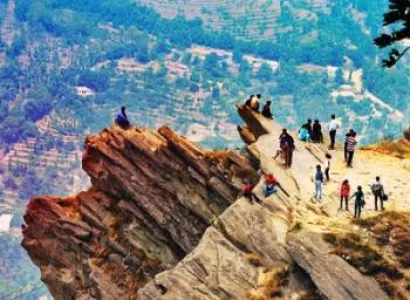







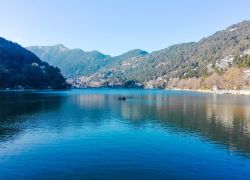
Nainital

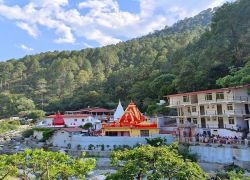
Nainital
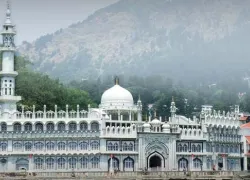
Nainital
Nainital
Nainital