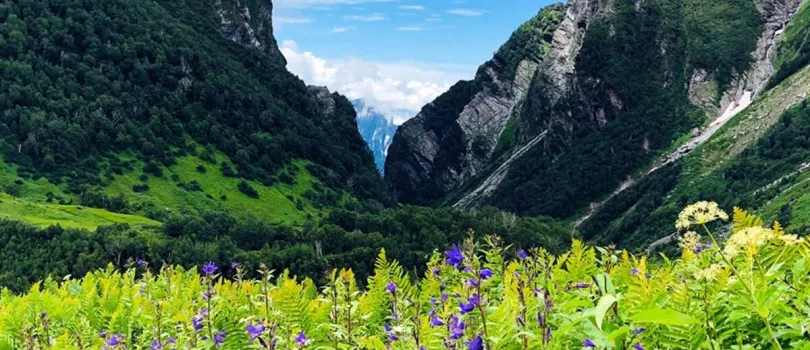
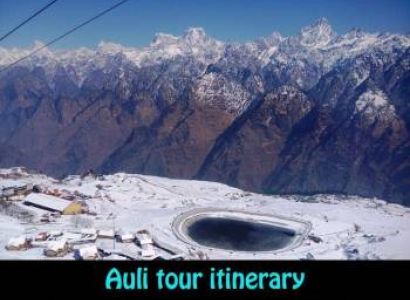
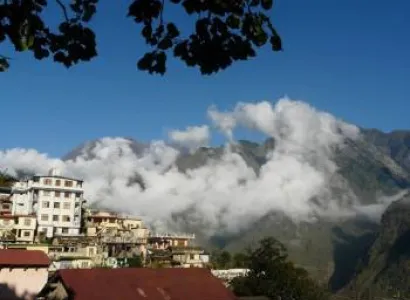
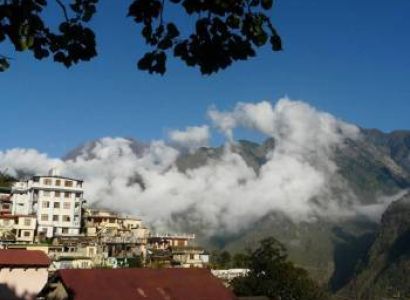
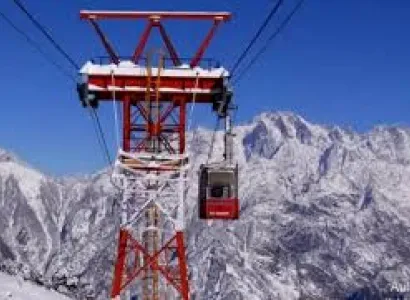
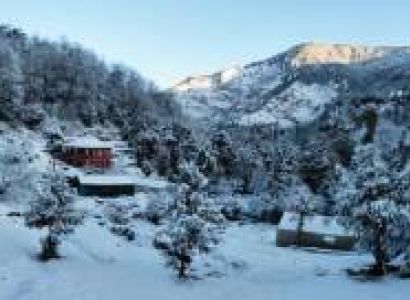
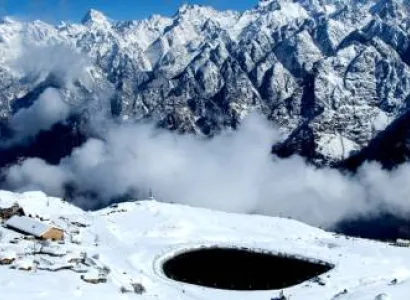
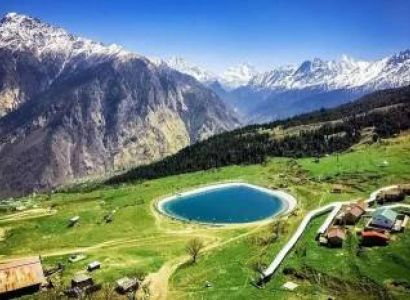
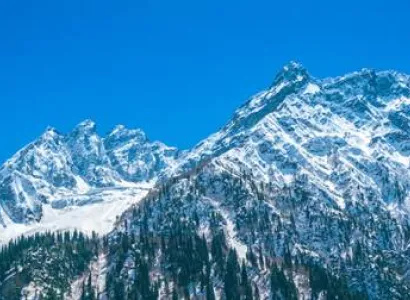
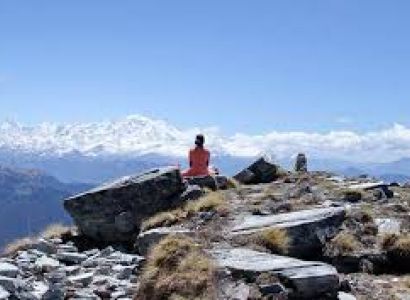
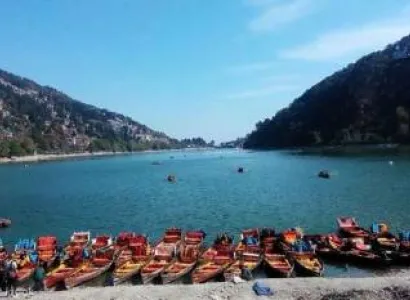
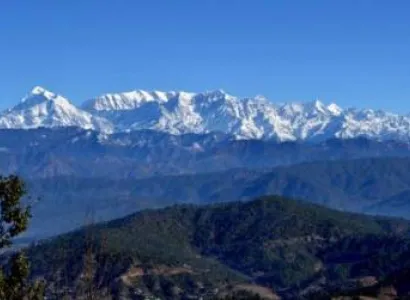
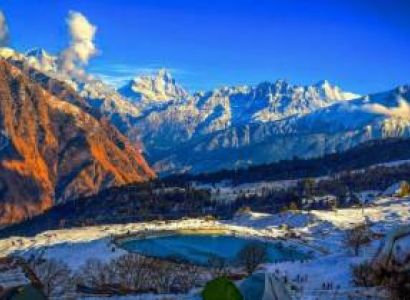
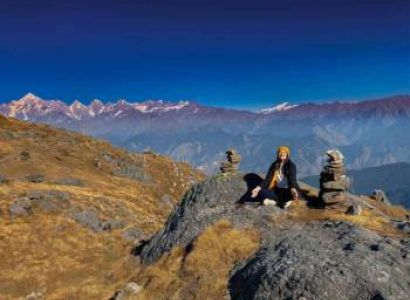
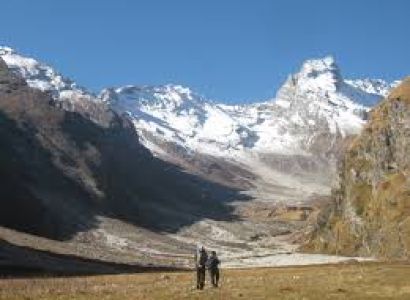
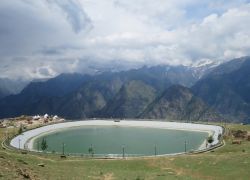
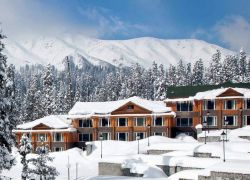
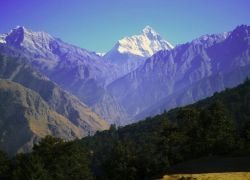
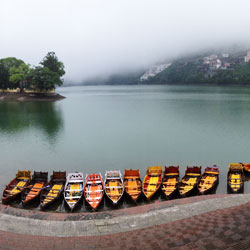
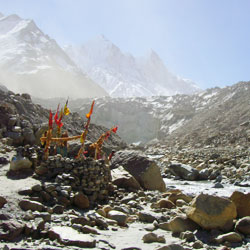
Nanda Devi National Park, located in the Chamoli district of Uttarakhand, is a UNESCO World Heritage Site known for its unparalleled natural beauty and rich biodiversity. Nestled in the Garhwal Himalayas, the park is home to one of India’s highest peaks, Nanda Devi, which towers at 7,816 meters. This pristine national park is a haven for nature enthusiasts, trekkers, and wildlife lovers. It is characterized by dense forests, alpine meadows, high-altitude lakes, and a diverse range of flora and fauna. Situated near Auli, Nanda Devi National Park offers breathtaking views of the surrounding snow-clad peaks and is a perfect retreat for those seeking tranquility and adventure in the lap of nature.
How to Reach Nanda Devi National Park, Auli
Reaching Nanda Devi National Park involves a combination of road travel and trekking. Although the park is remote, it is accessible for tourists who are up for the challenge. Here’s how you can reach:
- By Air: The nearest airport to Auli is Jolly Grant Airport in Dehradun, approximately 285 km away. From the airport, you can take a taxi or bus to reach Joshimath, which is the nearest town to Auli. From Joshimath, a combination of road and trekking is required to reach the park.
- By Train: The nearest railway station to Nanda Devi National Park is Haridwar, which is around 270 km away. You can catch a train from major cities like Delhi, Mumbai, or Rishikesh to Haridwar. From there, you can take a bus or taxi to Joshimath, and then proceed towards Auli, where the trek to Nanda Devi begins.
- By Road: The road journey to Joshimath is the easiest way to get there. It is well-connected by buses and taxis from major cities like Rishikesh, Haridwar, and Dehradun. After reaching Joshimath, a trek is necessary to reach Nanda Devi National Park. The trek usually starts from the base camp at Auli.
Weather in Nanda Devi National Park, Auli
The weather in Nanda Devi National Park is typical of a high-altitude region, with cold winters and moderate summers. The weather conditions can change rapidly, so it is important to be prepared for all types of weather when visiting the park:
- Summer (April to June): The temperature in summer ranges from 10°C to 20°C. This is the best time to visit the park for trekking and sightseeing, as the weather is pleasant and the flora is in full bloom.
- Monsoon (July to September): The monsoon season brings heavy rainfall to the region, making it a less favorable time to visit. Trekking during this time can be risky due to slippery paths and the possibility of landslides.
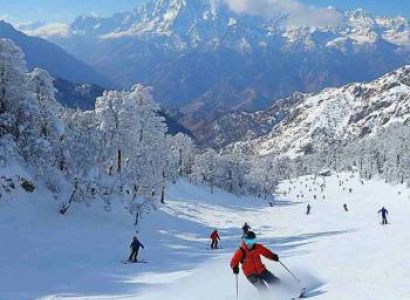
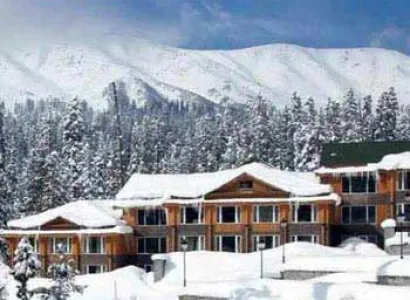
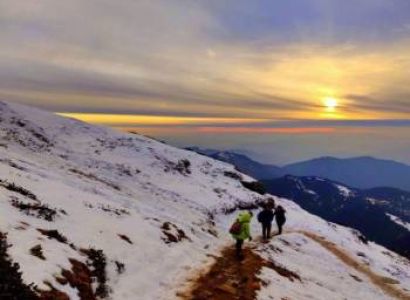
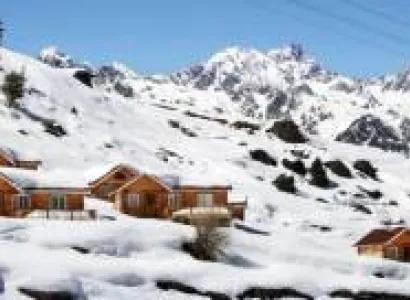
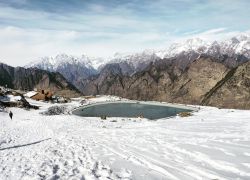
- Winter (October to March): Winters are extremely cold, with temperatures often dropping below freezing. The park experiences heavy snowfall, making it a popular destination for winter sports. However, trekking during winter requires proper equipment and experience.
Why Nanda Devi National Park is Famous
Nanda Devi National Park is renowned for its stunning natural beauty, rich biodiversity, and its status as a UNESCO World Heritage Site. The park is famous for the following reasons:
- Rich Biodiversity: The park is home to a diverse range of flora and fauna, including endangered species like the snow leopard, Himalayan tahr, and the musk deer. The park’s varied landscapes, from alpine meadows to dense forests, provide a unique habitat for these species.
- Nanda Devi Peak: The park is located in the vicinity of Nanda Devi, India’s second-highest mountain. The peak is revered by locals and is a significant part of the region’s cultural and spiritual identity.
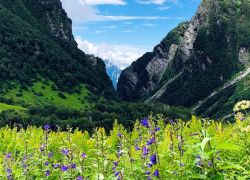
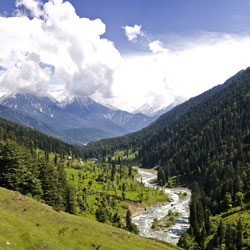
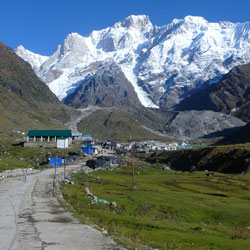
- Pristine Beauty: The untouched wilderness of Nanda Devi National Park offers breathtaking views of snow-capped peaks, high-altitude lakes, and lush valleys, making it a paradise for nature lovers and photographers.
Entry and Visit Details
Entry to Nanda Devi National Park is regulated to preserve its delicate ecosystem. Visitors need to obtain permits before trekking into the park. The best time to visit is during the summer and early autumn months (April to June, September to November), when the weather is more conducive to trekking. The entry to the park is typically through Auli, and the trek starts from here. The trek is moderate to difficult, and it takes about 5-6 days to complete the round trip.
History and Architecture
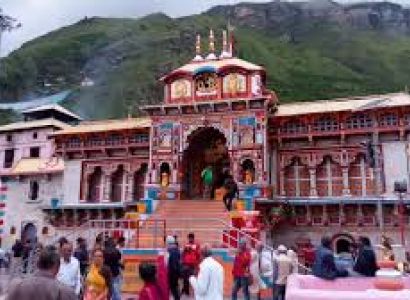
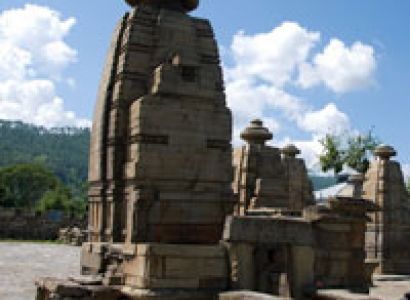
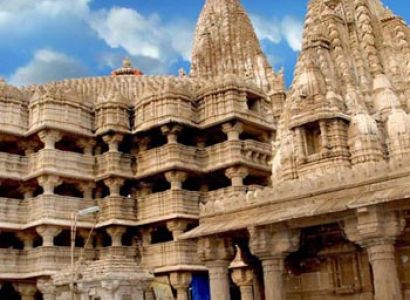
Nanda Devi National Park was established in 1982 to protect the unique wildlife and ecosystems of the region. The park was inscribed as a UNESCO World Heritage Site in 1988 due to its biological diversity and its significance as a natural area. The architecture around the park is mainly traditional Garhwali, with temples and structures reflecting the region's rich cultural heritage. The most prominent of these is the Nanda Devi temple located in the nearby town of Joshimath, which is dedicated to the goddess Nanda Devi.
Things to Do in Nanda Devi National Park, Auli
There is no shortage of activities to enjoy in and around Nanda Devi National Park. Some of the most popular things to do include:
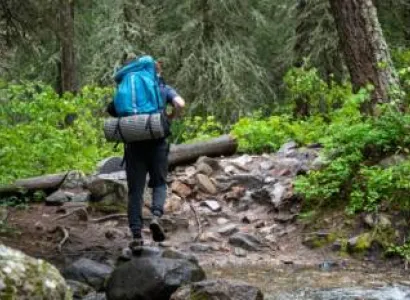
- Trekking: The park is famous for its treks, including the Nanda Devi Trek, which takes you through dense forests, meadows, and along rivers. The trek provides stunning views of the Himalayan peaks and offers an unforgettable experience for adventure seekers.
- Wildlife Watching: The park is a haven for wildlife enthusiasts, with a rich variety of species to observe. Keep an eye out for rare animals like the snow leopard, Himalayan tahr, and bharal (blue sheep), as well as numerous bird species.
- Photography: The scenic beauty of the park, with its snow-covered peaks and lush valleys, makes it a photographer’s paradise. The changing landscapes throughout the trek offer numerous opportunities for capturing stunning photographs.
- Cultural Exploration: Visit the local villages near Auli and Joshimath to experience the Garhwali culture. Traditional handicrafts, cuisine, and festivals like Nanda Devi Raj Jat make for an enriching cultural experience.
Facts about Nanda Devi National Park, Auli
- Nanda Devi National Park is home to over 300 species of birds, including the Himalayan griffon vulture and the golden eagle.
- The park also houses over 500 species of plants, including several species of medicinal plants used in traditional healing.
- The park is one of the most biologically rich regions in India, with ecosystems ranging from alpine meadows to dense forests of oak and rhododendron.
- The region surrounding Nanda Devi is deeply rooted in the spiritual beliefs of the local people, who consider the Nanda Devi peak sacred.
Tips for Visiting Nanda Devi National Park, Auli
- Make sure you are physically fit before attempting the trek to Nanda Devi National Park, as it requires stamina and endurance, especially at high altitudes.
- Carry adequate trekking gear, including warm clothing, sturdy shoes, a first-aid kit, and enough food and water for the journey.
- Hire a local guide for the trek. Not only will they help you navigate the terrain, but they also provide valuable insights into the local culture and wildlife.
- Check the weather forecast before planning your trip, as the region can experience sudden weather changes, especially in the monsoon and winter seasons.
- It’s essential to obtain the necessary permits before entering the park. Make sure to book your permits in advance.
- Be mindful of the local environment. Stick to marked trails, avoid littering, and respect the wildlife and local culture.