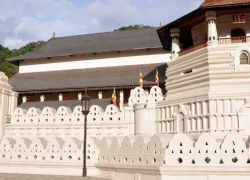
The Royal Palace of Kandy, also known as the Maha Vasala, is one of the most iconic landmarks in the historic city of Kandy, Sri Lanka. Built in the 14th century by King Vikramabahu III, the palace served as the residence of the Kandyan monarchs until the British colonial period in the early 19th century. Today, the Royal Palace stands as a testament to the rich cultural heritage and architectural prowess of the Kandyan Kingdom. Timings Of Royal Palace of Kandy The Royal Palace of Kandy is open to visitors every day from 8:30 AM to 4:30 PM. It is recommended to visit the palace during these hours to fully explore and appreciate its beauty. Entry Fee The entry fee for the Royal Palace of Kandy is 1000 Sri Lankan Rupees for adults and 500 Sri Lankan Rupees for children. Visitors can also opt for a guided tour at an additional cost. Required Time And Restricted Items It is recommended to allocate at least 1-2 hours to explore the Royal Palace of Kandy thoroughly. To ensure the preservation of the historical site, visitors are not allowed to carry food, beverages, or plastic items inside the palace premises. Architecture Of Royal Palace of Kandy The architecture of the Royal Palace of Kandy is a blend of traditional Kandyan and colonial styles. The palace features intricate wood carvings, vibrant frescoes, and elaborate roof structures that reflect the artistic sophistication of the Kandyan era. Best Time To Visit The best time to visit the Royal Palace of Kandy is during the months of January to April when the weather is pleasant and conducive for sightseeing. Avoid visiting during the monsoon season from May to September as heavy rains can hinder your exploration. How To Reach The Royal Palace of Kandy is located in the heart of the city, making it easily accessible by both public and private transportation. Visitors can take a tuk-tuk, taxi, or bus to reach the palace from any part of Kandy. History Of Royal Palace of Kandy The Royal Palace of Kandy has a storied history that dates back to the ancient Kingdom of Kandy. It served as the seat of power for the Kandyan monarchs who ruled the region for centuries before being annexed by the British in 1815. The palace witnessed numerous political intrigues, battles, and royal ceremonies during its illustrious past. Inside Royal Palace Of Kandy Inside the Royal Palace of Kandy, visitors can explore the audience hall, royal chambers, temple of the tooth relic, and surrounding gardens. The palace showcases a fascinating collection of artifacts, antiques, and historical remnants that offer insight into the Kandyan way of life. Traveling Tips When visiting the Royal Palace of Kandy, it is advisable to wear comfortable footwear and carry sufficient water to stay hydrated. Respect the cultural norms and heritage of the palace by maintaining decorum and refraining from touching or defacing any structures. Hotels Near Royal Palace Of Kandy Several hotels near the Royal Palace of Kandy offer comfortable accommodation options for visitors. Some of the popular hotels include The Grand Kandyan, Earl's Regency Hotel, Cinnamon Citadel Kandy, and Hotel Topaz. Nearby Tourist Spots Of Royal Palace Of Kandy While exploring the Royal Palace of Kandy, visitors can also visit nearby tourist spots such as the Temple of the Tooth Relic, Kandy Lake, Peradeniya Botanical Gardens, and Bahirawakanda Temple. These attractions offer a comprehensive experience of the cultural and natural wonders of Kandy.
Explore More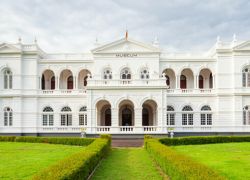
The Colombo National Museum, located in the heart of Colombo, Sri Lanka, is the largest and oldest museum in the country. Established in 1877, it is a premier institution dedicated to preserving and showcasing Sri Lanka's rich cultural, historical, and artistic heritage. The museum's collection spans over 2,500 years, offering visitors a fascinating glimpse into the nation's past, from ancient times to the colonial era and beyond. The Colombo National Museum serves as a vital center for research, education, and the preservation of Sri Lanka's heritage. How to Reach Colombo National Museum The Colombo National Museum is centrally located in Colombo, making it easily accessible from various parts of the city. Here are the main ways to reach the museum: By Car/Taxi: The easiest way to get to the Colombo National Museum is by taxi or private car. It is situated in the vicinity of the Viharamahadevi Park, near the Colombo 7 area. The museum is just a 10-15 minute drive from Colombo Fort, the city's main business and transportation hub. By Bus: Public buses regularly run to the museum from various parts of Colombo. You can take a bus to the nearest stop at the Viharamahadevi Park, from where the museum is within walking distance. By Train: While Colombo Fort Railway Station is the main station in the city, it is best to take a taxi or tuk-tuk from there to the Colombo National Museum, as it is about 3 km away. Weather in Colombo Colombo enjoys a tropical rainforest climate with high humidity and temperatures year-round. The city experiences both monsoon and dry seasons. The temperature ranges from 25°C (77°F) to 31°C (88°F) throughout the year, making it relatively warm and humid. The southwest monsoon runs from May to September, bringing heavy rain, while the northeast monsoon occurs from December to February. The best time to visit the Colombo National Museum is during the dry months, from December to March, when the weather is more pleasant. When visiting, be sure to dress comfortably, wear sunscreen, and stay hydrated, especially during the hotter months of the year. Why Famous for Colombo National Museum The Colombo National Museum is famous for its vast collection of artifacts, artworks, and historical objects that showcase Sri Lanka's diverse cultural and natural history. It holds an invaluable collection of relics from Sri Lanka's ancient kingdoms, including the Anuradhapura and Polonnaruwa periods. The museum also features exhibitions on the country's colonial past, the influence of Buddhism, and its diverse ethnic groups. One of the museum's most famous exhibits is the crown of the Kandyan kings, a historical artifact that offers insights into Sri Lanka's royal past. The museum's collection also includes sculptures, coins, antique jewelry, and traditional Sri Lankan costumes. Visitors can explore the cultural and religious significance of these artifacts, making the museum an essential stop for anyone interested in Sri Lanka's history and heritage. Entry and Visit Details about Colombo National Museum The Colombo National Museum is open to the public throughout the week, with specific timings for visitors. Here are some essential details for planning your visit: Opening Hours: The Colombo National Museum is open daily from 9:00 AM to 5:00 PM, except for public holidays. The museum is closed on national holidays such as Sinhala and Tamil New Year and other major religious celebrations. Entry Fee: Entry fees for the Colombo National Museum are reasonably priced. Foreign nationals typically pay a higher fee than locals. As of now, the entry fee for foreigners is around LKR 1,000 (Sri Lankan Rupees), while the fee for Sri Lankan nationals is about LKR 200. Children and students may also receive discounted rates. Guided Tours: The museum offers guided tours in English and Sinhala. These tours are an excellent way to gain a deeper understanding of the exhibits and Sri Lankan history. It is advisable to book a guided tour in advance if you wish to have a more in-depth experience. Facilities: The museum is equipped with basic amenities, including restrooms, a café, and a museum shop. The museum also has a spacious parking area for visitors who arrive by car. History and Architecture of Colombo National Museum The Colombo National Museum was established by the British colonial administration in 1877, initially serving as a repository for artifacts collected during British rule. The museum was designed in the colonial style, with large, airy galleries and high ceilings. Its architecture reflects the grand and classical style that was popular during the British colonial era. The building itself is an imposing structure, with whitewashed walls and an iconic, neoclassical facade. The museum's construction was overseen by Sir William Gregory, the then British governor of Ceylon. Over the years, the museum has undergone several expansions and renovations, modernizing its exhibition spaces while preserving its historical charm. The main building is surrounded by lush gardens, which enhance its tranquil and serene atmosphere, offering visitors a peaceful environment to explore Sri Lanka's cultural history. Things to Do at Colombo National Museum Visiting the Colombo National Museum is a rewarding experience for anyone interested in Sri Lanka's culture, history, and art. Here are some things to do during your visit: Explore the Exhibits: The museum has a diverse range of exhibits, including ancient artifacts, sculptures, coins, and royal regalia. One of the highlights is the collection of antiques from the Kandyan period, as well as the museum's display of Buddhist art and relics. Learn About Sri Lankan Culture: The museum showcases various aspects of Sri Lankan culture, from its ancient kingdoms to its colonial history. Visitors can learn about Sri Lanka's rich traditions, religious practices, and royal heritage through informative displays and historical narratives. Take a Guided Tour: A guided tour can enhance your experience, providing detailed information about the museum's collections and their significance. The guides are knowledgeable and can offer interesting stories about the artifacts. Visit the Museum Shop: The museum shop offers a selection of souvenirs, books, and replicas of artifacts. It’s a great place to pick up a memento of your visit or learn more about Sri Lankan history through books and publications available for purchase. Facts About Colombo National Museum The museum was founded in 1877 during British colonial rule and is the largest museum in Sri Lanka. It houses over 3,000 years of Sri Lanka's history, including objects from the pre-Christian period. One of its most famous exhibits is the crown of the Kandyan kings, an iconic symbol of Sri Lanka's monarchy. The museum also features a significant collection of ancient sculptures, including Buddhist statues and images from the country's ancient cities of Anuradhapura and Polonnaruwa. The Colombo National Museum is housed in a neoclassical building with lush gardens and serene surroundings. Tips for Visiting Colombo National Museum Arrive early: To avoid the crowds and enjoy a peaceful experience, it’s best to visit the museum as early as possible during the day, especially on weekends. Wear comfortable shoes: The museum has several large galleries, so it's a good idea to wear comfortable shoes for walking and standing. Check for special exhibits: The museum often hosts temporary exhibits and special events. It’s a good idea to check the museum's website or inquire in advance to make sure you don’t miss any special exhibitions during your visit. Respect museum etiquette: Photography may be restricted in certain sections of the museum, so always check before taking photos. Also, remember to keep noise levels down to maintain a calm atmosphere for all visitors.
Explore More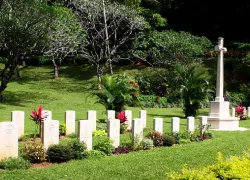
The Commonwealth War Cemetery in Kandy, Sri Lanka, is a place of remembrance, honoring the soldiers who lost their lives during the Second World War. Situated in the picturesque hill city of Kandy, this peaceful cemetery stands as a testament to the sacrifices made by soldiers from the British Commonwealth nations, including India, the UK, Australia, and Canada, among others. The cemetery provides a solemn atmosphere where visitors can pay their respects to those who gave their lives in the war, far away from their homelands. How to Reach Commonwealth War Cemetery, Kandy, Sri Lanka The Commonwealth War Cemetery is located in the historic city of Kandy, in the central part of Sri Lanka. Kandy is well-connected to major cities in Sri Lanka, including Colombo and Nuwara Eliya. The cemetery is a short drive from Kandy's city center, making it easily accessible by car or tuk-tuk. To reach the cemetery: From Colombo, the best route is to take the A1 highway, which connects Colombo to Kandy. The journey by car or bus will take around 2.5 to 3 hours. From Kandy city center, you can reach the cemetery within 15-20 minutes by car or tuk-tuk. If you're traveling by public transport, buses from the Kandy central bus station can take you towards the area near the cemetery. You may need to walk a short distance to reach the entrance. Weather at Commonwealth War Cemetery, Kandy The weather in Kandy is typically tropical, with a mild and pleasant climate due to its elevation. The temperature averages between 20°C to 30°C (68°F to 86°F) throughout the year. However, it can get cooler in the evening, so it’s recommended to carry a light jacket or sweater. The best time to visit the cemetery is during the dry season, which lasts from December to March. The rainy season runs from May to October, with heavy monsoon showers. Visiting during the dry season ensures a more comfortable experience. Timing of the Commonwealth War Cemetery, Kandy The Commonwealth War Cemetery is open to the public throughout the week. The typical visiting hours are from 8:00 AM to 5:00 PM. Visitors are welcome to come anytime during these hours, but it is advisable to visit during daylight hours for the best experience. The cemetery remains closed at night to preserve the sanctity and security of the site. Why is Commonwealth War Cemetery, Kandy Famous? The Commonwealth War Cemetery in Kandy is famous for being one of the most well-maintained war cemeteries in Sri Lanka. It holds the graves of over 200 soldiers who died during World War II. The cemetery is not just a burial site; it’s a place of historical significance, remembering the connection between Sri Lanka (then Ceylon) and the British Commonwealth during the war. Sri Lanka played a crucial logistical role during World War II as a base for the Allies, and many soldiers lost their lives in the region due to combat and illness. The cemetery is beautifully maintained with manicured lawns, symmetrical rows of gravestones, and simple yet poignant inscriptions. It is managed by the Commonwealth War Graves Commission (CWGC), which ensures that the memorials are kept in pristine condition. It is a place of quiet reflection, where people can pay their respects to those who made the ultimate sacrifice. Entry and Visit Details About Commonwealth War Cemetery, Kandy, Sri Lanka There is no entry fee to visit the Commonwealth War Cemetery in Kandy, making it an easily accessible site for visitors. The cemetery is open to tourists, locals, and school groups who come to learn about the sacrifices made by the soldiers during the war. While the site remains open to all, visitors are encouraged to be respectful of the peaceful atmosphere and the memory of the soldiers. It is a good idea to visit the cemetery with a guide, as local guides can provide additional historical context and share stories about the soldiers buried here, making the experience more informative and meaningful. History and Architecture of Commonwealth War Cemetery, Kandy The Commonwealth War Cemetery was established during the period following World War II, when Sri Lanka was under British colonial rule. The cemetery is part of the larger network of war cemeteries maintained by the Commonwealth War Graves Commission (CWGC). The cemetery was created to honor the fallen soldiers who had fought in various theatres of war, including those who died in Ceylon during the Japanese invasion threat in the Pacific War. Architecturally, the cemetery follows the typical design of Commonwealth war cemeteries. It features well-maintained gardens, an entrance gate with a small memorial plaque, and rows of uniform gravestones. The gravestones are made of light-colored stone and are arranged symmetrically, each with the soldier’s name, rank, and date of death inscribed. The layout is simple yet profound, with the focus on honoring the fallen rather than grandiose structures. Things to Do at Commonwealth War Cemetery, Kandy While visiting the Commonwealth War Cemetery, there are a few things you can do to enhance your experience: Learn the History: Take the time to read the inscriptions on the gravestones. Many of the soldiers died from injuries sustained during battles or from diseases in the region. It’s a poignant reminder of the sacrifices made. Take a Guided Tour: Local guides provide tours of the cemetery, offering insights into the history and significance of the site. This is highly recommended if you're interested in the historical background. Photography: The cemetery’s tranquil beauty makes it a peaceful spot for photography. Remember to be respectful when taking pictures, especially around the graves. Reflect and Pay Tribute: The cemetery offers a peaceful space for reflection. Take a moment to honor the memory of those who gave their lives for freedom. Interesting Facts About Commonwealth War Cemetery, Kandy, Sri Lanka The cemetery contains the graves of soldiers from several countries, including the UK, India, Australia, and Canada. Many of the soldiers died from tropical diseases, such as malaria, during the war, while others were casualties of the Japanese threat in the region. The cemetery is managed by the Commonwealth War Graves Commission (CWGC), which oversees the care and maintenance of war cemeteries worldwide. While most of the soldiers were buried here during the war, others have been reburied here from other parts of Sri Lanka. Tips for Visiting Commonwealth War Cemetery, Kandy Wear comfortable footwear as you may need to walk on uneven terrain. Bring some water with you, especially if visiting during the hotter months. Dress respectfully, as this is a place of solemn remembrance. Don’t rush through your visit; take the time to reflect and appreciate the historical significance of the site. If you plan to visit during the rainy season, carry an umbrella or raincoat, as the area can experience showers.
Explore More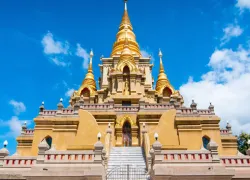
Bahiravokanda Vihara Buddha Statue
The Bahiravokanda Vihara Buddha Statue, located in Kandy, Sri Lanka, is one of the most iconic landmarks in the region. Standing tall at 88 feet, it is one of the largest Buddha statues in Sri Lanka, offering a majestic view of the city and its surrounding hills. The statue is a symbol of peace, spirituality, and devotion, and it attracts both religious pilgrims and tourists alike. The temple complex surrounding the statue is also a place of deep religious significance, offering a serene environment for meditation and reflection. How to Reach Bahiravokanda Vihara Buddha Statue, Kandy The Bahiravokanda Vihara Buddha Statue is located just a few kilometers from the Kandy city center, making it easily accessible for visitors. Here’s how you can reach the site: By Car: From Kandy city, the statue is about a 10-15 minute drive. You can hire a tuk-tuk or a taxi from the city center, which will take you directly to the base of the hill where the statue stands. On Foot: If you're staying in Kandy, you can take a scenic walk uphill from the city center to the statue. The walk may take around 30-40 minutes, depending on your pace, and offers stunning views of Kandy along the way. Public Transport: Local buses and tuk-tuks also serve the area, though it's easier to use a taxi or tuk-tuk due to the hilly terrain. Weather at Bahiravokanda Vihara Buddha Statue, Kandy Kandy, located in Sri Lanka’s central highlands, experiences a tropical climate. The weather is generally pleasant, with mild temperatures due to the elevation. However, the temperature can vary, so here’s what to expect: Temperature: Average temperatures range between 18°C to 28°C (64°F to 82°F), with cooler evenings, especially at higher altitudes. Best Time to Visit: The best time to visit the Bahiravokanda Vihara Buddha Statue is during the dry season, from December to March, when the weather is pleasant and there’s less chance of rainfall. Rainy Season: Sri Lanka’s monsoon season lasts from May to October, and you may encounter rainfall, particularly in the afternoon. Visiting during the dry months ensures a more comfortable experience. Timing of Bahiravokanda Vihara Buddha Statue, Kandy The Bahiravokanda Vihara Buddha Statue is open to the public every day. Visitors can explore the site during the following hours: Opening Hours: 7:00 AM to 7:00 PM daily. Best Time to Visit: It is ideal to visit during the morning or late afternoon for the best lighting for photography and to avoid the midday heat. Why is Bahiravokanda Vihara Buddha Statue, Kandy Famous? The Bahiravokanda Vihara Buddha Statue is famous for several reasons: Size and Structure: At 88 feet tall, it is one of the tallest Buddha statues in Sri Lanka. The sheer size and grandeur of the statue make it a prominent feature in Kandy’s skyline. Scenic Views: The statue is perched on a hill, providing panoramic views of Kandy city and the surrounding hills. The vista from the top is breathtaking and attracts visitors for both the religious significance and the natural beauty. Religious Importance: The statue is not only a major tourist attraction but also a site of deep religious significance. It is a symbol of Buddhism and a place of peace and reflection for devotees. Accessibility: Its location offers an easy yet scenic climb for visitors, making it a popular spot for both pilgrims and tourists seeking spiritual solace or a peaceful retreat. Entry and Visit Details About Bahiravokanda Vihara Buddha Statue, Kandy The Bahiravokanda Vihara Buddha Statue is open to all visitors, regardless of religious background. Here are the details you need to know: Entry Fee: There is a small entry fee for visitors, which helps in the maintenance and upkeep of the site. The fee is usually around LKR 300 to LKR 500 (approximately $2 to $3 USD). Dress Code: As a place of religious significance, visitors are expected to dress modestly. It is recommended to wear long pants or skirts and avoid wearing revealing clothing. Facilities: The site has basic facilities like washrooms and parking for visitors. There are also local shops selling souvenirs and snacks near the base of the hill. History and Architecture of Bahiravokanda Vihara Buddha Statue The Bahiravokanda Vihara Buddha Statue was constructed in 1992 as a part of the Bahiravokanda Vihara Monastery complex. The idea behind the statue was to create a modern-day monument to Lord Buddha, while also paying homage to Sri Lanka’s rich Buddhist heritage. The statue itself is made of white-painted concrete and stands tall at 88 feet, making it one of the tallest Buddha statues in the country. The serene expression on the face of the Buddha adds to the statue's calm and peaceful aura. The monument is surrounded by a small temple complex with a few other statues and shrines, offering a spiritual atmosphere for visitors. Things to Do at Bahiravokanda Vihara Buddha Statue Admire the Statue: Take time to appreciate the grandeur and serenity of the Buddha statue. The views from the top are magnificent, offering an excellent opportunity for photography. Visit the Temple Complex: Explore the small temple complex around the statue. The tranquil environment is ideal for meditation or quiet reflection. Enjoy the Scenic Views: The hilltop location offers panoramic views of Kandy city and the surrounding mountains. It's an excellent spot for nature lovers and photographers. Learn About Buddhism: While visiting, you can gain insights into Sri Lankan Buddhism and the significance of the Buddha in the country’s culture and history. Interesting Facts About Bahiravokanda Vihara Buddha Statue The Bahiravokanda Buddha Statue is one of the tallest Buddha statues in Sri Lanka, standing at an impressive 88 feet. It is painted white, and the statue is visible from most parts of Kandy city, making it a significant landmark. The statue is located on top of a hill, offering breathtaking views of Kandy and its surrounding landscapes. Although the statue was constructed relatively recently, it has quickly become an important pilgrimage site for Buddhists in Sri Lanka. Tips for Visiting Bahiravokanda Vihara Buddha Statue, Kandy Bring Comfortable Shoes: Since the statue is situated on a hill, be prepared to walk uphill. Comfortable shoes are recommended for the walk. Bring a Camera: The views from the hilltop are incredible, so make sure to bring a camera to capture the scenic beauty of the area. Respect the Local Customs: As the site is a Buddhist religious monument, visitors should be respectful, especially when interacting with locals or monks. Go Early or Late: Visit in the morning or late afternoon to avoid the heat and crowds, and to experience the peaceful atmosphere of the site. Stay Hydrated: Kandy’s tropical climate can be warm, so bring water with you to stay hydrated, especially if you're walking uphill.
Explore More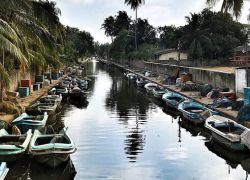
The Dutch Canal, also known as the Hamilton Canal, is one of the most unique and historical landmarks in Negombo, Sri Lanka. This 100-kilometer-long canal was originally built by the Dutch during their colonial rule in Sri Lanka in the 17th century. It was designed to facilitate the transportation of goods, particularly cinnamon, from the interior of the island to the port of Negombo, and ultimately to Europe. Today, the Dutch Canal stands as a testament to Sri Lanka's colonial past and is a popular attraction for tourists who want to learn about the country's history and enjoy its tranquil surroundings. The canal, with its picturesque waters and lush greenery, is a great place for boat rides, sightseeing, and exploring the natural beauty of the Negombo region. How to Reach Dutch Canal, Negombo Reaching the Dutch Canal in Negombo is easy due to its proximity to the main city and the Negombo beach. Here are the main ways to get there: By Car: Negombo is about 35 kilometers north of Colombo, making it easily accessible by car. From Colombo, you can take the A3 highway, which will take you directly to Negombo. Once in Negombo, the Dutch Canal is easily accessible, and most hotels will have information on how to reach it. By Bus: Public buses regularly run between Colombo and Negombo. The bus journey takes around 1-1.5 hours. Once in Negombo, you can take a tuk-tuk or a short walk to the Dutch Canal. By Train: Negombo has a well-connected train station with trains running from Colombo. The train ride takes about 1 hour. Once you reach Negombo train station, the Dutch Canal is a short tuk-tuk ride away. Weather at Dutch Canal, Negombo Negombo enjoys a tropical climate, with warm temperatures year-round. Here's what you can expect in terms of weather when visiting Dutch Canal: Temperature: The average temperature in Negombo is around 27°C to 32°C (81°F to 89°F) throughout the year. The coastal location keeps the temperatures moderate, though it can feel hot and humid, especially during the midday hours. Best Time to Visit: The best time to visit the Dutch Canal is during the dry season, which lasts from December to April. This period offers pleasant weather with little rainfall, ideal for boat rides and exploring the canal and surrounding areas. Rainy Season: From May to October, Negombo experiences the southwest monsoon, which brings heavy rainfall. While the rains can add a lush, green charm to the landscape, it might limit outdoor activities, so it's best to plan your visit during the dry season. Timing of Dutch Canal, Negombo The Dutch Canal is accessible throughout the day, with the best time to visit being during daylight hours for clear views and pleasant weather. Here's an overview of the timing: Best Time to Visit: Morning and early afternoon (8:00 AM to 4:00 PM) are the best times to explore the Dutch Canal. This is when the weather is more favorable, and you'll have enough time for boat tours or leisurely walks around the canal. Boat Tours: If you're interested in taking a boat tour along the canal, these usually operate during the same hours, typically from 9:00 AM to 5:00 PM. These tours provide an excellent opportunity to enjoy the peaceful surroundings and observe local wildlife. Why is Dutch Canal, Negombo Famous? The Dutch Canal is famous for several reasons: Historical Significance: The canal was constructed by the Dutch in the 17th century during their colonial rule of Sri Lanka. It served as a transportation route for shipping cinnamon and other goods from the inland to the port of Negombo, and it played a significant role in Sri Lanka's colonial economy. Architectural Heritage: The Dutch Canal is an important example of Dutch colonial engineering. It reflects the Dutch influence on the country’s infrastructure and is one of the few remaining canals from this period. Scenic Beauty: The canal offers beautiful views of lush greenery, palm trees, and local wildlife. It's a peaceful spot that allows visitors to take a relaxing boat ride or stroll along its banks. Cultural Significance: As an integral part of Negombo’s history, the canal is a point of pride for the locals. It offers a glimpse into the past and showcases the fusion of Dutch and Sri Lankan cultures. Entry and Visit Details About Dutch Canal, Negombo Visiting the Dutch Canal is free, though boat tours along the canal may require a small fee. Here’s what you need to know about your visit: Entry Fee: There is no entry fee to visit the Dutch Canal itself. However, if you want to take a boat ride along the canal, there is usually a fee of around LKR 1000 to LKR 2000 (approximately $5 to $10 USD) per person, depending on the duration of the tour. Boat Tours: Boat tours are a popular way to explore the Dutch Canal. These tours typically last between 30 minutes to 1 hour and provide a peaceful way to experience the canal and surrounding areas. During the boat ride, you can also spot local birds and other wildlife. Facilities: There are no major tourist facilities directly at the canal, but there are several nearby cafes, restaurants, and hotels where you can relax after your visit. History and Architecture of Dutch Canal The Dutch Canal, or *Hamilton Canal*, was constructed by the Dutch in the early 17th century to facilitate trade. The canal was named after a British governor, Sir Samuel Hamilton, who oversaw the reconstruction and expansion of the canal during the colonial period. The canal was primarily used to transport goods like cinnamon, pepper, and other spices from the interior of the island to the port of Negombo, where they were then shipped to Europe. Architecturally, the canal is a testament to the Dutch colonial engineering techniques. The canal's straight, well-planned route and stone embankments are clear indicators of the engineering skills of the time. Today, the Dutch Canal stands as an example of colonial-era infrastructure, with its quiet waters offering a peaceful backdrop for visitors seeking a glimpse of the past. Things to Do at Dutch Canal, Negombo Boat Tours: A boat tour along the canal is the best way to experience the beauty of the area. You can hire a boat and glide along the water, observing the lush vegetation and local wildlife. Walking Along the Canal: Take a leisurely walk along the canal’s banks and enjoy the peaceful surroundings. It’s a great place to relax, take photos, or simply enjoy the serenity. Explore Nearby Attractions: While in Negombo, you can visit other nearby attractions like the Negombo Beach, the Dutch Fort, and St. Mary's Church. These locations provide further insights into the colonial history and culture of the region. Interesting Facts About Dutch Canal The canal was initially built for transportation purposes during the Dutch colonial period in the 1600s and was later expanded by the British. While the canal was once used extensively for trade, it is now primarily a tourist attraction and a quiet spot for relaxation. The canal is home to various species of birds, including herons and kingfishers, making it a popular spot for birdwatching. The canal runs parallel to the Negombo Lagoon, and its waters feed into the lagoon, contributing to the local ecosystem. Tips for Visiting Dutch Canal, Negombo Wear Comfortable Footwear: If you plan to walk along the canal, be sure to wear comfortable shoes as the terrain can be uneven in some parts. Bring Sunscreen: Since the canal is outdoors, it’s advisable to bring sunscreen to protect yourself from the sun, especially if you're visiting during midday. Plan for a Boat Ride: A boat ride is the best way to fully appreciate the Dutch Canal, so be sure to budget some time for it during your visit. Respect the Local Environment: Keep the area clean and respect the local wildlife. Don’t litter in or around the canal, and be mindful of the environment.
Explore More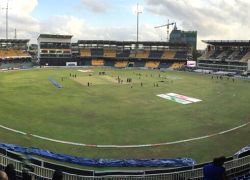
R. Premadasa Stadium, located in Colombo, Sri Lanka, is one of the country's premier sports venues. Known for hosting international cricket matches, it is also a venue for various other events, including concerts, football games, and other cultural activities. Opened in 1986, the stadium is named after Ranasinghe Premadasa, the President of Sri Lanka who played a pivotal role in its construction. With a seating capacity of 35,000, the stadium is one of the most iconic sporting venues in Sri Lanka and holds a special place in the hearts of cricket fans both in Sri Lanka and worldwide. How to Reach R. Premadasa Stadium R. Premadasa Stadium is centrally located in Colombo, making it easily accessible by various modes of transport. Here's how you can reach the stadium: By Car/Taxi: The easiest way to reach the stadium is by taxi or car. The stadium is located in the Khettarama area of Colombo, around 5 kilometers from the city center. You can hire a taxi from Colombo city, and it will take around 15-20 minutes to reach the stadium, depending on traffic. By Public Transport: If you are using public transport, buses are available from different parts of Colombo. You can take a bus to the Khettarama bus stop, which is within walking distance from the stadium. By Train: The nearest train station is Colombo Fort Railway Station. From there, you can take a bus or taxi to the stadium. It's about a 10-15 minute drive from the railway station to R. Premadasa Stadium. Weather in Colombo Colombo, located on the southwestern coast of Sri Lanka, experiences a tropical rainforest climate with high humidity and temperatures throughout the year. The best times to visit R. Premadasa Stadium are during the cooler months, from December to March, when the temperatures range from 25°C to 30°C (77°F to 86°F). The stadium is also equipped with floodlights for evening matches, allowing events to take place even during the hot daytime. Rain is common throughout the year, especially during the monsoon seasons. The southwest monsoon typically runs from May to September, while the northeast monsoon occurs from December to February. If you are visiting the stadium during the rainy season, it is advisable to check the weather forecast before attending an event. Why Famous for R. Premadasa Stadium R. Premadasa Stadium is most famous for its association with cricket, having hosted numerous high-profile international matches. It has seen Sri Lanka's victories in important tournaments, including the 1996 Cricket World Cup, where Sri Lanka co-hosted the event and played a key role in their historic win. The stadium has been a witness to several memorable matches and incredible performances by cricket legends from around the world. Besides cricket, the stadium is famous for its modern facilities and its location in the heart of Colombo, making it a prime spot for sporting events. Over the years, the stadium has hosted many international cricket tournaments such as the ICC World Twenty20, Asia Cup, and various bilateral series between Sri Lanka and other cricketing nations. Entry and Visit Details about R. Premadasa Stadium R. Premadasa Stadium is primarily used for cricket matches and sports events, but it also hosts concerts and other events from time to time. Here are some important details for your visit: Opening Hours: The stadium is generally open to the public during scheduled events. It is not a regular tourist attraction, so you can visit it only when an event is taking place. For match days, the gates typically open about two to three hours before the start of the event. Entry Fee: The entry fee to R. Premadasa Stadium varies depending on the type of event being held. Tickets for international cricket matches tend to be more expensive, with prices ranging from a few hundred Sri Lankan rupees to a few thousand rupees for premium seats. For concerts and other events, the entry fee will also depend on the nature of the event. Parking: There is limited parking available at the stadium, so it's recommended to arrive early if you plan on driving. Alternatively, you can take public transport or a taxi to avoid parking issues. History and Architecture of R. Premadasa Stadium R. Premadasa Stadium was inaugurated in 1986, with the vision of providing Sri Lanka with a modern cricketing venue to match international standards. The stadium was built with the help of international architects and engineers, incorporating both traditional Sri Lankan architectural elements and modern designs. The stadium was named in honor of Ranasinghe Premadasa, the President of Sri Lanka at the time, who was instrumental in the development of the stadium. The stadium has a unique design with a seating capacity of 35,000, and features state-of-the-art facilities, including locker rooms, VIP areas, media zones, and corporate boxes. The stands are designed to offer excellent views of the field, ensuring that spectators have a great experience regardless of where they are seated. R. Premadasa Stadium is also known for its floodlighting system, which allows for day-night matches. The floodlights, installed in the late 1990s, make it possible for matches to continue into the evening, a common feature of many international tournaments. The stadium has undergone several renovations over the years to improve facilities and keep it up to date with modern standards. Things to Do at R. Premadasa Stadium If you're attending an event at R. Premadasa Stadium, here are some activities and tips to enhance your experience: Watch a Cricket Match: The primary attraction at the stadium is the cricket matches. You can watch Sri Lanka's cricket team play against international teams, experiencing the energy and passion of local fans. Attend a Concert or Cultural Event: The stadium is also used for concerts and other cultural events. Check the event calendar to see if there are any performances during your visit. Explore the Surrounding Area: The stadium is located near many of Colombo's top attractions. You can explore the city after your visit, including the nearby Galle Face Green, the Colombo National Museum, and the famous Pettah Market. Enjoy Local Cuisine: There are many food stalls and restaurants near the stadium where you can enjoy Sri Lankan delicacies, such as hoppers, kottu, and fresh seafood. Facts About R. Premadasa Stadium The stadium was inaugurated in 1986 and was initially named Khettarama Stadium before being renamed to honor President Ranasinghe Premadasa. It has hosted numerous international cricket matches, including World Cup matches and Asia Cup games. R. Premadasa Stadium is one of the few venues in Sri Lanka that has the facilities to host day-night matches with its advanced floodlighting system. The venue is also used for concerts, sports events, and large-scale cultural shows. The stadium's seating capacity is 35,000, making it one of the larger sports venues in the country. Tips for Visiting R. Premadasa Stadium Arrive early to avoid traffic and get good seating, especially if you're attending a popular match or event. Wear comfortable clothing and sunscreen, as the stadium is open-air and it can get hot during the day. Stay hydrated by bringing a bottle of water with you, as it can get very warm inside the stadium, particularly during summer events. Bring your camera to capture the exciting moments, but remember to respect any photography restrictions during the match or event. Check the event schedule in advance to plan your visit and avoid disappointment if tickets are sold out.
Explore More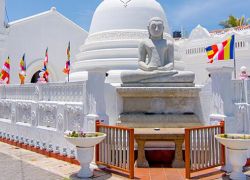
The Japanese Peace Pagoda in Galle, Sri Lanka, is a serene and beautiful landmark located atop the Rumassala Hill. This peaceful monument stands as a symbol of peace, built by Japanese Buddhist monks after the devastation caused by the 2004 tsunami. The Pagoda is one of several Peace Pagodas built by the Japanese in different parts of the world, promoting peace, harmony, and unity through the teachings of Buddhism. How to Reach Japanese Peace Pagoda, Galle The Japanese Peace Pagoda is situated in the southern coastal city of Galle, easily accessible by road from Galle town. If you're traveling from Galle city center, the Pagoda is approximately 5 kilometers away, and you can take a tuk-tuk or taxi for a short ride. Alternatively, you can drive yourself or take a bus. For visitors traveling from Colombo, the distance is around 120 kilometers, which can be covered in about 2 to 3 hours by car or bus via the Galle Road (A2). Weather at Japanese Peace Pagoda, Galle Galle has a tropical climate, meaning it experiences warm temperatures throughout the year. The average temperature is around 27°C (81°F), and the humidity can be high, especially during the rainy season. The best time to visit the Japanese Peace Pagoda is during the dry season, from December to April, when you can expect sunny days and clear skies. However, be prepared for occasional showers even in the dry months. The monsoon season runs from May to September, so it might be more challenging to enjoy outdoor visits during this period. Timing of Visit to Japanese Peace Pagoda, Galle The Japanese Peace Pagoda is generally open to visitors every day, from early morning until sunset. You can visit at any time of the day, but early mornings or late afternoons are particularly ideal to avoid the midday heat and to experience the peaceful ambiance of the site. The Pagoda is open from 6:00 AM to 6:00 PM, though it's always good to check locally for any changes in timing due to special events or maintenance. Why is the Japanese Peace Pagoda Famous? The Japanese Peace Pagoda is famous for its cultural and historical significance as well as its stunning architecture and peaceful atmosphere. It stands as a symbol of reconciliation and harmony, especially significant after the 2004 Indian Ocean tsunami, which had devastating effects on the region. Built by the Japanese, it is part of a global initiative to promote peace through the Buddha's teachings. The Pagoda offers breathtaking views of the surrounding area, including the Galle Fort and the ocean, making it a popular spot for both spiritual reflection and sightseeing. Entry and Visit Details About Japanese Peace Pagoda, Galle Entry to the Japanese Peace Pagoda is free of charge, as it is a Buddhist religious site meant to be open to everyone regardless of nationality or religion. Visitors are encouraged to maintain respect and decorum, as it is a place of worship and reflection. While there is no formal entry fee, donations are welcome to help with the maintenance of the site. History of the Japanese Peace Pagoda, Galle The Japanese Peace Pagoda in Galle was constructed in the late 20th century, with construction beginning in the early 2000s. The monument was funded by the Japanese Nipponzan-Myōhōji Buddhist order, which is known for building Peace Pagodas around the world. The Pagoda was built after the 2004 tsunami as a symbol of peace and a reminder of the importance of promoting harmony between nations and people. The site was completed with the help of local Sri Lankan volunteers and has since become an iconic landmark for both local and international visitors. Architecture of the Japanese Peace Pagoda, Galle The architecture of the Japanese Peace Pagoda follows traditional Japanese Buddhist design, with a large, dome-shaped stupa that is typical of Pagodas found in Japan. The stupa is white and stands tall above the surrounding landscape, making it visible from various points in Galle. The design also incorporates typical Buddhist motifs, including statues of the Buddha and symbolic elements such as lotus flowers. The Pagoda is surrounded by a beautiful garden and paths that lead up to the monument, offering visitors a tranquil environment for meditation and reflection. Things to Do at the Japanese Peace Pagoda, Galle When visiting the Japanese Peace Pagoda, there are several things you can do to make your trip memorable: Enjoy the Views: The Pagoda offers panoramic views of Galle Fort, the coastline, and the Indian Ocean. It’s a great place to take photos or simply relax and enjoy the scenery. Meditation and Reflection: The peaceful atmosphere of the site is perfect for meditation or personal reflection. Many visitors take time to sit quietly and contemplate in the tranquil environment. Walk Through the Gardens: The Pagoda is surrounded by lush gardens and greenery. Take a stroll through the beautiful grounds to enjoy the flora and fauna. Learn About Buddhism: There are signs and plaques around the site that explain the meaning of the Peace Pagoda and its significance to Buddhism and global peace efforts. Facts About Japanese Peace Pagoda, Galle The Japanese Peace Pagoda in Galle is one of the 80 Peace Pagodas built by the Nipponzan-Myōhōji order around the world. It stands on Rumassala Hill, which is also known for its rich history and natural beauty. The Pagoda is not just a tourist attraction but also a place of worship and spiritual significance for Buddhists. In addition to the main stupa, the site features several small statues of the Buddha, making it an important pilgrimage spot for Buddhists. Rumassala Hill, where the Pagoda is located, is said to have been the site of a mythological battle in the Ramayana, an ancient Indian epic. Tips for Visiting Japanese Peace Pagoda, Galle Respect the Sacred Site: As a religious monument, visitors should dress modestly and behave respectfully while on the premises. Bring Water and Sun Protection: The sun can be quite strong, so it’s recommended to bring water, sunscreen, and a hat to protect yourself from the heat. Best Time to Visit: Visit early in the morning or late in the afternoon to avoid the heat and crowds. Keep the Area Clean: Help maintain the beauty of the site by not littering and being mindful of the environment.
Explore More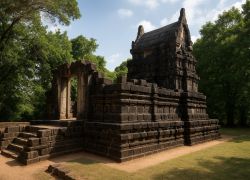
Nalanda Gedige is one of Sri Lanka’s most fascinating and historically significant sites, located in the Matale District. This ancient temple and archaeological site is renowned for its unique blend of architectural styles, stunning setting, and rich history. While it may not be as widely known as other famous landmarks in Sri Lanka, Nalanda Gedige offers a glimpse into the island's deep Buddhist heritage and its connection to ancient architecture. The temple, with its extraordinary design and historical importance, draws visitors interested in culture, history, and architecture. How to Reach Nalanda Gedige, Matale, Sri Lanka Getting to Nalanda Gedige is relatively straightforward. Here’s how you can reach this historical site: By Car: From Kandy, Nalanda Gedige is about a 40-minute drive (around 20 km). You can easily reach the site by taking the A9 highway towards Matale, then following local roads leading to the temple. It’s recommended to use GPS for accurate navigation. By Public Transport: Public buses are available from Kandy to Matale. Once in Matale, you can hire a tuk-tuk or use a local bus to get to Nalanda Gedige. However, public transport may not be the most convenient option as it can be infrequent and involve some walking. By Taxi or Tuk-Tuk: If you're in Kandy or Matale, a taxi or tuk-tuk ride to Nalanda Gedige is a convenient and comfortable option. The site is located a short distance from the town, making it accessible for visitors who prefer a direct and hassle-free journey. Weather at Nalanda Gedige, Matale The climate around Nalanda Gedige is typical of Sri Lanka’s central region, characterized by a tropical climate with moderate temperatures throughout the year. Here’s what you can expect: Dry Season (December to April): This is the best time to visit Nalanda Gedige. The weather is cooler and more comfortable, especially in the morning and evening. The clear skies and pleasant temperatures make it ideal for exploring the site and taking photographs. Monsoon Season (May to October): The region experiences the southwest monsoon, which brings heavy rainfall from May to October. If you plan to visit during this time, it’s a good idea to bring an umbrella or raincoat. The site may also be less accessible due to slippery paths. Timing and Entry Details for Nalanda Gedige Nalanda Gedige is open to the public throughout the year. There are no strict visiting hours, but it’s best to visit during daylight hours to fully appreciate the beauty and significance of the site. Most visitors arrive in the morning or early afternoon to explore the temple and surrounding grounds. The entry is free, but some tours or guided services might charge a fee. There are no formal entry gates, and the site is generally open to all, but visitors are expected to respect the rules and maintain the sanctity of the place. Why Nalanda Gedige is Famous Nalanda Gedige is famous for several reasons, each contributing to its appeal as a historical and architectural landmark: Unique Architectural Style: The temple is renowned for its unique blend of South Indian, Buddhist, and traditional Sri Lankan architectural elements. It is considered a rare example of a fusion of religious and cultural influences, which makes it stand out from other temples in the country. Historical Significance: The site is believed to date back to the 8th century, and it was originally a place of worship and meditation for monks. Nalanda Gedige was part of a larger monastery complex, and its architectural and archaeological importance makes it a valuable part of Sri Lanka’s cultural heritage. Archaeological Discoveries: Excavations and studies at Nalanda Gedige have uncovered various ancient artifacts, inscriptions, and sculptures that provide insights into the country’s rich Buddhist history and early architecture. History of Nalanda Gedige The history of Nalanda Gedige is both fascinating and mysterious. Although the exact origins of the temple remain unclear, it is believed to have been built during the 8th century, during the time of the Polonnaruwa period in Sri Lanka. The structure was likely used as a Buddhist monastery, and it is believed that monks meditated and studied here. One of the most intriguing aspects of Nalanda Gedige is its architectural style. The temple is often described as a hybrid of ancient South Indian Dravidian architecture and traditional Sri Lankan Buddhist design. The use of stone carvings and intricate sculptures, combined with elements such as the shape of the temple and the location, suggests that the building may have been influenced by both Tamil and Sinhalese cultures. The temple’s original purpose remains speculative, but it is considered an important part of Sri Lanka’s Buddhist heritage and a testament to the cultural and religious exchanges that took place between South India and Sri Lanka during ancient times. Architecture and Features of Nalanda Gedige The architecture of Nalanda Gedige is one of the main reasons for its fame. Here are some of the features that stand out: The Temple Structure: Nalanda Gedige is a small, stone structure, with a rectangular shape, featuring a combination of Hindu and Buddhist architectural styles. The central hall is surrounded by intricately carved pillars, and the temple is built using local stone that has withstood the test of time. Sculptural Art: The temple’s walls are adorned with carvings of Hindu deities and Buddhist figures, reflecting the cultural fusion that took place during the temple’s construction. The carvings are detailed and depict scenes from both Buddhist and Hindu mythology, demonstrating the religious and cultural influences of the period. The Mandapa: One of the key architectural features is the mandapa (pillared hall), which is a common feature in both Hindu and Buddhist temple architecture. The mandapa is thought to have been used for gatherings and rituals. Things to Do at Nalanda Gedige Visiting Nalanda Gedige provides several opportunities to explore the temple, its surroundings, and Sri Lanka’s rich cultural history. Here are some things to do: Explore the Temple: The main attraction at Nalanda Gedige is the temple itself. Visitors can explore the inner and outer structures, examine the sculptures and carvings, and learn about the temple’s historical significance. Photography: The unique blend of architectural styles and the surrounding landscape make Nalanda Gedige a great location for photography. Capture the stunning details of the temple and the surrounding views of the Matale region. Nature Walks: The area around Nalanda Gedige is picturesque, with lush greenery and rural landscapes. Take a walk around the temple and explore the surrounding area, which offers great views of the Matale Valley. Learn About History: For history buffs, Nalanda Gedige provides an opportunity to learn about the rich cultural exchanges between South India and Sri Lanka. You can ask local guides about the historical context of the site and its role in ancient Sri Lankan society. Interesting Facts About Nalanda Gedige The temple’s construction is believed to have started in the 8th century, making it over a thousand years old. The architectural style is a blend of Hindu and Buddhist traditions, making it unique in Sri Lankan history. Nalanda Gedige is one of the few temples in Sri Lanka where you can see direct evidence of early Tamil-Sri Lankan cultural interactions. The temple is located in a serene and peaceful environment, making it an ideal location for meditation and quiet reflection. Tips for Visiting Nalanda Gedige Wear Comfortable Shoes: You may need to walk around the site and explore the surrounding areas, so it’s a good idea to wear comfortable shoes. Respect the Sacredness of the Site: Nalanda Gedige is a place of cultural and religious significance. Be respectful of the site and avoid disturbing the peace. Best Time to Visit: Visit during the dry season (from December to April) when the weather is most pleasant. Bring Water and Snacks: There are no restaurants or shops near the temple, so bring water and light snacks if you plan to stay for a while.
Explore More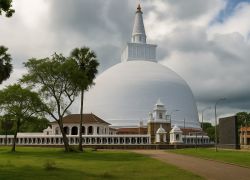
Located in the ancient city of Anuradhapura, Sri Lanka, the Ruwanwelisaya Stupa is one of the most iconic and sacred Buddhist monuments on the island. Known for its impressive size, historical significance, and architectural beauty, Ruwanwelisaya holds a special place in the hearts of Buddhists and travelers alike. As a **UNESCO World Heritage Site**, this majestic stupa is a must-visit destination for anyone seeking to explore Sri Lanka's rich cultural and religious heritage. How to Reach Ruwanwelisaya Stupa Ruwanwelisaya Stupa is located in Anuradhapura, which is easily accessible from various parts of Sri Lanka. The city of Anuradhapura is well-connected by road and rail, making it a convenient destination for travelers. Here’s how you can get there: By Car: Anuradhapura is about 205 km north of Colombo. The most common way to reach the stupa is by hiring a taxi or renting a car. The journey takes approximately 4-5 hours, depending on traffic conditions. By Bus: Anuradhapura has a central bus station that connects to all major cities in Sri Lanka, including Colombo and Kandy. Once you arrive at the bus station, a short tuk-tuk ride will take you to the stupa. By Train: Anuradhapura is also accessible by train from Colombo and other regions. The Anuradhapura Railway Station is approximately 5 km away from the stupa. You can take a tuk-tuk or walk to the site. Weather and Best Time to Visit Anuradhapura has a tropical climate, characterized by warm temperatures throughout the year. Here are some details on the weather and the best time to visit: Dry Season (December to March): This is the best time to visit as the weather is cooler and dry, with less chance of rain. It's perfect for sightseeing and outdoor activities. Rainy Season (May to October): The monsoon season brings heavy rainfall, especially in the months of May, June, and September. However, if you don't mind the rain, this can still be a good time to visit as the crowds are fewer. Warm Climate Year-Round: The temperature ranges from 25°C (77°F) to 32°C (90°F) year-round, so it's advisable to stay hydrated and wear light clothing. Why Ruwanwelisaya Stupa is Famous? The **Ruwanwelisaya Stupa** is famous for several reasons: Spiritual Significance: Built in the 2nd century BCE, the Ruwanwelisaya is one of the most sacred Buddhist stupas in Sri Lanka. It is believed to enshrine relics of the Buddha, including his hair and bone fragments. Devotees and pilgrims from across the world visit this stupa to pay homage and meditate. Architectural Marvel: The stupa is renowned for its perfect hemispherical shape and is one of the largest in Sri Lanka. Its majestic design stands as a testament to ancient Sri Lankan engineering and craftsmanship. Historical Importance: The stupa was built by King **Vattagamani Abhaya** during the 2nd century BCE to commemorate his victory over foreign invaders. It has since become an important historical and cultural symbol of Anuradhapura. Entry and Visit Details Visiting the **Ruwanwelisaya Stupa** is free of charge. However, visitors are encouraged to make a donation to support the upkeep of the site. The stupa is open to the public every day of the week, and visitors are welcome to explore the site at their leisure. When visiting, it is recommended to follow these guidelines: Dress Modestly: Since the Ruwanwelisaya Stupa is a sacred site, visitors should dress modestly. This typically means covering the shoulders and knees as a sign of respect. Quiet and Respectful Atmosphere: As it is a place of religious significance, visitors are asked to maintain a peaceful and respectful atmosphere. Avoid loud talking, and refrain from disrupting the tranquility of the site. Timing: The stupa is open throughout the day. For a more serene experience, consider visiting early in the morning or late in the afternoon when the crowds are fewer. History and Architecture of Ruwanwelisaya The **Ruwanwelisaya** was commissioned by **King Vattagamani Abhaya** in 140 BCE after his successful reclaiming of the throne. The stupa was built to commemorate the king’s victory over his enemies, and it was intended to enshrine relics of the Buddha. Over the years, the stupa has been renovated and expanded, particularly during the reign of **King Dutugemunu**, who made significant contributions to its construction. The architectural design of the Ruwanwelisaya is truly awe-inspiring. The stupa is 55 meters (180 feet) high and has a circumference of about 290 meters (951 feet). It is encircled by a series of smaller stupas and has a large stone platform around it for the devotees to walk around, known as the **Kalawewa**. The stupa’s pristine white dome, adorned with intricate carvings, is visible from miles away, symbolizing the purity and peace of Buddhism. Its central dome is surrounded by smaller statues of the Buddha, each facing different directions. The stupa’s polished surface shines brightly in the sunlight, offering a truly spectacular sight at sunrise and sunset. The architecture is designed to symbolize the spiritual and philosophical concepts of Buddhism, with the central dome representing the universe and the path to enlightenment. Things to Do Around Ruwanwelisaya Stupa Offer Prayers and Meditate: Visitors can participate in Buddhist rituals and offer prayers at the stupa. Many people choose to meditate or simply reflect in the peaceful atmosphere surrounding the stupa. Explore the Ancient City: Anuradhapura is home to many other significant historical and religious sites, including the **Sri Maha Bodhi**, **Jetavanaramaya**, and **Abhayagiri Monastery**. Take time to explore these locations to understand the rich history of the ancient city. Visit the Archaeological Museum: The **Anuradhapura Archaeological Museum** offers a fascinating insight into the history and significance of the Ruwanwelisaya Stupa and other ancient relics found in the region. Facts About Ruwanwelisaya Stupa The **Ruwanwelisaya Stupa** is considered one of the tallest stupas in Sri Lanka, standing at 55 meters high. The stupa houses relics of the Buddha, including his **bone fragments and hair**. The construction of the stupa was initiated by **King Vattagamani Abhaya** in 140 BCE, and it was later expanded during the reign of **King Dutugemunu**. The stupa is part of the **Anuradhapura Sacred City**, which is a UNESCO World Heritage Site. Tips for Visiting Ruwanwelisaya Respect Religious Customs: Always be respectful and follow local customs. Visitors are encouraged to walk around the stupa in a clockwise direction as a sign of respect. Best Time to Visit: The early morning hours or late afternoon provide a more peaceful visit and are also the best times for photography. Bring Water: The climate can be hot and humid, so it’s a good idea to carry a bottle of water with you during your visit.
Explore More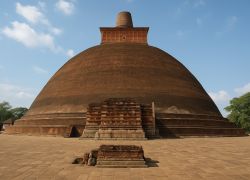
Jetavanaramaya is one of the largest and most iconic stupas in Sri Lanka, located in the ancient city of Anuradhapura. This historic monument is a part of the UNESCO World Heritage Site of Anuradhapura and holds great significance in Sri Lanka's Buddhist history. The Jetavanaramaya Stupa was constructed during the reign of King Mahasena in the 3rd century CE, making it over 1,700 years old. How to Reach Jetavanaramaya Stupa Jetavanaramaya is located in the heart of Anuradhapura, which is in the Northern part of Sri Lanka. Anuradhapura is easily accessible by road from the capital, Colombo, which is about 205 km away, a journey that takes around 4 to 5 hours by car. There are also public transport options such as buses and trains that connect Anuradhapura to major cities across the island. If you're traveling from Colombo, the most convenient way is by car or taxi, but buses from the Central Bus Stand in Colombo also run to Anuradhapura regularly. Once in Anuradhapura, Jetavanaramaya is located near other important historical sites like the Ruwanwelisaya Stupa and the Sri Maha Bodhi. Weather in Anuradhapura The climate in Anuradhapura is typically tropical, with a hot and humid climate year-round. The temperature ranges from 25°C (77°F) to 32°C (90°F) throughout the year. The best time to visit is between December and April when the weather is relatively cooler and drier. The monsoon season typically lasts from May to September, bringing more rainfall to the region. Timings and Entry Details The Jetavanaramaya Stupa is open to visitors every day of the week, from 7:00 AM to 6:00 PM. Entry to the site is free, but visitors are encouraged to make donations to help with the preservation of this ancient structure. As it is a religious site, visitors are expected to dress modestly, with shoulders and knees covered, as a sign of respect. Why Jetavanaramaya Stupa is Famous? Jetavanaramaya is famous for several reasons. It was, at one point, the tallest structure in the world, standing at an impressive height of 122 meters (400 feet). The stupa’s massive size and its unique construction make it one of the largest brick structures in the world. It is also significant because of its connection to the Buddhist monastic order, housing relics of the Buddha, making it an important pilgrimage site for Buddhists from around the globe. In addition to its architectural brilliance, Jetavanaramaya has historical importance as it was built by King Mahasena to honor the Buddha and to house important relics. Its role as a symbol of Sri Lanka’s rich Buddhist heritage contributes to its fame. History of Jetavanaramaya Stupa The history of Jetavanaramaya dates back to the reign of King Mahasena (273-301 CE), a notable ruler of Anuradhapura. According to historical records, the construction of the stupa took around 15 years to complete. It was built as a symbol of the King’s devotion to Buddhism and was intended to house the relics of the Buddha. The stupa was named after the Jetavana monastery in India, a place where the Buddha is said to have spent many years of his life. Over the centuries, the stupa faced periods of neglect, especially during invasions and natural disasters. However, its restoration efforts, starting in the 20th century, have ensured that it remains one of the most iconic structures in Anuradhapura today. Architecture of Jetavanaramaya Stupa Jetavanaramaya's architectural style is an example of ancient Sri Lankan stupa construction, known for its massive size and grandeur. The stupa’s original height was estimated to be about 122 meters, though it has since eroded slightly due to natural weathering. The structure is made up of thousands of bricks, making it the largest brick-built structure in the world. The stupa is designed in a typical Sinhala style, with a dome-shaped structure, a series of concentric platforms, and a spire at the top. The stupa is surrounded by an open courtyard, and the remains of the ancient monastery are found nearby, providing insight into the way of life of the Buddhist monks who once resided here. Things to Do Around Jetavanaramaya Stupa There are several things to see and do around the Jetavanaramaya Stupa. Visitors can explore the nearby Ruwanwelisaya Stupa and the sacred Sri Maha Bodhi tree, which is said to be a sapling from the original Bodhi tree under which the Buddha attained enlightenment. The Anuradhapura Archaeological Museum is also worth visiting to learn more about the historical significance of the area. If you are a photography enthusiast, the Jetavanaramaya Stupa offers excellent opportunities to capture the beauty and grandeur of the structure against the backdrop of the Anuradhapura landscape. The peaceful atmosphere of the site also makes it an ideal place for reflection and meditation. Interesting Facts About Jetavanaramaya Stupa It is believed that over 93 million bricks were used to construct the stupa. Jetavanaramaya was once the tallest building in the world, even taller than the Great Pyramid of Giza. The stupa houses the relics of the Buddha, making it a significant pilgrimage site for Buddhists. The stupa was built by King Mahasena, who was a patron of Buddhism and helped spread the religion in Sri Lanka. Tips for Visiting Jetavanaramaya Stupa Wear comfortable footwear as you will be walking around the site for extended periods. Carry water, especially if visiting during the hotter months, as there are limited places to purchase drinks on-site. Respect the religious significance of the site by dressing modestly and maintaining quiet while exploring the area. Consider hiring a local guide to learn more about the history and cultural significance of the stupa. © 2025 Jetavanaramaya Stupa, Anuradhapura, Sri Lanka. All rights reserved.
Explore More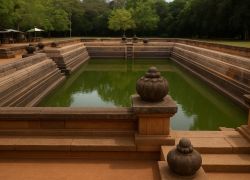
Kuttam Pokuna, also known as the Twin Ponds, is one of the most fascinating historical sites in Anuradhapura, Sri Lanka. These ancient bathing ponds were built during the reign of King Agbo II (in the 8th century AD) and served as bathing areas for Buddhist monks. Kuttam Pokuna is an extraordinary example of the advanced hydraulic engineering used in ancient Sri Lanka. Today, Kuttam Pokuna is a popular tourist attraction due to its historical significance, stunning architecture, and serene surroundings. The ponds, with their remarkable symmetry, continue to attract visitors from around the world who wish to explore Sri Lanka's ancient engineering marvels and understand the cultural heritage of Anuradhapura. How to Reach Kuttam Pokuna Kuttam Pokuna is located in Anuradhapura, which is easily accessible from the capital city, Colombo. The distance between Colombo and Anuradhapura is approximately 205 kilometers (127 miles), and the journey takes around 4 to 5 hours by road. Once you reach Anuradhapura, Kuttam Pokuna is situated close to other popular landmarks such as the Jetavanaramaya Stupa and the Ruwanwelisaya Stupa. It is a short tuk-tuk ride or walk from the Anuradhapura town center. The site is well-signposted, and there are plenty of local guides available to help you navigate to the ponds. Weather in Anuradhapura Anuradhapura experiences a tropical climate, with hot and humid weather year-round. The average temperature ranges between 25°C (77°F) and 32°C (90°F), making it warm and pleasant throughout the year. However, the best time to visit Kuttam Pokuna is between December and April when the weather is relatively cooler and drier. The monsoon season in Anuradhapura runs from May to September, with October and November receiving the heaviest rainfall. It is advisable to avoid visiting during the rainy season to ensure a more comfortable experience while exploring the ruins and walking around the site. Timings and Entry Details Kuttam Pokuna is open to visitors every day from 6:00 AM to 6:00 PM. Entry to the site is free, though donations for the maintenance of the ponds and surrounding areas are appreciated. The area is maintained by the Department of Archaeology, and they work to preserve its natural beauty and historical integrity. As with most sacred sites in Sri Lanka, visitors are encouraged to dress modestly. It is advisable to wear comfortable clothing and sturdy shoes, as you may be walking or exploring the surroundings. Additionally, since the site is a historical landmark, it is important to maintain a respectful attitude and avoid disturbing the serene atmosphere. Why Kuttam Pokuna is Famous? Kuttam Pokuna is famous for its sophisticated hydraulic engineering and the role it played in ancient Sri Lankan society. These two interconnected ponds were used by Buddhist monks for bathing and ritual purification, highlighting the importance of cleanliness in the spiritual practices of the time. What makes the Kuttam Pokuna unique is the remarkable symmetry and structure of the ponds, which are made entirely of stone. The ponds are also noteworthy for their advanced water management systems. The water that filled the ponds came from an intricate network of channels and reservoirs designed to maintain a steady water level throughout the year. Even today, the ponds remain an outstanding example of the engineering prowess of ancient Sri Lanka. History of Kuttam Pokuna The history of Kuttam Pokuna dates back to the 8th century AD, during the reign of King Agbo II, who is credited with constructing these remarkable ponds. The purpose of the ponds was not just for bathing, but also for ceremonial and ritualistic use, as the Buddhist monks who resided in the nearby monasteries considered bathing to be a vital part of their spiritual practices. The ponds were constructed with great precision, incorporating advanced knowledge of hydraulic engineering. They were designed to be used by the monks for their daily purifications and spiritual cleansing. The architecture and construction of Kuttam Pokuna reflect the sophistication of ancient Sri Lankan society and its ability to harness natural resources for spiritual and practical purposes. Architecture of Kuttam Pokuna The architectural design of Kuttam Pokuna is one of the finest examples of ancient Sri Lankan stonework. The complex consists of two ponds, the larger one being the main pond and the smaller one used for additional bathing or ritual purposes. The larger pond is approximately 40 meters in length and 10 meters wide, with beautifully crafted stone steps that lead down to the water. Both ponds are surrounded by stone parapets, and their walls are carved with intricate designs. The smaller pond has a slightly elevated structure, while the larger pond features detailed stone steps that descend into the water. The ponds were also equipped with a sophisticated system of drainage and water channels, ensuring that the water level remained stable during dry spells. The stone carvings and sculptures found around the ponds, including the beautifully crafted water spouts and the skillful use of water reservoirs, illustrate the exceptional craftsmanship of the time. The construction of these ponds is a testament to the advanced engineering skills of ancient Sri Lankan civilizations. Things to Do Around Kuttam Pokuna While visiting Kuttam Pokuna, there are several activities and points of interest to explore in the surrounding area. Here are a few things to do around Kuttam Pokuna: Explore the two ponds and observe the remarkable architectural features, including the intricate stone carvings and water management systems. Walk around the ancient site and enjoy the natural beauty and serene atmosphere of the area. Visit nearby landmarks in Anuradhapura, such as the Ruwanwelisaya Stupa, Jetavanaramaya, and the Sri Maha Bodhi tree, to gain a deeper understanding of Sri Lanka’s ancient Buddhist heritage. Take photographs of the stunning stonework and the tranquil surroundings, perfect for history and photography enthusiasts. Interesting Facts About Kuttam Pokuna Kuttam Pokuna is one of the most sophisticated hydraulic systems built in ancient Sri Lanka. The two ponds were designed with stone steps to allow monks to bathe and purify themselves for ritualistic purposes. The water in the ponds is sourced from an advanced network of channels, allowing for consistent water levels throughout the year. The ponds are sometimes referred to as “Twin Ponds” due to their symmetrical layout and design. The site is a UNESCO World Heritage site and is part of the cultural triangle of Sri Lanka. Tips for Visiting Kuttam Pokuna Wear comfortable footwear, as you will need to walk around the site and explore the surrounding areas. Bring sunscreen, a hat, and plenty of water to stay hydrated, especially if visiting during the hot months. Respect the historical site by keeping noise to a minimum and refraining from climbing on the stone structures. Consider hiring a local guide who can provide additional historical context and details about the significance of the ponds and the surrounding area. Take time to relax and enjoy the peaceful environment, as the site is ideal for reflection and quiet exploration. © 2025 Kuttam Pokuna, Anuradhapura, Sri Lanka. All rights reserved.
Explore More
Arankele Monastery is an ancient Buddhist monastic complex located in the Anuradhapura District of Sri Lanka. It is one of the oldest and most peaceful forest monasteries in Sri Lanka, known for its tranquil environment and historical significance. The monastery was established during the 4th century BCE, and it played an important role in the development of early Buddhist monasticism on the island. Arankele is unique because it is situated deep within a forest, providing a serene and isolated setting for monks to meditate and practice Buddhism. Today, it remains a sacred place for spiritual seekers and visitors interested in the history of Sri Lankan Buddhism. How to Reach Arankele Monastery Arankele Monastery is located about 13 kilometers (8 miles) northwest of the ancient city of Anuradhapura, making it easily accessible for visitors exploring the area. The monastery can be reached by private car, taxi, or tuk-tuk from Anuradhapura. The journey typically takes around 30 minutes, depending on traffic and road conditions. If you are coming from Colombo, Arankele is approximately 190 kilometers (118 miles) north, and the drive from Colombo to Anuradhapura takes about 4-5 hours. Once in Anuradhapura, a short drive or tuk-tuk ride will bring you to the monastery's entrance. Weather in Anuradhapura Anuradhapura, and by extension Arankele Monastery, experiences a tropical climate. The weather is warm year-round, with average temperatures ranging between 25°C (77°F) and 32°C (90°F). The best time to visit is during the dry season, which typically lasts from December to April. This period offers pleasant temperatures and minimal rainfall, ideal for exploring outdoor sites like Arankele Monastery. The rainy season occurs from May to September, with heavy showers and occasional storms, particularly in the months of October and November. While the rainy season can add to the lush beauty of the surrounding forest, visitors should be prepared for potential showers if visiting during this time. Timings and Entry Details Arankele Monastery is open to visitors from 6:00 AM to 6:00 PM daily. There is no official entry fee for visiting the monastery, but donations are welcomed to support the preservation of the site. Visitors should be respectful of the monastic traditions when visiting and maintain silence during their time at the monastery. As a Buddhist temple, visitors are expected to dress modestly. This means covering your shoulders and knees before entering the sacred grounds. It is also customary to remove shoes when walking around the monastery to show respect for the sacredness of the site. Why Arankele Monastery is Famous? Arankele Monastery is famous for its unique location, nestled in the heart of a forest, which has helped preserve its spiritual atmosphere over the centuries. The monastery dates back to the 4th century BCE, making it one of the oldest Buddhist monasteries in Sri Lanka. It is renowned for its peaceful and secluded environment, which provides the ideal setting for meditation and reflection. The monastery also holds great historical importance, as it was originally home to a community of monks who practiced asceticism in the forest, away from the distractions of city life. The site is closely associated with ancient Buddhist practices, and it continues to attract those seeking tranquility and spiritual inspiration. Today, Arankele is a popular destination for both Buddhist pilgrims and tourists interested in Sri Lanka's rich cultural and religious heritage. History of Arankele Monastery The history of Arankele Monastery dates back to the reign of King Devanampiyatissa in the 3rd century BCE, one of the first kings of Sri Lanka to embrace Buddhism after the arrival of Buddhist missionaries from India. It is believed that Arankele Monastery was initially founded by a group of Buddhist monks who sought to live a life of meditation and asceticism in the forest. Over time, the site grew into a thriving monastic community. Arankele was known for its hermitage culture, where monks lived in solitude and deep meditation. The monastery is thought to have been an important center for Buddhist learning and practice. Despite facing challenges over the centuries, including natural disasters and invasions, Arankele has survived as a significant site in Sri Lanka’s Buddhist history. Architecture of Arankele Monastery The architecture of Arankele Monastery reflects the simplicity and austerity of early Buddhist monasticism. The monastery is not a large temple complex but consists of several small buildings, caves, and meditation chambers spread across the forested landscape. The structures are made from local stone and brick, and many of the caves have inscriptions and carvings dating back to ancient times. The most notable feature of Arankele is its forest setting, which enhances its spiritual atmosphere. Visitors can explore the ancient ruins, including stone inscriptions, water reservoirs, and the remnants of small meditation cells where monks once lived. The site’s peaceful environment, surrounded by dense jungle and tall trees, allows visitors to immerse themselves in the serenity that the original monks would have experienced. Things to Do Around Arankele Monastery There are several things you can do when visiting Arankele Monastery to make your experience more meaningful: Take a peaceful walk around the monastery grounds and explore the ancient ruins and meditation chambers. Spend time in meditation or reflection in one of the quiet caves or forested areas of the monastery. Admire the beautiful stone carvings and inscriptions that provide insight into the early Buddhist history of Sri Lanka. Visit the nearby natural attractions, such as the forest surrounding the monastery, which is teeming with wildlife and native plant species. Learn from local monks about the history of Arankele and its importance in Sri Lanka's Buddhist heritage. Interesting Facts About Arankele Monastery Arankele Monastery is believed to be one of the oldest forest monasteries in Sri Lanka, established around the 4th century BCE. The monastery is located in a dense forest area, which provided a secluded and peaceful environment for monks to practice meditation and asceticism. The site is home to numerous ancient stone inscriptions that document the history and activities of the monastery over the centuries. Arankele is famous for its “water ponds,” which were built to store rainwater for the monks during their meditation retreats in the forest. Despite its age, the monastery remains a peaceful retreat for spiritual seekers, offering an authentic experience of Buddhist monastic life. Tips for Visiting Arankele Monastery Wear comfortable shoes, as you will need to walk through the forest to explore the monastery's ruins and caves. Bring plenty of water, especially during the hot months, as there are no shops or refreshments available at the monastery. Respect the serene atmosphere by maintaining a quiet demeanor and being mindful of other visitors, especially those meditating. Dress modestly, covering your shoulders and knees as a sign of respect for the sacred site. Consider hiring a local guide to gain a deeper understanding of the history and significance of the site. © 2025 Arankele Monastery, Anuradhapura, Sri Lanka. All rights reserved.
Explore More8 Day Sri Lanka Tour Package With Colombo, Bentota And Kandy
8 Days/ 7 Night
Colombo - Sigiriya - Kandy - Dambulla - Bentota
5 Days Culture And Nature Trip To Sri Lanka
5 Days/ 4 Night
Colombo - Kandy - Nuwara Eliya - Bentota
7 Days Sri Lanka Trip Package For Family - Explore Culture And Nature
7 Days/ 6 Night
Colombo - Sigiriya - Kandy - Nuwara Eliya - Trincomalee
Island Adventure - 6 Days Sri Lanka Tour Package
6 Days/ 5 Night
Colombo - Kandy - Bentota
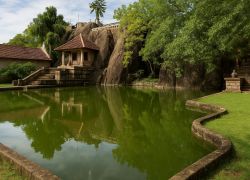
Anuradhapura Archaeological Museum
The Anuradhapura Archaeological Museum is an essential cultural site located in the ancient city of Anuradhapura, Sri Lanka. The museum is a treasure trove of artifacts, providing a glimpse into the history, culture, and religious life of one of Sri Lanka's most important ancient capitals. Established in 1947, the museum houses an extensive collection of relics, including ancient sculptures, pottery, inscriptions, and more, showcasing the region's long and fascinating history. Anuradhapura, which served as the capital of Sri Lanka for over 1,000 years, is known for its archaeological significance, and the museum is the perfect place to learn more about the city's rich heritage. It is particularly famous for its collection of Buddhist artifacts, as Anuradhapura played a central role in the spread of Buddhism across Sri Lanka and Southeast Asia. How to Reach Anuradhapura Archaeological Museum The Anuradhapura Archaeological Museum is located in the heart of the city, making it easily accessible to tourists and locals alike. The city of Anuradhapura is situated about 205 kilometers (127 miles) north of Colombo, Sri Lanka’s capital. You can reach Anuradhapura by car, bus, or train. If traveling from Colombo, the most convenient way to reach Anuradhapura is by car, which takes approximately 4-5 hours. There are also frequent buses from Colombo to Anuradhapura, which takes about 5-6 hours. Alternatively, visitors can take a train from Colombo to Anuradhapura, which is a scenic journey that takes around 6 hours. Once in Anuradhapura, the museum is located near several key historical sites, including the famous Sri Maha Bodhi and Ruwanwelisaya Stupa. It is easily accessible by tuk-tuk or on foot from many of the city's main attractions. Weather in Anuradhapura Anuradhapura experiences a tropical climate, with warm temperatures throughout the year. The average temperature ranges from 25°C (77°F) to 32°C (90°F), making it suitable for year-round visits. The best time to visit the Anuradhapura Archaeological Museum is during the dry season, which runs from December to April. During this period, the weather is typically sunny, and the temperatures are more manageable, making it ideal for outdoor exploration. The rainy season in Anuradhapura lasts from May to September, with the highest rainfall occurring in October and November. While the museum remains open during the rainy season, visitors should be prepared for occasional showers, and it may be less comfortable for exploring the outdoor ruins. Timings and Entry Details The Anuradhapura Archaeological Museum is open daily from 9:00 AM to 5:00 PM. The museum is closed for lunch from 12:30 PM to 1:30 PM. It is important to plan your visit accordingly to ensure you can enjoy the full experience. The museum is open every day, including weekends, making it convenient for tourists to visit at any time during their stay in Anuradhapura. As for the entry fees, the museum charges a small fee for both local and foreign visitors. Foreign tourists typically pay around 500 LKR (Sri Lankan Rupees), while the fee for local visitors is lower. It’s recommended to check the current entry fees at the museum entrance as they may vary over time. Additionally, donations are encouraged to support the museum’s conservation efforts and research initiatives. Visitors are asked to dress modestly as a sign of respect for the cultural and religious artifacts displayed in the museum. Why Anuradhapura Archaeological Museum is Famous? The Anuradhapura Archaeological Museum is famous for being one of the most significant collections of ancient Sri Lankan artifacts. It is renowned for its exceptional collection of sculptures, pottery, and stone inscriptions that date back to the Anuradhapura period, which lasted from 377 BCE to 1017 AD. The museum showcases how Anuradhapura, one of the island's ancient capitals, played a central role in the development of Sri Lankan civilization. What makes the museum particularly noteworthy is its vast collection of Buddhist relics. As one of the earliest centers of Buddhism in Sri Lanka, Anuradhapura is home to relics of early Buddhist practices, including statues of Buddha, relic caskets, and ancient Buddhist scriptures. The museum also exhibits artifacts that trace the city’s history, from the reign of its early kings to its decline as a political capital. History of Anuradhapura Archaeological Museum The Anuradhapura Archaeological Museum was established in 1947 to preserve and display the many archaeological findings uncovered in the ancient city of Anuradhapura. Archaeological excavations in the region had been ongoing since the early 20th century, and many important artifacts were being discovered during the excavation of ancient temples, monasteries, and other significant sites. The museum was initially housed in a small building, but over the years it has expanded to accommodate the growing collection of artifacts. Today, the museum is recognized as a key institution for the preservation of Sri Lanka’s ancient cultural heritage. The museum is supported by the Department of Archaeology and plays a vital role in educating the public about the history and significance of Anuradhapura. Architecture of Anuradhapura Archaeological Museum The architecture of the Anuradhapura Archaeological Museum blends modern elements with traditional Sri Lankan design. The museum is spacious, with high ceilings and large, well-lit galleries to display the many artifacts. The museum building is surrounded by lush gardens and greenery, which adds to the peaceful and contemplative atmosphere of the place. Inside, the museum features a series of well-organized exhibit halls, each dedicated to different aspects of Sri Lanka's ancient history. These include galleries focused on sculpture, pottery, ancient inscriptions, and religious artifacts. The design of the museum ensures that the artifacts are well-preserved and easy for visitors to explore. Things to Do Around Anuradhapura Archaeological Museum While visiting the Anuradhapura Archaeological Museum, there are several other attractions nearby that you can explore to enhance your experience: Visit the Sri Maha Bodhi, one of the most sacred Buddhist sites in Sri Lanka, which is located nearby. Explore the Ruwanwelisaya Stupa, a massive ancient stupa that dates back to the 2nd century BCE and is one of the most significant Buddhist monuments in Sri Lanka. Take a walk through the Abhayagiri Monastery, another important Buddhist site that contains a wealth of historical ruins. Relax by the Anuradhapura water tanks, ancient reservoirs that were once used to supply the city with water. Stroll around the sacred city of Anuradhapura, which is dotted with numerous ancient stupas, temples, and statues. Interesting Facts About Anuradhapura Archaeological Museum The museum houses over 3,000 artifacts, many of which were discovered during archaeological excavations around Anuradhapura. It is home to some of the most important Buddhist relics and sculptures from Sri Lanka’s ancient past, including statues of Buddha and inscriptions from early Buddhist texts. Several of the artifacts displayed at the museum date back over 2,000 years, providing invaluable insight into the ancient civilization that once thrived in Anuradhapura. The museum is a key resource for both scholars and tourists interested in learning about the history and culture of Sri Lanka. It serves as an important center for archaeological research and conservation efforts in Sri Lanka. Tips for Visiting Anuradhapura Archaeological Museum Wear comfortable shoes and clothing, as you will likely be walking around the museum and its grounds for an extended period. Don’t forget to bring a camera to capture the stunning artifacts and exhibits, but be mindful of any photography restrictions. Take your time to read the informative plaques and displays to fully understand the significance of each artifact. Make sure to visit the nearby historical sites, such as the Sri Maha Bodhi and Ruwanwelisaya, which are within walking distance from the museum. Consider visiting the museum in the morning when it is less crowded, giving you more time to enjoy the exhibits without interruptions.
Explore More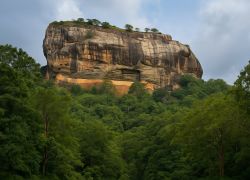
Sigiriya, also known as the Lion’s Rock, is an ancient rock fortress located in the central part of Sri Lanka, near the town of Dambulla. It is one of the most iconic landmarks in the country and a UNESCO World Heritage Site. The fortress rises 200 meters (660 feet) above the surrounding jungle, offering panoramic views of the region. Sigiriya is not just a natural wonder, but a site of great historical and cultural significance. The site is renowned for its impressive ancient architecture, stunning frescoes, and the iconic lion’s paws that mark the entrance to the summit. Sigiriya was once the royal palace of King Kasyapa (477-495 CE), who transformed the rock into a fortified citadel. Today, Sigiriya is a major tourist attraction, drawing visitors from around the world to marvel at its beauty, history, and architectural brilliance. How to Reach Sigiriya Rock Fortress Sigiriya is located about 15 kilometers (9 miles) from the town of Dambulla, in the central part of Sri Lanka. The most convenient way to reach Sigiriya is by car, taxi, or tuk-tuk. If traveling from Colombo, the journey takes about 4-5 hours by car or bus, as Sigiriya is approximately 170 kilometers (105 miles) north of the capital. If traveling from Dambulla, it’s a short 20-minute drive to Sigiriya. For those traveling by public transport, there are buses that connect Dambulla to Sigiriya, although the service is less frequent and may require a short tuk-tuk ride from the bus station to the base of the rock. The closest major train station is in Habarana, about 20 minutes away by taxi. Once you reach the base of Sigiriya, you will have to climb a series of steps to reach the summit, passing through the various levels of the fortress, including the famous Lion’s Gate. Weather in Sigiriya Sigiriya enjoys a tropical climate, with warm temperatures year-round. The average temperature hovers around 28°C (82°F), with the hottest months being from March to May. The area receives rainfall from the southwest monsoon (May to August) and the northeast monsoon (October to January). While the rain can make the surroundings lush and beautiful, it is advisable to visit Sigiriya during the dry season (from December to April) for the most comfortable experience. During the dry season, the weather is typically sunny and clear, offering ideal conditions for exploring the rock fortress and enjoying the panoramic views from the summit. Timings and Entry Details Sigiriya Rock Fortress is open to visitors every day, including public holidays. The usual visiting hours are from 7:00 AM to 5:30 PM. It is recommended to arrive early in the morning or later in the afternoon to avoid the midday heat and the crowds. The entrance fee for foreign visitors is approximately 4,000 LKR (Sri Lankan Rupees), while locals pay a lower fee. The ticket includes access to the entire site, including the climb to the summit, the museum at the base of the rock, and the beautifully landscaped gardens surrounding the fortress. Before climbing, visitors should ensure they are dressed comfortably and wear suitable footwear, as the journey involves navigating steep steps and pathways. Photography is allowed at most areas, but be sure to check if there are any restrictions. Why Sigiriya Rock Fortress is Famous? Sigiriya is famous for several reasons, including its fascinating history, impressive architecture, and breathtaking views. The rock fortress was originally a royal palace built by King Kasyapa, who chose the location because of its strategic position on a massive rock outcrop. It is famous for its unique combination of natural beauty and man-made architecture. The Lion’s Rock features an impressive entrance gate, which is shaped like the paws of a lion, a design that is one of Sigiriya’s most recognizable features. The rock also houses stunning frescoes and ancient water gardens that are among the finest examples of ancient Sri Lankan art and engineering. Sigiriya also holds archaeological and historical significance, as it was the capital of Sri Lanka during King Kasyapa's reign. The ruins at the summit of the rock give a glimpse into the grandeur of the palace, including remnants of royal baths, a throne, and other royal structures. The site remains a symbol of the power, ingenuity, and artistic talent of the ancient Sinhalese civilization. History of Sigiriya Rock Fortress The history of Sigiriya dates back to the 5th century CE. King Kasyapa, who was the ruler of Sri Lanka, built Sigiriya as his royal palace and fortress. According to legend, King Kasyapa usurped the throne from his father, King Dhatusena, and built Sigiriya to defend himself from his enemies. The fortress was strategically constructed on top of the massive rock to make it nearly impregnable. After King Kasyapa’s death, Sigiriya was abandoned and eventually became a Buddhist monastery. The site continued to be used by monks until the 14th century, and it remained relatively untouched by human development for centuries. It was rediscovered by the British in the 19th century and has since become one of the most visited tourist attractions in Sri Lanka. Architecture of Sigiriya Rock Fortress The architecture of Sigiriya is a testament to the advanced engineering and artistic skills of the ancient Sri Lankan civilization. The fortress was built atop a massive 200-meter-high granite rock, which provides an incredible vantage point over the surrounding landscape. The site includes various elements of ancient architecture, including: The Lion’s Gate: The entrance to the fortress is shaped like a lion, with two large lion’s paws at the base of the rock. Visitors must climb through the lion’s mouth to reach the summit. The Frescoes: Sigiriya is home to vibrant frescoes that depict celestial maidens. These murals are painted on the rock walls and are some of the best-preserved examples of ancient Sri Lankan art. The Mirror Wall: A highly polished wall that reflects the rock’s surface. The wall is inscribed with ancient graffiti, including poems written by visitors who came to Sigiriya in ancient times. The Water Gardens: Sigiriya features a complex of water gardens, including lotus ponds and cascading water features, which were used to beautify the area and provide a cool atmosphere. Things to Do Around Sigiriya Rock Fortress When visiting Sigiriya, there are several things you can do to enhance your experience: Climb the rock to reach the summit and explore the ancient palace and fortress ruins. Admire the frescoes of celestial maidens on the rock walls. Visit the museum at the base of the rock to learn more about the history and archaeology of Sigiriya. Explore the beautiful water gardens and landscaping that surround the fortress. Take a walk around the surrounding area to enjoy the natural beauty and wildlife of the region. Interesting Facts About Sigiriya Rock Fortress Sigiriya is one of the most famous archaeological sites in Sri Lanka and is considered one of the most important examples of ancient urban planning in the world. The fortress is built on a massive single rock that stands 200 meters (660 feet) high, offering sweeping views of the surrounding landscape. The frescoes found at Sigiriya are believed to date back to the 5th century CE and are considered some of the finest examples of ancient Sri Lankan art. Sigiriya is one of the most visited tourist attractions in Sri Lanka, drawing thousands of visitors annually. Tips for Visiting Sigiriya Rock Fortress Wear comfortable shoes and bring water, as the climb to the top of Sigiriya is strenuous and can take up to 2 hours. Start your visit early in the morning to avoid the heat and crowds. Carry a hat and sunscreen, as the summit offers little shade. Respect the religious and cultural significance of the site and dress modestly. Hire a guide or use an audio guide to learn more about the history and architecture of Sigiriya during your visit.
Explore More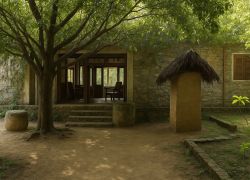
Popham’s Arboretum, located in Dambulla, Sri Lanka, is a serene and peaceful sanctuary dedicated to the conservation of tropical plant species. Spanning over 15 hectares, the arboretum is home to a diverse range of trees, plants, and wildlife, making it an important ecological site in the region. The arboretum was founded by the British planter and naturalist, Sir Herbert Popham, in the early 20th century. Its primary purpose was to preserve the rich flora of the island while promoting research in tropical forestry and environmental sustainability. How to Reach Popham’s Arboretum Popham’s Arboretum is located approximately 24 kilometers (15 miles) away from the town of Dambulla, in the Central Province of Sri Lanka. The site is easily accessible by road from Dambulla and can be reached in about 30 minutes by car or tuk-tuk. The closest major city is Kandy, which is approximately 90 kilometers (56 miles) away and can be reached by bus or private vehicle in about two to three hours. If traveling from Colombo, the capital city, Popham’s Arboretum is about 160 kilometers (100 miles) away, and it takes approximately 3.5 to 4 hours by car. Visitors can hire a taxi or rent a vehicle from any of the major tourist hubs to reach the arboretum. The road to the arboretum is paved and well-marked, making it convenient for visitors to navigate. Weather in Popham’s Arboretum The climate in Dambulla, where Popham’s Arboretum is located, is tropical, with warm temperatures throughout the year. The average temperature ranges from 25°C (77°F) to 32°C (90°F), making it a pleasant place to visit year-round. However, the best time to visit the arboretum is during the dry season, which lasts from December to April. This period has less rainfall, allowing visitors to enjoy the lush greenery and explore the arboretum’s walking paths comfortably. The monsoon season, from May to November, brings heavy rains to the region, which can make the paths slippery and difficult to navigate. Despite this, the arboretum remains a peaceful retreat, and the rain adds to the natural beauty of the landscape, making it an ideal destination for nature lovers. Timings and Entry Details Popham’s Arboretum is open to visitors every day of the week, typically from 7:00 AM to 6:00 PM. The entrance fee for foreign visitors is approximately 1,000 LKR (Sri Lankan Rupees), while the fee for Sri Lankan nationals is lower. The ticket price includes access to the main pathways, observation points, and information boards about the different plant species in the arboretum. Visitors are encouraged to visit early in the morning or late in the afternoon to avoid the midday heat and to enjoy the cool breeze. There are no restaurants or refreshments available inside the arboretum, so it is advisable to carry water and snacks if planning to explore the area for an extended period. Why is Popham’s Arboretum Famous? Popham’s Arboretum is famous for its rich biodiversity and ecological significance. It is one of the oldest arboreta in Sri Lanka and is dedicated to preserving the island’s tropical flora. The arboretum features a variety of indigenous and exotic tree species, some of which are rare and endangered. Visitors can see large, towering trees, medicinal plants, and rare orchids, making it a unique spot for nature enthusiasts, photographers, and those interested in tropical botany. What makes the arboretum particularly famous is the incredible opportunity it offers to witness the diverse plant life of Sri Lanka in its natural environment. The arboretum’s research programs and conservation efforts have helped to protect several endangered species of trees and plants. It is also a popular location for educational tours and botanical studies. History and Architecture of Popham’s Arboretum The history of Popham’s Arboretum dates back to the early 20th century, when Sir Herbert Popham, a British planter, established the site in 1920. Popham, who had a keen interest in tropical plants and forestry, envisioned the arboretum as a place to study and conserve the island's unique flora. Over the years, the arboretum has grown to include over 200 species of trees and plants, some of which were imported from other parts of the world to enhance its biodiversity. While there are no grand architectural structures within the arboretum, the site itself is a carefully designed natural sanctuary. The walking trails are thoughtfully laid out, and there are several observation points that offer panoramic views of the surrounding landscape. The arboretum’s simple but well-maintained pathways and clear signage ensure that visitors can navigate the area with ease while enjoying the beauty of nature. Things to Do at Popham’s Arboretum Popham’s Arboretum offers several activities for nature lovers and those interested in learning about tropical flora: Guided Nature Walks: Take a guided tour to learn about the different plant species, their ecological importance, and the conservation efforts at the arboretum. Birdwatching: The arboretum is home to various bird species, making it an excellent spot for birdwatching. Visitors can spot local species like kingfishers, hornbills, and several species of parrots. Photography: The lush greenery, towering trees, and rich wildlife make the arboretum a paradise for photographers. The tranquil atmosphere and vibrant plant life offer plenty of opportunities for stunning photos. Relax and Enjoy Nature: For those looking to unwind, simply walking along the peaceful trails or sitting at one of the observation points to enjoy the beauty of nature is a perfect activity. Interesting Facts About Popham’s Arboretum The arboretum was established in 1920 by Sir Herbert Popham, a British planter with a passion for forestry and conservation. Over 200 species of trees and plants are found in the arboretum, including both native and exotic species. The site is considered one of the oldest and most important arboreta in Sri Lanka. Popham’s Arboretum has become an important site for research on tropical plant life and biodiversity conservation. The area is also home to a variety of wildlife, including several species of birds, monkeys, and reptiles. Tips for Visiting Popham’s Arboretum Visit early in the morning or late in the afternoon to avoid the midday heat. Wear comfortable shoes suitable for walking on dirt paths and uneven terrain. Bring a hat, sunscreen, and plenty of water to stay hydrated. If you're interested in learning about the plants, consider hiring a local guide who can provide insights into the different species and their ecological roles. Respect the arboretum’s rules, particularly regarding not picking plants or disturbing the wildlife.
Explore More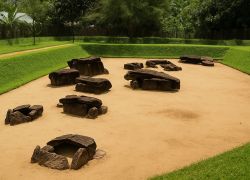
The Ibbankatuwa Megalithic Tombs, located in Dambulla, Sri Lanka, are one of the most significant archaeological sites on the island, shedding light on the island's ancient history and burial practices. These tombs date back to the Iron Age (approximately 3rd century BC to 3rd century AD) and offer an intriguing glimpse into the life of prehistoric Sri Lanka. The site consists of large stone tombs, believed to be the final resting places of local leaders and prominent figures from that era. The tombs are renowned for their impressive stone construction, which has withstood the test of time. How to Reach Ibbankatuwa Megalithic Tombs Ibbankatuwa Megalithic Tombs are located around 4 km south of Dambulla town, making it easily accessible for visitors. From Dambulla, you can reach the site by taxi, tuk-tuk, or private vehicle in about 10 to 15 minutes. If you're traveling from Colombo, the site is approximately 148 km away, and it takes about 3 to 4 hours by car. Buses heading towards Matale or Kandy from Dambulla can drop you near the tombs, although a short walk may be necessary to reach the actual site. Weather in Ibbankatuwa Megalithic Tombs The climate around the Ibbankatuwa Megalithic Tombs is tropical, with temperatures ranging between 27°C (81°F) and 32°C (90°F) year-round. The best time to visit is during the dry season, from December to April, when the weather is more pleasant and suitable for outdoor exploration. During the rainy season, from May to November, there are occasional showers that might make walking and exploration slightly challenging. It’s advisable to wear comfortable clothing and bring water, especially if you’re visiting during the warmer months. Timings and Entry Details The Ibbankatuwa Megalithic Tombs are open to visitors every day, generally from 7:00 AM to 5:00 PM. The entrance fee is modest, with foreign visitors paying approximately 500 LKR, and Sri Lankans paying a lower rate. The site is maintained by the Department of Archaeology, and there is usually a guide available at the entrance who can explain the historical significance of the tombs, their construction, and the burial rituals associated with them. Why Famous for Ibbankatuwa Megalithic Tombs The Ibbankatuwa Megalithic Tombs are famous for their ancient history and their unique burial style. These tombs are one of the few examples in Sri Lanka of megalithic burial sites that date back to the Iron Age. What makes these tombs particularly significant is their construction technique, using massive stones stacked on top of each other to create chambers for the deceased. Some of the tombs contain large stone slabs, which were used to cover the burial chamber, providing protection against both the elements and scavengers. The site is not only historically important but also offers insights into the social structure of the time, as the tombs likely belonged to prominent leaders and influential figures. Visitors to Ibbankatuwa Megalithic Tombs are afforded a rare opportunity to connect with Sri Lanka's ancient past, particularly its funerary practices and early societal organization. History and Architecture of Ibbankatuwa Megalithic Tombs The Ibbankatuwa Megalithic Tombs were constructed during the Iron Age, likely between the 3rd century BC and the 3rd century AD. These tombs are believed to have been used by the local chieftains or high-status individuals in the community. The tombs are made from large, flat stones and feature a burial chamber with a slab lid, often positioned under the shade of trees or in secluded spots, which reflects an advanced understanding of construction techniques for the time. Architecturally, the site showcases the use of megalithic stone structures, which were a common feature of ancient Sri Lankan burial sites. The stone slabs are of varying sizes, and the burial chambers themselves are quite spacious, indicating the social status of those buried there. Some of the tombs contain multiple chambers, which suggests that they were used for family burials or for the burial of high-ranking individuals over time. Things to Do at Ibbankatuwa Megalithic Tombs Visiting the Ibbankatuwa Megalithic Tombs is an immersive experience for anyone interested in history and archaeology. Here are some activities you can enjoy during your visit: Explore the Tombs: Walk around the site to explore the different tombs and chambers. Take your time to marvel at the impressive stone structures and imagine what life was like during the Iron Age. Learn About Ancient Burial Practices: Take a guided tour to learn about the burial practices of ancient Sri Lanka, the types of people buried here, and the significance of megalithic tombs in the context of ancient cultures. Photography: The site offers many opportunities for photography, particularly of the unique stone structures and the surrounding lush greenery. It’s an excellent spot for capturing the essence of ancient history amid the natural beauty of the region. Relax in the Peaceful Environment: The site is peaceful and serene, with fewer crowds than other tourist sites in Sri Lanka. It’s an ideal place for those looking to connect with history and nature in a tranquil setting. Interesting Facts About Ibbankatuwa Megalithic Tombs The Ibbankatuwa Megalithic Tombs were discovered in the late 19th century, but the site remains one of Sri Lanka's most intact Iron Age burial grounds. Some of the tombs are large enough to have contained the remains of more than one person, indicating their importance and the role of the deceased in society. Unlike other burial sites in Sri Lanka, which often used urns, the Ibbankatuwa site features large stone tombs with massive slabs used for covering the burial chambers. The tombs are thought to belong to members of the early Sinhalese aristocracy or local chieftains who ruled over small areas of land. Tips for Visiting Ibbankatuwa Megalithic Tombs Wear comfortable shoes, as the terrain around the tombs can be uneven and rocky. Bring a hat, sunscreen, and water, as the site is open and can get hot, especially during the midday hours. Take a guided tour to better understand the history and significance of the tombs. Respect the archaeological site by not touching or disturbing the stones, as they are part of Sri Lanka's cultural heritage. If you're a photography enthusiast, bring a camera with a zoom lens to capture the details of the tombs and their surroundings.
Explore More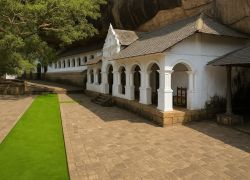
Heritage Dambulla, located in the heart of Dambulla, Sri Lanka, is a cultural and historical site that offers a glimpse into the island’s rich heritage. This attraction is not just a place to learn about Sri Lanka’s history but also an immersive experience that includes ancient architecture, art, and religious significance. Situated in the central province of Sri Lanka, it draws visitors interested in both the past and the present of the island’s cultural landscape. Heritage Dambulla is part of a broader area of historical significance, with the famous Dambulla Cave Temple nearby. The location serves as a central hub for exploring the region's culture, with displays and exhibits related to ancient Sri Lankan civilization, religious art, and architectural innovations. How to Reach Heritage Dambulla Heritage Dambulla is located in the town of Dambulla, which is easily accessible from other major cities in Sri Lanka. The site is approximately 148 km (92 miles) from Colombo, the capital city, and can be reached in around 3 to 4 hours by car. The easiest way to get there is by hiring a private vehicle or taking a bus from Colombo, Kandy, or Matale. If you're traveling from Kandy, Heritage Dambulla is about 72 km (45 miles) away, and it takes around 2 hours by car. From the Dambulla town center, the site is just a few kilometers away, and you can easily reach it by tuk-tuk or on foot. The roads are well-maintained, and the site is clearly marked, making it easy for visitors to find their way. Additionally, if you're traveling via public transport, buses frequently run between Dambulla and other nearby towns, making it an accessible option for tourists. Weather at Heritage Dambulla The climate around Heritage Dambulla is tropical, typical of the Central Province of Sri Lanka. Temperatures usually range from 25°C (77°F) to 32°C (90°F) throughout the year, with a relatively high humidity level. The best time to visit is during the dry season, which lasts from December to April. During this time, the weather is more pleasant and suitable for outdoor exploration and sightseeing. The rainy season from May to November brings heavy monsoon rains, especially in the months of October and November. While this can make the experience a bit less comfortable, the lush surroundings and cooler temperatures during this period can provide a refreshing change for some visitors. It’s advisable to check the weather forecast before your visit and carry an umbrella or raincoat during the rainy season. Timings and Entry Details Heritage Dambulla is open to the public every day from 7:00 AM to 6:00 PM, allowing visitors plenty of time to explore the site. The entrance fee for foreign visitors is around 500 LKR, while local visitors may have a lower entry fee. The fee includes access to various exhibits that showcase Sri Lanka’s cultural and historical heritage, as well as informative displays that highlight the significance of Dambulla in ancient Sri Lanka. Guided tours are available, and it is highly recommended to take one, as they provide in-depth knowledge about the site’s historical context, the ancient civilization of Sri Lanka, and the role that Dambulla has played in the development of the island's culture. It’s a great way to ensure you fully understand the significance of the exhibits and monuments. Why Heritage Dambulla is Famous Heritage Dambulla is famous for its combination of historical, cultural, and religious significance. The site serves as a cultural epicenter, displaying Sri Lanka's ancient art, architecture, and artifacts that have shaped the island’s rich history. It is particularly known for its connections to the Dambulla Cave Temple, which is one of the most revered religious sites in Sri Lanka. What sets Heritage Dambulla apart from other historical sites in Sri Lanka is its focus on the evolution of the country's cultural and religious practices over time. The exhibits cover various aspects of ancient Sri Lankan society, including ancient architectural styles, religious art, and the influence of Buddhism in the region. The site’s unique presentation allows visitors to gain a comprehensive understanding of Sri Lanka’s cultural evolution. History and Architecture of Heritage Dambulla The history of Heritage Dambulla is closely linked with the development of the Dambulla Cave Temple, a UNESCO World Heritage site. The Dambulla Cave Temple, which dates back to the 1st century BCE, is renowned for its cave complex, which houses numerous Buddha statues and murals depicting Buddhist history and religious stories. Heritage Dambulla itself focuses on the cultural aspects of the region and offers a deeper dive into Sri Lanka’s rich past. Architecturally, Heritage Dambulla represents the evolution of Sri Lankan design, from ancient stonework to intricate frescoes and sculptures that highlight Buddhist influence in the region. The displays feature both local and imported materials, demonstrating the island’s connection with both South Asia and the wider world during ancient times. The integration of religious and cultural elements is also evident in the architecture of the surrounding areas, which blends nature with man-made structures to create a peaceful and inspiring environment for both locals and visitors. Things to Do at Heritage Dambulla Heritage Dambulla offers a variety of activities for visitors to engage with, whether you're a history buff, a cultural enthusiast, or someone looking to experience the natural beauty of the region. Here are a few things you can do during your visit: Explore the Exhibits: Take your time to explore the various exhibits that showcase Sri Lankan history, culture, and art. Learn about the island’s ancient civilizations, their customs, and their artistic achievements. Visit the Dambulla Cave Temple: Just a short distance from Heritage Dambulla, the Dambulla Cave Temple is an essential visit for anyone interested in the religious and artistic history of Sri Lanka. The temple features stunning Buddha statues and murals that date back centuries. Guided Tours: Enhance your experience by taking a guided tour to learn about the deep historical and cultural significance of Heritage Dambulla and the surrounding area. Photography: Heritage Dambulla is a beautiful site for photography, with its ancient architecture and lush surroundings providing plenty of scenic opportunities. Relax in the Tranquil Environment: Spend some time enjoying the peaceful atmosphere of the area. The natural beauty and calm surroundings make it an excellent place for reflection and relaxation. Interesting Facts About Heritage Dambulla Heritage Dambulla is located in the central province of Sri Lanka, an area rich in cultural heritage and historical landmarks. The site is connected to the Dambulla Cave Temple, a UNESCO World Heritage site known for its 5 cave complexes containing over 150 Buddha statues and murals. Heritage Dambulla offers a comprehensive overview of Sri Lankan art, culture, and religion, focusing on the evolution of architectural styles, religious practices, and the island’s historical importance. The site has preserved many ancient artifacts, sculptures, and paintings that reflect Sri Lanka's artistic and architectural achievements over the centuries. Tips for Visiting Heritage Dambulla Wear comfortable footwear as you will likely be walking through both indoor and outdoor exhibits. Bring a hat, sunscreen, and water to stay hydrated, especially if you're visiting during the hot midday hours. Respect the cultural heritage of the site by following any guidelines provided by the staff, such as avoiding touching artifacts or photographs. Don’t forget your camera! The architecture and surrounding nature offer many opportunities for beautiful photographs. If you want to learn more, consider hiring a local guide who can share additional insights about the history and significance of Heritage Dambulla.
Explore More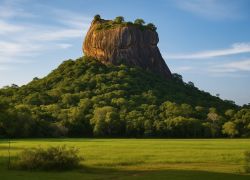
Sigiriya Rock Fortress, also known as Lion Rock, is one of the most iconic historical and archaeological sites in Sri Lanka. Located near the town of Dambulla in the Central Province, Sigiriya towers dramatically above the surrounding forests and plains at a height of almost 200 meters. The fortress, palace ruins, landscaped gardens, frescoes, and advanced ancient engineering make Sigiriya a UNESCO World Heritage Site and one of the most visited destinations in the country. Sigiriya is a remarkable example of the blending of natural rock formations with royal design and construction. Visitors come from all over the world to climb the steep staircases, admire the ancient paintings, explore the gardens, and experience panoramic views from the summit. It is not only a monument of architecture but also a symbol of Sri Lanka’s cultural and historical heritage. History of Sigiriya Rock Fortress The history of Sigiriya dates back over 1,500 years. It was developed into a royal palace complex during the reign of King Kashyapa I, who ruled from 477 to 495 AD. After seizing the throne, Kashyapa moved his capital from Anuradhapura to Sigiriya, choosing the massive rock as a strategic defensive location. He oversaw the transformation of the rock and surrounding areas into an elaborate palace with royal chambers, landscaped water gardens, moats, fortifications, and a series of stairways and pathways carved into the stone. After King Kashyapa’s defeat and death, Sigiriya lost its importance as a royal capital and was used as a Buddhist monastery before eventually being abandoned. Rediscovered centuries later, Sigiriya became the subject of archaeological exploration and restoration. Today, it stands as one of the best-preserved examples of ancient urban planning in Asia and remains a window into Sri Lanka’s architectural and artistic accomplishments. Architecture of Sigiriya Sigiriya Rock Fortress is admired for its advanced and creative architectural features. The design uses the natural rock structure as the core of the palace, with terraces, platforms, and stairs built into the rock face. One of the most significant architectural highlights is the Lion Gate, which originally featured a giant carved lion. Visitors had to enter through the lion’s open mouth to access the summit. Today, only the enormous stone paws remain, but they still convey a sense of grandeur. The Mirror Wall is another architectural marvel. Once polished so smoothly that visitors could see their reflections in it, this wall contains ancient writings, poems, and inscriptions left by visitors over the centuries. The Sigiriya frescoes are among the most admired aspects of the architecture as well. Painted on the rock’s western face, they portray beautiful figures believed to be celestial maidens or royal attendants, showcasing advanced artistic techniques. At the base of Sigiriya are complex water gardens with fountains, pools, and canals that highlight the advanced hydraulic engineering of the time. These systems continue to function during the rainy season, showing the precision and intelligence of the ancient builders. How to Reach Sigiriya Rock Fortress Sigiriya is easily accessible by road from major cities in Sri Lanka. It is around 180 kilometers from Colombo and can be reached in about four hours by private car, taxi, or organized tour. Many visitors also travel from Kandy, which is closer at approximately 90 kilometers and only a two-hour journey. Public transportation options are also available. Travelers can take a bus to Dambulla and then transfer to a local taxi or tuk-tuk to reach Sigiriya. While trains do not travel directly to Sigiriya, Dambulla is the nearest major transportation hub and offers good access to the site. Weather and Best Time to Visit Sigiriya experiences a tropical climate throughout the year, with warm temperatures and varying levels of rainfall. The best time to visit is during the dry season, between November and April, when the skies are clear and the climbing conditions are comfortable. During the monsoon season, some pathways may become slippery, and rainfall can limit visibility during the climb. The best time of day to visit is early in the morning. Climbing the rock before the midday heat offers a more comfortable experience and less crowded pathways. Morning visits also give beautiful lighting conditions for photos and views of the surrounding forests and lakes. Timings, Entry, and Visit Details Sigiriya Rock Fortress is open daily, and most visitors spend between two and four hours touring the site. Tickets must be purchased at the main entrance, with different rates for local visitors and foreign tourists. Visitors should keep their tickets with them as they may be checked on the way to the summit. The climb to the top involves steep stone steps and metal staircases, but most travelers with reasonable fitness levels can complete it. There are resting points and viewing platforms along the way to break up the climb and enjoy the scenery. Why Sigiriya is Famous Sigiriya is famous for its fascinating combination of natural geography, artistic achievement, royal architecture, and ancient engineering. The site showcases advanced construction methods, including symmetrical gardens, functioning water systems, frescoes, polished stone walls, and the ruins of a palace at the summit. The dramatic appearance of the rock rising above the flat plains makes Sigiriya both historically significant and visually stunning. Things to Do at Sigiriya Visitors to Sigiriya Rock Fortress can enjoy a wide range of activities, including: Exploring the landscaped water gardens at the base of the rock. Viewing the iconic Sigiriya frescoes painted high along the rock face. Walking beside the Mirror Wall and reading its ancient inscriptions. Passing through the Lion Gate and observing the giant paws that remain. Climbing to the summit and exploring the palace ruins. Taking in the beautiful panoramic views of the surrounding countryside. Photographing the site at sunrise or sunset. Interesting Facts About Sigiriya The hydraulic garden systems are over 1,500 years old and still operate in rainy weather. The Mirror Wall once shone brightly enough for visitors to see their reflections. The frescoes at Sigiriya are some of the oldest surviving examples of Sri Lankan art. The summit once held a complete royal palace with chambers and pools carved into the rock. Sigiriya is considered one of the earliest known examples of city planning in South Asia. Tips for Visiting Sigiriya Rock Fortress Start early to avoid crowds and heat. Wear comfortable shoes for the steep climb. Carry plenty of drinking water, sunscreen, and a hat. Take short breaks at the viewing platforms to rest and enjoy the scenery. Be respectful of protected areas, especially around the frescoes. Combine your visit with nearby attractions like Pidurangala Rock and Dambulla Cave Temple for a complete trip. Conclusion Sigiriya Rock Fortress is one of Sri Lanka’s greatest cultural treasures. From its dramatic vertical rise and ancient frescoes to its sophisticated water gardens and spectacular summit views, Sigiriya offers a journey into the island’s majestic past. Whether exploring the archaeological features, learning about the history of King Kashyapa, or simply admiring the surrounding natural scenery, Sigiriya provides an unforgettable travel experience for visitors of all ages.
Explore More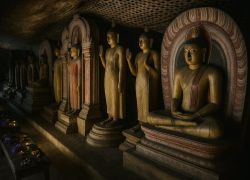
The Dambulla Cave Temple, also known as the Golden Temple of Dambulla, is a spectacular ancient Buddhist site situated in the central part of Sri Lanka. Known for its impressive cave complex and an extraordinary collection of Buddhist statues, the temple is one of the best-preserved examples of Sri Lanka's religious and architectural heritage. It has been a pilgrimage site for over 2,000 years, offering visitors a fascinating glimpse into the spiritual and artistic traditions of the island. The Dambulla Cave Temple is also a UNESCO World Heritage Site, recognized for its exceptional religious and cultural significance. History of Dambulla Cave Temple The origins of Dambulla Cave Temple date back to the 1st century BCE, when it was initially used as a monastery by Buddhist monks. King Valagamba (or Vattagamani Abhaya) sought refuge in the caves during a period of exile in the 1st century BCE. After regaining his throne, he transformed the caves into a grand temple complex by donating the caves and their surroundings to the Buddhist community. Over the centuries, the site expanded with new cave shrines, sculptures, and murals, making it one of the most iconic religious sites in Sri Lanka. Throughout its history, the temple has been a center of worship and meditation, and it has remained an active pilgrimage destination. The caves are home to a vast collection of murals and sculptures depicting the life of the Buddha and various deities. The Dambulla Cave Temple represents a remarkable blend of religious devotion, artistic expression, and architectural ingenuity. Architecture of Dambulla Cave Temple The Dambulla Cave Temple is unique not only for its history but also for its architectural design. The complex consists of five main caves, each with its own unique character and artistic offerings. The caves are carved into the rocky hillside and are spread over several levels, giving the temple a dramatic appearance against the backdrop of the surrounding landscape. The largest cave, known as the "Maharaja Viharaya" or the "Cave of the Great Kings," contains a massive reclining Buddha statue, one of the most famous in Sri Lanka. The caves are adorned with vibrant frescoes that cover the ceilings and walls, depicting scenes from the life of the Buddha, gods, and various religious figures. Many of the paintings are more than 2,000 years old, making them some of the oldest surviving examples of Buddhist art in the world. In addition to the religious statues and murals, the temple complex also features impressive architectural details, including finely crafted columns, decorative arches, and intricate carvings. The site’s design highlights the harmony between nature, art, and religion, creating a spiritual atmosphere that continues to draw visitors from around the globe. Why Dambulla Cave Temple is Famous? The Dambulla Cave Temple is famous for its historical, religious, and artistic significance. It is a revered Buddhist site and holds the distinction of being the largest and best-preserved cave temple complex in Sri Lanka. The temple is renowned for: Being a UNESCO World Heritage Site due to its unique artistic and cultural importance. Housing a collection of over 150 statues of Buddha, along with statues of gods and kings. Its striking frescoes that depict important scenes from Buddhist teachings and the life of Buddha. The impressive and large reclining Buddha statue, one of the most photographed features of the temple. How to Reach Dambulla Cave Temple Dambulla is conveniently located in the central region of Sri Lanka, making it accessible from various parts of the island. Here’s how to reach the Dambulla Cave Temple: By Air: The nearest international airport is Bandaranaike International Airport in Colombo, about 150 kilometers (93 miles) away from Dambulla. From the airport, you can take a taxi or private car to Dambulla, which typically takes about 3 to 4 hours. By Road: Dambulla is well-connected by road, and buses and private vehicles run frequently from major cities such as Colombo, Kandy, and Anuradhapura. If you are traveling from Colombo, it takes around 3 hours to reach Dambulla by car. By Train: The nearest train station is in Habarana, about 20 kilometers away from Dambulla. From there, you can take a local bus or taxi to the temple site. Weather at Dambulla Cave Temple Dambulla experiences a tropical climate, with hot and humid conditions throughout most of the year. Average temperatures typically range from 27°C to 32°C (81°F to 89°F). The region has two primary seasons: Dry Season (December to April): This is the best time to visit Dambulla, as the weather is relatively cool and dry, making it ideal for sightseeing. Monsoon Season (May to October): The monsoon rains can make the area humid and cause occasional downpours, which may disrupt outdoor activities. It is recommended to visit during the dry season for the most comfortable experience, especially if you plan to climb up to the cave complex. Timing of Dambulla Cave Temple The Dambulla Cave Temple is open to visitors every day, and its visiting hours are: Opening Time: 7:00 AM Closing Time: 7:00 PM It is advisable to visit in the morning or late afternoon to avoid the midday heat. The temple is also less crowded early in the day, allowing for a more peaceful experience. Entry and Visit Details To visit the Dambulla Cave Temple, you will need to purchase an entry ticket. The ticket fee gives access to the temple, caves, and surrounding areas. There is a small fee for foreign visitors, while locals enjoy discounted or free entry. The entrance is marked with a large stairway that leads up to the caves. The climb involves about 150 steps, so comfortable footwear and water are recommended. Once you reach the top, visitors are greeted with stunning views of the surrounding countryside and the temple complex. The temple is accessible to most visitors, but it’s advisable to plan for a moderate amount of walking and climbing. Things to Do at Dambulla Cave Temple Explore the Five Caves: Discover the five main caves, each filled with ancient statues, paintings, and murals of the Buddha and other deities. Admire the Frescoes: View the intricate murals on the cave ceilings, depicting stories from the life of the Buddha and scenes from Buddhist mythology. Take in the Views: Enjoy panoramic views of the surrounding landscape, including the Dambulla rock and the lush greenery of the area. Visit the Golden Temple: Located at the foot of the caves, the Golden Temple is a more recent addition to the complex, featuring a large golden Buddha statue. Facts About Dambulla Cave Temple It is one of the largest and best-preserved cave temples in Sri Lanka. The temple is home to over 150 statues of the Buddha. The murals inside the caves are more than 2,000 years old. The site has been a place of pilgrimage for more than two millennia. It is a UNESCO World Heritage Site due to its cultural and historical importance. Travel Tips for Visiting Dambulla Cave Temple Wear comfortable shoes, as you will need to climb a staircase to reach the temple. Bring a hat, sunscreen, and water, as the climate can be hot and sunny, especially during midday. Respect the local customs, as this is an active religious site. Dress modestly (cover shoulders and knees). Shoes should be removed before entering the temple areas. Arrive early in the morning or late afternoon for a more peaceful visit, as the temple can get crowded during midday. If you are interested in the history and religious significance, consider hiring a local guide to enrich your experience. The Dambulla Cave Temple is one of Sri Lanka's most important cultural and religious landmarks. Whether you're interested in history, art, or spirituality, a visit to Dambulla promises to be an enlightening and memorable experience.
Explore More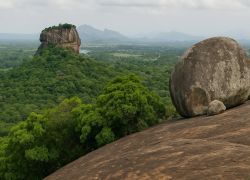
Pidurangala Rock, located near Dambulla in central Sri Lanka, is a breathtaking natural landmark offering stunning views of the surrounding landscape, including the famous Sigiriya Rock Fortress. Pidurangala is renowned for its panoramic vistas, historical significance, and serene hiking experience. Often considered a quieter alternative to the more popular Sigiriya Rock, Pidurangala has gained attention among travelers looking for a more peaceful and rewarding trek. This rock formation is a hidden gem for nature lovers, photographers, and history enthusiasts alike. History of Pidurangala Rock The history of Pidurangala dates back to ancient Sri Lanka when it served as a Buddhist monastery. The site is believed to have been established in the 5th century during the reign of King Kashyapa, who also built the Sigiriya Rock Fortress. According to historical records, the area was used as a monastic retreat, and a large temple was constructed on top of the rock, which included a statue of the reclining Buddha and various shrines. The ancient ruins found on the rock and its surroundings reflect the rich history of Buddhism in Sri Lanka. Pidurangala was once part of a larger complex that included the nearby Sigiriya, and it is believed to have played an important role in the spiritual life of the region. Over the centuries, the temple has fallen into disrepair, but the rock itself remains a symbol of the country’s ancient architectural and cultural heritage. Architecture of Pidurangala Rock The architecture of Pidurangala Rock is both simple and impressive. The main attraction on the summit is the ancient stone statue of a reclining Buddha, which is thought to date back to the 5th century. The statue, although partially ruined, remains a significant religious icon, and it is an important feature of the rock’s historical and spiritual significance. Along with the Buddha statue, the remains of an old temple and other smaller shrines are scattered throughout the rock. The entrance to the rock features a series of ancient stone steps that lead to the summit, and the rock formation itself offers a challenging but rewarding hike. The area around Pidurangala is also dotted with ancient rock carvings and inscriptions that provide insight into the early Buddhist culture of Sri Lanka. Why Pidurangala Rock is Famous? Pidurangala Rock is famous for several reasons, making it a popular destination for travelers and adventurers. The main attractions of Pidurangala are: Stunning Views: The panoramic views from the summit are some of the best in Sri Lanka. Visitors can enjoy sweeping views of Sigiriya Rock, the surrounding jungle, and distant mountains. Historical Significance: Pidurangala has deep historical and cultural significance as an ancient Buddhist monastery site, with relics and ruins dating back over a thousand years. Reclining Buddha Statue: The large reclining Buddha statue at the top of the rock is a key feature of the site, symbolizing the region’s rich Buddhist heritage. Peaceful Atmosphere: Unlike the busy Sigiriya Rock, Pidurangala offers a more tranquil and serene experience, making it perfect for visitors seeking a quiet hike. How to Reach Pidurangala Rock Pidurangala Rock is located approximately 3 kilometers from the town of Sigiriya, making it easily accessible from Dambulla and other nearby towns. Here are the main ways to reach the site: By Air: The nearest international airport is Bandaranaike International Airport in Colombo, located around 150 kilometers from Dambulla. From there, you can take a taxi or a private vehicle to Sigiriya or directly to Pidurangala. By Road: Pidurangala Rock is accessible by car from various locations in Sri Lanka, including Colombo, Kandy, and Dambulla. The most convenient route is from Dambulla, which is about a 30-minute drive away. By Bus: Local buses operate regularly from Dambulla and Sigiriya to the Pidurangala area. The bus ride to Pidurangala is affordable, but it may require some walking once you reach the nearest bus stop. Weather at Pidurangala Rock Pidurangala Rock experiences a tropical climate, with warm temperatures year-round. The best time to visit is during the dry season, which lasts from December to April, when the weather is pleasant and ideal for hiking. The monsoon season, from May to September, can bring heavy rains, making the trails slippery and the hike more challenging. Average Temperatures: 26°C to 32°C (79°F to 89°F). It is recommended to visit early in the morning or late in the afternoon to avoid the midday heat and enjoy cooler weather during your hike. Timing of Pidurangala Rock The Pidurangala Rock site is open every day of the week. The recommended visiting hours are: Opening Time: 6:00 AM Closing Time: 6:00 PM It is advised to start your hike early in the morning to avoid the heat and catch a beautiful sunrise over Sigiriya. Alternatively, a late afternoon visit can offer a stunning sunset view. Entry and Visit Details To visit Pidurangala Rock, you will need to purchase an entry ticket. The entry fee is typically affordable, and tickets can be purchased at the base of the rock before starting your hike. The hike to the summit of Pidurangala is moderately challenging, involving a steep climb up stone steps and rocky terrain. Visitors should wear comfortable footwear, bring water, and be prepared for a bit of a workout on the way up. The trek to the top takes around 45 minutes to an hour, depending on your pace. Once at the summit, you will be rewarded with panoramic views of Sigiriya, the surrounding countryside, and the lush vegetation below. Things to Do at Pidurangala Rock Hike to the Summit: The main activity at Pidurangala Rock is the hike to the summit, where visitors can enjoy breathtaking views of the nearby Sigiriya Rock and the surrounding area. Explore the Buddha Statue: At the top of the rock, admire the large reclining Buddha statue, an important relic of the region’s Buddhist history. Visit the Ruins: Explore the ancient ruins of the temple complex, including shrines, carvings, and inscriptions that provide insight into Sri Lanka’s early Buddhist culture. Photography: The incredible views of Sigiriya and the surrounding area make Pidurangala an ideal spot for photography, especially during sunrise and sunset. Facts About Pidurangala Rock Pidurangala Rock was used as a Buddhist monastery during the reign of King Kashyapa in the 5th century. The reclining Buddha statue at the summit is over 1,000 years old and is a prominent feature of the site. The rock offers some of the best views of Sigiriya, often regarded as one of Sri Lanka’s most iconic landmarks. The climb to the top of Pidurangala is less crowded and more peaceful compared to the more popular Sigiriya Rock. Pidurangala is a great spot for nature lovers, offering rich flora and fauna along the hiking trail. Travel Tips for Visiting Pidurangala Rock Start your hike early in the morning to avoid the heat and enjoy a peaceful experience before the crowds arrive. Wear comfortable, sturdy footwear, as the hike involves some uneven terrain. Bring plenty of water, sunscreen, and a hat for sun protection. Photography is allowed, so don’t forget your camera to capture the stunning views from the summit. Respect the ancient ruins and religious sites, and avoid touching or disturbing any of the sculptures or carvings. Pidurangala Rock offers an unforgettable hiking experience with stunning views, rich history, and a tranquil atmosphere. Whether you are a nature enthusiast, a history buff, or simply seeking a peaceful escape, Pidurangala is a must-visit destination in Sri Lanka.
Explore More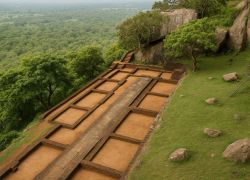
The Archaeological Museum of Sigiriya
The Archaeological Museum of Sigiriya, located at the base of the famous Sigiriya Rock Fortress, is an essential stop for anyone visiting this UNESCO World Heritage site. The museum serves as a gateway to understanding the rich history, culture, and archaeological significance of Sigiriya, one of Sri Lanka's most iconic landmarks. The museum displays a range of artifacts, models, and exhibits that illustrate the life and times of Sigiriya from its ancient origins to its role as a royal capital, and later, a Buddhist monastery. History of The Archaeological Museum of Sigiriya The Archaeological Museum was established in 1982 to preserve and present the cultural and historical significance of the Sigiriya Rock Fortress and its surroundings. The museum houses artifacts uncovered during archaeological excavations around Sigiriya, as well as models, drawings, and photographs that provide context to the rock's history and its role in Sri Lanka’s ancient civilization. Many of the objects on display date back to the 5th century AD, the period when Sigiriya was built and served as a capital city for King Kashyapa I. Sigiriya’s history dates back over 1,500 years, with the rock itself being used as a royal citadel and fortress by King Kashyapa, who took refuge there after a violent coup against him. Following his death, Sigiriya transformed into a Buddhist monastery and remained so for several centuries. The Archaeological Museum helps visitors trace the different phases of Sigiriya's history and its transformation from a royal palace to a sacred Buddhist site. Architecture of The Archaeological Museum of Sigiriya The museum’s design complements the cultural heritage of Sigiriya, with modern architecture that blends seamlessly into the natural environment. The building itself is simple yet elegant, constructed with local materials and set in a landscaped garden area near the entrance to the Sigiriya Rock Fortress. The museum’s architecture takes inspiration from traditional Sri Lankan designs while incorporating contemporary elements for functionality and preservation of the exhibits. Inside the museum, visitors can explore various sections dedicated to different aspects of Sigiriya’s history. There are detailed models of the Sigiriya Rock, ancient frescoes, and the world-renowned Lion’s Gate, offering an in-depth view of the fortress’s design and structure. The museum also features an educational center where you can learn more about the archaeological techniques used to uncover the site’s hidden treasures. Why The Archaeological Museum of Sigiriya is Famous? The Archaeological Museum of Sigiriya is famous for its comprehensive collection of artifacts and its role in preserving the history of one of Sri Lanka’s most renowned ancient sites. The museum’s exhibits provide invaluable insights into the art, culture, and engineering of the 5th century AD. Highlights of the museum include: Ancient Artifacts: The museum showcases a range of historical items, such as pottery, tools, inscriptions, and sculptures, that help tell the story of Sigiriya and its people. Frescoes and Models: Visitors can view detailed replicas of the famous Sigiriya frescoes, which depict celestial maidens, and models of the Sigiriya Rock Fortress, including the Lion’s Gate and the Mirror Wall. Historical Inscriptions: The museum displays several important inscriptions found around the site, including those carved into the rock face and the Mirror Wall, which provide insights into the historical significance of Sigiriya. Educational Displays: The museum’s exhibitions also highlight the archaeological efforts taken to uncover the Sigiriya complex, offering educational resources on excavation techniques and preservation efforts. How to Reach The Archaeological Museum of Sigiriya The Archaeological Museum of Sigiriya is conveniently located near the base of Sigiriya Rock, making it an easy stop for visitors who are already exploring the rock fortress. Here’s how to get there: By Air: The nearest international airport is Bandaranaike International Airport in Colombo, about 160 kilometers away from Sigiriya. From the airport, you can hire a taxi or take a bus to reach Sigiriya. By Road: Sigiriya is easily accessible by road from several major towns and cities in Sri Lanka, including Colombo, Dambulla, and Polonnaruwa. You can hire a taxi, take a private vehicle, or use public transportation such as buses to reach Sigiriya. By Train: The nearest railway station to Sigiriya is in Habarana, which is about 15 kilometers away. From the station, you can take a taxi or tuk-tuk to reach the Archaeological Museum and the Sigiriya Rock Fortress. Weather at The Archaeological Museum of Sigiriya Sigiriya experiences a tropical climate, with warm temperatures year-round. The best time to visit the Archaeological Museum and Sigiriya Rock is during the dry season, which runs from December to April. During this period, the weather is more favorable for outdoor exploration, and the temperatures are generally between 25°C to 32°C (77°F to 90°F). The monsoon season, from May to October, brings heavy rainfall and humidity, which may affect outdoor activities. If you plan to explore the rock and museum, it is best to visit in the early morning or late afternoon to avoid the midday heat. Be sure to wear comfortable clothing and carry water to stay hydrated. Timing of The Archaeological Museum of Sigiriya The Archaeological Museum is open every day of the week, offering flexible visiting hours for tourists. The general visiting hours are: Opening Time: 9:00 AM Closing Time: 5:00 PM Last entry is usually allowed until 4:30 PM. It is advisable to visit the museum in the morning or early afternoon to avoid the heat, especially if you plan to explore Sigiriya Rock afterward. Entry and Visit Details Entry to the Archaeological Museum is ticketed, with separate tickets for the museum and the Sigiriya Rock Fortress. The museum ticket is typically included in the combined entry fee for the Sigiriya complex. The museum is a popular stop for visitors before or after exploring the Sigiriya Rock Fortress, as it provides essential context for understanding the history and significance of the site. While the museum does not require a guided tour, many visitors choose to hire a local guide to provide a detailed explanation of the exhibits. Guides can be found at the entrance to the museum, and they offer a wealth of information about Sigiriya’s history and archaeology. Things to Do at The Archaeological Museum of Sigiriya Explore Exhibits: Spend time viewing the museum’s exhibits, including ancient artifacts, models, and historical inscriptions that shed light on Sigiriya’s past. Learn about Archaeology: Discover the history of the Sigiriya Rock Fortress and the efforts taken by archaeologists to uncover its secrets. The museum’s educational displays provide valuable insights into the excavation process. View the Sigiriya Frescoes: Admire replicas of the stunning frescoes that once decorated the rock, depicting celestial women believed to be the king’s concubines or symbolic figures of beauty and grace. Take Photographs: Capture the beauty of the exhibits and the museum’s surroundings. Photography is allowed in most parts of the museum. Facts About The Archaeological Museum of Sigiriya The museum was established in 1982 to preserve and showcase the archaeological significance of Sigiriya. Many of the artifacts on display were uncovered during archaeological excavations in the Sigiriya area. The museum offers detailed models of the Sigiriya Rock, including replicas of the frescoes and Lion’s Gate. Visitors can view significant historical inscriptions that were found at Sigiriya, offering insight into the region’s ancient culture. Travel Tips for Visiting The Archaeological Museum of Sigiriya Arrive early in the day to avoid the crowds and the midday heat, especially if you plan to visit Sigiriya Rock afterward. Wear comfortable shoes, as you may walk around the museum and Sigiriya Rock for a few hours. Bring water, sunscreen, and a hat to stay protected from the sun. Consider hiring a local guide to enhance your understanding of the exhibits and the history of Sigiriya. Photography is allowed, but be respectful of other visitors and avoid flash photography in sensitive areas. The Archaeological Museum of Sigiriya is an essential part of your visit to Sigiriya. It not only complements the exploration of the Sigiriya Rock Fortress but also provides invaluable insights into Sri Lanka’s ancient history, culture, and archaeological practices. Whether you are a history enthusiast, an art lover, or a curious traveler, the museum offers a fascinating journey through time.
Explore More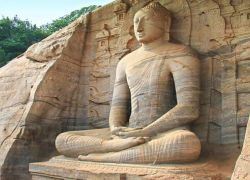
Gal Vihara, located in the ancient city of Polonnaruwa, Sri Lanka, is one of the most famous and significant archaeological sites in the country. Renowned for its stunning rock-carved Buddha statues, Gal Vihara is a UNESCO World Heritage Site and a must-visit destination for those interested in Sri Lanka's rich cultural and religious history. The site is home to four large Buddha statues carved directly into the rock face, which date back to the 12th century. The serenity and grandeur of these statues have made Gal Vihara one of the top tourist attractions in Sri Lanka, drawing both history lovers and spiritual seekers from around the world. History of Gal Vihara Gal Vihara was constructed during the reign of King Parakramabahu I, who ruled Sri Lanka from 1153 to 1186 AD. Under his leadership, the city of Polonnaruwa flourished as a center of culture, commerce, and religion. The rock-cut Buddha statues at Gal Vihara were created by royal artisans, and they reflect the peak of medieval Sinhalese sculpture and art. The statues were carved into a massive granite rock, symbolizing the strength and tranquility of the Buddha’s teachings. The site was originally part of a larger monastic complex that included a monastery, meditation cells, and other religious buildings. Over time, Gal Vihara became an important pilgrimage site for Buddhists, and the statues are still revered today by visitors from all over the world. Despite facing damage over the centuries, particularly during invasions and colonial rule, Gal Vihara’s statues have largely retained their historical significance and continue to be an important symbol of Sri Lanka’s Buddhist heritage. Why Gal Vihara is Famous? Gal Vihara is famous for its impressive rock-carved Buddha statues, which are some of the finest examples of ancient Sri Lankan sculpture. Here are some of the main reasons why Gal Vihara is such a renowned site: Four Grand Buddha Statues: The site is home to four striking Buddha statues, each representing a different posture. The most famous is the reclining Buddha, which measures 14 meters long and is an awe-inspiring sight. Rock-Cut Sculpture: The statues are intricately carved directly into the rock face, showcasing the advanced skills of ancient Sinhalese sculptors. Historical Significance: Gal Vihara is an important historical and religious site, offering visitors a glimpse into Sri Lanka's medieval Buddhist heritage and architectural achievements. Religious Pilgrimage: For Buddhists, Gal Vihara is a sacred site, and it continues to be a place of meditation and reflection for devotees and tourists alike. How to Reach Gal Vihara Gal Vihara is located in the ancient city of Polonnaruwa, in the North Central Province of Sri Lanka. It is easily accessible from various parts of the country, and here’s how you can reach the site: By Road: The most common way to reach Gal Vihara is by road. Polonnaruwa is well connected by bus and private vehicle to major cities like Colombo, Dambulla, and Kandy. From the city center of Polonnaruwa, it takes around 10–15 minutes by car to reach Gal Vihara. By Bus: Public buses run frequently to Polonnaruwa from major cities like Colombo and Kandy. The bus station in Polonnaruwa is a short distance from Gal Vihara, and local tuk-tuks or taxis are available for a quick ride. By Train: The nearest railway station to Polonnaruwa is in Habarana, which is about 45 kilometers away. From Habarana, you can take a taxi or bus to Polonnaruwa, followed by a short ride to Gal Vihara. Weather at Gal Vihara Gal Vihara enjoys a tropical climate, with warm temperatures year-round. The weather is typically sunny and dry, with occasional rain during the monsoon season. Average temperatures range from 25°C to 32°C (77°F to 89°F), making it quite warm, especially during midday. Best Time to Visit: The best time to visit Gal Vihara is during the dry season, from December to April. The weather during this period is cooler and more comfortable for sightseeing. The monsoon season, from May to October, brings frequent rain showers, which can make outdoor exploration more challenging. Early morning or late afternoon visits are recommended to avoid the heat and crowds. Timing of Gal Vihara Gal Vihara is open to visitors every day, and it is accessible throughout the year. The following are the usual visiting hours: Opening Hours: 7:00 AM – 5:30 PM It is advisable to visit early in the morning or later in the afternoon to avoid the midday heat. The site is open daily, and there are no significant restrictions on visiting times. However, visiting during religious festivals or holidays may result in larger crowds. Entry and Visit Details Entry to Gal Vihara is typically included with the Polonnaruwa archaeological site ticket, which grants access to various historical sites around the ancient city. Tickets can be purchased at the entrance gate of the archaeological park. The price for foreigners is usually higher than for locals, with the ticket typically costing around USD 25-30. Visitors should be aware that the site is a place of worship, and it’s important to dress modestly—shoulders and knees should be covered as a sign of respect. The site is relatively quiet, and visitors are encouraged to maintain a respectful demeanor as many pilgrims still visit the statues to meditate and pray. Things to Do at Gal Vihara Admire the Sculptures: Spend time marveling at the four Buddha statues, especially the impressive reclining Buddha, which stands as a symbol of peace and enlightenment. Photography: Gal Vihara offers some of the most beautiful photo opportunities in Sri Lanka. Capture the intricate details of the statues and the peaceful surroundings of the ancient site. Explore the Archaeological Site: Gal Vihara is part of the larger Polonnaruwa archaeological park, so visitors can also explore other nearby ruins, including the royal palace, ancient temples, and the Sacred Quadrangle. Learn About Buddhist History: Take the time to learn about the history of Buddhism in Sri Lanka and the significance of the statues at Gal Vihara. Local guides can offer valuable insights into the religious and historical context of the site. Reflection and Meditation: Gal Vihara is a peaceful site, and many visitors take a moment to meditate or reflect near the statues, enjoying the serenity of the surroundings. Facts About Gal Vihara The statues were carved from a single granite rock and were created during the reign of King Parakramabahu I in the 12th century. The reclining Buddha statue is the largest, measuring 14 meters in length. Gal Vihara is part of the Polonnaruwa Archaeological Site, which was the capital of Sri Lanka during the 11th and 12th centuries. The statues are highly regarded for their intricate craftsmanship and are considered masterpieces of Sinhalese sculpture. Despite centuries of weathering and vandalism, the statues at Gal Vihara have remained in excellent condition, attracting visitors and pilgrims alike. Travel Tips for Visiting Gal Vihara Wear comfortable clothing and shoes, as you’ll be walking around the archaeological site. Bring water, especially if visiting during the warmer months, as it can get quite hot. Respect the site by maintaining a quiet and peaceful demeanor, as many visitors come to meditate or offer prayers. Hire a local guide to learn more about the history and significance of the site. Be mindful of the sun, as the site has limited shade, and use sunscreen or a hat to protect yourself from the sun. Gal Vihara in Polonnaruwa is an exceptional example of ancient Sri Lankan art and architecture. Whether you're interested in history, religion, or simply appreciating the peaceful beauty of the site, it is a place that leaves a lasting impression on all who visit.
Explore More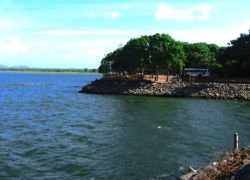
Parakrama Samudra, located in the ancient city of Polonnaruwa, Sri Lanka, is an impressive reservoir and one of the most remarkable engineering feats of ancient Sri Lanka. This massive water body, constructed during the reign of King Parakramabahu I in the 12th century, reflects the advanced hydraulic engineering and the ability of the ancient Sinhalese civilization. Parakrama Samudra, which translates to "Sea of Parakrama," is a vast expanse of water that extends over 2,500 acres and is part of the grand irrigation system that helped transform Polonnaruwa into a prosperous and thriving city during the medieval period. Today, it serves not only as a historical marvel but also as a tranquil spot for visitors to relax and appreciate Sri Lanka’s heritage and natural beauty. History of Parakrama Samudra Parakrama Samudra was constructed by King Parakramabahu I, one of the most revered monarchs of Sri Lanka, who ruled from 1153 to 1186 AD. The king undertook massive irrigation projects during his reign, including the creation of this grand reservoir, to ensure a steady water supply for agriculture in the region. The reservoir was built using advanced hydraulic techniques and was part of a comprehensive system of canals, lakes, and reservoirs designed to boost rice production and provide water for irrigation throughout the kingdom. The water of Parakrama Samudra was sourced from several rivers and streams, and it was engineered to flow through an intricate network of canals, which facilitated irrigation for thousands of acres of farmland. King Parakramabahu I famously declared that "not a single drop of water that falls from the sky should flow into the sea without being used by man," reflecting his commitment to ensuring the prosperity of his kingdom through effective water management. Parakrama Samudra and the associated irrigation systems were integral to Polonnaruwa’s success as a center of agriculture, and the reservoir is still functional today, reflecting the genius of ancient Sri Lankan engineering. Why Parakrama Samudra is Famous? Parakrama Samudra is famous for several reasons, making it a key attraction in Polonnaruwa: Historical Significance: Parakrama Samudra is a monumental achievement of ancient Sri Lankan hydraulic engineering, constructed during the reign of King Parakramabahu I. It remains a testament to the advanced technology and resourcefulness of ancient Sri Lanka. Architectural Marvel: The reservoir is an impressive sight, covering an area of over 2,500 acres and surrounded by beautiful landscapes. The intricate network of canals and water systems highlights the engineering skills of the ancient Sinhalese civilization. Vital Role in Irrigation: Parakrama Samudra played a key role in sustaining agriculture in the Polonnaruwa region, providing water for rice cultivation and other crops. Its success is a symbol of the advanced agricultural practices of medieval Sri Lanka. Natural Beauty: Today, the reservoir offers a picturesque setting, with lush greenery, tranquil waters, and the opportunity for boat rides. It’s a perfect location for photography, nature walks, and relaxation. How to Reach Parakrama Samudra Parakrama Samudra is located in the heart of Polonnaruwa, Sri Lanka’s North Central Province. It is easily accessible from various locations in Sri Lanka, and here’s how you can reach it: By Road: Polonnaruwa is well-connected by road to major cities like Colombo, Kandy, and Anuradhapura. If you are traveling from Colombo, the drive takes about 6-7 hours (approximately 220 kilometers). From the city center of Polonnaruwa, Parakrama Samudra is easily reachable by taxi or tuk-tuk, as it is located a short distance away from the main archaeological park. By Bus: Public buses are available from major cities like Colombo, Kandy, and Anuradhapura to Polonnaruwa. The bus station is located near the main entrance of the ancient city, and visitors can hire a tuk-tuk or walk to the reservoir. By Train: The nearest railway station to Polonnaruwa is in Habarana, which is about 45 kilometers away. From Habarana, you can take a taxi or bus to Polonnaruwa, and then a short ride to Parakrama Samudra. Weather at Parakrama Samudra Polonnaruwa has a tropical climate, characterized by warm temperatures year-round. The area experiences a mix of dry and wet seasons, which affect the best times to visit Parakrama Samudra. Best Time to Visit: The best time to visit Parakrama Samudra is during the dry season, from December to April, when the weather is clear and sunny. This is also the best time for outdoor activities, such as boat rides and photography. The monsoon season, from May to October, brings heavy rainfall, which can make outdoor exploration more difficult. The average temperature in Polonnaruwa ranges from 25°C to 32°C (77°F to 90°F), so visitors should prepare for warm weather during their visit. Timing of Parakrama Samudra Parakrama Samudra is open year-round, and there are no set visiting hours for the reservoir itself. However, the surrounding archaeological park, which includes the ancient city of Polonnaruwa, typically operates within the following hours: Opening Hours: 7:00 AM – 5:30 PM For the best experience, it is recommended to visit early in the morning or late afternoon, when the temperature is cooler and the light is ideal for photography. The site is generally less crowded during these times as well. Entry and Visit Details Visiting Parakrama Samudra is free, but if you plan to visit the nearby archaeological sites within the Polonnaruwa Ancient City, you will need to purchase an entry ticket to the archaeological park. Tickets can be purchased at the main entrance of the park. Ticket Prices: The ticket prices for foreigners are typically around USD 25-30, and they grant access to the various historical sites in Polonnaruwa, including Parakrama Samudra. Facilities: There are no major facilities directly at Parakrama Samudra, but there are several restaurants, cafes, and souvenir shops in the city of Polonnaruwa. Visitors can also find accommodation ranging from guesthouses to luxury hotels in the area. Things to Do at Parakrama Samudra Boat Ride: One of the best ways to appreciate the grandeur of Parakrama Samudra is by taking a boat ride on the reservoir. This offers visitors a unique perspective of the water, the surrounding landscapes, and the many bird species that inhabit the area. Photography: Parakrama Samudra offers stunning photo opportunities, from capturing the expansive waters to the lush greenery surrounding the reservoir. The combination of historical ruins and natural beauty makes it an ideal location for photography enthusiasts. Relax and Enjoy Nature: Take a leisurely stroll around the reservoir or relax on the banks and enjoy the serene atmosphere. The tranquil setting is perfect for reflection, meditation, or simply taking in the beauty of the surroundings. Explore the Archaeological Sites: Parakrama Samudra is part of the Polonnaruwa archaeological park, so visitors can explore the nearby ancient temples, Buddha statues, and royal palaces. Bird Watching: The reservoir and its surrounding area are home to various bird species, making it a great spot for bird watching. Early mornings or late afternoons are ideal for spotting different birds around the water. Facts About Parakrama Samudra Parakrama Samudra covers an area of over 2,500 acres and is one of the largest ancient reservoirs in Sri Lanka. The reservoir was constructed by King Parakramabahu I during his reign in the 12th century as part of an extensive irrigation system. The water in Parakrama Samudra is still used for irrigation purposes today, providing water to the surrounding farms and fields. The reservoir’s network of canals and dykes demonstrates the advanced hydraulic engineering skills of ancient Sri Lanka. Parakrama Samudra is a UNESCO World Heritage Site and part of the Polonnaruwa Archaeological Park. Travel Tips for Visiting Parakrama Samudra Bring sunscreen, a hat, and sunglasses, as the area can get quite sunny during the day. Wear comfortable shoes if you plan on exploring the nearby archaeological sites or walking around the reservoir. Bring a camera to capture the beautiful scenery, especially during early morning or late afternoon light. Consider taking a boat ride for a unique view of the reservoir and its surroundings. Stay hydrated and carry water, especially if visiting during the warmer months. Parakrama Samudra in Polonnaruwa is an essential stop for anyone interested in Sri Lanka's history, engineering, and natural beauty. Whether you are exploring the impressive irrigation system, relaxing by the reservoir, or admiring the surrounding landscape, it is a place that offers a peaceful and educational experience.
Explore More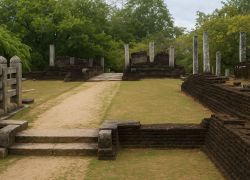
The Sacred Quadrangle, located in the ancient city of Polonnaruwa, Sri Lanka, is one of the most significant historical and religious sites in the country. This sacred area, which dates back to the 11th and 12th centuries, is a rich showcase of ancient Sinhalese architecture, religious devotion, and historical importance. The Quadrangle houses some of the most remarkable monuments in Sri Lanka, including temples, shrines, and the renowned Vatadage. Visitors from all over the world come to explore the well-preserved ruins and gain insight into the grandeur of the ancient Sinhalese kingdom. History of The Sacred Quadrangle The Sacred Quadrangle is a collection of religious and architectural structures built during the reign of King Parakramabahu I, who ruled Polonnaruwa during the 12th century. This king was responsible for many of the city’s greatest achievements, including the development of the Sacred Quadrangle. The Quadrangle was designed to be the religious center of Polonnaruwa, where various important Buddhist rituals and ceremonies were conducted. It is said that the Sacred Quadrangle was a place where the king and his people could worship the Buddha and perform acts of devotion in a spiritually significant environment. Over time, many structures within the Quadrangle fell into disrepair due to natural disasters and the passage of time. However, much of the architecture has been well-preserved, and the Sacred Quadrangle remains one of the most important archaeological sites in Sri Lanka. Today, it stands as a symbol of Sri Lanka’s deep Buddhist heritage and its history of royal patronage of the religion. Architecture of The Sacred Quadrangle The Sacred Quadrangle is known for its distinctive layout and the quality of its architectural features. The structures within the Quadrangle reflect the traditional Buddhist architectural style, which is characterized by symmetry, serenity, and spiritual significance. The key features of the Sacred Quadrangle include: Vatadage: This circular relic house is one of the most iconic structures in the Quadrangle. It is believed to have housed relics of the Buddha and is surrounded by a series of beautifully-carved stone pillars. Thuparama: An ancient image house that is considered one of the oldest buildings in the Sacred Quadrangle. It is famous for its beautiful stone carvings and the seated Buddha statue inside. Gal Vihara: While not technically within the Sacred Quadrangle, Gal Vihara is located nearby and is an essential part of the Polonnaruwa archaeological site. The Gal Vihara features some of the most exquisite rock-carved Buddha statues in Sri Lanka. The Lotus Pond: The Quadrangle also features a lotus pond, which is an example of the exceptional skill of the Sinhalese builders in utilizing natural elements as part of the architecture. The pond is a peaceful spot for reflection and adds to the overall tranquility of the site. Why The Sacred Quadrangle is Famous? The Sacred Quadrangle is famous for several reasons, making it one of the most popular tourist destinations in Sri Lanka: Architectural Marvels: The monuments in the Sacred Quadrangle are among the finest examples of Sinhalese architecture, with intricate carvings, well-planned layouts, and exquisite stonework. Religious Significance: The Quadrangle was designed as a place of worship and devotion. It is home to several important Buddhist structures, including the Vatadage, which is believed to have housed sacred relics of the Buddha. Historical Importance: The Sacred Quadrangle is a testament to the grandeur of the ancient Sinhalese kingdom of Polonnaruwa. It remains an important archaeological site that provides valuable insight into the culture, religion, and history of Sri Lanka. Preserved Ruins: Despite centuries of wear and tear, the ruins of the Sacred Quadrangle are remarkably well-preserved. This makes it one of the most important sites for archaeological research and historical study in Sri Lanka. How to Reach The Sacred Quadrangle The Sacred Quadrangle is located in the heart of Polonnaruwa, which is easily accessible from various parts of Sri Lanka: By Road: Polonnaruwa is located approximately 216 kilometers from Colombo, the capital city of Sri Lanka. The journey by car takes around 4-5 hours, depending on traffic conditions. Travelers can hire a taxi or use a private vehicle to reach Polonnaruwa. By Bus: Regular buses connect Polonnaruwa to other major cities in Sri Lanka, including Colombo, Kandy, and Anuradhapura. The bus station in Polonnaruwa is located near the entrance to the archaeological park, and the Sacred Quadrangle is within walking distance from there. By Train: The nearest railway station is in Habarana, about 45 kilometers away from Polonnaruwa. From Habarana, travelers can take a taxi or bus to reach the Sacred Quadrangle. Weather at The Sacred Quadrangle Polonnaruwa experiences a tropical climate with distinct wet and dry seasons. The weather can be quite hot during the day, especially during the dry season, so it is important to plan your visit accordingly. Best Time to Visit: The best time to visit the Sacred Quadrangle is during the dry season, which lasts from December to April. During this period, the weather is warm but relatively comfortable for sightseeing and outdoor activities. Monsoon Season: The monsoon season runs from May to October, with frequent rainfall. While the Sacred Quadrangle remains open during the monsoon, the wet conditions may affect your exploration, so visitors should bring umbrellas or raincoats during this time. Timing of The Sacred Quadrangle The Sacred Quadrangle is open to visitors every day from 7:00 AM to 5:30 PM. It is recommended to visit early in the morning or late in the afternoon to avoid the midday heat and crowds. Opening Hours: 7:00 AM – 5:30 PM It is advisable to plan your visit early in the day to experience the peace and tranquility of the site and to have more time to explore the various monuments. Entry and Visit Details Access to the Sacred Quadrangle is part of the entry to the Polonnaruwa Archaeological Park. Visitors need to purchase an entry ticket, which provides access to all the major archaeological sites in Polonnaruwa, including the Sacred Quadrangle, Vatadage, and Thuparama. Ticket Price: The entry fee for foreign visitors is approximately USD 25-30, which grants access to the entire archaeological park, including the Sacred Quadrangle and other significant sites in Polonnaruwa. Facilities: While there are no significant facilities directly within the Sacred Quadrangle, visitors can find shops, restaurants, and accommodations nearby in Polonnaruwa. The city offers a range of options, from budget guesthouses to luxury hotels. Things to Do at The Sacred Quadrangle Explore the Vatadage: The Vatadage is the highlight of the Sacred Quadrangle, with its beautiful stone pillars, carvings, and historical significance. Spend time admiring the craftsmanship and learning about its religious importance. Visit Thuparama: This ancient image house is home to a Buddha statue and is known for its exquisite stone carvings. Take a moment to reflect and enjoy the serene environment. Photography: The Sacred Quadrangle is an ideal spot for photography, offering beautiful views of ancient structures, lush greenery, and peaceful surroundings. Meditate and Reflect: The Sacred Quadrangle is a peaceful place for meditation and reflection. Take some time to enjoy the tranquility of the area and reflect on the rich history of the site. Facts About The Sacred Quadrangle The Sacred Quadrangle was built during the reign of King Parakramabahu I, who was instrumental in the development of Polonnaruwa. The Vatadage is one of the most well-preserved relic houses in Sri Lanka, known for its intricate carvings and circular design. The Quadrangle is home to several important Buddhist monuments, including Thuparama and the Lotus Pond. The Sacred Quadrangle is part of the UNESCO World Heritage Site that includes the entire archaeological park of Polonnaruwa. Tips for Visiting The Sacred Quadrangle Wear comfortable shoes as the area involves walking on uneven ground. Bring water, sunscreen, and a hat to protect yourself from the sun, especially during the hot months. Hire a local guide to learn more about the history and significance of the structures. Respect the religious and cultural significance of the site, especially when near the monuments and Buddha statues. Spend time at the Vatadage and other temples to appreciate their detailed carvings and serene atmosphere. The Sacred Quadrangle in Polonnaruwa is a must-visit site for those interested in Sri Lanka's ancient history, architecture, and Buddhist culture. With its peaceful surroundings, beautiful monuments, and rich history, it offers an unforgettable experience for travelers and history enthusiasts alike.
Explore MoreSri Lanka 6 Nights - 7 Days Tour
7 Days/ 6 Night
Colombo - Kandy - Nuwara Eliya
7 Days Sri Lanka Family Tour - Explore Sigiriya - Kandy - Bentota
7 Days/ 6 Night
Colombo - Sigiriya - Kandy - Nuwara Eliya - Dambulla - Bentota
Tea hills To Turquoise Coast
7 Days/ 6 Night
Colombo - Kandy - Badulla
Discover The Best Of Sri Lanka - 6 Days Tour Package
6 Days/ 5 Night
Colombo - Kandy - Nuwara Eliya - Bentota
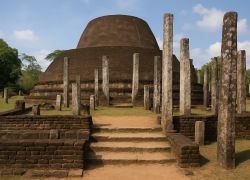
Pabalu Vehera, also known as the "Peacock Temple," is one of the lesser-known but fascinating archaeological sites in Polonnaruwa, Sri Lanka. Located within the ancient city of Polonnaruwa, this temple is renowned for its serene beauty and historical significance. Built during the reign of King Parakramabahu I in the 12th century, Pabalu Vehera is an important part of Sri Lanka's rich cultural and Buddhist heritage. The temple’s unique features, combined with its relatively quiet setting, make it an excellent destination for those looking to explore the history and religious architecture of Sri Lanka. History of Pabalu Vehera Pabalu Vehera was constructed by King Parakramabahu I, one of Sri Lanka’s greatest kings, who reigned during the 12th century. The temple was built as part of the king’s effort to promote Buddhism and create a peaceful and unified society. The word "Pabalu" refers to "peacock" in Sinhalese, and the temple’s name likely refers to the intricate peacock motifs found throughout the temple and its surroundings. The temple was originally built as a stupa, but over time, its architectural features have been influenced by both religious and cultural changes. It stands as a symbol of Parakramabahu’s devotion to Buddhism and his desire to build monumental religious structures throughout Sri Lanka. While not as famous as other temples in Polonnaruwa, Pabalu Vehera is nonetheless an essential part of the island's Buddhist history. Architecture of Pabalu Vehera Pabalu Vehera’s architectural style is a testament to the advanced engineering and artistic capabilities of Sri Lanka during the medieval period. The temple features a large stupa surrounded by a series of smaller structures that include monastic buildings, shrines, and statues. Some of the key architectural features include: The Stupa: The central feature of Pabalu Vehera is its impressive stupa, which is considered one of the best examples of a traditional Sinhalese Buddhist stupa. The stupa is circular in shape, with a smooth surface and a large dome that rises to a significant height, symbolizing the universe. Relief Sculptures: The temple is adorned with beautiful relief sculptures that depict various aspects of Buddhist teachings and the life of the Buddha. These sculptures are intricately carved into stone and showcase the artistry of the period. Peacock Motifs: As its name suggests, Pabalu Vehera is known for its peacock motifs. The carvings of peacocks, symbols of beauty and grace, are incorporated into the temple's architecture and provide a unique aesthetic touch to the site. Monastic Complex: The temple complex includes several small buildings that were once used by Buddhist monks for meditation and prayer. The remains of these structures can still be seen around the stupa, giving visitors a sense of the temple’s original function. Why Pabalu Vehera is Famous? Pabalu Vehera is famous for several reasons, making it an interesting site for both historians and tourists. Some of the key features that make the temple stand out include: Historical Significance: Built during the reign of King Parakramabahu I, Pabalu Vehera is an important reminder of Sri Lanka’s medieval Buddhist history. It reflects the king’s efforts to spread Buddhism and create lasting monuments to the religion. Architectural Beauty: The temple is known for its beautiful peacock motifs and the intricate stone carvings found throughout the complex. The stupa is a fine example of traditional Sri Lankan stupa design. Serene Atmosphere: Unlike more popular tourist destinations in Polonnaruwa, Pabalu Vehera is relatively quiet and peaceful. This makes it an ideal location for visitors looking to enjoy a tranquil and reflective experience. Cultural Value: The temple holds immense cultural value, as it showcases the artistic and religious practices of the 12th century and serves as an important link between the ancient and modern practices of Buddhism in Sri Lanka. How to Reach Pabalu Vehera Pabalu Vehera is located in the ancient city of Polonnaruwa, which is easily accessible by road from major cities in Sri Lanka: By Road: Polonnaruwa is located approximately 216 kilometers north-east of Colombo. It can be reached by car or bus from Colombo, Kandy, or Anuradhapura. The drive from Colombo takes about 4–5 hours. Visitors can hire taxis, rent a car, or take a bus to reach the site. By Train: The nearest railway station is in Habarana, located about 40 kilometers from Polonnaruwa. From Habarana, visitors can take a taxi or local bus to reach the temple. By Bus: Buses run regularly from Colombo and other major towns to Polonnaruwa. Visitors can catch a bus from the main bus stations in Colombo or Kandy and reach Polonnaruwa in about 4–5 hours. Weather at Pabalu Vehera The climate in Polonnaruwa is typically tropical, with hot temperatures throughout the year. The best time to visit Pabalu Vehera is during the dry season, which lasts from December to April. During this period, visitors can expect clear skies and pleasant temperatures, making it ideal for exploring the archaeological sites. Best Time to Visit: The dry season (December to April) is the most comfortable time to visit. However, early morning or late afternoon visits are recommended to avoid the midday heat. Timing of Pabalu Vehera Pabalu Vehera is open for visitors every day of the week. The temple is accessible during daylight hours, from 7:00 AM to 6:00 PM. It is best to visit early in the morning to enjoy a peaceful experience before the crowds arrive. Entry and Visit Details There is a small entry fee to visit Pabalu Vehera, as it is part of the Polonnaruwa archaeological site. The ticket price typically includes access to other nearby temples and ruins. The site is open to both local and international visitors, with guides available for those who wish to learn more about the temple’s history and significance. Entry Fee: The entry fee for foreign visitors is typically USD 25–30, which grants access to the main archaeological park of Polonnaruwa, including Pabalu Vehera and other historic landmarks. Things to Do at Pabalu Vehera Explore the Stupa: Spend time admiring the central stupa, which is the focal point of the temple. Take in the details of its design and the carvings that surround it. Photography: The peaceful and serene atmosphere of Pabalu Vehera makes it an excellent location for photography. Capture the beauty of the architecture, peacock motifs, and the surrounding landscape. Visit the Monastic Buildings: Explore the remnants of the monastic buildings around the temple, which were once used by monks for meditation and prayer. Reflect and Meditate: The temple offers a calm and tranquil environment, making it a perfect spot for meditation and reflection. Facts About Pabalu Vehera Pabalu Vehera was built by King Parakramabahu I in the 12th century. The temple is named after the peacock motifs that are prominently featured in its architecture. The stupa is an important example of Sinhalese architectural design. The temple remains an important part of Sri Lanka’s Buddhist heritage and is a peaceful place for visitors to reflect on the island’s past. Tips for Visiting Pabalu Vehera Wear comfortable footwear as the temple grounds involve walking on uneven surfaces. Bring water, sunscreen, and a hat to protect yourself from the sun, especially during midday visits. Consider hiring a local guide to gain deeper insights into the history and significance of the temple. Respect the sacred nature of the site by dressing modestly and avoiding loud noise. Pabalu Vehera, though less crowded than some other temples in Polonnaruwa, offers a truly enriching experience for those interested in Sri Lanka's ancient Buddhist heritage. Whether you are an architecture enthusiast, a history lover, or a spiritual seeker, a visit to this serene temple is sure to leave a lasting impression.
Explore More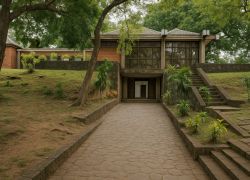
Polonnaruwa Archaeological Museum
The Polonnaruwa Archaeological Museum is a treasure trove of Sri Lanka's ancient history and heritage. Located in the heart of the UNESCO World Heritage city of Polonnaruwa, the museum offers an invaluable collection of artifacts, sculptures, and relics that highlight the rich cultural and historical past of the island. The museum is dedicated to preserving and showcasing the archaeological finds from Polonnaruwa, one of Sri Lanka’s ancient capitals. Visiting the museum is an excellent way to understand the significance of Polonnaruwa as an ancient kingdom and explore the artistic, architectural, and religious history of the region. History of Polonnaruwa Archaeological Museum The Polonnaruwa Archaeological Museum was established in 1969 to protect and display the archaeological findings discovered during excavations in the ancient city of Polonnaruwa. Polonnaruwa, which was the capital of Sri Lanka during the 11th to 13th centuries, is home to a wealth of archaeological sites, including palaces, temples, stupas, and other relics. The museum was set up to collect and preserve artifacts from the region to offer a better understanding of the ancient civilization that flourished here. The museum provides a historical context for the ruins of Polonnaruwa, explaining their significance in the broader story of Sri Lankan civilization. The artifacts on display reflect the remarkable achievements of the city’s rulers, especially King Parakramabahu I, under whose reign Polonnaruwa reached its peak as a center of culture, religion, and power. Architecture of Polonnaruwa Archaeological Museum The museum’s architecture is a blend of modern and traditional Sri Lankan design, reflecting the aesthetic and cultural values of the country. The building is constructed in a way that harmonizes with the surrounding natural landscape and archaeological sites, maintaining the historical feel of the region while providing a functional space for displaying exhibits. The museum’s layout allows visitors to view artifacts in chronological order, beginning with the earliest findings from the ancient city to later archaeological discoveries. The design of the museum is minimalistic yet functional, providing a comfortable and informative environment for visitors. The use of large glass windows lets in natural light, ensuring that each display is well-lit and easy to view. The museum is strategically located near the ruins, making it easy for visitors to explore both the ancient sites and the museum in one visit. Why Polonnaruwa Archaeological Museum is Famous? The Polonnaruwa Archaeological Museum is famous for being the most comprehensive resource on the ancient city’s history and archaeology. Some of the key reasons why it is famous include: Comprehensive Collection: The museum houses a vast collection of artifacts, including ancient sculptures, pottery, inscriptions, and religious relics, all of which offer insight into the lives of the people who once lived in the kingdom of Polonnaruwa. Detailed Exhibits: The museum offers exhibits that explain the history of the city, the culture of the time, the architectural innovations, and the religious practices that shaped the civilization. It’s an essential stop for those wanting to fully appreciate the significance of Polonnaruwa's archaeological sites. Preservation of Heritage: The museum plays a vital role in preserving Sri Lanka's heritage, keeping the ancient artifacts safe for future generations and educating the public about the historical importance of Polonnaruwa. How to Reach Polonnaruwa Archaeological Museum Polonnaruwa Archaeological Museum is located within the ancient city of Polonnaruwa, which is easily accessible by road from several major cities in Sri Lanka. By Road: Polonnaruwa is about 216 km from Colombo, which is approximately a 4-5 hour drive by car or bus. There are regular bus services from Colombo, Kandy, and other cities to Polonnaruwa. Visitors can hire a taxi or rent a car to travel comfortably. By Train: The nearest railway station is in Habarana, about 40 km from Polonnaruwa. From there, visitors can take a bus or taxi to reach the archaeological sites, including the museum. By Air: The nearest airport is Bandaranaike International Airport in Colombo. From the airport, visitors can take a taxi or use other transportation options to reach Polonnaruwa. Weather at Polonnaruwa Archaeological Museum Polonnaruwa has a tropical climate, with warm temperatures throughout the year. The best time to visit is during the dry season, from December to April, when the weather is more pleasant, and rainfall is minimal. The average daytime temperature ranges from 25°C to 32°C. Best Time to Visit: The dry season is the most comfortable time to visit, though early morning or late afternoon visits are recommended to avoid the midday heat, especially when exploring outdoor ruins. Timing of Polonnaruwa Archaeological Museum The museum is open to visitors every day of the week. The visiting hours are: Opening Time: 8:30 AM Closing Time: 5:00 PM It is recommended to arrive early to avoid the midday heat, and you can also take advantage of cooler temperatures for exploring the outdoor archaeological sites after visiting the museum. Entry and Visit Details The entry fee for the Polonnaruwa Archaeological Museum is typically included in the ticket for the archaeological site of Polonnaruwa. The fee varies depending on whether you are a local or international visitor. Local visitors may pay a smaller fee, while international visitors may need to pay a slightly higher entrance fee. Ticket Price: The entrance fee for foreign tourists is usually around USD 25-30, which provides access to the entire archaeological park, including the museum and other historic sites in the area. Guided tours are available, and it is recommended to take one to gain a deeper understanding of the exhibits and the historical significance of the artifacts displayed in the museum. Things to Do at Polonnaruwa Archaeological Museum Explore the Exhibits: Take time to explore the different sections of the museum, including the sculpture gallery, the pottery collection, and the religious relics on display. Learn about the ancient history of Polonnaruwa and Sri Lanka’s early civilization. Learn About Ancient Architecture: The museum provides detailed exhibits on the architectural advancements of the period, showcasing models and diagrams that illustrate how the ancient structures were designed and constructed. Take a Guided Tour: If you want a more in-depth experience, consider hiring a local guide who can offer insights and historical context as you explore the museum’s exhibits and surrounding sites. Facts About Polonnaruwa Archaeological Museum The museum is located in the heart of the ancient city of Polonnaruwa, one of Sri Lanka’s most important archaeological sites. The museum’s collection includes ancient sculptures, pottery, stone inscriptions, and religious artifacts that span over a thousand years of history. The museum offers educational programs and activities to help visitors of all ages learn about Sri Lanka’s rich cultural heritage. Tips for Visiting Polonnaruwa Archaeological Museum Wear comfortable shoes, as you will be walking through various galleries and exploring outdoor ruins as well. Bring water, sunscreen, and a hat to protect yourself from the sun, especially if you plan to explore the ruins after visiting the museum. Consider hiring a guide to help you understand the significance of the artifacts and the history behind them. Respect the museum’s artifacts and avoid touching the exhibits, as many of them are fragile and irreplaceable. Whether you're an archaeology enthusiast or simply curious about the ancient history of Sri Lanka, the Polonnaruwa Archaeological Museum offers a fascinating glimpse into the past. With its rich collection of artifacts, historical context, and peaceful setting, it is an essential stop for anyone visiting the Polonnaruwa region.
Explore More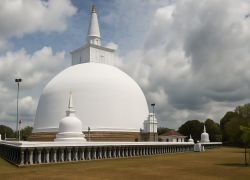
The Ruvanwelisaya Stupa, located in the ancient city of Polonnaruwa, is one of Sri Lanka’s most revered and significant Buddhist structures. This grand stupa is a symbol of both historical and spiritual importance, and it stands as a testament to the island’s ancient Buddhist civilization. Built during the reign of King Parakramabahu I, it is not only an architectural masterpiece but also a major pilgrimage site for Buddhists worldwide. The stupa’s enormous size, stunning architecture, and rich history make it an unmissable site for visitors exploring the cultural heritage of Polonnaruwa. History of Ruvanwelisaya Stupa The Ruvanwelisaya Stupa was originally constructed by King Parakramabahu I in the 12th century, marking the height of Polonnaruwa’s golden age. The stupa was built to enshrine the relics of the Buddha, which were placed in a casket inside the dome. The structure of Ruvanwelisaya is said to have been modeled after the famous Jetavanaramaya Stupa in Anuradhapura but was designed to be larger and more imposing. Over time, the stupa fell into disrepair, and by the 17th century, much of it was in ruins. However, it was later restored by King Nissanka Malla in the 12th century and again during the 20th century, making it one of the finest preserved monuments of Sri Lanka’s ancient civilization. The Ruvanwelisaya Stupa has also been part of several religious and royal endeavors, contributing to Sri Lanka’s rich Buddhist heritage. Architecture of Ruvanwelisaya Stupa The Ruvanwelisaya Stupa is an awe-inspiring structure, known for its monumental size and exceptional design. The stupa rises about 55 meters high, making it one of the tallest stupas in Sri Lanka. The massive dome is surrounded by a beautiful terrace and an intricately carved stone balustrade. The architecture of the stupa is a perfect example of ancient Sri Lankan engineering, with a smooth, spherical dome that tapers toward the top. Surrounding the stupa are several smaller stupas, shrines, and stone pillars that add to the grandeur of the site. The stupa is also adorned with stone carvings depicting scenes from Buddhist mythology and daily life during the medieval period. These carvings, along with the polished stonework, demonstrate the high level of craftsmanship that went into constructing the stupa. Why Ruvanwelisaya Stupa is Famous? The Ruvanwelisaya Stupa is famous for several reasons, both religious and historical. It is one of Sri Lanka’s most iconic monuments, revered by Buddhists as an important site of worship. Here are some of the reasons for its fame: Religious Significance: The stupa is believed to house sacred relics of the Buddha, making it an important pilgrimage destination for Buddhists around the world. Architectural Wonder: The stupa is one of the largest and most beautifully constructed in Sri Lanka, known for its grand dome and surrounding carvings. Historical Importance: Ruvanwelisaya represents the peak of Polonnaruwa’s prosperity, built during the reign of King Parakramabahu I, a time when Sri Lanka was a center of Buddhist learning and culture. Cultural Heritage: The site offers a glimpse into the architecture, art, and religious practices of medieval Sri Lanka. How to Reach Ruvanwelisaya Stupa Ruvanwelisaya Stupa is located in the archaeological park of Polonnaruwa, easily accessible by road from various parts of Sri Lanka. By Road: Polonnaruwa is about 216 km from Colombo and can be reached by car or bus in about 4-5 hours. From the city center of Polonnaruwa, the Ruvanwelisaya Stupa is just a short drive or walk away, located within the main archaeological complex. By Train: The nearest train station to Polonnaruwa is in Habarana, approximately 40 km away. From there, visitors can hire a taxi or take a bus to reach the stupa. By Air: The closest major airport is Bandaranaike International Airport in Colombo. From the airport, visitors can take a taxi or hire a car to reach Polonnaruwa and the stupa. Weather at Ruvanwelisaya Stupa Polonnaruwa experiences a tropical climate, with warm temperatures year-round. The best time to visit is during the dry season, from December to April, when the weather is more pleasant for outdoor exploration. During this period, temperatures range from 25°C to 32°C, and rainfall is minimal. Monsoon Season: From May to September, the area experiences the monsoon season, with occasional rainfall. It is still possible to visit during this time, but visitors should be prepared for occasional showers. Timing of Ruvanwelisaya Stupa The stupa is open to visitors every day of the week. The recommended visiting hours are: Opening Time: 8:00 AM Closing Time: 6:00 PM It’s best to visit in the early morning or late afternoon to avoid the heat and the crowds. Early visits also provide a peaceful environment for those wishing to meditate or reflect at the stupa. Entry and Visit Details Entry to the Ruvanwelisaya Stupa is part of the ticket to the Polonnaruwa Archaeological Site. Tickets can be purchased at the main entrance to the archaeological park. Ticket Price: The ticket fee for international visitors is usually around USD 25-30, which covers entry to the entire archaeological park, including the stupa, other ruins, and museums. Local visitors pay a smaller fee. Visiting the stupa is free, but you can hire a guide to learn more about its history and significance. Visitors are advised to dress modestly, as the stupa is a sacred site for Buddhists. Things to Do at Ruvanwelisaya Stupa Worship and Meditation: As a sacred site, visitors often stop to offer prayers or meditate in the peaceful surroundings of the stupa. Explore the Surrounding Ruins: The stupa is part of a larger archaeological complex, including other ancient temples, shrines, and ruins that can be explored. Admire the Sculptures and Carvings: Take time to appreciate the intricate stone carvings and reliefs on the stupa’s walls, depicting scenes from Buddhist lore. Photography: The stupa and its surroundings provide excellent opportunities for photography, especially at sunrise or sunset when the light creates dramatic effects on the dome. Facts About Ruvanwelisaya Stupa The Ruvanwelisaya Stupa is one of the largest and tallest stupas in Sri Lanka, with a height of 55 meters. The stupa was originally built during the reign of King Parakramabahu I in the 12th century but was later restored several times. It is said that the stupa was built to enshrine relics of the Buddha, making it an important pilgrimage site. The stupa is surrounded by smaller stupas, stone pillars, and shrines, adding to its grandeur. Tips for Visiting Ruvanwelisaya Stupa Visit early in the morning or late in the afternoon to avoid the midday heat and large crowds. Wear comfortable footwear, as the archaeological site involves some walking. Bring water, sunscreen, and a hat to protect yourself from the sun. Respect the sacred nature of the site—avoid loud behavior and refrain from touching the artifacts or carvings. Consider hiring a local guide to help you understand the history and significance of the stupa. Ruvanwelisaya Stupa is one of the most impressive and spiritually significant sites in Sri Lanka, offering visitors a glimpse into the island’s ancient Buddhist heritage. Whether you are a history enthusiast, a pilgrim, or someone simply appreciating the beauty of the architecture, a visit to this ancient stupa is a rewarding experience.
Explore More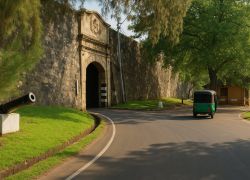
Fort Frederick is a historic fort located in Trincomalee, on the northeastern coast of Sri Lanka. Built by the Portuguese in the 17th century and later expanded by the Dutch and the British, the fort stands as a testament to Sri Lanka’s colonial past. Today, it is an iconic landmark that offers visitors a glimpse into the island's turbulent history, with its well-preserved architecture, stunning views of the surrounding coastline, and historical significance. A visit to Fort Frederick is a must for history buffs and anyone interested in exploring Sri Lanka’s colonial heritage. How to Reach Fort Frederick Fort Frederick is located in the heart of Trincomalee, making it easily accessible from the town center. It is situated near the famous Koneswaram Temple, perched on Swami Rock, offering panoramic views of the Indian Ocean. The best way to reach Fort Frederick is by tuk-tuk or taxi, which are commonly available throughout Trincomalee. From the town center, it’s a short drive, and the fort is well signposted. Alternatively, if you're staying at a nearby hotel, many establishments offer guided tours to the fort. If you are traveling from Colombo, you can take a bus or train to Trincomalee, which takes approximately 6-7 hours by road. Once in Trincomalee, local transportation like tuk-tuks or buses can take you directly to Fort Frederick. Weather at Fort Frederick Trincomalee has a tropical climate, characterized by hot and humid conditions throughout the year. The temperature typically ranges between 25°C and 32°C, with occasional rains during the monsoon season. The best time to visit Fort Frederick is during the dry season, which runs from May to September. This is when the weather is most pleasant for exploring the fort and surrounding attractions. The monsoon season, from October to December, brings heavy rainfall, which may affect outdoor activities, so it’s advisable to plan your visit during the dry months for a more enjoyable experience. Timing of Fort Frederick Fort Frederick is open to visitors throughout the day, typically from 8:00 AM to 5:00 PM. Since the fort is an open-air historical site, it’s best to visit during the cooler parts of the day, such as in the early morning or late afternoon, to avoid the midday heat. If you plan to visit the fort during peak tourist season, it’s advisable to arrive early to avoid the crowds. Guided tours are available during the day, which provide detailed information about the history and architecture of the fort. Why Famous for Fort Frederick, Trincomalee, Sri Lanka? Fort Frederick is famous for its rich colonial history and its strategic location overlooking the beautiful Trincomalee Harbor. Originally built by the Portuguese in 1623, the fort was later expanded by the Dutch in the 17th century and further developed by the British. Its historical significance lies in its role as a military stronghold during the colonial era, particularly during the conflicts between European powers in Sri Lanka. The fort is also renowned for its stunning views of the surrounding area, including the Indian Ocean and the Koneswaram Temple. Visitors can explore the fort’s well-preserved structures, including its thick stone walls, cannons, and gates, which are reminders of its past military use. Fort Frederick is a symbol of Sri Lanka’s colonial past and an important cultural heritage site for the country. Entry and Visit Details Fort Frederick is open to the public for a nominal fee. Entry fees are used for the preservation and maintenance of the fort. While there are no formal opening or closing hours, the best time to visit is between 8:00 AM and 5:00 PM when the site is fully accessible. Visitors should keep in mind that the fort is an active military area, and while the historical structures are open for exploration, some sections may be restricted due to security reasons. It’s important to respect the rules and regulations of the site while visiting. There are no facilities for food or drinks within the fort itself, so it’s a good idea to bring water and snacks. You can also explore the surrounding area, which has several restaurants and cafes serving local Sri Lankan dishes. History of Fort Frederick Fort Frederick was originally built by the Portuguese in 1623 as a military stronghold to protect their interests in Sri Lanka. The fort was strategically placed on Swami Rock, offering sweeping views of the Trincomalee Harbor, one of the best natural harbors in the world. The Portuguese used the fort as a base to defend against the Dutch and local kingdoms. In 1658, the Dutch took control of the fort after defeating the Portuguese. They expanded and reinforced the fortifications, adding thick walls, gates, and other defensive structures. The British took over the fort in the late 18th century and used it for military purposes during their colonial rule in Sri Lanka. Throughout its history, Fort Frederick has played an important role in Sri Lanka’s colonial struggles. Today, it stands as a symbol of the country’s colonial past and is a popular tourist attraction in Trincomalee. Architecture of Fort Frederick The architecture of Fort Frederick reflects its colonial past, with influences from Portuguese, Dutch, and British military designs. The fort is built with thick stone walls and features several structures, including gates, bastions, and a series of cannons that were used to defend the harbor. The fort’s architecture is simple yet sturdy, designed to withstand attacks and provide a commanding view of the surrounding coastline. Inside the fort, visitors can explore the remnants of the old buildings, including barracks, a chapel, and a small museum. The fort’s ramparts offer panoramic views of Trincomalee and its famous harbor, making it an ideal spot for photography. Things to Do at Fort Frederick While visiting Fort Frederick, there are several activities you can enjoy: Explore the Historical Structures: Walk around the fort and explore its various buildings, including the old cannons, gates, and the remains of military barracks. Visit the Small Museum: Inside the fort, there is a small museum that displays artifacts and historical information about the fort’s colonial past. Take Photos: The fort’s location on Swami Rock provides stunning views of the surrounding area, including Trincomalee Harbor, making it a great spot for photography. Relax and Enjoy the View: Spend some time enjoying the panoramic views of the harbor and the Indian Ocean from the fort’s ramparts. It’s a peaceful spot to relax and take in the beauty of the landscape. Facts and Tips About Fort Frederick Fort Frederick is an active military area, so be sure to follow any security instructions and be respectful of the military personnel on-site. The fort is located near the famous Koneswaram Temple, so you can easily combine your visit to the fort with a trip to the temple for a full day of sightseeing in Trincomalee. Wear comfortable footwear, as the fort’s terrain can be uneven in places, especially when walking on the old stone pathways and ramparts. It’s advisable to carry water, sunscreen, and a hat to protect yourself from the sun during your visit, as there is limited shade within the fort. The fort is less crowded than some of Sri Lanka’s other historical sites, so you can enjoy a more relaxed and quiet visit. Conclusion Fort Frederick in Trincomalee is a fascinating historical site that offers visitors a glimpse into Sri Lanka’s colonial past. With its impressive architecture, rich history, and stunning views of the coastline, the fort is an essential stop for anyone visiting Trincomalee. Whether you’re a history enthusiast, a photographer, or simply looking to explore Sri Lanka’s cultural heritage, Fort Frederick provides an unforgettable experience that will deepen your understanding of the island’s complex history.
Explore More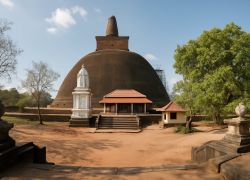
Anuradhapura is one of Sri Lanka's most significant historical and religious sites. Known for its ancient ruins, sacred temples, and historical landmarks, this UNESCO World Heritage city is a must-visit for anyone interested in Sri Lanka's rich culture and history. Located in the North Central Province, it is also relatively close to Trincomalee, making it an excellent addition to your itinerary if you are visiting the region. How to Reach Anuradhapura Anuradhapura is easily accessible from major cities in Sri Lanka, including Colombo and Trincomalee. The city is well-connected by road and rail, making it easy to visit by bus, taxi, or private vehicle. If you’re traveling from Colombo, you can reach Anuradhapura by train, bus, or car. The journey takes about 4-5 hours by car, and there are regular trains and buses that connect the two cities. If you are coming from Trincomalee, Anuradhapura is approximately a 2-3 hour drive, making it an ideal day trip from the coastal city. Once in Anuradhapura, you can hire a tuk-tuk or take a local bus to explore the key attractions within the ancient city. Weather at Anuradhapura Anuradhapura experiences a tropical climate, with warm temperatures and moderate rainfall throughout the year. The average temperature typically ranges from 25°C to 35°C. The dry season from May to September is the best time to visit, offering clear skies and comfortable weather for exploring the archaeological sites and ancient temples. During the monsoon season from October to January, the region experiences heavy rainfall, which can make travel and outdoor activities more difficult. However, the rain showers tend to be short-lived, and the temperatures remain warm, making the site still accessible, though less ideal for sightseeing. Timing of Anuradhapura The archaeological site of Anuradhapura is open daily from 8:00 AM to 5:00 PM. Visitors are encouraged to arrive early in the morning to avoid the midday heat and to explore the site before the crowds arrive. The temples and stupas are usually quiet in the early hours, providing a more peaceful and reflective experience. It is important to note that some temples may have restricted entry during prayer times, so it’s advisable to check in advance if you plan to visit any of the active religious sites. Why Famous for Anuradhapura, Trincomalee, Sri Lanka? Anuradhapura is famous for its ancient ruins, sacred monuments, and the well-preserved remnants of Sri Lanka's ancient Buddhist civilization. The city was the capital of Sri Lanka for over 1,300 years and is considered one of the oldest continuously inhabited cities in the world. Its historical significance lies in the establishment of Buddhism in Sri Lanka and its role in the island's early kingdoms. The city is known for its iconic stupas, ancient temples, and massive dagobas, which are some of the largest brick structures in the world. Among the most famous sites in Anuradhapura are the **Sri Maha Bodhi**, a sacred tree that is said to be a cutting from the tree under which Lord Buddha attained enlightenment, and the **Ruwanwelisaya Stupa**, an enormous white stupa that stands as a symbol of Sri Lanka's ancient Buddhist heritage. The city's archaeological sites, historical temples, and the presence of sacred relics make Anuradhapura an essential pilgrimage site for Buddhists and a fascinating destination for history enthusiasts. Entry and Visit Details To visit Anuradhapura, you will need to pay an entrance fee for the archaeological site. The entrance fee varies depending on whether you are visiting the entire site or just certain temples. Local residents usually pay a lower fee, while international tourists are charged a slightly higher rate. Many visitors opt for guided tours, which are available at the entrance gates. Local guides can offer insights into the history, significance, and legends behind the various monuments and temples. It’s advisable to wear comfortable footwear and carry sunscreen, as you will be walking and exploring outdoors for extended periods. There are several shops around the entrance of the site where you can purchase refreshments and souvenirs. It is best to bring your own water and snacks, especially if you plan to spend several hours exploring the area. History of Anuradhapura Anuradhapura was founded in the 4th century BC and became the capital of Sri Lanka’s first kingdom. Over the centuries, it evolved into a center of culture, religion, and power, with a flourishing Buddhist tradition. The city remained the capital until the 11th century, when it was abandoned in favor of Polonnaruwa due to invasions and the shifting of political power. During its heyday, Anuradhapura was an advanced urban center, with highly developed irrigation systems, expansive reservoirs, and impressive architecture. The city was also home to several massive stupas, which were built to house relics of the Buddha, and it became a major center for Buddhist monastic life. Even after its fall, the ruins of Anuradhapura remained an important religious and cultural site, and today it is a UNESCO World Heritage Site that attracts millions of visitors annually. Architecture of Anuradhapura The architecture of Anuradhapura is renowned for its grandeur and ingenuity. The city features massive **dagobas** (stupas), **pools**, **temples**, and **monasteries**, many of which are still standing today. The **Ruwanwelisaya Stupa**, one of the largest stupas in the world, is an architectural marvel, as is the **Jetavanaramaya**, which was once the tallest brick structure in the world. In addition to the stupas, Anuradhapura is home to intricate carvings, elaborate stonework, and large stone pillars. The ancient city was built with a high level of sophistication, using advanced construction techniques and designs that allowed for the long-lasting preservation of these monumental structures. The **Sri Maha Bodhi**, a sacred tree, is another important feature, as it is the oldest living tree with a known planting date, tracing back to 288 BC. Things to Do in Anuradhapura There are several must-see attractions in Anuradhapura that highlight the city’s rich history and architectural splendor: Visit the Ruwanwelisaya Stupa: This impressive stupa is one of the most iconic landmarks in Sri Lanka, offering a glimpse into the grandeur of ancient Sri Lankan architecture and Buddhist worship. Explore the Sri Maha Bodhi: Visit the sacred tree under which Buddha attained enlightenment, a revered site for Buddhists and an important symbol of Sri Lanka’s Buddhist heritage. Admire the Jetavanaramaya: Once the tallest brick structure in the world, this stupa is a testament to the engineering marvels of ancient Sri Lanka. Take a tour of the ancient reservoirs: The city is known for its intricate water management systems. Visit the **Tissa Wewa** and **Nuwara Wewa** reservoirs to appreciate the advanced irrigation systems. Visit the Abhayagiri Monastery: Explore the remains of this once-thriving monastery and admire the grandeur of its stupas and temples. Facts and Tips About Anuradhapura Always dress modestly when visiting religious sites, covering shoulders and knees as a sign of respect. The best time to visit is early in the morning or late afternoon to avoid the midday heat. Consider hiring a local guide to enrich your experience with detailed historical context and insights. Bring comfortable walking shoes, as the archaeological site is expansive and requires walking over uneven terrain. Stay hydrated and carry plenty of water, as the site can get hot, especially during the dry season. Conclusion Anuradhapura is one of Sri Lanka’s most important historical and cultural landmarks, offering visitors a fascinating journey into the island’s ancient past. With its awe-inspiring stupas, ancient temples, and incredible archaeological sites, it is a place where history, religion, and architecture come together to create an unforgettable experience. Whether you are a history enthusiast, a photographer, or simply looking to explore Sri Lanka’s rich heritage, Anuradhapura is a must-visit destination in Sri Lanka.
Explore More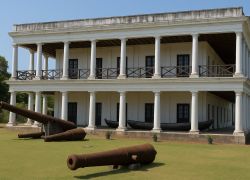
The Sri Lanka Navy Museum in Trincomalee is a fascinating destination for those interested in maritime history, naval warfare, and Sri Lanka’s military heritage. Situated in the coastal city of Trincomalee, the museum is dedicated to showcasing the rich history of the Sri Lankan Navy, its operations, and its role in both local and international waters. The museum offers an insightful journey through the naval history of Sri Lanka, with a range of exhibits from ancient naval warfare to modern military technology. How to Reach Sri Lanka Navy Museum The Sri Lanka Navy Museum is located in the historic port city of Trincomalee, which is easily accessible by road, train, or air. If you are traveling from Colombo, the capital of Sri Lanka, you can reach Trincomalee by bus, train, or car. The drive from Colombo to Trincomalee takes approximately 6-7 hours by car, while trains and buses take a bit longer but are a comfortable and scenic way to travel. Once in Trincomalee, the Navy Museum is located near the harbor, and you can easily reach it by taxi, tuk-tuk, or private vehicle. The museum is well-signposted, so it’s easy to find once you are in the vicinity. If you are staying in Trincomalee, the museum is a short distance from popular tourist attractions such as the Koneswaram Temple and Fort Frederick. Weather at Sri Lanka Navy Museum Trincomalee has a tropical climate, which means warm temperatures throughout the year. The average temperature in the area ranges from 25°C to 32°C. The best time to visit the Sri Lanka Navy Museum is during the dry season, from May to September. During these months, the weather is sunny, and outdoor activities like exploring the museum's grounds are more comfortable. From October to January, the area experiences the northeast monsoon, which brings occasional rains and cooler temperatures. Though the rains do not last all day, the humidity can make it less ideal for long visits to the outdoor exhibits. However, since the museum’s main exhibits are housed indoors, it can still be an enjoyable visit during the wet season. Timing of Sri Lanka Navy Museum The Sri Lanka Navy Museum is open daily from 9:00 AM to 5:00 PM. It is best to arrive early in the morning or later in the afternoon to avoid the midday heat. The museum is less crowded during the early hours, providing a more peaceful and in-depth experience. If you prefer a guided tour, it’s a good idea to book in advance, as tours are typically available in both English and Sinhala, depending on your preference. The museum is closed on certain national holidays, so it is advisable to check the opening hours before planning your visit. The museum is well-maintained, with friendly staff ready to assist visitors and provide additional insights into the exhibits. Why Famous for Sri Lanka Navy Museum, Trincomalee, Sri Lanka? The Sri Lanka Navy Museum is famous for its comprehensive collection of artifacts, models, and exhibits that chronicle the history of the Sri Lankan Navy, from its early beginnings to the modern-day naval operations. It is one of the few museums in Sri Lanka dedicated to showcasing the country's naval history, which has played a crucial role in both national defense and maritime trade. Trincomalee, being one of the world’s largest natural harbors, has significant historical importance for the Sri Lankan Navy. The museum is located in this strategic location, making it even more significant. It houses a vast range of exhibits, including naval uniforms, ship models, weapons, and photographs that trace the evolution of the Sri Lanka Navy over the centuries. The museum also highlights the role of the Navy in Sri Lanka’s civil conflicts and peacekeeping efforts, adding to its historical significance. Entry and Visit Details Entry to the Sri Lanka Navy Museum is relatively inexpensive, with a small fee for both local and international visitors. The fee contributes to the upkeep of the museum and its collections. While the museum is generally open to the public, it is advisable to check for any special events or scheduled maintenance that may affect access before you visit. The museum is wheelchair accessible, making it suitable for visitors with mobility challenges. For those with children, the museum offers a family-friendly atmosphere, with interactive exhibits and plenty of space to explore. Photography is allowed inside the museum, although the use of flash is restricted in certain areas to protect the exhibits. Guided tours are available for a more immersive experience, providing detailed explanations of the museum’s exhibits and their historical context. It’s recommended to book a guided tour in advance, especially during peak tourist seasons, to ensure availability. Visitors can also explore the museum on their own at their own pace. History of Sri Lanka Navy Museum The Sri Lanka Navy Museum was established to preserve and showcase the history of the country’s naval forces. Trincomalee, with its strategic location, has been the site of naval importance for centuries. The museum was created to honor the sacrifices of the Sri Lanka Navy personnel and to educate the public about the Navy’s significant role in Sri Lanka’s defense and maritime history. Over the years, the museum has collected a variety of artifacts, including old naval weapons, models of ships, uniforms, and photographs. It also highlights Sri Lanka’s naval involvement in international peacekeeping operations and the Navy’s efforts to safeguard the nation’s maritime borders. The museum not only serves as a tribute to the Navy’s history but also acts as a resource for understanding Sri Lanka's defense forces and the strategic importance of its oceans. Architecture of Sri Lanka Navy Museum The museum is housed in a historic colonial-era building that reflects the architectural style of the British colonial period. The structure is elegant, with large rooms and high ceilings, creating a spacious and airy environment for the exhibits. The museum's layout is designed to guide visitors through different historical periods, offering a timeline of the Navy's evolution and its impact on Sri Lanka's history. In addition to the indoor exhibits, the museum grounds feature a variety of outdoor displays, including full-size models of naval ships and military vehicles. The surrounding area also offers views of the Trincomalee harbor, adding to the historical ambiance of the location. Things to Do at Sri Lanka Navy Museum When visiting the Sri Lanka Navy Museum, there are several things you can do to enhance your experience: Explore the Exhibits: Take time to explore the detailed exhibits, which include old naval uniforms, models of ships, and weapons used by the Navy throughout history. Take a Guided Tour: If you’re interested in a deeper understanding of Sri Lanka’s naval history, a guided tour can provide valuable insights into the exhibits and their historical significance. Visit the Outdoor Displays: Check out the outdoor display of naval ships and military vehicles, which gives you a sense of the size and strength of the naval fleet. Photography: The museum’s interior and the harbor views offer plenty of opportunities for photography, so don’t forget your camera! Facts and Tips About Sri Lanka Navy Museum The museum is open to both locals and international tourists, and offers a wealth of knowledge about Sri Lanka’s naval history. It is best to visit in the early morning to avoid the midday heat and the crowds that gather later in the day. The museum is free to visit for children, but adults are required to pay a small entrance fee. The fee helps support the museum’s ongoing operations and preservation efforts. Make sure to bring a bottle of water and wear comfortable clothing as you will be walking around for a while. The museum grounds are large, and some exhibits are displayed outdoors. If you are planning to visit other naval sites or monuments in the area, you can easily combine your visit to the Navy Museum with a trip to Fort Frederick or the Koneswaram Temple. Conclusion The Sri Lanka Navy Museum in Trincomalee is a unique and enriching experience that highlights the rich maritime history of Sri Lanka. Whether you are a history enthusiast, a military buff, or someone interested in learning more about the nation’s defense forces, the museum offers a wealth of information and fascinating exhibits. A visit to the museum not only provides insights into Sri Lanka’s naval history but also allows visitors to appreciate the strategic importance of the Trincomalee harbor and the Navy's ongoing contributions to national security.
Explore More